.png)
Best Chemical Filter Media for Aquariums and Ponds
Quick Summary and Direct Answer
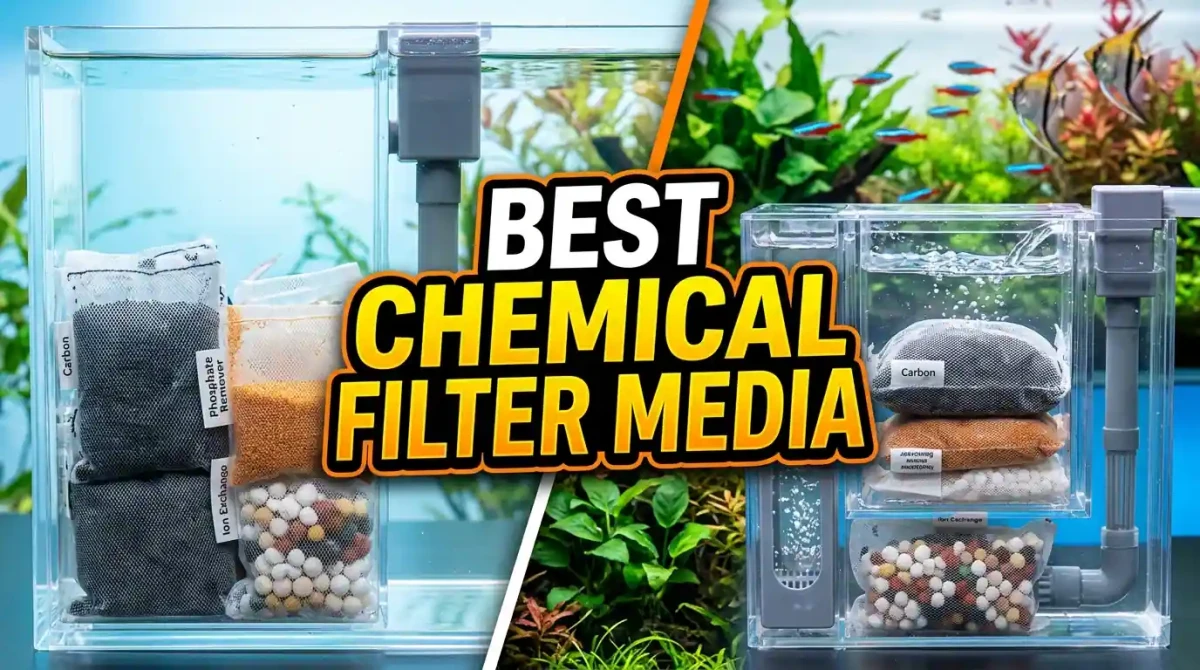
The best chemical filter media combine activated carbon, phosphate removers, and ion exchange resins that safely eliminate dissolved pollutants without disrupting beneficial bacteria. Experts commonly recommend using one to two types simultaneously with replacement every two to four weeks for optimal water clarity.
Most home aquariums benefit from five to ten grams of activated carbon per ten gallons of water capacity. You should select chemical media based on your water type and specific concerns. Freshwater tanks often require carbon for odor control and medication removal. Saltwater reef systems commonly need phosphate removers to prevent algae outbreaks. Always monitor water parameters before and after adding chemical media.
Investing in a mix of budget and premium chemical options ensures effective filtration without overspending. Start with one primary media type and add supplementary products only after testing results. Consult an aquatic specialist if your fish show signs of stress, discoloration, or unusual behavior following media changes.
Key Data and Quick Reference Tables
The table below outlines chemical filter media categories, ideal usage rates, and average cost ranges. This data helps you plan a sustainable filtration routine without guesswork.
| Media Type | Best For | Dosage per 10 Gallons | Average Cost USD |
|---|---|---|---|
| Activated Carbon Pellets | Odor removal and general clarification | 5 to 10 grams | 8 to 25 USD |
| Phosphate Remover Resin | Algae control in saltwater systems | 3 to 7 grams | 15 to 45 USD |
| Ion Exchange Softening Resin | Hard water adjustment for sensitive species | 10 to 20 grams | 12 to 35 USD |
| Zeolite Ammonia Absorber | Emergency ammonia spikes in new tanks | 5 to 15 grams | 6 to 20 USD |
| Poly Filter Pads | Multi pollutant absorption during medication | 1 pad per filter compartment | 10 to 30 USD |
| Water Type | Recommended Primary Media | Replacement Frequency | Testing Schedule |
|---|---|---|---|
| Freshwater Community | Activated carbon and poly filter | Every 3 to 4 weeks | Weekly parameter checks |
| Saltwater Reef | Phosphate remover and carbon | Every 2 to 3 weeks | Twice weekly phosphate tests |
| Brackish or Specialty | Ion exchange and targeted resins | Every 2 to 4 weeks | Weekly salinity and pH checks |
Understanding Chemical Filtration Fundamentals

Chemical filtration removes dissolved organic compounds that mechanical and biological processes cannot address. These invisible pollutants include tannins, medications, heavy metals, and excess nutrients that cause cloudy water or algae blooms.
Widely accepted aquatic care standards emphasize that chemical media should complement, not replace, biological filtration. Beneficial bacteria colonies remain essential for converting ammonia to less toxic compounds. You should never rinse chemical media with tap water containing chlorine.
Effective chemical filtration requires proper water flow contact time. Most media need fifteen to thirty minutes of exposure to process ten gallons of water. You should position chemical media after mechanical filtration but before biological media in canister systems.
Types of Chemical Filter Media and Applications

Activated carbon remains the most versatile chemical media for general aquarium use. Its porous structure adsorbs dissolved organics, chlorine residues, and medication traces. High quality coconut shell carbon typically provides greater surface area than coal based alternatives.
Phosphate remover resins target dissolved orthophosphates that fuel nuisance algae in reef systems. Iron based and aluminum oxide formulations offer different removal rates. You should test phosphate levels before and after application to avoid overdosing that depletes essential trace elements.
Ion exchange resins adjust water hardness by swapping calcium and magnesium ions with sodium or hydrogen. These media benefit soft water species like discus or cardinal tetras. Always monitor pH shifts during initial usage as some resins lower acidity temporarily.
Zeolite crystals selectively bind ammonia molecules through electrostatic attraction. This media provides emergency support during tank cycling or after overfeeding incidents. You should regenerate zeolite with salt water baths every two weeks to restore capacity.
Poly filter pads combine multiple adsorption technologies in a single replaceable element. These convenient options suit medication removal or short term water polishing. You should replace poly pads immediately after treatment courses conclude.
Freshwater versus Saltwater Considerations

Freshwater systems commonly prioritize odor control and tannin removal from driftwood. Activated carbon and poly filters address these concerns effectively. You should avoid phosphate removers in planted freshwater tanks as they may limit nutrient availability for aquatic plants.
Saltwater reef environments require aggressive phosphate and nitrate management to protect coral health. Phosphate removers and specialized nitrate absorbing resins form the chemical filtration foundation. You should dose trace elements separately when using ion exchange media to maintain reef stability.
Brackish and specialty systems benefit from targeted ion exchange to maintain precise salinity and hardness parameters. You should test water chemistry daily during initial media introduction. Gradual adjustments prevent osmotic shock in sensitive species.
Safe Usage Guidelines and Parameter Monitoring

Material safety remains the highest priority when selecting chemical filter media. Widely accepted aquatic standards recommend avoiding products containing unverified chemical coatings or heavy metal contaminants. Food grade activated carbon and laboratory tested resins are commonly recommended for home aquariums.
Always rinse new chemical media in dechlorinated water before installation. This step removes fine dust particles that could cloud water or irritate fish gills. You should wear gloves when handling phosphate removers as some formulations may cause skin sensitivity.
Monitor key water parameters before and after adding chemical media. Test ammonia, nitrite, nitrate, phosphate, and pH levels using reliable liquid test kits. You should document results in a maintenance log to identify trends and optimize replacement schedules.
Installation and Placement Strategies for Maximum Effectiveness

Strategic chemical media placement maximizes pollutant contact while maintaining filter flow efficiency. Position media in mesh bags or dedicated compartments that allow full water exposure. Avoid compressing media tightly as this reduces surface area availability.
Canister filter users should arrange media in this sequence: mechanical sponge first, chemical media second, biological ceramic rings last. This order prevents debris from clogging chemical surfaces while protecting beneficial bacteria colonies. You should leave one inch of space around media bags for optimal flow.
Hang on back filter owners can use media cartridges with integrated chemical layers. Replace these cartridges entirely rather than attempting to refill, as improper packing commonly causes channeling and reduced effectiveness. You should rinse the filter chamber during each media change to remove accumulated sludge.
Maintenance and Replacement Schedules

Regular chemical media replacement prevents pollutant saturation and potential re release into aquarium water. Activated carbon typically reaches capacity within two to four weeks depending on bioload. You should replace carbon immediately after medication treatments conclude.
Phosphate removers require more frequent monitoring in high nutrient systems. Test phosphate levels every three to five days and replace media when removal efficiency drops below fifty percent. You should rotate between iron based and aluminum oxide formulations to prevent trace element depletion.
Zeolite ammonia absorbers need regeneration every ten to fourteen days in established tanks. Soak used zeolite in a five percent salt water solution for two hours, then rinse thoroughly before reuse. You should maintain a backup supply for emergency ammonia spikes.
Budget versus Premium Product Comparison

Entry level chemical media priced under ten USD provide effective starting options for basic clarification. These items commonly feature standard activated carbon or basic resin formulations. They suit low bioload tanks or temporary filtration needs during equipment upgrades.
Mid range products between twelve and thirty USD offer enhanced surface area and longer service life. These selections balance cost and performance for average home aquariums. Many include pre measured bags that simplify dosing and reduce waste.
Premium chemical media exceeding thirty five USD utilize laboratory grade materials and specialized formulations. Reef keepers and sensitive species owners typically require this performance tier. While initial costs remain higher, premium options often last two to three times longer and provide more predictable results.
Common Mistakes Aquarium Owners Make

Many owners leave chemical media in place beyond recommended replacement windows. Saturated media can release absorbed pollutants back into the water column. You should mark calendar reminders for media changes based on your tank bioload and testing results.
Another frequent error involves using multiple chemical media types without understanding interactions. Combining phosphate removers with certain ion exchange resins may cause precipitation or pH swings. You should introduce one new media type at a time and monitor parameters for forty eight hours.
Purchasing based solely on price leads to inconsistent filtration outcomes. Low cost carbon with high ash content may leach impurities or reduce water clarity temporarily. Read verified customer feedback and consult aquatic forums before finalizing purchases. Prioritize material certification and particle size consistency over decorative packaging.
Expert Tips from Aquatic Veterinary and Husbandry Standards

Based on common aquatic veterinary practices, you should conduct weekly visual inspections of chemical media during water changes. Check for discoloration, clumping, or unusual odors that indicate saturation or contamination. Early detection prevents water quality emergencies.
Combine chemical filtration with regular water changes for optimal results. A stable aquarium learns to process waste efficiently with minimal intervention. Aim for ten to fifteen percent weekly water changes alongside scheduled media replacement. This sequence aligns with natural aquatic nutrient cycles.
Document media performance in a simple maintenance journal. Note water clarity improvements, parameter shifts, and fish behavior changes after each replacement. Over time, this data reveals cost effective patterns that improve tank stability. Share findings with your aquatic specialist or local fish club for additional insights.
Frequently Asked Questions

How often should I replace activated carbon in my filter
Replace activated carbon every two to four weeks for optimal performance. High bioload tanks or medicated systems may require weekly changes. Always test water clarity and odor before deciding to extend usage. Saturated carbon loses effectiveness and may release trapped pollutants.
Can chemical filter media harm beneficial bacteria
Properly used chemical media does not directly harm beneficial bacteria colonies. However, removing dissolved organics too aggressively may limit food sources for some bacterial strains. You should maintain biological media separately and avoid over cleaning filter chambers during chemical media changes.
Is phosphate remover safe for planted freshwater aquariums
Phosphate removers may limit nutrient availability for aquatic plants in freshwater systems. You should test phosphate levels before application and consider plant specific fertilizers if using removal media. Consult an aquatic botanist for planted tank optimization strategies.
What should I do if water becomes cloudy after adding new media
Temporary cloudiness often results from fine dust particles released during installation. You should rinse new media thoroughly in dechlorinated water before use. If cloudiness persists beyond twenty four hours, remove the media and test for parameter spikes. Contact an aquatic specialist if fish show distress signs.
🐱 আরও পড়ুন: Fish Accessories and Toys

0 Comments