.png)
Quick Summary and Direct Answer
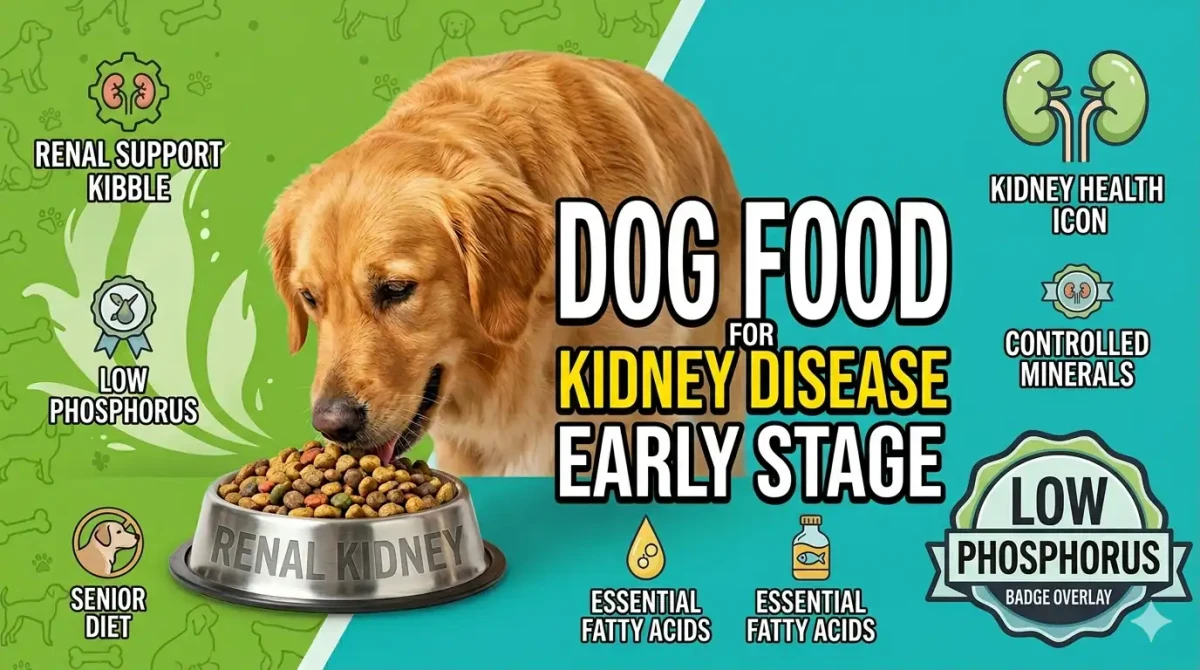
The best dog food for kidney disease early stage and prevention features controlled phosphorus levels, moderate high quality protein, and omega three fatty acids that support renal function while reducing disease progression risk. Experts commonly recommend veterinary formulated renal support diets with zero point three to zero point six percent phosphorus, eighteen to twenty two percent highly digestible protein, and added antioxidants fed in measured portions based on body weight and bloodwork results.
Most dogs in early stage kidney disease benefit from transitioning gradually over ten to fourteen days to gentle formulas containing moderate protein sources like egg or chicken paired with controlled mineral profiles and enhanced omega fatty acids. You should feed two measured meals daily at consistent times and monitor water intake, urine output, and appetite weekly. Always consult a veterinarian before changing diets if your dog shows signs of increased thirst, frequent urination, weight loss, vomiting, or lethargy.
Investing in veterinary recommended renal support formulas may help slow disease progression and support quality of life during early stage kidney concerns. Start with prescription or therapeutic diets that publish phosphorus content and clinical validation. Track your dog bloodwork values and symptoms regularly and adjust feeding strategies based on veterinary guidance rather than trial and error alone. Contact a veterinarian immediately if symptoms worsen or if bloodwork indicates declining kidney function.
Direct Kidney Support Answer
Dogs with early stage kidney disease commonly require therapeutic diets containing zero point three to zero point six percent phosphorus with eighteen to twenty two percent high quality protein for renal support. Feed measured portions twice daily and monitor bloodwork every three to six months. Consult your veterinarian before selecting any diet for kidney concerns as prescription renal formulas are often necessary for optimal management.
Key Data and Quick Reference Tables
The table below outlines kidney support nutrients, recommended levels, and functional benefits for renal health nutrition. This data helps you evaluate food labels with veterinary guidance.
| Nutrient Category | Recommended Level | Primary Function | Common Food Sources |
|---|---|---|---|
| Controlled Phosphorus | 0.3 to 0.6 percent of diet | Reduces kidney workload and slows progression | Egg protein, limited dairy, phosphate binders |
| Moderate High Quality Protein | 18 to 22 percent of diet | Maintains muscle without excess nitrogen waste | Egg, chicken, fish with high biological value |
| Omega 3 Fatty Acids | 0.4 to 0.8 percent of diet | Anti inflammatory support for kidney tissue | Fish oil, EPA DHA from marine sources |
| B Vitamin Complex | Enhanced levels versus maintenance | Replaces nutrients lost through increased urination | Added thiamine, riboflavin, B12 supplements |
| Antioxidants | Vitamin E and C at therapeutic levels | Protects kidney cells from oxidative damage | Mixed tocopherols, blueberry extract, selenium |
| Kidney Disease Stage | Recommended Food Type | Monitoring Frequency | When to Contact Vet |
|---|---|---|---|
| Early stage IRIS Stage 1 to 2 | Veterinary renal support formula | Bloodwork every 3 to 6 months | If creatinine or SDMA values increase |
| Moderate stage IRIS Stage 3 | Prescription renal diet with phosphorus control | Bloodwork every 2 to 3 months | Immediately if vomiting or appetite loss occurs |
| Prevention for at risk dogs | Maintenance diet with kidney supportive nutrients | Annual senior wellness bloodwork | If increased thirst or urination develops |
Understanding Kidney Disease And Nutritional Management

Chronic kidney disease in dogs involves gradual loss of kidney function that affects waste filtration, fluid balance, and electrolyte regulation. Widely accepted veterinary nephrology standards emphasize that early nutritional intervention may help slow disease progression and maintain quality of life.
Kidney disease is commonly staged using the IRIS system which evaluates blood creatinine, SDMA, urine concentration, and blood pressure. Early stage disease IRIS Stage one to two often shows minimal clinical signs but benefits significantly from proactive dietary management.
Phosphorus control represents the most critical nutritional intervention for kidney health. Elevated phosphorus levels accelerate kidney damage through mineral deposition and inflammatory pathways. You should prioritize formulas with guaranteed phosphorus content of zero point three to zero point six percent for early stage management.
Protein moderation balances muscle maintenance with waste reduction. Unlike outdated recommendations for severe protein restriction, current veterinary standards support moderate high quality protein that provides essential amino acids while minimizing nitrogenous waste that kidneys must filter. You should consult your veterinarian about appropriate protein levels based on your dog specific bloodwork values.
Early intervention through appropriate diet selection may help preserve remaining kidney function and delay progression to advanced stages. A consistent routine with renal supportive nutrition keeps your dog comfortable. Prescription renal diets are commonly recommended over over the counter options for reliable phosphorus control and clinical validation.
Essential Nutrients For Kidney Support And Disease Prevention

Phosphorus control forms the cornerstone of kidney health nutrition for dogs with early stage disease. Widely accepted veterinary nephrology standards emphasize that limiting dietary phosphorus reduces the kidneys workload and may slow functional decline.
Target formulas with phosphorus content between zero point three and zero point six percent on a dry matter basis. This range provides adequate mineral support while minimizing the filtration burden on compromised kidneys. You should verify phosphorus levels through guaranteed analysis panels or contact manufacturers directly for dry matter calculations.
Moderate high quality protein supports muscle maintenance without generating excessive nitrogenous waste. Proteins with high biological value like egg, chicken, or fish provide essential amino acids efficiently, reducing the total protein quantity needed. You should select formulas listing these proteins within the first ingredients and avoid low quality by product meals.
Omega three fatty acids from fish oil provide anti inflammatory benefits that may help protect kidney tissue from ongoing damage. EPA and DHA specifically support cellular membrane health and reduce inflammatory cytokine production. You should verify omega three content on food labels through guaranteed analysis panels listing minimum percentages of zero point four to zero point eight percent.
B vitamin supplementation addresses losses through increased urination common in kidney disease. Water soluble vitamins like thiamine, riboflavin, and B12 require regular replenishment to support energy metabolism and neurological function. You should verify enhanced B vitamin levels on ingredient lists when selecting renal support formulas.
Antioxidants including vitamin E, vitamin C, and selenium help protect kidney cells from oxidative stress that accelerates disease progression. These compounds support cellular defense mechanisms during the metabolic challenges of kidney dysfunction. You should verify inclusion of therapeutic antioxidant levels on ingredient lists.
Reading Labels For Kidney Support Dog Food Selection

Effective label reading for kidney support nutrition begins with locating the AAFCO nutritional adequacy statement and veterinary therapeutic designation. Prescription renal diets commonly carry statements indicating formulation for kidney support under veterinary supervision. You should verify these designations appear on packaging before considering other claims.
Ingredient lists reveal protein quality and phosphorus sources through specific naming conventions important for kidney health. Prioritize foods listing high biological value proteins like egg or chicken meal within the first ingredients. Avoid vague terms like meat meal that may contain variable phosphorus content affecting renal management.
Guaranteed analysis panels show minimum crude protein and maximum phosphorus percentages critical for kidney support. For early stage management target formulas with eighteen to twenty two percent protein and zero point three to zero point six percent phosphorus. You should contact manufacturers directly if guaranteed analysis lacks detail on mineral content or dry matter values.
Avoid foods containing high sodium levels that may exacerbate hypertension common in kidney disease. Target sodium content below zero point three percent on a dry matter basis unless your veterinarian recommends otherwise for your dog specific condition.
Look for formulas explicitly stating renal support, kidney care, or phosphorus controlled on packaging. These designations indicate the manufacturer has formulated the product with kidney health in mind. You should still verify nutrient levels personally and consult your veterinarian before selecting any diet for kidney concerns.
Prescription Versus Over The Counter Kidney Support Options

Prescription renal diets undergo rigorous formulation and testing to ensure consistent phosphorus control and clinical efficacy. Widely accepted veterinary nephrology standards emphasize that prescription diets provide reliable nutrient profiles essential for managing progressive conditions like kidney disease.
Prescription options commonly feature precisely controlled phosphorus levels, moderate high quality protein, enhanced omega three fatty acids, and added B vitamins. Brands like Hill's Prescription Diet k d, Royal Canin Renal Support, and Purina Pro Plan Veterinary Diets NF offer clinically validated formulations. You should obtain these diets through your veterinarian who can monitor your dog response through regular bloodwork.
Over the counter kidney support foods may appeal to owners seeking accessible options but commonly lack guaranteed phosphorus control. Manufacturing variability and ingredient sourcing differences can result in phosphorus levels exceeding therapeutic targets. You should discuss over the counter options with your veterinarian before selecting them for kidney disease management.
Phosphorus binders may be recommended alongside dietary management for dogs with elevated blood phosphorus levels. These supplements bind dietary phosphorus in the digestive tract to reduce absorption. You should only use phosphorus binders under veterinary direction with appropriate dosing and monitoring.
Transitioning to prescription renal diets requires careful monitoring of acceptance and tolerance. Some dogs may resist new flavors or textures. You should work with your veterinarian on gradual transition protocols and palatability enhancement strategies that maintain nutritional integrity.
Step By Step Transition Protocol For Kidney Support Diets

Gradual food transitions prevent digestive upset when introducing renal support formulas to dogs with kidney concerns. Widely accepted veterinary guidelines recommend an extended ten to fourteen day schedule that slowly increases new food proportion while monitoring tolerance and bloodwork values.
Follow this step by step transition routine for kidney support management. Days one to three mix ten percent new renal formula with ninety percent current food. Days four to six increase to twenty five percent new food. Days seven to nine use fifty percent each formula. Days ten to twelve increase to seventy five percent new food. Days thirteen to fourteen offer one hundred percent new renal formula. You should extend this timeline if your dog shows appetite loss or digestive upset during transition.
Monitor appetite, water intake, urine output, and energy levels throughout transitions. Ideal observations include consistent eating, normal hydration patterns, and stable behavior. Decreased appetite, increased thirst, or lethargy warrant pausing transition and consulting your veterinarian even with appropriate renal formula changes.
Introduce new kidney support foods during calm periods with minimal environmental stressors. Avoid transitions during travel, illness, or household changes that may compound stress on compromised kidneys. You should maintain consistent feeding times and portion sizes throughout transition to isolate food tolerance variables.
Schedule bloodwork rechecks two to four weeks after completing the transition to assess kidney values response to the new diet. This monitoring helps your veterinarian determine if the dietary change is effectively supporting kidney function or if further adjustments are needed.
Feeding Techniques To Support Kidney Health

Feeding technique significantly impacts nutritional management success in dogs with kidney concerns. Widely accepted veterinary guidelines emphasize that structured feeding protocols support consistent nutrient delivery and monitoring.
Feed two measured meals daily at consistent times to regulate metabolic demands on kidneys. This schedule supports stable blood values and helps identify appetite changes that may signal disease progression. You should remove uneaten food after twenty minutes to maintain routine structure and monitor intake accurately.
Encourage hydration through multiple strategies critical for kidney support. Offer fresh water at all times, consider adding water to dry kibble, or incorporate wet renal formulas to increase fluid intake. Adequate hydration helps kidneys filter waste products more efficiently. You should monitor water consumption patterns and report significant changes to your veterinarian.
Avoid free choice feeding that complicates portion control and monitoring. Measured meals ensure your dog receives appropriate nutrient levels without excess phosphorus or protein that could stress compromised kidneys. You should calculate portions based on your veterinarian recommended calorie targets and body condition scoring.
Limit treats to ten percent of daily calorie intake and select kidney appropriate options. Many commercial treats contain high phosphorus levels unsuitable for renal management. You should consult your veterinarian about safe treat alternatives like small amounts of low phosphorus vegetables or prescription renal treats.
Breed Size And Age Considerations For Kidney Support Nutrition

Small breed dogs with kidney concerns often benefit from calorie dense renal formulas with small kibble size to accommodate tiny mouths while delivering therapeutic nutrient levels. You should select small breed specific renal support formulas that provide controlled phosphorus in appropriately sized pieces.
Large breed dogs with kidney disease require careful calorie management to prevent obesity that stresses compromised kidneys. You should select large breed appropriate renal formulas that balance joint health support with kidney protective nutrients for comprehensive care.
Senior dogs commonly develop kidney changes as part of aging and benefit from proactive nutritional support. You should discuss senior wellness bloodwork with your veterinarian to identify early kidney changes before clinical signs appear. Preventive nutrition may help maintain kidney function longer in aging dogs.
Breeds predisposed to kidney disease including Soft Coated Wheaten Terriers, Bull Terriers, and Shih Tzus may benefit from earlier nutritional intervention. You should discuss breed specific risk factors with your veterinarian and consider preventive renal supportive nutrition for at risk dogs before disease develops.
Dogs with concurrent conditions like heart disease or diabetes require integrated nutritional management. You should work with your veterinarian to balance multiple dietary needs when kidney disease coexists with other health concerns.
Health Monitoring And Preventive Care Through Kidney Support Nutrition

Regular health monitoring during kidney support feeding enables early detection of disease progression or nutritional adjustments requiring veterinary intervention. Widely accepted veterinary nephrology guidelines emphasize that proactive observation supports successful long term kidney management outcomes.
Bloodwork monitoring provides objective data about kidney function and diet effectiveness. Key values include creatinine, SDMA, blood urea nitrogen, phosphorus, and electrolytes. You should schedule rechecks every three to six months for early stage disease or as directed by your veterinarian based on your dog individual values.
Urine specific gravity assessment helps evaluate kidney concentrating ability. Declining concentration may indicate progressing kidney dysfunction requiring dietary or medical adjustment. You should provide fresh urine samples for veterinary analysis during wellness visits.
Body weight and condition scoring track nutritional adequacy during kidney management. Unintentional weight loss may signal inadequate calorie intake or disease progression. You should weigh your dog monthly using the same scale and time of day and document results to share with your veterinarian.
Appetite and behavior monitoring provides insights into quality of life during kidney management. Consistent eating, normal energy levels, and engagement indicate good response to nutritional support. Decreased appetite, lethargy, or behavioral changes warrant veterinary consultation to assess disease status and dietary adequacy.
Red flag symptoms requiring immediate veterinary attention include complete food refusal beyond twenty four hours, persistent vomiting, significant weight loss, seizures, or extreme lethargy. These signs may indicate disease progression or complications requiring urgent professional intervention beyond dietary management alone.
Supplements And Supportive Care For Kidney Health

Omega three fatty acid supplements may provide additional anti inflammatory support alongside renal support formulas. Fish oil capsules or liquid formulations can be added to meals under veterinary guidance. You should verify product purity and appropriate dosing before introducing supplements to avoid nutrient imbalances or excessive calories.
Phosphorus binders may be recommended for dogs with elevated blood phosphorus despite dietary control. These supplements bind dietary phosphorus in the digestive tract to reduce absorption. You should only use phosphorus binders under veterinary direction with appropriate dosing and regular bloodwork monitoring.
B vitamin supplements may help replace nutrients lost through increased urination in kidney disease. Water soluble vitamins require regular replenishment to support energy metabolism. You should consult your veterinarian before adding B complex supplements as many renal support diets already include enhanced levels.
Appetite stimulants or anti nausea medications may be prescribed to support food intake in dogs with kidney disease. These medications help maintain adequate nutrition during disease management. You should only administer prescription medications under veterinary direction with appropriate monitoring.
Avoid over the counter supplements or herbal remedies without explicit veterinary direction. Many supplements interact with kidney function or medications and may cause harm. You should always consult your veterinarian before administering any supplement to a dog with kidney concerns.
Common Mistakes Dog Owners Make With Kidney Support Nutrition

Many owners delay veterinary consultation when noticing early kidney disease signs like increased thirst or urination. Early intervention through appropriate diet may significantly impact disease progression. You should schedule veterinary evaluation promptly when observing potential kidney concerns rather than waiting for obvious illness.
Another frequent error involves selecting over the counter foods without verifying phosphorus content. Uncontrolled phosphorus levels may accelerate kidney damage despite owner intentions to help. You should always consult your veterinarian before selecting any diet for kidney concerns and prioritize prescription renal formulas when recommended.
Ignoring concurrent health conditions while focusing solely on kidney nutrition commonly misses comprehensive management opportunities. Heart disease, dental disease, and other conditions impact kidney health. You should address all health factors through integrated veterinary care alongside nutritional management.
Discontinuing renal support diets when a dog appears improved may allow disease progression to resume. Kidney disease management requires consistent long term nutritional support. You should maintain prescribed dietary protocols unless your veterinarian recommends changes based on monitoring results.
Supplementing prescription renal diets with regular foods or treats reintroduces uncontrolled phosphorus and protein. Even small amounts of non renal foods can compromise dietary management. You should maintain strict dietary consistency during kidney disease management and only offer veterinarian approved treats.
Budget versus Premium Kidney Support Dog Food Comparison

Prescription renal diets represent a specialized category where clinical validation outweighs traditional budget premium distinctions. Widely accepted veterinary nephrology standards emphasize that consistent phosphorus control and therapeutic nutrient profiles matter more than price point for kidney disease management.
Entry level prescription options from major veterinary nutrition companies provide clinically validated renal support at accessible costs through veterinary channels. These formulas commonly feature controlled phosphorus, moderate protein, and enhanced omega three fatty acids. They suit most dogs with early stage kidney disease when fed according to veterinary guidance.
Premium prescription options may offer enhanced palatability features, novel protein sources for dogs with concurrent food sensitivities, or specialized formulations for specific breed needs. Dogs with multiple health concerns or owners prioritizing maximum palatability commonly benefit from these tiers. While costs remain higher, clinical outcomes drive selection rather than price alone.
Cost per feeding analysis should consider the value of disease progression delay and quality of life maintenance. Effective renal nutrition may reduce veterinary expenses associated with advanced kidney disease management. You should discuss cost concerns with your veterinarian who may offer samples, assistance programs, or alternative strategies to support consistent renal nutrition.
Insurance coverage or manufacturer assistance programs may help offset prescription diet costs for dogs with diagnosed kidney disease. You should inquire about available resources through your veterinary clinic or food manufacturer to ensure consistent access to appropriate renal nutrition.
Expert Tips From Veterinary Nephrology Standards

Based on common veterinary nephrology practices, you should schedule comprehensive wellness assessments including bloodwork and urinalysis at diagnosis and every three to six months during kidney disease management. Early detection of value changes allows timely dietary or medical modification that may help slow progression.
Combine appropriate kidney support nutrition with comprehensive wellness strategies for optimal outcomes. Dental health, blood pressure management, and infection prevention support kidney function. Aim for regular veterinary care, dental cleanings, and preventive medicine alongside nutritional management to support overall wellness.
Document feeding observations and health metrics in a simple kidney health journal. Record food type, portion sizes, water intake, urine output, weight trends, and bloodwork values. Over time, this data reveals patterns that optimize management protocols. Share findings with your veterinarian during routine visits for personalized optimization insights.
Prioritize consistent nutritional management over reactive interventions when supporting kidney health. Balanced nutrition with controlled phosphorus, moderate protein, and anti inflammatory support provides lifelong benefits that isolated treatments cannot achieve. You should emphasize consistent feeding protocols and consult professionals before modifying established nutrition plans for your dog with kidney concerns.
Frequently Asked Questions

When should I start kidney support food for my dog
Begin kidney support nutrition when your veterinarian identifies early kidney changes through bloodwork or urinalysis, even before clinical signs appear. IRIS Stage one to two represents the optimal window for dietary intervention. You should consult your veterinarian about preventive nutrition for at risk breeds or senior dogs with normal but trending kidney values.
Can over the counter dog food manage early kidney disease
Over the counter foods rarely provide the consistent phosphorus control required for effective kidney disease management. Prescription renal diets undergo rigorous formulation to ensure therapeutic nutrient levels. You should consult your veterinarian about whether prescription renal nutrition is appropriate for your dog rather than selecting over the counter options independently.
How long does it take to see benefits from kidney support food
Kidney support nutrition aims to slow disease progression rather than reverse existing damage. Benefits may include stabilized bloodwork values, maintained appetite, and preserved quality of life over months to years. You should monitor progress through regular veterinary bloodwork rather than expecting rapid visible changes.
What if my dog refuses to eat kidney support food
Palatability challenges commonly occur during renal diet transitions. You should work with your veterinarian on gradual introduction strategies, warming food to enhance aroma, or trying different prescription renal formulas. Contact your veterinarian if food refusal persists beyond twenty four hours as adequate nutrition remains critical during kidney disease management.

0 Comments