.png)
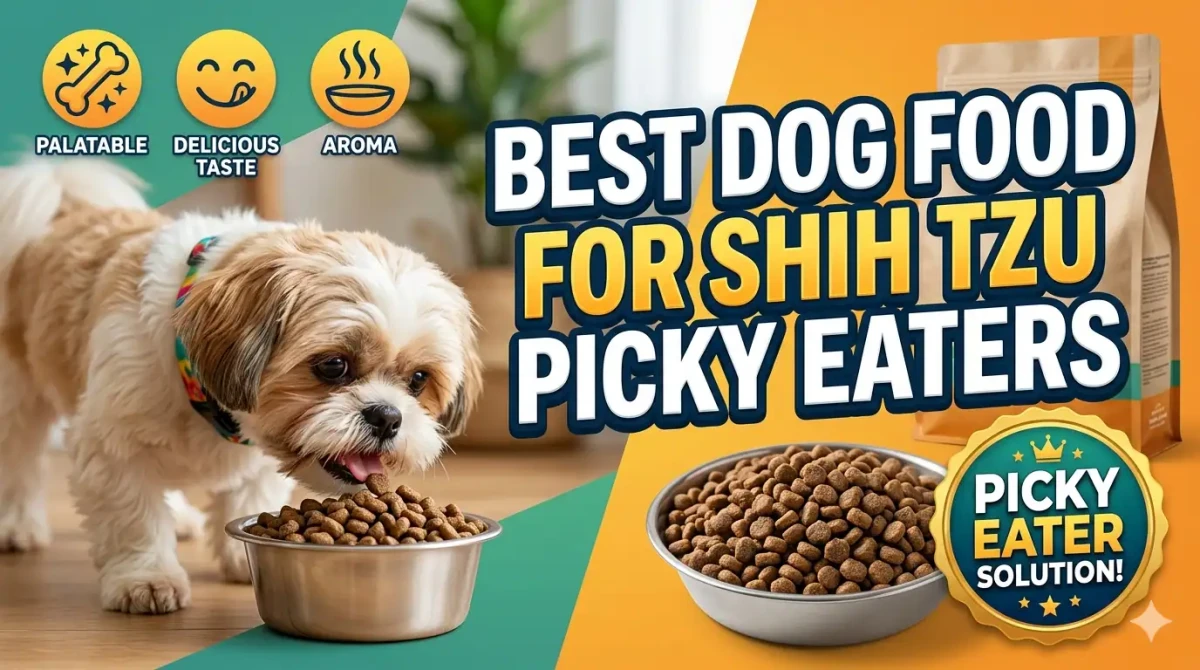
Quick Summary and Direct Answer
The best dog food for Shih Tzu picky eaters combines highly palatable ingredients, small kibble size, and aromatic formulations that appeal to the breed's sensitive nose and selective eating habits. Experts commonly recommend AAFCO approved small breed formulas with twenty two to twenty eight percent protein, enhanced flavor profiles from real meat sources, and optional wet food toppers fed in measured portions twice daily.
Most Shih Tzus benefit from feeding strategies that address their brachycephalic anatomy, dental structure, and strong food preferences. Shih Tzu puppies require small kibble with elevated protein for growth. Adult Shih Tzus need palatable nutrition with moderate fat and fiber to maintain interest without weight gain. Senior Shih Tzus benefit from soft texture options and joint support alongside appetite stimulation. Always consult a veterinarian before selecting food for Shih Tzus with dental issues, allergies, or persistent appetite loss.
Investing in breed appropriate palatable nutrition may help maintain consistent eating patterns and support overall wellness in this selective breed. Start with veterinarian recommended small breed formulas that publish ingredient sourcing and feeding trial results. Monitor your Shih Tzu appetite, weight, and stool quality weekly and adjust feeding strategies based on observable preferences rather than package guidelines alone. Contact a veterinarian if your Shih Tzu refuses food for more than twenty four hours or shows signs of weight loss, lethargy, or digestive upset.
Key Data and Quick Reference Tables
The table below outlines Shih Tzu nutritional requirements for picky eater management by life stage, feeding frequencies, and product cost ranges. This data helps you plan a sustainable nutrition strategy without guesswork.
| Life Stage | Target Protein Percentage | Kibble Size Recommendation | Average Cost USD per lb |
|---|---|---|---|
| Puppy 8 weeks to 10 months | 24 to 28 percent small breed formula | Extra small under 8mm diameter | 1.75 to 4.25 |
| Adult 10 months to 8 years | 20 to 26 percent palatable small breed | Small 8 to 10mm diameter | 1.50 to 3.75 |
| Senior 8 years and older | 18 to 24 percent senior soft texture option | Small softened or wet formula | 2.00 to 4.50 |
| Palatability Strategy | Key Ingredients | Implementation Method | Expected Response Time |
|---|---|---|---|
| Real Meat First Ingredient | Chicken meal, lamb, salmon | Select formulas with named protein top 3 | 3 to 5 days for acceptance |
| Wet Food Toppers | Gravy, pate, broth based | Mix 1 to 2 tablespoons with dry kibble | Immediate to 2 days |
| Warm Food Enhancement | Warm water or low sodium broth | Add warm liquid 5 minutes before serving | Immediate aroma stimulation |
| Probiotic Digestive Support | Enterococcus faecium, Lactobacillus | Verify 100 million CFU per cup minimum | 1 to 2 weeks for appetite improvement |
Understanding Shih Tzu Picky Eating Behaviors

Shih Tzus commonly exhibit selective eating patterns influenced by their brachycephalic anatomy, sensitive olfactory systems, and companion breed temperament. Widely accepted veterinary nutrition standards emphasize that picky eating in this breed often stems from food texture preferences, aroma sensitivity, or learned behaviors rather than medical issues.
Common triggers for food refusal include large kibble size that challenges small jaws, low aroma formulas that fail to stimulate appetite, sudden diet changes that disrupt established preferences, and environmental stressors that affect mealtime comfort. You should observe your Shih Tzu for patterns linking specific food characteristics or situations to eating behavior.
Early intervention through appropriate diet selection and feeding techniques may help establish consistent eating patterns. A consistent routine with palatable nutrition keeps your Shih Tzu engaged at meals. You do not need prescription diets to start for mild pickiness. Simple small breed formulas combined with aroma enhancement techniques create balanced nutrition that satisfies taste preferences while respecting nutritional needs.
Essential Ingredients For Shih Tzu Palatability

Ingredient selection significantly impacts food acceptance in Shih Tzus with selective eating habits. Widely accepted canine nutrition standards recommend prioritizing named animal proteins like chicken meal, lamb, or salmon within the first three ingredients to ensure appealing aroma and taste profiles.
Real meat sources provide natural flavors that commonly appeal to picky Shih Tzus more than plant based proteins or by product meals. You should verify ingredient lists disclose specific protein sources rather than vague terms like meat meal that may reduce palatability.
Fat content between twelve and eighteen percent enhances flavor and aroma while providing essential fatty acids for coat health. Moderate fat levels support palatability without promoting weight gain in this small breed. You should select formulas listing named animal fats like chicken fat preserved with natural tocopherols.
Small kibble size under ten millimeters diameter accommodates the Shih Tzu brachycephalic jaw structure and small mouth. Appropriately sized kibble encourages proper chewing and reduces frustration that may contribute to food refusal. You should verify kibble dimensions on product descriptions or contact manufacturers for size specifications.
Prebiotic fibers and probiotics support digestive health that influences appetite regulation. Ingredients like chicory root and dried fermentation products help maintain beneficial gut bacteria populations that may improve eating interest. You should verify guaranteed probiotic counts on packaging to ensure therapeutic levels for sensitive Shih Tzu digestive systems.
Reading Labels For Shih Tzu Picky Eater Food Selection

Effective label reading for Shih Tzu nutrition begins with locating the AAFCO nutritional adequacy statement for small breed puppies, adult maintenance, or senior dogs. This certification indicates the formula meets minimum requirements despite selective eating challenges. You should verify this statement appears on packaging before considering other marketing claims.
Ingredient lists reveal protein quality and palatability potential through specific naming conventions important for Shih Tzu acceptance. Prioritize foods listing named animal proteins like chicken meal or salmon within the first three ingredients. Avoid vague terms like meat digest that may contain inconsistent protein sources affecting taste consistency.
Guaranteed analysis panels show minimum crude protein and fat percentages plus fiber content. For Shih Tzu picky eaters, target formulas with twenty to twenty eight percent protein, twelve to eighteen percent fat, and two to four percent fiber. You should contact manufacturers directly if guaranteed analysis lacks detail on palatability enhancing ingredients.
Avoid foods containing artificial colors, flavors, or preservatives like BHA and BHT that may counteract natural appeal for sensitive Shih Tzus. Natural preservation with mixed tocopherols and rosemary extract commonly supports nutrient stability without compromising taste profiles in small breed formulas.
Shih Tzu Puppy Nutrition Encouraging Early Food Acceptance

Shih Tzu puppies require specialized nutrition that supports rapid growth while establishing positive eating patterns during the critical socialization period. Widely accepted veterinary nutrition standards emphasize that early food experiences commonly influence lifelong eating behaviors in this selective breed.
Protein levels for Shih Tzu puppies should range between twenty four and twenty eight percent from high quality animal sources to support muscle development with appealing flavors. Small kibble size under eight millimeters encourages proper chewing and reduces frustration that may lead to food refusal. You should verify guaranteed analysis panels and select formulas specifically labeled for small breed puppies.
Feeding frequency for Shih Tzu puppies should begin with three to four small meals daily from eight weeks to four months then transition to two to three meals daily from four months to ten months. This schedule supports steady nutrient delivery without overwhelming developing digestive systems. You should measure portions using standardized cups and adjust based on body condition scoring rather than package guidelines alone.
Introduce varied textures gradually during puppyhood to build flexibility in food acceptance. Start with dry kibble then occasionally offer moistened portions or small wet food additions to prevent rigid preferences. You should maintain primary nutrition from complete balanced formulas while using variety as a tool for long term feeding success.
Adult Shih Tzu Nutrition Palatability And Weight Balance

Adult Shih Tzus between ten months and eight years require nutrition that maintains appetite interest while preventing obesity common in this small companion breed. Widely accepted veterinary internal medicine standards emphasize that balancing palatability with calorie control supports healthy weight in food selective Shih Tzus.
Protein levels for adult Shih Tzus should range between twenty and twenty six percent to maintain lean muscle mass with appealing taste profiles. High quality animal proteins support muscle maintenance during regular activity while moderate fat levels between twelve and eighteen percent provide flavor without promoting weight gain. You should select formulas listing named animal proteins within the first three ingredients.
Palatability enhancement techniques significantly impact food acceptance in selective Shih Tzus. Formulas containing real meat broths, freeze dried meat coatings, or natural flavor enhancers may improve interest without compromising nutritional balance. You should monitor weight when introducing highly palatable formulas and adjust portions to prevent overconsumption.
Feeding frequency for adult Shih Tzus should maintain two measured meals daily at consistent times. This schedule supports metabolic regulation and prevents grazing behavior that complicates appetite assessment. You should remove uneaten food after twenty minutes to maintain routine structure and identify true food refusal versus temporary disinterest.
Senior Shih Tzu Nutrition Appetite Support And Dental Considerations

Senior Shih Tzus eight years and older require nutrition addressing age related changes in dental health, appetite regulation, and digestive efficiency. Widely accepted veterinary geriatric standards emphasize that proactive nutritional support may help maintain eating interest and comfort in aging Shih Tzus.
Soft texture options including moistened kibble, wet food formulas, or senior specific soft kibble help accommodate dental changes that commonly reduce interest in hard dry food. Target senior formulas providing therapeutic levels of joint support compounds alongside palatability enhancements. You should verify guaranteed analysis panels for specific nutrient amounts.
Appetite stimulation nutrients including elevated aroma profiles, moderate sodium levels, and B vitamin complexes may help maintain eating interest in senior Shih Tzus with reduced olfactory sensitivity. These compounds support sensory engagement that encourages mealtime participation. You should select senior formulas specifically formulated for appetite support when your Shih Tzu shows reduced eating interest.
Protein levels for senior Shih Tzus should range between eighteen and twenty four percent from highly digestible sources to maintain muscle mass without stressing aging kidneys. Easily digestible proteins support nutrient absorption in seniors with reduced digestive efficiency. You should consult your veterinarian about protein levels if your senior Shih Tzu has kidney concerns.
Feeding frequency for senior Shih Tzus should maintain two smaller meals daily to accommodate reduced digestive capacity while ensuring adequate nutrient intake for appetite maintenance. You should monitor weight closely in seniors as metabolic rates commonly decrease with age requiring portion adjustments to prevent obesity that stresses aging joints.
Feeding Techniques To Encourage Shih Tzu Food Acceptance

Feeding technique significantly impacts food acceptance in Shih Tzus with selective eating habits. Widely accepted veterinary guidelines emphasize that structured feeding protocols reduce anxiety and encourage consistent eating patterns in this sensitive breed.
Warm food enhancement stimulates aroma release that commonly appeals to Shih Tzu sensitive noses. Add warm water or low sodium chicken broth to dry kibble five minutes before serving to enhance scent without altering nutritional content. You should test food temperature before offering to ensure comfort and safety.
Hand feeding small portions initially may help build positive associations with new foods for highly selective Shih Tzus. Gradually transition to bowl feeding once acceptance is established to maintain routine structure. You should limit hand feeding to transition periods to prevent dependency that complicates independent eating.
Quiet feeding environments reduce stress that may suppress appetite in sensitive Shih Tzus. Position food bowls away from high traffic areas, loud appliances, or other pets during mealtime. You should observe your Shih Tzu comfort level during feeding and adjust location based on individual preferences.
Consistent meal timing regulates hunger hormones that support appetite regulation. Feed at the same times daily to establish predictable eating patterns. You should maintain fifteen to twenty minute meal windows to encourage focused eating without creating pressure that may increase refusal behaviors.
Small Breed Specific Nutrition Strategies For Shih Tzus

Shih Tzus require calorie appropriate formulas with small kibble size to accommodate their compact jaws and moderate metabolic rates. These dogs commonly face feeding frustration if meals contain large kibble pieces that challenge brachycephalic anatomy. You should select small breed formulas that deliver appropriate protein levels in compact kibble sizes designed for toy breed mouths.
Feed Shih Tzus two measured meals daily using palatable small breed formulas with enhanced aroma profiles. Monitor for signs of selective eating including sniffing without consuming, walking away from food, or preferring treats over meals. You should keep veterinarian approved high value treats available for training without undermining mealtime interest.
Shih Tzus benefit from controlled fat levels between twelve and eighteen percent to provide flavor and essential fatty acids without promoting weight gain in this small companion breed. Excessive fat commonly contributes to obesity risk that stresses joints and reduces lifespan. You should verify fat content on guaranteed analysis panels when selecting palatable formulas for Shih Tzus.
Transition timelines to new formulas should be extended for selective Shih Tzus due to strong food preferences. Allow ten to fourteen days for gradual introduction rather than standard seven day transitions. You should monitor acceptance patterns and appetite daily during transitions and pause progression if refusal behaviors increase.
Health Monitoring And Preventive Care Through Shih Tzu Nutrition

Regular health monitoring during Shih Tzu feeding enables early detection of appetite changes, nutritional deficiencies, or underlying health concerns that may require veterinary intervention. Widely accepted veterinary guidelines emphasize that proactive observation supports successful long term nutrition outcomes for this selective breed.
Appetite tracking provides objective data about feeding strategy effectiveness in Shih Tzus. You should observe meal completion patterns, time to finish meals, and interest levels at feeding times. Consistent refusal, prolonged sniffing without eating, or sudden appetite changes may indicate health concerns requiring veterinary evaluation. Document appetite observations alongside feeding adjustments to identify optimal strategies.
Weight tracking provides objective data about nutritional adequacy during feeding transitions. Weigh your Shih Tzu weekly using the same scale and time of day. Document results in a simple journal to share with your veterinarian during wellness visits. This data driven approach commonly identifies nutritional concerns before they become significant health issues.
Stool quality serves as a primary indicator of digestive adaptation to Shih Tzu nutrition formulas. Firm formed stools one to three times daily indicate optimal nutrient absorption. Consistently soft or voluminous stools may signal food intolerance that warrants formula evaluation. You should document stool characteristics alongside feeding adjustments to identify optimal ingredient combinations for your individual Shih Tzu.
Red flag symptoms requiring immediate veterinary attention include complete food refusal beyond twenty four hours, weight loss, vomiting, diarrhea, lethargy, or signs of pain. These signs may indicate serious conditions requiring professional diagnosis and treatment beyond dietary management alone.
Supplements And Supportive Care For Selective Shih Tzus

Probiotic supplements may help support digestive health that influences appetite regulation in selective Shih Tzus. Widely accepted veterinary gastroenterology standards emphasize that specific strains like Enterococcus faecium SF68 have research support for improving digestive comfort that may enhance eating interest.
Food toppers including small amounts of wet food, bone broth, or freeze dried meat may enhance palatability without compromising nutritional balance. Add one to two tablespoons of topper to dry kibble to stimulate interest while maintaining complete nutrition from primary formula. You should calculate topper calories into daily totals to prevent unintentional overfeeding.
Appetite stimulating herbs like ginger or fennel may support digestive comfort in some Shih Tzus with mild appetite concerns. These natural compounds may help reduce mild nausea that affects eating interest. You should consult your veterinarian before introducing herbal supplements to ensure safety and appropriate dosing for your individual Shih Tzu.
Avoid over the counter human appetite stimulants or medications without explicit veterinary direction. Many human medications are toxic to dogs or may mask symptoms of serious conditions requiring professional treatment. You should always consult your veterinarian before administering any supplement or medication to a Shih Tzu with persistent appetite concerns.
Common Mistakes Shih Tzu Owners Make With Picky Eater Nutrition

Many Shih Tzu owners offer multiple food options when initial meals are refused. This commonly reinforces selective eating behaviors and delays establishment of consistent eating patterns. You should offer one appropriate formula at scheduled mealtimes and remove uneaten food after twenty minutes to maintain routine structure.
Another frequent error involves excessive treat feeding that reduces mealtime hunger. High value treats commonly appeal more than balanced nutrition, creating preference imbalances. You should limit treats to ten percent of daily calorie intake and select low calorie training rewards that do not undermine meal interest.
Ignoring dental health while focusing solely on food selection commonly misses comprehensive management opportunities. Dental pain or discomfort may contribute to food refusal in Shih Tzus. You should schedule regular dental checkups and maintain oral hygiene alongside nutrition strategies for optimal eating comfort.
Delaying veterinary consultation for persistent appetite loss may allow treatable conditions to progress. Shih Tzus can develop complications from inadequate nutrition. You should contact your veterinarian if food refusal persists beyond twenty four hours, or if your Shih Tzu shows weight loss, lethargy, or other concerning signs regardless of dietary adjustments.
Budget versus Premium Shih Tzu Picky Eater Food Comparison

Entry level Shih Tzu appropriate foods priced under one point five zero dollars per pound provide adequate nutrition meeting AAFCO minimum standards with basic palatability features. These options commonly feature poultry by product meals and grain based carbohydrates that deliver functional protein at accessible price points. They suit healthy Shih Tzus with mild selectivity when fed according to veterinarian guidance.
Mid range products between one point five zero and three dollars per pound offer enhanced ingredient quality with named animal proteins, enhanced aroma profiles, and small kibble design for toy breeds. These selections balance cost and quality for average household Shih Tzus with standard picky eating patterns and typical maintenance needs.
Premium Shih Tzu foods exceeding three dollars per pound utilize human grade meat sources, advanced palatability technologies, and transparent ingredient sourcing. Shih Tzus with severe selectivity, multiple food sensitivities, or owner preference for clinical validation commonly benefit from this tier. While initial costs remain higher, premium options may reduce long term veterinary expenses through preventive nutritional support for breed specific feeding challenges.
Cost per feeding analysis often narrows the gap between price tiers when accounting for palatability and portion requirements. Higher quality proteins and aroma enhancers in premium brands may improve acceptance that reduces food waste compared to lower palatability alternatives. You should calculate daily feeding costs based on measured portions rather than bag price alone to determine true economic value for your Shih Tzu.
Expert Tips From Veterinary And Breed Specific Standards

Based on common veterinary nutrition practices for Shih Tzus, you should schedule wellness exams when appetite concerns first appear and follow up at two week intervals during dietary transitions. Early detection of underlying conditions allows timely intervention that may help prevent chronic feeding issues in this sensitive breed.
Combine appropriate Shih Tzu nutrition with stress reduction strategies for optimal appetite support. A calm Shih Tzu with consistent routines tolerates dietary adjustments more effectively. Aim for quiet feeding environments, predictable schedules, and gentle handling during mealtime to support both physical and emotional wellness.
Document feeding observations in a simple Shih Tzu health journal. Record food types, portion sizes, appetite ratings, weight trends, and behavioral responses. Over time, this data reveals patterns that improve feeding decisions. Share findings with your veterinarian during routine visits for personalized optimization insights regarding Shih Tzu specific picky eater management strategies.
Prioritize gradual progression over rapid results when implementing picky eater protocols. Balanced nutrition that supports consistent eating patterns, healthy weight, and digestive comfort provides lifelong wellness benefits that accelerated transitions cannot achieve. You should emphasize Shih Tzu comfort and individual preferences when advancing food options and consult professionals before modifying established feeding schedules.
Frequently Asked Questions

How do I get my Shih Tzu to eat dry kibble
Encourage dry kibble acceptance by warming food slightly to enhance aroma, adding small amounts of low sodium broth or wet food topper, and maintaining consistent feeding routines. Allow fifteen to twenty minute meal windows then remove uneaten food to establish routine structure. You should consult your veterinarian if refusal persists beyond several days despite these strategies.
What if my Shih Tzu only eats human food
Transition from human food dependence by gradually mixing small amounts of appropriate dog food with preferred human items, then slowly increasing dog food proportion over ten to fourteen days. Maintain strict treat limits and avoid offering human food during transition periods. You should consult your veterinarian about safe transition protocols for your individual Shih Tzu.
Can I add flavor enhancers to my Shih Tzus food
Adding veterinary approved flavor enhancers like bone broth, freeze dried meat sprinkles, or small wet food portions may support palatability when used appropriately. You should consult your veterinarian before supplementing to ensure proper dosing and avoid nutrient imbalances. Many palatable formulas already include enhanced flavor profiles that may not require additional additives.
When should I consult a veterinarian about my Shih Tzus appetite concerns
Consult your veterinarian if appetite concerns persist beyond twenty four hours despite appropriate feeding strategies, or if your Shih Tzu shows weight loss, vomiting, diarrhea, lethargy, or signs of pain. Early professional evaluation commonly identifies underlying conditions requiring targeted treatment beyond dietary management alone.
🐱 আরও পড়ুন: Dogs Food
- 🐾 Puppy food with DHA vitamins and minerals for brain and immunity development
- 🐾 Best Dog Food For Pitbulls Muscle Growth And Protein Guide
- 🐾 Best Dog Food For Allergies Skin Itching And Ear Infections
- 🐾 Best Puppy Food for Growth and Development Guide
- 🐾 Best Dog Food For French Bulldogs Sensitive Stomach And Gas

0 Comments