.png)
Best Wand Toys for Cats and Interactive Play Guide
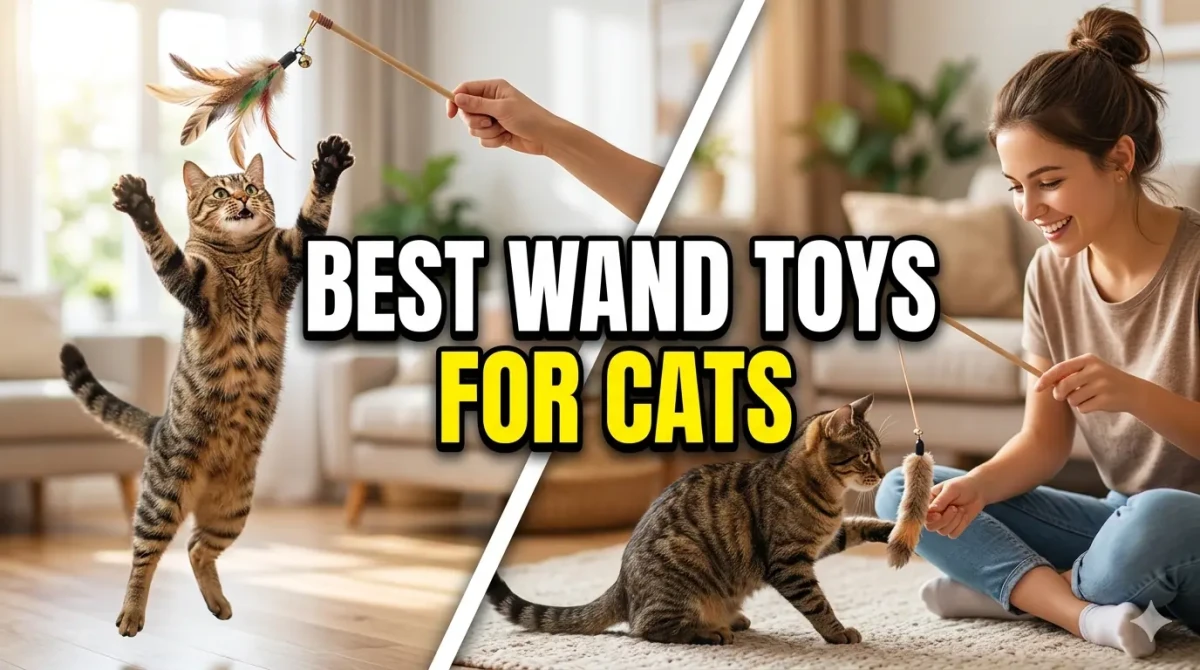
Quick Summary and Direct Answer
The best wand toys for cats feature durable construction, safe attachments, and versatile movement patterns that trigger natural hunting instincts. Experts commonly recommend rotating between feather teasers, lure wands, and motorized options to maintain long term engagement and prevent play fatigue.
Cats typically benefit from two to three short play sessions daily, lasting ten to fifteen minutes each. You should select wand toys based on your cat life stage and play style. Kittens require lightweight wands with soft attachments that protect developing teeth and claws. Adult cats handle sturdy fiberglass or carbon fiber poles with replaceable lures. Senior pets benefit from gentle, low impact teasers that encourage movement without joint strain.
Investing in a mix of budget and premium wand options ensures continuous novelty without overspending. Start with two to three distinct styles and rotate attachments every three to four days. Consult a veterinarian if your cat shows signs of overexertion, respiratory distress, or sudden disinterest in previously enjoyed activities.
Key Data and Quick Reference Tables
The table below outlines wand toy categories, ideal usage frequency, and average cost ranges. This data helps you plan a sustainable enrichment routine without guesswork.
| Wand Toy Category | Best For | Daily Play Time | Average Cost USD |
|---|---|---|---|
| Feather Teaser Wands | Mimicking bird prey and aerial hunting | 10 to 15 minutes per session | 8 to 30 USD |
| Lure and String Wands | Ground tracking and pouncing practice | 10 to 20 minutes per session | 6 to 25 USD |
| Motorized Electronic Wands | Independent play and owner free time | 15 to 25 minutes per session | 25 to 75 USD |
| Interchangeable Attachment Kits | Variety seeking cats and multi cat homes | 10 to 15 minutes per attachment | 15 to 45 USD |
| Retractable and Compact Wands | Travel and small space living | 5 to 10 minutes per session | 10 to 35 USD |
| Life Stage | Recommended Wand Type | Attachment Safety | Replacement Timeline |
|---|---|---|---|
| Kitten under 6 months | Lightweight plastic or bamboo pole | Soft fabric and short feathers only | Attachments every 2 to 3 weeks |
| Adult 1 to 10 years | Fiberglass or carbon fiber pole | Durable feathers and reinforced lures | Attachments every 4 to 8 weeks |
| Senior over 10 years | Flexible lightweight pole with gentle motion | Large soft lures and slow moving attachments | Attachments every 3 to 6 weeks |
Understanding Feline Play Instincts and Boredom Triggers

Cat boredom often stems from insufficient predatory simulation rather than lack of physical space. Domestic cats retain strong hunting instincts inherited from wild ancestors. When these instincts remain unused, anxiety, overgrooming, and furniture scratching commonly develop.
Interactive wand play directly reduces stress markers in indoor cats. Studies based on widely accepted veterinary behavior standards show that structured hunting simulations may help lower cortisol levels and improve sleep quality. You should observe your cat daily for restlessness, excessive vocalization, or destructive clawing.
Early intervention prevents habit formation. A consistent routine with varied wand techniques keeps neural pathways active. You do not need expensive equipment to start. Simple feather attachments combined with proper movement patterns create a balanced play environment that satisfies natural drives.
Cat Breed and Energy Level Overview

Different breeds carry distinct energy levels and historical hunting styles. Active breeds like Abyssinians, Bengals, and Siamese require fast moving lures that mimic erratic prey behavior. These cats benefit from wand sessions that include vertical leaps and rapid direction changes.
Companion breeds such as Ragdolls, British Shorthairs, or Persians prefer gentle, ground based teasing that encourages stalking without excessive jumping. Wand toys with slower, predictable motions help these cats engage comfortably without overwhelming their moderate energy levels.
Always consider your individual cat personality alongside breed generalizations. Some Bengals enjoy calm feather drifting while some Ragdolls prefer vigorous chase games. You should test two or three attachment styles before committing to a specific wand system. Document preferences to refine future purchases.
Safe Materials and Attachment Guidelines

Material safety remains the highest priority when selecting wand toys. Widely accepted pet care standards recommend avoiding products containing loose strings longer than six inches, small detachable beads, or unverified synthetic dyes. Natural feathers, food grade silicone lures, and reinforced fabric are commonly recommended for attachments.
Wand poles should feature non slip grips and flexible tips that prevent injury during accidental contact. You must inspect attachments before each session for loose threads, frayed edges, or exposed wire. Swallowing internal materials commonly leads to gastrointestinal blockages that require emergency veterinary care.
Look for products tested by independent safety laboratories. Many reputable brands publish material certificates on their official websites. When in doubt, consult your veterinarian about specific brand recommendations for your cat health profile, especially for cats with respiratory sensitivities or feather allergies.
Play Session Structure and Frequency Guidelines

Effective wand play follows a predictable hunting sequence: stalk, chase, pounce, and capture. You should structure each ten to fifteen minute session to include all four phases. Begin with slow, ground based movements to trigger stalking behavior. Gradually increase speed and add vertical elements to encourage chasing and leaping.
End each session with a successful capture moment. Allow your cat to bite and hold the attachment briefly before offering a small treat or meal. This sequence satisfies the complete predatory cycle and commonly reduces post play frustration or redirected aggression.
Frequency matters as much as technique. Adult cats typically benefit from two structured wand sessions daily, ideally before morning and evening meals. Kittens may require three to four shorter sessions due to higher energy bursts. Senior cats often prefer one gentle session midday when joints are most flexible.
Health and Preventive Care Through Interactive Play

Regular wand play supports joint mobility, cardiovascular health, and weight management. Gentle chasing games stimulate muscle development without excessive strain. Senior cats benefit from controlled indoor sessions that maintain flexibility during colder months or limited outdoor access periods.
Mental enrichment through wand toys may help prevent cognitive decline in aging cats. Problem solving elements like hiding the lure behind furniture or varying movement patterns keep neural pathways active. You should combine wand play with puzzle feeders for comprehensive cognitive support.
Monitor play sessions for signs of overexertion including heavy panting, prolonged recovery time, or reluctance to continue. Excessive drooling or pawing at the mouth warrants immediate session termination. Contact a licensed veterinarian if you notice limping, labored breathing, or sudden disinterest in previously enjoyed activities.
Training and Behavior Guidance with Wand Toys

Teaching your cat to engage with new wand attachments requires patience and positive reinforcement. Never force a cat to interact with unfamiliar objects. Start by placing the attachment near their resting area and allowing passive investigation without movement.
Follow this step by step introduction routine. Step one involves passive observation for two to three days. Step two adds gentle dragging motions at a distance of three to five feet. Step three introduces brief thirty second chase sequences. Gradually increase duration and complexity based on comfort levels.
Consistency remains essential for long term success. Use the same verbal cue for each play session. Rotate attachment types every three to four days to preserve novelty value. This method commonly reduces attention seeking behaviors and nighttime activity spikes in household environments.
Accessories and Tools for Extended Wand Play

Supporting tools enhance standard wand functionality and extend attachment lifespan. Storage cases with ventilation prevent feather degradation from moisture accumulation. You should keep different attachment types separated to avoid cross contamination and scent transfer.
Cleaning accessories like pet safe enzymatic sprays remove saliva buildup efficiently. Hand wash fabric attachments using mild detergent to preserve integrity and scent appeal. Air dry completely before storage to prevent mold growth that could trigger respiratory issues.
Replacement attachment packs provide cost effective variety without purchasing new poles. Many premium wand systems offer universal connectors compatible with third party lures. Always inspect connector hardware for sharp edges or loose fittings before attaching to a pole.
Budget versus Premium Product Comparison

Entry level wand toys priced under ten USD provide excellent starting options for casual players. These items commonly feature basic plastic poles and simple feather attachments. They suit low intensity cats or temporary enrichment phases during travel or veterinary recovery.
Mid range products between twelve and thirty USD offer reinforced poles and replaceable attachment systems. These selections balance cost and longevity for average household cats. Many include multiple lure styles that reduce long term replacement expenses and maintain engagement.
Premium wand toys exceeding thirty five USD utilize carbon fiber poles, ergonomic grips, and advanced attachment mechanisms. Highly active breeds and persistent players typically require this durability tier. While initial costs remain higher, premium options often last three to five times longer than budget alternatives and reduce injury risk from pole breakage.
Common Mistakes Cat Owners Make

Many owners allow cats to play with wand toys unsupervised. Leaving attachments accessible when not in use poses severe ingestion hazards. Strings, feathers, and small components commonly cause intestinal blockages. Always store wand toys in closed containers after each session.
Another frequent error involves repetitive movement patterns. Using identical motions every session leads to habituation and reduced engagement. Vary speed, direction, and elevation to mimic unpredictable prey behavior. This approach maintains high interest levels and strengthens the human cat bond.
Purchasing based solely on visual appeal leads to poor investment outcomes. Bright colors and elaborate feathers do not guarantee durability or safety. Read verified customer feedback and consult breed specific forums before finalizing purchases. Prioritize attachment security and pole flexibility over decorative elements.
Expert Tips from Veterinary and Behavioral Standards

Based on common veterinary practices, you should conduct monthly safety inspections during wand play sessions. Check for wear patterns, loose stitching, and color fading that indicate material breakdown. Early detection prevents accidental ingestion incidents and extends product lifespan.
Combine physical exercise with mental enrichment for optimal results. A stimulated cat learns faster and retains calm behavior longer. Aim for ten minutes of active wand play followed by five minutes of puzzle feeder interaction. This sequence aligns with natural feline energy cycles and predatory satisfaction.
Document attachment preferences in a simple journal. Note duration of interest, destructive tendencies, and cleaning frequency. Over time, this data reveals purchasing patterns that save money and improve cat satisfaction. Share findings with your groomer or veterinary behaviorist for additional insights.
Frequently Asked Questions

How long should each wand play session last
Keep structured wand sessions between ten and fifteen minutes for adult cats. Kittens benefit from shorter five to eight minute bursts repeated throughout the day. Senior cats often prefer gentle seven to ten minute sessions. Always end before signs of fatigue appear to maintain positive associations.
Are feather attachments safe for cats with allergies
Cats with known respiratory sensitivities may react to natural feathers. You should consult a veterinarian before introducing feathered attachments. Silicone lures, fabric strips, or crinkle materials commonly serve as safe alternatives that still trigger hunting instincts without allergen exposure.
Can wand toys replace other forms of exercise
Wand play supports physical health but does not replace climbing structures, scratching posts, or independent exploration. Combine wand sessions with vertical spaces and puzzle feeders for comprehensive enrichment. This multi approach commonly reduces behavioral issues and supports lifelong wellness.
What materials should I avoid in wand attachments
Avoid attachments containing loose strings longer than six inches, small beads, or unsecured wire components. BPA and phthalates remain concerns in low quality plastic lures. Choose products labeled non toxic or veterinary approved. When uncertain, request material safety documentation directly from manufacturers.

0 Comments