.png)
Best Dog Chew Toys for Puppies: Safe & Effective Guide
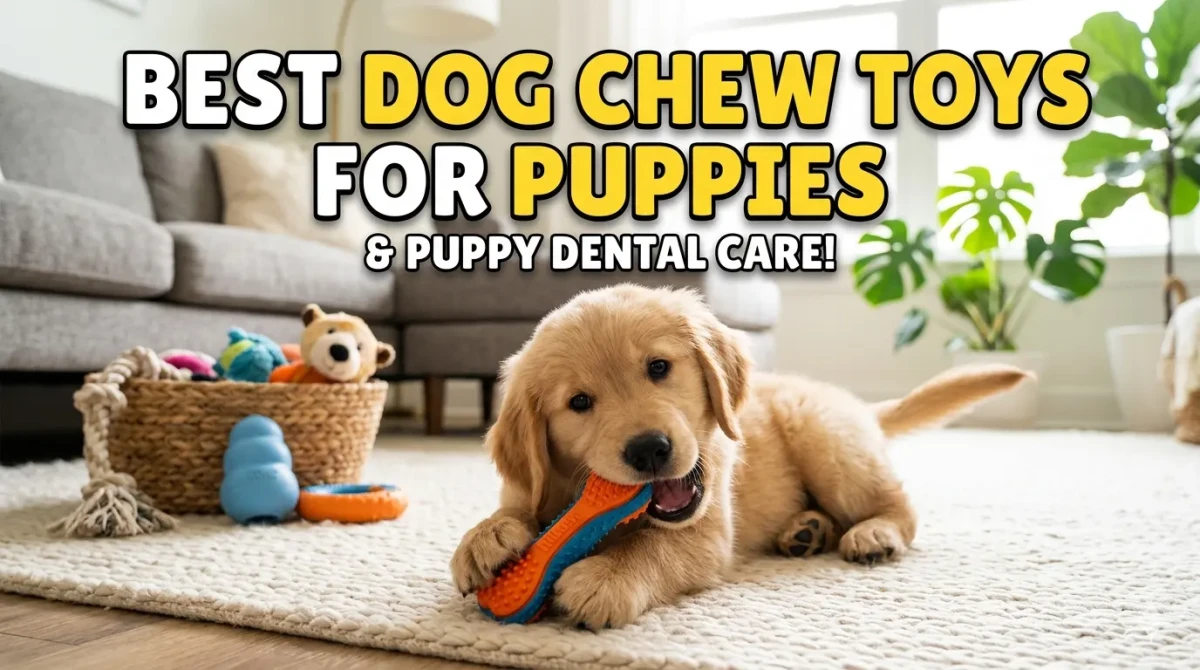
Why Choosing the Right Chew Toys Is Essential for Puppy Development
Chewing is a natural, irresistible behavior for puppies—it's not mischief or defiance, but a biological necessity for dental development, jaw strengthening, and mental stimulation. However, when puppies choose your shoes, furniture, or electrical cords over appropriate toys, frustration mounts. The solution isn't to stop chewing (impossible and unhealthy) but to redirect it to safe, appropriate chew toys that support your puppy's development while protecting your home.
Featured Snippet Answer: The best dog chew toys for puppies are made of durable, non-toxic rubber or fabric, sized appropriately to prevent choking, and designed for teething relief. Look for toys labeled "for puppies" with soft textures for young teeth, avoid hard materials like antlers or nylon that can fracture teeth, and always supervise chewing sessions. Rotate toys regularly to maintain interest and support dental development.
Puppies explore the world with their mouths, and their chewing instincts peak during teething (typically 3-6 months). Providing appropriate chew toys during this critical period prevents destructive behaviors, supports healthy dental development, and teaches bite inhibition—the ability to control jaw pressure. This comprehensive guide provides evidence-based, veterinarian-aligned strategies for selecting and using chew toys that keep your puppy safe, happy, and developing properly.
Understanding Puppy Chewing: Development, Needs, and Behavior
Before selecting chew toys, it's essential to understand why puppies chew and what they need at different developmental stages.
Puppy Chewing Timeline:
- 0-8 weeks: Neonatal period; chewing begins with littermates to learn bite inhibition
- 8-16 weeks: Baby teeth erupt; chewing increases as gums become sore; critical period for toy introduction
- 3-6 months: Adult teeth erupt; peak teething discomfort; chewing intensity peaks
- 6-12 months: Adult teeth fully erupted; chewing habits established; transition to adult chew toys
- 🐾 Best Cat Toys for Kittens: Top Picks & Guide
- 🐾 Best Durable Dog Toys That Last Long: Expert Guide & Reviews
- 🐾 Best Portable Cages for Small Pets Complete Buying Guide
Why Puppies Chew:
- Teething relief: Chewing soothes sore gums as teeth erupt and shift
- Jaw development: Chewing strengthens jaw muscles and supports proper dental alignment
- Mental stimulation: Chewing provides enrichment and reduces boredom
- Stress relief: Chewing releases endorphins that calm anxiety
- Exploration: Puppies learn about texture, taste, and object properties through mouthing
- 🐾 Best Cat Toys for Kittens: Top Picks & Guide
- 🐾 Best Durable Dog Toys That Last Long: Expert Guide & Reviews
- 🐾 Best Portable Cages for Small Pets Complete Buying Guide
Featured Snippet Answer: Puppies chew for teething relief, jaw development, mental stimulation, stress relief, and exploration. Chewing peaks during teething (3-6 months) when adult teeth erupt. Providing appropriate chew toys during this period prevents destructive behaviors and supports healthy dental development.
How do I know if my puppy's chewing is normal or problematic?
Normal puppy chewing focuses on appropriate toys, occurs during teething peaks, and decreases with proper redirection. Problematic chewing targets inappropriate items (furniture, shoes), persists beyond teething, or involves destructive intensity. If chewing causes injury, property damage, or doesn't improve with training, consult a veterinarian or certified trainer.
Key Features to Look for in Safe Puppy Chew Toys

Not all chew toys are created equal. Selecting toys with the right features ensures safety, durability, and developmental support.
Material Safety:
- Non-toxic rubber: Look for food-grade, BPA-free rubber designed for puppies (e.g., natural rubber, thermoplastic rubber)
- Soft fabrics: Plush toys should have reinforced stitching and no small parts that can be swallowed
- Avoid hard materials: Antlers, bones, nylon, or hard plastic can fracture puppy teeth
- No small detachable parts: Eyes, squeakers, or buttons can be choking hazards
- 🐾 Best Cat Toys for Kittens: Top Picks & Guide
- 🐾 Best Durable Dog Toys That Last Long: Expert Guide & Reviews
- 🐾 Best Portable Cages for Small Pets Complete Buying Guide
Size and Texture Appropriateness:
- Size guidelines: Toy should be large enough that puppy can't swallow it whole but small enough to hold comfortably
- Texture variety: Offer different textures (nubby, smooth, ridged) to soothe gums and support dental development
- Flexibility: Toys should have some give to protect developing teeth and jaws
- 🐾 Best Cat Toys for Kittens: Top Picks & Guide
- 🐾 Best Durable Dog Toys That Last Long: Expert Guide & Reviews
- 🐾 Best Portable Cages for Small Pets Complete Buying Guide
Developmental Support Features:
- Teething relief: Toys that can be frozen provide numbing relief for sore gums
- Bite inhibition training: Toys that provide feedback when bitten too hard help puppies learn gentle mouthing
- Mental engagement: Food-dispensing or puzzle chew toys provide mental stimulation alongside chewing
- 🐾 Best Cat Toys for Kittens: Top Picks & Guide
- 🐾 Best Durable Dog Toys That Last Long: Expert Guide & Reviews
- 🐾 Best Portable Cages for Small Pets Complete Buying Guide
Durability and Maintenance:
- Washable: Toys should be easy to clean to prevent bacterial growth
- Inspect regularly: Check for wear, tears, or loose parts; replace damaged toys immediately
- Supervision required: Even safe toys require monitoring, especially with aggressive chewers
- 🐾 Best Cat Toys for Kittens: Top Picks & Guide
- 🐾 Best Durable Dog Toys That Last Long: Expert Guide & Reviews
- 🐾 Best Portable Cages for Small Pets Complete Buying Guide
Featured Snippet Answer: Choose puppy chew toys made of non-toxic, flexible rubber or soft fabric, sized to prevent choking, with textures that soothe teething gums. Avoid hard materials like antlers or nylon that can fracture teeth. Look for toys labeled "for puppies" and always supervise chewing sessions.
Top Recommended Chew Toys for Puppies by Category

After extensive research and analysis of safety, durability, and developmental benefits, these are the best chew toys for puppies.
1. Rubber Teething Toys: Soothing and Durable
Best For: Teething relief, jaw development, independent chewing
Top Picks:
- KONG Puppy: Made of softer rubber than adult KONGs; can be stuffed with treats or frozen for soothing relief; bounces unpredictably for engagement
- Nylabone Puppy Chew: Specifically formulated for puppy teeth; softer than adult versions; comes in various flavors and shapes
- Petstages Cool Teething Stick: Can be frozen; textured surface massages gums; lightweight for small puppies
- West Paw Zogoflex Puppy Toys: Made of durable, non-toxic material; floats for water play; guaranteed replaceable if destroyed
- 🐾 Best Cat Toys for Kittens: Top Picks & Guide
- 🐾 Best Durable Dog Toys That Last Long: Expert Guide & Reviews
- 🐾 Best Portable Cages for Small Pets Complete Buying Guide
Pro Tip: Freeze rubber toys for 30 minutes before giving to teething puppies—the cold provides numbing relief for sore gums.
2. Fabric and Plush Toys: Comfort and Gentle Chewing
Best For: Gentle chewing, comfort, carrying, and cuddling
Top Picks:
- KONG Shakers Puppy Toys: Soft plush with gentle squeakers; reinforced stitching; machine washable
- ZippyPaws Skinny Peltz: Long, thin plush toys with squeakers; easy for puppies to carry and shake
- Outward Hound Hide-A-Squirrel Junior: Plush puzzle toy; puppies remove small squeaky squirrels from tree trunk; great for mental stimulation
- DIY option: Old t-shirts braided into tug toys; supervise closely and replace when frayed
- 🐾 Best Cat Toys for Kittens: Top Picks & Guide
- 🐾 Best Durable Dog Toys That Last Long: Expert Guide & Reviews
- 🐾 Best Portable Cages for Small Pets Complete Buying Guide
Safety Considerations:
- Supervise plush toy use; remove if puppy starts ingesting fabric
- Choose toys without small plastic eyes or buttons
- Wash regularly to prevent bacterial growth
- 🐾 Best Cat Toys for Kittens: Top Picks & Guide
- 🐾 Best Durable Dog Toys That Last Long: Expert Guide & Reviews
- 🐾 Best Portable Cages for Small Pets Complete Buying Guide
3. Food-Dispensing and Puzzle Chew Toys: Mental Engagement
Best For: Mental stimulation, slowing eating, extending chewing time
Top Picks:
- KONG Puppy Classic: Stuff with puppy-safe peanut butter, kibble, or yogurt; freeze for extended engagement
- PetSafe Busy Buddy Puppy: Adjustable difficulty; dispenses treats as puppy chews and manipulates
- Nina Ottosson Puppy Puzzle Toys: Simple sliding compartments; hide treats for problem-solving practice
- DIY option: Freeze puppy kibble in ice cube trays with water or low-sodium broth
- 🐾 Best Cat Toys for Kittens: Top Picks & Guide
- 🐾 Best Durable Dog Toys That Last Long: Expert Guide & Reviews
- 🐾 Best Portable Cages for Small Pets Complete Buying Guide
Training Tip: Use food-dispensing toys to teach "leave it" and "drop it" commands; reward puppy for releasing toy on cue.
4. Natural and Alternative Chews: Supervised Options
Best For: Variety, natural chewing instincts, supervised sessions
Top Picks:
- Bully sticks (puppy size): Highly digestible; long-lasting; choose odor-free, single-ingredient options
- Freeze-dried liver or sweet potato chews: Single-ingredient; digestible; break into small pieces for training
- Rubber-rooted carrots or apple slices (frozen): Natural, low-calorie teething relief; supervise to prevent choking
- Avoid: Rawhide (choking/blockage risk), cooked bones (splinter hazard), antlers (too hard for puppy teeth)
- 🐾 Best Cat Toys for Kittens: Top Picks & Guide
- 🐾 Best Durable Dog Toys That Last Long: Expert Guide & Reviews
- 🐾 Best Portable Cages for Small Pets Complete Buying Guide
Supervision Essential: Always monitor puppies with natural chews; remove when small enough to swallow.
5. Interactive and Tug Toys: Bonding and Training
Best For: Bonding, bite inhibition training, controlled chewing
Top Picks:
- KONG Puppy Tugger: Soft rubber with handles; designed for gentle tug-of-war
- Mammoth Flossy Chews: Cotton rope toys; help clean teeth; supervise to prevent fiber ingestion
- West Paw Tux: Stuffable rubber toy; great for tug and fetch; floats for water play
- DIY option: Braid old fleece strips into tug ropes; secure ends tightly
- 🐾 Best Cat Toys for Kittens: Top Picks & Guide
- 🐾 Best Durable Dog Toys That Last Long: Expert Guide & Reviews
- 🐾 Best Portable Cages for Small Pets Complete Buying Guide
Training Integration: Use tug toys to practice "drop it," "wait," and gentle mouthing; end games before puppy gets overexcited.
Safety First: Critical Considerations for Puppy Chew Toys

Puppies explore with their mouths, making toy safety paramount. Understanding risks and prevention strategies protects your puppy from injury.
Choking and Ingestion Hazards:
- Size matters: Toys should be large enough that puppy can't swallow them whole
- Avoid small parts: Squeakers, eyes, buttons, or detachable pieces can be swallowed
- Monitor wear: Replace toys when they show signs of breaking apart
- Supervise always: Never leave puppy unsupervised with chew toys, especially new ones
- 🐾 Best Cat Toys for Kittens: Top Picks & Guide
- 🐾 Best Durable Dog Toys That Last Long: Expert Guide & Reviews
- 🐾 Best Portable Cages for Small Pets Complete Buying Guide
Material Safety:
- Avoid toxic materials: Choose toys labeled non-toxic, BPA-free, and food-grade
- Skip hard materials: Antlers, bones, nylon, or hard plastic can fracture puppy teeth
- Check for recalls: Research brands for safety records and recall history
- Avoid chemical treatments: Skip toys with strong chemical odors or dyes
- 🐾 Best Cat Toys for Kittens: Top Picks & Guide
- 🐾 Best Durable Dog Toys That Last Long: Expert Guide & Reviews
- 🐾 Best Portable Cages for Small Pets Complete Buying Guide
Supervision Guidelines:
- Initial introduction: Always supervise first sessions with new toys to assess interaction style
- Aggressive chewers: Remove toys that show signs of breaking; choose more durable options
- Time limits: Limit chewing sessions to 15-20 minutes to prevent jaw fatigue or overstimulation
- Rotate toys: Keep 3-4 toys available; rotate weekly to maintain novelty and inspect for wear
- 🐾 Best Cat Toys for Kittens: Top Picks & Guide
- 🐾 Best Durable Dog Toys That Last Long: Expert Guide & Reviews
- 🐾 Best Portable Cages for Small Pets Complete Buying Guide
Featured Snippet Answer: Keep puppy chew toys safe by choosing non-toxic, appropriately sized toys without small parts. Avoid hard materials like antlers or nylon that can fracture teeth. Always supervise chewing sessions, inspect toys regularly for wear, and replace damaged toys immediately.
What chew toys should I avoid for puppies?
Avoid hard chew toys like antlers, bones, nylon, or hard plastic that can fracture puppy teeth. Avoid rawhide (choking/blockage risk), toys with small detachable parts, or anything with toxic materials or strong chemical odors. Always choose toys specifically labeled "for puppies" with soft, flexible materials.
Age-Appropriate Chew Toy Selection

Matching chew toys to your puppy's developmental stage ensures safety and maximizes benefits.
8-12 Weeks: Early Teething
Developmental Focus: Baby teeth erupting; gums sore; learning bite inhibition
Best Toys:
- Soft rubber toys that can be frozen (KONG Puppy, Petstages Cool Teething)
- Gentle plush toys with reinforced stitching
- Small, lightweight toys easy to hold and carry
- Food-dispensing toys with simple mechanics
- 🐾 Best Cat Toys for Kittens: Top Picks & Guide
- 🐾 Best Durable Dog Toys That Last Long: Expert Guide & Reviews
- 🐾 Best Portable Cages for Small Pets Complete Buying Guide
Avoid: Hard toys, large toys that are difficult to hold, toys with small parts
3-4 Months: Peak Teething
Developmental Focus: Adult teeth erupting; chewing intensity peaks; jaw strengthening
Best Toys:
- Durable rubber toys with varied textures (KONG Puppy, West Paw Zogoflex)
- Frozen toys for gum relief
- Food-dispensing puzzles for mental engagement
- Supervised natural chews (bully sticks, freeze-dried treats)
- 🐾 Best Cat Toys for Kittens: Top Picks & Guide
- 🐾 Best Durable Dog Toys That Last Long: Expert Guide & Reviews
- 🐾 Best Portable Cages for Small Pets Complete Buying Guide
Avoid: Extremely hard materials, toys that can be broken into small pieces
5-6 Months: Transition to Adult Teeth
Developmental Focus: Adult teeth fully erupted; chewing habits established; bite inhibition refinement
Best Toys:
- Transition to slightly firmer rubber toys (adult KONG if puppy is gentle)
- Interactive puzzle toys for mental stimulation
- Tug toys for controlled chewing and training
- Rotate textures to maintain interest
- 🐾 Best Cat Toys for Kittens: Top Picks & Guide
- 🐾 Best Durable Dog Toys That Last Long: Expert Guide & Reviews
- 🐾 Best Portable Cages for Small Pets Complete Buying Guide
Avoid: Toys that are too soft if puppy is becoming a strong chewer
6-12 Months: Adolescent Chewing
Developmental Focus: Chewing habits solidified; mental stimulation needs increase
Best Toys:
- Durable rubber toys appropriate for chewing strength
- Complex puzzle toys for problem-solving
- Supervised long-lasting chews (bully sticks, rubber-rooted vegetables)
- Interactive toys that combine chewing with training
- 🐾 Best Cat Toys for Kittens: Top Picks & Guide
- 🐾 Best Durable Dog Toys That Last Long: Expert Guide & Reviews
- 🐾 Best Portable Cages for Small Pets Complete Buying Guide
Avoid: Toys that are too easy or no longer engage your puppy
How to Introduce Chew Toys: Building Positive Associations

Proper introduction ensures your puppy accepts chew toys and develops healthy chewing habits.
Step-by-Step Introduction:
- Let puppy investigate: Place new toy near puppy without forcing interaction; let them sniff and explore
- Add incentives: Rub toy with a small amount of puppy-safe peanut butter or place treats on/near toy
- Demonstrate gently: Gently chew or manipulate toy yourself to show it's fun and safe
- Keep sessions short: 5-10 minutes initially to prevent overwhelm
- End positively: Praise or offer a treat when puppy shows interest or chews appropriately
- Repeat consistently: Daily brief exposure builds familiarity and positive associations
Troubleshooting Toy Rejection:
- Try adding a favorite treat directly to the toy
- Freeze rubber toys for teething relief if puppy seems uncomfortable
- Try different textures or shapes if puppy shows no interest
- Introduce at different times of day (puppies have energy peaks)
- Put the toy away for a few days, then reintroduce
- 🐾 Best Cat Toys for Kittens: Top Picks & Guide
- 🐾 Best Durable Dog Toys That Last Long: Expert Guide & Reviews
- 🐾 Best Portable Cages for Small Pets Complete Buying Guide
Making Toys More Appealing:
- Rub toys with a small amount of puppy-safe peanut butter or yogurt
- Freeze toys for teething puppies (numbing relief)
- Use toys during interactive play to build positive associations
- Rotate toys regularly to maintain novelty
- 🐾 Best Cat Toys for Kittens: Top Picks & Guide
- 🐾 Best Durable Dog Toys That Last Long: Expert Guide & Reviews
- 🐾 Best Portable Cages for Small Pets Complete Buying Guide
Featured Snippet Answer: Introduce chew toys by letting puppy investigate voluntarily, adding treats or peanut butter for positive association, and demonstrating gentle chewing. Keep sessions short (5-10 minutes), end positively, and repeat daily. If rejected, try different textures, freezing, or timing.
Troubleshooting Common Chewing Challenges

Even with appropriate toys, puppies may present challenges. Here's how to address them humanely and effectively.
Problem: Puppy Chews Inappropriate Items (Shoes, Furniture)
Causes: Boredom, teething discomfort, lack of appropriate outlets, insufficient supervision
Solutions:
- Prevent access: Puppy-proof home by removing tempting items or using baby gates
- Redirect immediately: When puppy chews inappropriate item, calmly say "no," then offer appropriate chew toy
- Make appropriate toys more appealing: Add treats, freeze, or use during interactive play
- Increase enrichment: Provide more mental stimulation through training, puzzle toys, and exercise
- Supervise closely: Watch puppy during free time; interrupt inappropriate chewing immediately
- 🐾 Best Cat Toys for Kittens: Top Picks & Guide
- 🐾 Best Durable Dog Toys That Last Long: Expert Guide & Reviews
- 🐾 Best Portable Cages for Small Pets Complete Buying Guide
Problem: Puppy Chews Too Aggressively or Destroys Toys Quickly
Causes: Strong chewing instinct, boredom, anxiety, or toy not durable enough
Solutions:
- Upgrade durability: Choose more durable rubber toys (West Paw Zogoflex, KONG)
- Supervise closely: Remove toys when they show signs of breaking
- Provide variety: Rotate toys to maintain interest and reduce obsessive focus
- Increase exercise: Ensure puppy gets adequate physical and mental exercise to reduce destructive chewing
- Consult professional: If aggression or destruction is extreme, consult a certified trainer or behaviorist
- 🐾 Best Cat Toys for Kittens: Top Picks & Guide
- 🐾 Best Durable Dog Toys That Last Long: Expert Guide & Reviews
- 🐾 Best Portable Cages for Small Pets Complete Buying Guide
Problem: Puppy Loses Interest in Chew Toys
Causes: Boredom, toy rotation needed, developmental changes
Solutions:
- Rotate toys: Keep only 3-4 toys available; rotate weekly to maintain novelty
- Add variety: Introduce new textures, shapes, or food-dispensing features
- Make toys interactive: Use toys during play sessions or training
- Adjust for age: Transition to more complex toys as puppy develops
- 🐾 Best Cat Toys for Kittens: Top Picks & Guide
- 🐾 Best Durable Dog Toys That Last Long: Expert Guide & Reviews
- 🐾 Best Portable Cages for Small Pets Complete Buying Guide
Problem: Puppy Swallows Pieces of Chew Toys
Causes: Toy not durable enough, insufficient supervision, puppy's chewing style
Solutions:
- Remove immediately: Take away any toy that breaks into small pieces
- Upgrade durability: Choose more durable toys appropriate for puppy's chewing strength
- Supervise always: Never leave puppy unsupervised with chew toys
- Consult vet: If puppy ingests toy pieces, contact veterinarian immediately
- 🐾 Best Cat Toys for Kittens: Top Picks & Guide
- 🐾 Best Durable Dog Toys That Last Long: Expert Guide & Reviews
- 🐾 Best Portable Cages for Small Pets Complete Buying Guide
Featured Snippet Answer: If puppy chews inappropriate items, redirect to appropriate toys and puppy-proof your home. For aggressive chewing, upgrade to more durable toys and supervise closely. Rotate toys to maintain interest. If puppy swallows toy pieces, remove immediately and consult your veterinarian.
Budget-Friendly and DIY Chew Toy Options

You don't need expensive toys to keep your puppy engaged. Many effective chew toys can be made at home with safe, accessible materials.
Easy DIY Projects:
1. Frozen Washcloth Teether:
- Wet a clean washcloth, twist into a rope, and freeze
- Provides numbing relief for teething puppies
- Supervise use; remove when cloth starts to unravel
- Cost: Free
- 🐾 Best Cat Toys for Kittens: Top Picks & Guide
- 🐾 Best Durable Dog Toys That Last Long: Expert Guide & Reviews
- 🐾 Best Portable Cages for Small Pets Complete Buying Guide
2. Braided Fleece Tug Toy:
- Cut old fleece into strips, braid tightly, and secure ends
- Great for tug-of-war and gentle chewing
- Supervise; replace when frayed
- Cost: Free (using old materials)
- 🐾 Best Cat Toys for Kittens: Top Picks & Guide
- 🐾 Best Durable Dog Toys That Last Long: Expert Guide & Reviews
- 🐾 Best Portable Cages for Small Pets Complete Buying Guide
3. Frozen Kibble Pops:
- Mix puppy kibble with water or low-sodium broth in ice cube tray
- Freeze; give one cube as a cooling, engaging chew
- Supervise to prevent choking on large pieces
- Cost: Minimal (uses regular food)
- 🐾 Best Cat Toys for Kittens: Top Picks & Guide
- 🐾 Best Durable Dog Toys That Last Long: Expert Guide & Reviews
- 🐾 Best Portable Cages for Small Pets Complete Buying Guide
4. Cardboard Tube Chew:
- Fill empty toilet paper rolls with kibble or treats
- Let puppy chew and forage to get treats out
- Supervise; remove when cardboard is shredded
- Cost: Free
- 🐾 Best Cat Toys for Kittens: Top Picks & Guide
- 🐾 Best Durable Dog Toys That Last Long: Expert Guide & Reviews
- 🐾 Best Portable Cages for Small Pets Complete Buying Guide
5. Rope Toy from Old T-Shirts:
- Cut t-shirt into strips, braid tightly, knot ends
- Great for tug and gentle chewing
- Supervise; replace when frayed to prevent fiber ingestion
- Cost: Free
- 🐾 Best Cat Toys for Kittens: Top Picks & Guide
- 🐾 Best Durable Dog Toys That Last Long: Expert Guide & Reviews
- 🐾 Best Portable Cages for Small Pets Complete Buying Guide
Safety Tips for DIY Toys:
- Always supervise DIY toy use; remove when showing wear
- Avoid materials that can splinter, fray excessively, or be ingested
- Use only non-toxic, pet-safe materials
- Keep DIY toys separate from commercial toys to avoid confusion
- 🐾 Best Cat Toys for Kittens: Top Picks & Guide
- 🐾 Best Durable Dog Toys That Last Long: Expert Guide & Reviews
- 🐾 Best Portable Cages for Small Pets Complete Buying Guide
Building Healthy Chewing Habits: Training and Management

Chew toys aren't just for entertainment—they're tools for teaching bite inhibition, impulse control, and appropriate chewing behavior.
Teaching Bite Inhibition:
- Use chew toys for feedback: When puppy bites too hard during play, say "ouch" in a high-pitched voice and stop interaction briefly
- Redirect to toys: When puppy mouths hands or clothing, immediately offer appropriate chew toy
- Reward gentle mouthing: Praise and continue play when puppy chews toys gently
- Consistency is key: All family members should respond the same way to inappropriate mouthing
- 🐾 Best Cat Toys for Kittens: Top Picks & Guide
- 🐾 Best Durable Dog Toys That Last Long: Expert Guide & Reviews
- 🐾 Best Portable Cages for Small Pets Complete Buying Guide
Training "Drop It" and "Leave It":
- "Drop it" training: Offer high-value treat when puppy has toy; say "drop it" as they release; reward immediately
- "Leave it" training: Place treat in closed hand; say "leave it"; reward when puppy stops trying; gradually increase difficulty
- Practice with chew toys: Use these commands during chew toy sessions to build impulse control
- Keep sessions short: 5-minute training sessions 2-3 times daily prevent frustration
- 🐾 Best Cat Toys for Kittens: Top Picks & Guide
- 🐾 Best Durable Dog Toys That Last Long: Expert Guide & Reviews
- 🐾 Best Portable Cages for Small Pets Complete Buying Guide
Managing Chewing Environment:
- Puppy-proofing: Remove tempting items (shoes, cords, remote controls) from puppy's reach
- Designated chewing areas: Provide chew toys in specific locations to establish expectations
- Supervision schedule: Watch puppy during free time; use crate or pen when unsupervised
- Exercise and enrichment: Ensure puppy gets adequate physical and mental exercise to reduce destructive chewing
- 🐾 Best Cat Toys for Kittens: Top Picks & Guide
- 🐾 Best Durable Dog Toys That Last Long: Expert Guide & Reviews
- 🐾 Best Portable Cages for Small Pets Complete Buying Guide
Featured Snippet Answer: Build healthy chewing habits by teaching bite inhibition (redirect inappropriate mouthing to toys), training "drop it" and "leave it" commands, puppy-proofing your home, and ensuring adequate exercise. Consistency and positive reinforcement create lasting good habits.
Quick Recap: Key Takeaways for Puppy Chew Toys

- Choose chew toys made of non-toxic, flexible rubber or soft fabric sized to prevent choking
- Avoid hard materials like antlers, bones, or nylon that can fracture puppy teeth
- Match toys to developmental stage: soft toys for young puppies, more durable options as chewing strength increases
- Introduce toys gradually with positive associations; keep sessions short and end on success
- Supervise all chewing sessions; inspect toys regularly and replace when worn
- Rotate toys weekly to maintain interest and prevent boredom
- Use chew toys to teach bite inhibition and impulse control through consistent training
- Redirect inappropriate chewing immediately to appropriate toys
- Provide variety in texture, shape, and function to support dental development and mental stimulation
- Consult your veterinarian if chewing causes injury, persists inappropriately, or you have safety concerns
- 🐾 Best Cat Toys for Kittens: Top Picks & Guide
- 🐾 Best Durable Dog Toys That Last Long: Expert Guide & Reviews
- 🐾 Best Portable Cages for Small Pets Complete Buying Guide
Final Thoughts: Patience and Consistency Build Lifelong Habits

Choosing the best chew toys for your puppy is more than a shopping task—it's an investment in their development, safety, and your home's preservation. Chewing is a natural, necessary behavior that, when properly directed, supports dental health, mental stimulation, and emotional regulation.
Remember that every puppy is unique. Some will gravitate toward rubber toys, others prefer plush, and some love food-dispensing challenges. Observe your puppy's preferences, respect their chewing style, and adjust your toy selection accordingly. What matters most isn't the price tag or brand name—it's the safety, appropriateness, and engagement the toy provides.
Stay flexible as your puppy grows. The toys that captivate them at 8 weeks may bore them by 6 months. Rotate offerings, introduce new challenges, and celebrate your puppy's problem-solving victories, no matter how small.
Most importantly, enjoy the connection. Watching your puppy discover the joy of appropriate chewing, learning bite inhibition, and developing healthy habits is one of the great rewards of puppyhood. Some of the most rewarding moments come from simple toys and genuine interaction.
With the right chew toys, consistent training, and lots of patience, you're not just preventing destruction—you're nurturing a confident, well-behaved companion who understands boundaries and enjoys appropriate outlets for their natural instincts. Your puppy will grow into a dog who chews thoughtfully, plays gently, and brings joy to your home for years to come.
🐱 আরও পড়ুন: Dog Accessories and Toys

0 Comments