.png)
Best Rope Toys for Dogs and Complete Buying Guide
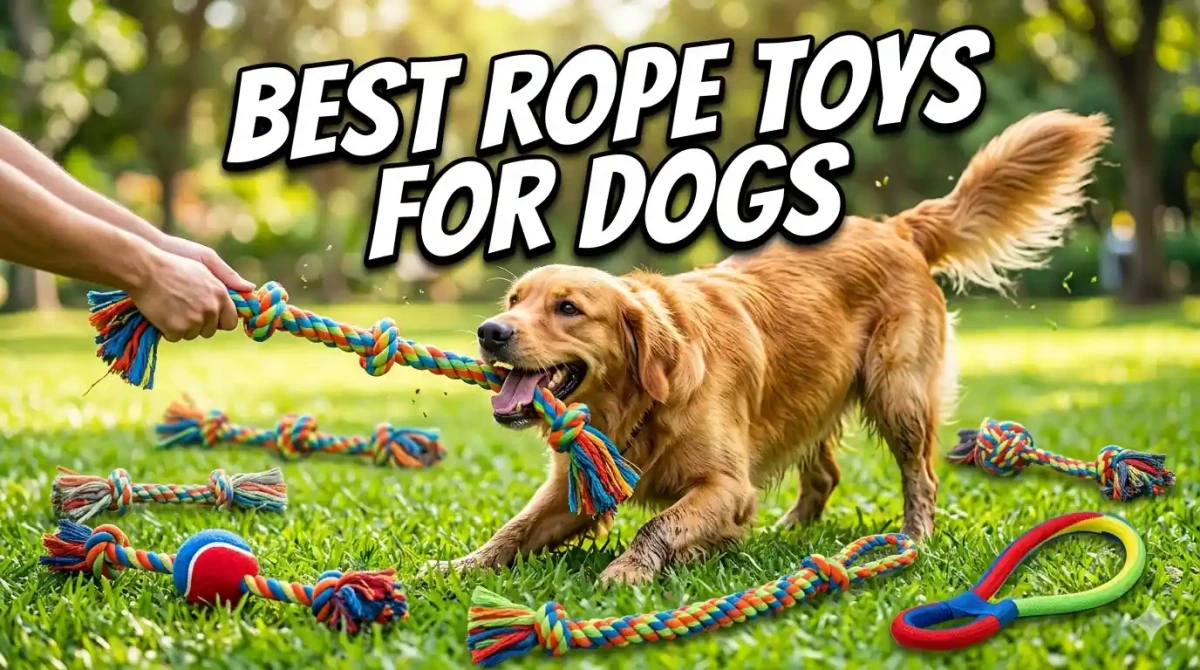
Introduction to Dog Rope Toys
Rope toys have become one of the most popular and versatile playthings for dogs of all sizes and breeds. These simple yet effective toys offer numerous benefits including dental health support, interactive bonding opportunities, and durable entertainment that withstands enthusiastic play. Understanding what makes the best rope toys for dogs helps pet parents select products that provide safe, long-lasting fun while supporting their canine companion health and development.
From small terriers to large mastiffs, dogs naturally enjoy the tactile sensation and challenge that rope toys provide. The fibrous texture helps clean teeth and massage gums during chewing, while the flexible design makes them perfect for interactive games like tug of war and fetch. Quality rope toys can withstand significant wear while maintaining their structural integrity, making them excellent investments for active dogs and their owners.
This comprehensive guide explores everything you need to know about selecting the best rope toys for dogs, from understanding material safety and construction quality to matching toys with your dog size, chewing style, and play preferences. Whether you have a gentle lap dog or a powerful chewer, choosing appropriate rope toys ensures safe, enjoyable play that strengthens your bond while promoting dental health and physical exercise.
Benefits of Rope Toys for Dogs
Rope toys offer multiple advantages that extend beyond simple entertainment, making them valuable additions to any dog toy collection. Understanding these benefits helps pet parents appreciate why rope toys deserve a place in their dog play rotation.
What are the main benefits of rope toys for dogs?
Dental health improvement represents one of the most significant benefits of rope toys. The fibrous texture acts as natural dental floss, helping to remove plaque and food particles from between teeth while massaging gums during chewing. This mechanical cleaning action supports oral hygiene between professional cleanings and can help reduce tartar buildup that leads to periodontal disease. Regular use of rope toys may decrease the need for expensive dental procedures and freshen breath naturally.
Interactive bonding opportunities make rope toys exceptional tools for strengthening the relationship between dogs and their owners. Games like tug of war require cooperation and communication, building trust while providing mental stimulation and physical exercise. These interactive sessions allow owners to teach impulse control, obedience commands, and appropriate play boundaries in an enjoyable context that dogs eagerly anticipate.
Durability and cost effectiveness make rope toys practical choices for pet parents. Quality rope toys withstand significant chewing, pulling, and tossing better than many plush or rubber alternatives, providing extended play value. The relatively low cost combined with long lifespan makes rope toys economical entertainment options that deliver substantial return on investment through hours of engagement and health benefits.
Types of Rope Toys Available

The rope toy market offers diverse options designed for different play styles, dog sizes, and specific purposes. Understanding the various types helps you select the most appropriate toys for your individual dog needs and preferences.
What types of rope toys are best for different dogs?
Traditional knotted rope toys feature cotton or synthetic fibers braided and knotted at both ends, creating handles for easy gripping during tug games. These classic designs range from simple three-knot configurations to complex multi-knot patterns that provide varied chewing surfaces. Knotted ropes work well for medium to large dogs who enjoy tug of war and aggressive chewing, with the knots offering additional texture for dental cleaning.
Rope balls combine spherical shapes with rope construction, creating toys that bounce unpredictably for exciting fetch sessions while providing chewing satisfaction. The rope fibers wrap around a core or knot into ball shapes, offering dual functionality as both fetch toys and chew toys. Rope balls suit dogs who enjoy retrieving and independent chewing, particularly those who may lose interest in traditional fetch toys.
Rope and rubber combination toys integrate durable rubber components with rope elements, creating hybrid designs that appeal to dogs with varied play preferences. These toys often feature rubber centers or accents with rope handles or wrapping, providing different textures and chew resistance levels. Combination toys work well for dogs who enjoy variety and may help maintain interest longer than single-material toys.
Tug-specific rope toys feature reinforced construction with multiple braiding layers and extra-thick designs built to withstand intense tug of war sessions. These heavy-duty options often include handles for human participants and are specifically engineered for interactive play between dogs and owners. Tug toys suit powerful chewers and large breeds who need substantial, durable play equipment.
Safety Considerations for Rope Toys

Safety must be the primary concern when selecting and using rope toys for dogs. Understanding potential hazards and how to mitigate them ensures your dog enjoys rope toys without unnecessary risks.
What safety factors should you consider with rope toys?
Material composition significantly impacts rope toy safety. Natural cotton rope toys are generally safer than synthetic alternatives as they break down more easily if swallowed and are less likely to cause intestinal blockages. However, cotton ropes may fray more quickly requiring more frequent inspection. Synthetic ropes made from nylon or polypropylene offer superior durability but pose greater risks if ingested as they do not break down in the digestive system. Always select toys made from non-toxic, pet-safe materials without harmful dyes or chemical treatments.
Size appropriateness prevents choking hazards and ensures comfortable play. Rope toys should be large enough that your dog cannot swallow them whole or fit the entire toy in their mouth, but not so large that they cause jaw strain or discourage play. Small dogs need smaller diameter ropes they can comfortably grip while large breeds require thick, substantial ropes that withstand powerful jaws. When in doubt, choose larger sizes as they generally present lower choking risks.
Construction quality affects both safety and longevity. Examine rope toys for tight, secure knots that will not unravel during play. Loose ends or poorly secured knots can create string hazards that may wrap around teeth, tongues, or intestines if swallowed. High-quality rope toys feature tight braiding, reinforced stress points, and consistent fiber distribution without weak spots that could break unexpectedly during vigorous play.
Choosing the Right Size for Your Dog

Proper sizing ensures both safety and enjoyment, making it crucial to match rope toy dimensions with your dog physical characteristics and play style.
How do you choose the right size rope toy for your dog?
Small dogs under twenty pounds typically benefit from rope toys with diameters between one-quarter and one-half inch and overall lengths of six to ten inches. These dimensions allow small breeds like Chihuahuas, Yorkies, and Pomeranians to comfortably grip and manipulate the toy without jaw strain. Lightweight construction prevents neck fatigue during play while still providing adequate durability for smaller jaws.
Medium dogs weighing twenty to fifty pounds require rope toys with diameters ranging from one-half to three-quarters inch and lengths of ten to fourteen inches. Breeds like Beagles, Cocker Spaniels, and Bulldogs need moderately thick ropes that withstand their stronger bite force while remaining manageable for fetch and tug games. Medium-sized toys provide sufficient substance for satisfying chewing without becoming too heavy or cumbersome.
Large and giant breeds over fifty pounds need substantial rope toys with diameters of three-quarters to one inch or thicker and lengths of fourteen to twenty inches or more. Powerful chewers like German Shepherds, Labradors, Rottweilers, and Mastiffs require heavy-duty construction with tight braiding and reinforced knots that can withstand intense play. Oversized toys prevent accidental swallowing and provide appropriate challenge for strong jaws while ensuring safe, engaging play sessions.
Material Quality and Construction

The materials used in rope toy construction directly impact safety, durability, and overall value. Understanding material differences helps you make informed purchasing decisions.
What materials make the best rope toys?
Natural cotton remains the gold standard for rope toy materials due to its safety profile and dental benefits. Cotton fibers are soft enough to be gentle on gums while providing sufficient texture for effective teeth cleaning. If small amounts are ingested, cotton breaks down more easily in the digestive system than synthetic materials, reducing blockage risks. High-quality cotton rope toys feature tightly woven, unbleached fibers without chemical treatments or artificial dyes that could harm your dog.
Synthetic materials like nylon and polypropylene offer superior durability and resistance to fraying, making them suitable for aggressive chewers who quickly destroy cotton ropes. However, these materials pose greater health risks if ingested as they do not break down naturally and can cause serious intestinal obstructions. If choosing synthetic rope toys, supervise play closely and inspect regularly for signs of wear, removing the toy immediately if your dog begins swallowing fibers.
Blended materials attempt to balance the safety of natural fibers with the durability of synthetics. Cotton-polyester blends may offer moderate improvements in longevity while maintaining some biodegradability if ingested. However, blends still carry risks if significant amounts are consumed and should be used with appropriate supervision. Always prioritize safety over durability when selecting materials, as no toy is worth risking your dog health.
Dental Health Benefits

One of the primary advantages of rope toys is their contribution to oral health. Understanding how rope toys support dental hygiene helps maximize this benefit.
How do rope toys improve dog dental health?
The fibrous texture of rope toys acts as natural dental floss during chewing, mechanically removing plaque and food debris from between teeth and along the gumline. As dogs bite and pull on rope fibers, the strands work into tight spaces that toothbrushes often miss, disrupting bacterial colonies that cause periodontal disease. This cleaning action occurs naturally during play, making dental care enjoyable rather than a chore for both dogs and owners.
Gum massage from rope toy chewing stimulates blood circulation to oral tissues, promoting gum health and potentially reducing inflammation associated with gingivitis. The gentle abrasion helps strengthen gum tissue while removing bacteria that cause bad breath. Regular rope toy use may decrease tartar accumulation, though it does not replace professional dental cleanings or daily brushing for optimal oral health.
Chewing rope toys also strengthens jaw muscles and provides appropriate outlet for natural chewing instincts, potentially reducing destructive chewing of household items. The satisfaction derived from rope toy chewing can calm anxious dogs and provide mental stimulation that contributes to overall behavioral health alongside physical dental benefits.
Interactive Play and Training Applications

Rope toys excel as tools for interactive engagement and training, offering opportunities to strengthen bonds while teaching valuable behaviors.
How can you use rope toys for training and bonding?
Tug of war with rope toys provides excellent opportunities to teach impulse control and obedience commands. Establish clear rules such as requiring your dog to sit before play begins, releasing the toy on command, and stopping play if teeth contact skin. These boundaries teach self-control while maintaining the fun and excitement dogs love. Consistent rules during tug games translate to better behavior in other contexts.
Fetch with rope toys combines physical exercise with recall training. The easy-to-grip design makes rope toys ideal for throwing and retrieving, while the distinctive texture helps dogs locate and identify their toy. Use fetch sessions to reinforce come commands, drop it cues, and waiting behaviors, making training feel like play rather than work.
Interactive rope toy play strengthens the bond between dogs and owners through shared positive experiences. Regular play sessions build trust, improve communication, and provide mental stimulation that prevents boredom-related behavioral problems. Dogs who receive consistent interactive play typically display lower anxiety levels and stronger attachment to their owners.
Maintenance and Cleaning

Proper maintenance extends rope toy lifespan while ensuring continued safety and hygiene for your dog.
How do you clean and maintain rope toys?
Regular inspection prevents accidents by identifying wear before it becomes dangerous. Examine rope toys before each use, checking for loose fibers, unraveling knots, thinning areas, or broken strands. Remove toys showing significant wear immediately, as damaged ropes pose choking and intestinal blockage hazards. Even high-quality rope toys have finite lifespans and require replacement when they show excessive deterioration.
Cleaning rope toys removes bacteria, saliva, and debris that accumulate during play. Hand wash cotton rope toys in warm water with mild, pet-safe detergent, working soap through the fibers thoroughly. Rinse completely to remove all soap residue that could irritate your dog mouth or digestive system. Squeeze out excess water without wringing, which can damage the rope structure, then air dry completely before returning to your dog.
Machine washing offers convenient cleaning for heavily soiled rope toys but may accelerate wear. Place rope toys in mesh laundry bags to prevent tangling with other items, use gentle cycles with cold water, and air dry rather than using dryers which can shrink or damage fibers. Limit machine washing to extend toy longevity, reserving it for deep cleaning rather than routine maintenance.
Common Mistakes to Avoid

Even well-intentioned pet parents can make errors when selecting or using rope toys. Avoiding these pitfalls ensures safe, enjoyable play.
What mistakes should you avoid with rope toys?
Leaving dogs unsupervised with rope toys creates unnecessary risks. Even the most durable rope toys can fray or break during vigorous chewing, potentially creating choking hazards or intestinal blockages if swallowed. Always supervise rope toy play, particularly with aggressive chewers or dogs who tend to destroy and ingest toys. Remove rope toys when play sessions end rather than leaving them as chew toys for independent use.
Choosing toys based solely on durability without considering safety leads to dangerous situations. While indestructible toys seem appealing, synthetic materials that resist destruction pose severe health risks if ingested. Prioritize safety-appropriate materials over maximum durability, accepting that rope toys require regular replacement as part of responsible pet ownership.
Allowing overly aggressive tug of war without rules can encourage dominant behavior or accidental injury. Establish and enforce clear boundaries during tug games, stopping play immediately if your dog becomes overly excited or mouths skin. Teach release commands and respect for human skin to prevent play from escalating into problematic behavior.
Ignoring size appropriateness creates choking hazards or jaw strain. Never give small dogs large heavy ropes that cause neck fatigue or large dogs small ropes they can swallow whole. Match toy size to your dog physical capabilities and chewing style for safe, enjoyable play.
Best Rope Toys for Different Dog Sizes

Selecting rope toys appropriate for your dog size ensures safety and maximizes enjoyment. Different sizes require different specifications.
What rope toys work best for different sized dogs?
Small breed dogs like Chihuahuas, Maltese, and Toy Poodles benefit from lightweight rope toys with thin diameters they can comfortably carry and chew. Look for toys specifically labeled for small dogs, typically featuring one-quarter to one-half inch diameter ropes with lengths of six to eight inches. Soft cotton construction prevents mouth irritation while providing adequate durability for smaller jaws. Avoid oversized toys that may discourage play or cause jaw fatigue.
Medium breed dogs including Spaniels, Terriers, and mixed breeds need moderately thick rope toys that balance durability with playability. Three-quarter inch diameter ropes with ten to twelve inch lengths provide substantial chewing satisfaction without becoming too heavy for fetch games. Medium-duty construction withstands regular play while maintaining flexibility for interactive games.
Large and giant breed dogs like Retrievers, Shepherds, and Mastiffs require heavy-duty rope toys with thick diameters of one inch or more and lengths of fifteen inches or longer. These substantial toys withstand powerful jaws and intense play while preventing accidental swallowing. Look for toys specifically marketed for large breeds or aggressive chewers, featuring tight braiding, reinforced knots, and high-quality materials designed for demanding use.
Rope Toys for Puppies

Puppies have unique needs requiring special consideration when selecting rope toys. Understanding puppy-specific requirements ensures safe, developmentally appropriate play.
What should you consider when choosing rope toys for puppies?
Softer, gentler rope toys suit puppy mouths with developing teeth and sensitive gums. Avoid hard, tightly braided ropes that may damage baby teeth or cause discomfort during teething. Look for puppy-specific rope toys featuring softer cotton fibers and looser braiding that provides dental massage without excessive pressure on developing jaws.
Smaller sizes appropriate for puppy mouths prevent frustration and ensure comfortable play. Puppies grow rapidly, so consider purchasing slightly larger toys they can grow into, but never start with oversized toys that discourage play or pose choking hazards. Monitor your puppy closely during rope toy play, as puppies are more likely to ingest fibers accidentally.
Supervision becomes especially critical with puppies who explore the world through their mouths and have not yet learned appropriate chewing boundaries. Never leave puppies alone with rope toys, and limit play sessions to prevent overexertion or accidental ingestion. Use rope toys as training tools to teach bite inhibition and appropriate play behavior from an early age.
Frequently Asked Questions

Are rope toys safe for aggressive chewers?
Rope toys can be safe for aggressive chewers when selected carefully and used with proper supervision. Choose thick, tightly braided ropes made from durable materials specifically designed for powerful chewers. However, no rope toy is truly indestructible, and aggressive chewers require close monitoring during play. Inspect toys frequently for signs of wear and replace immediately when damage appears. Consider rotating rope toys with other durable options like rubber toys to provide variety while managing wear. Never leave aggressive chewers unsupervised with rope toys, as they may destroy and ingest fibers rapidly.
How often should you replace rope toys?
Rope toys should be replaced as soon as they show signs of significant wear including fraying, unraveling knots, thinning fibers, or broken strands. For moderate chewers, this may mean replacement every few weeks to months depending on play frequency. Aggressive chewers may destroy rope toys in days or even hours requiring very frequent replacement. Always prioritize safety over economy, removing damaged toys immediately regardless of how recently they were purchased. Regular inspection before each use helps identify when replacement becomes necessary.
Can rope toys replace toothbrushing for dogs?
No, rope toys cannot replace regular toothbrushing for optimal canine dental health. While rope toys provide beneficial mechanical cleaning and help reduce plaque accumulation, they do not clean all tooth surfaces effectively or reach below the gumline where periodontal disease begins. Rope toys should complement, not replace, a comprehensive dental care routine including daily brushing with dog-specific toothpaste, regular veterinary dental checkups, and professional cleanings as recommended. Think of rope toys as helpful dental maintenance tools rather than complete oral hygiene solutions.
What should you do if your dog swallows rope fibers?
If you suspect your dog has swallowed rope fibers, contact your veterinarian immediately for guidance. Monitor closely for symptoms including vomiting, loss of appetite, lethargy, abdominal pain, or difficulty defecating, which may indicate intestinal blockage requiring emergency treatment. Do not attempt to induce vomiting unless specifically instructed by your veterinarian, as rope fibers can cause additional damage coming back up. Prevention through supervision and prompt toy replacement remains the best strategy for avoiding this dangerous situation.
Are colored rope toys safe for dogs?
Colored rope toys can be safe when made with non-toxic, pet-safe dyes from reputable manufacturers. However, some inexpensive rope toys use chemical dyes that may be harmful if ingested or cause allergic reactions. When possible, choose natural, undyed cotton rope toys which eliminate dye-related risks entirely. If selecting colored toys, purchase from trusted brands that explicitly state their products use safe, non-toxic dyes. Avoid toys with strong chemical odors or colors that bleed when wet, as these indicate potentially harmful dye processes.
Can puppies chew on rope toys?
Yes, puppies can chew on rope toys, but they require age-appropriate options and close supervision. Select soft, puppy-specific rope toys with gentle fibers that will not damage developing baby teeth or sensitive gums. Avoid hard, tightly braided ropes designed for adult dogs. Limit play sessions to prevent overexertion and always supervise closely, as puppies are more likely to ingest fibers accidentally. Use rope toys as training tools to teach appropriate chewing behavior and bite inhibition. Replace puppy rope toys more frequently than adult toys as puppies may destroy them more quickly during teething.
Conclusion

Selecting the best rope toys for dogs requires careful consideration of size, material quality, construction, and your individual dog needs and play style. When chosen appropriately and used with proper supervision, rope toys provide exceptional value through dental health benefits, interactive bonding opportunities, and durable entertainment that withstands enthusiastic play.
Remember that no toy is completely risk-free, and responsible pet ownership requires regular inspection, proper maintenance, and prompt replacement of worn toys. Prioritize safety over durability, choosing natural materials and appropriate sizes even if they require more frequent replacement. Supervise play sessions, establish clear boundaries for interactive games, and never leave dogs alone with rope toys.
By following the guidelines in this comprehensive guide, you can confidently select rope toys that provide safe, enjoyable play while supporting your dog dental health and strengthening your bond. Quality rope toys represent worthwhile investments in your dog physical health, mental stimulation, and overall happiness, delivering countless hours of interactive fun when used responsibly.

0 Comments