.png)
Best Rubber Dog Toys Complete Buying Guide
Understanding Rubber Dog Toys and Their Benefits
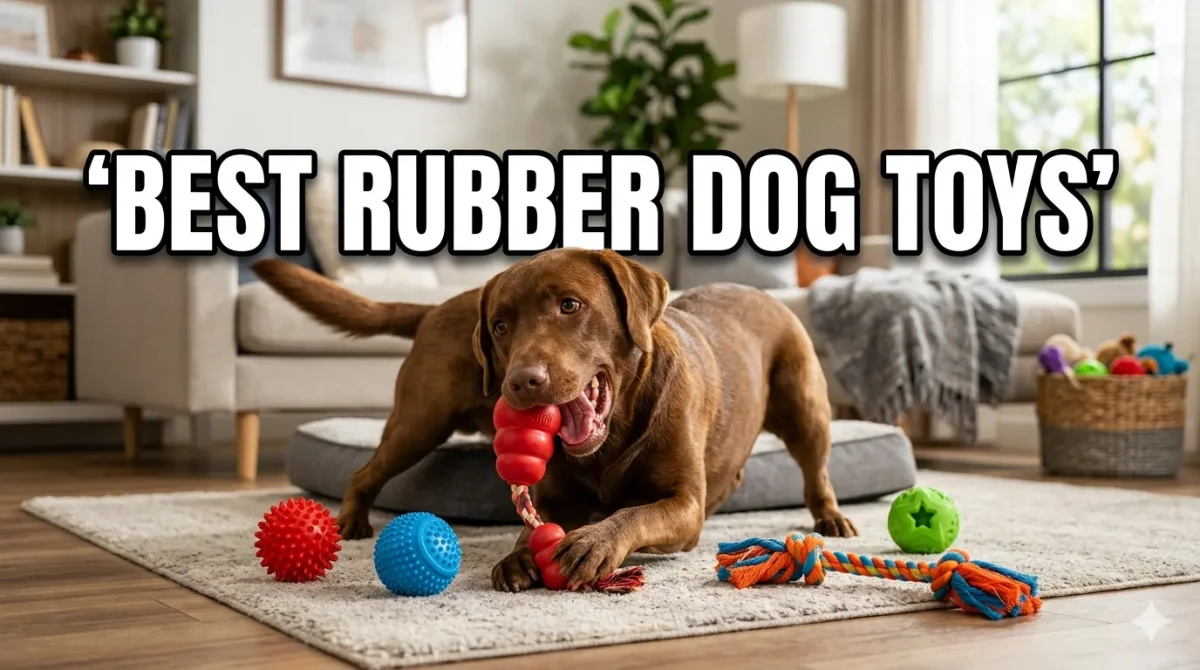
Best rubber dog toys represent essential investments for responsible pet parents seeking durable, safe, and engaging enrichment for their canine companions. Rubber toys offer unique advantages over other materials including exceptional durability for aggressive chewers, flexibility that protects teeth and gums, versatility for various play styles, and ease of cleaning that supports hygiene. Understanding what makes quality rubber toys valuable helps dog owners select products that provide lasting entertainment, support dental health, and withstand even the most determined chewing while protecting both dog and household items from damage.
Rubber dog toys serve multiple critical functions beyond simple play. They satisfy natural chewing instincts that, if unaddressed, can lead to destructive behaviors targeting furniture, shoes, or household items. Durable rubber chew toys promote dental health by reducing plaque and tartar buildup through mechanical action while massaging gums. They provide mental stimulation that prevents boredom related anxiety and behavioral problems. For powerful breeds like German Shepherds, Labrador Retrievers, Pit Bulls, and Rottweilers, appropriate rubber toys are not luxuries but necessities for safe, healthy enrichment that channels energy productively.
This comprehensive guide covers everything you need to know about selecting the best rubber dog toys for your companion, from understanding material science and safety standards to matching toys with your dog's size, chewing style, and play preferences. Whether you have a puppy developing chewing habits, an adult dog with powerful jaws, or a senior pet needing gentle but durable enrichment, these expert recommendations will help you find rubber toys that last, keep your dog engaged, and provide excellent value for your investment while supporting your dog's physical and mental wellbeing.
Why Rubber Dog Toys Are Essential for Canine Health
Rubber dog toys provide benefits that extend far beyond entertainment, addressing fundamental canine needs for chewing, mental stimulation, and dental care. Understanding these benefits helps dog owners appreciate the value of investing in quality rubber toys rather than cheaper alternatives that may break quickly or pose safety risks.
The consequences of inadequate chew toys extend beyond financial waste from frequent replacements. Dogs that repeatedly destroy toys may develop frustration, anxiety, or redirected destructive behaviors targeting household items. Ingested toy fragments from broken products can cause gastrointestinal blockages requiring emergency veterinary intervention. Poor quality toys may contain harmful chemicals, dyes, or materials that pose health risks when chewed intensively. Investing in genuinely durable rubber toys protects your dog's health, your home, and your wallet while providing consistent enrichment.
Rubber toys also support behavioral health by providing appropriate outlets for natural instincts. Chewing releases endorphins that calm dogs and reduce stress. Durable rubber puzzle toys challenge intelligent breeds mentally, preventing boredom that often manifests as destructive behavior. Long lasting rubber fetch toys enable extended play sessions that strengthen the bond between you and your dog while providing essential physical exercise that supports cardiovascular health and healthy weight maintenance.
What Makes Rubber Superior for Dog Toys?
Rubber possesses unique physical properties that make it ideal for dog toys, distinguishing it from plastic, rope, fabric, or other common toy materials. Understanding these properties helps dog owners appreciate why rubber toys often provide better value and safety despite potentially higher initial cost.
Flexibility and resilience allow rubber toys to absorb chewing force without cracking or splintering. Unlike rigid plastics that can shatter under pressure creating sharp fragments, quality rubber flexes slightly under pressure, reducing stress on your dog's teeth and jaws while maintaining structural integrity. This flexibility also creates unpredictable bounces and movements that enhance play engagement and exercise value.
Texture variety in rubber toys supports dental health through mechanical action. Many rubber toys feature nubs, ridges, or textured surfaces that massage gums, reduce plaque buildup, and promote healthier teeth during chewing. This dental benefit occurs naturally during play without requiring separate dental care products, making rubber toys efficient multi purpose enrichment tools.
Safety characteristics of quality rubber include non toxicity, chemical stability, and resistance to harboring bacteria. High quality natural rubber or food grade synthetic rubber does not leach harmful chemicals when chewed, maintains integrity across temperature ranges, and can be thoroughly cleaned to prevent bacterial growth. These safety features are particularly important for toys that receive prolonged oral contact during chewing sessions.
Types of Rubber Dog Toys and Their Best Uses

Rubber dog toys come in diverse categories designed for different play styles, chewing preferences, and enrichment goals. Understanding these types helps you select toys that match your dog's individual needs and maximize engagement alongside longevity.
Chew toys form the foundation of rubber toy collections for aggressive chewers. These products are specifically engineered to withstand prolonged gnawing, crushing, and grinding without fragmenting. Quality rubber chew toys promote dental health, satisfy natural instincts, and provide long lasting entertainment. They work best for dogs who prefer solitary chewing sessions and benefit from oral stimulation, particularly during teething, anxiety periods, or when left alone.
Fetch and retrieval toys combine durability with aerodynamic design for active play. Rubber balls, discs, and bumpers withstand powerful jaws during retrieval games while maintaining bounce, floatation, or flight characteristics. These toys excel for high energy dogs who enjoy interactive play and need physical exercise alongside mental engagement. Rubber fetch toys often feature bright colors for visibility and textured surfaces for easy gripping.
Puzzle and interactive rubber toys challenge intelligent breeds mentally while resisting destruction. Rubber treat dispensers, stuffable toys, and problem solving designs engage dogs cognitively, reducing boredom and destructive behaviors. These products work best for clever breeds like Border Collies, German Shepherds, and Poodles who thrive on mental challenges. Many feature adjustable difficulty levels that grow with your dog's problem solving skills.
Tug and tug of war rubber toys combine durability with interactive play value. Rubber tug toys feature handles for human grip, textured surfaces for dog grip, and flexible construction that absorbs pulling force without breaking. These toys excel for bonding through interactive play while providing dental benefits and exercise. Quality rubber tug toys resist tearing even during enthusiastic play sessions.
Which Rubber Types Offer Maximum Durability for Dog Toys?
Material selection fundamentally determines toy durability and safety. Understanding rubber types helps dog owners evaluate products beyond marketing claims and select toys that deliver genuine longevity.
Natural rubber derived from rubber trees offers exceptional resilience, flexibility, and chew resistance. High quality natural rubber compounds absorb chewing force without cracking, flex under pressure to protect teeth, and maintain integrity through repeated use. Look for toys made from non toxic, food grade natural rubber that meets safety standards for pet products. Natural rubber often has a distinctive earthy scent and may be slightly softer than synthetic alternatives.
Synthetic rubber compounds including thermoplastic rubber (TPR) and thermoplastic elastomers (TPE) provide engineered durability with consistent properties. These materials can be formulated for specific hardness levels, bounce characteristics, and texture profiles. Quality synthetic rubbers are non toxic, phthalate free, and designed specifically for pet safety. Synthetic rubbers often offer more consistent manufacturing tolerances and may be more affordable than natural rubber options.
Reinforced rubber composites combine rubber with other materials like nylon fibers or fabric cores to enhance durability for extreme chewers. These hybrid designs provide the flexibility and dental benefits of rubber with added structural reinforcement for dogs who destroy standard rubber toys. Look for products that clearly disclose composite materials and safety testing.
Avoid toys made from cheap plastics labeled as rubber, unknown rubber compounds, or materials with unclear composition. These often contain harmful chemicals, break easily creating sharp fragments, or degrade quickly under chewing pressure. Always choose toys from reputable manufacturers with transparent material sourcing and safety testing.
How Do You Match Rubber Toys to Your Dog's Chewing Style?
Understanding your dog's individual chewing style is crucial for selecting rubber toys that will actually last. Different chewing patterns require different rubber properties to maximize toy longevity and safety.
Aggressive crushers and grinders benefit from firm, dense rubber toys that resist indentation and maintain shape under intense pressure. Look for toys specifically rated for powerful chewers, featuring thick walls, reinforced construction, and materials tested under high pressure. Firm rubber provides the resistance these dogs seek while protecting teeth from excessive give.
Nibblers and gentle chewers do well with softer, more flexible rubber toys that provide grip and dental benefits without excessive hardness. Softer rubber is easier on developing puppy teeth, senior dog gums, and dogs with dental sensitivities. Textured surfaces enhance the cleaning action for gentle chewers who may not generate enough pressure for aggressive cleaning.
Shakers and squeaker lovers require rubber toys with securely enclosed sound chambers that resist puncture. Look for toys with reinforced squeaker compartments, multiple layers of rubber protection, and designs that distribute chewing force away from sound components. Even with quality construction, supervise squeaker toys and remove if the sound mechanism becomes exposed.
Consider your dog's preferences alongside durability. Some dogs enjoy rubber toys with treat dispensing features, while others prefer simple chew surfaces. Some like to carry toys, while others focus on destruction. Observing your dog's play style helps you select rubber toys they will actually use, maximizing your investment and their enjoyment.
Essential Features to Look for in Quality Rubber Dog Toys

Selecting high quality rubber dog toys requires evaluating specific characteristics that impact safety, durability, and value. Understanding these features helps you choose products that deliver genuine benefits while avoiding inferior alternatives that waste money or compromise your dog's health.
Safety certifications and material transparency represent non negotiable priorities. Look for toys meeting ASTM F963 toy safety standards, FDA food grade material certifications, or third party testing verification. Reputable brands disclose material composition, manufacturing locations, and quality control processes, enabling informed purchasing decisions. Avoid products with vague material descriptions like "premium rubber" without specific composition details.
Design engineering significantly impacts durability and functionality. Rubber toys with uniform thickness distribute chewing force evenly, preventing weak points that crack first. Rounded edges and smooth contours protect mouths from injuries during intense play. Textured surfaces enhance grip and dental benefits while maintaining structural strength. Hollow designs should feature reinforced walls to prevent collapse under pressure.
Size appropriateness ensures both safety and longevity. Rubber toys too small pose choking hazards and wear out faster as dogs can fully envelop them in their jaws. Toys too large may frustrate dogs or be difficult to manipulate. Choose rubber toys sized for your dog's mouth and chewing power, following manufacturer guidelines for weight and breed recommendations. When in doubt, choose larger options for safety.
Easy cleaning and maintenance extend toy lifespan and support hygiene. Quality rubber toys feature smooth surfaces or textures that can be thoroughly cleaned with soap and water, dishwasher safe construction, or antimicrobial properties. Toys that trap dirt, saliva, or food particles in crevices can harbor bacteria and develop odors, reducing their appeal and safety over time.
What Safety Standards Should Rubber Dog Toys Meet?
Safety standards protect dogs from hazards associated with toy materials, construction, and design. Evaluating compliance helps you select rubber toys prioritizing your dog's wellbeing during play and chewing.
ASTM F963, the Standard Consumer Safety Specification for Toy Safety, addresses mechanical hazards, material toxicity, and small part risks for pet toys. Toys meeting this standard undergo rigorous testing for durability, chemical safety, and age appropriateness. Look for explicit ASTM F963 certification on product packaging or descriptions as an indicator of thorough safety evaluation.
Food grade material certifications ensure rubber toys contacting your dog's mouth do not leach harmful chemicals. Look for products labeled as BPA free, phthalate free, latex free (if relevant), and made from non toxic materials meeting FDA food contact standards. These certifications are particularly important for chew toys that receive prolonged oral contact and may be subjected to saliva, chewing pressure, and temperature variations.
Third party testing and veterinary endorsements provide additional assurance of safety and quality. Brands that submit products to independent laboratories for durability and toxicity testing demonstrate commitment to pet health. Veterinary recommendations indicate professional confidence in product safety and effectiveness for canine use across various breeds and chewing styles.
Avoid toys lacking clear safety information, made by unknown manufacturers, or sold at prices suggesting compromised quality. Your dog's health depends on toy safety, making verification of standards a critical purchasing consideration. When in doubt, choose established brands with transparent safety practices over unknown alternatives.
How Do You Evaluate Rubber Toy Durability Before Purchase?
Evaluating durability requires examining product specifications, user reviews, and manufacturer reputation rather than relying solely on marketing claims. These strategies help identify genuinely durable rubber toys that deliver long term value.
Review detailed product descriptions specifying rubber type, hardness rating, wall thickness measurements, and weight capacity. Products providing concrete specifications rather than vague promises indicate manufacturer transparency and confidence in quality. Look for toys specifying natural rubber content, synthetic rubber formulations, or composite materials with performance data.
User reviews from owners of similar breeds and chewing styles offer real world performance data. Seek reviews mentioning long term use, aggressive chewing, and comparison to other rubber products. Consistent positive feedback from powerful chewer owners indicates genuine durability, while repeated complaints about quick failure or safety issues suggest avoiding the product.
Manufacturer reputation and warranty policies reflect confidence in product quality. Brands offering satisfaction guarantees, replacement policies for defective products, or lifetime warranties demonstrate commitment to durability and customer satisfaction. Established companies with veterinary partnerships or professional endorsements typically maintain higher quality standards than unknown sellers.
Price often correlates with quality in rubber dog toys. While expensive does not guarantee indestructibility, extremely low prices typically indicate compromised materials, manufacturing, or safety features. Invest in mid range to premium rubber products from reputable brands for best value and longevity. Consider cost per use rather than initial purchase price when evaluating value.
Top Rubber Dog Toy Recommendations by Category

While individual preferences vary, certain rubber dog toys consistently deliver quality, engagement, and value across diverse households. These recommendations by category help you start your search with proven options meeting safety and performance standards.
For aggressive chewers, look for extra firm rubber toys specifically rated for powerful jaws. Products featuring reinforced construction, thick walls, and materials tested under high pressure provide necessary durability. Brands with veterinary endorsements or professional groomer recommendations often indicate reliable performance for challenging chewers.
For fetch and retrieval, prioritize rubber toys with excellent bounce, visibility, and grip. Rubber balls with textured surfaces, bright colors for visibility, and buoyant designs for water play excel for active dogs. Look for products that maintain shape and bounce after repeated throwing and chewing.
For interactive and puzzle play, seek rubber toys with adjustable difficulty, treat dispensing features, and durable construction. Products that challenge dogs cognitively while resisting destruction provide dual enrichment that prevents boredom more effectively than simple chew toys.
For puppies and senior dogs, choose softer rubber toys with gentle textures that protect developing or aging teeth and gums. Look for products specifically designed for sensitive mouths while still providing durability for enthusiastic chewing.
Which Rubber Toys Work Best for Puppies?
Puppies have unique chewing needs requiring rubber toys that support development while ensuring safety. Selecting appropriate rubber toys for puppies helps establish positive chewing habits and protects developing teeth.
Soft to medium firmness rubber toys provide appropriate resistance for puppy teeth without causing damage. Look for toys labeled for puppies or small dogs, featuring textures that massage gums during teething while being gentle enough for developing enamel.
Teething specific rubber toys often feature varied textures, cooling properties, or treat dispensing features that soothe sore gums while engaging puppies. Frozen rubber toys can provide additional teething relief through cold therapy.
Size appropriateness is critical for puppies. Choose rubber toys large enough to prevent swallowing but small enough for puppy mouths to manipulate comfortably. Avoid toys with small detachable parts that could pose choking hazards for curious puppies.
Supervise puppy play with rubber toys closely, as young dogs are learning appropriate chewing behaviors and may attempt to swallow inappropriate items. Select toys specifically rated for puppies with safety features appropriate for developing jaws.
What Rubber Toys Suit Senior Dogs Best?
Senior dogs and dogs with dental sensitivities benefit from rubber toys providing gentle stimulation without demanding intense chewing force. Selecting appropriate rubber toys supports continued enrichment while accommodating changing capabilities.
Softer rubber toys with gentle textures encourage chewing without straining aging teeth or sensitive gums. Look for toys featuring massage nubs, flexible construction, and materials designed for senior dog comfort.
Interactive rubber toys that require minimal physical effort but provide mental engagement benefit senior dogs with reduced mobility. Puzzle feeders with simple mechanisms, treat dispensing toys with easy access, and gentle tug toys support cognitive health without demanding intense physical activity.
Consider rubber toys with orthopedic benefits like gum massaging textures or dental cleaning surfaces that support oral health in senior dogs. These toys provide enrichment while addressing age related dental concerns.
Monitor senior dog toy use closely, as aging dogs may have reduced bite strength or dental issues requiring gentler toys. Replace toys showing wear that could create sharp edges or small fragments.
Breed and Size Considerations for Rubber Dog Toys

Different dog breeds and sizes present distinct chewing challenges based on jaw strength, chewing style, size, and energy levels. Understanding these differences helps you select rubber toys appropriate for your individual dog's needs and prevent frustration from inadequate products.
Powerful working breeds like German Shepherds, Rottweilers, and Mastiffs require rubber toys engineered for extreme jaw strength and determined chewing. These breeds benefit from extra large rubber chew toys, reinforced fetch toys, and heavy duty interactive designs specifically rated for powerful chewers. Products rated for 50 plus pound dogs with reinforced construction provide necessary durability.
Terrrier breeds including Pit Bulls, Staffordshires, and Bull Terriers combine powerful jaws with persistent chewing styles. These dogs excel with dense rubber toys featuring textured surfaces for grip, solid rubber construction that resists crushing, and interactive toys that channel energy productively. Avoid toys with squeakers or soft components that invite destruction.
Large sporting breeds like Labrador Retrievers and Golden Retrievers benefit from durable rubber fetch toys that withstand retrieval play alongside chew toys for independent enrichment. Floating rubber balls, reinforced bumpers, and tough rubber rings provide versatile options for active dogs who enjoy both interactive and solitary play.
Small breeds like Chihuahuas, Toy Poodles, and Yorkshire Terriers require rubber toys scaled to their mouth size while withstanding determined chewing. These dogs benefit from smaller rubber toys with appropriate textures, gentle firmness for smaller teeth, and designs that prevent swallowing hazards.
How Do Rubber Toys Benefit Extra Large and Giant Breeds?
Extra large and giant breeds including Great Danes, Saint Bernards, and Newfoundlands present unique durability challenges due to massive jaw strength and large mouth size. Standard large rubber toys often prove inadequate, requiring specialized extra large or giant breed products.
Extra large rubber chew toys with thick walls and reinforced construction withstand powerful crushing force while providing safe chewing surfaces. Look for products specifically labeled for giant breeds, featuring dimensions appropriate for large mouths and materials tested under extreme pressure. Solid rubber bones sized for giant breeds offer durable grinding surfaces that promote dental health.
Heavy duty rubber fetch toys with substantial size and weight provide appropriate challenge for giant breed retrieval play. These toys should maintain bounce and visibility while withstanding powerful jaws during retrieval. Floating rubber toys benefit giant breeds who enjoy water activities.
Interactive rubber puzzle toys sized for large breeds challenge intelligent giant dogs mentally while resisting destruction. These toys provide mental enrichment that prevents boredom driven destruction while accommodating large mouth manipulation.
Always verify size appropriateness, as rubber toys too small pose choking hazards even for giant breeds. Follow manufacturer weight and breed guidelines, and when in doubt, choose larger rubber toy options to ensure safety and longevity.
Which Rubber Toys Suit Medium Sized Aggressive Chewers?
Medium sized aggressive chewers including Border Collies, Australian Shepherds, and mixed breeds require durable rubber toys scaled to their mouth size while withstanding determined chewing. These intelligent, energetic dogs benefit from versatile rubber toys supporting both mental and physical enrichment.
Dense rubber chew toys with textured surfaces provide durability alongside dental benefits for medium breed chewers. Look for products rated for 30 to 60 pound dogs, featuring materials tested for aggressive chewing. Reinforced rubber bones offer hard chewing surfaces that resist indentation while promoting oral health through mechanical action.
Interactive rubber puzzle toys designed for medium breeds challenge clever dogs mentally while resisting destruction. Treat dispensers, problem solving toys, and durable fetch items provide varied enrichment that prevents boredom driven destruction. Rotate rubber toy types to maintain engagement and address different play preferences.
Monitor rubber toy condition regularly, as even durable products show wear over time. Replace rubber toys displaying significant damage, sharp edges, or structural compromise to maintain safety while maximizing value through appropriate use and timely replacement.
Common Mistakes to Avoid When Buying Rubber Dog Toys

Even well intentioned pet parents make purchasing mistakes that compromise rubber toy durability, safety, or value. Understanding these common errors helps you select genuinely effective rubber dog toys meeting your dog's needs and providing lasting satisfaction.
Assuming marketing claims without verification leads to disappointment and wasted money. Terms like indestructible, tough, and heavy duty lack regulatory definition and may exaggerate actual durability. Evaluate rubber toys based on material specifications, user reviews from similar dog owners, and manufacturer reputation rather than promotional language alone.
Choosing rubber toys based solely on price often results in poor value. Extremely inexpensive rubber toys typically use inferior materials that break quickly, requiring frequent replacement that exceeds the cost of quality products. Conversely, highest price does not guarantee suitability for your individual dog. Focus on appropriate features, safety standards, and verified durability for best value.
Ignoring your dog's individual preferences and chewing style reduces rubber toy effectiveness. A rubber toy may be genuinely durable but unused if your dog dislikes its texture, shape, or play style. Observe your dog's preferences and select rubber toys matching their interests alongside durability requirements for maximum engagement and satisfaction.
Overlooking size appropriateness creates safety risks and reduces toy longevity. Rubber toys too small pose choking hazards and wear out faster as dogs can fully envelop them in their jaws. Toys too large may frustrate dogs or be difficult to manipulate. Choose rubber toys sized for your dog's mouth and chewing power, following manufacturer guidelines for weight and breed recommendations.
Why Is Supervision Still Necessary with Rubber Dog Toys?
No rubber toy is truly indestructible under all conditions, making supervision essential even with the most durable products. Aggressive chewers can eventually damage any rubber toy, creating sharp edges, small fragments, or structural failures that pose safety hazards. Regular inspection and timely replacement prevent accidents.
Monitor rubber toys for signs of wear including cracks, chunks missing, fraying edges, or structural compromise. Remove and replace rubber toys displaying damage before fragments become ingestion hazards. Even high quality rubber can develop tears under extreme chewing, while composite materials may separate if subjected to excessive force.
Supervision also ensures appropriate use. Some dogs may attempt to swallow rubber toys whole, chew toys in unsafe ways, or use toys intended for one purpose inappropriately. Observing play helps you guide safe interaction and intervene if behaviors pose risks. Never leave dogs unattended with new rubber toys until you verify safe usage patterns.
Rotate rubber toys regularly to maintain engagement and extend overall lifespan. Continuous access to the same rubber toy accelerates wear through constant chewing, while rotation provides variety that sustains interest and distributes wear across multiple products.
How Do You Know When to Replace a Rubber Dog Toy?
Recognizing replacement timing prevents safety hazards while maximizing rubber toy value. Replace rubber toys immediately if they display cracks deep enough to trap fingers or teeth, chunks missing that create sharp edges, fraying that releases fibers, or structural compromise allowing collapse under normal pressure.
Monitor for less obvious warning signs including significant surface wear reducing texture benefits, odor changes indicating material degradation, or your dog losing interest suggesting the toy no longer provides appropriate challenge. These indicators suggest replacement before safety issues develop.
Establish regular inspection routines, examining rubber toys weekly for early wear signs. Document purchase dates to track typical lifespan for different products and brands, informing future purchasing decisions. Keep replacement rubber toys ready to maintain enrichment continuity when retirement becomes necessary.
When replacing rubber toys, consider upgrading to newer formulations or designs that may offer improved durability or features. Rubber toy technology advances continuously, and newer products may provide better value, safety, or engagement than previous selections.
Maintenance and Care for Long Lasting Rubber Dog Toys

Proper maintenance extends the lifespan of rubber dog toys while ensuring ongoing safety and hygiene. Simple care practices preserve material integrity, prevent bacterial growth, and maximize your investment in durable rubber products.
Regular cleaning removes saliva, food residue, and environmental contaminants that degrade rubber materials and harbor bacteria. Wash rubber toys with mild soap and warm water, rinsing thoroughly to remove all soap residue. Allow toys to air dry completely before returning to your dog to prevent moisture related degradation.
Inspect rubber toys regularly for wear, damage, or contamination requiring attention. Check for cracks, tears, or structural changes that could compromise safety. Replace rubber toys showing significant wear before they become hazards.
Storage practices impact rubber toy longevity. Store rubber toys in cool, dry locations away from direct sunlight that can degrade rubber materials over time. Avoid leaving rubber toys outdoors where weather exposure accelerates wear. Use storage bins or designated toy areas to prevent damage from crushing or inappropriate chewing when not in supervised use.
How Do You Clean Rubber Dog Toys Safely?
Safe cleaning preserves rubber materials while ensuring hygiene for your dog. For rubber toys, use mild dish soap and warm water with a soft brush to remove debris from textured surfaces. Rinse thoroughly to eliminate all soap residue that could irritate your dog's mouth or digestive system if ingested.
Dishwasher cleaning works for many rubber toys but verify manufacturer guidelines first. Place rubber toys on the top rack away from heating elements to prevent warping. Use gentle cycles without harsh detergents that could degrade rubber materials. Air dry completely before returning to your dog.
For rubber toys with crevices or complex designs, use bottle brushes or toothbrushes to reach all surfaces. Soak heavily soiled rubber toys in warm soapy water before scrubbing to loosen debris. Avoid bleach, harsh chemicals, or abrasive cleaners that can damage rubber or leave toxic residues.
Sanitize rubber toys periodically using pet safe disinfectants or diluted vinegar solutions. Rinse thoroughly after sanitizing and allow complete drying before use. Regular cleaning schedules prevent bacterial buildup that can cause illness or material degradation.
What Storage Practices Extend Rubber Toy Lifespan?
Proper storage protects rubber toys from environmental damage and physical wear when not in use. Store durable rubber toys in cool, dry locations away from direct sunlight, which degrades rubber materials through UV exposure over time. Avoid attics, garages, or vehicles where temperature extremes accelerate material breakdown.
Use ventilated storage bins or mesh bags that allow air circulation while protecting rubber toys from dust, pests, and crushing. Avoid airtight plastic containers that trap moisture and promote mold growth. Label storage containers by toy type or your dog's preferences for easy rotation and access.
Keep rubber toys off concrete floors where moisture wicking can degrade materials. Use shelves, hooks, or elevated storage to maintain dry conditions. Separate rubber toys by material type if storing long term, as different rubber formulations have varying environmental sensitivities.
Rotate stored rubber toys seasonally to ensure even usage and prevent forgotten items from degrading unused. Regular inventory checks identify rubber toys needing cleaning, repair, or replacement before they become safety hazards or lose effectiveness.
Frequently Asked Questions About Rubber Dog Toys

Are Rubber Dog Toys Worth the Higher Cost?
Quality rubber dog toys typically cost more initially but provide superior long term value through extended lifespan, enhanced safety, and better engagement. Calculating cost per use often reveals premium rubber toys as more economical than frequently replacing cheap alternatives that break quickly.
Beyond financial considerations, durable rubber toys protect your dog's health by preventing ingestion of toy fragments that cause gastrointestinal emergencies requiring expensive veterinary care. They also protect your home by providing appropriate outlets for chewing instincts that might otherwise target furniture or belongings.
Invest in mid range to premium rubber products from reputable brands for best value. Look for satisfaction guarantees, replacement policies, or warranties that demonstrate manufacturer confidence in durability. The peace of mind from knowing your dog plays safely with appropriate rubber toys justifies thoughtful investment.
Can Puppies Use Rubber Chew Toys Safely?
Puppies can benefit from durable rubber chew toys designed for developing teeth and jaws, but selection requires careful consideration of size, hardness, and safety features. Choose rubber toys specifically rated for puppies or small dogs, featuring softer rubber formulations that protect developing teeth while resisting destruction.
Supervise puppy play with rubber toys closely, as young dogs are learning appropriate chewing behaviors and may attempt to swallow inappropriate items. Select rubber toys sized to prevent choking hazards, with no small parts that could detach and be ingested. Rotate rubber toys regularly to maintain interest and support teething comfort.
Consult your veterinarian about appropriate rubber chew toys for your puppy's breed, size, and developmental stage. They can recommend products supporting dental health while accommodating your puppy's specific needs and chewing style as they mature.
How Do You Introduce a New Rubber Toy to Your Dog?
Introduce new rubber toys gradually to build positive associations and ensure safe usage. Present the toy during calm, supervised play sessions, encouraging interaction with treats, praise, or gentle play. Allow your dog to investigate the rubber toy at their own pace without forcing engagement.
Monitor initial interactions closely to verify appropriate use and identify any concerning behaviors like attempting to swallow the toy whole or chewing in unsafe ways. Redirect inappropriate behaviors gently and reward desired interactions to establish safe play patterns.
Rotate new rubber toys with familiar favorites to maintain engagement and prevent over fixation on any single item. Observe your dog's preferences and adjust rubber toy selection based on engagement levels, chewing style, and durability performance under actual use conditions.
Conclusion

Selecting the best rubber dog toys requires understanding your dog's individual needs, evaluating product quality beyond marketing claims, and committing to proper maintenance and supervision. While no rubber toy withstands every challenge indefinitely, genuinely durable rubber products engineered for aggressive chewers provide exceptional value, safety, and enrichment when chosen thoughtfully.
Remember that toy selection is an ongoing process requiring observation, adjustment, and replacement as your dog's preferences, chewing style, and life stage evolve. Regular inspection, proper cleaning, and appropriate storage extend rubber toy lifespan while ensuring ongoing safety and hygiene.
Your investment in quality rubber dog toys demonstrates commitment to your dog's physical health, mental wellbeing, and behavioral satisfaction. With the knowledge and strategies provided in this guide, you can confidently select rubber toys that keep your powerful chewer engaged, safe, and happy for years to come.
🐱 আরও পড়ুন: Dog Accessories and Toys

0 Comments