.png)
Best Laser Toys for Cats Complete Buying Guide
Understanding Laser Toys for Cats and Their Benefits
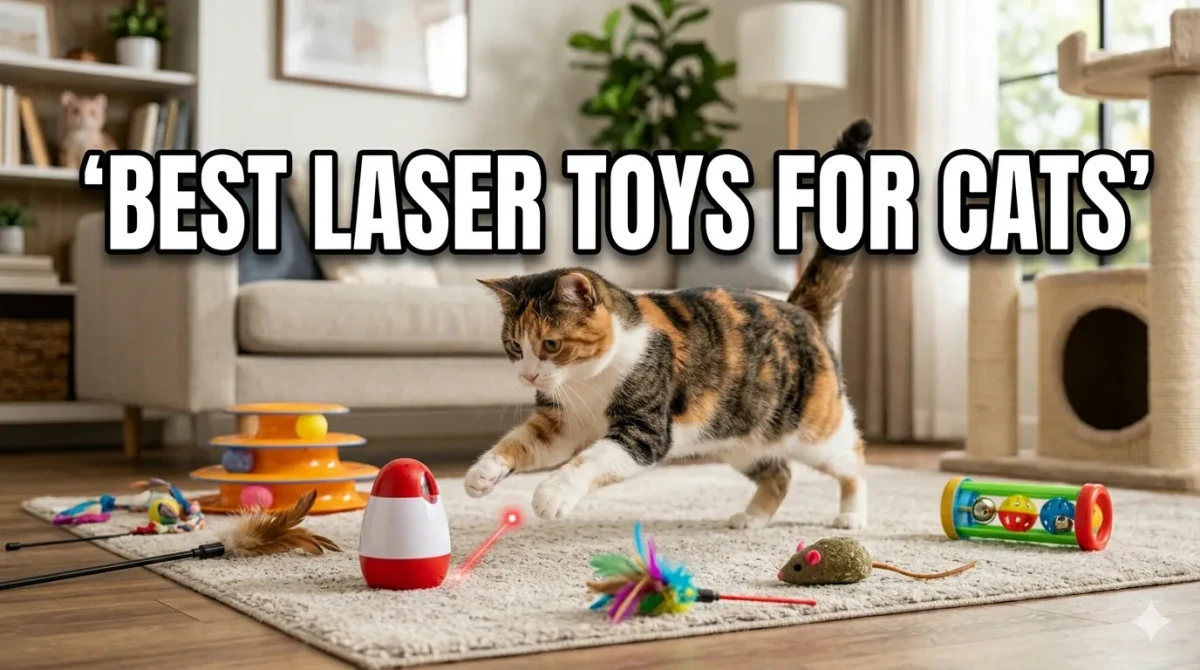
Best laser toys for cats represent popular enrichment tools that can provide engaging exercise, mental stimulation, and entertainment for indoor felines when used properly and safely. Laser pointers and automatic laser toys trigger cats' natural hunting instincts by creating moving light patterns that mimic prey movement, encouraging stalking, chasing, and pouncing behaviors that support physical fitness and mental wellbeing. Understanding how laser toys work, what safety features are essential, and how to use them responsibly helps cat owners provide effective enrichment while avoiding potential behavioral or physical harm.
The connection between laser play and feline health is well documented through veterinary behavior research and experienced cat owner practices. When used correctly, laser toys can increase physical activity in sedentary indoor cats, support healthy weight management, reduce boredom-related behavioral problems, and strengthen the bond between cats and their owners through interactive play. However, improper use can lead to frustration, anxiety, or eye safety concerns, making informed selection and responsible usage essential.
This comprehensive guide covers everything you need to know about selecting and using the best laser toys for cats, from understanding laser safety classifications and evaluating product features to implementing proper play techniques that maximize benefits while minimizing risks. Whether you have an energetic kitten needing outlet for hunting instincts, a senior cat requiring gentle activity, or an indoor cat needing weight management support, these expert recommendations will help you choose laser toys that provide safe, effective enrichment for your feline companion.
Why Laser Toys Can Benefit Indoor Cats
Laser toys offer unique benefits for indoor cats when incorporated into balanced enrichment routines. Understanding these benefits helps cat owners appreciate the value of laser play while recognizing the importance of proper usage protocols.
Physical exercise represents the primary benefit of laser play for indoor cats. The unpredictable movement of laser dots triggers natural hunting behaviors including stalking, chasing, and pouncing that burn calories, maintain muscle tone, and support cardiovascular health. For sedentary indoor cats prone to obesity, regular laser play sessions can contribute significantly to healthy weight management when combined with appropriate nutrition.
Mental stimulation from laser play engages cats' problem-solving abilities and hunting instincts. Tracking unpredictable light patterns requires focus, coordination, and strategic thinking that prevents boredom and cognitive decline. This mental engagement is particularly valuable for intelligent breeds like Siamese, Bengals, and Abyssinians who require substantial cognitive challenges to remain content.
Interactive laser play strengthens the bond between cats and their owners through shared activity and positive reinforcement. When owners control laser toys during interactive sessions, cats associate playtime with human attention and engagement, building trust and communication that enhances the overall relationship.
What Safety Concerns Must You Address with Laser Toys?
Laser toys require careful selection and responsible usage to ensure cat safety. Understanding potential risks enables proactive prevention of harm while maximizing enrichment benefits.
Eye safety represents the most critical concern with laser toys. Lasers classified as Class 3R or higher can cause retinal damage if shined directly into eyes, even briefly. Always select laser toys rated Class 1 or Class 2 (under 1 milliwatt output) for pet use, and never intentionally point lasers at your cat's face, eyes, or reflective surfaces that could redirect beams unexpectedly.
Behavioral frustration can develop if cats repeatedly chase laser dots they can never physically catch. Unlike tangible toys, laser dots disappear when the device is turned off, potentially leaving cats feeling unsuccessful and anxious. Always conclude laser play sessions by directing the dot onto a tangible toy or treat that your cat can physically "catch," providing closure and positive reinforcement for the hunting sequence.
Overstimulation and exhaustion can occur if laser play sessions are too long or intense. Cats may continue chasing laser dots beyond their physical limits, potentially leading to injury from collisions, falls, or muscle strain. Monitor your cat's energy levels during play and end sessions before exhaustion sets in, typically limiting sessions to 10-15 minutes for most cats.
Types of Laser Toys for Cats

Laser toys for cats come in diverse categories designed for different play styles, owner involvement levels, and enrichment goals. Understanding these types helps you select laser toys that match your cat's preferences and your lifestyle while maintaining safety standards.
Handheld laser pointers offer maximum control and interaction for owners who want to engage directly with their cats during play. These portable devices allow you to create custom movement patterns, adjust speed based on your cat's abilities, and conclude sessions with tangible rewards. Handheld pointers work best for owners who can dedicate focused play time and want to strengthen bonds through interactive engagement.
Automatic laser toys feature programmable movement patterns, timers, and randomization that provide entertainment when owners are busy or away. These devices typically project laser dots in pre-set patterns across floors or walls, triggering independent play sessions. Automatic lasers work well for busy owners, multi-cat households, or cats who enjoy independent hunting simulation, though they lack the interactive bonding benefits of handheld play.
Combination laser toys integrate laser projection with physical toys, treat dispensers, or interactive elements that address the frustration of uncatchable laser dots. These innovative designs may project lasers onto moving physical toys, dispense treats when cats interact with laser patterns, or combine laser play with tangible rewards. Combination toys excel for cats who need closure in hunting sequences or owners seeking comprehensive enrichment solutions.
Projection laser toys create patterns on walls, ceilings, or floors using wider beam spreads that reduce eye safety risks while maintaining engagement. These devices often feature multiple pattern options, adjustable speeds, and timer functions that provide varied stimulation. Projection lasers work well for cats who enjoy vertical play or owners seeking hands-free enrichment options.
Which Laser Classifications Are Safe for Cats?
Laser classification systems indicate power output and associated safety risks. Understanding these classifications helps cat owners select products that minimize eye injury risks while providing effective enrichment.
Class 1 lasers are considered safe under all conditions of normal use, with output power below 0.39 milliwatts. These lasers pose minimal risk of eye injury even with direct exposure, making them ideal for pet applications. Look for laser toys explicitly labeled as Class 1 for maximum safety assurance.
Class 2 lasers have output power between 0.39 and 1 milliwatt and are considered safe for brief, accidental exposure due to the human (and feline) blink reflex. While generally safe for pet use when used responsibly, Class 2 lasers require more careful handling to avoid intentional or prolonged eye exposure. Many quality pet laser toys fall into this category.
Avoid Class 3R, 3B, or 4 lasers for pet use, as these higher-power classifications can cause immediate eye damage with direct exposure. These classifications are typically found in professional, industrial, or presentation lasers not designed for pet enrichment. Always verify laser classification on product packaging or specifications before purchasing.
Red lasers (630-670nm wavelength) are most common for pet toys and generally well-tolerated by cats. Green lasers (532nm) appear brighter to human eyes but may be more intense for feline vision and require extra caution. Avoid blue or violet lasers for pet use, as shorter wavelengths carry higher energy and potential risk.
How Do Automatic Laser Toys Compare to Handheld Pointers?
Automatic and handheld laser toys offer distinct advantages and limitations. Understanding these differences helps cat owners select the type that best matches their lifestyle and their cat's enrichment needs.
Handheld laser pointers provide superior interaction and customization. Owners can adjust speed, direction, and complexity of laser movements based on their cat's skill level and energy. Handheld play enables immediate response to cat behavior, allowing owners to encourage successful "catches" and conclude sessions positively. The interactive nature strengthens bonds and allows owners to monitor their cat's engagement and fatigue levels in real time.
Automatic laser toys offer convenience and consistency for busy owners or independent play sessions. Programmable patterns provide varied stimulation without owner involvement, making them ideal for supplementing interactive play or entertaining cats during work hours. Automatic devices often feature timers that prevent overuse and randomization that maintains novelty. However, they lack the responsive interaction and positive closure opportunities of handheld play.
Many cat owners benefit from owning both types: handheld pointers for interactive bonding sessions and automatic devices for independent enrichment. This combination approach maximizes benefits while addressing different enrichment needs throughout the day.
Essential Features to Look for in Quality Laser Cat Toys

Selecting high quality laser toys for cats requires evaluating specific characteristics that impact safety, effectiveness, and value. Understanding these features helps you choose products that deliver genuine enrichment while avoiding inferior alternatives that waste money or compromise your cat's wellbeing.
Safety certifications and laser classification represent non negotiable priorities. Look for toys explicitly labeled as Class 1 or Class 2 lasers with output power under 1 milliwatt. Reputable brands disclose laser specifications, safety testing results, and compliance with pet product standards. Avoid products with vague or missing laser classification information.
Adjustable settings enhance versatility and longevity. Quality laser toys offer variable speed controls, pattern options, and timer functions that accommodate different cat preferences and prevent habituation. Adjustable features allow you to increase challenge as your cat develops skills or reduce intensity for senior or less active cats.
Battery life and power options impact convenience and reliability. Look for laser toys with long battery life (8+ hours of continuous use) or rechargeable batteries that reduce waste and ongoing costs. USB rechargeable models offer convenience, while battery operated devices provide flexibility for placement. Avoid toys with poor battery performance that interrupt play sessions.
Durable construction ensures longevity despite enthusiastic cat interaction. Quality laser toys feature impact resistant housings, secure battery compartments, and stable bases that prevent tipping during play. Look for products with positive user reviews mentioning durability under real world cat use.
What Safety Standards Should Laser Cat Toys Meet?
Safety certifications and testing provide assurance that laser cat toys meet standards for eye safety and product reliability. Evaluating compliance helps you select products prioritizing your cat's wellbeing during play.
FDA laser product regulations classify lasers by power output and associated risks. For pet use, select toys complying with FDA Class 1 or Class 2 requirements, with output power under 1 milliwatt. Reputable manufacturers disclose compliance with these regulations on packaging or product descriptions.
Pet product safety certifications from organizations like the Pet Industry Joint Advisory Council (PIJAC) or independent testing laboratories provide additional assurance of quality and safety. Brands that publish testing results or provide certificates of analysis demonstrate transparency and commitment to pet safety.
Third party reviews and veterinary endorsements offer real world validation of safety and effectiveness. Products recommended by veterinary behaviorists or featured in reputable pet publications often indicate thorough safety evaluation and practical effectiveness.
Avoid toys lacking clear safety information, made by unknown manufacturers, or sold at prices suggesting compromised quality. Your cat's eye health depends on proper laser classification, making verification of specifications a critical purchasing consideration.
How Do You Assess Value Beyond Purchase Price?
Evaluating laser toy value requires considering safety, functionality, durability, and long term enrichment benefits rather than focusing solely on purchase price. Understanding value factors helps you make economical choices that deliver genuine cat enrichment.
Safety features justify higher prices for quality laser toys. Class 1 lasers, secure battery compartments, and durable construction prevent injuries and product failures that could cost more in veterinary care or replacements. Investing in verified safety features provides peace of mind and long term value.
Functionality and versatility impact long term usefulness. Laser toys with adjustable patterns, speeds, and timers maintain cat interest longer than single function devices, reducing the need for frequent replacements. Features like combination tangible rewards or projection options add enrichment value beyond basic laser projection.
Battery life and power efficiency affect ongoing costs and convenience. Rechargeable models with long battery life reduce ongoing battery purchases and environmental waste. Calculate total cost of ownership including batteries or charging when comparing products.
Manufacturer support and warranties reflect confidence in product quality. Brands offering satisfaction guarantees, replacement policies, or responsive customer service demonstrate commitment to customer success. These protections add value beyond the physical product.
Proper Usage Techniques for Laser Cat Toys

Proper usage techniques maximize the benefits of laser toys while minimizing risks of frustration, injury, or behavioral problems. Understanding how to use laser toys responsibly helps you provide safe, effective enrichment for your cat.
Always conclude laser play sessions with a tangible reward. After 10-15 minutes of laser chasing, direct the dot onto a physical toy, treat, or feeding station that your cat can physically "catch." This closure provides psychological satisfaction, reinforces the hunting sequence, and prevents frustration from unachievable goals. Never end sessions with the laser simply disappearing.
Limit session duration to prevent overexertion and frustration. Most cats benefit from 10-15 minute laser play sessions, once or twice daily. Watch for signs of fatigue including heavy panting, slowing movements, or loss of interest, and end sessions before exhaustion sets in. Shorter, frequent sessions are more effective than occasional marathon play periods.
Vary movement patterns to maintain engagement and challenge your cat's skills. Create unpredictable paths, vary speeds, and incorporate pauses that mimic real prey behavior. Avoid repetitive patterns that cats quickly learn to anticipate, reducing mental stimulation value. Automatic lasers with randomization features help maintain novelty when owners cannot actively vary patterns.
Never point lasers at your cat's face, eyes, or reflective surfaces. Always project lasers onto floors, walls, or non-reflective surfaces where cats can safely chase without risk of eye exposure. Be mindful of mirrors, windows, or shiny objects that could redirect laser beams unexpectedly.
How Do You Prevent Laser Toy Frustration in Cats?
Preventing frustration requires understanding feline psychology and implementing strategies that provide closure and positive reinforcement during laser play. These techniques help cats feel successful and satisfied rather than anxious or unfulfilled.
Always provide tangible closure by ending laser sessions with a physical reward. After chasing the laser dot, guide it onto a treat, toy, or food bowl that your cat can physically interact with. This sequence mimics natural hunting where pursuit ends in capture and consumption, providing psychological satisfaction.
Combine laser play with other enrichment activities to create comprehensive hunting simulations. Alternate laser chasing with wand toys, puzzle feeders, or treat hiding games that provide tangible rewards. This variety prevents over-reliance on laser play and ensures cats experience successful "catches" through multiple enrichment methods.
Monitor your cat's emotional responses during and after laser play. Signs of frustration include vocalization, pacing, or continued searching for the laser dot after sessions end. If you observe these behaviors, reduce laser play frequency, shorten sessions, or increase tangible reward closure to improve satisfaction.
Use laser toys as one component of balanced enrichment rather than the sole play method. Combine laser play with interactive wand toys, climbing structures, puzzle feeders, and social interaction to provide comprehensive mental and physical stimulation that addresses all aspects of feline wellbeing.
What Are Best Practices for Interactive Laser Play?
Interactive laser play with handheld pointers offers unique bonding opportunities when conducted with proper technique. Understanding best practices maximizes benefits while ensuring safety and satisfaction for your cat.
Start with simple, slow movements to build your cat's confidence and skills. Begin with straight lines or gentle curves that your cat can easily track and chase. As your cat develops coordination and confidence, gradually increase complexity with zigzags, circles, or sudden direction changes that provide greater challenge.
Allow your cat to "win" frequently during interactive sessions. Let your cat successfully "catch" the laser dot by holding it stationary on a surface where they can paw or pounce on it. Celebrate these successes with praise, treats, or gentle petting to reinforce positive associations with laser play.
Observe your cat's body language throughout sessions. Ears forward, focused eyes, and active pursuit indicate engagement and enjoyment. Flattened ears, tail flicking, or avoidance behaviors signal stress or overstimulation requiring session adjustment or conclusion. Respect your cat's cues to maintain positive play experiences.
End sessions positively with tangible rewards and calm interaction. After laser play, offer a treat, gentle petting, or quiet time together to reinforce the bond and provide closure. This positive conclusion helps cats associate laser play with satisfaction rather than frustration.
Addressing Common Concerns and Misconceptions

Despite their popularity, laser toys for cats generate questions and concerns among pet owners. Understanding common misconceptions and evidence based responses helps cat owners make informed decisions about incorporating laser play into enrichment routines.
Concern: Laser toys cause obsessive behavior or anxiety in cats. Reality: When used properly with tangible closure and balanced enrichment, laser toys do not typically cause behavioral problems. Obsessive behaviors usually stem from improper usage (no closure, excessive sessions) or underlying anxiety requiring comprehensive behavioral intervention. Responsible laser play with proper technique supports healthy behavior rather than causing problems.
Concern: Laser pointers damage cats' eyes. Reality: Class 1 and Class 2 lasers (under 1 milliwatt) used as directed pose minimal eye injury risk. Damage requires direct, prolonged exposure to the beam, which responsible owners can easily avoid by projecting onto surfaces rather than at cats. Selecting properly classified lasers and using them responsibly eliminates significant eye safety concerns.
Concern: Laser toys replace the need for physical toys. Reality: Laser toys should complement, not replace, tangible toys in enrichment routines. Physical toys provide tactile feedback, successful "catches," and varied play experiences that lasers cannot replicate. Balanced enrichment includes both laser play and tangible toys for comprehensive feline wellbeing.
How Do You Address Laser Toy Safety Myths?
Evidence based information helps cat owners separate safety facts from misconceptions regarding laser toys. Understanding actual risks enables informed decision making without unnecessary fear.
Myth: All laser pointers are dangerous for cats. Fact: Laser classification determines safety. Class 1 and Class 2 lasers (under 1 milliwatt) are considered safe for pet use when used responsibly. Always verify laser classification before purchasing and avoid higher power classifications not designed for pets.
Myth: Cats can become addicted to laser pointers. Fact: Cats do not develop addiction to laser play in the clinical sense. However, improper usage without tangible closure can create frustration or obsessive searching behaviors. Responsible usage with proper technique prevents behavioral issues while providing beneficial enrichment.
Myth: Laser toys are the best exercise for all cats. Fact: Laser toys benefit many cats but are not universally ideal. Senior cats, cats with mobility issues, or those with anxiety may benefit more from gentle interactive toys or environmental enrichment. Assess your individual cat's needs and preferences when selecting enrichment methods.
What If My Cat Loses Interest in Laser Play?
Cats may occasionally lose interest in laser toys due to habituation, changing preferences, or health factors. Understanding how to renew engagement helps maintain effective enrichment over time.
Vary laser patterns, speeds, and surfaces to maintain novelty. Introduce new movement sequences, project onto different surfaces (walls, floors, cat trees), or combine laser play with other enrichment activities to renew interest. Automatic lasers with multiple pattern options help maintain variety when owners cannot actively vary play.
Combine laser play with high value rewards to reinforce engagement. Use favorite treats, catnip, or special toys as tangible closure to increase motivation and positive associations. The anticipation of rewards can renew interest in the laser chasing component.
Assess your cat's health and energy levels if interest suddenly declines. Reduced interest in previously enjoyed activities can indicate pain, illness, or age related changes requiring veterinary evaluation. Address underlying health issues before assuming behavioral causes for decreased engagement.
Respect your cat's changing preferences and be willing to adapt enrichment strategies. Some cats naturally prefer different play styles as they age or as their environment changes. Flexibility in enrichment approaches ensures continued wellbeing even if laser play becomes less appealing.
Maintenance and Care for Laser Cat Toys

Proper maintenance extends the lifespan of laser cat toys while ensuring ongoing safety and performance. Simple care practices preserve functionality, prevent hazards, and maximize your investment in quality enrichment tools.
Battery management ensures reliable performance and prevents unexpected session interruptions. Replace or recharge batteries before they become depleted, and remove batteries during extended storage periods to prevent corrosion. For rechargeable models, follow manufacturer guidelines for charging cycles to maximize battery lifespan.
Lens and housing cleaning maintains laser projection quality and safety. Gently wipe the laser lens with a soft, dry cloth to remove dust or smudges that could scatter the beam. Clean the housing with a damp cloth as needed, avoiding moisture entry into electronic components. Never use harsh chemicals or abrasive materials that could damage surfaces or optics.
Regular inspection identifies wear, damage, or malfunction that could compromise safety or performance. Check for cracked housings, loose battery compartments, inconsistent laser projection, or unusual heat generation. Replace toys showing signs of damage or malfunction immediately to prevent potential hazards.
Proper storage protects laser toys from environmental damage and accidental activation. Store devices in cool, dry locations away from direct sunlight, moisture, or extreme temperatures. Keep lasers out of reach of children or pets when not in use to prevent accidental exposure or misuse.
How Often Should You Replace Laser Cat Toys?
Understanding replacement timing ensures continued safety and effectiveness while maximizing value from laser toy investments. Different components have varying lifespans based on usage, quality, and care.
Laser diodes typically last 5,000 to 10,000 hours of operation in quality devices. With typical cat play sessions of 15-30 minutes daily, this translates to several years of use. Replace lasers showing dimming output, inconsistent projection, or color changes that could indicate diode degradation.
Battery compartments and switches experience mechanical wear from repeated use. Replace toys showing loose battery doors, intermittent operation, or switch failure that could create safety hazards or unreliable performance.
Housing and structural components should be replaced if cracked, broken, or compromised in ways that could expose internal components or create sharp edges. Plastic housings can become brittle with age or UV exposure, requiring replacement to maintain safety.
Consider upgrading to newer models when technology advances offer meaningful safety or functionality improvements. Newer laser toys may feature improved safety classifications, longer battery life, or enhanced pattern options that provide better value and enrichment than aging devices.
Frequently Asked Questions About Laser Toys for Cats

Are Laser Toys Safe for Kittens?
Laser toys can be safe for kittens when selected and used responsibly. Choose Class 1 or Class 2 lasers with output under 1 milliwatt, and always supervise kitten play to prevent eye exposure or overexertion. Keep sessions short (5-10 minutes) and gentle to accommodate developing coordination and energy levels. Always conclude with tangible rewards to build positive associations and prevent frustration. Consult your veterinarian about appropriate enrichment for your kitten's specific age and development stage.
Can Laser Toys Help With Cat Weight Loss?
Laser toys can contribute to weight management when incorporated into comprehensive weight loss plans. The physical activity from chasing laser dots burns calories and builds muscle, supporting healthy weight reduction. However, laser play alone is insufficient for significant weight loss. Combine laser enrichment with appropriate portion control, high quality nutrition, and other exercise methods for effective weight management. Consult your veterinarian to develop a safe, effective weight loss plan tailored to your cat's specific needs.
How Do I Know If My Cat Is Enjoying Laser Play?
Signs of enjoyment during laser play include focused attention, active pursuit, playful pouncing, and relaxed body language with ears forward and tail held comfortably. Cats may chirp, trill, or show excited movements indicating engagement. After sessions, satisfied cats typically groom, rest, or seek affection rather than continuing to search for the laser. If your cat shows avoidance, stress signals, or obsessive searching after sessions, adjust your technique or reduce laser play frequency.
Conclusion
Selecting and using the best laser toys for cats requires understanding safety classifications, proper usage techniques, and balanced enrichment strategies. While laser toys offer valuable benefits for physical exercise, mental stimulation, and bonding, they must be incorporated responsibly into comprehensive care routines that prioritize cat wellbeing.
Remember that laser toys are tools for enrichment, not complete solutions for feline wellbeing. Combine laser play with tangible toys, environmental enrichment, social interaction, and proper nutrition to create holistic care that addresses all aspects of your cat's physical and mental health. Always prioritize safety through proper laser classification, responsible usage, and attentive observation of your cat's responses.
Your commitment to safe, effective enrichment demonstrates dedication to your cat's happiness and health. With the knowledge and strategies provided in this guide, you can confidently select and use laser toys that provide enjoyable, beneficial play while strengthening the bond between you and your feline companion.
🐱 আরও পড়ুন: Cat Accessories and Toys

0 Comments