.png)
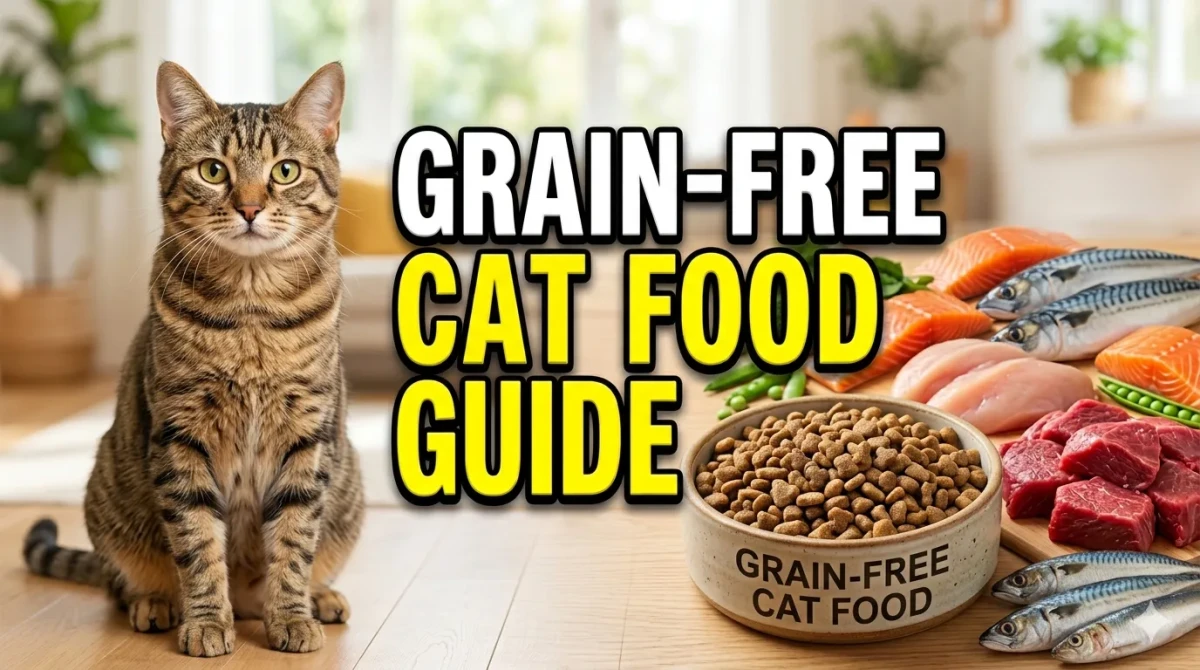
Understanding Grain-Free Cat Food: What Adult Cat Owners Need to Know
Grain-free cat food has gained significant popularity among pet owners seeking optimal nutrition for their feline companions. Unlike dogs, cats are obligate carnivores with unique nutritional requirements that make the grain-free discussion particularly relevant. Many adult cat owners choose grain-free diets believing they better align with their cat's natural biology, though the decision requires careful consideration of nutritional completeness, ingredient quality, and individual health needs.
Featured Snippet Answer: Grain-free cat food for adult cats eliminates wheat, corn, rice, and other grains, emphasizing high-quality animal proteins and alternative carbohydrates like sweet potatoes or peas. Since cats are obligate carnivores requiring minimal carbohydrates, grain-free formulas can align well with feline biology when properly formulated with adequate taurine, protein, and essential nutrients. Always verify AAFCO compliance and consult your veterinarian.
This comprehensive guide examines the science behind grain-free nutrition for cats, helps you understand when it's appropriate for your adult cat, and provides evidence-based criteria for selecting high-quality formulas. You'll learn about feline nutritional requirements, ingredient evaluation, potential benefits and concerns, and how to make informed decisions that support your cat's long-term health, urinary tract function, and overall vitality.
What Defines Grain-Free Cat Food?
Grain-free cat food eliminates all cereal grains including wheat, corn, rice, barley, oats, rye, and sorghum. Instead, these formulas use alternative carbohydrate sources such as sweet potatoes, peas, lentils, chickpeas, potatoes, or tapioca, though quality grain-free cat foods typically contain significantly lower carbohydrate levels than grain-free dog foods.
The protein content in grain-free cat foods comes primarily from animal sources like chicken, turkey, beef, fish, lamb, or novel proteins like rabbit and venison. High-quality grain-free cat foods emphasize animal-based proteins as the foundation, reflecting cats' biological need for protein and specific amino acids like taurine and arginine that are found primarily in animal tissues.
Key Ingredients in Quality Grain-Free Cat Foods:
- Named animal proteins as the first several ingredients (chicken, salmon, turkey)
- Animal-based fats for energy and nutrient absorption
- Limited alternative carbohydrates: sweet potatoes or peas in modest amounts
- Essential supplements including taurine, vitamins, and minerals
- Omega-3 fatty acids from fish oil for skin, coat, and inflammatory support
- 🐾 Best Fish Food for Tropical Aquarium Fish: Complete 2026 Guide
- 🐾 Best Food for Gerbils: Complete Nutrition Guide
- 🐾 Healthy Puppy Food Brands in the US: 2026 Guide
It's crucial to understand that cats have no nutritional requirement for carbohydrates. While they can digest small amounts, their metabolism is optimized for protein and fat utilization. This makes the grain-free discussion different for cats than for dogs—cats naturally thrive on low-carbohydrate, high-protein diets.
Is grain-free cat food the same as low-carb?
Not necessarily, though quality grain-free cat foods are typically lower in carbohydrates than grain-inclusive options. Some grain-free formulas still contain significant carbs from peas, lentils, or potatoes. The best grain-free cat foods minimize all carbohydrates, not just grains, focusing on animal proteins and fats. Always check the guaranteed analysis—ideal adult cat food contains less than 20% carbohydrates on a dry matter basis, with many experts recommending under 10% for optimal health.
Why Cats Are Different: Understanding Obligate Carnivore Nutrition

Cats are obligate carnivores, meaning their bodies are physiologically designed to derive nutrition primarily from animal tissue. This fundamental biological fact distinguishes them from dogs (facultative carnivores) and omnivores like humans. Understanding this is essential when evaluating any cat food, grain-free or otherwise.
Unique Feline Nutritional Needs:
Cats require specific nutrients found almost exclusively in animal tissues: taurine (essential for heart and eye health), arachidonic acid (a fatty acid), vitamin A (in preformed retinol form), and vitamin B12. Unlike dogs and humans, cats cannot synthesize these nutrients from plant sources and must obtain them from animal protein.
Limited Carbohydrate Metabolism: Cats have limited ability to digest and metabolize carbohydrates. They lack significant salivary amylase (the enzyme that begins carbohydrate digestion) and have lower levels of intestinal enzymes for carb breakdown. While they can process small amounts, high-carbohydrate diets can contribute to obesity, diabetes, and digestive issues.
Protein Requirements: Adult cats require significantly more protein than dogs—minimum 26% on a dry matter basis according to AAFCO, though many experts recommend 30-40% for optimal health. Cats use protein not just for tissue maintenance but also for energy production through gluconeogenesis.
Water Needs: Cats have a low thirst drive and are adapted to obtain moisture from prey. This makes wet food particularly important for urinary tract health and kidney function, regardless of whether it's grain-free or grain-inclusive.
Do cats need any carbohydrates in their diet?
No, cats have no dietary requirement for carbohydrates. They can meet all their energy needs through protein and fat. While small amounts of digestible carbohydrates aren't harmful to most cats, they provide no essential nutrition and may contribute to weight gain or blood sugar issues in susceptible individuals. The best cat foods minimize carbohydrates from all sources, not just grains.
Potential Benefits of Grain-Free Diets for Adult Cats

When properly formulated, grain-free cat foods can offer several benefits aligned with feline biology:
Higher Animal Protein Content: Quality grain-free formulas typically feature higher percentages of animal-based proteins, supporting lean muscle maintenance, healthy weight, and optimal metabolic function in adult cats.
Lower Carbohydrate Levels: Many grain-free cat foods contain fewer total carbohydrates than grain-inclusive options, which may help prevent obesity, reduce diabetes risk, and support stable blood sugar levels—particularly important for indoor or less active cats.
Reduced Allergen Exposure: While true grain allergies are uncommon in cats, some individuals may benefit from eliminating potential allergens. More commonly, grain-free diets help cats with sensitivities to specific ingredients by offering simpler, more focused formulas.
Better Alignment with Natural Diet: Grain-free foods, especially those emphasizing meat and minimizing all carbohydrates, more closely resemble the nutritional profile of prey animals that cats would consume in the wild.
Improved Digestibility: Some cats experience better digestion and smaller, firmer stools on grain-free formulas with high-quality animal proteins and limited fillers.
Enhanced Palatability: Many cats prefer the taste and texture of meat-focused grain-free foods, which can benefit finicky eaters or cats with reduced appetite.
Nutritional Requirements for Adult Cats

Adult cats have specific nutritional needs that must be met regardless of whether you choose grain-free or grain-inclusive food. Understanding these requirements helps you evaluate any cat food formula effectively.
Protein Requirements: Adult cats need high-quality animal protein to maintain muscle mass, support immune function, and provide essential amino acids. AAFCO recommends a minimum of 26% protein on a dry matter basis for adult maintenance, though many veterinary nutritionists suggest 30-40% is optimal. The protein must be highly digestible and contain adequate taurine, arginine, and other essential amino acids.
Fat Content: Fats provide concentrated energy, support skin and coat health, aid in vitamin absorption, and supply essential fatty acids. Adult cats typically need 20-30% fat on a dry matter basis. Omega-3 and omega-6 fatty acids are particularly important for inflammatory balance and coat quality.
Taurine: This essential amino acid is critical for heart health, vision, reproduction, and bile acid conjugation. Cats cannot synthesize sufficient taurine and must obtain it from animal protein. Deficiency causes dilated cardiomyopathy and retinal degeneration. AAFCO requires minimum 0.1% taurine in dry food and 0.2% in wet food.
Essential Nutrients: Adult cats require specific vitamins and minerals in appropriate ratios: vitamin A (preformed), vitamin D, vitamin E, B-complex vitamins, calcium, phosphorus (with proper Ca:P ratio of 1:1 to 1.5:1), magnesium, potassium, and trace minerals.
Moisture: Cats benefit from high moisture intake to support urinary tract health and kidney function. Wet foods typically contain 75-80% moisture, while dry foods contain only 10-12%. Many veterinarians recommend incorporating wet food regardless of grain content.
Featured Snippet Answer: Adult cats require minimum 26% protein (30-40% optimal), 20-30% fat, essential taurine (0.1% minimum in dry food), preformed vitamin A, arachidonic acid, and appropriate calcium-phosphorus ratios. Grain-free foods can meet these requirements when properly formulated, but always verify AAFCO compliance and prioritize animal-based ingredients.
Grain-Free vs. Grain-Inclusive: What's the Difference for Cats?

The grain-free versus grain-inclusive debate differs significantly for cats compared to dogs due to their obligate carnivore status. Here's what matters:
Carbohydrate Content: Grain-inclusive cat foods often contain 30-50% carbohydrates from grains like corn, wheat, or rice. Some grain-free foods replace grains with other carbohydrates (peas, potatoes), maintaining similar carb levels. The best options—grain-free or not—minimize all carbohydrates and maximize animal protein.
Protein Quality: Grain-free formulas often (but not always) feature higher percentages of animal protein. However, some grain-inclusive foods also use high-quality proteins. Always check the ingredient list and guaranteed analysis rather than relying on marketing claims.
Digestibility: Some cats digest animal proteins and fats more efficiently than plant-based ingredients, whether grains or legumes. Individual cats vary, so observe your cat's response to any diet.
Cost Considerations: Grain-free foods often cost more, but price doesn't guarantee quality. Some affordable grain-inclusive foods meet nutritional needs excellently, while expensive grain-free options may still contain excessive carbohydrates or lower-quality proteins.
The Bottom Line: For cats, the grain-free label is less important than overall carbohydrate content, protein quality and quantity, and nutritional completeness. A low-carb, high-protein grain-inclusive food may be better than a high-carb grain-free formula.
Reading and Understanding Cat Food Labels

Navigating cat food labels requires understanding regulatory requirements and marketing tactics. Here's what to focus on:
Ingredient List: Ingredients are listed by weight before processing. Remember that fresh meats contain 70-80% water, so "chicken" as the first ingredient weighs more initially but contributes less actual protein than it appears. Look for multiple animal proteins in the top ingredients. Be wary of "ingredient splitting" where manufacturers list the same ingredient multiple times (like "peas, pea protein, pea fiber") to push meat ingredients higher on the list.
Guaranteed Analysis: This shows minimum percentages of protein and fat, and maximum percentages of fiber and moisture. To compare foods accurately, convert to dry matter basis by dividing the percentage by (100 minus moisture percentage) times 100.
Nutritional Adequacy Statement: This confirms the food meets AAFCO standards for a specific life stage. For adult cats, look for "adult maintenance" or "all life stages." Avoid foods without this statement.
Feeding Guidelines: These are starting points only. Individual cats have unique needs based on age, activity level, metabolism, and health status. Adjust portions to maintain ideal body condition.
Calorie Content: Often listed as kcal/cup or kcal/kg. This helps you compare energy density between foods and manage your cat's weight effectively. Indoor cats typically need fewer calories than active outdoor cats.
Marketing Terms: Words like "natural," "holistic," "premium," or "human-grade" have no legal definition in pet food. Focus on ingredients and nutritional adequacy, not marketing language. "Grain-free" doesn't automatically mean "low-carb" or "high-protein."
What should be the first ingredient in grain-free cat food?
The first ingredient should be a named animal protein like "chicken," "turkey," "salmon," or "beef"—not "meat meal," "poultry," or plant proteins. Ideally, the first 3-5 ingredients should all be animal-based proteins or fats. Avoid foods where peas, potatoes, or other carbohydrates appear in the top 3 ingredients, even if the food is grain-free.
How to Choose High-Quality Grain-Free Cat Food

If you decide grain-free is appropriate for your adult cat, use these criteria to select a high-quality formula:
AAFCO Statement: Ensure the food meets AAFCO nutrient profiles for adult maintenance. This guarantees the food provides complete and balanced nutrition for your cat's life stage.
High Animal Protein Content: Look for minimum 30-40% protein on a dry matter basis, with named animal proteins as the primary ingredients. The protein should be highly digestible and bioavailable.
Low Carbohydrate Content: Aim for less than 20% carbohydrates on a dry matter basis, with under 10% being ideal. Calculate this by subtracting protein, fat, fiber, moisture, and ash percentages from 100.
Adequate Taurine: Verify the food contains sufficient taurine (minimum 0.1% for dry, 0.2% for wet). Some manufacturers add supplemental taurine to ensure adequacy.
Quality Fat Sources: Look for named animal fats like "chicken fat" or "salmon oil" rather than vague terms. These provide energy and essential fatty acids.
Limited Carbohydrate Sources: If carbohydrates are present, they should be minimal and from digestible sources like sweet potatoes rather than heavy legume content.
No Artificial Additives: Avoid artificial colors, flavors, or preservatives like BHA, BHT, or ethoxyquin. Natural preservatives like mixed tocopherols (vitamin E) are preferable.
Manufacturing Standards: Choose brands that employ veterinary nutritionists, conduct feeding trials, and have strong quality control protocols. Companies that own their manufacturing facilities often have better quality control.
Third-Party Testing: Brands that test for contaminants, verify nutrient content, and publish results demonstrate commitment to safety and transparency.
Species-Appropriate Formulation: The best grain-free cat foods emphasize meat, organs, and bone (or their nutritional equivalents) with minimal plant matter, reflecting cats' evolutionary diet.
Wet Food vs. Dry Food: The Grain-Free Consideration

The wet versus dry debate is particularly relevant for grain-free cat food:
Wet Food Advantages:
- Higher moisture content (75-80%) supports urinary tract health and kidney function
- Typically lower in carbohydrates than dry food
- Higher protein content per calorie
- More satiating, which can help with weight management
- Closer to natural prey in texture and moisture
- 🐾 Best Fish Food for Tropical Aquarium Fish: Complete 2026 Guide
- 🐾 Best Food for Gerbils: Complete Nutrition Guide
- 🐾 Healthy Puppy Food Brands in the US: 2026 Guide
Dry Food Advantages:
- Convenient storage and feeding
- Can be left out for free-feeding (though not ideal for all cats)
- Generally more affordable per calorie
- May provide dental benefits (though limited)
- 🐾 Best Fish Food for Tropical Aquarium Fish: Complete 2026 Guide
- 🐾 Best Food for Gerbils: Complete Nutrition Guide
- 🐾 Healthy Puppy Food Brands in the US: 2026 Guide
Best Practice: Many veterinary nutritionists recommend feeding primarily wet food (grain-free or not) supplemented with limited dry food if desired. If feeding dry grain-free food, ensure your cat drinks adequate water or consider adding water to the food.
Transitioning Your Adult Cat to Grain-Free Food

Cats are notoriously sensitive to dietary changes, so transitioning to grain-free food requires patience and careful observation.
7-14 Day Transition Schedule:
- Days 1-3: 25% new food, 75% current food
- Days 4-6: 50% new food, 50% current food
- Days 7-9: 75% new food, 25% current food
- Days 10-14: 100% new food
- 🐾 Best Fish Food for Tropical Aquarium Fish: Complete 2026 Guide
- 🐾 Best Food for Gerbils: Complete Nutrition Guide
- 🐾 Healthy Puppy Food Brands in the US: 2026 Guide
Cats may need slower transitions than dogs. If your cat shows resistance or digestive upset, slow the transition further, spending more time at each stage.
Monitor During Transition: Watch for changes in stool quality, appetite, energy levels, coat condition, and any signs of digestive upset like vomiting or diarrhea. Slow the transition if problems occur.
Hydration: Ensure fresh water is always available, especially if transitioning to dry grain-free food. Consider a cat water fountain to encourage drinking.
Weight Monitoring: Weigh your cat before the transition and regularly afterward to ensure the new food maintains appropriate body condition. Adjust portions as needed.
Veterinary Check-In: Schedule a wellness exam 2-3 months after the transition to assess your cat's health, including weight, body condition, and overall wellness.
Palatability Tips: If your cat resists the new food, try warming it slightly to enhance aroma, adding a small amount of tuna juice or bone broth (no onions or garlic), or mixing in a tiny bit of the old food to encourage acceptance.
When Grain-Free May Be Appropriate for Adult Cats

Certain situations make grain-free diets a reasonable or even preferable choice for adult cats:
Confirmed Grain Sensitivity: If your veterinarian has diagnosed a grain allergy or sensitivity through elimination diet trials, grain-free food is medically necessary, though this is relatively rare.
Diabetes Management: Cats with diabetes often benefit from low-carbohydrate diets, which many grain-free formulas provide. Lower carbs help stabilize blood glucose levels and may reduce insulin requirements.
Obesity: High-protein, low-carbohydrate grain-free foods can support weight loss and maintenance by promoting satiety and preserving lean muscle mass.
Digestive Sensitivities: Some cats with chronic digestive issues tolerate grain-free formulas better, particularly those with limited ingredients and novel proteins.
Individual Preference: Some cats simply prefer the taste and texture of grain-free foods and thrive on them with no adverse effects.
Urinary Health: While grain content doesn't directly affect urinary health, many grain-free wet foods provide the high moisture content essential for preventing urinary crystals and stones.
Potential Concerns and Considerations

While grain-free cat food can be beneficial, several considerations warrant attention:
Carbohydrate Replacement: Some grain-free foods replace grains with other carbohydrates like peas, lentils, or potatoes, maintaining high carb levels that don't benefit cats. Always check the actual carbohydrate content, not just whether it's grain-free.
Legume Content: While the DCM concern is less established in cats than dogs, some veterinary nutritionists recommend moderation with legume-heavy formulas until more research is available.
Nutritional Imbalance: Poorly formulated grain-free foods may lack essential nutrients or have improper calcium-phosphorus ratios. Always verify AAFCO compliance.
Cost: Grain-free foods often cost significantly more. Ensure you're paying for quality ingredients, not just marketing.
Overemphasis on Grain-Free: Focusing solely on grain-free status can distract from more important factors like protein quality, carbohydrate content, moisture level, and nutritional completeness.
Is grain-free cat food necessary for all cats?
No, grain-free is not necessary for all cats. Many cats thrive on high-quality grain-inclusive foods that are appropriately low in carbohydrates and high in animal protein. The grain-free label is less important than overall nutritional quality, protein content, carbohydrate levels, and individual cat response. Choose based on your cat's specific needs rather than trends.
Monitoring Your Cat's Health on Grain-Free Food

Proactive health monitoring ensures your grain-free diet supports your cat's wellbeing:
Regular Veterinary Exams: Schedule wellness checks annually (or biannually for senior cats). Mention your cat's diet at every visit.
Weight and Body Condition: Regularly assess your cat's weight and body condition score. Adjust portions as needed to maintain ideal weight (typically 4-5 on a 9-point scale).
Coat and Skin Health: Monitor for improvements or changes in coat quality, skin condition, or shedding. A healthy diet should produce a shiny, soft coat with minimal dandruff.
Digestive Health: Observe stool quality, frequency, and consistency. Healthy stools should be firm, well-formed, and relatively small. Large, frequent, or loose stools may indicate poor digestibility.
Energy Levels: Monitor your cat's activity, playfulness, and overall vitality. Cats on appropriate diets should have consistent energy and engage in normal behaviors.
Urinary Health: Watch for signs of urinary issues: frequent urination, straining, blood in urine, or urinating outside the litter box. Seek immediate veterinary care if these occur.
Blood Work: Annual blood panels can detect nutritional deficiencies, organ function changes, or metabolic issues early, particularly important for senior cats or those with health conditions.
Quick Recap: Key Takeaways for Adult Cat Owners

- Cats are obligate carnivores requiring high animal protein and minimal carbohydrates
- Grain-free doesn't automatically mean low-carb or high-protein—check the actual nutritional analysis
- Adult cats need minimum 26% protein (30-40% optimal), adequate taurine, and essential nutrients
- Wet food provides crucial moisture for urinary and kidney health regardless of grain content
- Always verify AAFCO compliance for adult maintenance
- Prioritize named animal proteins in the first several ingredients
- Aim for less than 20% carbohydrates (under 10% ideal) on dry matter basis
- Transition foods slowly over 7-14 days to prevent digestive upset
- Grain-free may benefit cats with diabetes, obesity, or specific sensitivities
- Quality matters more than grain-free status—research manufacturers thoroughly
- Monitor your cat's weight, coat, digestion, and energy levels regularly
- Consult your veterinarian before making significant dietary changes
- 🐾 Best Fish Food for Tropical Aquarium Fish: Complete 2026 Guide
- 🐾 Best Food for Gerbils: Complete Nutrition Guide
- 🐾 Healthy Puppy Food Brands in the US: 2026 Guide
Final Thoughts: Making Informed Decisions for Your Adult Cat

Choosing grain-free cat food for your adult cat isn't about following trends or marketing claims—it's about understanding your individual cat's unique nutritional needs as an obligate carnivore and making evidence-based decisions. While grain-free diets can align well with feline biology when properly formulated, the grain-free label alone doesn't guarantee superior nutrition.
The most important factors are protein quality and quantity, carbohydrate content, moisture level, nutritional completeness, and your cat's individual response. A high-quality grain-inclusive food with appropriate protein and low carbohydrates may serve your cat better than a poorly formulated grain-free option loaded with plant-based ingredients.
Work closely with your veterinarian, prioritize transparency and science over marketing, and remain attentive to your cat's health and preferences. Whether you choose grain-free or grain-inclusive, wet or dry, the best food is one that meets your cat's nutritional needs, supports their health long-term, and comes from a manufacturer you trust.
Remember: cats have thrived for thousands of years on meat-based diets. Honor their biology by choosing foods that emphasize animal proteins, minimize unnecessary carbohydrates, and provide complete nutrition. Stay informed, ask questions, and never hesitate to seek professional guidance when making important dietary decisions for your feline companion.

0 Comments