.png)
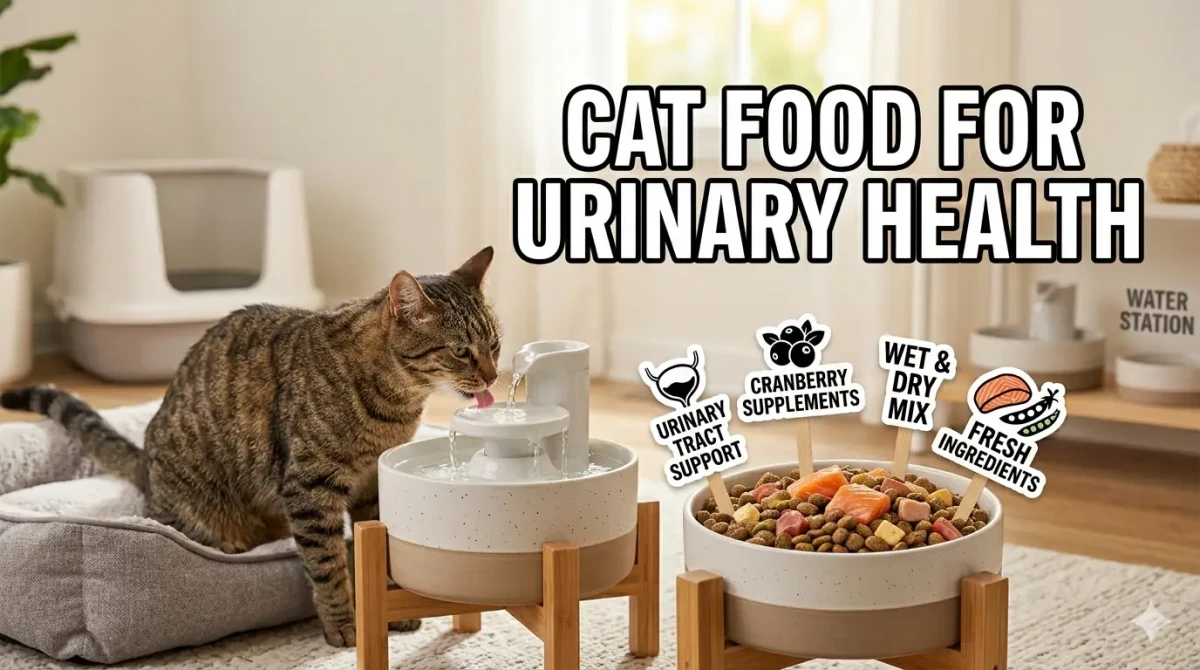
Understanding Feline Urinary Health and Nutrition Needs
Cat food for urinary health represents one of the most critical nutritional considerations for feline companions, as urinary tract issues affect approximately 10 to 15 percent of cats during their lifetime. Feline lower urinary tract disease, commonly abbreviated as FLUTD, encompasses various conditions including bladder stones, urinary crystals, cystitis, and urethral blockages that can cause significant discomfort and potentially life threatening complications. Selecting appropriate cat food formulated with urinary supporting nutrients can significantly reduce the risk of crystal formation, promote healthy urine pH, encourage adequate hydration, and help your cat maintain optimal urinary tract function throughout their life.
The connection between nutrition and urinary health in cats is well documented through veterinary research. Specific dietary factors including controlled magnesium levels, appropriate urine acidification, increased moisture content, and balanced mineral profiles work synergistically to support urinary tract health and prevent crystal formation. When these factors are incorporated into balanced feline formulas, they provide consistent daily support that helps maintain urinary health through proper nutrition rather than reactive treatment.
This comprehensive guide covers everything you need to know about selecting cat food for urinary health, from understanding key ingredients and evaluating product quality to implementing feeding strategies that maximize urinary support. Whether your cat has experienced urinary issues previously or you want to prevent problems proactively, these expert recommendations will help you choose nutrition that supports urinary tract health, reduces discomfort risk, and enhances your cat's overall quality of life.
Why Urinary Health Matters for Cats
Urinary health profoundly impacts nearly every aspect of a cat's physical comfort and emotional wellbeing. Cats with compromised urinary function often experience pain during urination, frequent trips to the litter box, blood in urine, and in severe cases, life threatening urethral blockages that require emergency veterinary intervention. These uncomfortable symptoms can lead to stress, behavioral changes including inappropriate elimination outside the litter box, and decreased quality of life for both cat and owner.
The consequences of untreated urinary issues extend beyond immediate discomfort. Recurrent urinary problems can lead to chronic bladder inflammation, kidney damage from repeated infections or blockages, and the need for costly veterinary treatments including surgery, hospitalization, or long term medication. Male cats face particular risk from urethral blockages, which can become fatal within 24 to 48 hours if not treated promptly.
Preventive urinary nutrition is far more effective than attempting to treat advanced urinary disease. By providing urinary supporting nutrients through appropriate cat food before problems develop, you can maintain healthy urine pH, reduce mineral concentration that promotes crystal formation, and encourage adequate hydration that flushes the urinary tract. Early nutritional intervention represents one of the most impactful steps you can take to support your cat's urinary health and prevent painful complications.
How Does Diet Affect Feline Urinary Health?
Diet influences feline urinary health through multiple mechanisms that directly impact urine composition and urinary tract function. Understanding these relationships helps you select foods that support urinary health through nutritional management.
Mineral content, particularly magnesium, phosphorus, and calcium, affects the concentration of crystal forming minerals in urine. When these minerals are present in excessive amounts or improper ratios, they can precipitate out of solution to form struvite or calcium oxalate crystals that irritate the bladder lining or cause blockages. Quality urinary health foods control these mineral levels to reduce crystal formation risk.
Urine pH determines which types of crystals are likely to form. Struvite crystals form in alkaline urine while calcium oxalate crystals form in acidic urine. Urinary health foods help maintain urine pH in the optimal range of 6.0 to 6.5, which minimizes the risk of both crystal types forming simultaneously.
Moisture content significantly impacts urine concentration and urinary tract health. Cats evolved from desert ancestors and have a low thirst drive, often consuming insufficient water when fed exclusively dry food. Concentrated urine from inadequate hydration increases mineral concentration and crystal formation risk. Foods with higher moisture content help maintain dilute urine that flushes the urinary tract and reduces crystal formation.
Essential Nutrients for Feline Urinary Support

Supporting cat urinary health through nutrition requires providing specific nutrients and dietary characteristics that address the multiple factors influencing urinary tract function. Understanding these key components helps you evaluate cat foods and select formulas that deliver comprehensive urinary support through scientifically backed nutritional strategies.
Controlled magnesium levels represent a foundational element of urinary health nutrition. Magnesium contributes to struvite crystal formation when present in excessive amounts relative to urine pH and other minerals. Quality urinary health foods limit magnesium to approximately 0.08 to 0.1 percent on a dry matter basis, reducing the substrate available for struvite crystal formation while still meeting essential nutritional requirements.
Appropriate urine acidification helps maintain urine pH in the optimal range that minimizes crystal formation risk. Ingredients like methionine, cystine, and certain animal proteins help acidify urine naturally. Quality urinary health foods balance acidifying ingredients to achieve target urine pH without over acidification that could promote calcium oxalate formation or cause metabolic issues.
Increased moisture content supports urinary health by promoting dilute urine that reduces mineral concentration and flushes the urinary tract. Wet foods naturally contain 70 to 80 percent moisture compared to 10 percent in dry foods. Quality urinary health strategies often incorporate wet food or encourage water consumption through fountains and strategic placement to increase overall moisture intake.
Which Additional Factors Support Feline Urinary Health?
Beyond controlled minerals, pH balance, and moisture, several additional dietary factors provide valuable urinary support for cats through complementary mechanisms.
Omega 3 fatty acids from fish oil provide anti inflammatory benefits that may help reduce bladder inflammation associated with feline idiopathic cystitis. These fatty acids support overall urinary tract health by modulating inflammatory responses that contribute to discomfort and recurrent urinary issues.
Cranberry extract contains compounds that may help prevent bacterial adhesion to bladder walls, potentially reducing the risk of bacterial urinary tract infections. While feline UTIs are less common than sterile cystitis, cranberry supplementation may provide additional protection for cats prone to infectious urinary issues.
Glucosamine and chondroitin support the glycosaminoglycan layer that lines the bladder, potentially helping maintain the protective barrier that prevents irritation from urine components. These compounds may be particularly beneficial for cats with recurrent cystitis or bladder inflammation.
Controlled phosphorus levels support both urinary and kidney health, as excessive phosphorus can contribute to mineral imbalances that affect urine composition. Quality urinary health foods balance phosphorus with calcium and other minerals to support overall mineral metabolism.
How Do These Nutrients Work Together for Urinary Health?
The most effective cat foods for urinary health incorporate multiple supportive factors that work through complementary pathways to address the complex nature of urinary tract health. Understanding these synergistic relationships helps you appreciate why comprehensive formulas often outperform single factor approaches.
Controlled magnesium and appropriate pH work together to minimize struvite crystal formation, with magnesium control reducing available substrate while pH management creates an environment where crystals are less likely to precipitate. This combination addresses both chemical factors that drive struvite formation simultaneously.
Increased moisture content enhances the effectiveness of mineral control by diluting urine and reducing the concentration of all minerals, not just magnesium. By promoting dilute urine, moisture intake creates conditions where even normal mineral levels are less likely to form crystals.
Anti inflammatory nutrients like omega 3 fatty acids support the urinary tract environment where mineral and pH management occur, potentially reducing the tissue irritation that can trigger recurrent urinary issues. When combined with mineral control and hydration support, anti inflammatory nutrients create a comprehensive approach to urinary health.
Types of Cat Food for Urinary Health

Cat food for urinary health comes in diverse categories designed for different needs, from preventive maintenance to management of diagnosed urinary conditions. Understanding these types helps you select food that matches your cat's specific urinary health status and veterinary recommendations.
Prescription urinary diets are formulated under veterinary supervision to manage specific urinary conditions including struvite dissolution, calcium oxalate prevention, or management of feline idiopathic cystitis. These foods undergo rigorous testing and contain precise nutrient profiles designed to address specific urinary concerns. Prescription diets require veterinary authorization and are most appropriate for cats with diagnosed urinary issues requiring targeted nutritional management.
Over the counter urinary care formulas provide preventive support for cats at risk of urinary issues or those with mild, managed urinary concerns. These foods incorporate controlled minerals, pH balancing ingredients, and moisture promoting strategies without the precise therapeutic levels of prescription diets. OTC urinary foods work well for preventive care and maintenance in cats without severe urinary disease.
Wet versus dry food considerations significantly impact urinary health strategy. Wet foods naturally provide higher moisture content that supports urinary health through increased hydration. Dry foods offer convenience and dental benefits but require additional strategies to ensure adequate water intake. Many urinary health strategies incorporate both wet and dry foods to balance moisture benefits with practical feeding considerations.
When Should You Choose Prescription Versus Over the Counter Urinary Food?
Selecting between prescription and over the counter urinary foods depends on your cat's specific urinary health status, veterinary recommendations, and long term management goals. Understanding the appropriate use of each category helps you make informed decisions about your cat's nutritional care.
Prescription urinary diets are appropriate for cats with diagnosed struvite crystals or stones requiring dissolution, cats with recurrent urinary issues requiring precise mineral management, or cats with complex urinary conditions requiring veterinary supervision. These foods provide therapeutic nutrient levels that exceed what is appropriate or safe for preventive use in healthy cats.
Over the counter urinary care formulas work well for cats with no history of urinary issues who benefit from preventive support, cats with mild or resolved urinary concerns requiring maintenance nutrition, or cats whose owners prefer OTC options for convenience and accessibility. These foods provide urinary supporting nutrients at preventive levels appropriate for long term use.
Always consult your veterinarian before selecting urinary health food, as they can assess your cat's specific needs through urinalysis, imaging, or clinical history. Your veterinarian can recommend whether prescription or OTC options are most appropriate and help monitor your cat's response to dietary changes.
How Does Wet Food Support Urinary Health Compared to Dry Food?
Wet food provides significant urinary health benefits through its naturally high moisture content, which promotes dilute urine and supports urinary tract flushing. Understanding these benefits helps you incorporate wet food strategically into your cat's urinary health nutrition plan.
Wet food typically contains 70 to 80 percent moisture compared to approximately 10 percent in dry food. This substantial difference means cats consuming wet food naturally ingest significantly more water, promoting urine dilution that reduces mineral concentration and crystal formation risk. For cats with low thirst drive, wet food provides hydration benefits that dry food alone cannot match.
Wet food often contains higher protein and lower carbohydrate levels that better align with feline nutritional needs. Higher protein intake can support appropriate urine acidification, while lower carbohydrates may reduce obesity risk that contributes to urinary issues. These nutritional characteristics complement the moisture benefits of wet food for comprehensive urinary support.
Practical considerations include cost, convenience, and feeding management. Wet food typically costs more per calorie than dry food and requires refrigeration after opening. Many owners successfully combine wet and dry foods, offering wet food at mealtimes for moisture benefits while providing measured dry food for convenience and dental health. This combination approach balances urinary health benefits with practical feeding considerations.
Evaluating Quality in Urinary Health Cat Foods

Selecting high quality cat food for urinary health requires evaluating specific characteristics that impact effectiveness, safety, and value. Understanding these quality indicators helps you choose products that deliver genuine urinary support while avoiding inferior alternatives that waste money or compromise your cat's health.
Ingredient transparency represents a non negotiable priority. Quality urinary health foods explicitly list mineral levels, pH balancing ingredients, and moisture content through guaranteed analysis or detailed nutritional information. Avoid products that mention urinary support without quantifying key factors like magnesium content or urine pH targets, as therapeutic levels are required for effectiveness.
Protein quality and source significantly impact urinary health nutrition. High quality animal based proteins provide essential amino acids while supporting appropriate urine acidification. Look for urinary health foods with named animal proteins like chicken, turkey, or fish as primary ingredients rather than vague terms like meat meal or animal by products.
Moisture content and feeding form affect urinary health outcomes. Evaluate whether the food's moisture level aligns with your cat's hydration needs and urinary health goals. Consider whether wet, dry, or combination feeding best supports your cat's specific urinary health requirements and lifestyle.
What Safety Standards Should Urinary Health Cat Foods Meet?
Safety certifications and testing provide assurance that urinary health cat foods meet standards for nutritional adequacy and contaminant control. Evaluating compliance helps you select products prioritizing your cat's urinary and overall wellbeing.
AAFCO statement verification confirms the food meets nutritional standards for the intended life stage. Look for statements indicating the food is complete and balanced for adult maintenance or all life stages. For prescription diets, verify the food has undergone feeding trials or meets specific therapeutic nutritional standards under veterinary supervision.
Third party testing for contaminants including heavy metals, mycotoxins, and bacterial pathogens provides additional assurance of safety. Brands that publish testing results or provide certificates of analysis on request demonstrate transparency and commitment to quality control, particularly important for foods intended for cats with health concerns.
Veterinary nutritionist involvement in formula development indicates professional expertise in feline urinary nutritional requirements. Brands employing board certified veterinary nutritionists typically maintain higher standards for ingredient selection, nutrient balancing, and quality control, particularly for therapeutic urinary formulas.
Avoid foods lacking clear nutritional information, made by unknown manufacturers, or sold at prices suggesting compromised quality. Your cat's urinary health depends on consistent, high quality nutrition, making verification of standards a critical purchasing consideration.
How Do You Assess Value Beyond Purchase Price?
Evaluating urinary health cat food value requires considering nutritional quality, urinary support effectiveness, and long term health benefits rather than focusing solely on purchase price. Understanding value factors helps you make economical choices that deliver genuine urinary support.
Nutrient bioavailability determines how much of the urinary supporting ingredients your cat actually absorbs and utilizes. High quality ingredients in bioavailable forms provide better value than larger quantities of poorly absorbed compounds. Look for foods using quality protein sources, controlled mineral forms, and moisture promoting strategies that align with feline physiology.
Feeding guidelines and caloric density impact long term cost and weight management. Foods with appropriate calorie levels for your cat's life stage and activity level help maintain healthy weight without requiring extremely small portions that may not provide adequate urinary nutrients. Calculate cost per day of feeding rather than cost per bag to compare products fairly.
Palatability affects whether your cat will consistently consume the food. Even the most nutritionally complete urinary health food provides no benefit if your cat refuses to eat it. Look for foods with high palatability ratings from cat owners and consider sample sizes before committing to large bags, particularly important for cats with urinary issues who may have decreased appetite.
Manufacturer support and guarantees reflect confidence in product performance. Brands offering satisfaction guarantees, veterinary support, or nutritional consultation demonstrate commitment to customer success. These protections add value beyond the physical product, particularly important when managing health related nutrition.
Feeding Strategies That Maximize Urinary Support

Proper feeding practices significantly impact the effectiveness of cat food for urinary health. Understanding how to optimize feeding strategies helps you maximize the urinary supporting benefits of your chosen nutrition while supporting overall feline health.
Consistent feeding schedules help maintain stable urine composition and support regular urinary tract function. Most cats thrive on two to three measured meals per day rather than free feeding. Consistent timing supports digestive health, helps you monitor appetite changes that may indicate health issues, and allows you to incorporate wet food strategically for moisture benefits.
Appropriate portion control prevents weight gain that stresses the urinary system and increases urinary issue risk. Overweight cats face higher risk of urinary problems including diabetes related urinary complications and reduced mobility affecting litter box access. Use a kitchen scale or standard measuring cup to ensure accurate portions, and adjust based on regular weight monitoring and veterinary guidance.
Transitioning to urinary health food requires gradual introduction over 7 to 10 days to allow digestive adaptation and urinary system adjustment. Begin by mixing 25 percent new food with 75 percent current food, gradually increasing the new food proportion. Monitor your cat's litter box habits, urine appearance, and overall comfort during transition, and consult your veterinarian if concerns arise.
How Does Water Intake Impact Urinary Health Nutrition?
Water intake significantly impacts the effectiveness of urinary health nutrition by influencing urine concentration and urinary tract flushing. Understanding how to encourage adequate hydration helps you maximize urinary benefits from your cat's diet.
Cats have a naturally low thirst drive inherited from desert dwelling ancestors, often consuming insufficient water when relying solely on drinking. This evolutionary adaptation means many cats do not drink enough to maintain optimally dilute urine when fed exclusively dry food. Encouraging additional water intake complements urinary health nutrition by promoting urine dilution.
Strategies to increase water intake include providing multiple fresh water stations throughout the home, using cat water fountains that appeal to cats' preference for moving water, placing water sources away from food and litter boxes, and offering wet food at mealtimes. These strategies help cats consume adequate moisture to support urinary health alongside their food.
Monitor your cat's hydration status through skin elasticity tests, gum moisture assessment, and observation of litter box habits. Well hydrated cats produce larger volumes of dilute urine with less frequent, more comfortable urination. If you notice signs of dehydration or concentrated urine, consult your veterinarian about strategies to increase your cat's water intake.
What Role Does Weight Management Play in Urinary Health?
Weight management represents one of the most impactful factors in feline urinary health, as excess weight significantly increases risk of urinary issues including diabetes, reduced mobility affecting litter box access, and metabolic changes that affect urine composition. Understanding the weight urinary connection helps you prioritize healthy body condition alongside nutritional urinary support.
Overweight cats face increased risk of multiple urinary complications including insulin resistance that affects urinary health, reduced physical activity that decreases urinary tract flushing, and mechanical challenges accessing litter boxes comfortably. Even modest weight loss can significantly reduce urinary issue risk and improve overall comfort for overweight cats.
Urinary health foods often incorporate weight management features including appropriate calorie levels, increased fiber for satiety, and high quality protein to preserve muscle mass during weight loss. These features support the dual goals of urinary support and healthy weight maintenance, particularly important for cats with both urinary concerns and weight management needs.
Monitor your cat's body condition score regularly by assessing rib coverage, waist definition, and abdominal profile. Ideal body condition allows you to feel ribs with slight fat coverage, see a visible waist from above, and observe gentle abdominal tuck from the side. Adjust portions to maintain this ideal condition throughout your cat's life, consulting your veterinarian for personalized weight management guidance.
Breed and Age Considerations for Urinary Health Nutrition

Different cat breeds and life stages have varying urinary health risks and nutritional requirements that influence food selection. Understanding these differences helps you customize urinary health nutrition for your individual cat's needs.
Male cats face higher risk of urethral blockages due to their narrower urethral anatomy, making urinary health nutrition particularly important for male felines. Male cats benefit from foods that promote dilute urine, controlled mineral levels, and appropriate pH to minimize crystal formation risk that could lead to life threatening blockages.
Persian, Himalayan, and other long haired breeds may face increased urinary issue risk due to grooming challenges affecting hygiene around the urinary opening. These breeds benefit from urinary health nutrition alongside regular grooming to maintain urinary tract health and prevent secondary infections.
Senior cats face increased urinary health risks due to age related changes in kidney function, decreased thirst drive, and higher prevalence of chronic conditions affecting urinary health. Senior urinary health formulas often incorporate kidney supporting nutrients alongside urinary support to address the interconnected nature of feline urinary and renal health in aging cats.
How Do Male Cats Benefit from Urinary Health Nutrition?
Male cats have specific urinary nutrition requirements based on their anatomical vulnerability to urethral blockages. Understanding these needs helps you select appropriate urinary health food for male companions.
Male cats benefit from foods that promote dilute urine through increased moisture content and strategies to encourage water consumption. Dilute urine reduces mineral concentration that could form crystals capable of blocking the narrow male urethra. Wet food incorporation and water encouragement strategies are particularly important for male cats.
Controlled mineral levels, particularly magnesium and phosphorus, help minimize crystal formation risk in male cats. Look for urinary health foods providing controlled mineral profiles appropriate for male cats, with magnesium levels typically below 0.1 percent on a dry matter basis.
Appropriate urine pH management helps prevent both struvite and calcium oxalate crystal formation that could contribute to blockages in male cats. Quality urinary health foods balance acidifying ingredients to maintain urine pH in the optimal 6.0 to 6.5 range that minimizes crystal formation risk for both crystal types.
What Special Considerations Apply to Senior Cats?
Senior cats have unique urinary health requirements based on age related physiological changes and increased prevalence of chronic conditions. Understanding these considerations helps you select appropriate urinary health food for aging feline companions.
Senior urinary health formulas often incorporate kidney supporting nutrients including controlled phosphorus, high quality protein, and antioxidants that support both urinary and renal health. The interconnected nature of feline urinary and kidney health makes comprehensive senior formulas particularly valuable for aging cats.
Increased moisture content becomes even more important for senior cats, who often experience decreased thirst drive and reduced kidney concentrating ability. Senior urinary health strategies should prioritize wet food incorporation and water encouragement to maintain adequate hydration for urinary tract health.
Palatability and ease of eating become increasingly important for senior cats who may experience dental changes, decreased appetite, or other age related challenges. Senior urinary health foods should balance nutritional support with palatability features that encourage consistent consumption by aging cats.
Complementary Strategies for Feline Urinary Health

Nutrition forms the foundation of feline urinary health, but complementary strategies enhance the effectiveness of urinary supporting nutrition and provide comprehensive care for the urinary tract. Understanding these complementary approaches helps you create a holistic urinary health program for your cat.
Litter box management significantly impacts urinary health by encouraging regular, comfortable urination. Provide one litter box per cat plus one additional, placed in quiet, accessible locations. Scoop boxes daily and change litter regularly to encourage consistent use, as cats who avoid dirty boxes may hold urine longer, increasing crystal formation risk.
Stress reduction supports urinary health by minimizing feline idiopathic cystitis triggers. Cats are sensitive to environmental changes, and stress can trigger bladder inflammation even without infection or crystals. Provide consistent routines, safe hiding spaces, vertical territory, and enrichment activities to reduce stress related urinary issues.
Regular veterinary monitoring identifies urinary changes early and allows timely intervention. Annual examinations should include urinalysis for cats at risk of urinary issues, and your veterinarian may recommend additional testing based on your cat's history and risk factors. Early detection enables proactive management that prevents complications.
How Does Litter Box Management Support Urinary Health?
Proper litter box management encourages regular, comfortable urination that supports urinary tract health by preventing urine retention and promoting regular flushing of the urinary system. Understanding optimal litter box practices helps you create an environment that supports urinary health alongside nutritional strategies.
Provide adequate litter box numbers following the one per cat plus one rule to prevent competition and ensure access. Place boxes in quiet, low traffic locations where cats feel safe urinating, away from food, water, and noisy appliances that might discourage use.
Maintain litter box cleanliness through daily scooping and regular complete changes. Cats are fastidious animals who may avoid soiled boxes, potentially holding urine longer and increasing crystal formation risk. Use unscented, low dust litter that appeals to most cats and does not irritate sensitive urinary tracts.
Ensure litter boxes are appropriately sized and accessible for your cat's age and mobility. Senior cats or those with arthritis may benefit from low entry boxes that reduce the physical demand of entering and exiting. Adequate box size allows comfortable positioning for complete bladder emptying.
What Environmental Factors Influence Feline Urinary Health?
Environmental factors significantly impact feline urinary health through stress modulation, activity encouragement, and hydration support. Understanding these influences helps you create a home environment that complements urinary health nutrition.
Stress reduction strategies support urinary health by minimizing triggers for feline idiopathic cystitis. Provide consistent daily routines, safe hiding spaces, vertical territory through cat trees and shelves, and interactive enrichment to reduce stress that can trigger bladder inflammation. Pheromone diffusers may provide additional calming support for stress sensitive cats.
Activity encouragement supports urinary health by promoting regular movement that encourages urinary tract flushing and maintains healthy weight. Provide interactive toys, puzzle feeders, and play sessions that encourage movement without excessive stress. Regular gentle activity supports overall health including urinary tract function.
Hydration support strategies complement urinary health nutrition by encouraging adequate water intake. Place multiple fresh water stations throughout the home, use cat water fountains that appeal to cats' preference for moving water, and offer wet food at mealtimes to increase overall moisture consumption.
Frequently Asked Questions About Cat Food for Urinary Health

Can Urinary Health Cat Food Prevent All Urinary Issues?
Urinary health cat food significantly reduces risk of many urinary issues but cannot guarantee complete prevention of all urinary tract problems. These foods address nutritional factors that contribute to crystal formation and urinary discomfort, but other factors including stress, anatomy, infections, and individual susceptibility also influence urinary health.
Urinary health nutrition works best as part of comprehensive care including appropriate hydration, litter box management, stress reduction, and regular veterinary monitoring. No single strategy provides complete urinary protection, but the combination of nutritional support with environmental and behavioral management creates comprehensive care that maximizes urinary health.
Cats with recurrent or severe urinary issues may require prescription diets, medication, or additional interventions beyond nutritional management alone. Always work with your veterinarian to develop a comprehensive urinary health plan appropriate for your individual cat's needs and risk factors.
How Long Does It Take to See Urinary Benefits from Specialized Food?
Urinary health improvements from appropriate cat food typically develop gradually as urine composition adjusts to the new nutritional profile. Many cats show changes in urine pH and concentration within days to weeks of dietary transition, while crystal prevention benefits develop over weeks to months of consistent feeding.
Individual response varies based on the severity of existing urinary concerns, overall health status, hydration levels, and adherence to comprehensive urinary care including litter box management and stress reduction. Cats with mild concerns often show more rapid improvement than those with advanced or recurrent urinary issues.
Consistency is essential for achieving urinary benefits from specialized nutrition. Urinary supporting nutrients work through cumulative effects that require consistent daily intake. Skipping meals, frequently changing foods, or inconsistent hydration strategies can delay or diminish the urinary health benefits of specialized nutrition.
Should All Cats Eat Urinary Health Food Preventively?
Not all cats require specialized urinary health food for preventive care, though many benefit from urinary supporting nutritional strategies. Cats with no history of urinary issues, appropriate hydration, and healthy weight may maintain urinary health through high quality maintenance food combined with good hydration practices and environmental management.
Cats at increased risk of urinary issues including males, overweight cats, cats with prior urinary problems, or those with limited water intake may benefit from preventive urinary health nutrition. Consult your veterinarian about whether urinary health food is appropriate for your individual cat based on risk factors and health history.
Preventive urinary strategies can include incorporating wet food for moisture benefits, encouraging water consumption, maintaining healthy weight, and selecting maintenance foods with appropriate mineral profiles, without necessarily requiring specialized urinary formulas for all cats.
Conclusion

Selecting cat food for urinary health requires understanding your feline companion's specific requirements, evaluating product quality beyond marketing claims, and committing to comprehensive care that supports urinary tract function. While nutrition cannot guarantee prevention of all urinary issues, appropriate urinary health formulas with supporting nutrients can significantly reduce crystal formation risk, promote healthy urine composition, and help your cat maintain comfortable urinary function throughout their life.
Remember that urinary health management is multifaceted, requiring nutrition alongside adequate hydration, appropriate litter box management, stress reduction, and veterinary care. No single strategy provides complete urinary protection, but the combination of these approaches creates comprehensive care that maximizes your cat's urinary health and overall quality of life.
Your commitment to urinary health nutrition demonstrates dedication to your cat's comfort and wellbeing. With the knowledge and strategies provided in this guide, you can confidently select cat food that supports urinary health, helping your feline companion enjoy comfortable urination, reduced urinary issue risk, and happiness throughout their life.
🐱 আরও পড়ুন: Cat Food

0 Comments