.png)
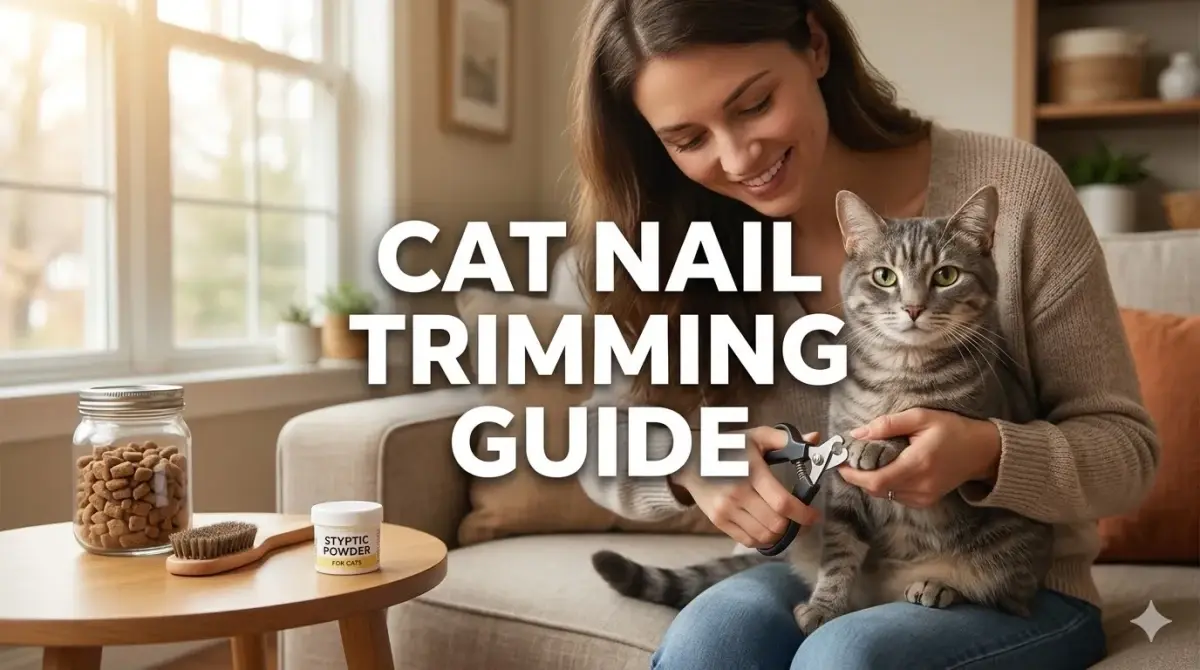
Learning how to trim your cat's nails is one of the most valuable grooming skills every cat owner can master. Regular nail trimming prevents painful ingrown nails, furniture damage, and accidental scratches while keeping your feline friend comfortable and confident. For beginners, the process can feel daunting—concerns about cutting the quick, managing a wiggly cat, or choosing the right tools are completely normal. This comprehensive, step-by-step guide walks you through everything you need to know to trim your cat's nails safely and stress-free, from selecting the right tools and understanding nail anatomy to using positive reinforcement and troubleshooting common challenges. Whether you have a playful kitten, a nervous rescue, or a senior cat who needs gentle handling, you'll find practical, vet-approved techniques to make nail trimming a positive experience for both you and your cat.
Why Regular Nail Trimming Matters for Your Cat
Many cat owners view nail trimming as optional, but it's actually essential for your cat's health, comfort, and your home's wellbeing. Understanding the "why" helps motivate consistent care.
Health Benefits of Trimmed Nails
Regular nail trimming provides multiple advantages:
- Prevents ingrown nails: Overgrown nails can curl and grow into paw pads, causing severe pain, infection, and requiring veterinary intervention
- Reduces joint strain: Long nails force toes into unnatural positions, potentially contributing to arthritis over time
- Prevents nail splitting: Overgrown nails are more likely to catch on fabrics and tear, causing pain and bleeding
- Protects your home: Trimmed nails cause less damage to furniture, carpets, and curtains
- Reduces accidental scratches: Shorter nails mean less injury risk during play or handling
- Improves mobility: Cats with comfortable nails move more confidently and naturally
- 🐾 Maintain Aquarium Water Quality: Complete Guide
- 🐾 How to Prevent Matting in Long Haired Cats Complete Guide
- 🐾 How to Trim Small Pet Nails Safely: Expert Guide
How Often Should You Trim?
Most cats need nail trims every 2-3 weeks, but frequency depends on:
- Activity level: Indoor cats who don't scratch outdoors may need more frequent trims
- Age: Senior cats often need more frequent attention as nails grow thicker and they become less active
- Health status: Cats with arthritis or mobility issues may need assistance with nail care
- Scratching habits: Cats who use scratching posts regularly may naturally wear nails down
- 🐾 Maintain Aquarium Water Quality: Complete Guide
- 🐾 How to Prevent Matting in Long Haired Cats Complete Guide
- 🐾 How to Trim Small Pet Nails Safely: Expert Guide
Quick check: If nails are visibly long, sharp, or catching on fabrics, it's time for a trim.
Understanding Cat Nail Anatomy
Knowing your cat's nail structure is the foundation of safe trimming.
The Quick: What It Is and Why It Matters
The quick is the living part of the nail containing blood vessels and nerves. Cutting into it causes pain, bleeding, and can make your cat fearful of future trims.
Identifying the quick:
- Light-colored nails: The quick appears as a pinkish area inside the nail. Trim just before the pink begins.
- Dark/black nails: The quick isn't visible. Trim tiny amounts (1mm) at a time and look at the cut surface: a white/gray center means you're safe; a dark or pink dot in the center means you're near the quick.
- Side view method: Look at the nail from the side—the quick typically ends where the nail begins to curve downward.
- 🐾 Maintain Aquarium Water Quality: Complete Guide
- 🐾 How to Prevent Matting in Long Haired Cats Complete Guide
- 🐾 How to Trim Small Pet Nails Safely: Expert Guide
Nail Parts to Know
- Quick: Living tissue with blood supply and nerves—avoid cutting this
- Keratin sheath: The hard, translucent outer part you trim
- Dewclaws: The "thumb" nails on the inside of the front legs; often overlooked but need trimming too
- Rear nails: Often grow slower but still require regular attention
- 🐾 Maintain Aquarium Water Quality: Complete Guide
- 🐾 How to Prevent Matting in Long Haired Cats Complete Guide
- 🐾 How to Trim Small Pet Nails Safely: Expert Guide
Essential Tools for Beginner Cat Nail Trimming

Having the right equipment makes the process safer and less stressful for both you and your cat.
Nail Trimmers: Types and Recommendations
Scissor-style cat clippers:
- How they work: Small, curved blades designed specifically for cat nails
- Best for: Most cats, especially beginners
- Pros: Good visibility of cutting area; precise control; inexpensive
- Cons: Blades can dull; requires steady hand
- 🐾 Maintain Aquarium Water Quality: Complete Guide
- 🐾 How to Prevent Matting in Long Haired Cats Complete Guide
- 🐾 How to Trim Small Pet Nails Safely: Expert Guide
Guillotine-style clippers:
- How they work: Blade slides across a hole where nail is inserted
- Best for: Experienced users with calm cats
- Pros: Quick cutting action
- Cons: Harder to see cutting line; blades dull quickly; not ideal for beginners
- 🐾 Maintain Aquarium Water Quality: Complete Guide
- 🐾 How to Prevent Matting in Long Haired Cats Complete Guide
- 🐾 How to Trim Small Pet Nails Safely: Expert Guide
Human nail clippers (small):
- How they work: Same as for humans but use small size
- Best for: Emergency use only; not recommended for regular trimming
- Pros: Readily available
- Cons: Can crush cat nails; not designed for curved cat nails
- 🐾 Maintain Aquarium Water Quality: Complete Guide
- 🐾 How to Prevent Matting in Long Haired Cats Complete Guide
- 🐾 How to Trim Small Pet Nails Safely: Expert Guide
Grinders (Dremel-style):
- How they work: Rotary tool files nails down gradually
- Best for: Cats who tolerate noise/vibration; finishing touches
- Pros: Less risk of cutting quick; smooth finish
- Cons: Noise and vibration can scare cats; takes longer; requires desensitization
- 🐾 Maintain Aquarium Water Quality: Complete Guide
- 🐾 How to Prevent Matting in Long Haired Cats Complete Guide
- 🐾 How to Trim Small Pet Nails Safely: Expert Guide
Beginner recommendation: Start with small scissor-style cat clippers for better control and visibility. They're inexpensive, effective, and widely available.
Supportive Supplies
Styptic powder or cornstarch: Stops bleeding instantly if you accidentally cut the quick. Keep within arm's reach.
High-value treats: Small, soft, smelly treats your cat loves (chicken, tuna, commercial cat treats). Use for positive reinforcement throughout.
Towel or cat burrito wrap: Helps gently restrain anxious cats without causing stress.
Flashlight (for dark nails): Shine through the nail from the side to help locate the quick.
Scratching post nearby: Allows cat to stretch and naturally file nails after trimming.
Preparing Your Cat for Nail Trimming

Success starts long before the clippers come out. Preparation reduces stress and builds trust.
Desensitization: The Key to Stress-Free Trims
Introduce nail care gradually over days or weeks:
- Day 1-2: Let your cat sniff the clippers. Reward with treats. No trimming yet.
- Day 3-4: Gently touch your cat's paws and nails with your fingers during calm moments. Reward calm behavior.
- Day 5-6: Hold the clippers near the paw without cutting. Click or say "yes!" and treat.
- Day 7+: Make a fake "clip" motion near the nail (no cutting). Reward heavily.
Golden rule: End each session on a positive note, even if you only accomplish one small step. Never force progress.
Choosing the Right Time and Place
Timing:
- Trim when your cat is calm and relaxed (after a meal or nap is ideal)
- Avoid times when your cat is playful, hungry, or anxious
- Keep sessions short: 5-10 minutes maximum for beginners
- Consider trimming when your cat is sleepy or being petted
- 🐾 Maintain Aquarium Water Quality: Complete Guide
- 🐾 How to Prevent Matting in Long Haired Cats Complete Guide
- 🐾 How to Trim Small Pet Nails Safely: Expert Guide
Location:
- Choose a quiet, familiar space with good lighting
- Use a non-slip surface (towel, yoga mat) for stability
- Have all supplies within reach before starting
- Minimize distractions: turn off TV, close doors to other pets
- 🐾 Maintain Aquarium Water Quality: Complete Guide
- 🐾 How to Prevent Matting in Long Haired Cats Complete Guide
- 🐾 How to Trim Small Pet Nails Safely: Expert Guide
Positioning for Success
Option 1: Lap positioning (for calm cats)
- Sit comfortably with your cat on your lap, facing away from you
- Gently hold one paw with your non-dominant hand
- Keep your cat close to your body for security
- 🐾 Maintain Aquarium Water Quality: Complete Guide
- 🐾 How to Prevent Matting in Long Haired Cats Complete Guide
- 🐾 How to Trim Small Pet Nails Safely: Expert Guide
Option 2: Table positioning (for better visibility)
- Place cat on a non-slip surface at waist height
- Have a helper offer treats while you trim
- Keep sessions brief to prevent stress
- 🐾 Maintain Aquarium Water Quality: Complete Guide
- 🐾 How to Prevent Matting in Long Haired Cats Complete Guide
- 🐾 How to Trim Small Pet Nails Safely: Expert Guide
Option 3: Cat burrito wrap (for anxious cats)
- Wrap cat snugly in a towel, exposing one paw at a time
- Provides gentle restraint without causing fear
- Work quickly but calmly, rewarding between paws
- 🐾 Maintain Aquarium Water Quality: Complete Guide
- 🐾 How to Prevent Matting in Long Haired Cats Complete Guide
- 🐾 How to Trim Small Pet Nails Safely: Expert Guide
Key positioning tips:
- Support the leg gently but firmly
- Work one paw at a time; take breaks between paws
- Never restrain forcefully—this increases fear and makes future trims harder
- Have a helper hold treats or gently distract if needed
- 🐾 Maintain Aquarium Water Quality: Complete Guide
- 🐾 How to Prevent Matting in Long Haired Cats Complete Guide
- 🐾 How to Trim Small Pet Nails Safely: Expert Guide
Step-by-Step Nail Trimming Process

Follow this systematic approach for safe, effective trimming.
Step 1: Set the Tone
- Speak in a calm, soft voice
- Offer a treat before you begin
- Let your cat sniff the clippers one more time
- Take a deep breath—your calm energy helps your cat stay calm
- Pet and praise your cat to create a relaxed atmosphere
- 🐾 Maintain Aquarium Water Quality: Complete Guide
- 🐾 How to Prevent Matting in Long Haired Cats Complete Guide
- 🐾 How to Trim Small Pet Nails Safely: Expert Guide
Step 2: Examine the Nails
- Gently hold one paw and press lightly on the pad to extend the nail
- Look at each nail carefully
- Identify the quick using the methods described earlier
- Plan your cut: aim for 2mm before the quick on light nails; tiny increments on dark nails
- Only trim the sharp tip—never cut into the pink area
- 🐾 Maintain Aquarium Water Quality: Complete Guide
- 🐾 How to Prevent Matting in Long Haired Cats Complete Guide
- 🐾 How to Trim Small Pet Nails Safely: Expert Guide
Step 3: Make the Cut
For scissor-style clippers:
- Hold the paw firmly but gently, isolating one toe
- Press the pad lightly to extend the nail fully
- Position clippers perpendicular to the nail (cutting from top to bottom)
- Make a confident, quick cut—hesitation can crush the nail
- Immediately reward with a treat and soft praise
- Check the cut surface: white/gray center = good; pink/dark dot = stop trimming that nail
- Move to the next nail only if your cat remains calm
For grinders:
- Turn on the grinder away from your cat first to let them hear the sound
- Touch the grinder to the nail briefly without grinding, then treat
- When ready, gently touch the spinning tip to the nail for 1-2 seconds
- Move constantly to avoid heat buildup
- Check progress frequently; stop before reaching the quick
- Reward after each nail or even each second of calm behavior
Step 4: Handle the Dewclaws
- Don't forget the dewclaws—they don't touch scratching surfaces and often grow longer
- They can curl and grow into the leg if neglected
- Trim using the same careful technique as other nails
- These nails may be more sensitive, so be extra gentle
- 🐾 Maintain Aquarium Water Quality: Complete Guide
- 🐾 How to Prevent Matting in Long Haired Cats Complete Guide
- 🐾 How to Trim Small Pet Nails Safely: Expert Guide
Step 5: Finish Positive
- End with extra treats, praise, or a short play session
- Even if you only trimmed one or two nails, celebrate the progress
- Keep the experience associated with good things
- Offer a favorite toy or cuddle time after trimming
- 🐾 Maintain Aquarium Water Quality: Complete Guide
- 🐾 How to Prevent Matting in Long Haired Cats Complete Guide
- 🐾 How to Trim Small Pet Nails Safely: Expert Guide
Troubleshooting Common Beginner Challenges

Even with preparation, challenges arise. Here's how to handle them calmly and effectively.
My Cat Pulls Away or Won't Stay Still
Solutions:
- Go back to desensitization steps—build trust before expecting cooperation
- Trim just one nail per session if needed; consistency matters more than speed
- Use a helper to offer treats while you trim
- Try trimming while your cat is sleepy or being petted
- Use the cat burrito wrap technique for gentle restraint
- Never punish or force—this increases fear and makes future trims harder
- Consider trimming after a meal when your cat is naturally calmer
- 🐾 Maintain Aquarium Water Quality: Complete Guide
- 🐾 How to Prevent Matting in Long Haired Cats Complete Guide
- 🐾 How to Trim Small Pet Nails Safely: Expert Guide
I Cut the Quick—Now What?
It happens to everyone. Stay calm—your reaction affects your cat's response.
Immediate steps:
- Stay calm and speak soothingly—your cat senses your emotions
- Apply styptic powder or cornstarch directly to the bleeding nail with gentle pressure for 30-60 seconds
- Comfort your cat with gentle petting and treats once bleeding stops
- Take a break from trimming; try again another day
- Monitor for signs of infection (redness, swelling, limping) and contact your vet if concerned
Prevention for next time: Trim smaller amounts, use better lighting, or switch to a grinder for more control.
My Cat Has Dark Nails and I Can't See the Quick
Strategies:
- Trim tiny amounts (1mm) at a time and check the cut surface after each clip
- Use a flashlight: shine through the nail from the side to reveal the quick's shadow
- Look at the underside of the nail: the quick often ends where the nail starts to curve
- When in doubt, trim less—you can always trim more next time
- Consider using a grinder for gradual, controlled shortening
- Focus on trimming just the sharp hook at the tip
- 🐾 Maintain Aquarium Water Quality: Complete Guide
- 🐾 How to Prevent Matting in Long Haired Cats Complete Guide
- 🐾 How to Trim Small Pet Nails Safely: Expert Guide
My Cat Is Fearful or Anxious About Nail Trims
Long-term strategies:
- Go slower with desensitization—spend days or weeks on each step
- Use higher-value treats (chicken, tuna, commercial cat treats)
- Try trimming after exercise or play when your cat is naturally calmer
- Consider calming aids: Feliway pheromone spray, Thundershirt, or vet-approved supplements
- Consult a professional: A fear-free certified groomer or veterinary behaviorist can help
- Break sessions into tiny steps: just touching paws one day, holding clippers the next
- 🐾 Maintain Aquarium Water Quality: Complete Guide
- 🐾 How to Prevent Matting in Long Haired Cats Complete Guide
- 🐾 How to Trim Small Pet Nails Safely: Expert Guide
Special Considerations by Cat Type

Different cats have different needs. Adjust your approach accordingly.
Kittens: Start Early, Go Slow
Benefits of early training: Kittens are more adaptable. Positive early experiences create lifelong comfort with nail care.
Kitten-specific tips:
- Keep sessions extremely short (1-2 minutes)
- Focus on handling paws and introducing tools, not necessarily trimming
- Use kitten-safe clippers (smaller size)
- Trim just the very tips initially; kitten nails grow quickly
- Make it a game with lots of treats and praise
- Trim more frequently (every 1-2 weeks) as nails grow fast
- 🐾 Maintain Aquarium Water Quality: Complete Guide
- 🐾 How to Prevent Matting in Long Haired Cats Complete Guide
- 🐾 How to Trim Small Pet Nails Safely: Expert Guide
Senior Cats: Comfort and Caution
Considerations:
- Arthritis may make positioning uncomfortable—support joints gently
- Nails may be thicker or more brittle; use sharp clippers
- Quick may recede less in seniors, so trim conservatively
- Shorter, more frequent sessions reduce fatigue
- Consult your vet if your cat has pain or mobility issues
- Consider trimming while your cat is sleepy or being petted
- 🐾 Maintain Aquarium Water Quality: Complete Guide
- 🐾 How to Prevent Matting in Long Haired Cats Complete Guide
- 🐾 How to Trim Small Pet Nails Safely: Expert Guide
Multi-Cat Households: Managing Multiple Cats
Strategies:
- Trim one cat at a time in a separate room to reduce stress
- Use the same positive techniques with each cat
- Keep sessions short to prevent other cats from becoming anxious
- Have a helper manage other cats while you trim
- Never rush—patience with each cat builds trust
- 🐾 Maintain Aquarium Water Quality: Complete Guide
- 🐾 How to Prevent Matting in Long Haired Cats Complete Guide
- 🐾 How to Trim Small Pet Nails Safely: Expert Guide
Cats with Medical Issues
Special considerations:
- Arthritis: Support joints gently; trim while cat is lying down
- Diabetes or other conditions: Consult your vet about timing and approach
- Behavioral issues: Work with a veterinary behaviorist for specialized guidance
- Pain sensitivity: Use extra gentle handling and high-value rewards
- 🐾 Maintain Aquarium Water Quality: Complete Guide
- 🐾 How to Prevent Matting in Long Haired Cats Complete Guide
- 🐾 How to Trim Small Pet Nails Safely: Expert Guide
People Also Ask: Quick Answers

How do I trim my cat's nails for the first time?
Start by desensitizing your cat to paw handling and the clippers over several days. Use high-value treats to create positive associations. When ready, trim just the very tips of 1-2 nails, reward heavily, and end on a positive note. Gradually increase the number of nails trimmed per session as your cat becomes comfortable.
What if my cat hates having her nails trimmed?
Go back to basics: spend time just touching paws and rewarding calm behavior. Use higher-value treats, try trimming after meals when your cat is calmer, and keep sessions extremely short. If anxiety is severe, consult a fear-free certified groomer or veterinary behaviorist for specialized help.
How do I know if I cut the quick?
If you cut the quick, you'll see immediate bleeding and your cat may vocalize or pull away. Stay calm, apply styptic powder or cornstarch with gentle pressure for 30-60 seconds, and comfort your cat. The bleeding should stop quickly. If it doesn't, contact your veterinarian.
How often should I trim my cat's nails?
Most cats need trims every 2-3 weeks. Check nails weekly—if they're visibly long, sharp, or catching on fabrics, it's time for a trim. Indoor cats who don't scratch outdoors may need more frequent attention.
Can I use human nail clippers on my cat?
It's not recommended. Human nail clippers aren't designed for cat nails, which are curved and thicker. Using human clippers can crush the nail, cause pain, or lead to splitting. Invest in small, scissor-style cat clippers designed for the job.
Positive Reinforcement Techniques

Making nail trimming a positive experience builds long-term cooperation.
Treat Timing and Selection
When to reward:
- Before trimming: to create positive association with the process
- During trimming: after each successful clip or even each second of calm behavior
- After trimming: to end the session on a high note
- 🐾 Maintain Aquarium Water Quality: Complete Guide
- 🐾 How to Prevent Matting in Long Haired Cats Complete Guide
- 🐾 How to Trim Small Pet Nails Safely: Expert Guide
Treat selection:
- Use small, soft, smelly treats that can be eaten quickly (chicken, tuna, commercial cat treats)
- Reserve these "high-value" treats exclusively for nail trimming to maintain their special status
- Avoid large treats that take time to eat and interrupt the flow
- Consider using a lick mat with wet food as a distraction during trimming
- 🐾 Maintain Aquarium Water Quality: Complete Guide
- 🐾 How to Prevent Matting in Long Haired Cats Complete Guide
- 🐾 How to Trim Small Pet Nails Safely: Expert Guide
Verbal Cues and Calm Energy
- Use a consistent, happy cue like "paw time" or "nail trim" to signal the activity
- Speak in a calm, reassuring tone throughout
- Your energy matters: if you're anxious, your cat will sense it
- Celebrate small wins: "Good kitty!" after each calm moment
- Avoid sudden movements or loud noises that startle your cat
- 🐾 Maintain Aquarium Water Quality: Complete Guide
- 🐾 How to Prevent Matting in Long Haired Cats Complete Guide
- 🐾 How to Trim Small Pet Nails Safely: Expert Guide
Building a Routine
- Trim at the same time of day when possible (e.g., after evening meal)
- Use the same location and supplies to create predictability
- Keep sessions short and end before your cat gets frustrated
- Consistency builds trust: regular, positive experiences reduce fear over time
- Even if you only trim one nail per session, consistency matters more than completion
- 🐾 Maintain Aquarium Water Quality: Complete Guide
- 🐾 How to Prevent Matting in Long Haired Cats Complete Guide
- 🐾 How to Trim Small Pet Nails Safely: Expert Guide
When to Seek Professional Help

While many owners can learn to trim nails at home, some situations benefit from professional assistance.
Signs It's Time for a Pro
- Your cat shows extreme fear, aggression, or panic during nail care
- You've cut the quick multiple times despite careful trimming
- Your cat has medical conditions (arthritis, bleeding disorders) that complicate trimming
- Nails are severely overgrown, curled, or ingrown
- You lack confidence or physical ability to trim safely
- Your cat has behavioral issues that make home trimming unsafe
- 🐾 Maintain Aquarium Water Quality: Complete Guide
- 🐾 How to Prevent Matting in Long Haired Cats Complete Guide
- 🐾 How to Trim Small Pet Nails Safely: Expert Guide
Finding the Right Professional
Look for:
- Fear-Free Certified groomers or veterinarians
- Experience with anxious or difficult cats
- Positive reinforcement methods (no force or punishment)
- Willingness to go at your cat's pace
- 🐾 Maintain Aquarium Water Quality: Complete Guide
- 🐾 How to Prevent Matting in Long Haired Cats Complete Guide
- 🐾 How to Trim Small Pet Nails Safely: Expert Guide
Ask about:
- Their approach to nervous cats
- Whether they offer "happy visits" (just treats and handling without trimming)
- If they can teach you techniques to use at home
- Whether they use sedation options for extremely anxious cats (last resort)
- 🐾 Maintain Aquarium Water Quality: Complete Guide
- 🐾 How to Prevent Matting in Long Haired Cats Complete Guide
- 🐾 How to Trim Small Pet Nails Safely: Expert Guide
Common Mistakes Beginners Make

Avoid these frequent errors to ensure safe, stress-free nail trims.
- Rushing the process: Taking your time reduces mistakes and builds trust. Speed comes with practice.
- Trimming too much at once: It's better to trim a little frequently than a lot rarely. Small, regular trims keep the quick receded.
- Ignoring the dewclaws: These nails don't wear down naturally and can cause serious problems if neglected.
- Using dull clippers: Dull blades crush nails instead of cutting cleanly, causing pain. Replace blades or clippers when they feel dull.
- Forcing or punishing: This creates fear and makes future trims harder. Always use positive reinforcement.
- Skipping preparation: Desensitization isn't optional—it's the foundation of stress-free trimming.
- Not having styptic powder ready: Accidents happen. Being prepared reduces panic and stops bleeding quickly.
- Trimming when cat is stressed: Wait for calm moments. Forcing trims during stress creates negative associations.
- Expecting perfection immediately: Progress takes time. Celebrate small victories.
- 🐾 Maintain Aquarium Water Quality: Complete Guide
- 🐾 How to Prevent Matting in Long Haired Cats Complete Guide
- 🐾 How to Trim Small Pet Nails Safely: Expert Guide
Maintaining Healthy Nails Between Trims

Good nail care extends beyond trimming day.
Regular Paw Checks
- Examine paws weekly for cracks, cuts, or embedded debris
- Check nails for splits, discoloration, or unusual growth
- Monitor for signs of pain: limping, excessive licking, reluctance to jump
- Check between toes for matting or irritation
- 🐾 Maintain Aquarium Water Quality: Complete Guide
- 🐾 How to Prevent Matting in Long Haired Cats Complete Guide
- 🐾 How to Trim Small Pet Nails Safely: Expert Guide
Supporting Nail Health Through Diet
- Quality protein supports strong nail growth
- Omega-3 fatty acids promote healthy skin and nails
- Biotin supplements (vet-approved) may support nail strength
- Always consult your vet before adding supplements
- Ensure your cat has access to fresh water for overall health
- 🐾 Maintain Aquarium Water Quality: Complete Guide
- 🐾 How to Prevent Matting in Long Haired Cats Complete Guide
- 🐾 How to Trim Small Pet Nails Safely: Expert Guide
Scratching Posts and Natural Wear
- Provide multiple scratching posts with different textures (sisal, carpet, cardboard)
- Place posts near resting areas and in high-traffic zones
- Use catnip or treats to encourage scratching post use
- Remember: scratching posts help maintain nails but don't replace trimming
- Indoor cats especially need regular trimming since they don't wear nails down outdoors
- 🐾 Maintain Aquarium Water Quality: Complete Guide
- 🐾 How to Prevent Matting in Long Haired Cats Complete Guide
- 🐾 How to Trim Small Pet Nails Safely: Expert Guide
Frequently Asked Questions

Can I trim my cat's nails at home or should I go to a groomer?
Many owners successfully trim nails at home with patience and practice. If your cat is calm and you're comfortable with the process, home trimming is convenient and cost-effective. If your cat is anxious, aggressive, or you lack confidence, a professional groomer or veterinarian is a great option. Many professionals also offer training to help you learn at-home skills.
How do I get my cat used to nail trimming?
Use gradual desensitization: start by touching paws and rewarding calm behavior, then introduce clippers without cutting, then make fake clipping motions, and finally trim tiny amounts. Keep sessions short, positive, and treat-heavy. Consistency and patience are key—this process may take days or weeks.
What's the best way to trim black cat nails?
Trim tiny amounts (1mm) at a time and examine the cut surface after each clip. A white or gray center means you're safe; a black or pink dot means you're near the quick. Use a flashlight to shine through the nail from the side, or look at the underside where the quick often ends. When in doubt, trim less.
How do I stop my cat from pulling away during nail trims?
Ensure your cat is comfortable with paw handling before introducing clippers. Use high-value treats, keep sessions very short, and trim just one nail if needed. Try trimming when your cat is calm or sleepy. If pulling persists, consult a professional for behavior support.
Is it better to trim or grind cat nails?
Both methods work well. Clippers are faster and quieter; grinders offer more control and smooth edges but create noise/vibration. Many owners use both: clippers for bulk removal and a grinder for finishing. Choose based on your cat's temperament and your comfort level.
Can I trim my cat's nails while they're sleeping?
It's generally not recommended. Trimming while sleeping can startle your cat and create negative associations. It's better to trim when your cat is awake but calm, using positive reinforcement to build trust.
Conclusion: Patience Builds Confidence

Learning to trim your cat's nails is a skill that improves with practice, patience, and positive reinforcement. While the first few sessions may feel challenging, consistency and kindness build trust that makes future trims easier for both of you.
Remember that progress isn't linear—some days will be easier than others. Celebrate small victories: a calm paw touch, one successfully trimmed nail, or a relaxed demeanor during the process. Every positive experience strengthens your bond and your cat's comfort with grooming.
Start today with the preparation steps: gather your tools, practice paw handling, and reward calm behavior. Even if you only accomplish one small step in your first session, you're building the foundation for a lifetime of stress-free nail care.
Your cat relies on you for their comfort and health. With the techniques in this guide, you're equipped to provide gentle, effective nail care that keeps your feline friend happy, mobile, and pain-free. Take a deep breath, grab those treats, and begin your nail trimming journey with confidence.
🐱 আরও পড়ুন: Cat Care

0 Comments