.png)
Guinea Pig Hygiene Tips: Complete 2026 Guide
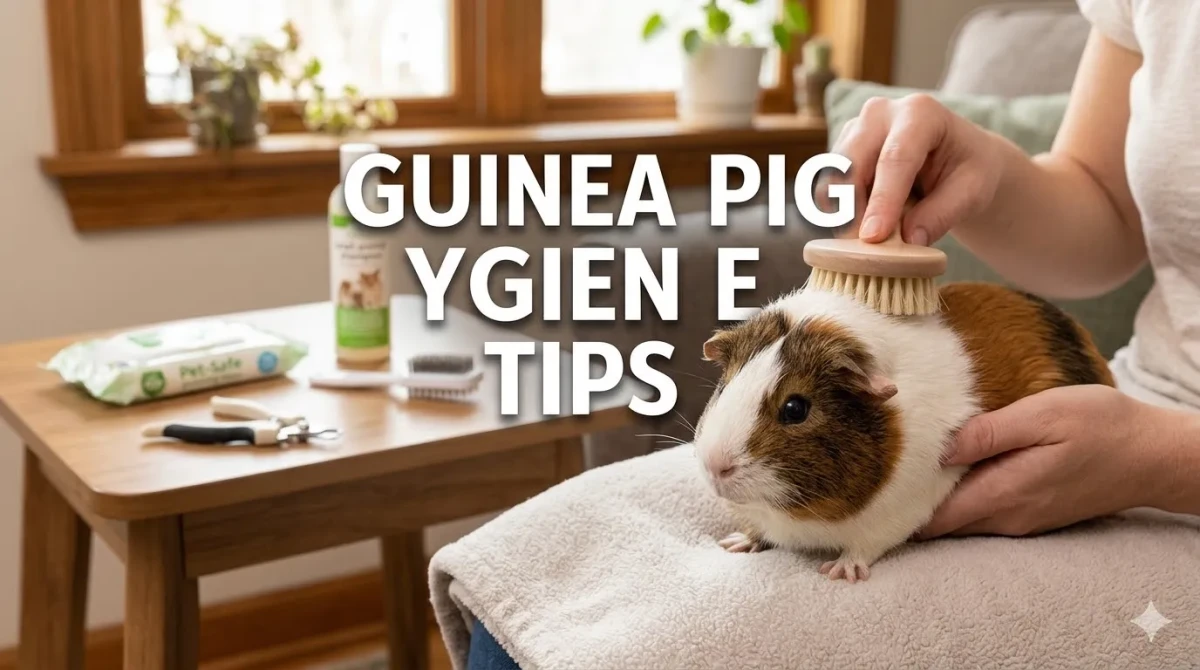
Mastering guinea pig hygiene tips is essential for keeping your cavy companion healthy, comfortable, and happy. Guinea pigs are naturally clean animals, but they rely on their owners for proper grooming, cage maintenance, and health monitoring. Without regular hygiene care, guinea pigs can develop serious health issues including skin infections, overgrown nails, dental problems, and respiratory illnesses. This comprehensive guide provides expert advice on all aspects of guinea pig hygiene, from daily cage cleaning and gentle brushing to nail trimming, bathing, and dental care. Whether you're a new guinea pig owner or looking to refine your care routine, you'll discover practical, vet-approved techniques to maintain your cavy's wellbeing and strengthen your bond through gentle, consistent care.
Why Hygiene Matters for Guinea Pig Health
Guinea pigs have specific hygiene needs that directly impact their health and longevity. Understanding why proper hygiene matters helps motivate consistent care.
Health Risks of Poor Hygiene
Neglecting guinea pig hygiene can lead to serious problems:
- Skin infections: Dirty cages and infrequent grooming create environments where bacteria and fungi thrive, causing painful skin conditions
- Respiratory issues: Ammonia from urine buildup irritates sensitive airways, leading to chronic respiratory infections
- Overgrown nails: Uncut nails curl into paw pads, causing pain, infection, and mobility issues
- Dental disease: Guinea pig teeth grow continuously; without proper wear from hay and chewing, they become overgrown and painful
- Impacted anal sacs: Male guinea pigs can develop impacted sac glands if not cleaned regularly
- Parasite infestations: Mites and lice thrive in dirty environments, causing intense itching and hair loss
- Urinary tract infections: Dirty cages increase bacterial exposure, raising UTI risk
- 🐾 Fish Tank Cleaning Schedule: Complete Maintenance Guide
- 🐾 Small Pet Grooming Tips Complete Care Guide
- 🐾 Best Diet for Healthy Feathers: 2026 Guide
Benefits of Regular Hygiene Care
Consistent hygiene practices provide:
- Stronger immune system and disease prevention
- Healthier skin, coat, and nails
- Reduced stress and improved behavior
- Earlier detection of health problems
- Stronger bond between you and your cavy
- Longer, happier lifespan
- 🐾 Fish Tank Cleaning Schedule: Complete Maintenance Guide
- 🐾 Small Pet Grooming Tips Complete Care Guide
- 🐾 Best Diet for Healthy Feathers: 2026 Guide
Essential Guinea Pig Hygiene Supplies
Having the right tools makes hygiene care easier and more effective.
Grooming Tools
- Soft-bristle brush or grooming mitt: For gentle brushing to remove loose fur and distribute natural oils
- Small animal nail clippers: Specifically designed for guinea pig nails; scissor-style preferred
- Styptic powder or cornstarch: Stops bleeding if you accidentally cut the quick during nail trimming
- Guinea pig-safe shampoo: Only use if bathing is necessary; most guinea pigs rarely need baths
- Soft cloths or grooming wipes: For spot cleaning face, ears, and bottom
- Toothbrush (soft, small): For gentle dental checks if recommended by vet
- 🐾 Fish Tank Cleaning Schedule: Complete Maintenance Guide
- 🐾 Small Pet Grooming Tips Complete Care Guide
- 🐾 Best Diet for Healthy Feathers: 2026 Guide
Cage Cleaning Supplies
- Bird-safe cage cleaner or white vinegar: For disinfecting cage surfaces without toxic fumes
- Scrub brush or old toothbrush: For cleaning corners and crevices
- Paper towels or reusable cloths: For wiping surfaces
- Fleece liners or paper bedding: Easy-to-change cage liners
- Hay feeder and water bottle brushes: For cleaning feeding equipment
- Trash bags: For disposing of soiled bedding
- 🐾 Fish Tank Cleaning Schedule: Complete Maintenance Guide
- 🐾 Small Pet Grooming Tips Complete Care Guide
- 🐾 Best Diet for Healthy Feathers: 2026 Guide
Health Monitoring Tools
- Digital scale: For tracking weight changes (early sign of illness)
- Flashlight: For examining ears, eyes, and mouth
- Thermometer: For monitoring room temperature (guinea pigs are sensitive to heat)
- 🐾 Fish Tank Cleaning Schedule: Complete Maintenance Guide
- 🐾 Small Pet Grooming Tips Complete Care Guide
- 🐾 Best Diet for Healthy Feathers: 2026 Guide
Daily Hygiene Tasks for Guinea Pigs

Quick daily care prevents buildup and keeps your guinea pig comfortable.
Cage Maintenance (5-10 minutes)
- Spot clean soiled areas: Remove wet bedding and droppings from high-traffic areas
- Refresh food and water: Wash food bowls and water bottle; refill with fresh supplies
- Remove uneaten fresh food: Prevent spoilage and bacterial growth
- Check hay supply: Ensure unlimited fresh timothy hay is available (critical for dental health)
- Quick visual health check: Observe eyes, nose, coat, and behavior for any changes
- 🐾 Fish Tank Cleaning Schedule: Complete Maintenance Guide
- 🐾 Small Pet Grooming Tips Complete Care Guide
- 🐾 Best Diet for Healthy Feathers: 2026 Guide
Quick Grooming Check
- Brush long-haired breeds: Abyssinians, Peruvians, and other long-haired guinea pigs need daily brushing to prevent mats
- Check nails: Quick visual check for overgrowth or curling
- Inspect bottom: Ensure no fecal matter is stuck to fur (especially in older or overweight guinea pigs)
- 🐾 Fish Tank Cleaning Schedule: Complete Maintenance Guide
- 🐾 Small Pet Grooming Tips Complete Care Guide
- 🐾 Best Diet for Healthy Feathers: 2026 Guide
Weekly Hygiene Routine

Weekly tasks maintain optimal hygiene and prevent health issues.
Complete Cage Cleaning (30-45 minutes)
- Remove guinea pig safely: Place in secure temporary area with hay and water
- Remove all bedding and accessories: Discard soiled bedding; set aside toys and hideouts for cleaning
- Scrub cage thoroughly: Use vinegar solution (1:1 with water) or guinea pig-safe cleaner; scrub all surfaces including corners and bars
- Clean accessories: Wash toys, hideouts, and food bowls with hot, soapy water; rinse thoroughly
- Rinse and dry completely: Ensure cage is 100% dry before adding new bedding (dampness promotes bacterial growth)
- Add fresh bedding: Use paper-based bedding or fleece liners; avoid cedar or pine shavings (toxic oils)
- Reinstall clean accessories: Return toys, hideouts, and feeding equipment
- Return guinea pig: Place your cavy back in clean cage with fresh hay, food, and water
Grooming Session
Brushing:
- Use soft-bristle brush or grooming mitt
- Brush in direction of hair growth, gently
- Focus on areas prone to matting (behind ears, under legs)
- Long-haired breeds need daily brushing; short-haired breeds 2-3 times weekly
- Reward with small treat after brushing
- 🐾 Fish Tank Cleaning Schedule: Complete Maintenance Guide
- 🐾 Small Pet Grooming Tips Complete Care Guide
- 🐾 Best Diet for Healthy Feathers: 2026 Guide
Nail trimming:
- Trim nails every 3-4 weeks (more frequently for less active guinea pigs)
- Use small animal nail clippers; avoid human clippers
- Identify the quick (pink area in light nails); trim just before it
- For dark nails, trim tiny amounts (1mm) at a time
- Have styptic powder ready in case of bleeding
- Wrap guinea pig gently in towel if needed for restraint
- Reward with treats throughout the process
- 🐾 Fish Tank Cleaning Schedule: Complete Maintenance Guide
- 🐾 Small Pet Grooming Tips Complete Care Guide
- 🐾 Best Diet for Healthy Feathers: 2026 Guide
Health Inspection
- Eyes: Should be bright, clear, and free of discharge
- Ears: Check for redness, wax buildup, or mites
- Teeth: Front teeth should be aligned and not overgrown
- Coat: Should be smooth, shiny, and free of bald patches
- Weight: Weigh weekly; sudden changes signal health issues
- Bottom: Ensure clean; clean gently with damp cloth if soiled
- 🐾 Fish Tank Cleaning Schedule: Complete Maintenance Guide
- 🐾 Small Pet Grooming Tips Complete Care Guide
- 🐾 Best Diet for Healthy Feathers: 2026 Guide
Monthly Deep Cleaning and Health Checks

Monthly tasks go beyond routine maintenance to ensure comprehensive care.
Deep Cage Disinfection
- Follow weekly cleaning steps, then disinfect with diluted vinegar or guinea pig-safe disinfectant
- Let disinfectant sit for 10 minutes, then rinse thoroughly
- Air dry completely in sunlight if possible (natural disinfectant)
- Inspect cage for wear, rust, or damage; repair or replace as needed
- 🐾 Fish Tank Cleaning Schedule: Complete Maintenance Guide
- 🐾 Small Pet Grooming Tips Complete Care Guide
- 🐾 Best Diet for Healthy Feathers: 2026 Guide
Accessory Deep Cleaning
- Soak toys and hideouts in vinegar solution for 15 minutes
- Scrub thoroughly to remove buildup
- Rinse extremely well and dry completely
- Replace heavily worn or damaged items
- 🐾 Fish Tank Cleaning Schedule: Complete Maintenance Guide
- 🐾 Small Pet Grooming Tips Complete Care Guide
- 🐾 Best Diet for Healthy Feathers: 2026 Guide
Comprehensive Health Check
- Dental examination: Check that front teeth are aligned; if overgrown, consult veterinarian
- Ear cleaning: Gently wipe outer ear with damp cloth; never insert anything into ear canal
- Anal sac check (males): Gently express sac glands if needed (consult vet for technique)
- Skin inspection: Part fur to check for parasites, bald spots, or sores
- Foot inspection: Check for sore hocks (red, swollen foot pads)
- 🐾 Fish Tank Cleaning Schedule: Complete Maintenance Guide
- 🐾 Small Pet Grooming Tips Complete Care Guide
- 🐾 Best Diet for Healthy Feathers: 2026 Guide
Bathing Guidelines: When and How

Guinea pigs are naturally clean and rarely need baths. Over-bathing strips natural oils and causes stress.
When Bathing Is Necessary
- Guinea pig has gotten into something sticky or toxic
- Medical condition requires medicated bath (vet-directed)
- Severe soiling that spot cleaning can't address
- Before a show or special event (minimal bathing)
- 🐾 Fish Tank Cleaning Schedule: Complete Maintenance Guide
- 🐾 Small Pet Grooming Tips Complete Care Guide
- 🐾 Best Diet for Healthy Feathers: 2026 Guide
How to Bathe a Guinea Pig Safely
- Prepare supplies: Guinea pig-safe shampoo, soft cloth, towels, warm water
- Fill sink with 1-2 inches of lukewarm water: Test temperature on your wrist
- Place guinea pig gently in water: Support body fully; never submerge head
- Wet fur gently: Use cup or soft cloth; avoid face and ears
- Apply tiny amount of shampoo: Massage gently; avoid eyes and ears
- Rinse thoroughly: All shampoo residue must be removed
- Wrap in towel immediately: Blot dry; never rub
- Keep warm until completely dry: Use low-heat hair dryer on cool setting if needed, held far away
- Return to clean, warm cage: Ensure cage is draft-free
Bathing Frequency
- Most guinea pigs: Never need full baths; spot cleaning is sufficient
- Long-haired breeds: May need occasional baths every 2-3 months if mats form
- Medical baths: Only as directed by veterinarian
- 🐾 Fish Tank Cleaning Schedule: Complete Maintenance Guide
- 🐾 Small Pet Grooming Tips Complete Care Guide
- 🐾 Best Diet for Healthy Feathers: 2026 Guide
Dental Care: Critical for Guinea Pig Health

Guinea pig teeth grow continuously throughout life. Proper dental care prevents painful overgrowth.
Preventing Dental Problems
- Unlimited timothy hay: The #1 dental care tool; chewing hay wears down teeth naturally
- Chew toys: Provide safe wooden chew toys for additional tooth wear
- Proper diet: Avoid sugary treats that promote dental disease
- Regular checks: Monitor front teeth alignment weekly
- 🐾 Fish Tank Cleaning Schedule: Complete Maintenance Guide
- 🐾 Small Pet Grooming Tips Complete Care Guide
- 🐾 Best Diet for Healthy Feathers: 2026 Guide
Signs of Dental Problems
- Difficulty eating or dropping food
- Weight loss despite normal appetite
- Drooling or wet chin
- Overgrown or misaligned front teeth
- Reluctance to eat hard foods
- 🐾 Fish Tank Cleaning Schedule: Complete Maintenance Guide
- 🐾 Small Pet Grooming Tips Complete Care Guide
- 🐾 Best Diet for Healthy Feathers: 2026 Guide
Action: If you notice any signs, consult an exotic veterinarian immediately. Dental problems require professional treatment.
Ear and Eye Care

Gentle care for sensitive areas prevents infections.
Ear Care
- Weekly check: Look for redness, wax buildup, or mites
- Cleaning: Gently wipe outer ear with damp cloth; never insert anything into ear canal
- Signs of problems: Head shaking, scratching ears, discharge, or odor
- Action: Consult veterinarian if ear issues are suspected
- 🐾 Fish Tank Cleaning Schedule: Complete Maintenance Guide
- 🐾 Small Pet Grooming Tips Complete Care Guide
- 🐾 Best Diet for Healthy Feathers: 2026 Guide
Eye Care
- Daily observation: Eyes should be bright, clear, and free of discharge
- Cleaning: Gently wipe away discharge with damp cloth or saline solution
- Signs of problems: Cloudiness, redness, swelling, or excessive tearing
- Action: Eye issues require prompt veterinary attention
- 🐾 Fish Tank Cleaning Schedule: Complete Maintenance Guide
- 🐾 Small Pet Grooming Tips Complete Care Guide
- 🐾 Best Diet for Healthy Feathers: 2026 Guide
Special Hygiene Considerations by Breed

Different guinea pig breeds have unique hygiene needs.
Long-Haired Breeds (Peruvian, Silkie, Coronet)
- Daily brushing: Essential to prevent mats and tangles
- Bottom trimming: Trim fur around bottom to prevent fecal matter buildup
- Occasional baths: May need baths every 2-3 months if mats form
- Extra cage cleaning: Long fur traps more debris; clean cage more frequently
- 🐾 Fish Tank Cleaning Schedule: Complete Maintenance Guide
- 🐾 Small Pet Grooming Tips Complete Care Guide
- 🐾 Best Diet for Healthy Feathers: 2026 Guide
Short-Haired Breeds (American, Abyssinian)
- Brushing 2-3 times weekly: Sufficient for coat maintenance
- Less frequent bathing: Rarely need full baths
- Focus on nail care: Short-haired breeds are often more active; monitor nail wear
- 🐾 Fish Tank Cleaning Schedule: Complete Maintenance Guide
- 🐾 Small Pet Grooming Tips Complete Care Guide
- 🐾 Best Diet for Healthy Feathers: 2026 Guide
Senior Guinea Pigs
- Gentler handling: Arthritis may make positioning uncomfortable
- More frequent nail checks: Less active seniors need more frequent trimming
- Assisted grooming: May need help reaching all areas
- Monitor weight closely: Weight loss is early sign of illness in seniors
- 🐾 Fish Tank Cleaning Schedule: Complete Maintenance Guide
- 🐾 Small Pet Grooming Tips Complete Care Guide
- 🐾 Best Diet for Healthy Feathers: 2026 Guide
Common Hygiene Mistakes to Avoid

Even well-meaning owners can make errors that compromise guinea pig health.
- Over-bathing: Strips natural oils, causes stress, and increases infection risk. Most guinea pigs never need full baths.
- Using human products: Human shampoos, soaps, or cleaners are toxic to guinea pigs. Use only guinea pig-safe products.
- Ignoring nail trimming: Overgrown nails cause pain and mobility issues. Trim every 3-4 weeks.
- Skipping cage cleaning: Dirty cages cause respiratory issues and infections. Clean weekly at minimum.
- Using cedar or pine bedding: These contain toxic oils that cause respiratory and liver problems. Use paper-based or fleece bedding.
- Not providing unlimited hay: Hay is critical for dental health and digestion. Always provide fresh timothy hay.
- Forcing grooming: Creates fear and stress. Use positive reinforcement and gentle handling.
- Ignoring dental checks: Dental problems are painful and common. Check teeth weekly.
- Cleaning ears incorrectly: Never insert anything into ear canal. Clean only outer ear gently.
- Not drying completely after bathing: Damp fur leads to chilling and respiratory issues. Ensure 100% dryness.
- 🐾 Fish Tank Cleaning Schedule: Complete Maintenance Guide
- 🐾 Small Pet Grooming Tips Complete Care Guide
- 🐾 Best Diet for Healthy Feathers: 2026 Guide
People Also Ask: Quick Answers

How often should I clean my guinea pig's cage?
Spot clean daily by removing soiled bedding and uneaten food. Do a complete cage cleaning with fresh bedding weekly. Deep disinfect monthly. More frequent cleaning may be needed for multiple guinea pigs or if your cavy is particularly messy.
How do I trim my guinea pig's nails safely?
Use small animal nail clippers. For light nails, trim just before the pink quick. For dark nails, trim tiny amounts (1mm) at a time. Have styptic powder ready. Wrap guinea pig gently in towel if needed. Reward with treats. If unsure, ask your vet to demonstrate.
Do guinea pigs need baths?
Most guinea pigs never need full baths. They are naturally clean and groom themselves. Bathe only if they get into something sticky/toxic, have a medical condition requiring it, or are severely soiled. Spot cleaning with damp cloth is usually sufficient.
How do I clean my guinea pig's ears?
Gently wipe the outer ear with a damp cloth or cotton ball. Never insert anything into the ear canal. If you notice redness, discharge, or your guinea pig is scratching ears, consult a veterinarian.
How can I keep my guinea pig's teeth healthy?
Provide unlimited timothy hay (most important), offer safe chew toys, avoid sugary treats, and check front teeth alignment weekly. If teeth appear overgrown or misaligned, see an exotic veterinarian immediately.
Creating a Hygiene Routine That Works

Consistency is key to successful guinea pig hygiene.
Sample Weekly Schedule
Daily:
- Spot clean cage, refresh food/water, quick health check
- Brush long-haired breeds
- 🐾 Fish Tank Cleaning Schedule: Complete Maintenance Guide
- 🐾 Small Pet Grooming Tips Complete Care Guide
- 🐾 Best Diet for Healthy Feathers: 2026 Guide
Weekly:
- Complete cage cleaning
- Brush all guinea pigs
- Nail check/trim if needed
- Health inspection (eyes, ears, teeth, coat)
- 🐾 Fish Tank Cleaning Schedule: Complete Maintenance Guide
- 🐾 Small Pet Grooming Tips Complete Care Guide
- 🐾 Best Diet for Healthy Feathers: 2026 Guide
Monthly:
- Deep cage disinfection
- Accessory deep cleaning
- Comprehensive health check
- Weigh and record weight
- 🐾 Fish Tank Cleaning Schedule: Complete Maintenance Guide
- 🐾 Small Pet Grooming Tips Complete Care Guide
- 🐾 Best Diet for Healthy Feathers: 2026 Guide
Making Hygiene Positive
- Use treats: Reward calm behavior during grooming and cleaning
- Keep sessions short: 5-10 minutes maximum for grooming
- Speak softly: Calm voice reduces stress
- End positively: Always finish with a treat or cuddle
- Be consistent: Same time/day builds routine and reduces anxiety
- 🐾 Fish Tank Cleaning Schedule: Complete Maintenance Guide
- 🐾 Small Pet Grooming Tips Complete Care Guide
- 🐾 Best Diet for Healthy Feathers: 2026 Guide
When to Consult a Veterinarian

Some hygiene issues require professional care.
Signs Requiring Veterinary Attention
- Overgrown or misaligned teeth
- Eye discharge, cloudiness, or redness
- Ear redness, discharge, or excessive scratching
- Sores, bald patches, or signs of parasites on skin
- Sore hocks (red, swollen foot pads)
- Impacted anal sacs (swelling, discomfort)
- Sudden weight loss or gain
- Changes in droppings or urination
- 🐾 Fish Tank Cleaning Schedule: Complete Maintenance Guide
- 🐾 Small Pet Grooming Tips Complete Care Guide
- 🐾 Best Diet for Healthy Feathers: 2026 Guide
Finding the Right Veterinarian
Look for:
- Exotic animal or small mammal experience
- Guinea pig-specific knowledge
- Positive reinforcement handling methods
- Willingness to teach you hygiene techniques
- 🐾 Fish Tank Cleaning Schedule: Complete Maintenance Guide
- 🐾 Small Pet Grooming Tips Complete Care Guide
- 🐾 Best Diet for Healthy Feathers: 2026 Guide
Frequently Asked Questions

Can I use baby wipes on my guinea pig?
Avoid most baby wipes as they contain fragrances and chemicals that can irritate guinea pig skin. If you must use wipes, choose unscented, alcohol-free, guinea pig-safe grooming wipes. Better yet, use a damp cloth with warm water for spot cleaning.
How do I clean my guinea pig's bottom?
If fecal matter is stuck to fur, gently wipe with a damp cloth or unscented grooming wipe. For long-haired breeds, trim fur around bottom to prevent buildup. If soiling is frequent, consult your vet as it may indicate health issues.
What bedding is safest for guinea pigs?
Paper-based bedding (Carefresh, Kaytee CleanCozy) or fleece liners are safest. Avoid cedar and pine shavings (toxic oils), and avoid clay or clumping cat litter (dangerous if ingested). Fleece is reusable and economical but requires frequent washing.
How do I know if my guinea pig is clean enough?
A healthy guinea pig has: bright eyes, clean ears, smooth shiny coat, clean bottom, trimmed nails, and aligned teeth. If these are maintained through your hygiene routine, your cavy is clean enough. Focus on health indicators rather than human standards of cleanliness.
Can I trim my guinea pig's fur?
Yes, trimming long fur around the bottom or feet can prevent soiling and matting. Use small, blunt-tipped scissors and trim carefully. If unsure, have a professional groomer or veterinarian demonstrate first. Never trim fur too short as it provides insulation.
Conclusion: Gentle Care for Happy Guinea Pigs

Mastering guinea pig hygiene tips is one of the most important responsibilities of cavy ownership. Regular, gentle hygiene care prevents disease, reduces stress, and strengthens the bond between you and your guinea pig. Remember that guinea pigs are naturally clean animals—they need your help with specific tasks like nail trimming, cage cleaning, and dental maintenance, but they don't need excessive bathing or harsh handling.
Start with the basics: daily spot cleaning, weekly cage changes, and gentle brushing. Add nail trimming and health checks as you gain confidence. Always use positive reinforcement, keep sessions short, and prioritize your guinea pig's comfort.
Your cavy depends on you for their health and happiness. With the techniques in this guide, you're equipped to provide gentle, effective hygiene care that keeps your guinea pig comfortable, healthy, and thriving. Take a deep breath, gather your supplies, and begin your hygiene routine with patience and love.

0 Comments