.png)
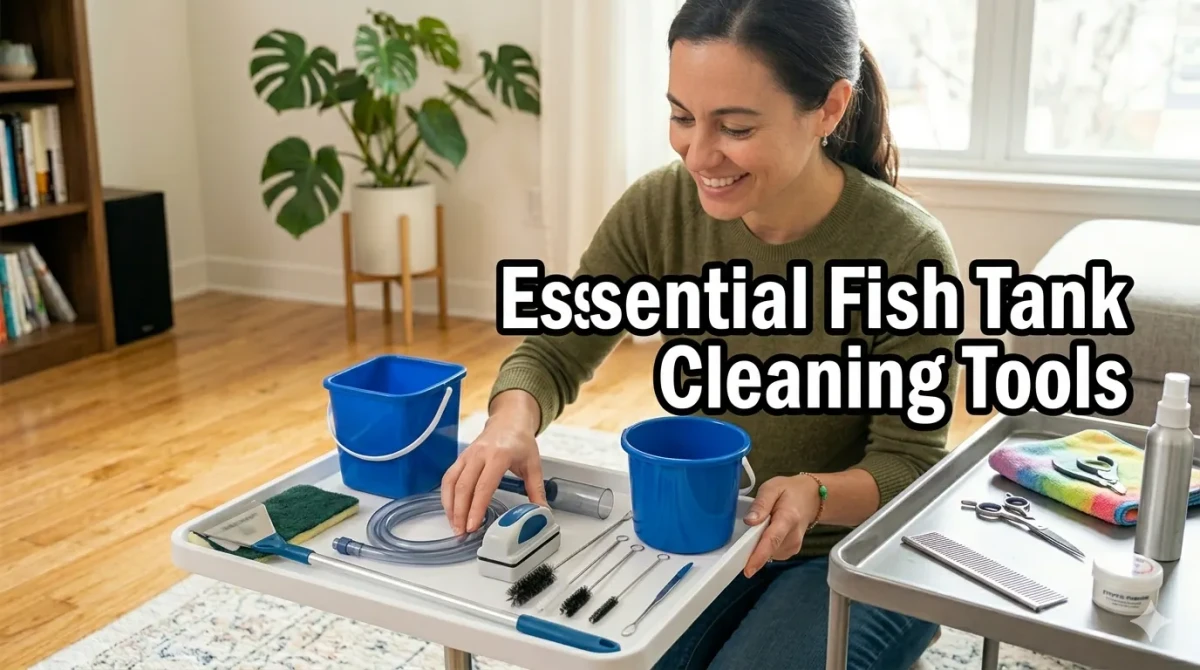
Understanding Fish Tank Cleaning Tools and Their Importance
Essential fish tank cleaning tools represent the foundation of proper aquarium maintenance, enabling hobbyists to maintain pristine water quality, healthy fish, and beautiful aquatic displays. Regular aquarium cleaning is not merely about aesthetics—it's a critical component of fish health and tank longevity. The right cleaning tools make maintenance tasks more efficient, less stressful for both fish and aquarist, and help prevent common problems like algae overgrowth, waste accumulation, and water quality deterioration that can lead to fish illness or death.
The connection between proper cleaning tools and aquarium health is well documented through aquaculture research and experienced hobbyist practice. Specific tools address specific maintenance needs: algae scrapers remove unsightly and potentially harmful algae growth from viewing panels, gravel vacuums remove accumulated waste from substrate without disturbing beneficial bacteria, magnetic cleaners allow glass cleaning without wet hands, and specialized brushes reach areas that other tools cannot. When these tools are used correctly and consistently, they maintain optimal water parameters, reduce fish stress, and create an environment where aquatic life can thrive.
This comprehensive guide covers everything you need to know about selecting and using fish tank cleaning tools, from understanding essential versus optional tools to evaluating quality and implementing effective cleaning routines. Whether you maintain a small betta tank, a large cichlid aquarium, a planted freshwater system, or a complex reef marine setup, these expert recommendations will help you choose tools that make maintenance efficient, effective, and less time-consuming while supporting your aquarium's long-term health.
Why Proper Cleaning Tools Matter for Aquarium Health
Proper cleaning tools are fundamental to successful aquarium maintenance, impacting everything from water quality to fish behavior and longevity. Using inappropriate or inadequate tools can make cleaning tasks more difficult, potentially damage your aquarium, stress your fish, or fail to adequately address maintenance needs, leading to water quality issues and health problems.
The consequences of inadequate cleaning tools extend beyond simple inconvenience. Using abrasive materials on acrylic tanks can cause permanent scratching that obscures viewing and harbors bacteria. Inadequate gravel vacuums fail to remove waste effectively, allowing toxic ammonia and nitrite to accumulate. Poor quality algae scrapers may break or fail to remove algae effectively, allowing unsightly and potentially harmful growth that competes with plants for nutrients and light.
Investing in quality cleaning tools is far more cost-effective than dealing with the consequences of poor maintenance. Quality tools last longer, work more effectively, and make regular maintenance less of a chore, encouraging consistency. When cleaning is easier and more effective, aquarists are more likely to maintain proper schedules, preventing the cascade of problems that result from neglected maintenance.
What Are the Essential Cleaning Tools Every Aquarist Needs?
Certain cleaning tools are essential for basic aquarium maintenance regardless of tank size, type, or inhabitants. These fundamental tools address the core maintenance needs that all aquariums share.
Algae scrapers or cleaners are essential for removing algae from viewing panels, which is necessary for both aesthetics and fish health. Options include magnetic cleaners for easy glass cleaning, blade scrapers for stubborn algae on glass tanks, and pad scrapers that work on both glass and acrylic. The right choice depends on your tank material and algae type.
Gravel vacuums or siphons are essential for removing waste, uneaten food, and debris from substrate during water changes. These tools siphon water while lifting debris from gravel, sand, or other substrate without removing beneficial bacteria that live deep in the substrate. Quality gravel vacuums make water changes more effective and less time-consuming.
Buckets designated for aquarium use only are essential for water changes and cleaning. These should never be used for household cleaning or other purposes, as chemical residues can be fatal to fish. Having dedicated aquarium buckets prevents contamination and ensures fish safety.
Water testing kits, while not cleaning tools per se, are essential for determining when cleaning is needed and verifying water quality after maintenance. Liquid test kits are more accurate than test strips and provide the information needed to maintain optimal water parameters.
Types of Algae Removal Tools

Algae removal represents one of the most common and ongoing maintenance tasks in aquarium keeping. Different algae types and tank materials require different removal tools, and having the right tool for your specific situation makes this routine task much easier.
Magnetic algae cleaners consist of two parts—one placed inside the tank and one held outside—that attract through the glass. Moving the outside magnet moves the inside magnet, scrubbing algae from the glass without wetting your hands. These are convenient for regular maintenance but vary in effectiveness based on magnet strength and scrubbing surface.
Blade scrapers use razor blades or plastic blades to remove stubborn algae from glass aquariums. These are highly effective for tough algae but should never be used on acrylic tanks, as they will cause severe scratching. Metal blade scrapers work well on glass, while plastic blade scrapers are safer for acrylic.
Algae pads and scrubbers come in various abrasiveness levels and are safe for both glass and acrylic. Green pads are less abrasive and suitable for regular cleaning, while blue or purple pads are more abrasive for stubborn algae. Always test on a small area first, especially on acrylic.
Long-handled algae scrapers allow you to reach deep into tall tanks without submerging your arm. These are essential for deep tanks and help keep you dry during cleaning. Many feature replaceable blades or pads for versatility.
Which Algae Scraper Is Best for Your Tank Type?
Selecting the appropriate algae scraper depends primarily on your tank material—glass or acrylic—as using the wrong type can cause permanent damage.
Glass aquariums can safely use metal blade scrapers, which are highly effective at removing stubborn algae like diatoms and green spot algae. Razor blade scrapers provide the cleanest results on glass but require careful handling to avoid injury or scratching the silicone seams. Magnetic cleaners with metal blades also work well on glass.
Acrylic aquariums require plastic or specially designed acrylic-safe scrapers only. Metal blades will scratch acrylic permanently. Use plastic blade scrapers, acrylic-safe magnetic cleaners, or soft algae pads specifically labeled as acrylic-safe. Always err on the side of caution with acrylic, as scratches are difficult or impossible to repair.
For planted tanks with delicate plants, gentle algae pads or magnetic cleaners with soft scrubbing surfaces prevent damage to plant leaves while effectively cleaning glass. Avoid aggressive scraping near plants to prevent damage.
How Do Magnetic Algae Cleaners Work?
Magnetic algae cleaners use powerful magnets to hold a scrubbing pad against the inside glass while you control it from outside the tank. This allows you to clean the glass without wetting your hands or reaching into the tank.
The effectiveness of magnetic cleaners depends on magnet strength, which must be appropriate for your glass thickness. Too weak, and the inside magnet will fall off; too strong, and it becomes difficult to move. Most manufacturers specify the glass thickness range their cleaners are designed for.
Quality magnetic cleaners feature replaceable scrubbing pads, floating inside magnets for easy retrieval if they detach, and appropriate magnet strength for different glass thicknesses. Some feature swivel heads that follow the glass angle for easier cleaning of curved or corner areas.
For best results, use magnetic cleaners regularly before algae becomes heavily established. Heavy algae buildup may require a blade scraper first, followed by magnetic cleaning for maintenance.
Gravel Vacuums and Substrate Cleaning Tools

Gravel vacuums, also called siphons or substrate cleaners, are essential for removing waste, uneaten food, and debris from aquarium substrate during water changes. These tools work by siphoning water while lifting debris from the substrate, allowing waste to be removed while beneficial bacteria remain in the deeper substrate layers.
Manual gravel vacuums require you to start the siphon manually, typically by submerging the tube and using a pumping motion or sucking on the end (using a valve to prevent water from reaching your mouth). Once started, gravity maintains the siphon as long as the discharge end remains lower than the tank water level.
Automatic or battery-powered gravel vacuums use pumps to create suction, eliminating the need to manually start a siphon. These are convenient but require batteries or electricity and are typically more expensive than manual options.
Gravel vacuum tubes come in various diameters and lengths. Larger diameter tubes clean faster but remove more water quickly, while smaller tubes provide more control. The tube should be long enough to reach from your substrate to your bucket without kinking.
How to Choose the Right Gravel Vacuum for Your Tank
Selecting the appropriate gravel vacuum depends on tank size, substrate type, and your specific cleaning needs.
For small tanks under 20 gallons, compact gravel vacuums or siphon starters designed for small tanks work best. These have smaller diameter tubes that provide better control in limited space and don't remove water too quickly.
Medium tanks (20-75 gallons) benefit from standard gravel vacuums with 1-1.5 inch diameter tubes. These provide good cleaning speed without removing water too rapidly. Look for models with extendable tubes or multiple tube lengths for versatility.
Large tanks over 75 gallons require heavy-duty gravel vacuums with larger diameter tubes (1.5-2 inches) and long hoses. These clean efficiently without requiring excessive time. Consider battery-powered or automatic models for large tanks to reduce physical effort.
Sand substrates require gravel vacuums designed for sand or adjustable flow control. Sand is lighter than gravel and can be sucked up too easily with standard gravel vacuums. Sand-specific vacuums have wider tubes or flow restrictors that clean sand without removing it.
Proper Gravel Vacuum Technique
Using proper technique maximizes cleaning effectiveness while minimizing stress to fish and disruption to beneficial bacteria.
Insert the vacuum tube vertically into the substrate, pushing down about 2-3 inches for gravel or just barely into sand. The gravel or sand should swirl inside the tube, lifting debris while heavier substrate falls back down. Lift the tube before all substrate falls back to remove debris while leaving substrate.
Work systematically across the tank, cleaning approximately 25-33% of the substrate during each water change. Cleaning the entire substrate at once can remove too much beneficial bacteria and cause biological filter crashes.
Avoid vacuuming too deeply into the substrate, as this removes beneficial bacteria colonies that process ammonia and nitrite. Focus on the top 1-2 inches where waste accumulates.
For planted tanks, be careful around plant roots. Vacuum gently around plants to avoid disturbing roots, and avoid vacuuming newly planted areas until plants are established.
Brushes and Detail Cleaning Tools

Beyond algae removal and substrate cleaning, various brushes and detail tools address specific cleaning needs that larger tools cannot reach. These tools handle the fine details that complete a thorough cleaning.
Algae brushes come in various sizes and bristle stiffness for cleaning decorations, equipment, and hard-to-reach areas. Soft-bristled brushes work on delicate surfaces and decorations, while stiff-bristled brushes tackle stubborn algae on rocks and equipment.
Tube brushes clean inside filter tubes, airline tubing, and other narrow spaces where algae and biofilm accumulate. These long, narrow brushes reach inside tubes that other tools cannot access.
Detail scrapers and razor blades remove stubborn spots that larger scrapers miss. These small tools provide precision for spot-cleaning without disturbing the entire tank.
Toothbrushes designated for aquarium use only are excellent for detailed cleaning of decorations, equipment, and tight spaces. Never use toothbrushes that have接触过 toothpaste or other chemicals.
What Brushes Are Safe for Different Aquarium Surfaces?
Different aquarium surfaces require different brush types to avoid damage while effectively cleaning.
Glass aquariums can safely use stiff-bristled brushes, scouring pads, and even gentle abrasive pads for stubborn algae. Glass is highly scratch-resistant and can handle aggressive cleaning tools.
Acrylic aquariums require soft-bristled brushes only. Stiff bristles, abrasive pads, or any abrasive material will scratch acrylic. Use only brushes specifically labeled as acrylic-safe.
Decorations and equipment can typically handle medium to stiff bristles unless they have delicate surfaces or painted details. Test on a small area first if unsure.
Live plants require very soft brushes or gentle wiping with soft cloths. Stiff bristles can damage delicate plant leaves and stems.
Water Change Equipment

Beyond gravel vacuums, several tools facilitate efficient water changes, which are fundamental to aquarium maintenance. Proper water change equipment makes this routine task faster and easier.
Dedicated buckets are essential for aquarium water changes. These should be used exclusively for aquarium purposes and never for cleaning or other household tasks. Chemical residues can be fatal to fish. Having multiple buckets—one for dirty water and one for new water—streamlines the water change process.
Water conditioners are essential for treating tap water before adding it to your aquarium. These neutralize chlorine, chloramine, and heavy metals that are toxic to fish. Quality water conditioners work instantly and also detoxify ammonia and nitrite.
Thermometers ensure new water matches tank temperature, preventing temperature shock to fish. Digital thermometers provide quick, accurate readings.
Hoses and tubing facilitate moving water from sink to tank and tank to bucket. Food-grade tubing is essential to avoid introducing toxins. Quick-connect fittings make setup and takedown easier.
How to Make Water Changes More Efficient
Streamlining water changes reduces the time and effort required, making regular maintenance more likely.
Install a Python-style no-spill clean and fill system or similar permanent plumbing that connects your sink directly to your tank. These systems allow you to drain and fill without carrying buckets, saving significant time and effort on large tanks.
Use a water heater or mixing valve to pre-warm new water to tank temperature. This eliminates the waiting period for water to reach temperature and prevents temperature shock.
Keep all water change equipment organized and easily accessible. Having a dedicated storage area for buckets, siphons, conditioners, and other supplies eliminates setup time.
Establish a regular schedule and stick to it. Consistency makes water changes routine rather than a chore, and regular partial water changes are easier than infrequent large water changes.
Maintenance and Care of Cleaning Tools

Proper maintenance of cleaning tools ensures they remain effective, safe, and long-lasting. Neglected tools can harbor bacteria, become less effective, or even damage your aquarium.
Cleaning tools after each use prevents buildup of algae, biofilm, and debris that can harbor harmful bacteria or reduce effectiveness. Rinse all tools thoroughly with clean water after use.
Drying tools completely before storage prevents mold and bacterial growth. Store tools in a dry, well-ventilated area away from direct sunlight, which can degrade plastics and rubber.
Inspecting tools regularly identifies wear, damage, or deterioration that could make them unsafe or ineffective. Replace worn scraper blades, cracked hoses, or damaged magnetic cleaners before they fail during use.
Never use cleaning tools with household chemicals or soaps. Residues can be fatal to fish. If tools must be sanitized, use aquarium-safe methods like brief bleach solution dips followed by thorough rinsing and dechlorinating.
When to Replace Cleaning Tools
Knowing when to replace cleaning tools prevents failures during use and maintains cleaning effectiveness.
Algae scraper blades should be replaced when they become dull, nicked, or rusty. Dull blades require more pressure and may scratch glass. Replace blades regularly for best results.
Magnetic cleaner pads wear out and become less effective over time. Replace when scrubbing surface becomes smooth or detached. Most manufacturers sell replacement pads.
Hoses and tubing should be replaced when they become cracked, stiff, or discolored. Old tubing can harbor bacteria and may fail during use. Replace every 2-3 years or when signs of wear appear.
Gravel vacuum tubes should be replaced if they crack, become brittle, or develop leaks. Plastic tubes can degrade over time, especially if exposed to sunlight.
Frequently Asked Questions About Fish Tank Cleaning Tools

Can I Use Household Cleaning Tools for My Aquarium?
Never use household cleaning tools that have接触过 soaps, chemicals, or cleaning products, as residues can be fatal to fish. Even trace amounts of household cleaners can kill fish and beneficial bacteria.
Dedicate specific tools exclusively for aquarium use, including buckets, brushes, sponges, and towels. Clearly label these items to prevent accidental household use. The small investment in dedicated tools is insignificant compared to the cost of losing fish to chemical contamination.
If you must sanitize aquarium tools, use aquarium-safe methods like brief dips in diluted bleach solution (1 part bleach to 9 parts water) followed by thorough rinsing and treatment with dechlorinator. Never use household cleaners on anything that will contact your aquarium.
How Often Should I Clean My Aquarium?
Cleaning frequency depends on tank size, bioload, filtration, and stocking levels, but most aquariums benefit from weekly maintenance.
Weekly tasks should include partial water changes of 10-25%, gravel vacuuming of 25-33% of substrate, algae removal from viewing panels, and filter inspection. Test water parameters weekly to determine if cleaning frequency needs adjustment.
Monthly tasks include deeper cleaning of filter media (in tank water, not tap water), cleaning equipment like heaters and powerheads, and inspecting all equipment for proper function.
Heavily stocked tanks or tanks with high bioloads may require more frequent cleaning, while lightly stocked planted tanks may need less. Adjust frequency based on water test results and visual inspection.
What's the Best Way to Remove Algae Without Harming Fish?
Safe algae removal protects both fish and aquarium surfaces while effectively controlling algae growth.
Use appropriate tools for your tank material—blade scrapers for glass, plastic scrapers or pads for acrylic. Always work carefully to avoid scratching silicone seams or damaging acrylic.
Remove fish temporarily only if necessary for extensive cleaning. Most routine algae removal can be done with fish in the tank. If you must remove fish, use a clean container with tank water and aerate if cleaning will take more than a few minutes.
Never use chemical algae removers as a substitute for mechanical cleaning and proper maintenance. These can stress fish, kill beneficial bacteria, and don't address the underlying causes of algae growth like excess nutrients or light.
Conclusion

Selecting and using the right fish tank cleaning tools is fundamental to successful aquarium keeping. Quality tools make maintenance easier, more effective, and less time-consuming, encouraging consistency that keeps your aquarium healthy and beautiful. While the initial investment in quality tools may seem significant, they pay for themselves through longevity, effectiveness, and the prevention of problems that result from inadequate maintenance.
Remember that tools are only part of the equation—consistent use and proper technique are equally important. Even the best tools won't maintain a healthy aquarium if used inconsistently or incorrectly. Establish a regular maintenance schedule, use proper techniques, and invest in quality tools that will serve you well for years.
Your commitment to proper aquarium maintenance through quality tools and consistent care demonstrates dedication to your aquatic pets' health and wellbeing. With the knowledge and recommendations provided in this guide, you can confidently select and use cleaning tools that make aquarium maintenance efficient, effective, and successful, ensuring your aquarium thrives for years to come.

0 Comments