.png)
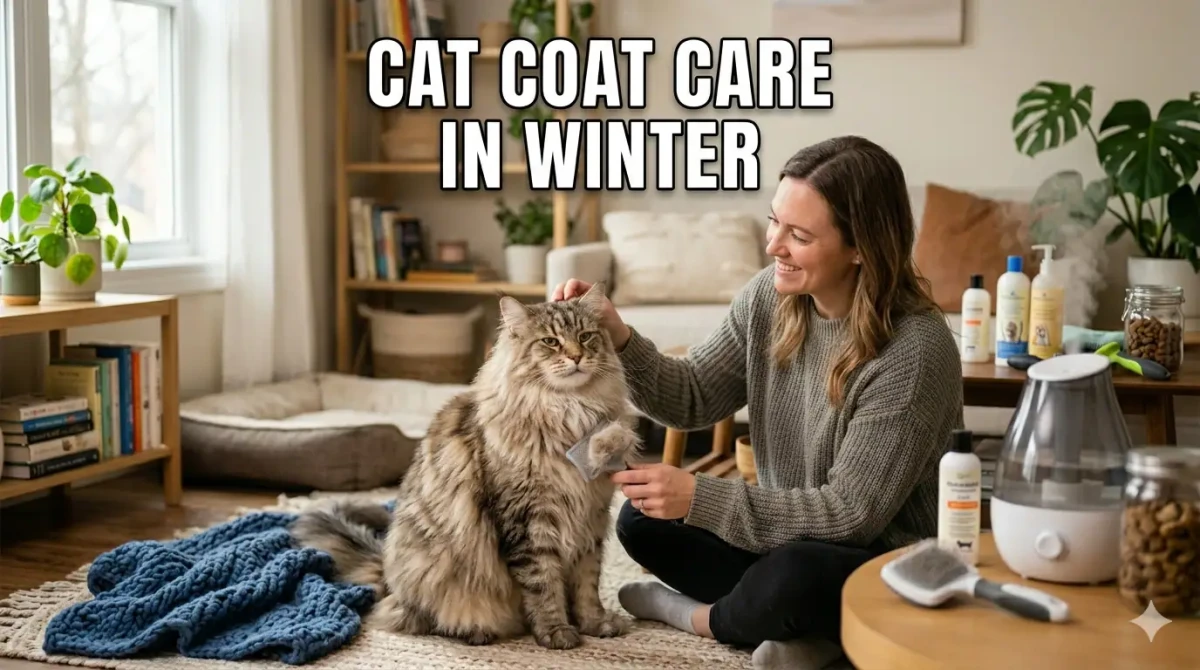
Why Winter Demands Special Attention for Your Cat's Coat
Winter brings unique challenges for feline coat health. Whether your cat is a fluffy indoor companion or a hardy outdoor explorer, cold temperatures, dry indoor heating, and seasonal shedding patterns can impact their fur quality, skin comfort, and overall wellbeing. Proper winter coat care isn't just about aesthetics—it's about preventing matting, reducing skin irritation, supporting natural insulation, and keeping your cat comfortable through the coldest months.
Featured Snippet Answer: For winter cat coat care: increase brushing frequency to 3-4 times weekly for long-haired cats (2-3 times for short-haired) to manage thicker winter coats and prevent mats; add omega-3 supplements and ensure adequate hydration to combat dry skin from indoor heating; maintain 40-60% humidity to reduce static and dryness; and monitor for matting, dandruff, or excessive shedding that may signal health issues. Adjust grooming techniques for your cat's coat type and lifestyle.
Cats naturally grow thicker coats in winter for insulation, but this seasonal change requires adjusted grooming and care. Indoor heating can dry out skin and fur, while outdoor exposure brings moisture, debris, and temperature extremes. Understanding these winter-specific factors empowers you to provide targeted care that keeps your cat's coat healthy, comfortable, and beautiful all season long.
This comprehensive guide provides veterinarian-aligned, expert-tested strategies for winter cat coat care. You'll learn about seasonal coat changes, grooming adjustments, nutrition support, environmental management, and warning signs that warrant veterinary attention. Whether you have a long-haired Persian, a sleek Siamese, or a senior cat with special needs, you'll find practical guidance to optimize their winter coat health.
Understanding Winter Coat Changes: What's Normal and What's Not
Before adjusting your care routine, it's essential to understand how winter affects feline coats.
Normal Winter Coat Adaptations:
- Increased density: Most cats grow a thicker undercoat for insulation; long-haired breeds develop noticeably fuller coats
- Seasonal shedding patterns: Indoor cats may shed year-round due to artificial lighting; outdoor cats typically shed heavily in spring
- Texture changes: Winter coats often feel denser and slightly coarser due to increased undercoat
- Reduced grooming efficiency: Thick coats can make self-grooming less effective, increasing need for human assistance
- 🐾 Grooming Hacks for Shedding Cats: Expert Tips to Reduce Fur & Hairballs
- 🐾 How to Clean a Fish Tank Safely: Complete 2026 Guide
- 🐾 Grooming Hacks for Shedding Dogs: Expert Tips to Reduce Fur & Manage Shedding
Factors That Disrupt Healthy Winter Coats:
- Indoor heating: Dry air (often 60% humidity promotes mold and dust mites
- 🐾 Grooming Hacks for Shedding Cats: Expert Tips to Reduce Fur & Hairballs
- 🐾 How to Clean a Fish Tank Safely: Complete 2026 Guide
- 🐾 Grooming Hacks for Shedding Dogs: Expert Tips to Reduce Fur & Manage Shedding
Reducing Static Electricity
Why Static Occurs in Winter:
- Dry air + synthetic fabrics + friction = static electricity that makes fur stand on end and attracts debris
- Static can cause discomfort and make grooming more difficult
- 🐾 Grooming Hacks for Shedding Cats: Expert Tips to Reduce Fur & Hairballs
- 🐾 How to Clean a Fish Tank Safely: Complete 2026 Guide
- 🐾 Grooming Hacks for Shedding Dogs: Expert Tips to Reduce Fur & Manage Shedding
Static-Reduction Strategies:
- Use metal or ceramic bowls: Reduce static compared to plastic food/water dishes
- Choose natural fiber bedding: Cotton, wool, or fleece generate less static than synthetics
- Lightly mist brush with water: Before grooming, lightly dampen brush to reduce static (ensure cat is comfortable)
- Anti-static sprays: Cat-safe, alcohol-free sprays can help; test on small area first
- Ground yourself: Touch a metal object before grooming to discharge static from your body
- 🐾 Grooming Hacks for Shedding Cats: Expert Tips to Reduce Fur & Hairballs
- 🐾 How to Clean a Fish Tank Safely: Complete 2026 Guide
- 🐾 Grooming Hacks for Shedding Dogs: Expert Tips to Reduce Fur & Manage Shedding
Temperature and Comfort Considerations
Optimal Indoor Temperature:
- Maintain 68-72°F (20-22°C) for most cats; adjust for seniors, kittens, or health conditions
- Avoid placing cat beds near heat vents or radiators that create dry, hot spots
- Provide cool retreats (tile floors, window perches) for temperature regulation
- 🐾 Grooming Hacks for Shedding Cats: Expert Tips to Reduce Fur & Hairballs
- 🐾 How to Clean a Fish Tank Safely: Complete 2026 Guide
- 🐾 Grooming Hacks for Shedding Dogs: Expert Tips to Reduce Fur & Manage Shedding
Bedding and Resting Areas:
- Washable, natural fiber bedding: Cotton or wool blankets reduce static and are easy to clean
- Multiple resting spots: Offer options in different rooms to let your cat choose comfort
- Elevated perches: Cat trees or shelves provide warm air circulation and observation points
- 🐾 Grooming Hacks for Shedding Cats: Expert Tips to Reduce Fur & Hairballs
- 🐾 How to Clean a Fish Tank Safely: Complete 2026 Guide
- 🐾 Grooming Hacks for Shedding Dogs: Expert Tips to Reduce Fur & Manage Shedding
Featured Snippet Answer: Manage winter indoor environment for cat coat health: maintain 40-60% humidity with a humidifier, reduce static with metal bowls and natural fiber bedding, and keep temperature at 68-72°F. These adjustments combat dryness, reduce static electricity, and support healthy skin and coat.
Special Considerations: Outdoor Cats, Seniors, and Long-Haired Breeds

Different cats have unique winter coat needs. Tailor your care to your cat's lifestyle and characteristics.
Outdoor and Indoor/Outdoor Cats
Winter Coat Challenges:
- Exposure to moisture, snow, ice, and debris can mat fur and irritate skin
- Cold temperatures increase energy needs; coat quality depends on adequate nutrition
- Risk of ice balls forming between toes or in long fur
- 🐾 Grooming Hacks for Shedding Cats: Expert Tips to Reduce Fur & Hairballs
- 🐾 How to Clean a Fish Tank Safely: Complete 2026 Guide
- 🐾 Grooming Hacks for Shedding Dogs: Expert Tips to Reduce Fur & Manage Shedding
Care Strategies:
- Post-outdoor grooming: Gently wipe paws and coat with damp cloth to remove salt, ice, or debris
- Check for mats and ice: Pay special attention to paws, belly, and tail after outdoor time
- Ensure adequate calories: Outdoor cats need 20-30% more calories in winter for warmth; consult your vet
- Provide shelter: Insulated, dry shelter protects coat from moisture and extreme cold
- Regular health checks: Outdoor cats need frequent vet visits to monitor coat and skin health
- 🐾 Grooming Hacks for Shedding Cats: Expert Tips to Reduce Fur & Hairballs
- 🐾 How to Clean a Fish Tank Safely: Complete 2026 Guide
- 🐾 Grooming Hacks for Shedding Dogs: Expert Tips to Reduce Fur & Manage Shedding
Senior Cats
Winter Coat Challenges:
- Reduced grooming ability due to arthritis or dental issues
- Thinner skin more prone to dryness and irritation
- Potential cognitive changes affecting self-care routines
- 🐾 Grooming Hacks for Shedding Cats: Expert Tips to Reduce Fur & Hairballs
- 🐾 How to Clean a Fish Tank Safely: Complete 2026 Guide
- 🐾 Grooming Hacks for Shedding Dogs: Expert Tips to Reduce Fur & Manage Shedding
Care Strategies:
- Gentle, frequent grooming: Short sessions (5-10 minutes) with soft-bristle brush
- Focus on hard-to-reach areas: Help groom back, hindquarters, and tail where seniors struggle
- Support joint health: Omega-3s and vet-approved supplements may improve grooming mobility
- Monitor skin closely: Senior skin is thinner; watch for redness, sores, or excessive dryness
- Comfort-focused environment: Warm, draft-free resting areas support overall coat health
- 🐾 Grooming Hacks for Shedding Cats: Expert Tips to Reduce Fur & Hairballs
- 🐾 How to Clean a Fish Tank Safely: Complete 2026 Guide
- 🐾 Grooming Hacks for Shedding Dogs: Expert Tips to Reduce Fur & Manage Shedding
Long-Haired and Double-Coated Breeds
Winter Coat Challenges:
- Dense undercoat prone to matting, especially in humid or snowy conditions
- Long topcoat traps moisture, debris, and ice
- Self-grooming less effective on thick winter coats
- 🐾 Grooming Hacks for Shedding Cats: Expert Tips to Reduce Fur & Hairballs
- 🐾 How to Clean a Fish Tank Safely: Complete 2026 Guide
- 🐾 Grooming Hacks for Shedding Dogs: Expert Tips to Reduce Fur & Manage Shedding
Care Strategies:
- Daily brushing essential: Prevent mats before they form; focus on high-risk areas
- Use detangling spray: Alcohol-free formula helps brushes glide through thick winter fur
- Check after outdoor time: Wipe paws and belly; remove any ice or debris from fur
- Consider professional grooming: For severe matting or if home grooming is stressful
- Never shave winter coats: Natural insulation is critical; trimming should only address mats
- 🐾 Grooming Hacks for Shedding Cats: Expert Tips to Reduce Fur & Hairballs
- 🐾 How to Clean a Fish Tank Safely: Complete 2026 Guide
- 🐾 Grooming Hacks for Shedding Dogs: Expert Tips to Reduce Fur & Manage Shedding
Short-Haired and Low-Shedding Breeds
Winter Coat Considerations:
- Less visible shedding but still produce loose fur that benefits from regular removal
- Dry winter air can cause subtle skin flakiness even with short coats
- May need extra hydration support due to less natural oil distribution
- 🐾 Grooming Hacks for Shedding Cats: Expert Tips to Reduce Fur & Hairballs
- 🐾 How to Clean a Fish Tank Safely: Complete 2026 Guide
- 🐾 Grooming Hacks for Shedding Dogs: Expert Tips to Reduce Fur & Manage Shedding
Care Strategies:
- Rubber grooming gloves: Effective for short coats; mimics petting while removing loose fur
- Focus on skin health: Watch for dry patches; adjust humidity and nutrition as needed
- Light, frequent brushing: 2-3 times weekly maintains coat without over-grooming
- 🐾 Grooming Hacks for Shedding Cats: Expert Tips to Reduce Fur & Hairballs
- 🐾 How to Clean a Fish Tank Safely: Complete 2026 Guide
- 🐾 Grooming Hacks for Shedding Dogs: Expert Tips to Reduce Fur & Manage Shedding
Featured Snippet Answer: Tailor winter coat care to your cat: outdoor cats need post-outdoor wiping and extra calories; seniors need gentle, frequent grooming and joint support; long-haired breeds need daily brushing to prevent mats; short-haired cats benefit from rubber gloves and skin monitoring. Adjust strategies to your cat's unique needs and lifestyle.
Preventing and Managing Winter Coat Problems

Proactive care prevents common winter coat issues. Know how to address problems if they arise.
Preventing Matting in Winter Coats
Why Mats Form More in Winter:
- Thicker coats trap more loose fur and debris
- Dry air makes fur more prone to tangling
- Reduced self-grooming efficiency in thick coats
- 🐾 Grooming Hacks for Shedding Cats: Expert Tips to Reduce Fur & Hairballs
- 🐾 How to Clean a Fish Tank Safely: Complete 2026 Guide
- 🐾 Grooming Hacks for Shedding Dogs: Expert Tips to Reduce Fur & Manage Shedding
Prevention Strategies:
- Brush before mats form: Daily attention to high-risk areas (armpits, belly, hind legs)
- Use detangling spray: Apply before brushing to help tools glide through fur
- Keep coat clean: Wipe after outdoor exposure to remove debris that contributes to matting
- Monitor weight: Overweight cats struggle to groom themselves; maintain healthy weight
- 🐾 Grooming Hacks for Shedding Cats: Expert Tips to Reduce Fur & Hairballs
- 🐾 How to Clean a Fish Tank Safely: Complete 2026 Guide
- 🐾 Grooming Hacks for Shedding Dogs: Expert Tips to Reduce Fur & Manage Shedding
If Mats Develop:
- Small mats: Gently work apart with fingers or wide-tooth comb; never pull
- Larger mats: Use blunt-tipped scissors to carefully cut parallel to skin; never cut perpendicular
- Severe matting: Consult a professional groomer or veterinarian; never attempt to shave at home
- After mat removal: Soothe skin with gentle brushing and monitor for irritation
- 🐾 Grooming Hacks for Shedding Cats: Expert Tips to Reduce Fur & Hairballs
- 🐾 How to Clean a Fish Tank Safely: Complete 2026 Guide
- 🐾 Grooming Hacks for Shedding Dogs: Expert Tips to Reduce Fur & Manage Shedding
Managing Dry Skin and Dandruff
Winter Dry Skin Causes:
- Low humidity from indoor heating
- Reduced natural oil production in cold weather
- Inadequate hydration or nutrition
- 🐾 Grooming Hacks for Shedding Cats: Expert Tips to Reduce Fur & Hairballs
- 🐾 How to Clean a Fish Tank Safely: Complete 2026 Guide
- 🐾 Grooming Hacks for Shedding Dogs: Expert Tips to Reduce Fur & Manage Shedding
Solutions:
- Increase humidity: Maintain 40-60% with a humidifier
- Add omega-3s: Support skin barrier function from within
- Ensure hydration: Wet food, water fountains, multiple water stations
- Gentle grooming: Soft brushes distribute natural oils without irritating dry skin
- Veterinary consultation: Persistent dandruff may indicate underlying conditions needing treatment
- 🐾 Grooming Hacks for Shedding Cats: Expert Tips to Reduce Fur & Hairballs
- 🐾 How to Clean a Fish Tank Safely: Complete 2026 Guide
- 🐾 Grooming Hacks for Shedding Dogs: Expert Tips to Reduce Fur & Manage Shedding
Addressing Excessive Winter Shedding
Normal vs. Concerning Shedding:
- Normal: Increased loose fur during seasonal transitions; manageable with regular brushing
- Concerning: Bald patches, skin irritation, or shedding accompanied by behavioral changes
- 🐾 Grooming Hacks for Shedding Cats: Expert Tips to Reduce Fur & Hairballs
- 🐾 How to Clean a Fish Tank Safely: Complete 2026 Guide
- 🐾 Grooming Hacks for Shedding Dogs: Expert Tips to Reduce Fur & Manage Shedding
Management Strategies:
- Increase brushing frequency: Remove loose fur before it sheds around your home
- Review nutrition: Ensure diet supports coat health; consider omega-3 supplementation
- Reduce stress: Environmental changes can trigger shedding; maintain routines
- Veterinary evaluation: If shedding seems excessive or abnormal, rule out medical causes
- 🐾 Grooming Hacks for Shedding Cats: Expert Tips to Reduce Fur & Hairballs
- 🐾 How to Clean a Fish Tank Safely: Complete 2026 Guide
- 🐾 Grooming Hacks for Shedding Dogs: Expert Tips to Reduce Fur & Manage Shedding
Featured Snippet Answer: Prevent winter coat problems by brushing daily to prevent mats, maintaining 40-60% humidity for skin health, and ensuring adequate hydration and omega-3s. For small mats, gently work apart with fingers; for severe matting or persistent dry skin, consult a professional groomer or veterinarian. Monitor shedding patterns; excessive loss warrants veterinary evaluation.
Winter Bathing Considerations: When and How

Bathing cats is rarely necessary, but winter brings special considerations.
When Bathing May Be Appropriate in Winter
- After exposure to irritants: Salt, chemicals, or mud that can't be wiped away
- Medical reasons: Medicated baths prescribed by your veterinarian for skin conditions
- Severe matting: Professional grooming may include bathing to safely remove mats
- Show preparation: For cats in competitions (rare for most pet owners)
- 🐾 Grooming Hacks for Shedding Cats: Expert Tips to Reduce Fur & Hairballs
- 🐾 How to Clean a Fish Tank Safely: Complete 2026 Guide
- 🐾 Grooming Hacks for Shedding Dogs: Expert Tips to Reduce Fur & Manage Shedding
Winter Bathing Best Practices
If Bathing Is Necessary:
- Choose a warm day: Bathe when indoor temperature is stable and your cat can dry comfortably
- Use cat-specific shampoo: pH-balanced formulas won't strip natural oils; avoid human products
- Minimize water temperature extremes: Lukewarm water prevents shock and discomfort
- Rinse thoroughly: Residual shampoo irritates skin, especially in dry winter air
- Dry completely: Use towels and low-heat blow dryer (if tolerated); ensure no dampness remains
- Keep warm post-bath: Provide a warm, draft-free area for drying and recovery
- 🐾 Grooming Hacks for Shedding Cats: Expert Tips to Reduce Fur & Hairballs
- 🐾 How to Clean a Fish Tank Safely: Complete 2026 Guide
- 🐾 Grooming Hacks for Shedding Dogs: Expert Tips to Reduce Fur & Manage Shedding
Alternatives to Full Baths:
- Spot cleaning: Use cat-safe wipes or damp cloth for localized cleaning
- Dry shampoo: Waterless formulas refresh coat without bathing stress
- Brushing: Often sufficient to remove debris and distribute oils
- 🐾 Grooming Hacks for Shedding Cats: Expert Tips to Reduce Fur & Hairballs
- 🐾 How to Clean a Fish Tank Safely: Complete 2026 Guide
- 🐾 Grooming Hacks for Shedding Dogs: Expert Tips to Reduce Fur & Manage Shedding
Featured Snippet Answer: Bathe cats in winter only when necessary (exposure to irritants, medical reasons). Use cat-specific shampoo, lukewarm water, and ensure complete drying in a warm area. For most cats, spot cleaning with wipes or dry shampoo is sufficient. Consult your veterinarian before bathing cats with skin conditions.
Monitoring Coat Health: Warning Signs and When to Seek Help

Regular observation helps catch coat issues early. Know what to watch for and when to consult your veterinarian.
Weekly Coat Check Protocol
What to Examine:
- Coat texture: Should feel soft and resilient; brittleness indicates dryness or nutritional issues
- Shine and color: Healthy coats have natural luster; dullness may signal health problems
- Skin condition: Part fur to check for redness, flakiness, sores, or parasites
- Matting: Check high-risk areas (armpits, belly, hind legs) for tangles
- Shedding patterns: Note amount and location of loose fur; sudden changes warrant attention
- 🐾 Grooming Hacks for Shedding Cats: Expert Tips to Reduce Fur & Hairballs
- 🐾 How to Clean a Fish Tank Safely: Complete 2026 Guide
- 🐾 Grooming Hacks for Shedding Dogs: Expert Tips to Reduce Fur & Manage Shedding
How to Check:
- Perform checks during calm grooming sessions when your cat is relaxed
- Use gentle pressure; stop if your cat shows discomfort
- Keep a log of observations to track changes over time
- 🐾 Grooming Hacks for Shedding Cats: Expert Tips to Reduce Fur & Hairballs
- 🐾 How to Clean a Fish Tank Safely: Complete 2026 Guide
- 🐾 Grooming Hacks for Shedding Dogs: Expert Tips to Reduce Fur & Manage Shedding
Warning Signs Requiring Veterinary Attention
- Bald patches or thinning fur: May indicate alopecia, parasites, or autoimmune conditions
- Red, inflamed, or scabby skin: Signals infection, allergies, or dermatitis
- Excessive scratching, licking, or biting: May indicate allergies, parasites, pain, or anxiety
- Persistent dandruff or flaking: Beyond normal winter dryness may indicate underlying issues
- Foul odor from coat or skin: May signal infection or metabolic issues
- Behavioral changes: Lethargy, appetite changes, or hiding alongside coat changes
- Sudden, dramatic increase in shedding: Without seasonal explanation may signal thyroid issues, stress, or illness
- 🐾 Grooming Hacks for Shedding Cats: Expert Tips to Reduce Fur & Hairballs
- 🐾 How to Clean a Fish Tank Safely: Complete 2026 Guide
- 🐾 Grooming Hacks for Shedding Dogs: Expert Tips to Reduce Fur & Manage Shedding
What to Expect at the Veterinarian
- Physical examination: Assessment of skin, coat, and overall health
- Diagnostic tests: Skin scrapings, blood work, or allergy testing to identify underlying causes
- Treatment plan: May include medications, dietary changes, or specialized grooming recommendations
- Follow-up care: Monitoring progress and adjusting treatment as needed
- 🐾 Grooming Hacks for Shedding Cats: Expert Tips to Reduce Fur & Hairballs
- 🐾 How to Clean a Fish Tank Safely: Complete 2026 Guide
- 🐾 Grooming Hacks for Shedding Dogs: Expert Tips to Reduce Fur & Manage Shedding
Featured Snippet Answer: Monitor your cat's coat weekly: check texture, shine, skin condition, matting, and shedding patterns. Consult your veterinarian for bald patches, red/inflamed skin, excessive scratching, persistent dandruff, foul odor, or behavioral changes alongside coat issues. Early intervention improves outcomes for coat-related health problems.
Quick Recap: Key Takeaways for Winter Cat Coat Care

- Increase brushing frequency in winter: daily for long-haired cats, 4-5x weekly for double-coated, 2-3x for short-haired
- Use appropriate tools: wide-tooth combs for tangles, undercoat rakes for dense coats, rubber gloves for sensitive cats
- Combat dryness: maintain 40-60% humidity, add omega-3 supplements, ensure adequate hydration
- Prevent matting: brush before mats form, focus on high-risk areas, use detangling spray
- Manage static: use metal bowls, natural fiber bedding, and lightly dampen brushes if needed
- Adjust for lifestyle: outdoor cats need post-exposure wiping; seniors need gentle, frequent grooming
- Bathe only when necessary: use cat-specific products and ensure complete drying in warm conditions
- Monitor coat health weekly: watch for texture changes, bald patches, or excessive shedding
- Consult your veterinarian for concerning signs: bald patches, skin irritation, or behavioral changes
- Remember: shedding is natural; focus on management, not elimination
- 🐾 Grooming Hacks for Shedding Cats: Expert Tips to Reduce Fur & Hairballs
- 🐾 How to Clean a Fish Tank Safely: Complete 2026 Guide
- 🐾 Grooming Hacks for Shedding Dogs: Expert Tips to Reduce Fur & Manage Shedding
Final Thoughts: Gentle Care for Winter Comfort

Winter coat care for cats is about working with nature, not against it. Your cat's thicker winter coat is a beautiful adaptation to cold weather, and with thoughtful grooming, nutrition, and environmental management, you can help them stay comfortable, healthy, and happy all season long.
Remember that every cat is unique. What works for a fluffy Maine Coon may need adjustment for a sleek Siamese. Stay observant: your cat's coat condition, behavior, and comfort provide constant feedback about their needs. Stay flexible: be willing to adapt your routine based on what you learn. Stay compassionate: grooming should be a bonding experience, not a struggle.
With patience, the right strategies, and partnership with your veterinary team, you can help your cat thrive through winter—maintaining a healthy, beautiful coat that keeps them warm and comfortable. Every gentle brush stroke, every nutritious meal, and every moment of attentive care is an investment in your cat's wellbeing. Celebrate the small wins, trust the process, and enjoy the cozy companionship of your feline friend this winter.
When in doubt, consult your veterinarian. They know your cat's history, can assess individual needs, and provide personalized guidance for winter coat care. Together, you can create a care plan that supports your cat's health and comfort through the coldest months and beyond.

0 Comments