.png)
Prevent Obesity in Indoor Cats Complete Health Guide
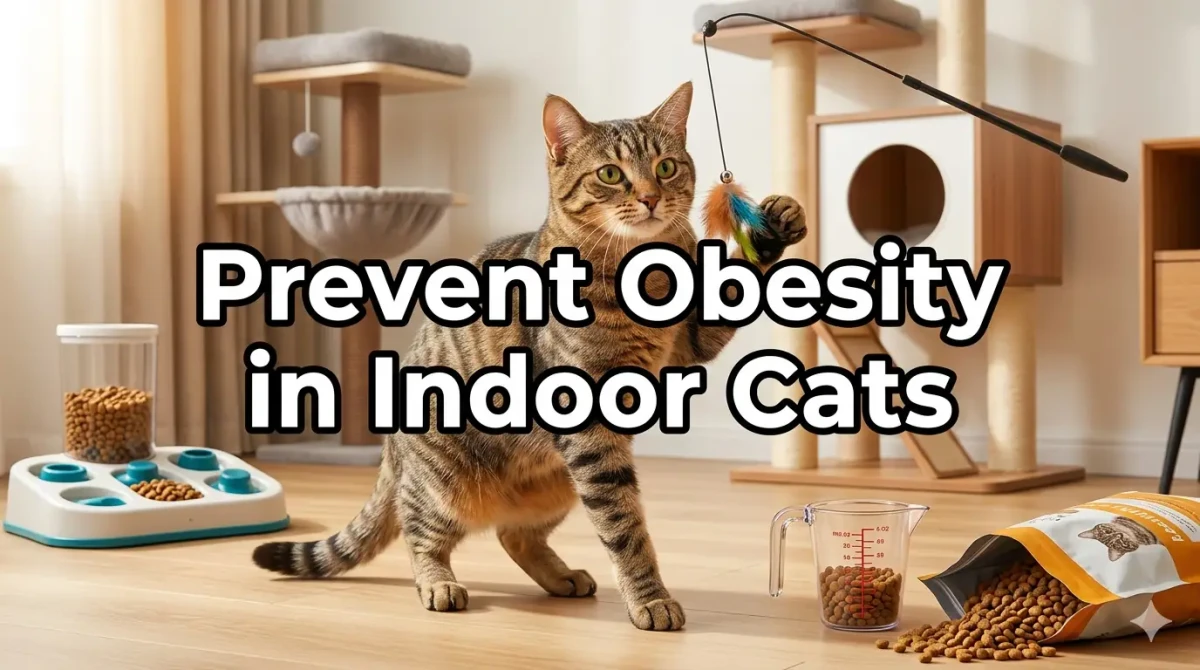
Understanding Indoor Cat Obesity and Why Prevention Matters
Prevent obesity in indoor cats represents one of the most critical aspects of responsible pet ownership, as excess weight affects approximately 60 percent of domestic cats in developed countries and significantly impacts their health, mobility, and longevity. Feline obesity is not merely a cosmetic concern but a serious medical condition that predisposes cats to diabetes mellitus, arthritis, urinary tract disease, hepatic lipidosis, and reduced lifespan. Understanding the causes, risks, and prevention strategies for indoor cat obesity empowers pet owners to make informed decisions that support their cat's health throughout their life, particularly for cats who spend their entire lives indoors with limited opportunities for natural hunting and exercise.
The connection between nutrition, environmental enrichment, and feline weight management is well documented through veterinary research and clinical practice. Specific factors including appropriate portion control, balanced nutrition, environmental enrichment that encourages activity, and consistent monitoring work synergistically to maintain healthy body condition in indoor cats. When these factors are implemented consistently, they prevent the gradual weight gain that often goes unnoticed until serious health complications develop, particularly in cats whose indoor lifestyle limits natural calorie burning through hunting and territorial patrol behaviors.
This comprehensive guide covers everything you need to know about preventing obesity in indoor cats, from understanding unique risk factors for indoor cats and recognizing early warning signs to implementing effective feeding strategies, environmental enrichment techniques, and monitoring protocols. Whether you have a kitten establishing healthy habits, an adult indoor cat requiring weight maintenance, or a senior cat needing adjusted care, these expert recommendations will help you maintain your indoor cat's healthy weight and support their long term wellbeing in a safe indoor environment.
Why Indoor Cats Face Higher Obesity Risk
Indoor cats face significantly higher obesity risk compared to outdoor or indoor outdoor cats due to fundamental differences in lifestyle, activity patterns, and calorie expenditure. Understanding these unique risk factors enables targeted prevention strategies that address the specific challenges of indoor cat care.
Limited physical activity represents the primary driver of obesity in indoor cats. Outdoor cats naturally engage in hunting, territorial patrol, climbing, and exploration that burns significant calories throughout the day. Indoor cats, confined to limited spaces with fewer opportunities for vigorous activity, burn far fewer calories while often receiving the same or greater food intake. This caloric imbalance inevitably leads to weight gain without intentional management.
Environmental boredom contributes to overeating in indoor cats. Cats with limited stimulation may seek entertainment through food, developing habits of begging, scavenging, or eating for entertainment rather than hunger. This behavioral pattern, combined with unlimited food access through free feeding, creates a perfect storm for weight gain in bored indoor cats.
Owner perception and feeding practices often exacerbate indoor cat obesity risk. Many owners misinterpret normal cat behavior as hunger, overestimate their cat's caloric needs, or use food as the primary form of affection and enrichment. Without the natural regulation provided by hunting effort, indoor cats rely entirely on owners to provide appropriate portions, making owner education critical for prevention.
What Health Risks Does Obesity Pose for Indoor Cats?
Obesity in indoor cats creates serious health consequences that diminish quality of life and shorten lifespan. Understanding these risks motivates proactive prevention and early intervention.
Diabetes mellitus represents one of the most serious obesity related conditions in cats. Overweight cats face up to four times higher risk of developing diabetes, a condition requiring lifelong insulin management, dietary control, and monitoring. Diabetes significantly impacts quality of life and increases veterinary costs while reducing lifespan.
Arthritis and joint disease accelerate in overweight cats due to increased mechanical stress on joints. Indoor cats already face reduced activity levels, and arthritis further limits movement, creating a vicious cycle of weight gain and decreased mobility that severely impacts quality of life.
Urinary tract disease, including feline lower urinary tract disease and urinary crystals, occurs more frequently in overweight indoor cats. Obesity affects metabolism and urine composition, while reduced activity decreases urinary tract flushing, increasing risk of painful and potentially life threatening urinary conditions.
Hepatic lipidosis, a potentially fatal liver condition, occurs when overweight cats experience periods of reduced food intake. The obese cat's metabolism shifts to mobilize fat stores rapidly, overwhelming the liver and causing liver failure. This condition requires intensive veterinary care and carries significant mortality risk.
Reduced lifespan and quality of life represent the ultimate consequences of feline obesity. Overweight indoor cats typically live shorter lives with more health problems, reduced mobility, and diminished ability to engage in normal feline behaviors that provide mental and physical satisfaction.
Recognizing Healthy Weight and Early Warning Signs in Indoor Cats

Recognizing what constitutes healthy weight for indoor cats and identifying early warning signs of weight gain enables timely intervention before obesity develops. Understanding body condition assessment helps pet owners monitor their indoor cat's weight objectively rather than relying on subjective impressions that often miss gradual weight gain.
The body condition score (BCS) system provides a standardized method for assessing feline weight status. This nine point scale evaluates rib coverage, waist definition, and abdominal profile to categorize cats as underweight (1-3), ideal weight (4-5), overweight (6-7), or obese (8-9). Regular BCS assessment enables objective monitoring of weight changes over time, particularly important for indoor cats whose weight gain may occur gradually without obvious visual cues.
Visual and tactile assessment helps owners evaluate body condition at home. Cats at ideal weight should have ribs easily felt with slight fat coverage but not visible, a visible waist when viewed from above, and minimal abdominal fat pad. Cats developing excess weight show reduced waist definition, ribs difficult to feel under fat, and a prominent abdominal fat pad that sways with movement.
Early warning signs of weight gain in indoor cats include decreased interest in play, reluctance to jump or climb, difficulty grooming hard to reach areas, visible abdominal enlargement, and reduced energy levels. Recognizing these signs early enables prompt intervention through dietary adjustment and increased enrichment before significant weight gain occurs.
How Do You Assess Your Indoor Cat's Body Condition Score?
Assessing your indoor cat's body condition score requires systematic evaluation of specific physical characteristics that indicate weight status. Learning this skill enables objective monitoring and timely intervention, particularly important for indoor cats whose weight changes may be subtle.
Evaluate rib coverage by placing your hands on your cat's ribcage and gently feeling for ribs. At ideal weight, ribs should be easily palpable with slight fat coverage, similar to the back of your hand. If ribs are difficult to feel under thick fat, your cat may be overweight. If ribs are prominently visible with no fat coverage, your cat may be underweight.
Assess waist definition by viewing your cat from above while they stand normally. Ideal weight cats show a visible waist behind the ribs, creating an hourglass shape. Overweight cats show little to no waist definition, with the body appearing rectangular or barrel shaped from above.
Check abdominal profile by viewing your cat from the side. Ideal weight cats show minimal abdominal fat with a slight tuck from ribcage to hind legs. Overweight cats show a prominent abdominal fat pad that hangs or sways with movement, often called a primordial pouch when excessive.
Document your assessments with photos and notes to track changes over time. Monthly assessments enable early detection of weight changes before they become significant problems, particularly important for indoor cats whose gradual weight gain may go unnoticed without systematic monitoring.
Essential Strategies for Preventing Obesity in Indoor Cats

Preventing obesity in indoor cats requires implementing comprehensive strategies that address nutrition, environmental enrichment, activity encouragement, and monitoring. Understanding and consistently applying these strategies creates sustainable habits that maintain healthy weight throughout your indoor cat's life despite limited natural activity opportunities.
Portion control forms the foundation of weight prevention for indoor cats. Measuring food portions using standard measuring cups or kitchen scales ensures accurate caloric intake rather than estimating by eye, which often leads to overfeeding. Follow feeding guidelines on cat food packaging as a starting point, then adjust based on your indoor cat's individual needs, activity level, and body condition, recognizing that indoor cats typically require 20 to 30 percent fewer calories than outdoor cats.
Quality nutrition supports healthy weight by providing appropriate calories, balanced nutrients, and satiety. High quality cat foods with named animal proteins, appropriate fat levels, and adequate fiber help indoor cats feel satisfied with appropriate portions. Look for foods formulated for indoor cats that feature controlled calories, increased fiber for satiety, and nutrients supporting urinary health, which is particularly important for less active indoor cats.
Environmental enrichment that encourages activity compensates for limited natural hunting opportunities. Indoor cats require intentional enrichment that stimulates natural behaviors including climbing, hunting simulation, puzzle solving, and exploration. This enrichment increases calorie expenditure, prevents boredom related overeating, and supports mental health alongside physical health.
How Do You Implement Effective Portion Control for Indoor Cats?
Effective portion control requires accurate measurement, consistent scheduling, and regular adjustment based on your indoor cat's changing needs. Understanding these principles helps prevent the gradual overfeeding that leads to obesity in cats with limited activity opportunities.
Use measuring tools rather than estimating portions. Standard measuring cups or kitchen scales provide accuracy that eye balling cannot match. Measure food at room temperature for consistency, as kibble volume varies with temperature and settling. For wet food, use the can markings or a measuring spoon for accuracy.
Follow feeding guidelines as starting points, not absolute rules. Guidelines on cat food packaging provide general recommendations based on average cats, but indoor cats typically require fewer calories than the guidelines suggest. Adjust portions based on regular body condition assessments rather than rigid adherence to package directions, reducing portions by 10 to 20 percent for strictly indoor cats.
Divide daily food into scheduled meals rather than free feeding. Most adult indoor cats thrive on two to three measured meals daily spaced throughout the day. Scheduled meals support digestive health, enable monitoring of appetite changes that may indicate health issues, and prevent constant grazing that leads to overconsumption in cats with limited activity.
Account for treats and extras in daily caloric intake. Treats should comprise no more than 10 percent of daily calories for indoor cats. Use low calorie training treats, break larger treats into smaller pieces, or use portions of your cat's regular kibble as treats to avoid exceeding caloric needs. Remember that indoor cats burn fewer calories, so treat budgets must be stricter than for active outdoor cats.
What Role Does Environmental Enrichment Play in Weight Prevention?
Environmental enrichment plays a crucial role in preventing obesity in indoor cats by encouraging natural behaviors that increase calorie expenditure, preventing boredom that leads to food seeking, and supporting mental health that reduces stress related eating. Understanding how to implement effective enrichment helps maximize weight prevention benefits for indoor cats.
Vertical space encourages climbing and exploration that burns calories. Cat trees, wall mounted shelves, window perches, and climbing structures provide opportunities for climbing, jumping, and surveying territory that mimics natural feline behaviors. Vertical enrichment is particularly valuable for indoor cats who cannot patrol outdoor territories.
Interactive play simulates hunting behaviors that burn calories and provide mental satisfaction. Daily play sessions using wand toys, laser pointers (always concluding with a tangible reward), or motorized toys engage your indoor cat's hunting instincts while increasing physical activity. Aim for 10 to 15 minutes of interactive play twice daily to provide adequate stimulation and calorie burning.
Puzzle feeders and food dispensing toys require cats to work for food, slowing eating pace, increasing mental engagement, and burning additional calories through the effort of obtaining food. These tools transform mealtime from passive consumption to active problem solving, particularly valuable for indoor cats who would naturally hunt for meals.
Rotation of toys and enrichment items prevents habituation and maintains interest. Indoor cats benefit from novel stimuli that encourage exploration and activity. Rotate toys weekly, introduce new puzzle feeders periodically, and rearrange climbing structures occasionally to maintain engagement and encourage continued activity.
Nutrition Strategies for Healthy Weight in Indoor Cats

Nutrition plays the most significant role in indoor cat weight management, as caloric intake directly determines whether cats gain, lose, or maintain weight. Understanding nutritional principles helps pet owners select foods and feeding strategies that support healthy weight despite limited activity opportunities.
Caloric awareness forms the foundation of weight management for indoor cats. Indoor cats typically require approximately 20 to 30 calories per pound of ideal body weight daily for maintenance, compared to 30 to 40 calories for active outdoor cats. Understanding your indoor cat's reduced caloric needs enables informed portion decisions that prevent gradual weight gain despite limited activity.
Protein quality supports satiety and muscle maintenance in indoor cats. High quality animal proteins provide essential amino acids that help indoor cats feel satisfied with appropriate portions while preserving lean muscle mass that supports metabolism. Look for foods with named animal proteins as primary ingredients rather than vague terms like meat meal or animal by products, particularly important for indoor cats who may be less active.
Fiber content promotes satiety and digestive health in indoor cats. Adequate fiber helps indoor cats feel full with fewer calories, reducing the drive to seek additional food. Quality indoor cat foods incorporate fiber from appropriate sources like vegetables, grains, or specialized fiber supplements that support both satiety and healthy digestion.
Moisture content supports urinary health and satiety. Indoor cats, particularly those fed exclusively dry food, may have reduced water intake that affects urinary health. Wet food or adding water to dry food increases moisture intake, supports urinary tract health, and can promote satiety with fewer calories due to increased food volume.
Which Foods Support Healthy Weight in Indoor Cats?
Selecting foods that support healthy weight requires understanding nutritional composition and how different ingredients affect satiety, metabolism, and overall health in indoor cats with limited activity.
High quality commercial cat foods formulated for indoor cats provide balanced nutrition with controlled calories. These foods typically feature higher protein, moderate fat, increased fiber, and reduced calorie density compared to maintenance formulas. Look for foods with AAFCO statements indicating completeness for adult maintenance or indoor cat formulas that address the specific needs of less active felines.
Wet food offers advantages for indoor cat weight management including higher moisture content that promotes satiety with fewer calories, lower calorie density per volume, and support for urinary health. Incorporating wet food into your indoor cat's diet, even as one meal daily, can support weight management while providing hydration benefits particularly valuable for indoor cats.
Low calorie treats support training and bonding without compromising weight goals for indoor cats. Options include small pieces of commercial low calorie treats, freeze dried meat treats in tiny portions, or small portions of your cat's regular kibble. Avoid high calorie treats like cheese, table scraps, or fatty commercial treats that add significant calories without nutritional benefit, particularly problematic for indoor cats with limited calorie budgets.
Functional foods and supplements may support weight management in indoor cats. Foods with L carnitine support fat metabolism, while foods with added fiber promote satiety. Consult your veterinarian about whether functional ingredients may benefit your indoor cat's weight management program.
How Do You Manage Treats and Extras Without Compromising Weight Goals?
Managing treats and extras requires strategic planning that supports bonding and training while maintaining caloric balance for indoor cats with limited calorie budgets. Understanding how to incorporate treats responsibly prevents the gradual calorie creep that leads to weight gain in less active indoor cats.
Establish a strict treat budget as part of your indoor cat's daily caloric intake. If your indoor cat requires 200 calories daily for maintenance, allocate no more than 20 calories (10 percent) to treats. Track treat calories alongside meal calories to ensure total intake remains appropriate for your cat's limited activity level.
Use your indoor cat's regular kibble as training treats whenever possible. This approach provides reinforcement without adding extra calories beyond the planned daily intake. Measure kibble for treats from the daily portion rather than adding extras, particularly important for indoor cats whose calorie budgets are tighter than active outdoor cats.
Break larger treats into smaller pieces to extend reinforcement value while controlling calories. A single treat broken into multiple tiny pieces provides multiple training or bonding opportunities with the same caloric cost, maximizing value within your indoor cat's limited treat budget.
Choose low calorie treat options that provide satisfaction without excessive calories. Freeze dried meat treats in tiny portions, commercial low calorie treats, or small pieces of cooked chicken offer alternatives to high calorie options. Always verify treat safety for your specific cat before offering, and remember that indoor cats require stricter treat limits than active cats.
Consider non food rewards for bonding and training. Indoor cats often value attention, play sessions, grooming, or access to preferred locations as much as food rewards. Using non food rewards reduces caloric intake while strengthening your bond, particularly valuable for indoor cats whose entertainment options are more limited.
Activity and Enrichment Plans for Indoor Cat Weight Prevention

Developing appropriate activity and enrichment plans supports weight prevention in indoor cats by increasing caloric expenditure, maintaining muscle mass, and promoting overall health despite limited natural hunting opportunities. Understanding how to create sustainable enrichment routines helps ensure long term success for indoor cats.
Consistency matters more than intensity for indoor cat activity. Regular daily enrichment, even if moderate, provides more benefit than occasional intense play sessions. Establish realistic enrichment routines that fit your schedule and your indoor cat's preferences, then maintain them consistently to create sustainable habits.
Progressive adaptation prevents overwhelm and builds sustainable engagement. Start with short play sessions and simple puzzle feeders that your indoor cat can successfully engage with, then gradually increase complexity and duration as your cat builds confidence and fitness. Sudden increases in activity demands can cause stress, while gradual progression builds sustainable engagement.
Variety maintains interest and provides comprehensive benefits for indoor cats. Rotate between interactive play, puzzle feeders, climbing opportunities, and novel toys to prevent boredom and engage different aspects of feline behavior. Mental stimulation through puzzle solving and hunting simulation complements physical activity for comprehensive enrichment that supports weight management.
What Activity Strategies Work Best for Different Indoor Cat Personalities?
Different indoor cats require different enrichment approaches based on personality, age, health status, and individual preferences. Understanding these differences helps create appropriate activity plans that prevent obesity while respecting individual cat needs.
High energy or young indoor cats benefit from multiple daily interactive play sessions totaling 30 to 45 minutes. These cats require substantial mental and physical stimulation to prevent boredom and weight gain. Incorporate wand toys, laser pointers (always concluding with a tangible toy reward), puzzle feeders, and climbing structures to provide comprehensive outlet for energy.
Medium energy adult indoor cats thrive with 20 to 30 minutes of daily interactive play plus environmental enrichment. These cats benefit from consistent moderate activity combined with puzzle feeders and climbing opportunities. Focus on quality engagement rather than duration, ensuring play sessions are engaging and rewarding.
Senior or low energy indoor cats require gentler activity adjusted to their capabilities. Shorter, more frequent play sessions of 5 to 10 minutes, gentle puzzle feeders, and accessible climbing options provide benefits without overexertion. Senior indoor cats may benefit from multiple short sessions rather than one longer session to accommodate reduced stamina while maintaining engagement.
Shy or anxious indoor cats may require patient, gradual introduction to activity. Start with quiet play in safe spaces, using toys that allow distance between cat and owner if needed. Build confidence gradually through positive experiences, recognizing that anxious cats may require more time to engage but still benefit from appropriate activity for weight management.
How Do You Incorporate Activity Into Busy Indoor Cat Care Schedules?
Busy lifestyles present challenges for maintaining consistent indoor cat enrichment, but strategic planning enables effective activity even with limited time. Understanding practical strategies helps ensure indoor cats receive adequate stimulation despite schedule constraints.
Break enrichment into multiple short sessions rather than one long session. Three 5 to 10 minute play sessions provide similar benefits to one 30 minute session while fitting more easily into busy schedules. Morning, evening, and bedtime sessions distribute activity throughout the day and align with natural feline activity patterns.
Automate enrichment when direct interaction time is limited. Puzzle feeders, motorized toys, window perches with bird feeders outside, and cat TV videos provide engagement when you cannot actively play. These tools supplement but do not replace interactive play, providing additional enrichment within busy schedules.
Combine activities to maximize efficiency. Play with your cat while watching television, incorporate training into daily routines, or use meal preparation time to engage your cat with puzzle feeders. Multitasking enables enrichment without adding significant time commitments to busy indoor cat care.
Enlist help when needed. Family members, pet sitters, or professional cat sitters can provide play sessions when your schedule prevents it. Even brief interaction from another person provides valuable enrichment for indoor cats whose social and activity needs may not be fully met by one person's schedule.
Monitoring and Adjusting Weight Prevention Strategies for Indoor Cats

Ongoing monitoring and adjustment ensure weight prevention strategies remain effective as indoor cats age, activity levels change, or health status evolves. Understanding how to track progress and modify approaches supports long term success in maintaining healthy weight for indoor cats.
Regular weight checks provide objective data about weight trends for indoor cats. Weigh your indoor cat monthly using a consistent scale and method, recording results to identify gradual changes before they become significant. Sudden weight changes warrant veterinary evaluation to rule out underlying health issues, particularly important for indoor cats whose weight changes may indicate health problems rather than lifestyle factors.
Body condition assessments complement weight measurements by evaluating composition rather than just mass. Monthly BCS evaluations using the rib, waist, and abdominal criteria enable detection of body composition changes that scale weight alone might miss, particularly valuable for indoor cats whose muscle loss may be masked by fat gain.
Adjust strategies based on monitoring results for indoor cats. If your indoor cat gains weight despite current routines, reduce portions slightly, increase enrichment activity, or both. If your indoor cat loses weight unexpectedly, increase calories or consult your veterinarian to rule out health issues. Flexibility enables responsive management that maintains ideal weight despite changing circumstances.
When Should You Consult a Veterinarian About Indoor Cat Weight Management?
Veterinary guidance enhances weight prevention efforts for indoor cats by providing personalized recommendations, ruling out medical causes of weight changes, and monitoring overall health. Understanding when to seek professional input ensures comprehensive care for indoor cats.
Consult your veterinarian before starting any weight management program for your indoor cat, particularly if your cat has existing health conditions, is senior, or has experienced recent weight changes. Veterinarians can assess body condition, rule out medical causes of weight issues like hyperthyroidism or diabetes, and provide personalized caloric and enrichment recommendations tailored to indoor lifestyle.
Seek veterinary evaluation for unexpected weight changes in your indoor cat. Unexplained weight loss may indicate underlying health issues requiring diagnosis and treatment. Unexplained weight gain despite appropriate feeding may indicate metabolic disorders, medication side effects, or other conditions requiring attention, particularly important for indoor cats whose activity levels are controlled.
Request regular weight assessments during routine veterinary visits for your indoor cat. Annual or semi annual wellness exams should include body condition evaluation and weight monitoring. These professional assessments provide objective data and expert guidance for maintaining healthy weight in indoor cats whose lifestyle differs from natural feline patterns.
Discuss indoor cat specific weight prevention strategies with your veterinarian to ensure they align with your cat's specific needs. Veterinarians can recommend appropriate commercial foods formulated for indoor cats, portion sizes adjusted for limited activity, enrichment strategies that encourage movement, and monitoring protocols tailored to indoor lifestyle.
How Do You Adjust Strategies as Indoor Cats Age?
Indoor cats' nutritional and enrichment needs change throughout life, requiring adjusted prevention strategies to maintain healthy weight at each life stage. Understanding age related changes enables proactive adjustments that support lifelong health for indoor cats.
Kittens require adequate nutrition for growth while preventing excessive weight gain that can stress developing joints and establish poor habits. Follow kitten feeding guidelines, monitor growth curves, and adjust portions to support steady rather than rapid growth. Provide age appropriate enrichment that supports development without overexertion, establishing healthy habits for indoor life.
Adult indoor cats require maintenance nutrition and consistent enrichment to prevent the gradual weight gain that often occurs with age and limited activity. Monitor body condition regularly and adjust portions or activity as metabolism changes with age. Maintain consistent routines that support healthy weight throughout adulthood despite indoor lifestyle constraints.
Senior indoor cats often require reduced caloric intake due to decreased metabolism and activity levels, while maintaining adequate protein to preserve muscle mass. Adjust portions gradually as activity decreases, and modify enrichment to accommodate reduced stamina while maintaining engagement. Regular veterinary monitoring ensures adjustments support health without compromising nutrition, particularly important for senior indoor cats who may have age related health conditions.
Common Mistakes That Lead to Indoor Cat Obesity

Even well intentioned indoor cat owners make mistakes that contribute to feline obesity. Understanding these common errors helps prevent practices that undermine weight management efforts for indoor cats.
Free feeding, leaving food available at all times, prevents portion control and encourages overconsumption in indoor cats. Cats cannot self regulate intake effectively and will eat available food regardless of actual need, particularly problematic for indoor cats with limited calorie burning opportunities. Scheduled measured meals enable control over caloric intake appropriate for indoor lifestyle.
Overestimating activity levels leads to overfeeding indoor cats. Many owners believe their indoor cats receive adequate activity when actual enrichment is insufficient for caloric balance. Objectively assess your indoor cat's actual activity and enrichment, and adjust food portions accordingly rather than assuming indoor play justifies larger portions.
Emotional feeding, offering food to comfort, celebrate, or bond, adds calories without nutritional purpose for indoor cats. While food can express affection, excessive treat giving contributes to weight gain particularly problematic for indoor cats with limited calorie budgets. Express love through attention, play, and enrichment rather than excessive food rewards.
Inconsistent monitoring allows gradual weight gain to go unnoticed in indoor cats until it becomes significant. Regular weight checks and body condition assessments enable early intervention before excess weight develops into obesity, particularly important for indoor cats whose weight changes may be subtle due to fur and limited activity.
Using food as the primary enrichment tool limits activity opportunities for indoor cats. While food puzzles are valuable, relying solely on food based enrichment misses opportunities for physical activity through play, climbing, and exploration. Balance food based enrichment with active play and environmental enrichment for comprehensive weight prevention.
Why Is Consistency Critical for Indoor Cat Weight Prevention?
Consistency in feeding, enrichment, and monitoring creates sustainable habits that prevent obesity more effectively than intermittent efforts for indoor cats. Understanding the importance of consistency helps maintain long term success despite indoor lifestyle constraints.
Consistent feeding schedules support metabolic regulation and prevent the feast famine cycles that can disrupt appetite regulation in indoor cats. Indoor cats thrive on predictable routines that enable their bodies to anticipate and efficiently process meals, particularly important when natural hunting patterns are absent.
Consistent enrichment builds engagement gradually and sustainably for indoor cats. Regular moderate activity provides more benefit than occasional intense play sessions, which can cause stress or injury. Consistency enables progressive adaptation that builds lasting engagement and calorie burning despite indoor constraints.
Consistent monitoring enables timely adjustments for indoor cats. Regular weight checks and body condition assessments detect gradual changes before they become significant problems. Consistency in monitoring creates data that informs effective adjustments particularly valuable for indoor cats whose weight changes may be subtle.
Consistency in treating prevents calorie creep in indoor cats. Limiting treats to established budgets and using low calorie options consistently prevents the gradual accumulation of excess calories that leads to weight gain, particularly critical for indoor cats with tighter calorie budgets than active outdoor cats.
Frequently Asked Questions About Preventing Obesity in Indoor Cats

How Do I Know If My Indoor Cat Is Overweight?
Indoor cats are overweight if their body condition score exceeds 5 on the nine point scale. Practical indicators include ribs difficult to feel under fat, no visible waist when viewed from above, and a prominent abdominal fat pad. If you must press firmly to feel ribs or your indoor cat appears barrel shaped from above with a hanging belly, weight management may be beneficial.
Behavioral signs of excess weight in indoor cats include decreased interest in play, reluctance to jump or climb to preferred locations, difficulty grooming hard to reach areas, and reduced energy levels. These signs indicate weight may be impacting quality of life and warrant intervention, particularly concerning for indoor cats whose activity is already limited.
Consult your veterinarian for professional body condition assessment if you are uncertain about your indoor cat's weight status. Veterinarians can provide objective evaluation and personalized recommendations for achieving or maintaining healthy weight appropriate for indoor lifestyle.
Can I Put My Indoor Cat on a Diet Without Veterinary Guidance?
While minor portion adjustments for weight maintenance can be made at home for indoor cats, significant weight loss programs should involve veterinary guidance. Veterinarians can rule out medical causes of weight issues like hyperthyroidism or diabetes, calculate appropriate caloric targets for indoor lifestyle, and monitor progress to ensure safe, effective weight management.
Rapid weight loss can cause health problems including muscle loss, nutrient deficiencies, and hepatic lipidosis in cats. Veterinarians help establish safe weight loss rates, typically 0.5 to 2 percent of body weight weekly, that preserve health while achieving goals, particularly important for indoor cats who may have limited activity to support weight loss.
For prevention rather than correction, owners can implement portion control, quality nutrition, and environmental enrichment with regular monitoring for indoor cats. However, consulting your veterinarian before making significant dietary changes ensures strategies align with your indoor cat's specific health needs and lifestyle constraints.
How Long Does It Take to See Results From Indoor Cat Weight Prevention Strategies?
Weight prevention for indoor cats focuses on maintaining healthy weight rather than achieving rapid changes, so results manifest as stable weight and body condition over time. Consistent implementation of appropriate nutrition and enrichment should maintain ideal body condition indefinitely despite indoor lifestyle constraints.
If adjusting strategies to address early weight gain in indoor cats, expect to see stabilization within 4 to 8 weeks of consistent implementation. Gradual adjustments allow indoor cats to adapt without stress while achieving sustainable results appropriate for limited activity opportunities.
Long term success requires ongoing commitment rather than short term fixes for indoor cats. Weight prevention is a lifelong commitment that supports your indoor cat's health throughout their life in a safe indoor environment, not a temporary program with an end date.
Conclusion

Preventing obesity in indoor cats requires understanding unique risk factors of indoor lifestyle, implementing consistent feeding and enrichment strategies, and monitoring body condition to enable timely adjustments. While obesity affects many indoor cats, it is largely preventable through informed, consistent care that supports healthy weight despite limited natural activity opportunities.
Remember that weight management for indoor cats is multifaceted, requiring appropriate nutrition alongside environmental enrichment, consistent monitoring, and veterinary partnership. No single strategy provides complete protection, but the combination of these approaches creates comprehensive care that maximizes your indoor cat's health and longevity in a safe indoor environment.
Your commitment to preventing obesity demonstrates dedication to your indoor cat's wellbeing and quality of life. With the knowledge and strategies provided in this guide, you can confidently implement weight prevention practices that support your indoor cat's healthy weight, vibrant energy, and many happy years by your side in their safe indoor home.

0 Comments