.png)
How to Train a Cat to Use Litter Consistently: Complete 2026 Guide
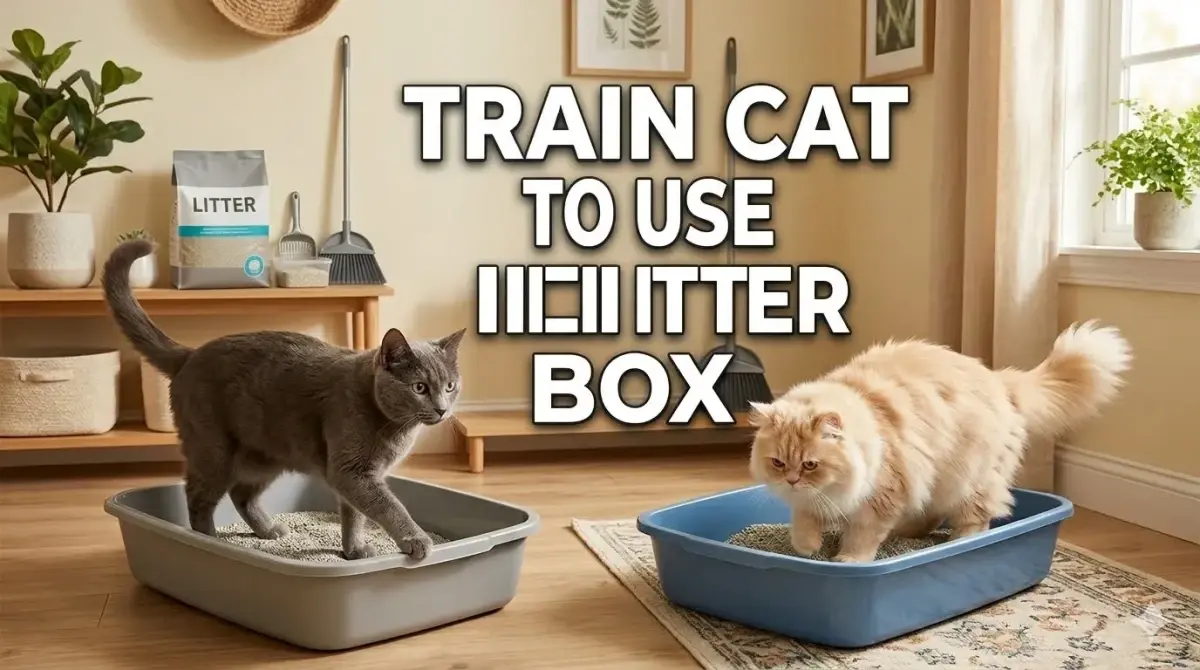
Learning how to train a cat to use litter consistently is one of the most essential skills for cat owners, whether you're welcoming a new kitten or dealing with an adult cat's litter box issues. While cats have a natural instinct to bury their waste, various factors can interfere with consistent litter box use, including medical issues, stress, improper setup, or previous negative experiences. This comprehensive guide provides proven strategies, expert tips, and troubleshooting solutions to help you establish reliable litter box habits for your feline companion. From choosing the right litter and box setup to addressing common behavioral issues, you'll discover everything needed to create a positive litter box experience that keeps your cat consistent and your home clean.
Understanding Why Cats Need Litter Training
While cats possess an innate instinct to eliminate in substrate and cover their waste, consistent litter box use isn't always automatic. Understanding the factors that influence litter box habits helps you create an environment that encourages consistent use.
Natural Instincts vs. Learned Behavior
Cats are naturally clean animals with strong instincts to:
- Bury waste: In the wild, covering waste hides their scent from predators and prey
- Seek appropriate substrate: Cats prefer loose, diggable materials like sand or soil
- Maintain cleanliness: Cats avoid eliminating in soiled areas
- 🐾 Stop Cats from Scratching Furniture: Pro Tips
- 🐾 How to Train a Parrot to Talk: Complete 2026 Guide
- 🐾 How to Stop Rabbits from Chewing Furniture: Expert Training & Prevention Guide
- 🐾 Train Puppy to Come When Called: Easy Steps
However, these instincts can be overridden by negative experiences, medical issues, or environmental factors, making training and proper setup essential.
Common Reasons for Inconsistent Litter Box Use
Before addressing training, rule out these common issues:
- Medical problems: Urinary tract infections, kidney disease, diabetes, arthritis, or digestive issues can cause accidents
- Litter box aversion: Negative associations from pain, fear, or unpleasant experiences
- Inappropriate setup: Wrong box size, location, litter type, or cleanliness level
- Stress and anxiety: Changes in routine, new pets, moving, or household conflicts
- Marking behavior: Unneutered/unspayed cats may spray to mark territory
- 🐾 Stop Cats from Scratching Furniture: Pro Tips
- 🐾 How to Train a Parrot to Talk: Complete 2026 Guide
- 🐾 How to Stop Rabbits from Chewing Furniture: Expert Training & Prevention Guide
- 🐾 Train Puppy to Come When Called: Easy Steps
Essential Litter Box Setup for Success
Proper setup is the foundation of consistent litter box use. Getting these elements right prevents many common problems.
Choosing the Right Litter Box
Size matters: The box should be at least 1.5 times your cat's length from nose to tail base. Many commercial boxes are too small.
Type considerations:
- Open boxes: Most cats prefer open boxes—they feel less trapped and can see their surroundings
- Covered boxes: Some cats like the privacy, but others feel trapped or dislike odor buildup
- High-sided boxes: Good for cats who kick litter or have aim issues
- Low-entry boxes: Essential for kittens, senior cats, or cats with mobility issues
- 🐾 Stop Cats from Scratching Furniture: Pro Tips
- 🐾 How to Train a Parrot to Talk: Complete 2026 Guide
- 🐾 How to Stop Rabbits from Chewing Furniture: Expert Training & Prevention Guide
- 🐾 Train Puppy to Come When Called: Easy Steps
Litter Selection
Texture preferences: Most cats prefer fine-grained, clumping litter that feels like sand. Avoid rough or large-grain litters that hurt sensitive paws.
Scent considerations: Most cats prefer unscented litter. Strong fragrances can deter use and irritate sensitive noses.
Depth: Provide 2-3 inches of litter—enough for digging and covering but not so much that it's wasteful.
Popular choices:
- Clumping clay litter (most cats prefer this)
- Silica gel crystals (good odor control)
- Natural litters (corn, wheat, pine—eco-friendly options)
- 🐾 Stop Cats from Scratching Furniture: Pro Tips
- 🐾 How to Train a Parrot to Talk: Complete 2026 Guide
- 🐾 How to Stop Rabbits from Chewing Furniture: Expert Training & Prevention Guide
- 🐾 Train Puppy to Come When Called: Easy Steps
Optimal Placement
Location guidelines:
- Quiet areas: Place boxes in low-traffic, quiet locations away from loud appliances
- Easy access: Ensure your cat can easily reach the box at all times
- Away from food: Cats naturally avoid eliminating near their food and water
- Multiple floors: In multi-story homes, place at least one box on each level
- Escape routes: Ensure cats have clear escape routes so they don't feel trapped
- 🐾 Stop Cats from Scratching Furniture: Pro Tips
- 🐾 How to Train a Parrot to Talk: Complete 2026 Guide
- 🐾 How to Stop Rabbits from Chewing Furniture: Expert Training & Prevention Guide
- 🐾 Train Puppy to Come When Called: Easy Steps
Avoid: Placing boxes next to washing machines, furnaces, or in closets that might close.
How Many Litter Boxes?
Follow the golden rule: one box per cat plus one extra.
- 1 cat = 2 boxes
- 2 cats = 3 boxes
- 3 cats = 4 boxes
- 🐾 Stop Cats from Scratching Furniture: Pro Tips
- 🐾 How to Train a Parrot to Talk: Complete 2026 Guide
- 🐾 How to Stop Rabbits from Chewing Furniture: Expert Training & Prevention Guide
- 🐾 Train Puppy to Come When Called: Easy Steps
This prevents competition, provides options if one box is dirty, and reduces stress in multi-cat households.
Step-by-Step Litter Training Process

Whether you're training a kitten or retraining an adult cat, this systematic approach builds consistent habits.
Step 1: Introduce the Litter Box
For kittens (8-12 weeks):
- Place kitten in the box immediately after bringing them home
- Gently place their paws in the litter and make a scratching motion
- Allow them to explore and sniff without pressure
- Most kittens will instinctively understand what to do
- 🐾 Stop Cats from Scratching Furniture: Pro Tips
- 🐾 How to Train a Parrot to Talk: Complete 2026 Guide
- 🐾 How to Stop Rabbits from Chewing Furniture: Expert Training & Prevention Guide
- 🐾 Train Puppy to Come When Called: Easy Steps
For adult cats or rescues:
- Show them the box location immediately
- If they have previous training, they'll likely use it immediately
- If not, follow the same introduction process as kittens
- 🐾 Stop Cats from Scratching Furniture: Pro Tips
- 🐾 How to Train a Parrot to Talk: Complete 2026 Guide
- 🐾 How to Stop Rabbits from Chewing Furniture: Expert Training & Prevention Guide
- 🐾 Train Puppy to Come When Called: Easy Steps
Step 2: Establish a Routine
Place your cat in the litter box at key times:
- After waking up: Cats often need to eliminate after naps
- After meals: 10-20 minutes after eating stimulates digestion
- After play sessions: Physical activity can trigger the need to go
- Every 2-3 hours: During initial training, frequent reminders help
- 🐾 Stop Cats from Scratching Furniture: Pro Tips
- 🐾 How to Train a Parrot to Talk: Complete 2026 Guide
- 🐾 How to Stop Rabbits from Chewing Furniture: Expert Training & Prevention Guide
- 🐾 Train Puppy to Come When Called: Easy Steps
Consistency is crucial. By placing your cat in the box at predictable times, you help them develop the habit of using it regularly.
Step 3: Use Positive Reinforcement
Reward successful litter box use immediately:
- Verbal praise: Use a happy, encouraging tone: "Good kitty!"
- Treats: Offer a small, high-value treat immediately after they finish
- Petting: Gentle petting if your cat enjoys it
- Timing: Reward immediately after they finish, not after they've left the box
- 🐾 Stop Cats from Scratching Furniture: Pro Tips
- 🐾 How to Train a Parrot to Talk: Complete 2026 Guide
- 🐾 How to Stop Rabbits from Chewing Furniture: Expert Training & Prevention Guide
- 🐾 Train Puppy to Come When Called: Easy Steps
Never punish accidents. Cats don't understand punishment after the fact, and it creates fear and anxiety that worsens litter box problems.
Step 4: Confine During Training
For cats having accidents or new kittens, confinement helps establish habits:
- Use a small room or large exercise pen
- Include litter box, food, water, bed, and a few toys
- Limited space makes the litter box more accessible and obvious
- Gradually expand access as they demonstrate consistent use
- Typically takes 1-2 weeks for habits to form
- 🐾 Stop Cats from Scratching Furniture: Pro Tips
- 🐾 How to Train a Parrot to Talk: Complete 2026 Guide
- 🐾 How to Stop Rabbits from Chewing Furniture: Expert Training & Prevention Guide
- 🐾 Train Puppy to Come When Called: Easy Steps
Step 5: Maintain Impeccable Cleanliness
Cats are fastidious and may avoid dirty boxes:
- Scoop daily: Remove waste at least once daily, preferably twice
- Weekly cleaning: Completely change litter and wash the box weekly
- Use mild soap: Wash with unscented soap and warm water
- Avoid harsh chemicals: Strong cleaners can deter use
- 🐾 Stop Cats from Scratching Furniture: Pro Tips
- 🐾 How to Train a Parrot to Talk: Complete 2026 Guide
- 🐾 How to Stop Rabbits from Chewing Furniture: Expert Training & Prevention Guide
- 🐾 Train Puppy to Come When Called: Easy Steps
Common Litter Box Problems and Solutions

Even with proper setup and training, cats may develop litter box issues. Here's how to address the most common problems.
Cat Won't Use the Litter Box
Possible causes:
- Medical issues (UTI, kidney disease, arthritis, diabetes)
- Litter box is too dirty
- Wrong litter type or texture
- Box is too small or difficult to access
- Location is stressful or inconvenient
- Negative association from past experience
- Stress or anxiety from environmental changes
- 🐾 Stop Cats from Scratching Furniture: Pro Tips
- 🐾 How to Train a Parrot to Talk: Complete 2026 Guide
- 🐾 How to Stop Rabbits from Chewing Furniture: Expert Training & Prevention Guide
- 🐾 Train Puppy to Come When Called: Easy Steps
Solutions:
- Rule out medical issues first: Visit your veterinarian for a thorough exam
- Increase cleaning frequency: Scoop twice daily, change litter more often
- Try different litter: Experiment with unscented clumping litter
- Add more boxes: Follow the one-per-cat-plus-one rule
- Change location: Move to quieter, more accessible area
- Use attractants: Try litter box attractant sprays or additives
- 🐾 Stop Cats from Scratching Furniture: Pro Tips
- 🐾 How to Train a Parrot to Talk: Complete 2026 Guide
- 🐾 How to Stop Rabbits from Chewing Furniture: Expert Training & Prevention Guide
- 🐾 Train Puppy to Come When Called: Easy Steps
Cat Pees Outside the Box
Distinguish between:
- Inappropriate elimination: Cat urinates on floor, carpet, or furniture (usually medical or litter box issue)
- Marking/spraying: Cat backs up to vertical surface and sprays urine (usually behavioral/territorial)
- 🐾 Stop Cats from Scratching Furniture: Pro Tips
- 🐾 How to Train a Parrot to Talk: Complete 2026 Guide
- 🐾 How to Stop Rabbits from Chewing Furniture: Expert Training & Prevention Guide
- 🐾 Train Puppy to Come When Called: Easy Steps
Solutions for inappropriate elimination:
- Rule out medical issues immediately
- Clean accidents thoroughly with enzymatic cleaner
- Increase number of litter boxes
- Ensure boxes are easily accessible
- Reduce stress in the environment
- 🐾 Stop Cats from Scratching Furniture: Pro Tips
- 🐾 How to Train a Parrot to Talk: Complete 2026 Guide
- 🐾 How to Stop Rabbits from Chewing Furniture: Expert Training & Prevention Guide
- 🐾 Train Puppy to Come When Called: Easy Steps
Solutions for marking:
- Spay/neuter if not already done
- Clean marked areas thoroughly with enzymatic cleaner
- Use Feliway or similar pheromone diffusers
- Reduce stress and environmental triggers
- In some cases, medication may be necessary
- 🐾 Stop Cats from Scratching Furniture: Pro Tips
- 🐾 How to Train a Parrot to Talk: Complete 2026 Guide
- 🐾 How to Stop Rabbits from Chewing Furniture: Expert Training & Prevention Guide
- 🐾 Train Puppy to Come When Called: Easy Steps
Cat Goes Next to the Box
This usually indicates the cat recognizes the box as the bathroom but has an issue with it:
Common causes:
- Box is too dirty
- Box is too small
- Cat has aim issues or mobility problems
- Litter is uncomfortable
- 🐾 Stop Cats from Scratching Furniture: Pro Tips
- 🐾 How to Train a Parrot to Talk: Complete 2026 Guide
- 🐾 How to Stop Rabbits from Chewing Furniture: Expert Training & Prevention Guide
- 🐾 Train Puppy to Come When Called: Easy Steps
Solutions:
- Clean more frequently
- Get a larger box or one with higher sides
- Try different litter texture
- Place a mat under the box to catch misses
- For senior cats, provide a box with lower entry
- 🐾 Stop Cats from Scratching Furniture: Pro Tips
- 🐾 How to Train a Parrot to Talk: Complete 2026 Guide
- 🐾 How to Stop Rabbits from Chewing Furniture: Expert Training & Prevention Guide
- 🐾 Train Puppy to Come When Called: Easy Steps
Cat Suddenly Stops Using the Box
Sudden changes usually indicate:
- Medical emergency: UTI, blockage, or other urgent issue
- Recent change: New litter, new box, new location, new pet
- Stress: Moving, new family member, construction noise
- 🐾 Stop Cats from Scratching Furniture: Pro Tips
- 🐾 How to Train a Parrot to Talk: Complete 2026 Guide
- 🐾 How to Stop Rabbits from Chewing Furniture: Expert Training & Prevention Guide
- 🐾 Train Puppy to Come When Called: Easy Steps
Immediate actions:
- Visit veterinarian immediately to rule out medical issues
- Identify recent changes in the household
- Revert to previous setup if something recently changed
- Reduce stressors where possible
Special Situations and Considerations

Different cats and situations require modified approaches to litter training.
Kitten Litter Training
Age considerations:
- 4-8 weeks: Can begin basic litter training with shallow box
- 8-12 weeks: Prime training period—most kittens learn quickly
- 12+ weeks: Should have established habits; address any issues immediately
- 🐾 Stop Cats from Scratching Furniture: Pro Tips
- 🐾 How to Train a Parrot to Talk: Complete 2026 Guide
- 🐾 How to Stop Rabbits from Chewing Furniture: Expert Training & Prevention Guide
- 🐾 Train Puppy to Come When Called: Easy Steps
Kitten-specific tips:
- Use a low-sided box for easy access
- Place kitten in box after every nap and meal
- Use non-clumping litter initially (safer if ingested)
- Praise and reward every success
- Be patient—accidents are normal during learning
- 🐾 Stop Cats from Scratching Furniture: Pro Tips
- 🐾 How to Train a Parrot to Talk: Complete 2026 Guide
- 🐾 How to Stop Rabbits from Chewing Furniture: Expert Training & Prevention Guide
- 🐾 Train Puppy to Come When Called: Easy Steps
Older Cat or Rescue Cat Training
Adult cats with unknown histories may need retraining:
Assessment:
- Determine if cat was previously litter trained
- Rule out medical issues common in older cats
- Identify any trauma or negative associations
- 🐾 Stop Cats from Scratching Furniture: Pro Tips
- 🐾 How to Train a Parrot to Talk: Complete 2026 Guide
- 🐾 How to Stop Rabbits from Chewing Furniture: Expert Training & Prevention Guide
- 🐾 Train Puppy to Come When Called: Easy Steps
Approach:
- Start with confinement to small area
- Use familiar litter type if known
- Be patient—older cats can learn but may take longer
- Address any arthritis or mobility issues
- Provide low-entry boxes for easier access
- 🐾 Stop Cats from Scratching Furniture: Pro Tips
- 🐾 How to Train a Parrot to Talk: Complete 2026 Guide
- 🐾 How to Stop Rabbits from Chewing Furniture: Expert Training & Prevention Guide
- 🐾 Train Puppy to Come When Called: Easy Steps
Multi-Cat Household Challenges
Multiple cats create unique litter box dynamics:
Common issues:
- Dominant cats blocking access
- Cats avoiding boxes used by other cats
- Stress from competition
- One cat's accidents affecting others
- 🐾 Stop Cats from Scratching Furniture: Pro Tips
- 🐾 How to Train a Parrot to Talk: Complete 2026 Guide
- 🐾 How to Stop Rabbits from Chewing Furniture: Expert Training & Prevention Guide
- 🐾 Train Puppy to Come When Called: Easy Steps
Solutions:
- Provide adequate number of boxes (one per cat plus one)
- Place boxes in different locations, not all together
- Use same litter type in all boxes
- Ensure each cat has escape routes
- Clean all boxes frequently—multiple cats create more waste
- Monitor for bullying or territorial behavior
- 🐾 Stop Cats from Scratching Furniture: Pro Tips
- 🐾 How to Train a Parrot to Talk: Complete 2026 Guide
- 🐾 How to Stop Rabbits from Chewing Furniture: Expert Training & Prevention Guide
- 🐾 Train Puppy to Come When Called: Easy Steps
Cats with Medical Issues
Cats with chronic conditions need special accommodations:
Arthritis:
- Provide low-entry boxes
- Place boxes on every floor
- Consider larger boxes for easier turning
- Use softer litter that's easier on joints
- 🐾 Stop Cats from Scratching Furniture: Pro Tips
- 🐾 How to Train a Parrot to Talk: Complete 2026 Guide
- 🐾 How to Stop Rabbits from Chewing Furniture: Expert Training & Prevention Guide
- 🐾 Train Puppy to Come When Called: Easy Steps
Diabetes or kidney disease:
- Increased urination requires more frequent scooping
- Provide additional boxes
- Monitor for changes in elimination patterns
- 🐾 Stop Cats from Scratching Furniture: Pro Tips
- 🐾 How to Train a Parrot to Talk: Complete 2026 Guide
- 🐾 How to Stop Rabbits from Chewing Furniture: Expert Training & Prevention Guide
- 🐾 Train Puppy to Come When Called: Easy Steps
Digestive issues:
- May need more frequent box access
- Ensure boxes are easily accessible at all times
- Clean immediately after accidents
- 🐾 Stop Cats from Scratching Furniture: Pro Tips
- 🐾 How to Train a Parrot to Talk: Complete 2026 Guide
- 🐾 How to Stop Rabbits from Chewing Furniture: Expert Training & Prevention Guide
- 🐾 Train Puppy to Come When Called: Easy Steps
Advanced Training Techniques

For persistent problems or particularly challenging situations, these advanced techniques can help.
Retraining After Accidents
If your cat has developed a habit of eliminating in a specific spot:
- Clean thoroughly: Use enzymatic cleaner to completely remove odor
- Make the area unattractive: Place aluminum foil, double-sided tape, or citrus scents
- Place a litter box there: If cat prefers that location, put a box there temporarily
- Gradually move the box: Once using consistently, move box a few inches daily toward desired location
- Feed in that area: Cats avoid eliminating where they eat
Transitioning to a New Litter
If you need to change litter types:
- Transition gradually over 7-10 days
- Days 1-3: 75% old litter, 25% new litter
- Days 4-6: 50% old, 50% new
- Days 7-9: 25% old, 75% new
- Day 10+: 100% new litter
- If cat rejects new litter, slow the transition or try a different type
- 🐾 Stop Cats from Scratching Furniture: Pro Tips
- 🐾 How to Train a Parrot to Talk: Complete 2026 Guide
- 🐾 How to Stop Rabbits from Chewing Furniture: Expert Training & Prevention Guide
- 🐾 Train Puppy to Come When Called: Easy Steps
Dealing with Stress-Related Issues
Stress is a major cause of litter box problems:
Identify stressors:
- New pets or people
- Moving or remodeling
- Changes in routine
- Conflict with other cats
- Loud noises or construction
- 🐾 Stop Cats from Scratching Furniture: Pro Tips
- 🐾 How to Train a Parrot to Talk: Complete 2026 Guide
- 🐾 How to Stop Rabbits from Chewing Furniture: Expert Training & Prevention Guide
- 🐾 Train Puppy to Come When Called: Easy Steps
Reduce stress:
- Use Feliway or similar pheromone diffusers
- Maintain consistent routines
- Provide safe hiding spaces
- Ensure adequate resources (food, water, boxes, resting spots)
- Provide vertical territory (cat trees, shelves)
- In severe cases, consult veterinarian about anti-anxiety medication
- 🐾 Stop Cats from Scratching Furniture: Pro Tips
- 🐾 How to Train a Parrot to Talk: Complete 2026 Guide
- 🐾 How to Stop Rabbits from Chewing Furniture: Expert Training & Prevention Guide
- 🐾 Train Puppy to Come When Called: Easy Steps
People Also Ask: Quick Answers

How long does it take to litter train a cat?
Most kittens learn to use the litter box within 2-4 weeks of consistent training. Adult cats with previous training typically adapt within a few days. Cats being retrained or those with behavioral issues may take 4-8 weeks. Patience and consistency are key—every cat learns at their own pace.
What age can you start litter training a kitten?
You can begin litter training as early as 4 weeks old when kittens develop enough coordination. The prime training period is 8-12 weeks. Most kittens from breeders or shelters arrive already litter trained by 8-12 weeks old.
Why is my cat suddenly not using the litter box?
Sudden changes in litter box use usually indicate: medical issues (UTI, kidney disease, diabetes), stress from environmental changes, dirty litter box, recent changes to litter or box location, or pain from arthritis. Always rule out medical issues first with a veterinary visit.
Should I put my cat in the litter box after eating?
Yes, placing your cat in the litter box 10-20 minutes after eating is an excellent training strategy. Food stimulates the digestive system and creates the urge to eliminate. This timing helps cats connect the litter box with the elimination urge and reinforces good habits.
Can I use clumping litter for kittens?
Clumping litter is not recommended for kittens under 4 months old because they may ingest it while exploring, and clumping litter can cause dangerous intestinal blockages when swallowed. Use non-clumping clay, paper-based, or wood pellet litter for young kittens. Once your kitten is 4+ months and no longer eating litter, you can transition to clumping litter.
Budget Considerations and Value

Quality litter box setup doesn't have to be expensive, but certain investments pay off.
Essential vs. Optional
Essential investments:
- Appropriately sized litter boxes ($10-$30 each)
- Quality litter ($15-$30 monthly)
- Litter scooper ($5-$15)
- Enzymatic cleaner for accidents ($10-$20)
- 🐾 Stop Cats from Scratching Furniture: Pro Tips
- 🐾 How to Train a Parrot to Talk: Complete 2026 Guide
- 🐾 How to Stop Rabbits from Chewing Furniture: Expert Training & Prevention Guide
- 🐾 Train Puppy to Come When Called: Easy Steps
Helpful additions:
- Litter mats ($15-$30)
- Litter box attractant ($10-$15)
- Pheromone diffusers ($20-$40)
- 🐾 Stop Cats from Scratching Furniture: Pro Tips
- 🐾 How to Train a Parrot to Talk: Complete 2026 Guide
- 🐾 How to Stop Rabbits from Chewing Furniture: Expert Training & Prevention Guide
- 🐾 Train Puppy to Come When Called: Easy Steps
Cost-Saving Tips
- Buy litter in bulk for better per-unit pricing
- Subscribe to auto-ship programs for discounts (often 5-15%)
- Use store brands for basic supplies
- Invest in durable boxes that last years
- Proper training prevents costly accidents and damage
- 🐾 Stop Cats from Scratching Furniture: Pro Tips
- 🐾 How to Train a Parrot to Talk: Complete 2026 Guide
- 🐾 How to Stop Rabbits from Chewing Furniture: Expert Training & Prevention Guide
- 🐾 Train Puppy to Come When Called: Easy Steps
Where to Buy Litter Supplies in USA
- Pet specialty stores: Petco, Petsmart, independent shops
- Online retailers: Chewy.com, Amazon, manufacturer websites
- Big box stores: Target, Walmart for budget options
- Veterinary clinics: Prescription litters and specialized products
- 🐾 Stop Cats from Scratching Furniture: Pro Tips
- 🐾 How to Train a Parrot to Talk: Complete 2026 Guide
- 🐾 How to Stop Rabbits from Chewing Furniture: Expert Training & Prevention Guide
- 🐾 Train Puppy to Come When Called: Easy Steps
Frequently Asked Questions

Can I train my cat to use a human toilet?
While toilet training kits exist, most veterinarians and behaviorists don't recommend toilet training for cats. It goes against their natural instincts to dig and cover waste, can cause stress, makes it difficult to monitor health through urine and stool, and becomes problematic as cats age or develop mobility issues. Traditional litter boxes are healthier and more natural for cats.
How do I clean litter box accidents?
Use an enzymatic cleaner specifically designed for pet accidents. These cleaners break down the proteins in urine and feces that attract cats back to the same spot. Avoid ammonia-based cleaners (ammonia smells like urine to cats) or regular household cleaners that don't eliminate odor completely. Blot up fresh accidents, apply enzymatic cleaner according to directions, and allow to dry completely.
Should I wake my cat up to use the litter box at night?
No, cats are crepuscular (most active at dawn and dusk) and will naturally use their litter box as needed. Ensure the litter box is always accessible, and your cat will use it when needed. If accidents occur overnight, check that the box is clean, accessible, and in a location your cat prefers.
What if my cat is afraid of the litter box?
Fear may stem from negative experiences, loud box location, or intimidating box design. Try: moving to a quieter location, using a smaller or lower-sided box, trying different litter types, keeping the box extremely clean, using positive reinforcement without forcing, and giving your cat time to adjust. Never force a frightened cat into the box as this increases fear.
Can stress cause litter box problems?
Yes, stress is one of the most common causes of litter box problems. Stress can cause cats to avoid the litter box, urinate outside the box, or spray to mark territory. Common stressors include new pets, moving, changes in routine, loud noises, or conflict with other cats. Use pheromone diffusers, maintain routines, and provide safe spaces to reduce stress.
Conclusion: Patience and Consistency Build Lifelong Habits

Learning how to train a cat to use litter consistently is one of the most important skills you'll teach your feline companion. With patience, consistency, and positive reinforcement, most cats develop reliable litter box habits that last a lifetime.
Remember that successful litter box training rests on three pillars: the right setup (appropriate box, suitable litter, good location), consistent routine (positive reinforcement, cleanliness, observation), and patience (understanding that accidents happen and learning takes time).
By following the guidelines in this article, addressing problems promptly, and maintaining open communication with your veterinarian about any concerns, you'll establish a strong foundation for your cat's litter box habits. The effort you invest in proper training now pays dividends for years to come in the form of a well-adjusted, healthy cat and a clean, harmonious home.
Start today with the right supplies, a consistent routine, and plenty of positive reinforcement. Your cat will thank you with reliable litter box use and the confidence that comes from knowing exactly where to go when nature calls.
🐱 আরও পড়ুন: Cat Training and Behavior

0 Comments