.png)
Stop Cats from Scratching Furniture: Pro Tips
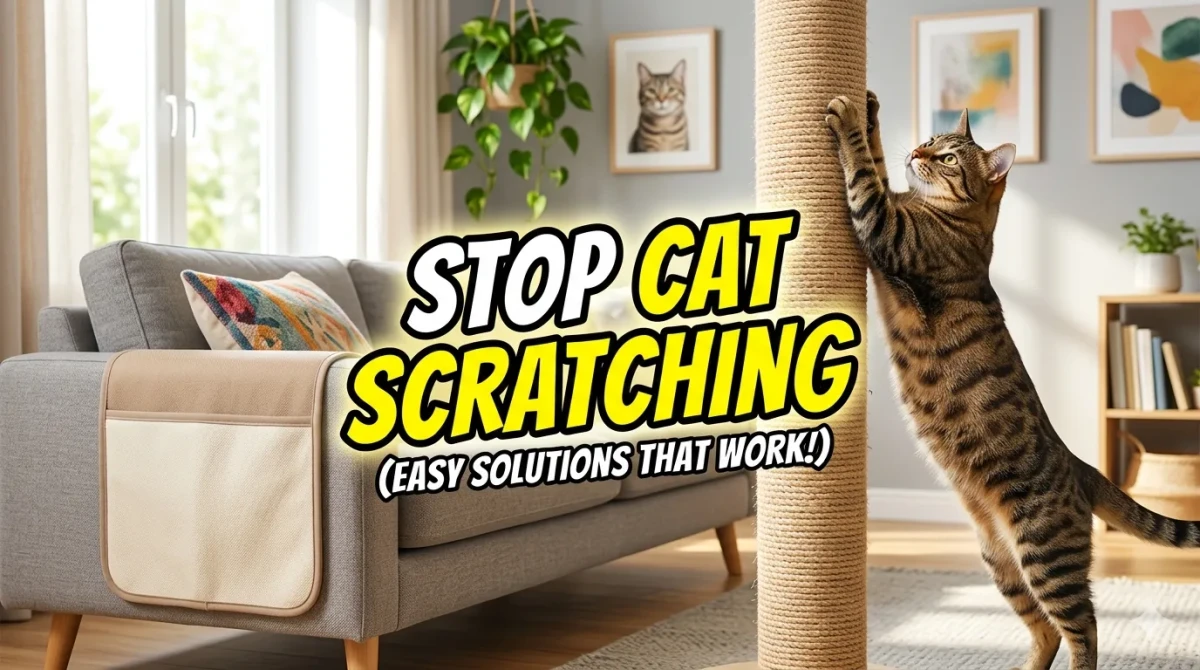
Why Cats Scratch Furniture and How to Redirect the Behavior
Cats scratch furniture not out of spite, but because scratching is a deeply ingrained natural behavior. Understanding why your cat scratches is the first step to protecting your couch, chairs, and curtains while keeping your feline friend happy and healthy.
Featured Snippet Answer: To stop cats from scratching furniture, provide appealing scratching posts near targeted furniture, use deterrents like double-sided tape on furniture surfaces, trim your cat's nails regularly, and reward your cat with treats and praise when they use appropriate scratching surfaces.
Scratching serves multiple essential purposes for cats: it helps remove the dead outer layer of their claws, stretches their back and leg muscles, marks territory through both visual marks and scent glands in their paws, and relieves stress or excitement. When your cat scratches your sofa, they're not being destructive—they're fulfilling instinctive needs. The solution isn't to stop the scratching, but to redirect it to appropriate surfaces.
This comprehensive guide provides proven, humane strategies to protect your furniture while honoring your cat's natural behaviors. You'll learn how to choose the right scratching posts, use effective deterrents, implement positive reinforcement training, and address underlying causes like stress or boredom that may drive excessive scratching.
Understanding Why Cats Scratch: It's Not Personal
Before implementing solutions, it's crucial to understand the biological and behavioral reasons behind scratching. Cats have scent glands between their paw pads, so when they scratch, they leave both a visual mark and a scent signal that communicates territory to other cats. This is especially important in multi-cat households or homes with outdoor cats visible through windows.
Scratching also serves as a full-body stretch that exercises muscles in the back, shoulders, and legs. After napping, many cats scratch to wake up their bodies—similar to how humans stretch after sitting still. Additionally, scratching helps maintain claw health by shedding the outer sheath to reveal sharp, new claws underneath.
Key Insight: Punishing a cat for scratching furniture is ineffective and damaging to your relationship. Cats don't connect punishment with the behavior after the fact. Instead, focus on making appropriate surfaces more appealing and furniture less appealing.
Why do cats scratch furniture instead of scratching posts?
Cats often choose furniture over scratching posts because the furniture is more stable, has a texture they prefer (like fabric or wood), or is located in a socially significant area of the home. If a scratching post wobbles, is too short, or is placed in an unused corner, your cat will naturally prefer the sturdy, well-located couch. The solution is to match the post to your cat's preferences and location choices.
Is scratching a sign of stress or anxiety in cats?
Yes, excessive or new scratching behavior can indicate stress, anxiety, or environmental changes. Moving homes, adding a new pet, changes in routine, or lack of enrichment can trigger increased scratching. If your cat suddenly starts targeting new furniture items, assess recent changes in their environment and consider adding more vertical space, hiding spots, and interactive play sessions to reduce stress.
Step 1: Provide the Right Scratching Surfaces

The most effective way to stop furniture scratching is to offer alternatives that are more appealing than your couch. Not all scratching posts are created equal—cats have individual preferences for material, orientation, height, and stability.
Material Preferences: Most cats prefer sisal rope or fabric because it provides satisfying resistance and shreds visibly, giving clear feedback. Cardboard scratchers are also popular, especially for horizontal scratchers. Avoid carpet-covered posts if your cat scratches upholstered furniture—they may not distinguish between the carpet post and your couch.
Orientation Matters: Observe whether your cat prefers vertical scratching (like couch arms) or horizontal scratching (like rugs or carpeted stairs). Provide both types: tall vertical posts (at least 30 inches high so your cat can fully stretch) and horizontal cardboard pads. Some cats also enjoy angled or wall-mounted scratchers.
Stability Is Critical: If a scratching post wobbles or tips when your cat uses it, they'll abandon it immediately. Choose heavy, wide-based posts or secure wall-mounted options. Test stability before placing it in your home.
Location, Location, Location: Place scratching posts directly next to the furniture your cat currently targets. Cats scratch in socially significant areas—near sleeping spots, entryways, or where family gathers. Once your cat reliably uses the post, you can gradually move it a few inches per day to a more convenient location if needed.
What type of scratching post do most cats prefer?
Most cats prefer tall (30+ inch), sturdy vertical posts covered in sisal rope, placed in prominent social areas of the home. However, individual preferences vary—some cats prefer horizontal cardboard scratchers or angled surfaces. Observe your cat's natural scratching style and match the post to their preference for best results.
Step 2: Make Furniture Less Appealing with Safe Deterrents

While providing appealing alternatives, simultaneously make furniture surfaces less attractive for scratching. Use humane, cat-safe deterrents that discourage scratching without causing fear or discomfort.
Double-Sided Tape: Products like Sticky Paws create an unpleasant sticky sensation on paws that cats dislike. Apply strips to furniture corners or arms where scratching occurs. Most cats avoid the texture after a few encounters. Remove tape once your cat consistently uses appropriate surfaces.
Citrus or Menthol Sprays: Cats generally dislike citrus, menthol, or eucalyptus scents. Use pet-safe deterrent sprays on furniture (test on a small area first). Reapply regularly as scents fade. Never use essential oils directly on cats or in undiluted form—they can be toxic.
Furniture Covers and Shields: Temporarily cover targeted areas with vinyl, plastic, or tight-fitting furniture shields. Smooth surfaces are less satisfying to scratch. Clear vinyl couch protectors allow you to maintain your decor while training.
Aluminum Foil or Plastic Carpet Runners: For short-term protection, place aluminum foil or plastic carpet runners (nub-side up) on furniture. The unusual texture and sound deter many cats. Use these while simultaneously training with scratching posts.
Important: Never use punishment, spray bottles, or loud noises to deter scratching. These create fear and anxiety, damage your bond, and often lead to secretive scratching or other behavioral issues.
Step 3: Trim Your Cat's Nails Regularly

Regular nail trimming reduces the damage caused by scratching and can decrease the urge to scratch intensely. Trim the sharp tips every 1-2 weeks using cat-specific nail clippers. Focus only on the clear hook at the end—avoid the pink quick, which contains nerves and blood vessels.
If your cat resists nail trimming, start slowly: handle their paws during calm moments, offer treats, and gradually introduce the clippers. Many cats tolerate trimming better when done after play sessions or meals when they're relaxed. If needed, ask your veterinarian or groomer for assistance.
Pro Tip: Pair nail trimming with positive experiences. Give a high-value treat immediately after each paw, or trim just one or two nails per session initially. Never force or rush the process.
How often should I trim my cat's nails to reduce furniture damage?
Trim your cat's nails every 1-2 weeks to keep the tips blunt and minimize furniture damage. Regular trimming also reduces the need for intense scratching to shed claw sheaths. Combine trimming with appropriate scratching surfaces and deterrents for best results.
Step 4: Use Nail Caps as a Temporary Solution

Soft nail caps (like Soft Paws) are vinyl covers glued over your cat's claws to prevent damage from scratching. They're safe, non-toxic, and fall off naturally as claws grow (typically lasting 4-6 weeks). Nail caps allow cats to perform the scratching motion without causing damage, making them useful during training transitions.
Apply caps at home or have your veterinarian or groomer apply them. Ensure proper fit—caps should cover the claw without restricting movement or causing discomfort. Monitor your cat after application to ensure they don't chew at the caps.
Note: Nail caps are a management tool, not a training solution. Continue providing scratching posts and positive reinforcement to build long-term habits. Never declaw your cat—this painful, invasive surgery removes the last bone of each toe and can lead to chronic pain, litter box avoidance, and behavioral problems.
Step 5: Redirect and Reward with Positive Reinforcement

Positive reinforcement is the most effective way to teach cats where to scratch. When your cat uses an appropriate scratching surface, immediately reward them with treats, praise, or play. This builds a strong association: "Scratching this post = good things happen!"
To redirect inappropriate scratching: calmly interrupt the behavior (clap softly or say "ah-ah"), then guide your cat to the nearest scratching post. Gently place their paws on the post in a scratching motion, then reward heavily when they engage. Never yell, grab, or punish—this creates fear and undermines training.
Enhance Appeal with Catnip or Silver Vine: Rub catnip, silver vine, or honeysuckle on new scratching posts to attract your cat. Most cats respond strongly to these natural attractants. Reapply periodically to maintain interest.
Interactive Play Before Scratching Sessions: Engage your cat in 5-10 minutes of interactive play with wand toys before guiding them to scratching posts. Play satisfies hunting instincts and often triggers natural scratching behavior afterward, making training more effective.
How do I get my cat to use a scratching post instead of the couch?
Place the scratching post directly next to the targeted furniture, choose a material and orientation your cat prefers, and make the post more appealing with catnip or treats. When your cat uses the post, reward immediately with praise and high-value treats. Simultaneously, make the furniture less appealing with double-sided tape or deterrent spray. Consistency and patience are key—most cats learn within 2-4 weeks.
Step 6: Address Environmental Enrichment and Stress Reduction

Excessive or destructive scratching can stem from boredom, stress, or lack of environmental enrichment. Cats need mental stimulation, physical exercise, and opportunities to express natural behaviors.
Provide Vertical Space: Cat trees, shelves, and window perches allow climbing and surveying territory, reducing stress-related scratching. Place scratching surfaces on or near vertical structures for combined enrichment.
Daily Interactive Play: Schedule two 10-15 minute play sessions daily using wand toys, laser pointers (always end with a tangible reward), or fetch games. Play reduces anxiety and redirects energy away from destructive behaviors.
Puzzle Feeders and Food Toys: Use puzzle feeders, treat balls, or hidden food games to engage your cat's problem-solving skills. Mental enrichment reduces boredom-driven scratching.
Safe Outdoor Access: If possible, provide supervised outdoor time in a secure catio or on a harness and leash. Novel sights, sounds, and smells provide enrichment that indoor-only cats may lack.
Multi-Cat Household Considerations: In homes with multiple cats, provide one scratching surface per cat plus one extra, placed in different locations. Resource competition can trigger stress scratching. Ensure each cat has access to food, water, litter boxes, and resting spots without confrontation.
Best Scratching Posts and Pads: What to Look For

Choosing the right products makes training easier. Look for these features when selecting scratching solutions:
- Height: Vertical posts should be at least 30 inches tall to allow full stretching
- Stability: Wide, heavy bases or secure wall-mounting to prevent wobbling
- Material: Sisal rope or fabric for durability and satisfying texture; cardboard for horizontal options
- Placement Flexibility: Lightweight enough to move during training, but stable during use
- Multi-Function Designs: Posts with perches, hideaways, or toy attachments provide added enrichment
- 🐾 How to Train a Parrot to Talk: Complete 2026 Guide
- 🐾 How to Train Cats to Come When Called: Expert Step-by-Step Guide
- 🐾 How to Stop Puppy Chewing Complete Training Guide
- 🐾 Train Hamster to Use Litter Area: Simple Steps
Top Recommendations by Category:
- Best Overall Vertical Post: Tall sisal-wrapped post with wide base and platform perch
- Best Horizontal Scratcher: Reversible cardboard lounger with catnip infusion
- Best for Small Spaces: Wall-mounted sisal panel or door-hanging scratcher
- Best for Kittens: Shorter, lightweight post with dangling toys to encourage play-scratching
- Best for Large Cats: Extra-sturdy, jumbo-sized post with reinforced base
- 🐾 How to Train a Parrot to Talk: Complete 2026 Guide
- 🐾 How to Train Cats to Come When Called: Expert Step-by-Step Guide
- 🐾 How to Stop Puppy Chewing Complete Training Guide
- 🐾 Train Hamster to Use Litter Area: Simple Steps
Rotate or refresh scratching surfaces periodically. Replace cardboard scratchers when heavily worn, and refresh sisal posts by lightly sanding to expose fresh texture. Novelty maintains interest.
Common Mistakes That Sabotage Scratch Training

Even well-intentioned pet owners make errors that prolong furniture scratching. Avoid these pitfalls:
Mistake 1: Placing scratching posts in unused areas. Cats scratch in socially significant locations. A post hidden in a basement won't compete with the living room couch. Place posts where your cat spends time and where scratching occurs.
Mistake 2: Choosing the wrong texture or orientation. If your cat scratches horizontal carpet, a vertical sisal post may not appeal. Observe preferences and match accordingly.
Mistake 3: Removing furniture deterrents too soon. Keep deterrents in place until your cat consistently uses appropriate surfaces for several weeks. Premature removal can trigger relapse.
Mistake 4: Inconsistent reinforcement. Reward every appropriate scratching instance during training. Sporadic rewards slow learning.
Mistake 5: Punishing after the fact. Cats don't connect delayed punishment with past behavior. Focus on preventing inappropriate scratching and rewarding good choices in the moment.
Troubleshooting: What If Nothing Seems to Work?

If you've implemented these strategies consistently for 3-4 weeks with no improvement, consider these advanced steps:
Reassess Preferences: Try different materials (sisal, cardboard, wood, carpet), orientations (vertical, horizontal, angled), and locations. Some cats prefer scratching natural wood or specific fabric textures.
Consult a Professional: A certified cat behavior consultant or veterinary behaviorist can identify underlying issues like anxiety, medical pain, or complex environmental triggers. They provide personalized behavior modification plans.
Rule Out Medical Causes: Sudden changes in scratching behavior can indicate pain (arthritis, dental issues), skin conditions, or neurological problems. Schedule a veterinary exam to rule out health concerns.
Consider Pheromone Support: Feliway diffusers or sprays release synthetic feline facial pheromones that promote calmness and reduce stress-related scratching in some cats.
Patience and Persistence: Behavior change takes time, especially with established habits. Celebrate small improvements and maintain consistency. Most cats respond to a combination of environmental management, appropriate outlets, and positive reinforcement.
Can I train an older cat to stop scratching furniture?
Yes, cats of any age can learn new behaviors. Older cats may have stronger habits, so training may take longer, but the same principles apply: provide appealing alternatives, use deterrents on furniture, trim nails regularly, and reward desired behavior. Be patient and consistent—senior cats often respond well to gentle, positive methods.
Will declawing stop my cat from scratching furniture?
Declawing (onychectomy) is an invasive amputation surgery that removes the last bone of each toe. It is banned or restricted in many regions due to animal welfare concerns. Declawed cats often develop chronic pain, litter box avoidance, biting behaviors, and increased anxiety. It does not eliminate the urge to scratch—cats may still perform the motion, causing frustration. Humane alternatives like nail caps, trimming, and behavior training are far safer and more effective.
Quick Recap: Key Takeaways for Success

- Provide tall, sturdy scratching posts in sisal or cardboard, placed near targeted furniture
- Use humane deterrents like double-sided tape or citrus sprays on furniture surfaces
- Trim your cat's nails every 1-2 weeks to minimize damage
- Reward appropriate scratching immediately with treats, praise, or play
- Enhance scratching post appeal with catnip, silver vine, or interactive play beforehand
- Address environmental enrichment: vertical space, daily play, puzzle feeders
- In multi-cat homes, provide multiple scratching surfaces in different locations
- Avoid punishment—it damages trust and worsens behavior
- Be patient and consistent; most cats learn within 2-4 weeks of dedicated training
- Consult a veterinarian or behaviorist if scratching persists despite interventions
- 🐾 How to Train a Parrot to Talk: Complete 2026 Guide
- 🐾 How to Train Cats to Come When Called: Expert Step-by-Step Guide
- 🐾 How to Stop Puppy Chewing Complete Training Guide
- 🐾 Train Hamster to Use Litter Area: Simple Steps
Final Thoughts: Work With Your Cat's Nature, Not Against It

Stopping cats from scratching furniture isn't about suppressing natural behavior—it's about channeling it appropriately. By understanding why cats scratch and providing appealing, accessible alternatives, you protect your home while honoring your cat's instincts.
Success comes from consistency, patience, and positive reinforcement. Make scratching posts more attractive than furniture, reward good choices generously, and address underlying needs like enrichment and stress reduction. With time and the right approach, your cat will happily use appropriate surfaces, and your furniture will stay intact.
Remember: every cat is an individual. Observe your cat's preferences, adapt strategies as needed, and celebrate progress. A harmonious home is possible when we meet our pets' needs with compassion and science-backed methods.
🐱 আরও পড়ুন: Cat Training and Behavior

0 Comments