.png)
Understanding Kitten Nutrition for Optimal Development
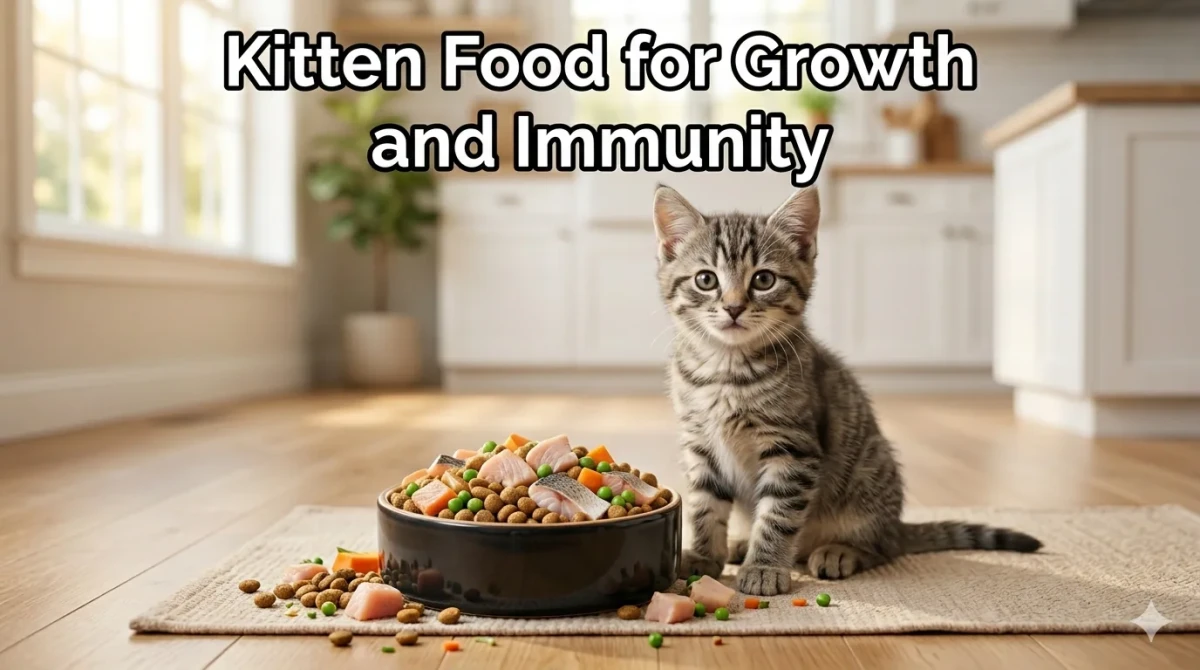
Choosing the right kitten food for growth and immunity is one of the most important decisions you will make as a new cat parent. Kittens have dramatically different nutritional needs compared to adult cats, requiring specialized nutrition during their critical first year of life. This period represents the most rapid growth phase your cat will ever experience, making proper nutrition essential for building strong bones, developing muscles, and establishing a robust immune system.
The foundation you establish through proper nutrition in these formative months will influence your cat's health, size, energy levels, disease resistance, and overall quality of life for years to come. Kittens need approximately two to three times more energy per pound than adult cats, along with higher levels of protein, essential fatty acids, vitamins, and minerals to support their extraordinary developmental demands.
This comprehensive guide will walk you through everything you need to know about selecting and feeding the best kitten food to ensure your feline companion grows into a healthy, vibrant adult cat with a strong immune system capable of fighting off infections and diseases throughout their life.
Why Kitten Food Differs from Adult Cat Food
Kitten food is specifically formulated to meet the intense nutritional demands of growing cats. During the first year of life, kittens undergo remarkable physical and developmental changes that require concentrated nutrition. Their food must contain higher protein levels ranging from 30 to 40 percent to build lean muscle mass and support organ development. Additionally, kitten food contains elevated levels of calcium and phosphorus in the correct ratio for proper bone mineralization and skeletal growth.
Adult cat food simply cannot provide the dense nutrition that kittens require. Feeding adult food to a kitten can result in stunted growth, weakened immune function, poor bone development, neurological issues, and long term health problems. The calorie density, protein content, and nutrient profiles are all calibrated differently for growing cats versus maintenance nutrition for adults.
Conversely, feeding kitten food to adult cats can lead to obesity and nutritional imbalances, as the higher calorie and nutrient levels exceed what mature cats need. Understanding these differences is crucial for providing age appropriate nutrition throughout your cat's life stages.
What Nutrients Do Kittens Need for Growth and Immunity?
Kittens require a precise balance of essential nutrients to support their rapid development and build a strong immune system. Protein should comprise 30 to 40 percent of their diet, with high quality animal based sources like chicken, turkey, fish, and lamb providing complete amino acid profiles. Taurine, an essential amino acid found only in animal proteins, is critical for heart health, vision, and immune function in cats.
Fats should make up 15 to 25 percent of kitten food, providing concentrated energy and supporting brain development. Look for foods containing omega 3 fatty acids, particularly DHA from fish oil, which is crucial for cognitive function, vision development, and reducing inflammation. Omega 6 fatty acids support skin health and a shiny coat.
Carbohydrates should be minimal in kitten food, as cats are obligate carnivores with limited ability to process plant based nutrients. When present, carbs should come from highly digestible sources like rice or sweet potatoes. Vitamins A, D, E, and B complex support immune function, while minerals like calcium, phosphorus, zinc, and selenium play vital roles in overall development and disease resistance.
Antioxidants including vitamins C and E, beta carotene, and selenium help strengthen the immune system by neutralizing free radicals and supporting white blood cell function. Prebiotics and probiotics promote healthy gut bacteria, which is essential since approximately 70 percent of the immune system resides in the digestive tract.
Types of Kitten Food Available

The pet food market offers several types of kitten food, each with distinct advantages and considerations. Understanding these options will help you choose the best format for your kitten's needs, your lifestyle, and your budget.
What Is the Difference Between Wet and Dry Kitten Food?
Wet kitten food, also known as canned food, contains 70 to 80 percent moisture, making it an excellent source of hydration for kittens. Cats have a naturally low thirst drive and often do not drink enough water, so the high moisture content in wet food helps prevent urinary tract issues and kidney problems later in life. Wet food is typically higher in protein and lower in carbohydrates than dry food, aligning better with a cat's natural carnivorous diet.
The soft texture of wet food makes it easier for young kittens to chew and digest, which is particularly beneficial during the weaning process. Wet food is also highly palatable and aromatic, making it ideal for picky eaters or kittens with decreased appetite. However, wet food is more expensive per calorie, has a shorter shelf life once opened, and does not provide dental benefits.
Dry kitten food, or kibble, is convenient, cost effective, and can be left out for free feeding without spoiling quickly. The crunchy texture helps clean teeth and may reduce tartar buildup, though it is not a substitute for proper dental care. High quality dry foods contain 30 to 40 percent protein and are nutritionally complete. Dry food is calorie dense, making it easier to meet a kitten's high energy needs with smaller portions.
Many veterinarians and feline nutritionists recommend a combination approach, feeding primarily wet food for hydration and protein with some dry food for convenience and dental health. A common strategy is feeding wet food at scheduled mealtimes and leaving out a small amount of dry food for grazing. This provides the benefits of both formats while ensuring adequate moisture intake.
Should You Choose Grain Free or Grain Inclusive Kitten Food?
The grain free versus grain inclusive debate has generated significant discussion in recent years. Grain free kitten foods eliminate wheat, corn, rice, and other grains, often replacing them with legumes, potatoes, or sweet potatoes. These formulas may benefit kittens with specific grain allergies or sensitivities, though true grain allergies are relatively rare in cats.
However, grains are not inherently harmful to kittens. When properly cooked, grains like rice and oats can provide digestible carbohydrates, fiber, and essential nutrients. The key is that grains should not dominate the ingredient list, as cats require animal based protein as their primary nutrition source. Most kittens tolerate grains well and benefit from the sustained energy they provide.
Unless your kitten has a diagnosed grain allergy, grain inclusive foods from quality brands are perfectly healthy and often more affordable. Focus on the overall protein content and quality of ingredients rather than the presence or absence of grains. Many veterinary nutritionists recommend choosing foods from established brands with veterinary nutritionists on staff and proven track records, regardless of grain content.
Breed Specific Kitten Nutrition

Different cat breeds have varying nutritional needs based on their size, growth rate, genetic predispositions, and activity levels. Selecting food formulated for your kitten's specific characteristics ensures optimal development and health.
Do Large Breed Kittens Need Special Food?
Large breed cats like Maine Coons, Norwegian Forest Cats, Ragdolls, and Siberians have unique nutritional requirements. These breeds grow more slowly than smaller cats, taking 3 to 5 years to reach full maturity compared to 12 to 18 months for average sized cats. Their extended growth period requires sustained nutrition with careful attention to calcium and phosphorus levels.
Large breed kitten food contains controlled mineral levels to support steady, appropriate bone development without excessive growth that can lead to skeletal problems. These formulas typically have higher calorie density and protein content to fuel their larger frames and longer growth periods. Look for foods with added glucosamine and chondroitin to support joint health, as large breeds are more prone to hip dysplasia and arthritis.
Maine Coon kittens, for example, benefit from kibble shapes and sizes designed for their larger jaws, along with elevated levels of EPA and DHA for heart health, as this breed is predisposed to hypertrophic cardiomyopathy. Feeding the correct portion sizes is crucial to prevent excessive weight gain that stresses developing joints and bones.
How Does Nutrition Differ for Small Breed Kittens?
Small breed kittens like Siamese, Singapura, Devon Rex, and Munchkins have faster metabolisms and higher energy needs per pound than larger breeds. They reach maturity more quickly, often within 9 to 12 months, requiring nutrient dense food in smaller kibble sizes that are easy to chew.
Small breed kitten food contains higher calorie density to meet their energy needs despite their tiny stomachs. The kibble is smaller and shaped for petite jaws, with enhanced palatability to encourage eating. These formulas often contain higher levels of protein and fat to support their rapid metabolism and active lifestyles.
Small breeds like Siamese are prone to dental issues, so foods with dental supporting ingredients and appropriate kibble texture are beneficial. These breeds also tend to be very active and vocal, requiring consistent energy throughout the day. Some owners find that small breed kittens benefit from more frequent, smaller meals to maintain energy levels and prevent hypoglycemia.
Top Ingredients to Look For in Kitten Food

Reading and understanding ingredient lists is essential for choosing high quality kitten food. The first five ingredients make up the majority of the food, so they should be nutritious, recognizable whole foods that provide optimal nutrition for growth and immunity.
Which Protein Sources Are Best for Kittens?
High quality animal protein should be the first ingredient in any kitten food. Look for specific named meat sources like chicken, turkey, lamb, beef, salmon, or duck rather than vague terms like meat meal or animal by products. Whole meats provide complete proteins with all essential amino acids that kittens cannot synthesize on their own.
Meal forms like chicken meal or turkey meal are concentrated protein sources with moisture removed, making them nutritionally dense. These are perfectly acceptable as primary or secondary protein sources and often indicate higher protein content overall. Fish meals like salmon meal provide omega 3 fatty acids in addition to protein, supporting brain development and immune function.
Avoid foods with meat by products, meat and bone meal, or unnamed protein sources. While some by products like liver can be nutritious, the lack of specificity makes quality control difficult. Kittens need consistent, high quality protein for optimal development, immune system maturation, and healthy growth.
Novel protein sources like venison, rabbit, or duck can be beneficial for kittens with food sensitivities or as rotation proteins to prevent developing allergies. These alternative proteins provide the same essential amino acids while offering variety in your kitten's diet.
What Healthy Fats Should Kitten Food Contain?
Quality fats are essential for kitten development, providing concentrated energy, supporting brain function, and promoting healthy skin and coat. Look for named fat sources like chicken fat, salmon oil, fish oil, or flaxseed oil rather than generic animal fat or vegetable oil. These specific sources indicate quality control and nutritional value.
Omega 3 fatty acids, particularly DHA and EPA from fish oil, are crucial for brain and vision development in kittens. These fats also support immune function, help reduce inflammation, and promote healthy skin and coat. DHA is especially important during the first few months of life when neurological development is most rapid.
Omega 6 fatty acids from sources like chicken fat support skin health, coat quality, and reproductive function. The balance between omega 3 and omega 6 fatty acids is important for overall health. Quality kitten foods maintain this balance, typically with an omega 6 to omega 3 ratio between 5 to 1 and 10 to 1.
Some premium foods add additional supplements like krill oil, algae oil, or borage oil for enhanced omega 3 content. Arachidonic acid, an omega 6 fatty acid found only in animal sources, is essential for cats and must be present in kitten food.
Ingredients to Avoid in Kitten Food

Just as important as knowing what to include is understanding what to avoid. Certain ingredients offer little nutritional value and may even be harmful to developing kittens with sensitive digestive systems and immature immune function.
Why Should You Avoid Artificial Additives?
Artificial colors, flavors, and preservatives have no nutritional benefit and may cause health issues in sensitive kittens. Artificial colors like Red 40, Yellow 5, and Blue 2 are purely cosmetic and can trigger allergic reactions, hyperactivity, or behavioral issues. Kittens do not care what color their food is, so these additives serve only marketing purposes.
Artificial preservatives like BHA, BHT, and ethoxyquin have been linked to potential health concerns including liver and kidney damage, and some studies suggest possible carcinogenic effects. Natural preservatives like mixed tocopherols (vitamin E), ascorbic acid (vitamin C), and rosemary extract are safer alternatives that effectively preserve food freshness without health risks.
Artificial flavors mask low quality ingredients and can create picky eating habits. Kittens fed heavily flavored foods may refuse nutritionally superior but less intensely flavored options. Choose foods that rely on quality ingredients for natural flavor and aroma, which also indicates fresher, higher quality nutrition.
What Fillers Should You Avoid?
Fillers are ingredients that provide minimal nutritional value but add bulk to the food. Common fillers include corn syrup, cellulose, powdered cellulose, and excessive amounts of corn, wheat, or soy. While some grains are acceptable in moderation, they should not dominate the ingredient list in cat food.
By products and meal by products can be fillers when they come from unspecified sources. Named by products like chicken liver can be nutritious, but generic meat by products may include low quality parts with minimal nutritional value. Cats are obligate carnivores requiring high quality animal protein, not plant based fillers.
Sugar and sweeteners have no place in kitten food. They contribute to obesity, dental problems, diabetes, and can create unhealthy food preferences. Avoid foods containing sucrose, corn syrup, molasses, caramel, or other sweetening agents. Some manufacturers add sugar to make food more palatable, but this is unnecessary and potentially harmful.
Excessive carbohydrates from fillers can lead to obesity, diabetes, and digestive issues in cats. Since cats have limited ability to process carbohydrates, foods with more than 20 to 30 percent carbs from fillers should be avoided for optimal kitten health.
Kitten Feeding Schedule and Portion Control

Establishing a proper feeding schedule and controlling portions are critical for healthy growth and preventing obesity. Kittens have small stomachs but high energy needs, requiring frequent meals throughout the day.
How Often Should You Feed a Kitten?
Kittens have tiny stomachs and extremely high energy needs, requiring more frequent meals than adult cats. From weaning to three months of age, kittens should eat four to five meals per day. This frequent feeding prevents hypoglycemia, provides consistent energy for growth, and accommodates their small stomach capacity.
Between three and six months, reduce feeding to three to four meals daily. As kittens approach six to twelve months, most can transition to two to three meals per day. Some kittens, particularly small breeds or very active individuals, may benefit from three meals throughout adulthood due to their faster metabolism.
Consistency is key. Feed your kitten at the same times each day to establish routine and aid digestion. Most owners find morning, evening, and bedtime feedings work well, with a midday meal for younger kittens. Scheduled meals also help with litter box training, as kittens typically eliminate shortly after eating.
How Much Should You Feed Your Kitten?
Feeding amounts vary based on breed, size, age, activity level, and individual metabolism. Always start with the feeding guidelines on your kitten food package, but adjust based on your kitten's body condition and growth rate. These guidelines provide a starting point, but individual needs can vary significantly.
Monitor your kitten's weight weekly during the first six months, then monthly until one year. Adjust portions to maintain steady growth without excessive weight gain. You should be able to feel but not see your kitten's ribs. The body should have a slight waist when viewed from above, and the abdomen should tuck up when viewed from the side.
Most kittens need approximately 200 to 300 calories per day, divided into multiple meals, but this varies widely. Active, growing kittens need more calories, while less active individuals need fewer. Consult your veterinarian if you are unsure about appropriate portions. They can assess your kitten's body condition score and provide personalized feeding recommendations based on breed, activity level, and health status.
Limit treats to no more than 10 percent of daily calories to prevent nutritional imbalances and obesity. Choose healthy, kitten appropriate treats and account for them in the daily calorie total.
Transitioning Between Kitten Foods

There are several situations where you may need to change your kitten's food, including switching brands, addressing health issues, or transitioning from kitten to adult food. Proper transition prevents digestive upset and ensures your kitten continues receiving adequate nutrition.
What Is the Best Way to Switch Kitten Food?
Never switch foods abruptly, as this can cause diarrhea, vomiting, and digestive distress. Use a gradual seven to ten day transition period, mixing increasing amounts of the new food with decreasing amounts of the old food. This allows your kitten's digestive system to adapt to the new formulation.
Days one through three should be 75 percent old food and 25 percent new food. Days four through six move to 50 percent old and 50 percent new. Days seven through nine use 25 percent old food and 75 percent new food. By day ten, your kitten should be eating 100 percent new food.
Monitor your kitten closely during transition. If digestive issues occur, slow the transition process and spend more days at each ratio. Some sensitive kittens need two weeks or longer to fully transition. Ensure fresh water is always available during food changes, as proper hydration supports digestive health.
If your kitten refuses the new food, try warming it slightly to enhance aroma, mixing in a small amount of tuna juice or chicken broth, or trying a different flavor or texture. Patience and persistence are key during food transitions.
When Should You Transition from Kitten to Adult Food?
Most kittens can transition to adult food between 12 and 18 months of age. Small breeds mature faster and may switch at 9 to 12 months, while large and giant breeds need kitten food for 18 to 24 months to support their extended growth period. Maine Coons and similar large breeds may need kitten food for up to 3 years.
Signs your kitten is ready for adult food include reaching full adult size, decreased energy levels, and your veterinarian's assessment of skeletal maturity. Large breed kittens should not switch too early, as they need extended nutritional support for proper bone and muscle development.
When transitioning to adult food, choose a formula appropriate for your cat's size, activity level, and health status. Adult maintenance foods have lower calorie density and different nutrient ratios suited for fully grown cats. The transition should follow the same gradual seven to ten day process used for switching between kitten foods.
Common Kitten Feeding Mistakes

Even well intentioned pet parents make feeding mistakes that can impact their kitten's health and development. Awareness of these common errors helps you provide optimal nutrition and avoid preventable health issues.
Why Is Overfeeding Harmful to Kittens?
Overfeeding is one of the most common and dangerous mistakes kitten owners make. Excess calories lead to rapid weight gain, which stresses developing bones and joints and can cause permanent skeletal abnormalities. Obesity in kittenhood often leads to lifelong weight struggles and increased risk of diabetes, heart disease, arthritis, and reduced lifespan.
Overweight kittens are at higher risk for orthopedic problems, respiratory issues, and metabolic disorders. Rapid growth from overfeeding can also cause developmental orthopedic diseases like panosteitis and osteochondrosis. Large breed kittens are particularly vulnerable to these issues from excessive growth rates.
Follow feeding guidelines carefully and adjust based on body condition, not appetite. Kittens will often eat beyond fullness if food is available, especially with highly palatable foods. Measure meals precisely and limit treats to no more than 10 percent of daily calories. Regular weigh ins help you catch weight gain early before it becomes a serious problem.
What Problems Does Free Feeding Cause?
Free feeding, leaving food available at all times, makes portion control impossible and encourages overeating. This practice prevents you from monitoring your kitten's actual food intake and can mask health issues like decreased appetite, which is often an early sign of illness.
Free feeding also interferes with litter box training, as kittens typically eliminate shortly after eating. Scheduled meals create predictable elimination patterns that make training easier. Additionally, free feeding can create finicky eating habits as kittens learn food is always available and they do not need to eat when it is offered.
Dry food left out all day can become stale, lose nutritional value, and attract pests. Wet food cannot be free fed as it spoils quickly at room temperature. Establish meal times from the beginning and remove uneaten food after 15 to 20 minutes. This teaches your kitten to eat when food is offered and helps you monitor appetite changes that may indicate illness.
Boosting Immunity Through Nutrition

A strong immune system is essential for protecting your kitten from infections, diseases, and health problems. Nutrition plays a crucial role in immune system development and function, particularly during the first year of life when the immune system is maturing.
What Nutrients Support Kitten Immune Function?
Several key nutrients are essential for optimal immune function in kittens. Protein provides the building blocks for antibodies and immune cells. High quality animal protein ensures your kitten receives all essential amino acids, including taurine, which is critical for immune health.
Vitamins A, C, and E are powerful antioxidants that protect immune cells from damage and support white blood cell function. Vitamin A maintains healthy mucous membranes in the respiratory and digestive tracts, which serve as first lines of defense against pathogens. Vitamin E enhances immune response, while vitamin C, though cats can synthesize it, provides additional antioxidant support during stress or illness.
Minerals like zinc, selenium, and iron are crucial for immune cell development and function. Zinc supports wound healing and immune cell production, selenium acts as an antioxidant, and iron is necessary for oxygen transport and immune cell proliferation.
Omega 3 fatty acids, particularly EPA and DHA from fish oil, help regulate inflammation and support immune function. Prebiotics like fructooligosaccharides and probiotics like beneficial bacteria promote healthy gut flora, which is essential since approximately 70 percent of the immune system resides in the digestive tract.
Should You Give Kittens Immune Boosting Supplements?
High quality kitten food formulated for growth should provide all necessary nutrients for immune system development. However, some kittens may benefit from targeted supplements, particularly those with health issues, high stress levels, or compromised immune function.
Probiotic supplements can support digestive and immune health, particularly in kittens experiencing digestive upset, taking antibiotics, or transitioning to new environments. Look for products specifically formulated for cats with multiple strains of beneficial bacteria in adequate colony forming units.
Omega 3 supplements from fish oil can provide additional immune support, particularly for kittens with skin issues, allergies, or inflammatory conditions. Choose supplements specifically formulated for cats, as human supplements may contain unsafe additives or incorrect dosages.
Colostrum supplements, derived from bovine sources, contain antibodies and immune factors that may support immune function in kittens. However, research on colostrum supplementation in cats is limited, and you should consult your veterinarian before using these products.
Always consult your veterinarian before adding supplements to your kitten's diet. Over supplementation can cause health problems, and some supplements may interact with medications or medical conditions.
Monitoring Your Kitten's Growth and Health

Regular monitoring of your kitten's growth and development helps ensure proper nutrition and early detection of health issues. Tracking progress allows you to make adjustments before problems become serious.
How Do You Track Healthy Kitten Growth?
Weigh your kitten weekly during the first six months, then monthly until one year of age. Record weights to track growth patterns and identify concerns early. Most kittens should gain approximately one pound per month during the first few months, though this varies by breed and individual.
Beyond weight, monitor body condition score, energy levels, coat quality, and overall development. Your kitten should be alert, playful, and meeting developmental milestones. The coat should be shiny and soft, eyes should be bright and clear, and your kitten should have good muscle tone.
Regular veterinary checkups are essential for monitoring growth and development. Kittens should see a veterinarian at 6 to 8 weeks, then every 3 to 4 weeks until 16 weeks for vaccinations and wellness exams. These visits include growth assessments, nutritional evaluations, and early detection of health issues.
Watch for warning signs like poor weight gain, weight loss, lethargy, poor coat quality, chronic diarrhea, or decreased appetite. These symptoms may indicate nutritional deficiencies, parasites, or underlying health conditions requiring veterinary attention and possible dietary adjustments.
When Should You Consult a Veterinarian About Nutrition?
Consult your veterinarian if your kitten experiences persistent diarrhea, vomiting, poor appetite, failure to gain weight, or excessive weight gain. These symptoms may indicate food intolerance, parasites, or underlying health conditions requiring dietary adjustments or medical treatment.
Also seek veterinary guidance before making major dietary changes, adding supplements, or if your kitten has special health needs like diabetes, kidney disease, or food allergies. Your veterinarian can recommend appropriate foods, calculate precise caloric needs, and monitor growth to ensure optimal development.
Annual wellness exams include nutritional assessments. Your veterinarian can adjust feeding recommendations as your kitten grows and help plan the transition to adult food at the appropriate time. Regular veterinary care is essential for ensuring your kitten receives optimal nutrition throughout their development.
Frequently Asked Questions About Kitten Food

What Is the Best Age to Start Kitten Food?
Kittens should begin eating kitten food at weaning, typically between 3 and 4 weeks of age. Start with softened kibble mixed with kitten milk replacer or warm water to create a gruel consistency. Gradually transition to dry kibble or wet food by 6 to 8 weeks of age.
Before weaning, kittens receive complete nutrition from their mother's milk. If orphaned or rejected, kittens need kitten milk replacer, not cow's milk, which causes severe digestive upset and can be life threatening. Always consult a veterinarian when hand raising kittens to ensure proper nutrition and development.
How Long Should Kittens Stay on Kitten Food?
Most kittens should remain on kitten food until 12 months of age. Small breeds can transition to adult food between 9 and 12 months, while large and giant breeds need kitten food for 18 to 24 months, and some like Maine Coons may need it for up to 3 years to support extended growth periods.
Your veterinarian can assess skeletal maturity and recommend the ideal transition time for your individual kitten. Switching too early can deprive growing kittens of essential nutrients, while staying on kitten food too long can cause excessive weight gain in mature cats.
Is Grain Free Kitten Food Better for Growth and Immunity?
Grain free kitten food is not inherently better for growth and immunity unless your kitten has a diagnosed grain allergy or sensitivity. Most kittens digest grains well and benefit from the nutrients they provide. The key is high quality animal protein as the primary ingredient, not the presence or absence of grains.
Choose grain free foods only if recommended by your veterinarian for specific health reasons. Focus on overall food quality, ingredient sourcing, protein content, and nutritional adequacy rather than grain content alone. Many high quality foods contain grains and provide excellent nutrition for growing kittens with strong immune systems.
Can Kittens Eat Adult Cat Food?
Kittens should not eat adult cat food as their primary diet. Adult food lacks the concentrated nutrition, higher protein levels, and specific nutrient ratios that kittens need for proper growth and immune system development. Feeding adult food to kittens can result in nutritional deficiencies, stunted growth, and weakened immunity.
In emergency situations, adult food is acceptable for a day or two, but kittens should return to kitten food immediately. If you accidentally purchase adult food, supplement with kitten specific nutrients and transition to proper kitten food as soon as possible to prevent developmental issues.
What Is the Most Important Nutrient for Kitten Development?
While all nutrients are important, high quality protein is the most critical for kitten development. Protein provides amino acids necessary for building muscles, organs, tissues, enzymes, hormones, and antibodies. Kittens need 30 to 40 percent protein from animal sources for optimal growth and immune function.
However, balanced nutrition requires adequate levels of all essential nutrients. Taurine is absolutely essential for cats and must be present in kitten food. Calcium and phosphorus for bone development, DHA for brain function, and appropriate calories for energy are equally vital. No single nutrient works in isolation, making balanced formulations essential for healthy development.
Conclusion

Choosing the right kitten food for growth and immunity is a crucial investment in your cat's lifelong health and wellbeing. By understanding nutritional requirements, reading ingredient labels carefully, and selecting food appropriate for your kitten's breed, size, and individual needs, you provide the foundation for optimal development and a strong immune system.
Remember that each kitten is unique and may have individual nutritional needs. Work closely with your veterinarian to monitor growth, adjust feeding plans, and address any concerns. With proper nutrition, regular veterinary care, and loving attention, your kitten will grow into a healthy, happy adult cat with a robust immune system capable of fighting off infections and diseases.
The time and effort you invest in understanding kitten nutrition now will reward you with years of companionship from a vibrant, healthy cat. Trust science based information, choose quality foods from reputable brands with veterinary nutritionists on staff, and always prioritize your kitten's long term health over convenience or cost. Your kitten depends on you to provide the best possible start in life, and proper nutrition is one of the greatest gifts you can give them.

0 Comments