.png)
Homemade Small Pet Food Recipes and Complete Care Guide
Introduction to Homemade Small Pet Food
Providing nutritious homemade food for small pets has become increasingly popular among responsible pet owners who want complete control over the quality and ingredients of their companion animals diet. Small pets including rabbits, guinea pigs, hamsters, gerbils, rats, mice, and ferrets have unique nutritional requirements that differ significantly from cats and dogs, making specialized knowledge essential for proper care.
When you prepare homemade food for your small pet, you eliminate artificial preservatives, colors, and fillers commonly found in commercial pet foods while ensuring your furry friend receives fresh, nutrient-rich ingredients tailored to their specific species needs. This hands-on approach to pet nutrition allows you to monitor ingredient quality, adjust recipes based on individual health requirements, and provide variety that keeps meals interesting and nutritionally comprehensive.
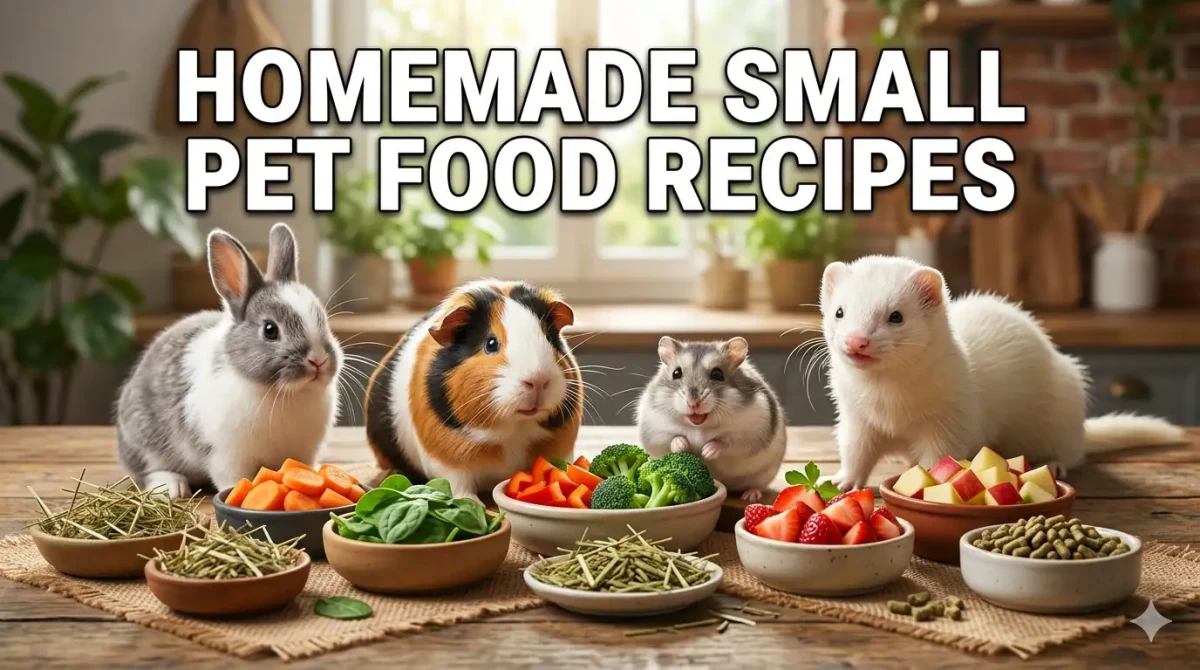
Understanding the distinct dietary needs of different small pet species is crucial before preparing homemade meals. Rabbits and guinea pigs are herbivores requiring high-fiber diets centered around hay and fresh vegetables, while hamsters and gerbils are omnivores needing balanced protein, grains, and produce. Ferrets are strict carnivores requiring high-protein, high-fat diets with minimal plant matter. This comprehensive guide will walk you through safe, species-appropriate homemade food recipes that promote optimal health, longevity, and vitality in your small animal companions.
Why Choose Homemade Food for Small Pets
Choosing to prepare homemade food for small pets offers numerous advantages that extend beyond just controlling ingredients. When you cook for your small animal companion, you know exactly what goes into every meal, allowing you to customize nutrition based on species requirements, age, health conditions, and individual preferences.
What makes homemade small pet food better than commercial options?
Ingredient quality represents the primary advantage of homemade small pet food. You can select fresh, organic vegetables, high-quality hay, and natural proteins rather than relying on processed meals and by-products. Fresh ingredients retain maximum nutritional value, including vital vitamins and enzymes that degrade during commercial food processing. You can also avoid artificial colors, chemical preservatives, and low-quality fillers that provide little nutritional value.
Nutritional customization allows you to address specific needs of different species and individual animals. Senior pets may require different nutrient ratios than juveniles. Pets with dental issues, digestive sensitivities, or weight problems benefit from specially formulated diets. By preparing food at home, you can adjust recipes to accommodate these varying requirements while maintaining species-appropriate nutrition.
Cost effectiveness becomes significant when maintaining multiple small pets or providing premium nutrition. While high-quality fresh ingredients may seem expensive initially, preparing meals at home can be substantially more economical than premium commercial small pet foods over time. Buying vegetables in season, purchasing hay in bulk, and preparing larger batches reduces overall costs while providing superior nutrition.
Freshness and palatability are additional benefits. Homemade food contains no preservatives and uses ingredients at peak freshness. Small pets typically show greater enthusiasm for fresh, varied foods compared to monotonous commercial pellets. This improved acceptance is particularly valuable for picky eaters or pets recovering from illness who need encouragement to eat.
Understanding Small Pet Nutritional Requirements

Before diving into homemade small pet food recipes, it is critical to understand what makes small animal nutrition unique. Different species have evolved with distinct dietary needs based on their natural habitats, digestive systems, and biological requirements. Providing appropriate nutrition is fundamental to small pet health, growth, reproduction, and longevity.
What nutrients do small pets need daily?
Fiber serves as the foundation of nutrition for herbivorous small pets like rabbits and guinea pigs. High-fiber diets maintain proper digestive function, prevent gastrointestinal stasis, and support healthy gut bacteria. Timothy hay and other grass hays should comprise 80 to 90 percent of a rabbit or guinea pig diet, providing essential fiber for digestive health and continuous tooth wear.
Protein requirements vary significantly between species. Growing rabbits need 14 to 16 percent protein, while adult maintenance requires 12 to 14 percent. Guinea pigs need 12 to 16 percent protein. Hamsters and gerbils require 16 to 24 percent protein depending on life stage. Ferrets, as strict carnivores, need 32 to 38 percent high-quality animal protein. Understanding these differences is crucial for species-appropriate feeding.
Vitamins play crucial roles in small pet health. Guinea pigs cannot synthesize vitamin C and require 10 to 30 mg daily through fresh vegetables or supplements to prevent scurvy. Vitamin A supports vision and immune function, while vitamin D aids calcium absorption for bone health. B-complex vitamins support metabolism and energy production.
Minerals such as calcium, phosphorus, and magnesium are essential for bone development, muscle function, and overall health. The calcium to phosphorus ratio should be maintained between 1.5 to 1 and 2 to 1 for most small pets. Imbalances can lead to urinary stones, skeletal problems, and metabolic disorders.
How do nutritional needs differ between species?
Rabbits and guinea pigs are hindgut fermenters requiring continuous access to high-fiber hay. Their digestive systems are designed to process large amounts of fibrous plant material, and they practice coprophagy, consuming special nutrient-rich cecotropes to maximize nutrient absorption. These species cannot vomit, making digestive health paramount.
Hamsters, gerbils, and rats are omnivores with more flexible digestive systems. They require balanced diets including grains, seeds, vegetables, and occasional protein sources like insects or cooked eggs. These species have cheek pouches for food storage and benefit from varied diets that mimic their natural foraging behaviors.
Ferrets are obligate carnivores with short digestive tracts designed for processing meat. They require high-protein, high-fat diets with minimal fiber and carbohydrates. Ferrets cannot digest plant matter efficiently and should receive primarily animal-based nutrition.
Safe Ingredients for Small Pet Food

Understanding which ingredients are safe and nutritious for small pets is essential before preparing homemade food. Different species have different tolerances and requirements, making species-specific knowledge crucial.
What vegetables are safe for small pets?
Leafy greens form the foundation of fresh vegetable feeding for rabbits and guinea pigs. Safe options include romaine lettuce, cilantro, parsley, basil, mint, dandelion greens, kale in moderation, and spinach in limited amounts due to oxalates. These greens provide essential vitamins, minerals, and variety while maintaining appropriate calcium levels.
Non-leafy vegetables like bell peppers, carrots, broccoli, cauliflower, zucchini, cucumber, and celery offer additional nutrients and variety. Bell peppers are particularly valuable for guinea pigs as they are high in vitamin C. Carrots should be fed in moderation due to high sugar content. Introduce new vegetables gradually to monitor tolerance.
Hamsters and gerbils enjoy small amounts of vegetables including broccoli, cauliflower, cucumber, zucchini, and leafy greens. These should be offered in smaller quantities than for rabbits and guinea pigs, as omnivorous rodents require more varied diets with grains and proteins.
What proteins are appropriate for small pets?
Herbivorous small pets like rabbits and guinea pigs do not require added protein sources beyond what they receive from hay and vegetables. Excess protein can cause kidney strain and obesity in these species. Their protein needs are met through high-quality hay and limited pellets.
Omnivorous small pets including hamsters, gerbils, and rats benefit from occasional protein sources. Safe options include cooked eggs, plain cooked chicken, mealworms, crickets, and plain Greek yogurt in small amounts. These proteins should comprise no more than 10 to 15 percent of the total diet.
Ferrets require high-quality animal proteins as the foundation of their diet. Appropriate proteins include chicken, turkey, lamb, and beef. These should be meat-based without fillers, grains, or plant proteins. Ferrets cannot utilize plant-based proteins efficiently.
Essential Equipment and Preparation

Having the right tools and knowledge makes preparing homemade small pet food efficient and safe. You do not need expensive equipment, but certain items will simplify the process and ensure food quality.
What equipment do you need for making small pet food?
Sharp knives and cutting boards are essential for preparing fresh vegetables. Use separate cutting boards for pet food preparation to prevent cross-contamination with human food. A vegetable peeler helps remove waxy coatings from store-bought produce, though organic vegetables with skins intact provide additional nutrients.
Storage containers are important for preserving prepared food. BPA-free plastic containers, glass jars, or silicone bags work well for refrigerated vegetables. Hay should be stored in breathable bags or containers in cool, dry locations to maintain freshness and prevent mold.
Kitchen scales ensure accurate portion sizes, which is crucial for preventing obesity and ensuring balanced nutrition. Measuring cups facilitate consistent feeding amounts. Small pet owners should track food intake to monitor appetite changes that may indicate health issues.
Dehydrators or ovens set to low temperatures can be used to create homemade treats like dried fruit slices or vegetable chips for occasional feeding. However, fresh foods provide superior nutrition and should comprise the majority of fresh food offerings.
Complete Homemade Small Pet Food Recipes

Now that you understand the fundamentals, let explore several nutritionally balanced homemade small pet food recipes. These recipes have been developed with species-specific nutritional requirements in mind and can be customized based on individual pet needs.
Recipe 1: Fresh Vegetable Mix for Rabbits
This daily fresh vegetable mix provides variety and essential nutrients for adult rabbits while maintaining appropriate calcium and sugar levels.
Ingredients:
- 2 cups romaine lettuce, chopped
- 1/2 cup cilantro, chopped
- 1/4 cup parsley, chopped
- 2 tablespoons bell pepper, diced
- 1 tablespoon carrot, grated
- 1 small kale leaf, chopped (optional, 2-3 times weekly)
- 🐾 Best Seed Mix for Small Birds: Expert Nutrition Guide
- 🐾 Healthy Guinea Pig Food Brands: 2026 Guide
- 🐾 Best Cat Food for Indoor Cats: Complete 2026 Guide
Instructions:
Wash all vegetables thoroughly under cold running water to remove dirt and potential pesticide residue. Organic vegetables are preferred but not required. Pat vegetables dry with clean paper towels or use a salad spinner to remove excess moisture.
Chop the romaine lettuce into bite-sized pieces appropriate for your rabbit size. Larger rabbits can handle bigger pieces, while smaller breeds or young rabbits benefit from smaller cuts. The romaine forms the base of this mix, providing hydration and fiber.
Finely chop the cilantro and parsley. These herbs are not only flavorful but also provide beneficial phytonutrients and vitamins. Parsley is particularly high in vitamin K and should be fed in moderation to rabbits with kidney issues.
Dice the bell pepper into small pieces, removing all seeds and white membranes. Bell peppers are excellent sources of vitamin C and add variety to the diet. Red, orange, and yellow peppers are sweeter and often more appealing than green peppers.
Grate the carrot finely to prevent selective feeding. Carrots are high in sugar and should comprise no more than 5 percent of the fresh vegetable mix. The grated form distributes the carrot throughout the mix, preventing rabbits from picking out only the sweet pieces.
Combine all ingredients in a clean bowl and mix thoroughly. Serve immediately or refrigerate in an airtight container for up to 24 hours. Feed approximately 1 to 2 cups of fresh vegetables per 6 pounds of rabbit body weight daily, divided into two feedings.
Always provide unlimited timothy hay alongside fresh vegetables. Hay should comprise 80 to 90 percent of total diet. Fresh water must be available at all times.
Recipe 2: Guinea Pig Vitamin C Rich Salad
Guinea pigs require daily vitamin C supplementation through fresh foods. This salad provides essential vitamin C along with other nutrients.
Ingredients:
- 1 cup romaine lettuce, chopped
- 1/4 cup red bell pepper, diced
- 2 tablespoons cilantro, chopped
- 1 tablespoon parsley, chopped
- 2 cherry tomatoes, halved (optional)
- 1 small cucumber slice, diced
- 🐾 Best Seed Mix for Small Birds: Expert Nutrition Guide
- 🐾 Healthy Guinea Pig Food Brands: 2026 Guide
- 🐾 Best Cat Food for Indoor Cats: Complete 2026 Guide
Instructions:
Wash all vegetables thoroughly. Guinea pigs are particularly sensitive to pesticides, so thorough washing is essential. Organic produce is recommended, especially for items on the dirty dozen list.
Dice the red bell pepper into small pieces. Red bell peppers contain approximately 190 mg of vitamin C per 100 grams, making them one of the best vegetable sources for guinea pigs. A quarter cup provides more than the daily requirement of 10 to 30 mg.
Chop the romaine lettuce as the base of the salad. Romaine provides hydration, fiber, and essential nutrients without excessive calcium or oxalates. Avoid iceberg lettuce as it provides minimal nutritional value.
Add the cilantro and parsley for variety and additional nutrients. These herbs are generally well-accepted by guinea pigs and provide beneficial compounds beyond basic nutrition.
Include cherry tomatoes occasionally as a treat. Tomatoes provide additional vitamin C but should be fed in moderation due to acidity. Remove all green parts as they are toxic.
Dice cucumber for hydration, especially in warm weather. Cucumber is low in nutrients but high in water content, making it a refreshing occasional addition.
Mix all ingredients thoroughly and serve fresh. Guinea pigs should receive approximately 1 cup of fresh vegetables daily, divided into two feedings. Always provide unlimited timothy hay and fresh water. Supplement with guinea pig pellets fortified with vitamin C, but do not rely solely on pellets for vitamin C as it degrades quickly.
Recipe 3: Hamster Omnivore Mix
This balanced mix provides appropriate nutrition for hamsters, combining vegetables, grains, and protein.
Ingredients:
- 2 tablespoons mixed vegetables (broccoli, cauliflower, cucumber)
- 1 tablespoon cooked plain chicken or hard-boiled egg
- 1 teaspoon cooked brown rice or quinoa
- 1/2 teaspoon plain Greek yogurt (once or twice weekly)
- Small piece of apple or pear (twice weekly)
- 🐾 Best Seed Mix for Small Birds: Expert Nutrition Guide
- 🐾 Healthy Guinea Pig Food Brands: 2026 Guide
- 🐾 Best Cat Food for Indoor Cats: Complete 2026 Guide
Instructions:
Wash and dice vegetables into tiny pieces appropriate for hamster size. Syrian hamsters can handle slightly larger pieces than dwarf varieties. Broccoli and cauliflower provide nutrients and variety. Cucumber offers hydration.
Cook plain chicken without any seasoning, salt, or oil. Boil or bake until fully cooked, then shred into tiny pieces. Alternatively, hard-boil an egg and chop finely. Protein should be offered 2 to 3 times weekly, not daily.
Cook brown rice or quinoa according to package directions without salt or seasoning. These grains provide carbohydrates and fiber. Offer in small amounts as hamsters also receive grains from commercial hamster food.
Plain Greek yogurt can be offered once or twice weekly in tiny amounts. Yogurt provides probiotics beneficial for digestive health. Ensure it is plain with no added sugars or artificial sweeteners.
Fresh fruit like apple or pear should be offered as occasional treats twice weekly maximum. Remove all seeds as they contain cyanide. Fruit is high in sugar and should comprise less than 5 percent of total diet.
Mix the vegetable and grain portions, offering protein separately or mixed in. Feed approximately 1 to 2 tablespoons of fresh food daily in addition to quality hamster pellets or seed mix. Remove uneaten fresh food within 24 hours to prevent spoilage.
Recipe 4: Gerbil Grain and Vegetable Blend
Gerbils require a diet higher in grains and lower in moisture than other small pets. This recipe respects their desert-adapted digestive systems.
Ingredients:
- 1 tablespoon mixed vegetables (carrot, zucchini, broccoli)
- 2 teaspoons cooked whole grains (oats, barley, or wheat)
- 1 teaspoon sprouted seeds or mung beans
- Occasional mealworm or cricket (2-3 times weekly)
- Small piece of dried fruit (once weekly)
- 🐾 Best Seed Mix for Small Birds: Expert Nutrition Guide
- 🐾 Healthy Guinea Pig Food Brands: 2026 Guide
- 🐾 Best Cat Food for Indoor Cats: Complete 2026 Guide
Instructions:
Dice vegetables into very small pieces. Gerbils are adapted to arid environments and cannot handle high-moisture foods in large quantities. Limit fresh vegetables to prevent digestive upset and diarrhea.
Cook whole grains like oats, barley, or wheat according to package directions. These provide complex carbohydrates and fiber. Gerbils naturally consume seeds and grains in the wild.
Sprout seeds or mung beans by soaking overnight and rinsing twice daily for 2 to 3 days until sprouts appear. Sprouted seeds are highly nutritious and easily digestible. Offer in small amounts.
Offer live or dried mealworms or crickets 2 to 3 times weekly as protein sources. Gerbils are omnivores and benefit from occasional insect protein. This mimics their natural foraging behavior.
Dried fruit like raisins or dried apple can be offered once weekly as a treat. Dried fruit is preferable to fresh for gerbils as it contains less moisture. However, it is high in sugar and should be limited.
Feed approximately 1 tablespoon of fresh food daily alongside quality gerbil pellets or seed mix. Gerbils have efficient water conservation and do not require large amounts of fresh produce. Always provide fresh water despite their desert adaptations.
Recipe 5: Ferret Meat-Based Meal
Ferrets require high-protein, high-fat diets with minimal plant matter. This recipe provides appropriate carnivore nutrition.
Ingredients:
- 3 ounces raw or cooked chicken thigh with skin
- 1 ounce raw or cooked chicken liver
- 1/2 ounce chicken gizzard or heart
- 1/4 teaspoon salmon oil or fish oil
- Optional: 1 raw meaty chicken wing or neck
- 🐾 Best Seed Mix for Small Birds: Expert Nutrition Guide
- 🐾 Healthy Guinea Pig Food Brands: 2026 Guide
- 🐾 Best Cat Food for Indoor Cats: Complete 2026 Guide
Instructions:
Use fresh, high-quality chicken appropriate for human consumption. Ferrets can eat raw or cooked meat, though raw feeding requires careful handling to prevent bacterial contamination. If feeding raw, source meat from reputable suppliers and practice strict hygiene.
Chicken thigh with skin provides high-quality protein and essential fats. Ferrets require 15 to 20 percent fat in their diet for energy. The skin provides necessary fat content.
Chicken liver should comprise approximately 10 percent of the total meat portion. Liver is rich in vitamin A and other nutrients but should not be overfed as excess vitamin A can be toxic.
Gizzard or heart provides variety and additional nutrients including taurine, which is essential for ferret heart health. These organ meats should be included regularly in ferret diets.
Add salmon oil or fish oil for omega-3 fatty acids. These support skin, coat, and overall health. Use sparingly as ferrets obtain most fats from meat.
Raw meaty bones like chicken wings or necks can be offered 2 to 3 times weekly. These provide dental benefits and additional calcium. Never feed cooked bones as they splinter and can cause internal injuries.
Feed adult ferrets approximately 5 to 7 percent of their body weight daily, divided into 6 to 8 small meals. Ferrets have fast metabolisms and short digestive tracts, requiring frequent feeding. Always provide fresh water.
Storage and Food Safety

Proper storage and food safety practices are essential when preparing homemade small pet food. Improperly stored food can harbor harmful bacteria, mold, or toxins that pose serious health risks to your pets.
How do you store homemade small pet food safely?
Fresh vegetables should be washed, dried thoroughly, and stored in airtight containers in the refrigerator. Use within 2 to 3 days for optimal freshness and nutrient retention. Leafy greens wilt quickly and should be used within 1 to 2 days. Harder vegetables like carrots and bell peppers last longer, up to 5 to 7 days.
Prepared fresh food mixes should be refrigerated immediately and used within 24 hours. Bacteria multiply rapidly at room temperature, especially in moist vegetable mixes. Never leave fresh food in cages for more than 24 hours, as it can spoil and cause illness.
Hay should be stored in breathable bags or containers in cool, dry locations away from direct sunlight. Proper storage prevents mold growth and maintains nutritional quality. Never feed moldy hay as it can cause respiratory issues and digestive problems.
Cooked proteins like chicken or eggs should be refrigerated within 2 hours of cooking and used within 3 days. If preparing larger batches, freeze portions in airtight containers for up to 3 months. Thaw in refrigerator before feeding.
Common Mistakes to Avoid

Even well-intentioned small pet owners can make errors when preparing homemade food. Avoiding these common pitfalls ensures your pets receive safe, balanced nutrition.
What are the biggest mistakes in homemade small pet food?
Feeding inappropriate species diets is the most critical error. Rabbits and guinea pigs are herbivores and cannot digest meat. Ferrets are carnivores and cannot utilize plant-based nutrition. Hamsters and gerbils are omnivores requiring balanced diets. Understanding species-specific needs is fundamental.
Overfeeding fruits and high-sugar vegetables leads to obesity, dental problems, and digestive issues. Carrots, while healthy, are high in sugar and should be limited. Fruits should be occasional treats, not daily staples. Monitor total sugar intake from all sources.
Insufficient hay for rabbits and guinea pigs causes digestive problems and dental disease. Hay should comprise 80 to 90 percent of diet, not just a supplement. Fresh vegetables and pellets are additions to hay, not replacements.
Feeding toxic foods can cause serious illness or death. Never feed rabbits or guinea pigs iceberg lettuce, potatoes, onions, or chocolate. Hamsters and gerbils should not receive citrus fruits, almonds, or raw beans. Ferrets cannot digest dairy, grains, or sugary foods.
Inadequate vitamin C for guinea pigs leads to scurvy. Guinea pigs cannot synthesize vitamin C and require daily supplementation through fresh vegetables or supplements. Relying solely on pellets is insufficient as vitamin C degrades quickly.
Species-Specific Feeding Guidelines

Different small pet species have unique dietary requirements and feeding behaviors. Understanding these differences helps you provide appropriate nutrition.
How do you feed different small pet species?
Rabbits require unlimited timothy hay, 1 to 2 cups fresh vegetables per 6 pounds body weight daily, limited pellets (1/4 cup per 6 pounds), and fresh water. Feed vegetables in two daily portions. Introduce new vegetables gradually over 7 to 10 days.
Guinea pigs need unlimited timothy hay, 1 cup fresh vegetables daily emphasizing vitamin C sources, 1/4 to 1/2 cup fortified pellets, and fresh water. Divide vegetables into two daily feedings. Monitor for adequate vitamin C intake.
Hamsters require quality hamster pellets as diet foundation, 1 to 2 tablespoons fresh food daily, occasional protein 2 to 3 times weekly, and fresh water. Feed in evening as hamsters are nocturnal. Remove uneaten fresh food within 24 hours.
Gerbils need gerbil pellets or seed mix as base diet, 1 tablespoon fresh food daily, limited moisture foods, and fresh water. Gerbils are adapted to arid environments and do not require large amounts of fresh produce.
Ferrets require high-quality ferret food or raw meat diet, 5 to 7 percent body weight in food daily divided into 6 to 8 meals, and constant access to fresh water. Ferrets need frequent feeding due to fast metabolism.
Frequently Asked Questions

Can small pets eat the same vegetables as humans?
Many vegetables safe for humans are also safe for small pets, but not all. Rabbits and guinea pigs can eat romaine lettuce, bell peppers, carrots, and leafy greens. However, onions, garlic, potatoes, and rhubarb are toxic. Hamsters and gerbils can eat small amounts of broccoli, cauliflower, and cucumber. Always research specific vegetables before feeding, and introduce new foods gradually to monitor tolerance.
How much fresh food should I give my small pet daily?
Amounts vary by species. Rabbits need 1 to 2 cups fresh vegetables per 6 pounds body weight daily. Guinea pigs require approximately 1 cup daily. Hamsters and gerbils need only 1 to 2 tablespoons daily. Ferrets require minimal to no vegetables. Always provide species-appropriate amounts and adjust based on individual appetite, weight, and health status. Consult your exotic veterinarian for personalized recommendations.
Is homemade food cheaper than commercial small pet food?
Homemade fresh food can be more economical than premium commercial foods when used appropriately as supplements to hay and pellets. Fresh vegetables are generally inexpensive, especially when purchased in season or from local farmers markets. However, homemade food should complement, not replace, quality commercial pellets that provide balanced nutrition. The combination often costs less than exclusively premium commercial fresh food products.
Can I prepare small pet food in advance?
You can wash and chop vegetables 1 to 2 days in advance, storing them in airtight containers in the refrigerator. However, nutritional value declines over time, particularly vitamin C. Prepare only what you can use within 2 to 3 days for optimal freshness. Never prepare more than a week in advance. Hay and dry foods can be stored longer in appropriate conditions.
Do small pets need supplements with homemade food?
Guinea pigs absolutely require vitamin C supplementation as they cannot synthesize it. Provide through fresh vegetables high in vitamin C or supplements. Rabbits generally do not need supplements if fed appropriate hay, vegetables, and pellets. Hamsters, gerbils, and rats typically receive adequate nutrition from quality commercial food supplemented with fresh foods. Ferrets need taurine, which they obtain from animal proteins. Consult your exotic veterinarian before adding supplements.
What should I do if my small pet refuses homemade food?
Introduce new foods gradually over 7 to 10 days, starting with small amounts mixed with familiar foods. Some pets are naturally cautious about new foods. Try different vegetable varieties, as preferences vary. Ensure vegetables are fresh and crisp. Cut foods into appropriate sizes. Be patient and persistent, offering new foods repeatedly as acceptance can take 10 to 15 exposures. If refusal continues, consult your veterinarian to rule out health issues.
Conclusion

Preparing homemade food for small pets is a rewarding way to provide optimal nutrition while strengthening your bond with your companion animal. With proper knowledge of species-specific requirements, quality ingredients, and attention to food safety, you can create fresh, nutritious meals that promote vibrant health, longevity, and happiness in your small pet.
The investment of time in preparing homemade food pays dividends in pet health and vitality. Many small pet owners report improved coat condition, better digestion, increased activity levels, and enhanced overall wellbeing after incorporating fresh, homemade foods into their pets diets. Additionally, the cost savings and control over ingredient quality make homemade food an excellent choice for conscientious small pet owners.
Remember that each species has unique nutritional requirements, and what works for one may be harmful to another. Always research species-specific needs, introduce new foods gradually, and monitor your pets response to dietary changes. Consult with an exotic veterinarian when making significant dietary changes or if you have concerns about your pets nutrition. With dedication and proper knowledge, homemade food can be an invaluable component of comprehensive small pet care, supporting thriving, healthy companions for years to come.

0 Comments