.png)
Best Food for Gerbils: Complete Nutrition Guide
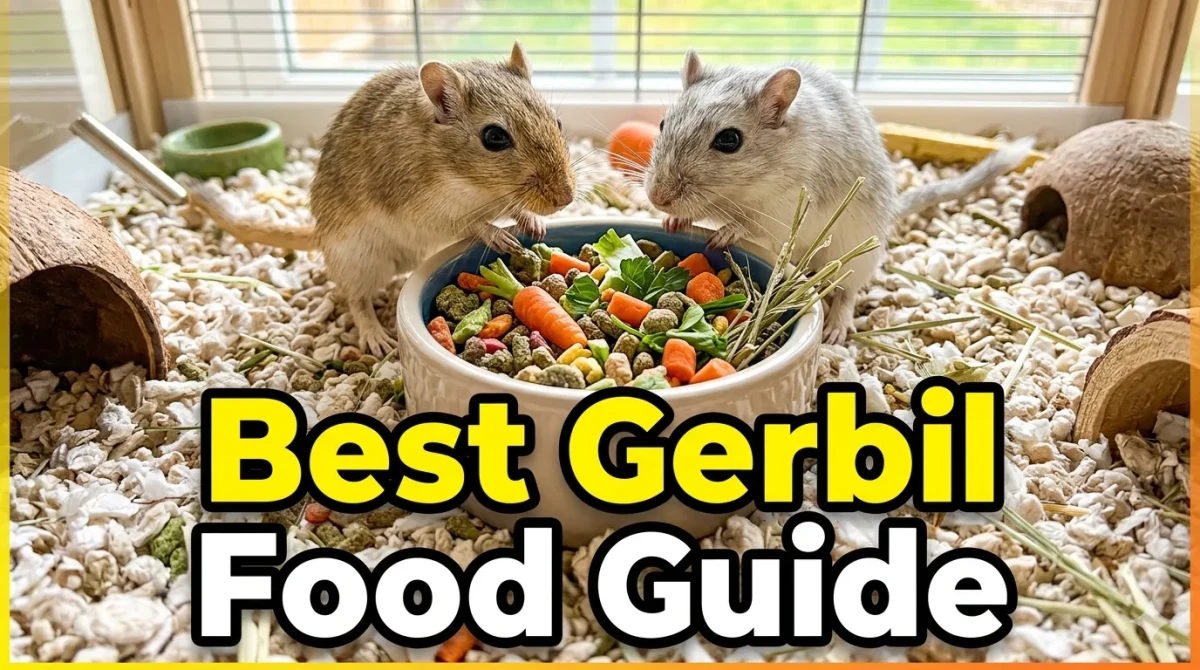
Why Choosing the Best Food for Gerbils Is Essential for Health and Longevity
Providing the best food for gerbils is one of the most important decisions you can make for your small pet's wellbeing. Gerbils are active, social rodents with specific nutritional needs that differ from other small pets like hamsters or guinea pigs. A balanced diet directly impacts their energy levels, coat quality, dental health, reproductive success, and lifespan—which can reach 3-4 years with proper care.
Featured Snippet Answer: The best food for gerbils consists of 80-90% high-quality lab block or pelleted diet formulated for gerbils or small omnivorous rodents, supplemented with 10-20% fresh vegetables, limited fruits, and occasional protein treats like mealworms. Always provide unlimited grass hay and fresh water, and avoid seed-heavy mixes that lead to selective eating and nutritional deficiencies.
Many gerbil owners unknowingly feed diets based on convenience or tradition—often seed mixes that allow gerbils to pick out favorite fatty seeds while discarding nutritious components. This selective eating pattern can lead to obesity, dental problems, vitamin deficiencies, and shortened lifespans. This comprehensive guide explains exactly what to feed your gerbil, how to transition from an unbalanced diet, and how to create a sustainable feeding routine that supports lifelong health, mental stimulation, and natural behaviors.
Understanding Gerbil Nutritional Requirements
Gerbils are omnivorous rodents native to arid regions of Asia and Africa. In the wild, they consume a varied diet of seeds, grasses, roots, insects, and occasional plant matter. This evolutionary background shapes their captive nutritional needs.
Core Nutritional Requirements:
- Protein: 16-20% for adult maintenance; 20-24% for growing, breeding, or senior gerbils
- Fat: 4-6% for energy; excess leads to obesity and hepatic lipidosis
- Fiber: 15-20% critical for digestive health and dental wear
- Carbohydrates: Moderate amounts from grains and vegetables
- Vitamins: A, D3, E, and B-complex; vitamin E deficiency is common in poor diets
- Minerals: Calcium and phosphorus in 1.5:1 to 2:1 ratio for bone and dental health
- Water: Fresh, clean water daily; gerbils have efficient kidneys but still require hydration
- 🐾 Best Parrot Food in USA for Healthy Feathers: 2026 Guide
- 🐾 Best Puppy Food for Growth and Development Guide
- 🐾 Organic Fish Food Options Complete Aquarium Guide
Digestive Adaptations: Gerbils have a specialized cecum that ferments fiber and produces cecotropes—nutrient-rich droppings they re-ingest to maximize nutrient absorption. This makes adequate fiber intake essential for both digestive and nutritional health.
Dental Considerations: Gerbil incisors grow continuously throughout life. Proper dental wear requires constant access to fibrous foods like hay and chewable items. Soft diets or seed-only feeding can lead to dangerous overgrowth, abscesses, and inability to eat.
Do gerbils need vitamin supplements?
Most gerbils eating a balanced pelleted diet with fresh vegetables do not need additional vitamin supplements. Over-supplementation can cause toxicity, particularly with fat-soluble vitamins like A and D. However, providing a mineral block or cuttlebone supports calcium intake. Consult an exotic pet veterinarian before adding supplements, especially during breeding, illness, or senior care.
The Foundation: High-Quality Pellets as the Dietary Staple

Pelleted or lab block diets are formulated to provide complete, balanced nutrition in every bite. Unlike seed mixes, where gerbils selectively consume high-fat seeds and discard fortified components, pellets ensure consistent nutrient intake and prevent dietary imbalances.
Why Pellets Are Recommended:
- Nutritionally complete: Formulated to meet NRC standards for small omnivorous rodents
- Prevent selective eating: No picking out favorite seeds
- Consistent quality: Reputable brands undergo rigorous testing and quality control
- Support long-term health: Reduce risk of obesity, dental disease, and deficiencies
- Convenient storage: Longer shelf life than fresh foods when stored properly
- 🐾 Best Parrot Food in USA for Healthy Feathers: 2026 Guide
- 🐾 Best Puppy Food for Growth and Development Guide
- 🐾 Organic Fish Food Options Complete Aquarium Guide
Top Pellet Brands for Gerbils:
- Oxbow Garden Select Gerbil Food: Timothy hay-based, no artificial colors or flavors, fortified with vitamins and minerals
- Mazuri Small Animal Maintenance: Scientifically formulated, widely used in research facilities, excellent nutrient profile
- Kaytee Forti-Diet Pro Health Gerbil: Contains prebiotics and probiotics for digestive support, though contains some seeds
- Supreme Science Selective Gerbil: High-fiber formula with no added sugar, good dental support
- Versele-Laga Nature Gerbil: Natural ingredients, grain-based with added herbs and vegetables
- 🐾 Best Parrot Food in USA for Healthy Feathers: 2026 Guide
- 🐾 Best Puppy Food for Growth and Development Guide
- 🐾 Organic Fish Food Options Complete Aquarium Guide
Choosing the Right Pellet: Look for pellets where the first ingredients are grass hay (timothy, orchard), whole grains, or legumes—not sugar, artificial colors, or excessive fillers. Avoid pellets with added sugar, artificial dyes, or ethoxyquin preservatives. Verify the guaranteed analysis meets protein (16-20%) and fiber (15-20%) requirements.
Featured Snippet Answer: Feed gerbils a high-quality pelleted diet as 80-90% of their daily intake. Choose brands like Oxbow, Mazuri, or Supreme Science that list hay or whole grains first and avoid artificial additives. Always transition gradually over 7-10 days to prevent digestive upset.
The Role of Hay: Non-Negotiable for Dental and Digestive Health

Unlimited access to grass hay is essential for gerbil health, yet it's often overlooked by new owners. Hay serves two critical functions: dental wear and digestive fiber.
Why Hay Matters:
- Dental Health: Constant chewing on abrasive hay fibers wears down continuously growing incisors, preventing painful overgrowth and malocclusion
- Digestive Function: High fiber content supports healthy gut motility, cecal fermentation, and cecotrope production
- Mental Enrichment: Foraging through hay mimics natural behaviors and reduces boredom
- Nesting Material: Gerbils use hay to build comfortable nests, supporting thermoregulation and security
- 🐾 Best Parrot Food in USA for Healthy Feathers: 2026 Guide
- 🐾 Best Puppy Food for Growth and Development Guide
- 🐾 Organic Fish Food Options Complete Aquarium Guide
Best Hay Options:
- Timothy Hay: Ideal balance of fiber and protein; low calcium prevents urinary issues
- Orchard Grass Hay: Softer texture, good alternative for picky eaters
- Oat Hay: Higher fiber, excellent for dental wear; can be mixed with timothy
- Avoid Alfalfa Hay for Adults: Too high in calcium and protein; reserve for growing juveniles or breeding females only
- 🐾 Best Parrot Food in USA for Healthy Feathers: 2026 Guide
- 🐾 Best Puppy Food for Growth and Development Guide
- 🐾 Organic Fish Food Options Complete Aquarium Guide
Hay Management Tips:
- Provide unlimited fresh hay daily in a clean hay rack or scattered in the enclosure
- Remove soiled or wet hay immediately to prevent mold
- Store hay in a cool, dry place in breathable containers
- Rotate hay types occasionally to maintain interest and varied fiber profiles
- 🐾 Best Parrot Food in USA for Healthy Feathers: 2026 Guide
- 🐾 Best Puppy Food for Growth and Development Guide
- 🐾 Organic Fish Food Options Complete Aquarium Guide
Fresh Foods: Vegetables, Limited Fruits, and Protein Supplements

Fresh produce adds variety, enrichment, and essential phytonutrients to your gerbil's diet. Aim for 10-20% of the daily diet to come from fresh foods, with vegetables prioritized over fruits due to lower sugar content.
Best Vegetables for Gerbils:
- Dark leafy greens: kale, collard greens, romaine lettuce, bok choy (rich in vitamins A and K)
- Root vegetables: carrots, sweet potato (cooked), radish tops (in moderation)
- Cruciferous veggies: broccoli florets, cauliflower (small amounts to prevent gas)
- Other safe options: bell peppers (all colors), zucchini, cucumber, green beans, peas in pod
- Herbs: cilantro, parsley, basil, dandelion greens (pesticide-free)
- 🐾 Best Parrot Food in USA for Healthy Feathers: 2026 Guide
- 🐾 Best Puppy Food for Growth and Development Guide
- 🐾 Organic Fish Food Options Complete Aquarium Guide
Fruits in Strict Moderation: Fruits are high in natural sugars; offer tiny amounts (pea-sized) 1-2 times weekly. Safe options include apple (no seeds), pear, berries, melon, and banana. Always remove pits and seeds, which can contain cyanide compounds or cause choking.
Protein Supplements: Gerbils benefit from occasional animal protein, especially during growth, molting, or breeding.
- Mealworms (live or dried): 2-3 worms 1-2 times weekly
- Plain cooked chicken: tiny shred, unseasoned, offered rarely
- Hard-boiled egg: small piece of white, occasional treat
- 🐾 Best Parrot Food in USA for Healthy Feathers: 2026 Guide
- 🐾 Best Puppy Food for Growth and Development Guide
- 🐾 Organic Fish Food Options Complete Aquarium Guide
Food Safety Tips:
- Wash all produce thoroughly to remove pesticides and contaminants
- Remove uneaten fresh food within 2-4 hours to prevent bacterial growth and mold
- Chop foods into small, manageable pieces appropriate for gerbil mouths
- Introduce new foods one at a time to monitor for digestive sensitivity
- Avoid citrus fruits, onions, garlic, and raw potatoes—all toxic to gerbils
- 🐾 Best Parrot Food in USA for Healthy Feathers: 2026 Guide
- 🐾 Best Puppy Food for Growth and Development Guide
- 🐾 Organic Fish Food Options Complete Aquarium Guide
How much fresh food should I feed my gerbil daily?
Offer 1-2 teaspoons of chopped fresh vegetables daily per gerbil, plus a tiny piece of fruit (pea-sized) 1-2 times weekly. Remove uneaten portions within 2-4 hours. Fresh food should complement, not replace, the pelleted diet and unlimited hay. Monitor your gerbil's weight and stool quality to adjust portions.
Seed Mixes: Understanding Risks and Strategic Use

Traditional gerbil food mixes often contain a variety of seeds, grains, and dried vegetables. While gerbils enjoy these mixes, they pose significant nutritional risks when used as the primary diet.
Problems with Seed-Heavy Diets:
- Selective Eating: Gerbils pick out high-fat sunflower seeds and peanuts, discarding fortified pellets and nutritious components
- Nutritional Imbalance: Seeds are high in fat (up to 50%) and low in calcium, vitamins, and fiber
- Obesity Risk: Excess fat intake leads to weight gain, fatty liver disease, and reduced lifespan
- Dental Issues: Soft seeds don't provide adequate abrasion for incisor wear
- Vitamin Deficiencies: Lack of fortified nutrients causes issues like vitamin E deficiency (muscle degeneration)
- 🐾 Best Parrot Food in USA for Healthy Feathers: 2026 Guide
- 🐾 Best Puppy Food for Growth and Development Guide
- 🐾 Organic Fish Food Options Complete Aquarium Guide
When Seeds Are Appropriate:
- As occasional treats: 1-2 teaspoons of mixed seeds weekly maximum
- Foraging enrichment: Hide small amounts in puzzle toys or paper tubes
- Training rewards: Use single seeds for positive reinforcement during handling
- Transition aid: Mix tiny amounts with pellets when converting from seed-only diets
- 🐾 Best Parrot Food in USA for Healthy Feathers: 2026 Guide
- 🐾 Best Puppy Food for Growth and Development Guide
- 🐾 Organic Fish Food Options Complete Aquarium Guide
Healthier Seed Options:
- Sprouted seeds: Sprouting increases nutrient bioavailability and reduces fat content
- Limited sunflower or pumpkin seeds: Reserve for special rewards only
- Millet sprays: Use sparingly as high-value training treats
- 🐾 Best Parrot Food in USA for Healthy Feathers: 2026 Guide
- 🐾 Best Puppy Food for Growth and Development Guide
- 🐾 Organic Fish Food Options Complete Aquarium Guide
Feeding Schedule and Portion Control

Consistent feeding routines support digestion, help monitor appetite (a key health indicator), and prevent overfeeding—a common cause of gerbil health issues.
Daily Feeding Routine:
- Morning: Offer fresh pellets and a small portion of fresh vegetables
- Evening: Refresh water; offer a tiny treat or foraging opportunity
- Nightly: Ensure unlimited hay remains available; gerbils are crepuscular and eat most at dawn/dusk
- 🐾 Best Parrot Food in USA for Healthy Feathers: 2026 Guide
- 🐾 Best Puppy Food for Growth and Development Guide
- 🐾 Organic Fish Food Options Complete Aquarium Guide
Portion Guidelines for Adult Gerbils:
- Pellets: 1-2 tablespoons daily per gerbil (adjust based on activity and weight)
- Hay: Unlimited, refreshed daily
- Fresh vegetables: 1-2 teaspoons chopped, varied daily
- Fruit: Pea-sized piece, 1-2 times weekly maximum
- Protein treats: 2-3 mealworms or equivalent, 1-2 times weekly
- Seeds: 1 teaspoon maximum, used strategically as treats
- 🐾 Best Parrot Food in USA for Healthy Feathers: 2026 Guide
- 🐾 Best Puppy Food for Growth and Development Guide
- 🐾 Organic Fish Food Options Complete Aquarium Guide
Monitoring Body Condition: Weigh your gerbil monthly on a gram scale. Healthy adult gerbils typically weigh 60-120 grams depending on sex and lineage. Sudden weight loss (>10%) or gain warrants veterinary attention.
Signs of Overfeeding:
- Visible fat deposits along spine or abdomen
- Lethargy or reduced activity
- Soft or irregular droppings
- Reluctance to move or groom
- 🐾 Best Parrot Food in USA for Healthy Feathers: 2026 Guide
- 🐾 Best Puppy Food for Growth and Development Guide
- 🐾 Organic Fish Food Options Complete Aquarium Guide
Signs of Underfeeding:
- Prominent spine or hip bones
- Dull, rough coat
- Excessive food-seeking behavior or aggression
- Lethargy or weakness
- 🐾 Best Parrot Food in USA for Healthy Feathers: 2026 Guide
- 🐾 Best Puppy Food for Growth and Development Guide
- 🐾 Organic Fish Food Options Complete Aquarium Guide
Life Stage Nutrition: Adjusting for Age and Health

Gerbil dietary needs change throughout life. Tailor nutrition to support each stage for optimal health and longevity.
Juvenile Gerbils (Under 3 Months):
- Higher protein needs (20-24%) for growth and development
- Unlimited access to pellets and hay; introduce fresh vegetables gradually
- Monitor weight gain weekly; avoid overfeeding seeds
- Ensure calcium-phosphorus ratio supports bone development
- 🐾 Best Parrot Food in USA for Healthy Feathers: 2026 Guide
- 🐾 Best Puppy Food for Growth and Development Guide
- 🐾 Organic Fish Food Options Complete Aquarium Guide
Adult Gerbils (3 Months - 2 Years):
- Maintenance diet: 16-20% protein, high fiber, controlled fat
- Prevent obesity: Limit high-fat treats; encourage foraging and exercise
- Annual veterinary check-ups to assess dental and nutritional status
- Maintain dental health with unlimited hay and chew toys
- 🐾 Best Parrot Food in USA for Healthy Feathers: 2026 Guide
- 🐾 Best Puppy Food for Growth and Development Guide
- 🐾 Organic Fish Food Options Complete Aquarium Guide
Senior Gerbils (2+ Years):
- Easier-to-digest foods: Soaked pellets, softer vegetables, smaller pieces
- Joint and immune support: Omega-3 fatty acids from flax or fish oil (vet-approved)
- Monitor for age-related issues: Dental wear, kidney function, arthritis, vision changes
- Reduce calorie density if activity decreases to prevent weight gain
- 🐾 Best Parrot Food in USA for Healthy Feathers: 2026 Guide
- 🐾 Best Puppy Food for Growth and Development Guide
- 🐾 Organic Fish Food Options Complete Aquarium Guide
Breeding and Lactating Females:
- Increase protein to 22-24% and calories to support pregnancy and milk production
- Provide additional calcium sources to prevent metabolic bone disease
- Offer unlimited high-quality hay and fresh water
- Supplement with occasional protein treats (mealworms, cooked egg)
- 🐾 Best Parrot Food in USA for Healthy Feathers: 2026 Guide
- 🐾 Best Puppy Food for Growth and Development Guide
- 🐾 Organic Fish Food Options Complete Aquarium Guide
Special Considerations:
- Molting: Slightly increase protein and ensure adequate vitamins A and E for coat regeneration
- Illness recovery: Easily digestible, nutrient-dense foods; follow veterinary guidance
- Dental issues: Soaked pellets, mashed vegetables, soft hay; consult vet for trimming if needed
- 🐾 Best Parrot Food in USA for Healthy Feathers: 2026 Guide
- 🐾 Best Puppy Food for Growth and Development Guide
- 🐾 Organic Fish Food Options Complete Aquarium Guide
Enrichment Through Feeding: Foraging and Mental Stimulation

Feeding isn't just about nutrition—it's an opportunity for mental enrichment. Gerbils are intelligent, active burrowers who benefit from foraging challenges that mimic natural behaviors.
Foraging Ideas:
- Hide pellets in paper cups, cardboard tubes, or commercial foraging toys
- Thread chopped veggies onto bird-safe skewers or wooden sticks
- Bury small food caches in deep bedding for digging practice
- Use puzzle feeders designed for small rodents
- Scatter fresh foods in clean cage substrate for natural foraging behavior
- 🐾 Best Parrot Food in USA for Healthy Feathers: 2026 Guide
- 🐾 Best Puppy Food for Growth and Development Guide
- 🐾 Organic Fish Food Options Complete Aquarium Guide
Benefits of Foraging:
- Reduces boredom and stereotypic behaviors like bar chewing
- Encourages natural problem-solving and digging instincts
- Slows eating, supporting digestion and satiety
- Strengthens bond through interactive feeding games
- Provides physical exercise through movement and manipulation
- 🐾 Best Parrot Food in USA for Healthy Feathers: 2026 Guide
- 🐾 Best Puppy Food for Growth and Development Guide
- 🐾 Organic Fish Food Options Complete Aquarium Guide
Rotate foraging toys and strategies weekly to maintain novelty and engagement. Always supervise new enrichment items to ensure safety.
Foods to Absolutely Avoid: Toxic and Harmful Items

Several common human foods and pet items are toxic or dangerous for gerbils. Never offer these under any circumstances:
Highly Toxic Foods:
- Chocolate and caffeine: Contain theobromine and caffeine, causing cardiac and neurological toxicity
- Alcohol: Even small amounts can be fatal
- Onions, garlic, chives: Contain compounds that cause hemolytic anemia
- Citrus fruits: High acidity can cause digestive upset and mouth irritation
- Raw beans and potatoes: Contain lectins and solanine; only offer thoroughly cooked
- Apple seeds and fruit pits: Contain cyanide compounds
- 🐾 Best Parrot Food in USA for Healthy Feathers: 2026 Guide
- 🐾 Best Puppy Food for Growth and Development Guide
- 🐾 Organic Fish Food Options Complete Aquarium Guide
Harmful or Problematic Foods:
- Iceberg lettuce: Low nutrition, high water content can cause diarrhea
- Salty, sugary, or fatty human snacks: Contribute to obesity and organ stress
- Dairy products: Most gerbils are lactose-intolerant; small amounts of hard cheese occasionally may be tolerated but aren't necessary
- Rhubarb: Contains oxalic acid, which interferes with calcium absorption
- Processed human foods: Contain preservatives, additives, and inappropriate nutrient ratios
- 🐾 Best Parrot Food in USA for Healthy Feathers: 2026 Guide
- 🐾 Best Puppy Food for Growth and Development Guide
- 🐾 Organic Fish Food Options Complete Aquarium Guide
Featured Snippet Answer: Never feed gerbils chocolate, caffeine, alcohol, onions, garlic, citrus fruits, raw beans, apple seeds, or salty/sugary human foods. These items can cause severe illness or death. Always research new foods before offering them to your gerbil.
Water Requirements and Hydration Management

While gerbils are adapted to arid environments and have highly efficient kidneys, they still require constant access to fresh, clean water.
Water Delivery Options:
- Sipper bottles: Most common; use glass or BPA-free plastic with stainless steel spouts
- Ceramic bowls: Natural option but can become soiled quickly; requires daily cleaning
- 🐾 Best Parrot Food in USA for Healthy Feathers: 2026 Guide
- 🐾 Best Puppy Food for Growth and Development Guide
- 🐾 Organic Fish Food Options Complete Aquarium Guide
Best Practices:
- Change water daily, regardless of apparent consumption
- Clean bottles and bowls with mild soap and rinse thoroughly to prevent biofilm
- Check sipper tubes daily for blockages or leaks
- Place water sources away from bedding to prevent contamination
- Monitor intake: Sudden increases can signal diabetes or kidney issues; decreases may indicate illness
- 🐾 Best Parrot Food in USA for Healthy Feathers: 2026 Guide
- 🐾 Best Puppy Food for Growth and Development Guide
- 🐾 Organic Fish Food Options Complete Aquarium Guide
Hydration Through Food: Fresh vegetables contribute to overall hydration, especially in warm environments. However, they should never replace dedicated water access.
Transitioning Your Gerbil to a Healthier Diet

Switching from a seed-heavy diet to a balanced pellet-based regimen requires patience and strategy. Gerbils can be neophobic (afraid of new foods), so gradual transitions prevent food refusal or stress.
7-10 Day Transition Plan:
- Days 1-3: Offer pellets in a separate dish alongside current diet. Crush a few pellets over seeds to introduce flavor/texture.
- Days 4-6: Mix 25% pellets with 75% seeds. Continue offering fresh vegetables and unlimited hay daily.
- Days 7-9: Increase to 50% pellets, 50% seeds. Remove seed dish for short periods midday to encourage pellet sampling (monitor closely).
- Day 10+: Offer 90% pellets, 10% seeds as treats. Gradually phase out seeds entirely or reserve for enrichment only.
- 🐾 Best Parrot Food in USA for Healthy Feathers: 2026 Guide
- 🐾 Best Puppy Food for Growth and Development Guide
- 🐾 Organic Fish Food Options Complete Aquarium Guide
Tips for Success:
- Eat "together": Mimic eating pellets yourself; gerbils are social learners
- Try different textures: Some gerbils prefer crumbled pellets initially
- Warm pellets slightly: Enhances aroma and palatability
- Be patient: Some gerbils take 2-3 weeks to fully transition
- Never withhold all food: Gerbils have fast metabolisms; starvation can cause hepatic lipidosis within 24 hours
- 🐾 Best Parrot Food in USA for Healthy Feathers: 2026 Guide
- 🐾 Best Puppy Food for Growth and Development Guide
- 🐾 Organic Fish Food Options Complete Aquarium Guide
If your gerbil refuses pellets after several weeks, consult an exotic pet veterinarian or certified small animal behavior consultant for personalized support.
Monitoring Health Through Diet and Observation

Your gerbil's food intake and physical condition provide valuable health insights. Regular monitoring helps catch issues early.
Key Health Indicators:
- Weight: Weigh monthly; 10% loss warrants veterinary attention
- Droppings: Normal: firm, dark, oval pellets. Changes in size, consistency, or frequency may signal digestive issues
- Coat quality: Smooth, glossy fur indicates good nutrition; dullness, patchiness, or excessive grooming may signal deficiencies or stress
- Appetite: Sudden decreases can indicate illness; monitor daily
- Dental health: Check incisors for proper alignment; overgrowth causes drooling, weight loss, and difficulty eating
- Energy levels: Lethargy or hyperactivity may relate to diet or health issues
- 🐾 Best Parrot Food in USA for Healthy Feathers: 2026 Guide
- 🐾 Best Puppy Food for Growth and Development Guide
- 🐾 Organic Fish Food Options Complete Aquarium Guide
When to Consult a Veterinarian:
- Unexplained weight loss or gain
- Changes in droppings lasting >24 hours
- Loss of appetite for >12 hours
- Overgrown or misaligned teeth
- Wet tail (diarrhea with mucus), lethargy, or hunched posture
- Difficulty breathing, swelling, or behavioral changes
- 🐾 Best Parrot Food in USA for Healthy Feathers: 2026 Guide
- 🐾 Best Puppy Food for Growth and Development Guide
- 🐾 Organic Fish Food Options Complete Aquarium Guide
Find an exotic pet veterinarian experienced with small rodents for specialized care. Regular check-ups (annually for adults, biannually for seniors) support preventive health.
Storage and Food Freshness

Proper food storage preserves nutritional value and prevents contamination or spoilage.
Dry Foods (Pellets/Seeds):
- Store in cool, dark place away from humidity and temperature fluctuations
- Keep in original airtight container or transfer to sealed, food-grade jar
- Use within 3 months of opening for optimal vitamin potency
- Never feed expired food; vitamins degrade and fats can become rancid
- Avoid storing in bathroom or garage where humidity and temperature vary
- 🐾 Best Parrot Food in USA for Healthy Feathers: 2026 Guide
- 🐾 Best Puppy Food for Growth and Development Guide
- 🐾 Organic Fish Food Options Complete Aquarium Guide
Fresh Foods:
- Wash produce immediately before offering
- Refrigerate unused portions in airtight containers
- Remove uneaten fresh food from enclosure within 2-4 hours
- Discard wilted, moldy, or discolored items immediately
- 🐾 Best Parrot Food in USA for Healthy Feathers: 2026 Guide
- 🐾 Best Puppy Food for Growth and Development Guide
- 🐾 Organic Fish Food Options Complete Aquarium Guide
Hay Storage:
- Store in breathable bags or containers in cool, dry location
- Avoid plastic bags that trap moisture and promote mold
- Check for dust, mold, or musty odor before offering
- Use within 6-12 months of purchase for optimal nutrition and palatability
- 🐾 Best Parrot Food in USA for Healthy Feathers: 2026 Guide
- 🐾 Best Puppy Food for Growth and Development Guide
- 🐾 Organic Fish Food Options Complete Aquarium Guide
Quick Recap: Key Takeaways for Gerbil Nutrition

- Feed 80-90% high-quality pelleted diet as the nutritional foundation
- Provide unlimited grass hay (timothy or orchard) for dental and digestive health
- Offer 10-20% fresh vegetables daily; limit fruit to tiny amounts 1-2 times weekly
- Supplement with occasional protein treats like mealworms for enrichment
- Avoid seed-heavy mixes as staple diets; use seeds only as strategic treats
- Always provide fresh, clean water via sipper bottle or ceramic bowl
- Avoid toxic foods: chocolate, caffeine, onions, garlic, citrus, raw beans
- Transition diets gradually over 7-10 days to prevent food refusal
- Adjust nutrition for life stage: juvenile growth, adult maintenance, senior care
- Use foraging toys and enrichment to support mental health and natural behaviors
- Monitor weight, droppings, coat, and appetite as key health indicators
- Consult an exotic pet veterinarian for personalized dietary guidance
- 🐾 Best Parrot Food in USA for Healthy Feathers: 2026 Guide
- 🐾 Best Puppy Food for Growth and Development Guide
- 🐾 Organic Fish Food Options Complete Aquarium Guide
Final Thoughts: Nutrition as the Foundation of a Happy, Healthy Gerbil

Choosing the best food for your gerbil is one of the most impactful decisions you can make for their wellbeing. A balanced diet rich in pellets, unlimited hay, fresh produce, and thoughtful treats supports vibrant coat, strong teeth, robust immunity, mental sharpness, and a long, active life.
Remember that nutrition is personal: observe your individual gerbil's preferences, monitor their response to dietary changes, and adjust as needed. Patience during transitions, consistency in offering healthy options, and enrichment through feeding routines create not just a well-fed pet, but a thriving companion.
Stay informed, prioritize quality over convenience, and partner with an exotic pet veterinarian to ensure your gerbil receives the nutrition they deserve. With the right food and dedicated care, your gerbil can enjoy 3-4+ years of curiosity, activity, and companionship.

0 Comments