.png)
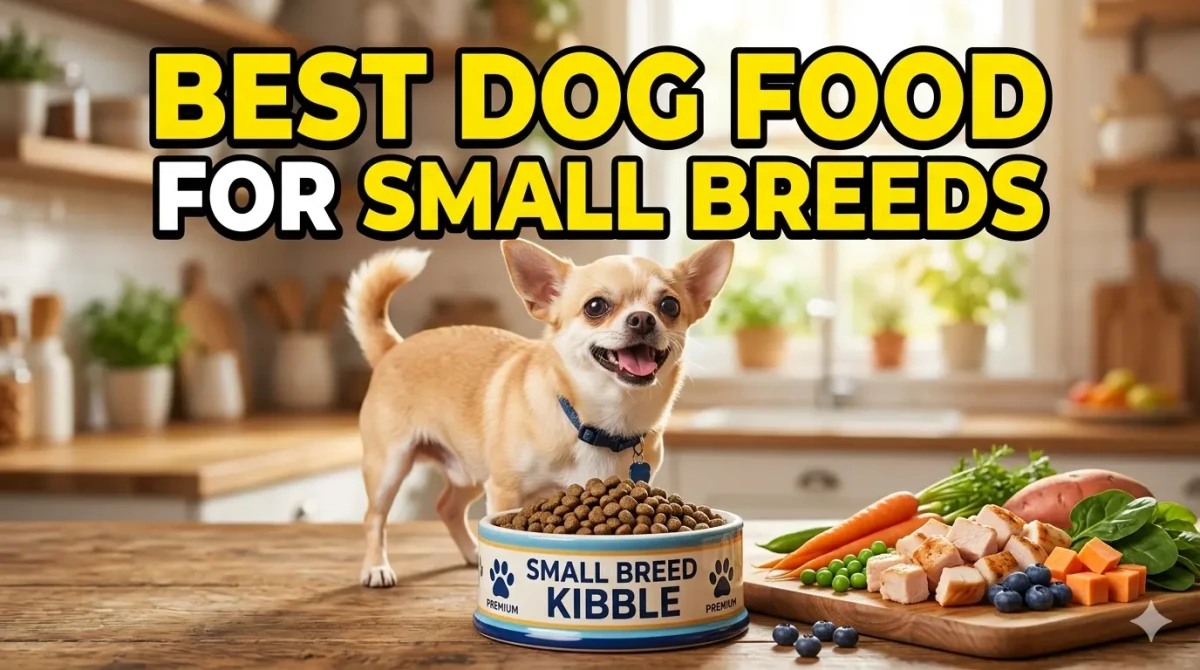
Why Small Breed Dogs Need Specialized Nutrition
Small breed dogs—typically weighing under 25 pounds, including breeds like Chihuahuas, Yorkshire Terriers, Pomeranians, Toy Poodles, and Maltese—have unique nutritional needs that differ significantly from larger dogs. Their fast metabolisms, small mouths, delicate digestive systems, and predisposition to certain health issues require carefully formulated nutrition to support lifelong health and vitality.
Featured Snippet Answer: The best dog food for small breeds features small kibble size for easy chewing, high-quality animal protein (25-30% minimum) to support fast metabolisms, appropriate calorie density to prevent obesity, and targeted nutrients for dental health, joint support, and digestive sensitivity. Look for AAFCO-complete formulas specifically labeled for small or toy breeds, and consult your veterinarian for personalized recommendations based on your dog's age, health status, and activity level.
Feeding a small breed dog food formulated for larger dogs can lead to nutritional imbalances, difficulty chewing, weight management issues, and missed opportunities to address breed-specific health concerns. Understanding what makes small breed nutrition unique empowers you to make informed choices that support your tiny companion's health for years to come.
This comprehensive guide provides evidence-based, veterinarian-aligned strategies for selecting the best dog food for small breeds. You'll learn about small breed metabolic needs, kibble design considerations, ingredient quality evaluation, top recommended products across price ranges, age-specific formulations, and common pitfalls to avoid. Whether you have a playful small breed puppy, a prime adult, or a wise senior dog, you'll find practical guidance to optimize their nutrition.
Understanding Small Breed Physiology: Why Nutrition Matters
Small breed dogs aren't just miniature large dogs—their physiology creates distinct nutritional requirements.
Key Small Breed Characteristics:
- Fast metabolic rate: Small dogs burn calories 2-3x faster per pound than large breeds, requiring nutrient-dense food
- Small mouth and teeth: Require appropriately sized kibble for comfortable chewing and dental health
- Delicate digestive systems: More prone to food sensitivities, upset stomachs, and nutrient absorption issues
- Predisposition to hypoglycemia: Especially in puppies; requires consistent feeding schedules and adequate calories
- Dental vulnerability: Crowded teeth and periodontal disease risk benefit from dental-supportive kibble design
- Joint considerations: Patellar luxation and other orthopedic issues benefit from joint-support nutrients
- Longer lifespans: Many small breeds live 12-16+ years, requiring nutrition that supports aging well
- 🐾 Organic Fish Food Options Complete Aquarium Guide
- 🐾 Pellet vs Mix Small Pet Food: Which Is Better?
- 🐾 Organic Bird Food Brands in USA and Europe
How These Traits Influence Food Selection:
- Calorie density: Small breeds need more calories per pound but are prone to obesity; balance is critical
- Kibble size and texture: Must be small enough to chew comfortably yet textured to support dental health
- Protein quality: High-quality animal proteins support muscle maintenance in fast-metabolizing dogs
- Fat content: Adequate healthy fats support energy needs without promoting weight gain
- Fiber balance: Supports digestive health without causing excessive fullness that reduces nutrient intake
- 🐾 Organic Fish Food Options Complete Aquarium Guide
- 🐾 Pellet vs Mix Small Pet Food: Which Is Better?
- 🐾 Organic Bird Food Brands in USA and Europe
Featured Snippet Answer: Small breeds have fast metabolisms (burning 2-3x more calories per pound), small mouths requiring appropriately sized kibble, and delicate digestive systems. Their food should be calorie-dense yet portion-controlled, with high-quality protein, dental-supportive kibble design, and nutrients targeting joint, dental, and digestive health.
How much should I feed my small breed dog?
Feeding amounts vary by age, weight, activity level, and food calorie density. As a general guideline: small breed puppies (under 6 months) need 3-4 small meals daily; adult small breeds typically need ½ to 1 cup total daily, split into 2 meals; seniors may need adjusted portions based on activity and health status. Always follow package guidelines as a starting point, then adjust based on your dog's body condition score (ideal: ribs easily felt with thin fat cover, visible waist). Consult your veterinarian for personalized portions.
Key Factors in Choosing Small Breed Dog Food

Selecting the right food requires evaluating multiple factors beyond marketing claims.
1. Kibble Size and Texture
Small mouths need small kibble—but texture matters too.
- Size: Kibble should be ¼ to ½ inch in diameter for comfortable chewing
- Texture: Slightly crunchy or textured surfaces help reduce plaque buildup
- Shape: Unique shapes can encourage chewing and provide dental benefits
- Avoid: Large kibble designed for big breeds, which small dogs may swallow whole or struggle to chew
- 🐾 Organic Fish Food Options Complete Aquarium Guide
- 🐾 Pellet vs Mix Small Pet Food: Which Is Better?
- 🐾 Organic Bird Food Brands in USA and Europe
2. Protein Quality and Quantity
Small breeds need high-quality protein to support their fast metabolisms.
- Minimum protein: 25-30% for adults; 28-32% for puppies
- Source matters: Named animal proteins (chicken, lamb, fish) as first ingredients indicate quality
- Digestibility: High-quality proteins are more bioavailable, reducing waste and digestive strain
- Avoid: Generic "meat meal" or "animal by-products" without species specification
- 🐾 Organic Fish Food Options Complete Aquarium Guide
- 🐾 Pellet vs Mix Small Pet Food: Which Is Better?
- 🐾 Organic Bird Food Brands in USA and Europe
3. Calorie Density and Weight Management
Small breeds are prone to obesity despite high metabolic rates.
- Calorie range: 350-450 kcal per cup is typical for small breed formulas
- Portion guidance: Clear feeding guidelines based on weight and life stage
- Weight management formulas: Available for less active or overweight small dogs
- Avoid: Overfeeding—even small excess calories add up quickly in tiny dogs
- 🐾 Organic Fish Food Options Complete Aquarium Guide
- 🐾 Pellet vs Mix Small Pet Food: Which Is Better?
- 🐾 Organic Bird Food Brands in USA and Europe
4. Dental Health Support
Small breeds are disproportionately affected by dental disease.
- Kibble design: Textured or uniquely shaped kibble can help reduce plaque
- Ingredients: Some formulas include dental-supportive ingredients like sodium hexametaphosphate
- VOHC approval: Look for Veterinary Oral Health Council seal on dental-focused formulas
- Remember: Food alone isn't enough; regular tooth brushing remains essential
- 🐾 Organic Fish Food Options Complete Aquarium Guide
- 🐾 Pellet vs Mix Small Pet Food: Which Is Better?
- 🐾 Organic Bird Food Brands in USA and Europe
5. Joint and Bone Support
Small breeds are prone to patellar luxation and other orthopedic issues.
- Glucosamine and chondroitin: Support joint cartilage health
- Omega-3 fatty acids: Reduce inflammation and support joint mobility
- Appropriate calcium-phosphorus ratio: Critical for bone development in puppies
- Avoid: Excessive calcium in puppy foods, which can harm developing joints
- 🐾 Organic Fish Food Options Complete Aquarium Guide
- 🐾 Pellet vs Mix Small Pet Food: Which Is Better?
- 🐾 Organic Bird Food Brands in USA and Europe
6. Digestive Sensitivity Considerations
Many small breeds have sensitive stomachs.
- Prebiotics and probiotics: Support healthy gut flora and digestion
- Limited ingredients: Helpful for dogs with food sensitivities
- Easily digestible proteins: Chicken, lamb, or fish are often well-tolerated
- Avoid: Common allergens like corn, wheat, or soy if your dog shows sensitivity
- 🐾 Organic Fish Food Options Complete Aquarium Guide
- 🐾 Pellet vs Mix Small Pet Food: Which Is Better?
- 🐾 Organic Bird Food Brands in USA and Europe
Featured Snippet Answer:
Choose small breed dog food with: small kibble size (¼-½ inch), high-quality protein (25-30%+), appropriate calorie density (350-450 kcal/cup), dental-supportive texture, joint-support nutrients (glucosamine, omega-3s), and digestive-supportive ingredients (prebiotics, easily digestible proteins). Always verify AAFCO completeness for your dog's life stage.
Top Recommended Dog Foods for Small Breeds

After extensive research and analysis of ingredient quality, nutritional adequacy, palatability, and value, these are the best dog foods for small breeds.
1. Royal Canin Small Adult Dry Dog Food: Best Overall for Small Breeds
Key Features:
- Specifically formulated for small breeds 10 months to 8 years, 9-22 lbs
- Exclusive kibble design: small size, curved shape, and crunchy texture for dental health
- High protein (27%) from chicken by-product meal and wheat gluten
- Omega-3 fatty acids (EPA/DHA) for skin, coat, and joint support
- Prebiotics and highly digestible proteins for sensitive digestion
- Antioxidant complex (vitamins C and E) for immune support
- 🐾 Organic Fish Food Options Complete Aquarium Guide
- 🐾 Pellet vs Mix Small Pet Food: Which Is Better?
- 🐾 Organic Bird Food Brands in USA and Europe
Best For: Adult small breeds needing balanced, breed-specific nutrition with dental support
Pros: Scientifically formulated, excellent palatability, dental kibble design, widely available, consistent quality
Cons: Contains wheat gluten and corn (may not suit dogs with grain sensitivities), premium price point
Price Range: $25-40 for 6-lb bag
Verdict: Royal Canin's small breed formula offers targeted nutrition backed by extensive research, making it an excellent choice for owners prioritizing breed-specific formulation and dental health.
2. Hill's Science Diet Small Paws Adult: Best for Sensitive Digestion
Key Features:
- Formulated for small breeds 1-6 years, under 25 lbs
- Highly digestible ingredients with prebiotic fiber for sensitive stomachs
- High-quality chicken as first ingredient (26% protein)
- Omega-6 fatty acids and vitamin E for healthy skin and shiny coat
- Small, crunchy kibble designed for small mouths and dental health
- Antioxidant blend for immune support
- 🐾 Organic Fish Food Options Complete Aquarium Guide
- 🐾 Pellet vs Mix Small Pet Food: Which Is Better?
- 🐾 Organic Bird Food Brands in USA and Europe
Best For: Small breeds with sensitive digestion or food sensitivities
Pros: Excellent digestibility, veterinarian-recommended brand, high palatability, consistent quality control
Cons: Contains corn and wheat (not grain-free), higher price than budget options
Price Range: $22-38 for 4.5-lb bag
Verdict: Hill's Science Diet Small Paws excels in digestive support and ingredient quality, making it ideal for small dogs with sensitive stomachs or owners prioritizing veterinary-backed nutrition.
3. Purina Pro Plan Small Breed Formula: Best Value Premium Option
Key Features:
- Formulated for small breeds 1-6 years, under 20 lbs
- Real chicken as first ingredient (26% protein)
- Small, crunchy kibble with ridges for dental health
- Omega-6 fatty acids and vitamin A for skin and coat health
- Guaranteed live probiotics for digestive and immune health
- Antioxidants (vitamins E and C) for immune support
- 🐾 Organic Fish Food Options Complete Aquarium Guide
- 🐾 Pellet vs Mix Small Pet Food: Which Is Better?
- 🐾 Organic Bird Food Brands in USA and Europe
Best For: Owners seeking premium nutrition at a more accessible price point
Pros: Excellent value for quality, probiotic support, widely available, high palatability
Cons: Contains corn and poultry by-product meal (some owners prefer whole ingredients only)
Price Range: $18-30 for 5-lb bag
Verdict: Purina Pro Plan Small Breed offers premium features like probiotics and high-quality protein at a competitive price, making it an excellent choice for budget-conscious owners who don't want to compromise on quality.
4. Wellness CORE Small Breed: Best Grain-Free Option
Key Features:
- Grain-free formula for small breeds, all life stages
- Deboned turkey, turkey meal, and chicken meal as primary proteins (38% protein)
- Small kibble size with probiotics, prebiotics, and omega fatty acids
- Glucosamine and chondroitin for joint support
- Antioxidants, vitamins, and minerals for comprehensive nutrition
- 🐾 Organic Fish Food Options Complete Aquarium Guide
- 🐾 Pellet vs Mix Small Pet Food: Which Is Better?
- 🐾 Organic Bird Food Brands in USA and Europe
Best For: Small breeds with grain sensitivities or owners preferring grain-free nutrition
Pros: High protein content, grain-free, joint support nutrients, probiotic blend, high-quality ingredients
Cons: Higher price point, grain-free formulas have been scrutinized for potential heart health links (discuss with vet)
Price Range: $28-45 for 4-lb bag
Verdict: Wellness CORE Small Breed delivers high-protein, grain-free nutrition with comprehensive support for small breed needs, ideal for owners prioritizing grain-free formulations and high protein content.
5. Blue Buffalo Life Protection Small Breed: Best Natural Ingredients
Key Features:
- Natural ingredients with real chicken as first ingredient
- Small kibble size with LifeSource Bits (cold-formed nutrient blend)
- 26% protein from deboned chicken and chicken meal
- Omega-3 and omega-6 fatty acids for skin and coat health
- Glucosamine and chondroitin for joint health
- No chicken by-product meals, corn, wheat, soy, or artificial preservatives
- 🐾 Organic Fish Food Options Complete Aquarium Guide
- 🐾 Pellet vs Mix Small Pet Food: Which Is Better?
- 🐾 Organic Bird Food Brands in USA and Europe
Best For: Owners prioritizing natural ingredients and avoiding artificial additives
Pros: High-quality natural ingredients, LifeSource Bits for added nutrients, joint support, no artificial additives
Cons: Higher price, some dogs may not prefer LifeSource Bits texture, contains peas and potatoes (legume concerns)
Price Range: $24-40 for 4-lb bag
Verdict: Blue Buffalo Life Protection Small Breed offers natural, wholesome nutrition with thoughtful ingredient selection, ideal for owners prioritizing natural ingredients and avoiding artificial additives.
6. Merrick Lil' Plates Small Breed: Best for Palatability
Key Features:
- Real deboned chicken as first ingredient (30% protein)
- Small, bite-sized kibble with added freeze-dried raw-coated pieces
- Grain-free or grain-inclusive options available
- Omega fatty acids for skin and coat health
- Glucosamine and chondroitin for joint support
- No artificial colors, flavors, or preservatives
- 🐾 Organic Fish Food Options Complete Aquarium Guide
- 🐾 Pellet vs Mix Small Pet Food: Which Is Better?
- 🐾 Organic Bird Food Brands in USA and Europe
Best For: Picky eaters or owners wanting to enhance palatability with freeze-dried additions
Pros: Excellent palatability with freeze-dried pieces, high-quality protein, grain-free options, joint support
Cons: Premium price, freeze-dried pieces may separate in bag, contains legumes in grain-free versions
Price Range: $26-42 for 4-lb bag
Verdict: Merrick Lil' Plates excels in palatability with its freeze-dried raw-coated pieces, making it ideal for picky small breed eaters or owners wanting to enhance meal appeal.
Age-Specific Nutrition: Puppy, Adult, and Senior Small Breeds

Small breed nutritional needs evolve throughout life. Choosing age-appropriate formulas ensures optimal development and aging.
Small Breed Puppies (Under 1 Year)
Key Nutritional Needs:
- Higher protein and fat: Support rapid growth and high energy needs (28-32% protein, 15-20% fat)
- Appropriate calcium-phosphorus ratio: Critical for proper bone development; avoid excess calcium
- DHA for brain development: Supports cognitive development and vision
- Small, soft kibble: Easy for puppy teeth to chew; may moisten for very young puppies
- Frequent feeding: 3-4 small meals daily to prevent hypoglycemia
- 🐾 Organic Fish Food Options Complete Aquarium Guide
- 🐾 Pellet vs Mix Small Pet Food: Which Is Better?
- 🐾 Organic Bird Food Brands in USA and Europe
Top Puppy Picks:
- Royal Canin Small Puppy: Breed-specific formulation with DHA and appropriate mineral balance
- Hill's Science Diet Small Paws Puppy: Highly digestible with DHA for brain development
- Purina Pro Plan Small Breed Puppy: High protein with probiotics for digestive health
- 🐾 Organic Fish Food Options Complete Aquarium Guide
- 🐾 Pellet vs Mix Small Pet Food: Which Is Better?
- 🐾 Organic Bird Food Brands in USA and Europe
Transition Tip: Switch from puppy to adult food gradually between 10-12 months for small breeds (earlier than large breeds).
Adult Small Breeds (1-7 Years)
Key Nutritional Needs:
- Maintenance protein: 25-30% to maintain muscle mass without excess calories
- Weight management focus: Calorie control to prevent obesity in less active adults
- Dental support: Kibble design and ingredients to support oral health
- Joint maintenance: Glucosamine and omega-3s to support long-term joint health
- Consistent feeding schedule: 2 meals daily to maintain energy and prevent hypoglycemia
- 🐾 Organic Fish Food Options Complete Aquarium Guide
- 🐾 Pellet vs Mix Small Pet Food: Which Is Better?
- 🐾 Organic Bird Food Brands in USA and Europe
Top Adult Picks: See "Top Recommended" section above for adult-specific formulations.
Senior Small Breeds (7+ Years)
Key Nutritional Needs:
- Adjusted protein: High-quality, easily digestible protein to maintain muscle without stressing kidneys
- Joint support: Enhanced glucosamine, chondroitin, and omega-3s for aging joints
- Reduced calories: Lower calorie density to match decreased activity and metabolism
- Enhanced antioxidants: Support cognitive function and immune health in aging dogs
- Easily digestible ingredients: Support aging digestive systems
- 🐾 Organic Fish Food Options Complete Aquarium Guide
- 🐾 Pellet vs Mix Small Pet Food: Which Is Better?
- 🐾 Organic Bird Food Brands in USA and Europe
Top Senior Picks:
- Royal Canin Small Adult 7+: Age-appropriate nutrient profile with joint and cognitive support
- Hill's Science Diet Small Paws 7+: Enhanced antioxidants and joint support for seniors
- Purina Pro Plan Small Breed 7+: High-quality protein with probiotics for senior digestion
- 🐾 Organic Fish Food Options Complete Aquarium Guide
- 🐾 Pellet vs Mix Small Pet Food: Which Is Better?
- 🐾 Organic Bird Food Brands in USA and Europe
Featured Snippet Answer: Small breed puppies need higher protein (28-32%), DHA for brain development, and frequent meals to prevent hypoglycemia. Adults need maintenance protein (25-30%) with weight management focus. Seniors benefit from adjusted protein, enhanced joint support, and reduced calories. Always choose age-appropriate AAFCO-complete formulas.
Addressing Common Small Breed Health Concerns Through Nutrition

Small breeds are predisposed to certain health issues. Strategic nutrition can help prevent or manage these concerns.
Dental Disease Prevention
The Challenge: Small breeds have crowded teeth and are 3x more likely to develop periodontal disease.
Nutritional Strategies:
- Choose kibble with dental-supportive texture or VOHC-approved dental formulas
- Look for ingredients like sodium hexametaphosphate that help reduce tartar
- Supplement with dental chews or water additives (not replacements for brushing)
- Maintain daily tooth brushing regardless of food choice
- 🐾 Organic Fish Food Options Complete Aquarium Guide
- 🐾 Pellet vs Mix Small Pet Food: Which Is Better?
- 🐾 Organic Bird Food Brands in USA and Europe
Weight Management
The Challenge: Small breeds easily become overweight due to small calorie margins and owner overfeeding.
Nutritional Strategies:
- Choose weight management formulas if your dog is less active or prone to weight gain
- Measure food precisely with a standard cup or kitchen scale
- Limit treats to

0 Comments