.png)
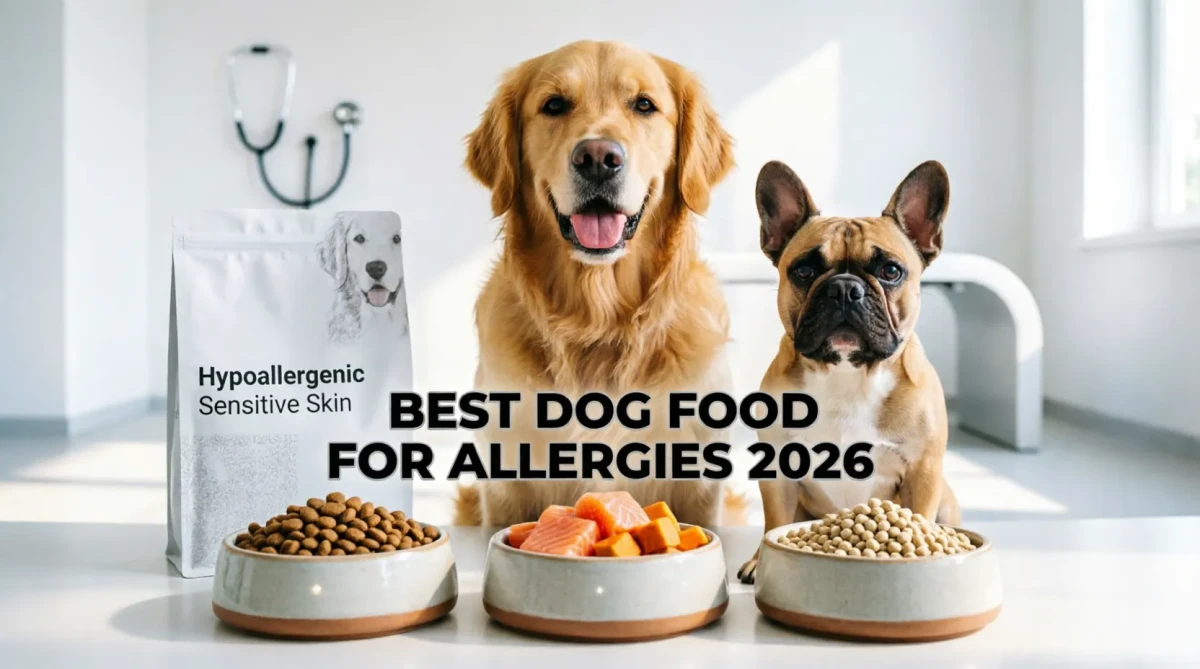
Finding the best dog food for dogs with allergies is often a journey of trial and error for many pet owners. Food allergies in dogs are not just about an upset stomach; they frequently manifest as chronic skin irritation, ear infections, and constant itching. To provide immediate relief, it is essential to understand that most canine allergies are triggered by common proteins like beef, chicken, or dairy.
The primary goal of an allergy-friendly diet is to eliminate the offending "trigger" while maintaining complete nutritional balance. Whether you are dealing with a puppy showing early signs of sensitivity or a senior dog with long-term skin issues, switching to a specialized formula commonly recommended by veterinarians may help restore their quality of life.
Quick Summary of the Best Allergy Dog Foods 2026
If you are looking for a fast answer, the most effective diets for dogs with confirmed food allergies fall into three main categories: Hydrolyzed Protein (for severe cases), Novel Protein (using unique meats like venison or kangaroo), and Limited Ingredient Diets (for managing mild sensitivities). Most owners see significant improvement within 8 to 12 weeks of a strict feeding trial.
| Diet Category | Best For | Key Ingredients | Price Range (USD) |
|---|---|---|---|
| Hydrolyzed Protein | Severe Allergies | Broken down soy or poultry | $90 – $120 (Large Bag) |
| Novel Protein | Elimination Diets | Venison, Duck, Kangaroo | $70 – $95 (Large Bag) |
| Limited Ingredient | Mild Sensitivities | Single protein + 1 Carb | $50 – $80 (Large Bag) |
Identifying Common Dog Food Allergens
Contrary to popular belief, grains like corn and wheat are not the most common allergens for dogs. Research indicates that animal proteins are the most frequent culprits. According to widely accepted pet care standards, the top allergens for dogs include:
- Beef: Responsible for roughly 34% of food allergy cases.
- Dairy Products: Affecting about 17% of sensitive dogs.
- Chicken: A common trigger at 15% of cases.
- Wheat and Lamb: Less common but still significant triggers.
When a dog's immune system mistakenly identifies these proteins as threats, it triggers an inflammatory response. This is why a simple "grain-free" diet often fails to solve the problem if the food still contains chicken or beef meal.
Featured Snippet: What is the best dog food for a dog with allergies?
The best dog food for dogs with allergies is typically a hydrolyzed protein diet or a novel protein limited-ingredient diet. These formulas use proteins that the immune system cannot recognize as allergens or unique protein sources like salmon, venison, or duck that the dog has never consumed before, effectively stopping the allergic reaction.
Daily Feeding Guide for Sensitive Dogs

Managing a dog with allergies requires consistency. The following chart provides a baseline for daily calorie needs and feeding frequencies based on common veterinary practices. Always consult a veterinarian to adjust these amounts for your specific pet's activity level.
| Dog Size (Weight) | Daily Calorie Estimate | Feeding Frequency | Typical Portion (Cups) |
|---|---|---|---|
| Small (2–10 kg) | 150 – 400 kcal | 2–3 times daily | 1/2 to 1 cup |
| Medium (10–25 kg) | 400 – 900 kcal | 2 times daily | 1.5 to 2.5 cups |
| Large (25–45 kg) | 900 – 1,500 kcal | 2 times daily | 3 to 4.5 cups |
| Giant (45+ kg) | 1,500 – 2,500 kcal | 2 times daily | 5+ cups |
Hydrolyzed vs Novel Protein vs Limited Ingredient

Choosing between these three can be confusing. Each serves a specific purpose in an allergy management plan.
Hydrolyzed Protein Diets: These are often prescription-only. The proteins are chemically "shattered" into tiny pieces (peptides) that are too small for the immune system to detect. These are considered the gold standard for diagnosing food allergies through an elimination trial.
Novel Protein Diets: These use protein sources the dog has never eaten before. If your dog has only ever eaten chicken and beef, a diet based on Rabbit, Alligator, or Venison is "novel" to their system. Since the body has no history with these proteins, it is unlikely to react to them.
Limited Ingredient Diets (LID): These are widely available over-the-counter. They simplify the recipe to one protein and one carbohydrate source (like Salmon and Potato). These are excellent for maintenance once you know what your dog’s specific triggers are.
Step by Step Guide to an Elimination Diet Trial

If you suspect your pet has a food allergy, simply switching brands isn't enough. You must follow a strict protocol to identify the cause.
- Select a "Clean" Food: Choose a hydrolyzed or novel protein diet that contains zero ingredients from your dog's previous food.
- Strict 8 to 12 Week Trial: For the next two to three months, your dog must eat only the selected food. No treats, no table scraps, and no flavored medications.
- Monitor Symptoms: Keep a log of itching, redness, and stool quality. Improvement usually starts around week 4, but full skin healing can take 12 weeks.
- The Re-Challenge: Once symptoms clear, introduce one "old" ingredient (like chicken) for a week. If itching returns, you have confirmed the allergy.
Budget vs Premium Allergy Solutions

Allergy management can be expensive, but there are options for different price points. While prescription diets offer the highest purity, some high-quality retail brands provide excellent alternatives.
Premium/Prescription Options ($$$): Brands like Royal Canin Ultamino or Hill’s Prescription Diet z/d. These are manufactured in highly controlled facilities to prevent cross-contamination. Expect to pay $100+ for large bags.
Mid-Range Specialized Options ($$): Brands like Purina Pro Plan Sensitive Skin and Stomach or Blue Buffalo Basics. These utilize salmon or lamb and avoid common fillers. These usually cost between $60 and $85.
Budget-Friendly Limited Ingredient ($): Store brands that offer a "Salmon and Sweet Potato" or "Lamb and Rice" formula. While these are more affordable ($40 – $55), they may be processed on equipment that handles chicken, which can trigger highly sensitive dogs.
Common Mistakes Pet Owners Make

Even with the best intentions, many owners accidentally sabotage their dog’s progress. One of the most common errors is giving "just one" piece of cheese or a flavored dental chew. If your dog is allergic to dairy or the beef flavoring in the chew, the immune response resets, and you may have to start the 12-week trial all over again.
Another mistake is assuming "Grain-Free" means "Allergy-Free." As we’ve noted, proteins are the primary triggers. A grain-free food full of chicken meal will not help a dog with a chicken allergy. Always read the full ingredient list, not just the front of the bag.
Allergy Management in Different Climates

Environmental factors can worsen food allergies. In high-humidity regions like Bangladesh or the Southern US, secondary yeast infections on the skin are very common in allergic dogs. In these cases, a hypoallergenic diet may help, but you must also manage the skin's surface with medicated shampoos to see full results.
In colder, dry climates, allergic dogs may suffer from excessively dry, flaky skin. In these instances, choosing an allergy food fortified with Omega-3 and Omega-6 fatty acids (often derived from fish oil) is highly recommended to support the skin barrier.
Frequently Asked Questions

Can dogs develop allergies to food they have eaten for years?
Yes. Allergies often develop after repeated exposure to a protein. It is very common for a dog to eat chicken for five years and suddenly develop a sensitivity to it.
How can I tell if it is a food allergy or an environmental allergy?
Food allergies are usually non-seasonal (they happen year-round) and often involve both skin and gastrointestinal symptoms (like soft stools). Environmental allergies often flare up during specific seasons like spring or fall.
Is homemade dog food better for allergies?
Homemade diets allow for total control over ingredients, but they are very difficult to balance nutritionally. If you choose this route, you must work with a veterinary nutritionist to ensure your dog receives proper vitamins and minerals.
Do I need a prescription for hypoallergenic dog food?
Truly hydrolyzed diets usually require a prescription because they are formulated as medical tools. However, many limited-ingredient and novel protein diets are available at standard pet stores without a prescription.
Expert Tips for Long Term Success

Success in managing dog allergies comes down to vigilance. Always check the labels of treats and even your own hand lotion if your dog tends to lick your hands. Transitioning to a new food should always be done gradually over 7 to 10 days to avoid stomach upset, but once the transition is complete, strict adherence is the key to a happy, itch-free pet.
🐱 আরও পড়ুন: Dogs Food

0 Comments