.png)
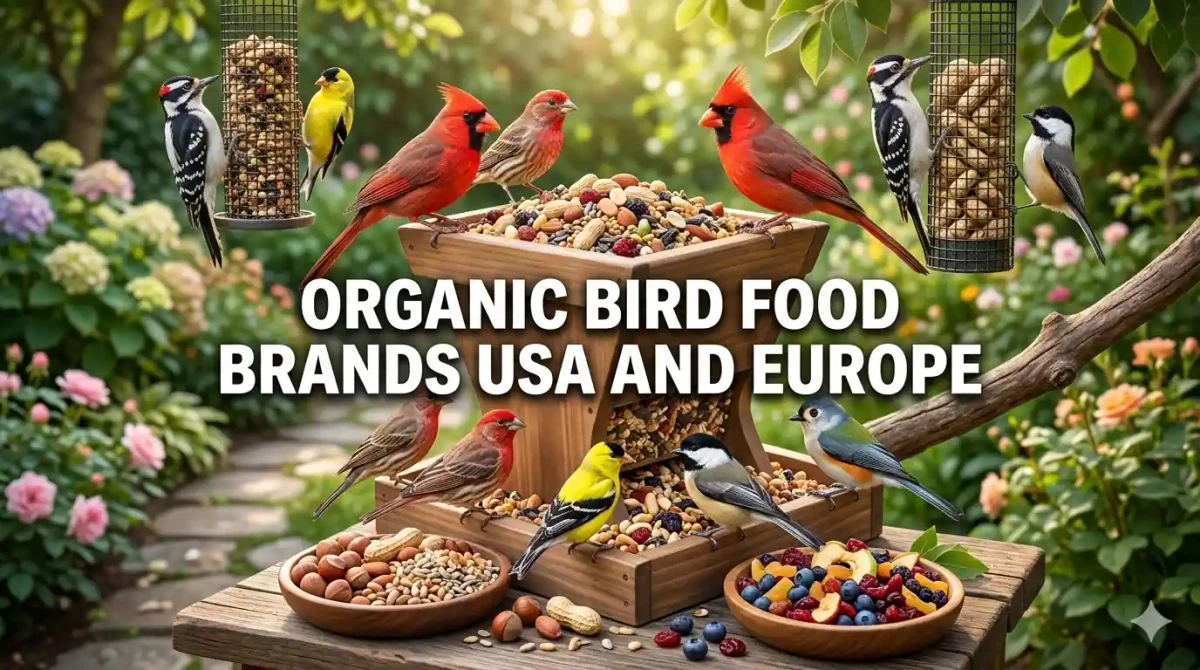
Introduction to Organic Bird Food
The demand for organic bird food has surged dramatically as bird enthusiasts recognize the importance of providing chemical-free, nutritious food for wild and pet birds. Organic bird food brands in USA and Europe have responded by offering premium products that meet strict certification standards while supporting bird health and environmental sustainability.
Choosing organic bird food means selecting seeds, nuts, and supplements grown without synthetic pesticides, herbicides, or genetically modified organisms. This commitment to natural ingredients protects not only the birds that consume these foods but also the ecosystems where the crops are grown. Birds are particularly vulnerable to chemical exposure due to their small size and high metabolic rates, making organic options a responsible choice for conscientious bird feeders.
The organic bird food market has expanded significantly over the past decade, with numerous brands now offering certified organic products across North America and Europe. These brands prioritize sustainable farming practices, fair trade sourcing, and nutritional excellence. Whether you feed backyard songbirds, maintain an aviary, or care for pet parrots, understanding the landscape of organic bird food options empowers you to make informed decisions that benefit both birds and the environment.
Why Choose Organic Bird Food for Your Feathered Friends
Organic bird food offers substantial advantages over conventional alternatives, making it an increasingly popular choice among bird enthusiasts who prioritize health, environmental responsibility, and nutritional quality. Understanding these benefits helps explain why many feeders are willing to invest in premium organic products.
What makes organic bird food better than conventional options?
Organic bird food is produced without synthetic pesticides, herbicides, fungicides, or chemical fertilizers that can accumulate in seeds and pose health risks to birds. These chemicals, while effective at protecting crops, can cause neurological damage, reproductive issues, and weakened immune systems in birds. Organic farming relies on natural pest management, crop rotation, and biological controls that maintain ecosystem balance without toxic residues.
Nutritional quality is another significant advantage. Studies suggest that organically grown seeds often contain higher levels of antioxidants, vitamins, and minerals compared to conventionally grown counterparts. The absence of chemical stressors allows plants to develop their natural defense compounds, which translate into enhanced nutritional profiles. Birds consuming organic seeds receive cleaner, more nutrient-dense food that supports optimal health, vibrant plumage, and strong immune function.
Environmental impact cannot be overlooked. Organic farming practices protect soil health, conserve water, reduce pollution, and support biodiversity. By choosing organic bird food, you support agricultural systems that maintain healthy ecosystems for wildlife beyond just the birds visiting your feeder. Organic farms typically host greater numbers of beneficial insects, pollinators, and other wildlife, creating richer habitats that complement your backyard feeding efforts.
How does organic certification ensure quality?
Organic certification involves rigorous standards and regular inspections to verify compliance with established guidelines. In the United States, the USDA National Organic Program sets requirements that prohibit synthetic pesticides, GMOs, sewage sludge, and irradiation. European organic standards, governed by EU regulations, maintain similarly strict criteria with additional emphasis on animal welfare and sustainability.
Certified organic bird food must contain at least 95 percent organic ingredients, with the remaining five percent meeting strict approval standards. Certification bodies conduct annual inspections of farming operations, processing facilities, and supply chains to ensure integrity. This oversight provides consumers with confidence that products labeled as organic truly meet established standards, eliminating concerns about greenwashing or false claims.
Traceability is a key component of organic certification. Every step from farm to feeder must be documented, creating transparency throughout the supply chain. This accountability ensures that organic bird food brands maintain their commitments to quality and sustainability, giving bird enthusiasts peace of mind about the products they purchase.
Top Organic Bird Food Brands in the United States

The American organic bird food market features several outstanding brands that have earned reputations for quality, sustainability, and bird health. These companies offer diverse product lines catering to different bird species and feeder preferences.
Which organic bird food brands lead the USA market?
Wagner's has emerged as a prominent player in the organic bird food sector, offering USDA certified organic seed blends that appeal to a wide variety of songbirds. Their organic mixes feature sunflower seeds, millet, and cracked corn sourced from certified organic farms. Wagner's commitment to quality control and consistent ingredient sourcing has made them a trusted choice among American bird feeders seeking reliable organic options.
Kaytee Products, a well-established name in bird care, has expanded into organic offerings with their Kaytee Organic line. These products include organic sunflower hearts, nyjer seed, and specialty blends designed for specific bird species. Kaytee leverages its extensive distribution network to make organic bird food accessible across the United States, while maintaining strict quality standards and organic certification.
Pennington Wildlife has developed a comprehensive organic bird food collection featuring non-GMO, pesticide-free seeds. Their organic blends cater to regional bird populations, with formulations optimized for different geographic areas and seasonal needs. Pennington emphasizes sustainable sourcing and partners with organic farmers who employ regenerative agriculture practices that enhance soil health and biodiversity.
Birds Choice, though smaller than some competitors, has built a loyal following through their commitment to organic and non-GMO products. They offer specialty organic mixes including safflower, white proso millet, and black oil sunflower seeds. Birds Choice focuses on transparency, providing detailed information about sourcing and processing methods that appeal to environmentally conscious consumers.
Leading Organic Bird Food Brands in Europe

European organic bird food brands benefit from stringent EU organic regulations and a strong cultural emphasis on environmental sustainability. These companies often pioneer innovative approaches to organic bird nutrition and eco-friendly packaging.
What are the best organic bird food brands in Europe?
Vivara, based in the Netherlands, stands as one of Europe's premier organic bird food manufacturers. Their extensive product line includes certified organic seed mixes, fat balls, and specialty feeds for various bird species. Vivara emphasizes sustainable packaging, utilizing recycled and biodegradable materials whenever possible. Their commitment to organic farming extends beyond ingredients to encompass entire supply chain sustainability.
Pejen, a German brand, has earned recognition for high-quality organic bird food that meets strict EU organic standards. Their products feature regionally sourced organic seeds, reducing transportation emissions and supporting local agriculture. Pejen offers innovative blends tailored to European bird species including robins, blackbirds, and blue tits, with formulations that address seasonal nutritional needs.
Haith's, a British company with over seventy years of experience, has developed a comprehensive organic bird food range. Their organic products include no-mess blends, high-energy fat products, and species-specific mixes. Haith's maintains direct relationships with organic farmers and conducts regular quality testing to ensure products meet their exacting standards. Their commitment to bird health and environmental responsibility has made them a favorite among UK bird enthusiasts.
JR Farm, operating from Germany, specializes in organic bird food for both wild birds and pet species. Their wild bird organic line features pesticide-free seeds, grains, and natural supplements. JR Farm emphasizes biodiversity conservation and supports organic farming initiatives throughout Europe. Their products are widely available across European markets and have gained popularity for consistent quality and nutritional excellence.
Understanding Organic Certification Standards

Navigating organic certification can seem complex, but understanding the standards helps consumers make informed choices and verify product claims. Both USA and European organic certifications maintain rigorous requirements, though some differences exist between regions.
How do USA and European organic standards compare?
USDA Organic certification requires that products contain at least 95 percent organically produced ingredients, excluding water and salt. The remaining five percent must be on an approved National List of allowed substances. Prohibited practices include genetic engineering, ionizing radiation, and sewage sludge application. Annual inspections verify compliance, and certified operations must maintain detailed records documenting all aspects of production and handling.
European organic certification, governed by EU Regulation 2018/848, maintains similarly strict standards with some regional variations. EU organic standards emphasize precautionary principles, prohibiting GMOs and requiring buffer zones between organic and conventional farms to prevent contamination. European certification also places greater emphasis on animal welfare, biodiversity conservation, and climate change mitigation compared to US standards.
Both certification systems prohibit synthetic pesticides and fertilizers, though approved natural alternatives differ slightly between regions. Mutual recognition agreements allow some products certified in one region to be sold as organic in the other, though brands often pursue dual certification to maximize market access and consumer confidence.
What should you look for on organic bird food labels?
Authentic organic bird food displays official certification seals prominently on packaging. In the United States, look for the USDA Organic seal, which indicates compliance with federal organic standards. European products should display the EU organic logo, a green leaf design that signifies adherence to EU regulations. Additional certification from organizations like Soil Association in the UK or Naturland in Germany provides further assurance of quality.
Ingredient lists should clearly identify organic components, typically marked with asterisks or noted as "certified organic." Be wary of products claiming to be "natural" or "eco-friendly" without official organic certification, as these terms are not regulated and may not guarantee pesticide-free production. Transparency about sourcing and processing methods indicates a brand's commitment to organic integrity.
Expiration dates and batch numbers enable traceability and ensure freshness. Reputable organic bird food brands provide contact information for customer inquiries about certification and sourcing practices. Don't hesitate to reach out to manufacturers with questions about their organic credentials or farming partnerships.
Nutritional Components of Quality Organic Bird Food

Understanding the nutritional composition of organic bird food helps you select appropriate products for different bird species and seasonal needs. Quality organic bird food provides balanced nutrition through diverse, natural ingredients.
What nutrients do birds need from organic food?
Proteins form the foundation of avian nutrition, supporting muscle development, feather production, and overall growth. Organic sunflower seeds, nyjer seed, and millet provide high-quality plant-based proteins that birds efficiently utilize. During breeding season and molting periods, birds require increased protein intake, making protein-rich organic blends particularly valuable during these times.
Fats supply concentrated energy essential for maintaining body temperature, especially during cold winter months. Organic sunflower hearts, peanuts, and suet products deliver healthy fats that help birds survive harsh conditions. High-energy organic fat balls and seed cakes prove invaluable during winter when natural food sources become scarce and birds expend more energy staying warm.
Carbohydrates from organic grains like millet, corn, and oats provide readily available energy for daily activities. While birds require less carbohydrate than fat or protein, these nutrients support metabolic functions and provide variety in diet. Organic grains offer complex carbohydrates without chemical residues that could compromise bird health.
Vitamins and minerals occur naturally in organic seeds and are often present in higher concentrations than in conventionally grown alternatives. Vitamin E, abundant in organic sunflower seeds, supports immune function and reproductive health. Calcium, phosphorus, and trace minerals from organic sources contribute to strong bones, eggshell formation, and enzymatic processes essential for avian vitality.
Species-Specific Organic Bird Food Recommendations

Different bird species have unique dietary preferences and nutritional requirements. Selecting organic bird food tailored to specific species maximizes feeding success and supports optimal health.
Which organic foods attract different bird species?
Cardinals, blue jays, and grosbeaks prefer large seeds like organic black oil sunflower seeds and safflower. These species have strong bills capable of cracking tough shells, and they appreciate the high fat content of sunflower seeds. Organic safflower seed proves particularly effective for attracting cardinals while deterring squirrels and grackles that find safflower less palatable.
Finches, including goldfinches and house finches, demonstrate strong preference for organic nyjer seed and small black oil sunflower seeds. Nyjer, also called thistle seed, requires specialized feeders but attracts finches reliably. Organic nyjer seed ensures these small, oil-rich seeds are free from pesticide residues that could harm delicate finch populations.
Chickadees, nuthatches, and titmice enjoy variety and will readily consume organic sunflower seeds, peanuts, and suet. These active, acrobatic birds appreciate organic no-mess blends that combine sunflower hearts, chopped nuts, and dried fruits. During winter, organic suet cakes provide concentrated energy that helps these small birds maintain body heat.
Sparrows, juncos, and towhees prefer ground feeding and favor organic millet, cracked corn, and mixed seed blends. White proso millet proves particularly attractive to these species. Organic ground feed blends scattered beneath feeders or on platform feeders accommodate their feeding preferences while providing chemical-free nutrition.
Common Mistakes When Buying Organic Bird Food

Even well-intentioned bird feeders can make errors when selecting organic bird food. Avoiding these common pitfalls ensures you provide the best nutrition while supporting genuine organic agriculture.
What mistakes should you avoid with organic bird food?
Purchasing products without verifying certification represents the most frequent error. Terms like "natural," "wild," or "eco-friendly" do not guarantee organic status. Always look for official USDA Organic or EU organic certification seals. Some brands may use minimal organic ingredients while marketing products as organic, so check ingredient lists carefully to ensure majority organic content.
Ignoring freshness and storage conditions compromises nutritional quality. Organic seeds lack chemical preservatives, making proper storage essential. Buy from retailers with high product turnover to ensure freshness. Store organic bird food in airtight containers in cool, dry locations to prevent mold growth and nutrient degradation. Purchase quantities you can use within reasonable timeframes rather than stockpiling large amounts.
Assuming all organic bird food suits all species leads to wasted food and disappointed birds. Different species have distinct preferences, and offering inappropriate organic mixes attracts unwanted species while failing to attract desired visitors. Research the birds in your area and select organic products matching their dietary needs.
Overlooking price-per-nutrient value can result in overspending without proportional benefits. While organic bird food typically costs more than conventional options, compare nutritional content and ingredient quality rather than just package price. Premium organic blends with high percentages of preferred seeds often provide better value than budget organic mixes filled with filler grains that birds discard.
Storage and Handling of Organic Bird Food

Proper storage preserves the nutritional integrity of organic bird food and prevents spoilage, mold, and pest infestations. Following best practices ensures your investment delivers maximum benefit to visiting birds.
How should you store organic bird seed?
Transfer organic bird food from original packaging to airtight containers immediately after purchase. Metal or heavy-duty plastic containers with secure lids prevent moisture intrusion and deter rodents and insects. Clear containers allow easy monitoring of supply levels and inspection for signs of spoilage or pest activity.
Store containers in cool, dry locations away from direct sunlight, which degrades vitamins and accelerates fat rancidity. Garages, sheds, or basements work well if they maintain stable temperatures and low humidity. Avoid storing bird food near chemicals, gasoline, or pesticides that could contaminate organic seeds through fumes or spills.
Practice first-in, first-out inventory management by using older supplies before opening new packages. Label containers with purchase dates to track freshness. Most organic bird food maintains optimal quality for three to six months when stored properly, though high-fat seeds like sunflower hearts may become rancid more quickly.
Regularly inspect stored bird food for signs of mold, unusual odors, clumping, or insect activity. Discard any compromised seed immediately to prevent contaminating fresh supplies or harming birds. Clean storage containers thoroughly between refills to remove residue and prevent pest harborage.
Frequently Asked Questions

Is organic bird food worth the higher cost?
Organic bird food typically costs 20 to 40 percent more than conventional alternatives, but many bird enthusiasts consider the investment worthwhile. The benefits include supporting pesticide-free agriculture that protects ecosystems, providing cleaner nutrition that promotes bird health, and reducing chemical exposure for wildlife. For those who view bird feeding as conservation action rather than merely recreation, organic options align with environmental values. Additionally, organic seeds often demonstrate higher nutritional density and better freshness, meaning birds may consume less volume while receiving superior nutrition.
Can I mix organic and conventional bird seed?
While you can physically mix organic and conventional bird seed, doing so diminishes the environmental and health benefits that motivated organic purchase. Mixing introduces pesticide residues and GMOs into what would otherwise be chemical-free food. If budget constraints prevent exclusive organic feeding, consider offering organic seed in some feeders while using conventional seed in others, or prioritize organic for high-consumption periods like winter. This approach maintains some organic benefits while managing costs.
Do organic bird foods expire faster than conventional?
Organic bird food may have slightly shorter shelf life than conventional products because it lacks synthetic preservatives. However, proper storage significantly extends freshness regardless of organic status. High-fat organic seeds like sunflower hearts can become rancid within three to four months in warm conditions, while whole seeds with shells maintain quality longer. Purchase organic bird food in quantities you can use within three to six months, store in cool dry conditions, and inspect regularly for signs of spoilage to ensure optimal quality.
Are organic bird foods available year-round?
Major organic bird food brands maintain year-round availability of core products like sunflower seeds, nyjer, and mixed blends. However, specialty organic items or regional brands may experience seasonal fluctuations in supply. Demand typically increases during fall and winter when natural food sources decline and bird feeding activity intensifies. Order organic bird food in advance of peak seasons to ensure availability, and consider subscribing to automatic delivery programs offered by many retailers to maintain consistent supply.
Can organic bird food help endangered bird species?
Providing organic bird food contributes to conservation efforts by reducing pesticide exposure that has contributed to population declines in many species. Organic farming supports biodiversity, maintains healthier ecosystems, and provides safer food sources for wild birds. While backyard feeding alone cannot reverse population declines, collective action by millions of bird feeders choosing organic products creates market demand that encourages sustainable agriculture and reduces overall pesticide use. This broader environmental benefit supports endangered species beyond just those visiting your feeder.
Where can I buy organic bird food locally?
Organic bird food availability has expanded significantly, with products now found at garden centers, natural food stores, wild bird specialty shops, and increasingly at major retailers. Independent wild bird stores often carry diverse organic brands and can special-order products if needed. Natural food cooperatives and stores like Whole Foods frequently stock organic bird seed. Many brands offer online purchasing with home delivery, expanding access for those in areas with limited local options. Check brand websites for store locators to find nearby retailers carrying their organic products.
Conclusion

The organic bird food market in USA and Europe offers exceptional choices for bird enthusiasts committed to providing chemical-free, nutritious food while supporting sustainable agriculture. Leading brands on both continents have demonstrated that organic certification, nutritional excellence, and environmental responsibility can coexist profitably.
Whether you choose American brands like Wagner's and Kaytee or European leaders like Vivara and Haith's, selecting organic bird food represents a meaningful conservation action. Every pound of organic seed purchased supports farming practices that protect soil, water, and biodiversity while providing safer food for birds vulnerable to chemical exposure.
As awareness grows about the impacts of conventional agriculture on wildlife, the organic bird food sector continues expanding with innovative products and improved accessibility. By making informed choices, verifying certifications, storing products properly, and matching food to species preferences, you maximize benefits for the birds you feed and the ecosystems they inhabit. Your commitment to organic bird food contributes to a larger movement toward sustainable wildlife stewardship that future generations of birds and bird enthusiasts will appreciate.
🐱 আরও পড়ুন: Bird Food

0 Comments