.png)
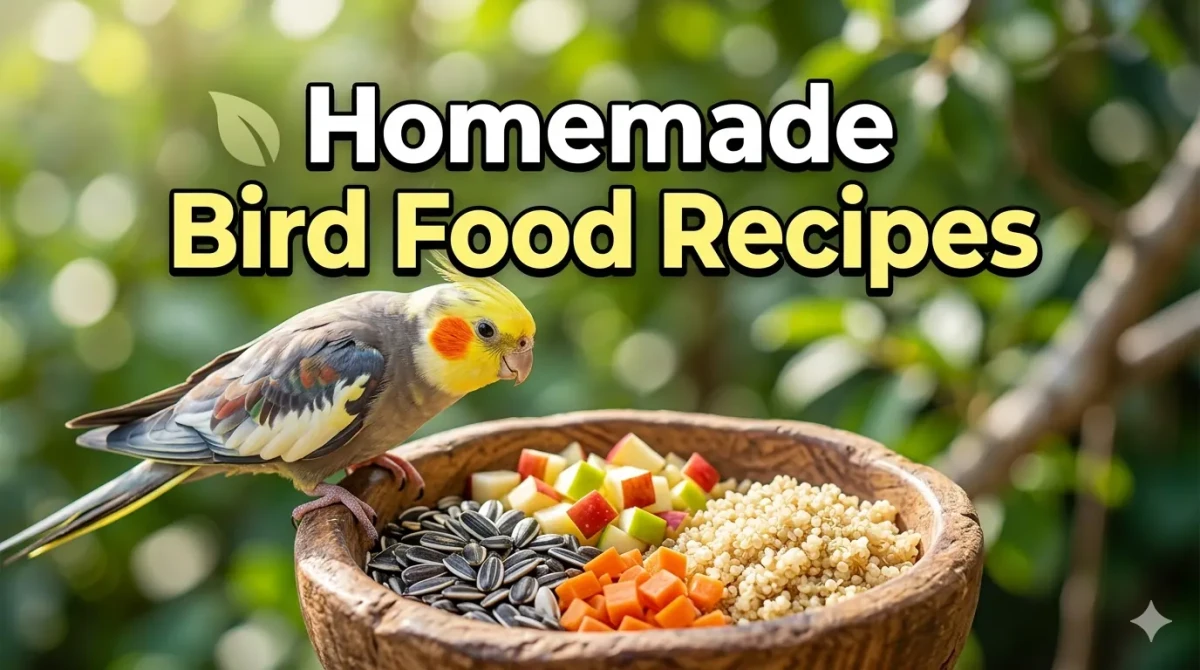
Quick Summary and Direct Answer
Creating homemade bird food requires selecting safe, nutrient dense ingredients that match your bird species dietary needs. Most pet birds benefit from fresh food additions within two to three weeks of consistent feeding. This guide provides vet aligned recipes, precise portion charts, and step by step preparation methods. You will learn how to adjust formulas for parrots, finches, and wild birds while avoiding toxic ingredients like avocado or apple seeds. All recommendations follow widely accepted avian care standards and prioritize safety over convenience. Always consult an avian veterinarian before making major dietary changes, especially if your bird has diagnosed health conditions.
Featured Answer for Safe Bird Nutrition
Safe homemade bird food combines species appropriate seeds like millet or sunflower, fresh chopped vegetables such as carrots and broccoli, and limited fruits like berries or melon. Offer one to two tablespoons of fresh food daily per medium sized parrot, served in clean dishes and removed after two hours to prevent spoilage. Transition gradually over five days by mixing new items with current diet at twenty percent increments. Monitor droppings, feather condition, and energy levels weekly, and schedule veterinary evaluation to confirm nutritional balance.
Essential Bird Species Overview and Dietary Requirements
Understanding species specific nutrition prevents accidental feeding errors that compromise avian health. Parrots require varied diets with pellets, fresh produce, and limited seeds, while finches thrive on small seeds and occasional greens. Wild birds need high energy formulas during migration or cold seasons. Recognizing these differences ensures your homemade recipes support each bird type appropriately.
| Bird Type | Primary Diet Focus | Safe Homemade Additions | Daily Fresh Food Amount | Foods to Avoid |
|---|---|---|---|---|
| Parrots and Cockatiels | Pellets sixty percent, fresh thirty percent, seeds ten percent | Chopped carrots, leafy greens, cooked quinoa, hard boiled egg | One to two tablespoons per meal | Avocado, chocolate, apple seeds, salt |
| Finches and Canaries | Small seeds seventy percent, greens twenty percent, fruit ten percent | Millet spray, spinach, cucumber, berry pieces | One teaspoon per bird daily | Citrus in excess, dried beans, onion |
| Wild Garden Birds | High energy seeds and suet, seasonal fruits | Sunflower hearts, nyjer seed, unsalted peanut butter, apple slices | Refill feeders as consumed | Bread, salty foods, moldy ingredients |
These guidelines serve as foundational recommendations rather than strict prescriptions. Individual birds may show preferences or sensitivities that require adjustment. Monitor body condition weekly by feeling the breast bone prominence and adjusting portions to maintain ideal weight. Overfeeding high fat seeds like sunflower can lead to obesity in captive birds, while underfeeding fresh produce may cause vitamin deficiencies.
Step by Step Guide to Preparing Safe Homemade Bird Food

Consistency in preparation ensures nutritional reliability and food safety. Follow this exact workflow to minimize bacterial risk while preserving essential vitamins that support feather health and immune function. Each step prioritizes ingredient integrity and species appropriate nutrition.
Ingredient Selection and Safety Verification
- Start by selecting fresh, organic produce when possible to reduce pesticide exposure. Rinse all fruits and vegetables thoroughly under cool running water and pat dry with paper towels.
- Remove all seeds, pits, and cores from fruits like apples, cherries, or peaches, as these contain cyanide compounds toxic to birds even in small amounts.
- Chop ingredients into uniform pieces measuring approximately one quarter inch for small birds or one half inch for parrots. Consistent sizing prevents choking and ensures even consumption.
- Cook grains like brown rice, quinoa, or oats in plain water without salt, butter, or seasonings. Simmer until tender then cool completely before offering to birds.
- Prepare protein sources like hard boiled eggs by cooking thoroughly, cooling, then crushing shells into fine powder to provide bioavailable calcium for bone and eggshell health.
- Avoid all processed human foods containing salt, sugar, artificial sweeteners, or preservatives, as birds have highly sensitive metabolic systems that cannot process these additives safely.
Store prepared fresh foods in airtight glass containers inside the refrigerator for up to twenty four hours. Discard any uneaten portions after two hours at room temperature to prevent bacterial growth that can cause crop infections. Never reuse food that has been in a bird cage, as saliva and droppings introduce contamination risks.
Featured Answer for Food Safety
Always remove uneaten fresh bird food after two hours to prevent bacterial growth that can cause serious illness. Store prepared recipes in sealed containers in the refrigerator for no more than twenty four hours. Wash all feeding dishes with hot soapy water after each use to maintain hygiene and prevent cross contamination between birds.
Seasonal Recipe Variations and Nutritional Adjustments

Bird nutritional needs shift with seasonal changes in temperature, daylight, and activity levels. Adapting homemade recipes to these cycles supports immune function, feather molting, and reproductive health. Implement these seasonal strategies to maintain year round wellness.
Spring and Summer Formulas
Warmer months increase activity and molting demands, requiring higher protein and hydration support. Combine cooked quinoa or lentils with chopped leafy greens like kale or spinach, and add berry pieces for antioxidant support. Offer these mixtures in the morning when temperatures are cooler to preserve freshness. Increase water availability and mist cage vegetables lightly to encourage hydration in dry climates.
Fall and Winter Energy Boosters
Colder seasons demand higher calorie intake for thermoregulation, especially in wild birds or outdoor aviaries. Prepare suet mixes by melting beef fat at low heat, stirring in black oil sunflower seeds, millet, and dried cranberries, then cooling in molds. For pet birds, add small amounts of unsalted nut butter to seed mixes or offer warmed cooked sweet potato for sustained energy. Monitor body condition weekly and adjust portions to prevent obesity during lower activity periods.
Featured Answer for Seasonal Feeding
Adjust homemade bird recipes seasonally by increasing protein and hydration support in spring for molting, and adding high energy suet or warmed grains in winter for thermoregulation. Always serve fresh foods in the morning during warm months and remove uneaten portions within two hours to prevent spoilage and bacterial growth.
Budget Versus Premium Ingredient Comparison

Homemade bird food offers significant financial flexibility compared to commercial specialty formulas. Understanding ingredient tiers helps you maintain nutritional quality without overspending. The following comparison outlines realistic monthly costs for a medium sized parrot weighing one hundred grams.
| Ingredient Tier | Monthly Cost Estimate | Protein and Seed Sources | Fresh Produce Focus | Supplementation Level |
|---|---|---|---|---|
| Budget Friendly | Ten to twenty dollars | Millet, oats, generic sunflower seeds | Seasonal carrots, apples, spinach | Basic cuttlebone for calcium |
| Mid Range | Twenty to forty dollars | Hulled sunflower, safflower, quinoa | Organic berries, broccoli, peppers | Avian multivitamin powder, probiotic |
| Premium Quality | Forty to seventy dollars | Organic nyjer, hemp seeds, free range egg | Exotic fruits, sprouted legumes, microgreens | Joint support supplements, omega three oil |
Budget options rely on widely available grocery items that remain highly nutritious when prepared properly. Mid range selections introduce organic produce and alternative grains that provide amino acid diversity without triggering sensitivities. Premium tiers focus on sprouted seeds and exotic fruits, which benefit birds with specific health needs but require careful cost management. Purchasing seeds in bulk, freezing fruit portions, and shopping during seasonal sales reduces overall expenses by twenty to thirty percent. Always verify freshness dates and avoid ingredients with unusual odors or discoloration.
Age Specific Adjustments and Life Stage Nutrition

Birds require different nutritional ratios throughout their lives. Applying a single recipe across all age groups often leads to deficiencies or excesses that compromise long term health. Recognizing these shifts ensures your homemade meals support each developmental stage appropriately.
Chick and Juvenile Nutritional Requirements
Growing birds need higher protein percentages to support rapid feather development and bone growth. Add crushed hard boiled egg or commercial hand feeding formula at manufacturer suggested ratios. Increase feeding frequency to three or four smaller meals daily to prevent hypoglycemia and maintain steady energy. Avoid high fat seeds that can overwhelm developing digestive systems. Monitor weight gain weekly and adjust portions to maintain lean muscle without excessive fat accumulation.
Adult Maintenance Protocols
Mature birds stabilize metabolically and require consistent caloric intake aligned with daily activity levels. Reduce meal frequency to two times daily and adjust protein sources based on exercise intensity. Active birds benefit from slightly increased carbohydrate ratios for sustained endurance. Less active companions thrive on lower calorie formulas that prevent joint stress and obesity. Rotate fresh produce types monthly to introduce vitamin variety without disrupting digestive balance.
Senior Dietary Modifications
Aging birds experience slower digestion and reduced nutrient absorption. Incorporate additional moisture by adding warm water to pellets or offering soft cooked vegetables, which encourages hydration and eases chewing. Increase antioxidant content with blueberries or dark leafy greens to support immune function and cognitive health. Reduce overall calorie density by ten percent while preserving essential vitamins that support feather quality and joint mobility. Schedule veterinary checkups every six months to track organ function markers that influence dietary needs.
Preventive Health and Veterinary Alignment

Homemade diets require proactive health monitoring to maintain nutritional completeness. Commercial pelleted formulas undergo strict testing for micronutrient balance, while homemade meals depend entirely on ingredient selection and preparation accuracy. Regular veterinary checkups remain essential to identify deficiencies before clinical symptoms appear.
Supplementation fills nutritional gaps that ingredients alone cannot address. Add veterinary recommended calcium sources like cuttlebone or mineral blocks, vitamin A rich vegetables, and omega three fatty acids at manufacturer suggested dosages. Over supplementation causes toxicity symptoms including feather plucking, lethargy, and neurological issues. Use a digital kitchen scale to measure supplements accurately rather than relying on visual estimates. Store supplements in cool, dry locations away from direct sunlight to preserve potency and prevent degradation.
Featured Answer for Health Monitoring
Regular avian veterinary checkups remain essential when feeding homemade diets. Schedule comprehensive exams every six months to verify nutrient absorption and organ health. Track droppings consistency, feather quality, and energy levels weekly to catch early signs of imbalance. Use veterinarian approved supplements rather than human multivitamins to ensure species specific dosing and prevent toxicity.
Behavioral Enrichment and Feeding Routine Integration

Consistent feeding schedules directly influence avian behavior and trainability. Birds with predictable meal times exhibit lower anxiety levels and demonstrate improved engagement during training sessions. Use structured feeding windows to reinforce positive behaviors and establish clear household boundaries.
- Establish fixed meal times at the same hour daily to regulate circadian rhythms and digestive enzyme production.
- Place food dishes in quiet, low traffic areas of the cage to reduce environmental stress during consumption.
- Use foraging toys or puzzle feeders to extend meal duration and prevent boredom that can trigger feather plucking.
- Require a step up command before offering high value treats, reinforcing impulse control and household manners.
- Remove uneaten fresh food after two hours to prevent grazing behavior and maintain appetite for scheduled meals.
Positive reinforcement works effectively when paired with consistent nutrition. Reward training sessions with small portions of the same homemade ingredients used in regular meals. This prevents digestive confusion while maintaining motivation. Avoid introducing new treats during dietary transitions, as even minor ingredient variations can trigger sensitivities. Document behavioral changes alongside dietary shifts to identify correlations between nutrition and temperament.
Essential Accessories and Tools for Safe Meal Prep

Proper kitchen equipment ensures food safety, accurate measurements, and efficient preparation cycles. Investing in reliable tools reduces contamination risk and maintains ingredient integrity throughout the cooking process. Select products that meet household food safety standards and prioritize durability over aesthetic appeal.
- Digital kitchen scale with gram measurements provides precise portion control for seeds, fresh produce, and supplements.
- Stainless steel mixing bowls distribute temperature evenly and prevent chemical leaching that can occur with plastic containers.
- Fine mesh produce washers remove dirt and pesticide residue from fruits and vegetables before chopping.
- Airtight glass containers with locking lids prevent bacterial growth and eliminate odor absorption during refrigeration.
- Silicone spatulas withstand temperature variations without degrading and allow thorough mixing without scratching cookware surfaces.
Buying considerations should prioritize material safety and ease of sanitization. Avoid plastic containers that degrade over time or harbor microscopic scratches where bacteria multiply. Select dishwasher safe components to streamline cleaning routines and maintain consistent hygiene standards. Budget friendly options often perform adequately for basic preparation, while premium tools offer extended warranties and superior heat resistance. Replace worn utensils immediately to prevent cross contamination and maintain food safety compliance.
Common Mistakes That Compromise Bird Health

Well intentioned owners frequently make errors that compromise avian health despite using quality ingredients. Recognizing these pitfalls prevents unnecessary suffering and reduces veterinary visits. Apply these corrective strategies to maintain consistent meal quality and nutrient delivery.
Overlooking Toxic Ingredient Risks
Using human food scraps without verification introduces common toxins like avocado, chocolate, onion, or apple seeds that can be fatal to birds. Maintain a printed safe food list near preparation areas and verify every ingredient before offering. Store hazardous foods in separate cabinets away from bird food supplies to prevent accidental cross contamination.
Inconsistent Fresh Food Rotation
Offering the same vegetables daily creates nutritional gaps and boredom that can trigger feather destructive behaviors. Rotate produce types weekly using a color coded system to ensure vitamin diversity. Document acceptance patterns to identify preferences while maintaining nutritional completeness through planned variety.
Premature Introduction of Complex Recipes
Introducing multiple new ingredients simultaneously overwhelms the digestive system and obscures sensitivity triggers. Change only one ingredient every seven days to isolate tolerance responses. Document reactions carefully before adding additional components. Maintain a stable base formula for at least two weeks before experimenting with alternative proteins or carbohydrate bases.
Expert Tips From Avian Veterinarians and Experienced Owners

Board certified avian veterinarians and longtime bird owners consistently emphasize observation, documentation, and patience when managing homemade diets. Real world insights complement veterinary guidelines and provide practical strategies that commercial products rarely address. Incorporate these proven methods to optimize feeding routines and improve long term health outcomes.
- Keep a daily feeding journal tracking portions, ingredients, droppings quality, and feather condition. Patterns emerge within two to three weeks that reveal hidden sensitivities or optimal combinations.
- Batch prepare seed mixes on weekends and portion fresh produce into daily servings to maintain consistency during busy weekdays and reduce preparation stress.
- Consult a certified avian nutritionist when designing long term homemade diets to verify calcium phosphorus ratios and micronutrient adequacy.
- Introduce digestive probiotics during transition periods to support beneficial gut bacteria and minimize temporary digestive upset.
- Monitor water intake closely, as fresh food additions increase moisture consumption that requires clean water availability at all times.
These practices align with widely accepted avian care standards and emphasize proactive management over reactive treatment. Owners who implement structured documentation report fewer emergency vet visits and more predictable health outcomes. Consistency remains the most powerful tool when navigating homemade diets, as gradual adjustments yield sustainable results without compromising nutritional balance.
Frequently Asked Questions

How quickly will I notice health improvements after switching to homemade bird food
Most birds show improved feather quality, brighter eyes, and increased energy within fourteen to twenty one days of consistent feeding. Digestive and immune systems require approximately two weeks to adapt to new nutrient profiles. Maintain the exact same recipe during this window to establish clear baseline responses. Extend the observation period to thirty days before evaluating overall success or considering ingredient modifications.
Can I feed homemade food exclusively without commercial pellets
Exclusive feeding without targeted supplementation leads to calcium, vitamin A, and amino acid deficiencies that develop gradually over several months. Commercial pellets formulated specifically for birds ensure species appropriate dosing that homemade meals require professional guidance to replicate. Always include veterinary approved calcium sources, vitamin rich vegetables, and targeted supplements. Consult a professional to verify your homemade formula meets established nutritional standards before long term commitment.
Which fruits and vegetables are safest for most bird species
Leafy greens like kale and spinach, chopped carrots, broccoli florets, and berries typically trigger fewer sensitivities when introduced correctly. Start with a single produce type and avoid mixing multiple new items during the initial transition phase. Rotate to different colors weekly to provide vitamin diversity. Document all reactions carefully and eliminate any ingredient that causes digestive upset or behavioral changes immediately.
How do I store homemade bird food safely without spoilage
Store prepared fresh foods in airtight glass containers at or below forty degrees Fahrenheit for a maximum of twenty four hours. Freeze seed mixes in labeled bags for longer storage lasting up to three months. Thaw refrigerated portions overnight before serving and discard any food left at room temperature beyond two hours. Never refreeze previously thawed fresh produce, as temperature fluctuations encourage bacterial growth that compromises digestive safety.
What signs indicate my bird is not tolerating the homemade diet
Watch for persistent changes in droppings lasting more than forty eight hours, feather plucking, excessive lethargy, or reduced appetite after meals. Fluffed posture, sitting on cage floor, or vocalization changes also signal potential intolerance or nutrient imbalance. Pause new ingredients immediately and revert to the previously tolerated formula. Contact an avian veterinarian if symptoms persist beyond three days or if you observe labored breathing or discharge.

0 Comments