.png)
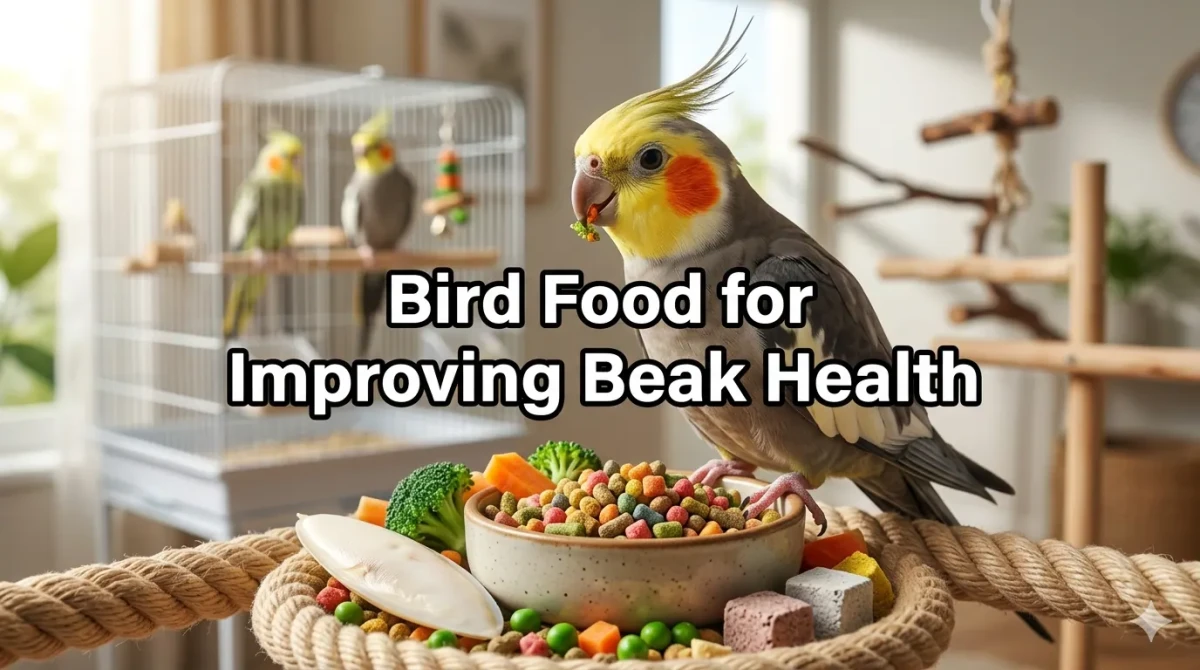
Understanding Avian Beak Health and Nutritional Needs
Bird food for improving beak health represents one of the most fundamental nutritional considerations for pet bird owners, as the beak serves critical functions including feeding, preening, climbing, defense, and environmental manipulation. A healthy beak grows continuously throughout a bird's life, requiring proper nutrition, appropriate wear through chewing and manipulation, and regular maintenance to prevent overgrowth, deformities, or functional impairments. Selecting appropriate bird food formulated with beak supporting nutrients can significantly promote proper beak growth, maintain structural integrity, and help your avian companion maintain essential behaviors throughout their life.
The connection between nutrition and beak health in birds is well documented through avian veterinary research. Specific dietary factors including adequate protein for keratin production, balanced calcium and phosphorus for structural support, vitamin A for epithelial health, and appropriate texture for natural wear work synergistically to support beak development and maintenance. When these factors are incorporated into balanced avian formulas, they provide consistent daily support that helps maintain beak health through proper nutrition rather than reactive intervention.
This comprehensive guide covers everything you need to know about selecting bird food for beak health, from understanding key ingredients and evaluating product quality to implementing feeding strategies that maximize beak support. Whether your bird has experienced beak issues previously or you want to prevent problems proactively, these expert recommendations will help you choose nutrition that supports beak integrity, reduces deformity risk, and enhances your bird's overall quality of life.
Why Beak Health Matters for Pet Birds
Beak health profoundly impacts nearly every aspect of a bird's physical function and emotional wellbeing. Birds with compromised beak function often experience difficulty eating, preening, climbing, and interacting with their environment, leading to weight loss, poor feather condition, reduced mobility, and behavioral changes that reflect discomfort rather than personality changes.
The consequences of untreated beak problems extend beyond immediate functional impairment. Overgrown, cracked, or deformed beaks can cause pain during eating, prevent proper preening that maintains feather health, and limit a bird's ability to manipulate toys or climb, reducing mental stimulation and physical exercise. Severe beak issues may require veterinary intervention including trimming, filing, or in extreme cases, surgical correction.
Preventive beak nutrition is far more effective than attempting to correct advanced beak deformities. By providing beak supporting nutrients through appropriate bird food before problems develop, you can promote proper keratin production, maintain structural integrity, and encourage natural wear through appropriate food textures. Early nutritional intervention represents one of the most impactful steps you can take to support your bird's beak health and prevent painful complications.
How Does Nutrition Affect Avian Beak Health?
Nutrition influences avian beak health through multiple mechanisms that directly impact beak growth, structure, and function. Understanding these relationships helps you select foods that support beak health through nutritional management.
Protein quality and quantity directly affect keratin production, the structural protein that comprises the beak. Inadequate protein intake can result in weak, brittle, or slow growing beaks that are prone to cracking or deformity. Quality bird foods provide adequate protein from animal and plant sources to support continuous keratin synthesis required for beak maintenance.
Calcium and phosphorus balance determines beak structural integrity and growth patterns. These minerals work together to support the bony core beneath the keratin sheath, with imbalances potentially causing soft beaks, abnormal growth patterns, or increased fracture risk. Quality beak health foods maintain appropriate calcium phosphorus ratios typically between 1.5 to 1 and 2 to 1.
Vitamin A status affects epithelial tissue health including the beak surface and surrounding tissues. Vitamin A deficiency can cause hyperkeratosis, scaling, or abnormal beak growth that compromises function. Quality bird foods provide adequate vitamin A through natural sources like carrots, sweet potatoes, and dark leafy greens or through appropriate supplementation.
Essential Nutrients for Avian Beak Support

Supporting bird beak health through nutrition requires providing specific nutrients and dietary characteristics that address the multiple factors influencing beak development and maintenance. Understanding these key components helps you evaluate bird foods and select formulas that deliver comprehensive beak support through scientifically backed nutritional strategies.
High quality protein serves as the foundation for keratin production and beak structural integrity. Birds require 12 to 20 percent protein depending on species, life stage, and activity level, with amino acids like methionine and cystine particularly important for keratin synthesis. Quality beak health foods provide protein from named animal and plant sources that deliver complete amino acid profiles supporting continuous beak growth and repair.
Calcium and phosphorus in appropriate ratios support the bony core beneath the keratin beak sheath. Calcium levels of approximately 0.8 to 1.2 percent with phosphorus at 0.5 to 0.8 percent on a dry matter basis typically support optimal beak development. Quality beak health foods incorporate calcium sources like cuttlebone, oyster shell, or calcium carbonate alongside phosphorus from quality protein sources to maintain this critical balance.
Vitamin A supports epithelial health including beak surface tissues and surrounding skin. Birds require vitamin A for proper cell differentiation and keratinization, with deficiency leading to hyperkeratosis, scaling, or abnormal beak growth. Quality beak health foods provide vitamin A through natural sources like beta carotene from carrots and sweet potatoes or through appropriate supplementation at levels meeting species specific requirements.
Which Additional Nutrients Support Avian Beak Health?
Beyond protein, minerals, and vitamin A, several additional dietary factors provide valuable beak support for birds through complementary mechanisms.
Vitamin D3 facilitates calcium absorption and utilization, ensuring that dietary calcium effectively supports beak structural integrity. Birds synthesize vitamin D3 through exposure to UVB light, but indoor birds often benefit from dietary supplementation to ensure adequate levels for calcium metabolism and beak health.
Biotin, a B complex vitamin, supports keratin production and epithelial health. Biotin deficiency can contribute to brittle beaks, poor feather quality, and skin problems. Quality bird foods incorporate biotin through natural sources like egg yolks, liver, or yeast, or through appropriate supplementation.
Zinc supports enzyme function involved in protein synthesis and tissue repair, including beak keratin production. Zinc deficiency can contribute to poor beak quality, delayed healing, and increased susceptibility to infections. Quality beak health foods provide bioavailable zinc from sources like zinc methionine or zinc oxide.
Omega 3 fatty acids support overall skin and epithelial health, potentially reducing inflammation that could affect beak tissues. While not directly involved in beak structure, omega 3s contribute to the overall health environment that supports optimal beak function and repair.
How Do These Nutrients Work Together for Beak Health?
The most effective bird foods for beak health incorporate multiple supportive nutrients that work through complementary pathways to address the complex nature of beak development and maintenance. Understanding these synergistic relationships helps you appreciate why comprehensive formulas often outperform single nutrient approaches.
Protein and biotin work together to support keratin production, with protein providing the amino acid building blocks while biotin facilitates the enzymatic processes that assemble keratin structures. This combination addresses both substrate availability and metabolic efficiency for optimal beak growth.
Calcium, phosphorus, and vitamin D3 work synergistically to support beak structural integrity, with calcium and phosphorus providing the mineral framework while vitamin D3 ensures adequate absorption and utilization. This trio addresses the mineral foundation that supports the keratin beak sheath.
Vitamin A and zinc support epithelial health that affects beak surface quality and surrounding tissues. When combined with keratin supporting nutrients, these compounds create a comprehensive approach to beak health that addresses both internal structure and external surface integrity.
Types of Bird Food for Beak Health
Bird food for beak health comes in diverse categories designed for different species, life stages, and beak care needs. Understanding these types helps you select food that matches your bird's specific beak health status and nutritional requirements.
Pelleted diets formulated for beak health provide balanced nutrition with controlled nutrient levels supporting proper beak development and maintenance. These foods incorporate appropriate protein levels, balanced minerals, and vitamin profiles designed to support beak integrity through consistent daily nutrition. Pellets prevent selective feeding that can lead to nutrient imbalances affecting beak health.
Seed based diets require careful formulation and supplementation to support beak health, as seeds alone often lack adequate calcium, vitamin A, and balanced amino acid profiles. Quality seed mixes for beak health incorporate fortified seeds, mineral supplements, and variety to address potential nutritional gaps while providing natural foraging enrichment.
Supplemental beak care items including cuttlebone, mineral blocks, and calcium sources provide targeted support alongside base nutrition. These items offer birds opportunities for natural chewing behavior that promotes beak wear while delivering concentrated minerals supporting beak structural integrity.
When Should You Choose Pellets Versus Seed Based Diets for Beak Health?
Selecting between pelleted and seed based diets for beak health depends on your bird's species, feeding behavior, and specific nutritional needs. Understanding the appropriate use of each category helps you make informed decisions about your bird's beak care nutrition.
Pelleted diets are appropriate for birds who benefit from consistent, balanced nutrition without selective feeding, species prone to nutrient deficiencies affecting beak health, or birds requiring precise mineral balance for beak structural support. Pellets ensure consistent intake of beak supporting nutrients with every bite.
Seed based diets work well for birds who thrive on natural foraging behaviors, species adapted to seed based nutrition in the wild, or birds who require the mental stimulation of varied food textures. Quality seed mixes for beak health incorporate fortified seeds, mineral supplements, and variety to address nutritional gaps while supporting natural behaviors.
Many owners successfully combine pelleted and seed based foods, offering pellets as the nutritional foundation while providing fortified seeds for enrichment. This combination approach balances nutritional consistency with behavioral enrichment while supporting beak health through comprehensive nutrition.
How Do Supplemental Beak Care Items Support Nutrition?
Supplemental beak care items provide targeted support that complements base nutrition, offering birds opportunities for natural behaviors while delivering concentrated nutrients supporting beak health. Understanding these benefits helps you incorporate supplements strategically into your bird's beak care plan.
Cuttlebone provides a natural source of calcium carbonate that birds can chew to obtain calcium while promoting natural beak wear through gnawing behavior. The rough texture helps file beak edges naturally while delivering minerals supporting structural integrity. Cuttlebone works well for most bird species as a free choice supplement.
Mineral blocks combine calcium with other trace minerals including iodine, zinc, and manganese in a format birds can chew for both nutritional benefit and beak maintenance. Quality mineral blocks incorporate multiple minerals in bioavailable forms that support comprehensive beak and overall health.
Calcium supplements including oyster shell, calcium carbonate powder, or liquid calcium provide concentrated calcium for birds with increased requirements including breeding females, growing juveniles, or birds recovering from beak issues. These supplements should be used under veterinary guidance to avoid excessive calcium intake.
Evaluating Quality in Beak Health Bird Foods
Selecting high quality bird food for beak health requires evaluating specific characteristics that impact effectiveness, safety, and value. Understanding these quality indicators helps you choose products that deliver genuine beak support while avoiding inferior alternatives that waste money or compromise your bird's health.
Ingredient transparency represents a non negotiable priority. Quality beak health foods explicitly list protein sources, mineral levels, and vitamin content through guaranteed analysis or detailed nutritional information. Avoid products that mention beak support without quantifying key factors like protein percentage or calcium levels, as therapeutic levels are required for effectiveness.
Protein quality and source significantly impact beak health nutrition. High quality animal and plant based proteins provide essential amino acids supporting keratin production. Look for beak health foods with named protein sources like eggs, fish, legumes, or quality grains rather than vague terms like animal by products or generic protein meal.
Mineral balance and bioavailability affect how effectively dietary minerals support beak structural integrity. Quality beak health foods incorporate calcium and phosphorus in appropriate ratios from bioavailable sources that birds can effectively absorb and utilize for beak development and maintenance.
What Safety Standards Should Beak Health Bird Foods Meet?
Safety certifications and testing provide assurance that beak health bird foods meet standards for nutritional adequacy and contaminant control. Evaluating compliance helps you select products prioritizing your bird's beak and overall wellbeing.
AAFCO or equivalent nutritional standards verification confirms the food meets baseline nutritional requirements for the intended species and life stage. Look for statements indicating the food is complete and balanced for maintenance, growth, or breeding as appropriate for your bird's needs.
Third party testing for contaminants including heavy metals, mycotoxins, and bacterial pathogens provides additional assurance of safety. Brands that publish testing results or provide certificates of analysis on request demonstrate transparency and commitment to quality control, particularly important for foods intended for birds with beak concerns.
Avian nutritionist involvement in formula development indicates professional expertise in bird nutritional requirements. Brands employing qualified avian nutritionists typically maintain higher standards for ingredient selection, nutrient balancing, and quality control, particularly for specialized beak health formulas.
Avoid foods lacking clear nutritional information, made by unknown manufacturers, or sold at prices suggesting compromised quality. Your bird's beak health depends on consistent, high quality nutrition, making verification of standards a critical purchasing consideration.
How Do You Assess Value Beyond Purchase Price?
Evaluating beak health bird food value requires considering nutritional quality, beak support effectiveness, and long term health benefits rather than focusing solely on purchase price. Understanding value factors helps you make economical choices that deliver genuine beak support.
Nutrient bioavailability determines how much of the beak supporting ingredients your bird actually absorbs and utilizes. High quality ingredients in bioavailable forms provide better value than larger quantities of poorly absorbed compounds. Look for foods using quality protein sources, balanced mineral forms, and vitamin sources aligned with avian physiology.
Feeding guidelines and caloric density impact long term cost and weight management. Foods with appropriate calorie levels for your bird's species and activity level help maintain healthy weight without requiring extremely small portions that may not provide adequate beak nutrients. Calculate cost per day of feeding rather than cost per bag to compare products fairly.
Palatability affects whether your bird will consistently consume the food. Even the most nutritionally complete beak health food provides no benefit if your bird refuses to eat it. Look for foods with high palatability ratings from bird owners and consider sample sizes before committing to large bags, particularly important for birds with beak issues who may have eating difficulties.
Manufacturer support and guarantees reflect confidence in product performance. Brands offering satisfaction guarantees, avian veterinary support, or nutritional consultation demonstrate commitment to customer success. These protections add value beyond the physical product, particularly important when managing health related nutrition.
Feeding Strategies That Maximize Beak Support
Proper feeding practices significantly impact the effectiveness of bird food for beak health. Understanding how to optimize feeding strategies helps you maximize the beak supporting benefits of your chosen nutrition while supporting overall avian health.
Consistent feeding schedules help maintain stable nutrient intake supporting continuous beak growth and repair. Most birds thrive on scheduled meals rather than free feeding, which supports digestive health and helps you monitor appetite changes that may indicate beak or health issues requiring attention.
Appropriate portion control prevents weight gain that can indirectly affect beak health through reduced activity and altered metabolism. Overweight birds may have reduced opportunity for natural beak wear through climbing and manipulation. Use measuring tools to ensure accurate portions, and adjust based on regular weight monitoring and veterinary guidance.
Transitioning to beak health food requires gradual introduction over 7 to 10 days to allow digestive adaptation. Begin by mixing 25 percent new food with 75 percent current food, gradually increasing the new food proportion. Monitor your bird's eating behavior, droppings, and beak appearance during transition, and consult your avian veterinarian if concerns arise.
How Does Food Texture Impact Beak Health?
Food texture significantly impacts beak health by providing natural wear opportunities that help maintain proper beak length and shape. Understanding how to incorporate appropriate textures helps you support beak maintenance through feeding strategies.
Harder foods including pellets, fortified seeds, and crunchy vegetables provide resistance that promotes natural beak wear through chewing and manipulation. These textures help file beak edges naturally while delivering nutrition supporting beak integrity. Incorporate a variety of textures to provide comprehensive beak wear opportunities.
Chewable supplements including cuttlebone, mineral blocks, and wooden toys provide dedicated beak wear opportunities alongside nutritional benefits. These items encourage natural gnawing behaviors that help maintain beak shape while delivering concentrated minerals supporting structural integrity.
Balance texture variety with your bird's species specific needs and beak strength. Small birds like budgies benefit from appropriately sized hard foods that provide wear without excessive force requirements, while large parrots require substantial resistance to promote effective beak maintenance. Match food textures to your bird's natural feeding behaviors and beak capabilities.
What Role Does Hydration Play in Beak Health?
Adequate hydration supports overall health including beak tissue integrity and epithelial function. Understanding hydration's role helps you incorporate water management strategies that complement nutritional beak support.
Proper hydration maintains epithelial tissue health including beak surface tissues and surrounding skin. Dehydrated birds may experience dry, brittle beak tissues more prone to cracking or abnormal growth. Ensure fresh, clean water is available at all times in containers your bird can access comfortably.
Water quality affects overall health including beak supporting systems. Use filtered or treated water to remove contaminants that could affect overall health and indirectly impact beak condition. Clean water containers daily to prevent bacterial growth that could compromise health.
Moisture rich foods including fresh fruits and vegetables provide additional hydration alongside nutrition. Incorporate appropriate fresh foods into your bird's diet to support hydration while delivering vitamins and minerals supporting beak health. Remove uneaten fresh foods promptly to prevent spoilage.
Species and Life Stage Considerations for Beak Health Nutrition
Different bird species and life stages have varying beak health risks and nutritional requirements that influence food selection. Understanding these differences helps you customize beak health nutrition for your individual bird's needs.
Large parrots including macaws, cockatoos, and African greys have powerful beaks requiring substantial wear opportunities and robust nutritional support. These species benefit from hard textured foods, substantial chewable supplements, and protein levels supporting their large beak structures and high activity levels.
Small birds including budgies, cockatiels, and finches have more delicate beaks requiring appropriately sized foods and supplements. These species benefit from smaller textured foods, appropriately sized mineral supplements, and balanced nutrition supporting their faster metabolisms and continuous beak growth.
Growing juvenile birds require enhanced nutrition supporting rapid beak development and structural formation. Juvenile formulas often incorporate elevated protein, balanced minerals, and vitamins supporting developmental growth. Senior birds may require adjusted nutrition supporting maintenance rather than growth, with attention to nutrient absorption efficiency.
How Do Large Parrots Benefit from Beak Health Nutrition?
Large parrots have specific beak nutrition requirements based on their powerful beak structure and high activity levels. Understanding these needs helps you select appropriate beak health food for large parrot companions.
Large parrots benefit from high quality protein levels of 14 to 18 percent supporting keratin production for their substantial beak structures. Look for beak health foods providing complete amino acid profiles from named animal and plant sources that deliver the building blocks for robust beak growth and repair.
Substantial mineral support including calcium levels of 0.8 to 1.2 percent with appropriate phosphorus balance supports the bony core beneath large parrot beaks. Quality beak health foods incorporate bioavailable mineral sources that large parrots can effectively utilize for beak structural integrity.
Hard textured foods and substantial chewable supplements provide appropriate wear opportunities for powerful beaks. Large parrots benefit from hard pellets, large mineral blocks, and wooden toys that encourage natural gnawing behaviors supporting beak maintenance alongside nutritional delivery.
What Special Considerations Apply to Small Bird Beak Health?
Small birds have unique beak health requirements based on their delicate beak structure, faster metabolism, and specific feeding behaviors. Understanding these considerations helps you select appropriate beak health food for small bird companions.
Small birds benefit from appropriately sized hard foods that provide wear without requiring excessive force. Look for beak health foods with small pellet sizes, fortified small seeds, and appropriately sized mineral supplements that small birds can manipulate comfortably while receiving beak supporting nutrition.
Protein levels of 12 to 16 percent typically support small bird beak health without excessive protein that could strain developing or aging systems. Quality small bird beak health foods incorporate balanced amino acid profiles supporting continuous keratin production appropriate for smaller beak structures.
Mineral balance remains critical for small birds, with calcium phosphorus ratios of 1.5 to 1 to 2 to 1 supporting beak structural integrity. Small birds benefit from finely ground mineral supplements or small cuttlebone pieces that provide concentrated minerals without overwhelming their smaller systems.
Complementary Strategies for Avian Beak Health
Nutrition forms the foundation of avian beak health, but complementary strategies enhance the effectiveness of beak supporting nutrition and provide comprehensive care for beak development and maintenance. Understanding these complementary approaches helps you create a holistic beak health program for your bird.
Environmental enrichment supports beak health by encouraging natural behaviors including climbing, manipulating objects, and chewing appropriate materials. Provide varied perches of different diameters and textures, safe wooden toys for chewing, and foraging opportunities that encourage natural beak use and wear.
Regular beak inspection helps identify early signs of beak issues including overgrowth, cracking, discoloration, or abnormal shape. Monitor your bird's beak during routine handling, noting any changes that may require veterinary attention. Early detection enables proactive management that prevents complications.
Appropriate veterinary care supports beak health through professional assessment, trimming when necessary, and guidance on nutritional and environmental management. Annual wellness examinations should include beak assessment, and your avian veterinarian can recommend personalized strategies for your bird's specific beak health needs.
How Does Environmental Enrichment Support Beak Health?
Environmental enrichment encourages natural behaviors that support beak health through appropriate wear, mental stimulation, and physical activity. Understanding how to create enriching environments helps you complement nutritional beak support with behavioral opportunities.
Varied perch diameters and textures encourage foot exercise and provide different surfaces for beak contact during climbing and perching. Natural wood perches offer varied textures that promote natural beak wear while supporting foot health. Rotate perch types regularly to maintain interest and provide comprehensive wear opportunities.
Chewable toys made from safe woods, paper, or natural fibers provide dedicated beak wear opportunities alongside mental stimulation. These toys encourage natural gnawing behaviors that help maintain beak shape while preventing boredom that could lead to inappropriate chewing behaviors.
Foraging opportunities encourage natural food manipulation behaviors that promote beak use and wear. Hide treats in paper rolls, foraging toys, or wrapped items that require your bird to manipulate objects with their beak to access rewards. These activities support beak health while providing mental enrichment.
What Signs Indicate Beak Health Issues Requiring Attention?
Recognizing early signs of beak problems enables timely intervention that prevents complications and supports optimal beak health. Understanding warning signs helps you monitor your bird effectively and seek veterinary care when needed.
Overgrowth or abnormal beak shape including elongated upper or lower beak, crossed beak, or uneven growth patterns may indicate nutritional deficiencies, trauma, or underlying health issues requiring veterinary assessment. Early intervention can often correct developing deformities before they become severe.
Beak surface changes including cracking, flaking, discoloration, or rough texture may indicate nutritional deficiencies, infections, or systemic health issues affecting beak tissues. Monitor beak appearance regularly and consult your avian veterinarian if you notice persistent surface changes.
Eating difficulties including dropping food, difficulty grasping items, or decreased appetite may indicate beak pain or functional impairment requiring attention. Birds with beak issues may show weight loss, changes in droppings, or behavioral changes reflecting discomfort. Seek veterinary evaluation promptly if you observe eating difficulties.
Frequently Asked Questions About Bird Food for Beak Health
Can Proper Nutrition Prevent Beak Problems Completely?
Proper nutrition significantly reduces risk of many beak issues but cannot guarantee complete prevention of all beak problems. Quality beak health foods address nutritional factors that contribute to proper beak development and maintenance, but other factors including genetics, trauma, infections, and underlying health conditions also influence beak health.
Beak health nutrition works best as part of comprehensive care including appropriate environmental enrichment, regular veterinary monitoring, and prompt attention to emerging issues. No single strategy provides complete beak protection, but the combination of nutritional support with environmental and veterinary care creates comprehensive care that maximizes beak health.
Birds with recurrent or severe beak issues may require veterinary intervention including trimming, filing, or medical treatment alongside nutritional management. Always work with your avian veterinarian to develop a comprehensive beak health plan appropriate for your individual bird's needs and risk factors.
How Long Does It Take to See Beak Benefits from Specialized Food?
Beak health improvements from appropriate bird food typically develop gradually as nutritional support influences continuous beak growth and repair. Many birds show subtle improvements in beak texture or growth patterns within weeks of dietary transition, while structural benefits develop over months of consistent feeding.
Individual response varies based on the severity of existing beak concerns, overall health status, age, and adherence to comprehensive beak care including environmental enrichment and veterinary monitoring. Birds with mild concerns often show more rapid improvement than those with advanced or recurrent beak issues.
Consistency is essential for achieving beak benefits from specialized nutrition. Beak supporting nutrients work through cumulative effects that require consistent daily intake. Skipping meals, frequently changing foods, or inconsistent supplement use can delay or diminish the beak health benefits of specialized nutrition.
Should All Birds Eat Specialized Beak Health Food Preventively?
Not all birds require specialized beak health food for preventive care, though many benefit from beak supporting nutritional strategies. Birds with no history of beak issues, appropriate environmental enrichment, and regular veterinary care may maintain beak health through high quality maintenance food combined with appropriate chewable supplements and enrichment.
Birds at increased risk of beak issues including growing juveniles, breeding adults, senior birds, or those with prior beak problems may benefit from preventive beak health nutrition. Consult your avian veterinarian about whether beak health food is appropriate for your individual bird based on risk factors and health history.
Preventive beak strategies can include incorporating appropriate textured foods for natural wear, providing cuttlebone or mineral blocks for calcium and wear, and selecting maintenance foods with balanced protein and mineral profiles, without necessarily requiring specialized formulas for all birds.
Conclusion
Selecting bird food for improving beak health requires understanding your avian companion's specific requirements, evaluating product quality beyond marketing claims, and committing to comprehensive care that supports beak development and maintenance. While nutrition cannot guarantee prevention of all beak issues, appropriate beak health formulas with supporting nutrients can significantly promote proper keratin production, maintain structural integrity, and help your bird maintain essential beak function throughout their life.
Remember that beak health management is multifaceted, requiring nutrition alongside appropriate environmental enrichment, regular veterinary monitoring, and prompt attention to emerging concerns. No single strategy provides complete beak protection, but the combination of these approaches creates comprehensive care that maximizes your bird's beak health and overall quality of life.
Your commitment to beak health nutrition demonstrates dedication to your bird's comfort and wellbeing. With the knowledge and strategies provided in this guide, you can confidently select bird food that supports beak health, helping your avian companion enjoy proper beak function, reduced deformity risk, and happiness throughout their life.

0 Comments