.png)
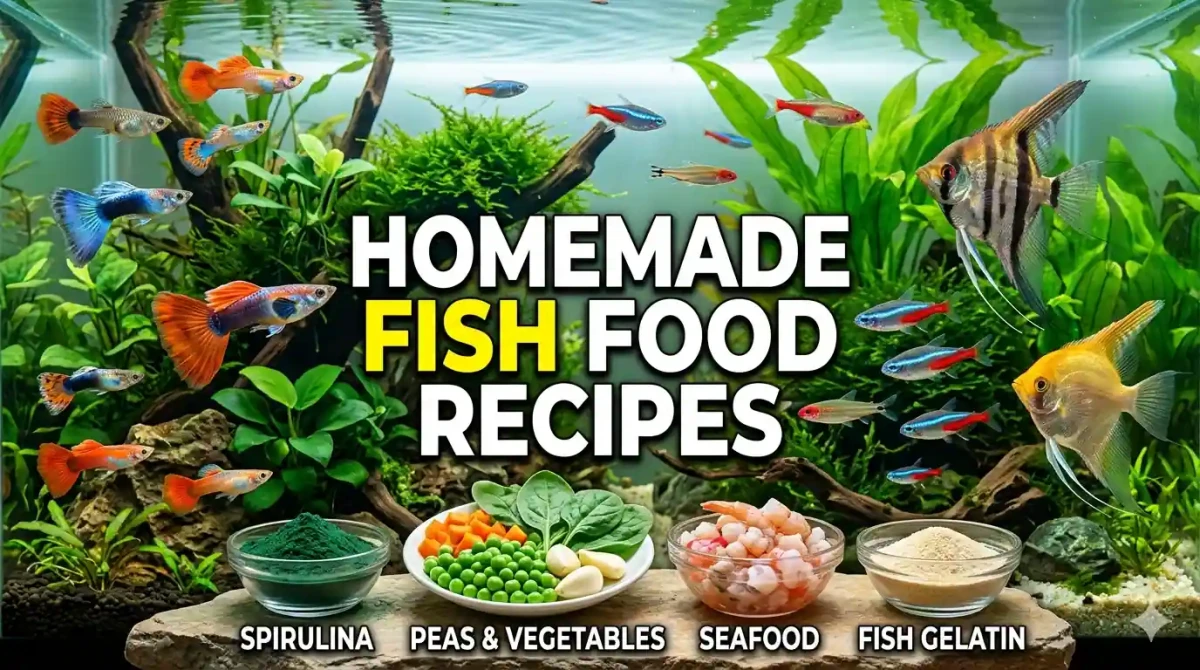
Introduction to Homemade Fish Food
Creating homemade fish food recipes has become increasingly popular among aquarium enthusiasts who want complete control over the nutrition and quality of food they provide to their aquatic pets. When you prepare fish food at home, you eliminate artificial colors, preservatives, and fillers commonly found in commercial products while ensuring your fish receive fresh, nutrient-rich ingredients tailored to their specific dietary needs.
Fish, whether tropical, coldwater, or marine species, have diverse nutritional requirements that vary based on their natural habitats, feeding behaviors, and biological needs. Understanding these requirements is essential before preparing homemade meals for your aquarium inhabitants. This comprehensive guide will walk you through everything you need to know about creating safe, balanced, and nutritious homemade fish food recipes that promote vibrant colors, healthy growth, and optimal immune function in your fish.
The shift toward homemade fish food is driven by growing awareness about fish nutrition and concerns about commercial fish food quality. Many aquarists report improved fish health, enhanced coloration, better breeding success, and increased activity levels after switching to homemade diets. Additionally, preparing fish food at home can be more economical than purchasing premium commercial foods, especially for those maintaining multiple aquariums or large fish collections.
Why Choose Homemade Fish Food for Your Aquarium Fish
Choosing to prepare homemade fish food offers numerous advantages that extend beyond just controlling ingredients. When you cook for your fish, you know exactly what goes into every meal, allowing you to customize nutrition based on species requirements, life stages, and individual health conditions.
What makes homemade fish food better than commercial options?
Ingredient quality represents the primary advantage of homemade fish food. You can select fresh, human-grade proteins, vegetables, and supplements rather than relying on processed meals and by-products. High-quality protein sources like shrimp, fish, beef heart, and spirulina form the foundation of proper fish nutrition. You can also avoid artificial colors, chemical preservatives, and low-quality fillers that provide little nutritional value.
Nutritional customization allows you to address specific needs of different fish species. Herbivorous fish like plecos and certain cichlids require high vegetable content, while carnivorous species like bettas and oscars need protein-rich formulations. Omnivorous fish benefit from balanced recipes combining both plant and animal ingredients. By preparing food at home, you can adjust recipes to accommodate these varying requirements while maintaining nutritional balance.
Cost effectiveness becomes significant when maintaining multiple aquariums or large fish. While high-quality ingredients may seem expensive initially, preparing meals in bulk can be substantially more economical than premium commercial fish foods over time. A single batch of homemade gel food can last weeks in the freezer and cost a fraction of equivalent commercial products.
Freshness and palatability are additional benefits. Homemade fish food contains no preservatives and uses fresh ingredients that retain maximum nutritional value. Fish typically show greater enthusiasm for homemade food, consuming it more readily than processed alternatives. This improved acceptance is particularly valuable for picky eaters or fish recovering from illness.
Understanding Fish Nutritional Requirements

Before diving into homemade fish food recipes, it is critical to understand what makes fish nutrition unique. Different species have evolved with distinct dietary needs based on their natural environments and feeding behaviors. Providing appropriate nutrition is fundamental to fish health, growth, reproduction, and longevity.
What nutrients do aquarium fish need daily?
Proteins serve as the foundation of fish nutrition, providing essential amino acids necessary for growth, tissue repair, and immune function. Most tropical fish require protein levels between 30 and 50 percent, though this varies significantly by species. Carnivorous fish need higher protein content, often exceeding 50 percent, while herbivorous species may thrive on 20 to 30 percent protein supplemented with plant matter.
Fats provide concentrated energy and are essential for absorbing fat-soluble vitamins. Omega-3 and omega-6 fatty acids support healthy immune systems, proper growth, and vibrant coloration. Fish require these essential fatty acids in their diet as they cannot synthesize them internally. Quality fat sources include fish oils, krill, and certain plant oils.
Carbohydrates, while not essential for all fish species, can provide energy and aid in food binding for gel-based recipes. Herbivorous and omnivorous fish utilize carbohydrates more efficiently than strict carnivores. Complex carbohydrates from vegetables like peas, spinach, and zucchini offer nutritional benefits beyond simple energy provision.
Vitamins play crucial roles in fish metabolism, immune function, and overall health. Vitamin C is particularly important as fish cannot synthesize it and must obtain it from their diet. Vitamins A, D, E, and B-complex vitamins support various physiological processes including vision, bone development, antioxidant protection, and energy metabolism.
Minerals such as calcium, phosphorus, magnesium, and trace elements are essential for bone development, osmoregulation, and enzymatic functions. The calcium to phosphorus ratio should be maintained appropriately to prevent skeletal deformities, especially in growing fish.
How do nutritional needs differ between fish species?
Carnivorous fish like bettas, oscars, and arowanas require high-protein diets rich in animal-based ingredients. These species have short digestive tracts adapted for processing meat and need minimal plant matter. Their diets should emphasize quality proteins from fish, shrimp, insects, and other animal sources.
Herbivorous fish including plecos, certain cichlids, and silver dollars need diets high in vegetable content with moderate protein levels. These species have longer digestive tracts designed to break down plant cellulose. Spirulina, algae, blanched vegetables, and plant-based proteins form the foundation of their nutrition.
Omnivorous fish like tetras, guppies, mollies, and angelfish benefit from balanced diets combining both animal and plant ingredients. These adaptable feeders thrive on varied nutrition that includes proteins, vegetables, and moderate carbohydrates. Rotating different homemade recipes ensures they receive comprehensive nutrition.
Safety Guidelines for Preparing Fish Food at Home

Safety must be your top priority when preparing homemade fish food. Improperly prepared or stored food can introduce pathogens, toxins, or nutritional imbalances that pose serious health risks to your aquarium inhabitants.
How do you ensure homemade fish food is safe?
Start by selecting fresh, high-quality ingredients from reputable sources. Purchase seafood, meats, and vegetables that are fresh and within their use-by dates. Avoid ingredients that show signs of spoilage, discoloration, or unusual odors. Organic ingredients can reduce exposure to pesticides and antibiotics, though they are not mandatory for safe fish food preparation.
Proper hygiene during food preparation prevents contamination. Wash hands thoroughly before and after handling ingredients. Use clean utensils, cutting boards, and preparation surfaces. Consider dedicating specific kitchen tools exclusively for fish food preparation to prevent cross-contamination with human food.
Cooking temperatures matter when preparing certain ingredients. While many homemade fish food recipes use raw ingredients, some components like grains or starchy vegetables benefit from light cooking to improve digestibility. If cooking, ensure ingredients reach appropriate temperatures to eliminate potential pathogens while preserving nutritional value.
Supplementation requires careful attention to dosages. While vitamins and minerals are essential, excessive supplementation can be harmful or even toxic to fish. Follow established guidelines for supplement amounts, and when in doubt, err on the side of caution. More is not always better when it comes to fish nutrition.
What ingredients are toxic to fish?
Certain foods safe for humans and even other pets can be harmful to fish. Onions and garlic in large quantities can cause hemolytic anemia in some fish species, though small amounts of garlic are sometimes used as an appetite stimulant. Avoid adding salt, spices, or seasonings to fish food as these can disrupt osmoregulation and cause stress.
Dairy products should be avoided as fish cannot properly digest lactose. Beef heart, while popular in some homemade recipes, should be used sparingly and only for large carnivorous fish as it is high in saturated fats that can cause fatty liver disease in smaller species.
Bread and processed grains lack nutritional value for fish and can cause digestive issues. These ingredients should never form the basis of fish food recipes. Similarly, avoid using fatty meats like pork or processed meats containing preservatives and additives.
Essential Equipment and Ingredients

Having the right tools and ingredients makes preparing homemade fish food recipes efficient and consistent. You do not need expensive equipment, but certain items will simplify the process and ensure food quality.
What equipment do you need for making fish food?
A quality blender or food processor is essential for achieving the right texture and thoroughly combining ingredients. High-powered blenders work best for creating smooth purees and emulsifying gel-based foods. A meat grinder can be useful for processing larger quantities of protein ingredients, especially when making food for large carnivorous fish.
Silicone ice cube trays or small molds are invaluable for portioning and freezing homemade fish food. These allow you to create individual servings that can be easily removed and added to aquariums as needed. Silicone molds come in various sizes, enabling you to customize portion sizes based on your fish population.
Storage containers are important for preserving prepared food. BPA-free plastic containers, glass jars, or vacuum-sealed bags work well for freezer storage. Label containers with preparation dates and contents to track freshness and rotation.
Kitchen scales ensure accurate measurements of ingredients and supplements, which is crucial for nutritional balance. Measuring cups and spoons facilitate consistent recipes. A fine mesh strainer or cheesecloth helps remove excess liquid from certain preparations.
Supplements form a critical component of homemade fish food. Invest in aquarium-grade supplements including vitamin C powder, multivitamin supplements designed for fish, spirulina powder, garlic powder, and gelatin or agar-agar for binding. Some aquarists use commercial vitamin soaks to enhance nutritional content after food preparation.
Complete Homemade Fish Food Recipes

Now that you understand the fundamentals, let explore several nutritionally balanced homemade fish food recipes. These recipes have been developed with fish nutritional requirements in mind and can be customized based on your fish species and preferences.
Recipe 1: Basic Gel Fish Food for Omnivores
This versatile gel-based recipe works well for most tropical fish including tetras, guppies, mollies, platies, and angelfish. The gel format sinks slowly, allowing fish to feed naturally while minimizing waste.
Ingredients:
- 1 cup mixed seafood (shrimp, fish, or mussels)
- 1/2 cup mixed vegetables (peas, spinach, zucchini, or carrots)
- 1 tablespoon spirulina powder
- 1 teaspoon garlic powder (optional)
- 1/2 teaspoon vitamin C powder
- 1 multivitamin capsule (aquarium grade)
- 2 tablespoons unflavored gelatin
- 1/2 cup boiling water
- 1/4 cup cold water
- 🐾 Best Cat Food for Sensitive Stomachs: Expert Nutrition Guide
- 🐾 Healthy Puppy Food Brands in the US: 2026 Guide
- 🐾 Best Food for Cockatiels: Complete Nutrition Guide
Instructions:
Begin by preparing the gelatin mixture. Sprinkle the gelatin powder over the cold water in a heat-proof bowl and let it bloom for 5 minutes. This allows the gelatin to absorb water and dissolve more easily. After blooming, slowly add the boiling water while stirring continuously until the gelatin is completely dissolved and the mixture is clear.
While the gelatin cools slightly, prepare the food ingredients. If using frozen seafood, thaw it completely and pat dry to remove excess moisture. Fresh seafood can be used directly. Combine the seafood and vegetables in a blender or food processor. Blend until you achieve a smooth, uniform paste. For fish that prefer chunkier food, pulse briefly to leave small pieces.
Add the spirulina powder, garlic powder if using, and vitamin C powder to the blended mixture. Open the multivitamin capsule and sprinkle the contents into the blender. Blend briefly to incorporate the supplements evenly throughout the mixture.
Slowly pour the cooled gelatin mixture into the blender with the food ingredients. Blend on low speed just long enough to combine everything thoroughly. Avoid over-blending as this can incorporate too many air bubbles into the mixture.
Pour the mixture into silicone ice cube trays or small molds. Fill each compartment about three-quarters full to allow for expansion during freezing. Tap the trays gently on the counter to release any air bubbles that may have formed.
Refrigerate the trays for 2 to 3 hours until the gel sets completely. Once set, you can pop the cubes out and transfer them to freezer-safe containers or bags. Label with the preparation date. These gel cubes will keep in the freezer for up to 3 months.
To feed, simply drop one cube into the aquarium. The gel will slowly dissolve, releasing food particles that fish can consume. Start with small amounts and observe how quickly your fish consume it, adjusting portion sizes accordingly.
Recipe 2: High-Protein Carnivore Blend
This protein-rich recipe is ideal for carnivorous fish like bettas, oscars, cichlids, and arowanas. The high protein content supports muscle development and vibrant coloration in meat-eating species.
Ingredients:
- 1 pound raw shrimp, peeled and deveined
- 1/2 pound white fish fillet (tilapia, cod, or haddock)
- 1/4 pound squid or octopus
- 2 tablespoons fish oil or krill oil
- 1 tablespoon spirulina powder
- 1/2 teaspoon vitamin C powder
- 2 tablespoons unflavored gelatin
- 1/2 cup cold water
- 1/2 cup boiling water
- 🐾 Best Cat Food for Sensitive Stomachs: Expert Nutrition Guide
- 🐾 Healthy Puppy Food Brands in the US: 2026 Guide
- 🐾 Best Food for Cockatiels: Complete Nutrition Guide
Instructions:
Prepare the gelatin by sprinkling it over the cold water and allowing it to bloom for 5 minutes. Add the boiling water and stir until completely dissolved. Set aside to cool to room temperature.
Combine the shrimp, fish fillet, and squid in a food processor. Pulse until the mixture reaches your desired consistency. Some aquarists prefer a smooth paste, while others like small chunks that provide textural variety. For larger carnivorous fish, leaving slightly larger pieces can encourage natural feeding behaviors.
Add the fish oil, spirulina powder, and vitamin C powder to the protein mixture. Blend briefly to distribute the supplements evenly. The fish oil provides essential omega-3 fatty acids that support immune function and coloration.
Slowly incorporate the cooled gelatin mixture into the protein blend. Mix thoroughly but gently to avoid creating excessive air bubbles. The gelatin acts as a binder, holding the ingredients together while allowing the food to maintain its shape in water long enough for fish to consume it.
Pour the mixture into silicone molds or ice cube trays. For large carnivorous fish, you may want to use larger molds or freeze the mixture in a shallow pan and cut it into appropriate-sized pieces after freezing.
Refrigerate until set, then transfer to the freezer. These high-protein cubes can be stored for up to 3 months. Feed according to your fish size and appetite, typically 2 to 3 times daily in amounts they can consume within 2 to 3 minutes.
Recipe 3: Herbivore Vegetable Medley
This plant-based recipe is perfect for herbivorous fish like plecos, certain cichlids, silver dollars, and pacu. The high vegetable content and spirulina provide the fiber and nutrients these species require.
Ingredients:
- 1 cup zucchini, chopped
- 1 cup spinach leaves
- 1/2 cup peas, shelled
- 1/2 cup carrots, chopped
- 1/4 cup sweet potato, cooked and mashed
- 3 tablespoons spirulina powder
- 1 tablespoon kelp powder
- 1/2 teaspoon vitamin C powder
- 2 tablespoons agar-agar powder (vegetarian gelatin alternative)
- 1 cup water
- 🐾 Best Cat Food for Sensitive Stomachs: Expert Nutrition Guide
- 🐾 Healthy Puppy Food Brands in the US: 2026 Guide
- 🐾 Best Food for Cockatiels: Complete Nutrition Guide
Instructions:
Begin by lightly steaming the zucchini, carrots, and sweet potato until just tender. This softens the vegetables and makes them easier to blend while preserving nutrients. Do not overcook, as this can destroy heat-sensitive vitamins. The peas and spinach can be added raw or briefly blanched.
In a saucepan, combine the agar-agar powder with water. Bring to a boil while stirring constantly. Reduce heat and simmer for 5 minutes, stirring frequently. Agar-agar requires boiling to activate its gelling properties, unlike gelatin which only needs hot water.
While the agar-agar mixture simmers, combine all the vegetables in a blender or food processor. Add the spirulina powder, kelp powder, and vitamin C powder. Blend until you achieve a smooth, uniform paste. The spirulina and kelp provide essential nutrients, pigments for color enhancement, and attract herbivorous fish with their natural algae-like flavor.
Slowly pour the hot agar-agar mixture into the blender with the vegetable mixture. Blend briefly to combine thoroughly. Work quickly as agar-agar begins to set as it cools.
Pour the mixture into silicone molds or ice cube trays. Refrigerate for 2 to 3 hours until completely set. Once firm, remove from molds and store in airtight containers in the freezer for up to 3 months.
These vegetable-based food cubes are particularly attractive to plecos and other algae-eating fish. The high fiber content supports digestive health, while the variety of vegetables provides comprehensive nutrition.
Recipe 4: Simple Frozen Brine Shrimp Mix
This quick recipe requires minimal preparation and is beloved by most fish species. Brine shrimp are highly nutritious and readily accepted by fish of all sizes.
Ingredients:
- 2 cups frozen or live brine shrimp
- 1/2 cup frozen bloodworms
- 1/4 cup frozen daphnia
- 1 tablespoon fish oil
- 1/2 teaspoon vitamin supplement
- 1/4 cup water or aquarium water
- 🐾 Best Cat Food for Sensitive Stomachs: Expert Nutrition Guide
- 🐾 Healthy Puppy Food Brands in the US: 2026 Guide
- 🐾 Best Food for Cockatiels: Complete Nutrition Guide
Instructions:
This is the simplest homemade fish food recipe, requiring no cooking or gelatin. Simply combine all the frozen foods in a bowl. If using live brine shrimp, rinse them briefly in dechlorinated water.
Add the fish oil and vitamin supplement to the mixture. Stir gently to coat all the food items evenly. The liquid helps bind the frozen foods together slightly when refrozen.
Pour the mixture into ice cube trays and freeze immediately. Once frozen solid, transfer the cubes to freezer bags or containers. These mixed frozen food cubes provide variety and nutrition, making them an excellent staple food for most aquarium fish.
Feed one cube per 10 gallons of aquarium water, adjusting based on fish population and appetite. Drop the cube directly into the tank or rinse it briefly in a net to separate individual pieces before feeding.
Recipe 5: Betta Fish Special Formula
Bettas require high-protein diets with moderate fat content. This recipe is specifically formulated for betta fish, promoting vibrant colors and optimal health.
Ingredients:
- 1/2 pound raw shrimp
- 1/4 pound beef heart (optional, use sparingly)
- 1/4 cup fish fillet
- 1 tablespoon spirulina powder
- 1 teaspoon astaxanthin powder (for color enhancement)
- 1/2 teaspoon vitamin C powder
- 1 tablespoon gelatin
- 1/4 cup cold water
- 1/4 cup boiling water
- 🐾 Best Cat Food for Sensitive Stomachs: Expert Nutrition Guide
- 🐾 Healthy Puppy Food Brands in the US: 2026 Guide
- 🐾 Best Food for Cockatiels: Complete Nutrition Guide
Instructions:
Prepare the gelatin mixture as described in previous recipes. Bloom the gelatin in cold water, then dissolve with boiling water. Allow to cool to room temperature.
Combine the shrimp, beef heart if using, and fish fillet in a food processor. Blend until smooth. Bettas have small mouths, so ensure the final texture is fine enough for them to consume easily.
Add the spirulina powder, astaxanthin powder, and vitamin C powder. The astaxanthin is a carotenoid pigment that enhances red and orange coloration in bettas. Blend to incorporate evenly.
Mix in the cooled gelatin mixture thoroughly. Pour into small silicone molds or even an ice cube tray. The small portions are perfect for betta feeding sizes.
Refrigerate until set, then freeze. These small portions are ideal for bettas, as you can break off tiny pieces appropriate for their appetite. Feed 2 to 3 small pieces twice daily.
Storage and Preparation Tips

Proper storage extends the shelf life of homemade fish food and maintains nutritional quality. Understanding best practices prevents food waste and ensures your fish always have access to fresh, nutritious meals.
How long can you store homemade fish food?
Frozen homemade fish food maintains optimal quality for 2 to 3 months when stored at 0 degrees Fahrenheit or below. While it remains safe to feed beyond this period if kept continuously frozen, nutritional value gradually declines over time. Vitamins, particularly vitamin C, degrade with extended storage, so rotating stock and using older food first is important.
Refrigerated gel-based foods can be kept for 5 to 7 days in airtight containers. This is convenient for food you plan to use within a week. Always store refrigerated food in the coldest part of your refrigerator and check for signs of spoilage before feeding.
Portion control during freezing prevents waste and makes feeding convenient. Using ice cube trays or silicone molds creates individual servings that can be removed as needed without thawing the entire batch. This also prevents repeated freezing and thawing cycles that degrade quality.
Proper packaging prevents freezer burn and odor absorption. Use airtight containers, vacuum-sealed bags, or double-wrap portions in plastic wrap before placing in freezer bags. Label all packages with preparation dates and contents to maintain organization and ensure rotation.
Common Mistakes to Avoid

Even well-intentioned aquarists can make errors when preparing homemade fish food. Avoiding these common pitfalls ensures your fish receive safe, balanced nutrition.
What are the biggest mistakes in homemade fish food?
The most critical mistake is nutritional imbalance. Feeding only one type of food, even if homemade, can lead to deficiencies or excesses of certain nutrients. Variety is essential. Rotate between different recipes and occasionally supplement with high-quality commercial foods to ensure comprehensive nutrition.
Over-reliance on beef heart is common among those feeding large carnivorous fish. While beef heart is protein-rich and inexpensive, it is also high in saturated fats that can cause fatty liver disease and other health issues in fish. Use beef heart sparingly, comprising no more than 20 percent of carnivore recipes, and balance with leaner proteins like fish and shrimp.
Inadequate supplementation is another frequent error. While whole foods provide many nutrients, some vitamins and minerals may be present in insufficient quantities. Vitamin C is particularly important as it degrades quickly and fish cannot synthesize it. Always include appropriate vitamin supplements in your recipes.
Poor hygiene during preparation can introduce pathogens to your aquarium. Always use clean equipment, wash hands thoroughly, and work quickly to minimize bacterial growth. Never use ingredients that are past their prime or show signs of spoilage.
Overfeeding remains a problem regardless of food type. Homemade food is often more palatable than commercial options, leading fish to eat more enthusiastically. However, overfeeding causes water quality issues, obesity, and health problems. Feed only what fish can consume within 2 to 3 minutes, once or twice daily.
Species-Specific Feeding Guidelines

Different fish species have unique dietary requirements and feeding behaviors. Understanding these differences helps you select appropriate recipes and feeding strategies.
How do you feed different types of fish?
Betta fish and other labyrinth fish are carnivorous and prefer floating foods. While gel-based foods sink, you can feed bettas by holding small pieces at the water surface or using floating pellets alongside homemade foods. Feed bettas small amounts 2 to 3 times daily, as they have small stomachs approximately the size of their eye.
Cichlids vary widely in dietary needs. African cichlids are often omnivorous with herbivorous tendencies, benefiting from recipes higher in vegetable content and spirulina. South American cichlids like oscars are more carnivorous, requiring protein-rich formulations. Research your specific cichlid species to determine optimal nutrition.
Plecos and other algae eaters require high-fiber, plant-based diets. While many plecos will consume protein occasionally, their primary nutrition should come from vegetables, spirulina, and algae. Provide sinking foods that reach the bottom where these fish feed, and supplement with blanched vegetables like zucchini and cucumber attached to the aquarium glass.
Tetras, rasboras, and other small schooling fish are typically omnivorous and prefer small food particles. Gel-based foods work well as they can be broken into tiny pieces. These fish have fast metabolisms and benefit from 2 to 3 small feedings daily rather than one large meal.
Frequently Asked Questions

Can I make fish food without gelatin?
Yes, you can make fish food without gelatin. Agar-agar, derived from seaweed, serves as an excellent vegetarian alternative that creates a firmer gel. You can also make frozen food mixes without any binding agent by simply combining ingredients and freezing them in ice cube trays. Another option is to blend ingredients into a paste and freeze it in thin layers that can be broken into flakes. The choice depends on your preference and the feeding behavior of your fish.
How often should I feed homemade food to my fish?
You can feed homemade fish food daily as your primary diet, provided the recipes are nutritionally balanced and varied. Many aquarists use homemade food as the staple diet, feeding it 2 to 3 times daily in amounts fish can consume within 2 to 3 minutes. Some prefer to alternate between homemade and high-quality commercial foods to ensure nutritional variety. Observe your fish condition and adjust feeding frequency accordingly. Overfeeding is more problematic than the type of food offered.
Is homemade fish food cheaper than commercial food?
Homemade fish food is generally more economical than premium commercial foods, especially when maintaining multiple aquariums or large fish. The initial investment in ingredients and supplements may seem high, but a single batch can last several months. Bulk purchasing of ingredients like shrimp, fish, and spirulina further reduces costs. However, budget commercial foods may be cheaper upfront, though they often lack nutritional quality. Consider the long-term health benefits and potential veterinary cost savings when evaluating true value.
Can I use cooked ingredients in fish food recipes?
Yes, you can use cooked ingredients, and some recipes benefit from light cooking. Vegetables like sweet potatoes, carrots, and peas are more digestible when lightly steamed or blanched. Cooking also softens vegetables, making them easier to blend. However, avoid overcooking as this destroys heat-sensitive vitamins. Proteins like fish and shrimp can be used raw or lightly cooked. Raw ingredients retain maximum nutritional value, but light cooking can eliminate potential pathogens. The choice depends on ingredient quality and your comfort level.
Do I need to add vitamins to homemade fish food?
Yes, vitamin supplementation is essential for nutritionally complete homemade fish food. While whole foods provide many nutrients, some vitamins degrade during storage or may be present in insufficient quantities. Vitamin C is particularly critical as fish cannot synthesize it and it degrades rapidly. A quality aquarium vitamin supplement or individual vitamins ensure your fish receive comprehensive nutrition. Follow recommended dosages carefully, as excessive vitamins can be harmful.
Can fry and juvenile fish eat homemade food?
Yes, fry and juvenile fish can eat homemade food, but the texture and particle size must be appropriate for their small mouths. Blend recipes until completely smooth for very young fry. Infusoria, baby brine shrimp, and finely powdered foods are ideal for newly hatched fry. As they grow, gradually increase particle size. Juvenile fish have high protein requirements for growth, so ensure recipes contain adequate protein content. Feed small amounts frequently, 3 to 4 times daily, to support rapid growth.
Conclusion

Preparing homemade fish food recipes is a rewarding endeavor that puts you in complete control of your aquarium fish nutrition. With proper knowledge, quality ingredients, and attention to nutritional balance, you can create delicious, healthy meals that promote vibrant colors, robust immune systems, and optimal growth in your fish.
The investment of time in preparing homemade fish food pays dividends in fish health and vitality. Many aquarists report that their fish show increased activity, improved coloration, and better breeding success after switching to homemade diets. Additionally, the cost savings over premium commercial foods make homemade food an economically smart choice for serious aquarists.
Remember that each fish species has unique nutritional requirements, and what works for one may need adjustment for another. Start with simple recipes, follow food safety guidelines, and never skip essential supplements. Observe your fish closely, noting their response to different foods, and adjust recipes based on their preferences and health. With dedication and care, homemade fish food can be the foundation of your aquarium success, supporting thriving, beautiful fish for years to come.

0 Comments