.png)
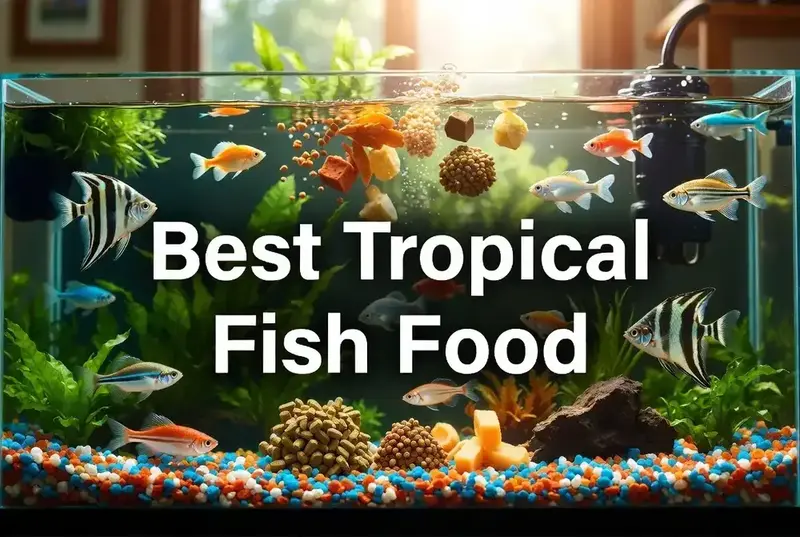
Choosing the best fish food for tropical aquarium fish in USA is fundamental to maintaining a thriving, vibrant aquarium ecosystem. The right nutrition directly impacts your fish's coloration, growth, immune system, breeding success, and overall longevity. With countless fish food options available in the American market—from flakes and pellets to frozen and live foods—selecting the optimal diet for your tropical fish can seem overwhelming. This comprehensive guide explores the best tropical fish foods available, examining nutritional requirements, species-specific needs, feeding strategies, and top-rated brands to help you make informed decisions that keep your aquatic companions healthy and flourishing. Whether you're caring for colorful tetras, elegant angelfish, active barbs, or peaceful community fish, understanding proper nutrition is the cornerstone of successful aquarium keeping.
Understanding Tropical Fish Nutritional Requirements
Tropical fish have diverse nutritional needs based on their species, natural habitat, and biological characteristics. Providing balanced nutrition requires understanding the fundamental components of a healthy fish diet.
Essential Nutrients for Tropical Fish
Protein: The most critical nutrient for tropical fish, protein supports growth, tissue repair, immune function, and reproduction. Requirements vary by species:
- Carnivorous fish: Need 40-50% protein (Bettas, Cichlids, Oscars)
- Omnivorous fish: Require 30-40% protein (Tetras, Guppies, Mollies)
- Herbivorous fish: Need 20-30% protein (Plecos, some Cichlids)
- 🐾 Organic Guinea Pig Food Options Complete Care Guide
- 🐾 Healthy Kitten Food Brands in the US: 2026 Guide
- 🐾 Healthy Puppy Food Brands in the US: 2026 Guide
High-quality protein sources include fish meal, shrimp meal, krill, spirulina, and insect larvae.
Fats: Essential for energy, vitamin absorption, and cell membrane function. Tropical fish need 5-15% fat content, with emphasis on omega-3 and omega-6 fatty acids for:
- Enhanced coloration
- Improved immune response
- Better reproductive health
- Optimal growth
- 🐾 Organic Guinea Pig Food Options Complete Care Guide
- 🐾 Healthy Kitten Food Brands in the US: 2026 Guide
- 🐾 Healthy Puppy Food Brands in the US: 2026 Guide
Carbohydrates: While fish have limited ability to digest carbohydrates, they provide energy and help bind food particles. Keep carbohydrate content below 20% to prevent digestive issues.
Vitamins: Critical for metabolic processes, immune function, and disease resistance:
- Vitamin A: Vision, growth, reproduction
- Vitamin C: Immune function, wound healing (fish cannot synthesize vitamin C)
- Vitamin D3: Calcium absorption, bone development
- Vitamin E: Antioxidant, reproductive health
- B-complex vitamins: Metabolism, nervous system function
- 🐾 Organic Guinea Pig Food Options Complete Care Guide
- 🐾 Healthy Kitten Food Brands in the US: 2026 Guide
- 🐾 Healthy Puppy Food Brands in the US: 2026 Guide
Minerals: Essential for bone structure, osmoregulation, and enzymatic functions:
- Calcium and phosphorus for skeletal development
- Iron for oxygen transport
- Zinc and selenium for immune function
- Iodine for thyroid function
- 🐾 Organic Guinea Pig Food Options Complete Care Guide
- 🐾 Healthy Kitten Food Brands in the US: 2026 Guide
- 🐾 Healthy Puppy Food Brands in the US: 2026 Guide
Dietary Variations by Feeding Type
Carnivores: Meat-eating fish require high-protein diets with animal-based ingredients. Examples: Bettas, Oscars, African Cichlids, Discus.
Herbivores: Plant-eating fish need algae, spirulina, and vegetable matter. Examples: Plecos, Siamese Algae Eaters, some Cichlids.
Omnivores: Fish that eat both plant and animal matter need balanced diets. Examples: Tetras, Guppies, Mollies, Barbs, Angelfish.
Types of Tropical Fish Food
Understanding different food types helps you create a varied, nutritionally complete diet for your tropical fish.
Flake Foods
The most popular and convenient fish food format:
Advantages:
- Float on water surface, ideal for top and mid-level feeders
- Easy to portion and distribute
- Long shelf life when stored properly
- Widely available in various formulations
- Affordable and cost-effective
- Suitable for most community fish
- 🐾 Organic Guinea Pig Food Options Complete Care Guide
- 🐾 Healthy Kitten Food Brands in the US: 2026 Guide
- 🐾 Healthy Puppy Food Brands in the US: 2026 Guide
Disadvantages:
- Nutrients can leach into water quickly
- May not sink to bottom feeders
- Can be messy if overfed
- Quality varies significantly between brands
- 🐾 Organic Guinea Pig Food Options Complete Care Guide
- 🐾 Healthy Kitten Food Brands in the US: 2026 Guide
- 🐾 Healthy Puppy Food Brands in the US: 2026 Guide
Best for: Community tanks with mixed feeding levels, beginner aquarists, daily feeding
Pellet Foods
Compressed food available in sinking and floating varieties:
Floating pellets:
- Ideal for surface feeders
- Stay intact longer than flakes
- Less nutrient leaching
- Good for larger fish
- 🐾 Organic Guinea Pig Food Options Complete Care Guide
- 🐾 Healthy Kitten Food Brands in the US: 2026 Guide
- 🐾 Healthy Puppy Food Brands in the US: 2026 Guide
Sinking pellets:
- Perfect for bottom dwellers (Corydoras, Plecos, Loaches)
- Reach fish at all levels
- Denser nutrition
- Less waste
- 🐾 Organic Guinea Pig Food Options Complete Care Guide
- 🐾 Healthy Kitten Food Brands in the US: 2026 Guide
- 🐾 Healthy Puppy Food Brands in the US: 2026 Guide
Micro pellets: Designed for small fish like tetras, rasboras, and small livebearers.
Advantages:
- Nutritionally complete
- Consistent quality
- Less water pollution than flakes
- Available in species-specific formulas
- 🐾 Organic Guinea Pig Food Options Complete Care Guide
- 🐾 Healthy Kitten Food Brands in the US: 2026 Guide
- 🐾 Healthy Puppy Food Brands in the US: 2026 Guide
Best for: Targeted feeding, specific species requirements, reducing waste
Frozen Foods
Flash-frozen nutrition that closely mimics natural prey:
Common types:
- Bloodworms: High protein, excellent for carnivores
- Brine shrimp: Nutritious, enhances coloration
- Daphnia: Aids digestion, good for herbivores
- Krill: Rich in carotenoids for color enhancement
- Mysis shrimp: Balanced nutrition for various species
- Beef heart: High protein for large carnivores (use sparingly)
- 🐾 Organic Guinea Pig Food Options Complete Care Guide
- 🐾 Healthy Kitten Food Brands in the US: 2026 Guide
- 🐾 Healthy Puppy Food Brands in the US: 2026 Guide
Advantages:
- Superior nutrition retention
- High palatability
- Excellent for picky eaters
- Great for conditioning breeding fish
- Provides variety
- 🐾 Organic Guinea Pig Food Options Complete Care Guide
- 🐾 Healthy Kitten Food Brands in the US: 2026 Guide
- 🐾 Healthy Puppy Food Brands in the US: 2026 Guide
Disadvantages:
- Requires freezer storage
- More expensive than dry foods
- Can pollute water if overfed
- Must be thawed before feeding
- 🐾 Organic Guinea Pig Food Options Complete Care Guide
- 🐾 Healthy Kitten Food Brands in the US: 2026 Guide
- 🐾 Healthy Puppy Food Brands in the US: 2026 Guide
Best for: Supplemental feeding, color enhancement, breeding conditioning, finicky eaters
Freeze-Dried Foods
Moisture-removed foods that retain nutrition:
Popular options:
- Freeze-dried bloodworms
- Freeze-dried tubifex worms
- Freeze-dried brine shrimp
- Freeze-dried krill
- 🐾 Organic Guinea Pig Food Options Complete Care Guide
- 🐾 Healthy Kitten Food Brands in the US: 2026 Guide
- 🐾 Healthy Puppy Food Brands in the US: 2026 Guide
Advantages:
- Long shelf life without refrigeration
- Convenient storage
- High protein content
- Easy to portion
- 🐾 Organic Guinea Pig Food Options Complete Care Guide
- 🐾 Healthy Kitten Food Brands in the US: 2026 Guide
- 🐾 Healthy Puppy Food Brands in the US: 2026 Guide
Disadvantages:
- Should be soaked before feeding to prevent bloating
- Can be expensive
- Limited variety compared to frozen
- 🐾 Organic Guinea Pig Food Options Complete Care Guide
- 🐾 Healthy Kitten Food Brands in the US: 2026 Guide
- 🐾 Healthy Puppy Food Brands in the US: 2026 Guide
Best for: Treat feeding, supplemental nutrition, travel convenience
Live Foods
Living organisms that provide ultimate nutrition and stimulation:
Common live foods:
- Live brine shrimp
- Live bloodworms
- Live daphnia
- Live blackworms
- Live microworms (for fry)
- Live baby brine shrimp (for fry)
- 🐾 Organic Guinea Pig Food Options Complete Care Guide
- 🐾 Healthy Kitten Food Brands in the US: 2026 Guide
- 🐾 Healthy Puppy Food Brands in the US: 2026 Guide
Advantages:
- Maximum nutritional value
- Stimulates natural hunting behavior
- Excellent for breeding conditioning
- Essential for raising fry
- Highly palatable
- 🐾 Organic Guinea Pig Food Options Complete Care Guide
- 🐾 Healthy Kitten Food Brands in the US: 2026 Guide
- 🐾 Healthy Puppy Food Brands in the US: 2026 Guide
Disadvantages:
- Can introduce diseases and parasites
- Requires culturing or regular purchase
- More expensive
- Time-consuming to maintain
- Potential water quality issues
- 🐾 Organic Guinea Pig Food Options Complete Care Guide
- 🐾 Healthy Kitten Food Brands in the US: 2026 Guide
- 🐾 Healthy Puppy Food Brands in the US: 2026 Guide
Best for: Breeding programs, raising fry, picky eaters, occasional treats
Gel Foods
Modern food format using gelatin binder:
Advantages:
- Minimal water pollution
- Can be customized with various ingredients
- Stays intact in water
- Good for herbivores
- 🐾 Organic Guinea Pig Food Options Complete Care Guide
- 🐾 Healthy Kitten Food Brands in the US: 2026 Guide
- 🐾 Healthy Puppy Food Brands in the US: 2026 Guide
Best for: Plecos, bottom feeders, customized nutrition
Top-Rated Tropical Fish Foods in USA for 2026

Based on nutritional analysis, aquarist reviews, veterinary recommendations, and ingredient quality, these brands consistently deliver exceptional results.
Hikari Tropical Micro Pellets
Premium small pellets ideal for small tropical fish:
Key features:
- Specially sized for small fish (tetras, rasboras, small livebearers)
- High protein content (40%+)
- Enhanced with spirulina and carotenoids
- Fortified with vitamins and minerals
- Sink slowly for mid-level feeders
- Minimal water clouding
- 🐾 Organic Guinea Pig Food Options Complete Care Guide
- 🐾 Healthy Kitten Food Brands in the US: 2026 Guide
- 🐾 Healthy Puppy Food Brands in the US: 2026 Guide
Best for: Small community fish, daily feeding, color enhancement
Price range: $8-$15 for 0.77-7.76 oz
Real-world performance: Excellent acceptance rate, noticeable color improvement within 2-3 weeks, minimal waste.
Fluval Bug Bites Tropical Flakes
Innovative formula using insect larvae as primary protein source:
Key features:
- First ingredient: Black soldier fly larvae
- Natural, species-appropriate nutrition
- High protein (42%)
- No artificial fillers or colors
- Slow-sinking formula
- Enhanced with omega-3 and omega-6
- 🐾 Organic Guinea Pig Food Options Complete Care Guide
- 🐾 Healthy Kitten Food Brands in the US: 2026 Guide
- 🐾 Healthy Puppy Food Brands in the US: 2026 Guide
Best for: Omnivorous tropical fish, natural diet enthusiasts, color enhancement
Price range: $10-$20 for 0.95-7.76 oz
Real-world performance: High palatability, improved fish vitality, reduced water pollution compared to traditional flakes.
New Life Spectrum Thera+A
Therapeutic formula for enhanced immune support:
Key features:
- Infused with garlic and beta-glucan
- Boosts immune system
- High-quality marine protein
- No artificial ingredients
- Sinking pellets
- Enhances natural colors
- 🐾 Organic Guinea Pig Food Options Complete Care Guide
- 🐾 Healthy Kitten Food Brands in the US: 2026 Guide
- 🐾 Healthy Puppy Food Brands in the US: 2026 Guide
Best for: Fish recovery, immune support, stressed fish, long-term health
Price range: $15-$30 for 100g-500g
Real-world performance: Noticeable improvement in fish health and disease resistance, excellent for quarantined fish.
Omega One Tropical Flakes
Premium flake food with whole seafood ingredients:
Key features:
- Made from whole seafood (salmon, halibut, shrimp)
- High protein and fat content
- Rich in natural carotenoids
- No artificial preservatives
- Slow-sinking formula
- Enhanced with kelp
- 🐾 Organic Guinea Pig Food Options Complete Care Guide
- 🐾 Healthy Kitten Food Brands in the US: 2026 Guide
- 🐾 Healthy Puppy Food Brands in the US: 2026 Guide
Best for: Color enhancement, daily feeding, community tanks
Price range: $8-$18 for 1.6-8.1 oz
Real-world performance: Exceptional color development, high acceptance rate, minimal waste.
Repashy Super Gold Gel Food
Premium gel food for omnivores and herbivores:
Key features:
- Powder mixes with hot water to form gel
- High-quality protein and vegetables
- Minimal water pollution
- Can be customized with supplements
- Long-lasting in aquarium
- Suitable for various species
- 🐾 Organic Guinea Pig Food Options Complete Care Guide
- 🐾 Healthy Kitten Food Brands in the US: 2026 Guide
- 🐾 Healthy Puppy Food Brands in the US: 2026 Guide
Best for: Bottom feeders, customized nutrition, reducing waste
Price range: $15-$25 for 3-12 oz
Real-world performance: Excellent for plecos and bottom dwellers, very little water clouding, fish love it.
Hikari Bio-Pure Freeze-Dried Bloodworms
Premium frozen alternative with superior nutrition:
Key features:
- 100% pure bloodworms
- Freeze-dried for nutrition retention
- High protein (55%+)
- Patented process eliminates pathogens
- Easy storage
- Can be fed dry or soaked
- 🐾 Organic Guinea Pig Food Options Complete Care Guide
- 🐾 Healthy Kitten Food Brands in the US: 2026 Guide
- 🐾 Healthy Puppy Food Brands in the US: 2026 Guide
Best for: Carnivorous fish, treat feeding, color enhancement
Price range: $10-$20 for 0.35-1.76 oz
Real-world performance: Fish go crazy for these, excellent protein source, convenient storage.
Northfin Food Pellets
Kelp-based premium pellets:
Key features:
- Primary ingredient: Antarctic krill
- Enhanced with spirulina and kelp
- No fillers or artificial ingredients
- High digestibility
- Multiple sizes available
- Excellent for color enhancement
- 🐾 Organic Guinea Pig Food Options Complete Care Guide
- 🐾 Healthy Kitten Food Brands in the US: 2026 Guide
- 🐾 Healthy Puppy Food Brands in the US: 2026 Guide
Best for: Daily feeding, cichlids, omnivorous tropical fish
Price range: $12-$35 for 100g-1000g
Real-world performance: Outstanding color development, high acceptance, minimal waste.
Species-Specific Feeding Recommendations

Different tropical fish species have unique dietary requirements based on their natural habitats and biological needs.
Tetras (Neon, Cardinal, Rummy-Nose, etc.)
Diet type: Omnivorous
Recommended foods:
- High-quality micro flakes or small pellets (primary diet)
- Frozen or freeze-dried bloodworms (2-3x weekly)
- Frozen brine shrimp (1-2x weekly)
- Daphnia for digestive health
- 🐾 Organic Guinea Pig Food Options Complete Care Guide
- 🐾 Healthy Kitten Food Brands in the US: 2026 Guide
- 🐾 Healthy Puppy Food Brands in the US: 2026 Guide
Feeding frequency: 2-3 small feedings daily
Protein requirement: 35-40%
Guppies and Livebearers
Diet type: Omnivorous
Recommended foods:
- Quality flake food (primary diet)
- Frozen or live brine shrimp (for color and breeding)
- Vegetable matter (blanched spinach, zucchini)
- Baby brine shrimp for fry
- 🐾 Organic Guinea Pig Food Options Complete Care Guide
- 🐾 Healthy Kitten Food Brands in the US: 2026 Guide
- 🐾 Healthy Puppy Food Brands in the US: 2026 Guide
Feeding frequency: 2-3 small feedings daily
Protein requirement: 35-40%
Bettas
Diet type: Carnivorous
Recommended foods:
- High-protein betta pellets (primary diet)
- Frozen or live bloodworms (2-3x weekly)
- Frozen or live brine shrimp (1-2x weekly)
- Freeze-dried tubifex worms (occasional treat)
- 🐾 Organic Guinea Pig Food Options Complete Care Guide
- 🐾 Healthy Kitten Food Brands in the US: 2026 Guide
- 🐾 Healthy Puppy Food Brands in the US: 2026 Guide
Feeding frequency: 1-2 small feedings daily
Protein requirement: 40-50%
Angelfish
Diet type: Omnivorous (carnivorous lean)
Recommended foods:
- High-quality flakes or pellets (primary diet)
- Frozen bloodworms (3-4x weekly)
- Frozen brine shrimp (2-3x weekly)
- Occasional live foods for breeding conditioning
- 🐾 Organic Guinea Pig Food Options Complete Care Guide
- 🐾 Healthy Kitten Food Brands in the US: 2026 Guide
- 🐾 Healthy Puppy Food Brands in the US: 2026 Guide
Feeding frequency: 2 feedings daily
Protein requirement: 40-45%
Discus
Diet type: Carnivorous
Recommended foods:
- High-quality discus pellets (primary diet)
- Frozen bloodworms (daily)
- Frozen brine shrimp (daily)
- Beef heart mix (2-3x weekly, use sparingly)
- Live blackworms (occasional)
- 🐾 Organic Guinea Pig Food Options Complete Care Guide
- 🐾 Healthy Kitten Food Brands in the US: 2026 Guide
- 🐾 Healthy Puppy Food Brands in the US: 2026 Guide
Feeding frequency: 3-5 small feedings daily
Protein requirement: 45-50%
Corydoras Catfish
Diet type: Omnivorous (bottom feeders)
Recommended foods:
- Sinking pellets or wafers (primary diet)
- Frozen bloodworms (2-3x weekly)
- Frozen brine shrimp (1-2x weekly)
- Blanched vegetables (zucchini, cucumber)
- 🐾 Organic Guinea Pig Food Options Complete Care Guide
- 🐾 Healthy Kitten Food Brands in the US: 2026 Guide
- 🐾 Healthy Puppy Food Brands in the US: 2026 Guide
Feeding frequency: 1-2 feedings daily (evening preferred)
Protein requirement: 35-40%
Plecos
Diet type: Herbivorous to omnivorous (varies by species)
Recommended foods:
- Algae wafers or spirulina wafers (primary diet)
- Fresh vegetables (zucchini, cucumber, spinach)
- Wood (for common plecos)
- Occasional protein (bloodworms, brine shrimp)
- 🐾 Organic Guinea Pig Food Options Complete Care Guide
- 🐾 Healthy Kitten Food Brands in the US: 2026 Guide
- 🐾 Healthy Puppy Food Brands in the US: 2026 Guide
Feeding frequency: 1 feeding daily (evening)
Protein requirement: 20-30% (varies by species)
African Cichlids
Diet type: Varies (herbivorous, omnivorous, carnivorous)
Recommended foods:
- Species-specific cichlid pellets (primary diet)
- Spirulina-based foods for herbivores
- High-protein foods for carnivores
- Frozen foods (moderation)
- 🐾 Organic Guinea Pig Food Options Complete Care Guide
- 🐾 Healthy Kitten Food Brands in the US: 2026 Guide
- 🐾 Healthy Puppy Food Brands in the US: 2026 Guide
Feeding frequency: 2-3 small feedings daily
Protein requirement: 30-45% (species-dependent)
Feeding Schedule and Portion Control

Proper feeding frequency and portion sizes are crucial for fish health and water quality.
How Much to Feed
The 2-3 Minute Rule: Only feed what your fish can consume within 2-3 minutes. Uneaten food decays and pollutes water.
General guidelines:
- Small fish (tetras, guppies): Pinch of flakes or 5-10 micro pellets per fish
- Medium fish (angelfish, gouramis): 5-10 flakes or 10-15 pellets per fish
- Large fish (oscars, large cichlids): 1-2 tablespoons of pellets or appropriate portion
- 🐾 Organic Guinea Pig Food Options Complete Care Guide
- 🐾 Healthy Kitten Food Brands in the US: 2026 Guide
- 🐾 Healthy Puppy Food Brands in the US: 2026 Guide
Visual guide: Food amount should roughly equal the size of your fish's eye.
Feeding Frequency
Adult fish:
- Standard: 1-2 feedings daily
- Active species: 2-3 small feedings daily
- Large carnivores: Once daily or every other day
- 🐾 Organic Guinea Pig Food Options Complete Care Guide
- 🐾 Healthy Kitten Food Brands in the US: 2026 Guide
- 🐾 Healthy Puppy Food Brands in the US: 2026 Guide
Juvenile fish:
- 3-4 feedings daily for optimal growth
- Small, frequent meals
- 🐾 Organic Guinea Pig Food Options Complete Care Guide
- 🐾 Healthy Kitten Food Brands in the US: 2026 Guide
- 🐾 Healthy Puppy Food Brands in the US: 2026 Guide
Fry:
- 4-6 feedings daily
- Live baby brine shrimp or specialized fry food
- 🐾 Organic Guinea Pig Food Options Complete Care Guide
- 🐾 Healthy Kitten Food Brands in the US: 2026 Guide
- 🐾 Healthy Puppy Food Brands in the US: 2026 Guide
Fasting Days
Implement 1 fasting day per week:
- Allows digestive system to rest
- Reduces waste production
- Encourages fish to eat algae and detritus
- Prevents obesity
- Improves water quality
- 🐾 Organic Guinea Pig Food Options Complete Care Guide
- 🐾 Healthy Kitten Food Brands in the US: 2026 Guide
- 🐾 Healthy Puppy Food Brands in the US: 2026 Guide
Food Quality Indicators

Learn to identify high-quality fish food and avoid inferior products.
What to Look For
Ingredient list:
- Whole protein sources listed first (fish meal, shrimp meal, krill)
- Minimal fillers (wheat, soy should not be primary ingredients)
- No artificial colors or preservatives
- Added vitamins and minerals
- Omega-3 and omega-6 fatty acids
- 🐾 Organic Guinea Pig Food Options Complete Care Guide
- 🐾 Healthy Kitten Food Brands in the US: 2026 Guide
- 🐾 Healthy Puppy Food Brands in the US: 2026 Guide
Nutritional analysis:
- Protein: 30-50% (depending on species)
- Fat: 5-15%
- Fiber: Less than 5%
- Moisture: Less than 10%
- 🐾 Organic Guinea Pig Food Options Complete Care Guide
- 🐾 Healthy Kitten Food Brands in the US: 2026 Guide
- 🐾 Healthy Puppy Food Brands in the US: 2026 Guide
Brand reputation:
- Established manufacturers with aquaculture expertise
- Positive reviews from experienced aquarists
- Veterinary or ichthyologist endorsements
- Transparent ingredient sourcing
- 🐾 Organic Guinea Pig Food Options Complete Care Guide
- 🐾 Healthy Kitten Food Brands in the US: 2026 Guide
- 🐾 Healthy Puppy Food Brands in the US: 2026 Guide
Red Flags to Avoid
- Generic "fish meal" without specification
- Excessive fillers (wheat flour, soybean meal as first ingredients)
- Artificial colors (make food look more attractive to buyers, not fish)
- Unusually cheap products (you get what you pay for)
- No nutritional analysis on packaging
- Expired or near-expiration products
- 🐾 Organic Guinea Pig Food Options Complete Care Guide
- 🐾 Healthy Kitten Food Brands in the US: 2026 Guide
- 🐾 Healthy Puppy Food Brands in the US: 2026 Guide
Storage and Shelf Life

Proper storage maintains nutritional value and prevents spoilage.
Dry Foods (Flakes, Pellets)
- Store in cool, dry place away from sunlight
- Keep container tightly sealed
- Use within 3-6 months of opening
- Never store in humid areas (bathroom, near aquarium)
- Check expiration dates
- Discard if food smells rancid or shows mold
- 🐾 Organic Guinea Pig Food Options Complete Care Guide
- 🐾 Healthy Kitten Food Brands in the US: 2026 Guide
- 🐾 Healthy Puppy Food Brands in the US: 2026 Guide
Frozen Foods
- Keep frozen at 0°F (-18°C) or below
- Use within 6 months of purchase
- Thaw only what you need
- Never refreeze thawed food
- Store in airtight containers to prevent freezer burn
- 🐾 Organic Guinea Pig Food Options Complete Care Guide
- 🐾 Healthy Kitten Food Brands in the US: 2026 Guide
- 🐾 Healthy Puppy Food Brands in the US: 2026 Guide
Freeze-Dried Foods
- Store in cool, dry place
- Keep container sealed
- Use within 1 year of opening
- Soak before feeding to prevent bloating
- 🐾 Organic Guinea Pig Food Options Complete Care Guide
- 🐾 Healthy Kitten Food Brands in the US: 2026 Guide
- 🐾 Healthy Puppy Food Brands in the US: 2026 Guide
Common Feeding Mistakes to Avoid

Even experienced aquarists can make feeding errors that impact fish health.
Overfeeding
Problems caused:
- Water quality deterioration (ammonia, nitrite spikes)
- Obesity and fatty liver disease
- Increased algae growth
- Digestive problems
- Shortened lifespan
- 🐾 Organic Guinea Pig Food Options Complete Care Guide
- 🐾 Healthy Kitten Food Brands in the US: 2026 Guide
- 🐾 Healthy Puppy Food Brands in the US: 2026 Guide
Prevention: Feed small amounts, remove uneaten food after 3 minutes, implement fasting days.
Underfeeding
Problems caused:
- Stunted growth
- Weakened immune system
- Poor coloration
- Increased aggression
- Reduced breeding success
- 🐾 Organic Guinea Pig Food Options Complete Care Guide
- 🐾 Healthy Kitten Food Brands in the US: 2026 Guide
- 🐾 Healthy Puppy Food Brands in the US: 2026 Guide
Prevention: Monitor fish body condition, adjust portions based on activity level, feed appropriate frequency.
Lack of Variety
Problems caused:
- Nutritional deficiencies
- Boredom and reduced appetite
- Weakened immune system
- Poor coloration
- 🐾 Organic Guinea Pig Food Options Complete Care Guide
- 🐾 Healthy Kitten Food Brands in the US: 2026 Guide
- 🐾 Healthy Puppy Food Brands in the US: 2026 Guide
Prevention: Rotate between flakes, pellets, and frozen foods; supplement with live foods occasionally.
Feeding Inappropriate Foods
Examples:
- Giving herbivore food to carnivores
- Feeding large pellets to small fish
- Providing high-protein food to herbivores
- 🐾 Organic Guinea Pig Food Options Complete Care Guide
- 🐾 Healthy Kitten Food Brands in the US: 2026 Guide
- 🐾 Healthy Puppy Food Brands in the US: 2026 Guide
Prevention: Research species-specific requirements, choose appropriate food types.
Ignoring Water Temperature
Impact:
- Fish metabolism slows in cooler water
- Less food needed in lower temperatures
- Overfeeding risk in unheated tanks
- 🐾 Organic Guinea Pig Food Options Complete Care Guide
- 🐾 Healthy Kitten Food Brands in the US: 2026 Guide
- 🐾 Healthy Puppy Food Brands in the US: 2026 Guide
Prevention: Adjust feeding amounts based on water temperature; reduce feeding if temperature drops below 72°F (22°C).
People Also Ask: Quick Answers

How often should I feed tropical fish?
Most adult tropical fish should be fed 1-2 times daily, offering only what they can consume within 2-3 minutes. Juvenile fish need 3-4 feedings daily for proper growth. Implement one fasting day per week to allow digestive rest and maintain water quality.
What is the best food for tropical fish?
The best approach combines high-quality flakes or pellets as a staple diet (70-80%) with frozen or live foods as supplements (20-30%). Top brands include Hikari, Fluval Bug Bites, Omega One, and New Life Spectrum. Variety is key to complete nutrition.
Can tropical fish eat human food?
Some human foods are safe in moderation: blanched vegetables (peas, zucchini, spinach), cooked shrimp, and hard-boiled egg yolk (for fry). However, these should supplement, not replace, formulated fish food. Never feed bread, processed foods, or seasoned items.
How long can tropical fish go without food?
Healthy adult tropical fish can survive 1-2 weeks without food, but this isn't recommended. For short vacations (3-7 days), most fish are fine without feeding. For longer absences, use automatic feeders or have someone feed sparingly every 2-3 days.
Should I soak fish food before feeding?
Soaking is beneficial for: freeze-dried foods (prevents bloating), sinking pellets for bottom feeders (helps them sink faster), and foods for fish with swim bladder issues. Soak for 1-2 minutes in tank water before feeding.
Budget Considerations and Value

Quality fish food is an investment in your fish's health and longevity.
Price Ranges
- Budget ($5-$15): Basic flakes and pellets (Tetra, API). Adequate for basic nutrition but may contain more fillers.
- Mid-range ($15-$30): Premium brands (Hikari, Fluval, Omega One). Better ingredients, enhanced nutrition, superior results.
- Premium ($30-$60+): Specialized foods (Repashy, Northfin, New Life Spectrum). Highest quality ingredients, targeted nutrition, best long-term value.
- 🐾 Organic Guinea Pig Food Options Complete Care Guide
- 🐾 Healthy Kitten Food Brands in the US: 2026 Guide
- 🐾 Healthy Puppy Food Brands in the US: 2026 Guide
Cost-Per-Feeding Analysis
While premium foods cost more upfront, they often provide better value:
- Higher nutritional density means smaller portions needed
- Better digestibility reduces waste and water changes
- Improved fish health lowers veterinary costs
- Enhanced coloration and vitality increase enjoyment
- 🐾 Organic Guinea Pig Food Options Complete Care Guide
- 🐾 Healthy Kitten Food Brands in the US: 2026 Guide
- 🐾 Healthy Puppy Food Brands in the US: 2026 Guide
Where to Buy Fish Food in USA
- Pet specialty stores: Petco, Petsmart, local fish stores (LFS)
- Online retailers: Amazon, Chewy.com, manufacturer websites
- Aquarium clubs and societies: Group purchases, bulk discounts
- Fish expos and auctions: Specialty foods, competitive pricing
- 🐾 Organic Guinea Pig Food Options Complete Care Guide
- 🐾 Healthy Kitten Food Brands in the US: 2026 Guide
- 🐾 Healthy Puppy Food Brands in the US: 2026 Guide
Frequently Asked Questions

Can I mix different brands of fish food?
Yes, mixing different high-quality brands can actually improve nutrition by providing variety. Just ensure both foods are appropriate for your fish species and have similar nutritional profiles.
Do color-enhancing foods really work?
Yes, foods enriched with carotenoids (astaxanthin, spirulina, krill) can enhance red, orange, and yellow coloration within 2-4 weeks. However, genetics play the primary role—food can only enhance existing color potential.
Is it okay to feed fish every day?
Yes, daily feeding is recommended for most tropical fish. However, implement one fasting day per week to allow digestive rest and prevent obesity. Adjust frequency based on species, age, and water temperature.
What should I do if my fish won't eat?
Try: offering different food types (frozen vs. flakes), checking water parameters (poor quality reduces appetite), ensuring proper temperature, reducing stress, and consulting a veterinarian if refusal persists beyond 3-4 days.
Can I leave food in the aquarium while on vacation?
No, never leave large amounts of food in the tank. Use an automatic feeder set to dispense small portions, or have someone feed sparingly every 2-3 days. Healthy fish can safely go 7-10 days without food.
Conclusion: Nutrition is the Foundation of Aquarium Success

Providing the best fish food for tropical aquarium fish is one of the most important responsibilities of aquarium keeping. Quality nutrition directly impacts every aspect of your fish's life: vibrant coloration, robust health, active behavior, successful breeding, and extended lifespan. While premium foods require greater investment, they deliver superior results and often prove more economical long-term through improved fish health and reduced maintenance.
Remember that variety is essential—no single food provides complete nutrition. Combine high-quality flakes or pellets as a staple diet with frozen, freeze-dried, and occasional live foods for optimal results. Understand your fish's specific dietary requirements based on species, and adjust feeding practices accordingly.
Practice proper portion control and feeding frequency to maintain water quality and prevent health problems. Store food correctly to preserve nutritional value, and always observe your fish during feeding to monitor health and adjust as needed.
Start today by evaluating your current fish food against the guidelines in this article. Identify gaps in nutrition and introduce variety gradually. Your tropical fish will reward your commitment to excellent nutrition with vibrant colors, active behavior, and years of enjoyment. Remember, healthy fish are happy fish, and proper nutrition is the cornerstone of aquarium success.

0 Comments