.png)
Preventing Overfeeding in Fish Complete Care Guide
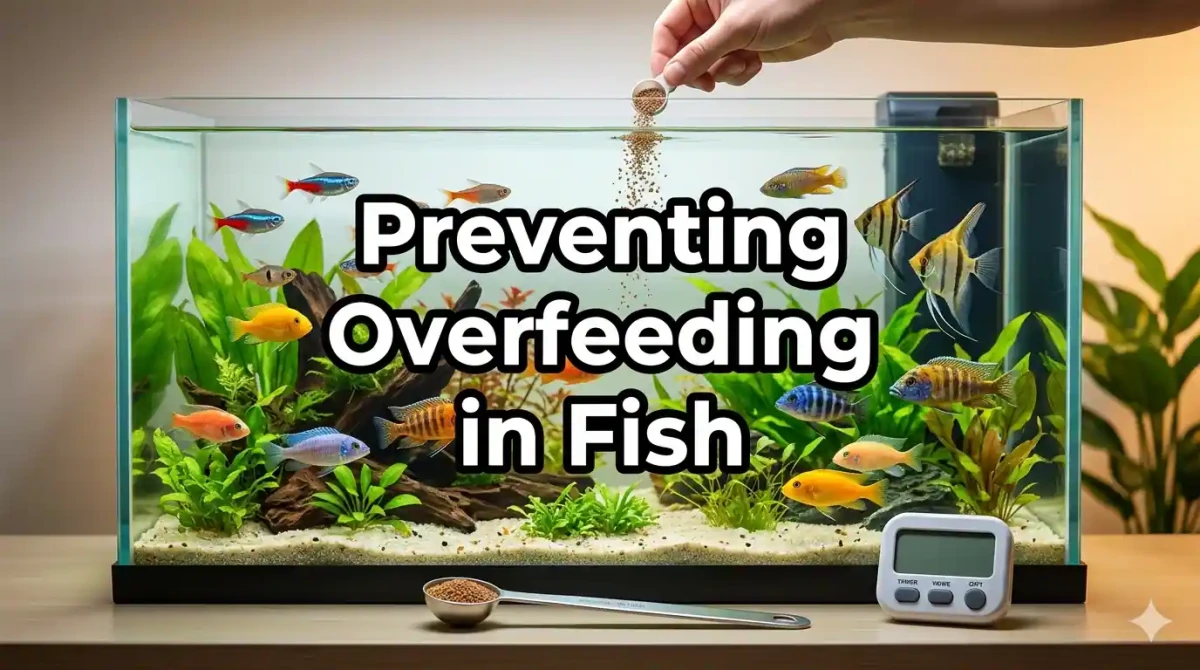
Understanding Overfeeding in Aquarium Fish and Why Prevention Matters
Preventing overfeeding in fish represents one of the most critical aspects of responsible aquarium keeping, as excess food affects water quality, fish health, and overall ecosystem stability in home aquariums. Overfeeding is the single most common mistake made by aquarium hobbyists, leading to elevated ammonia and nitrite levels, algae blooms, poor fish health, and potentially fatal conditions for aquatic inhabitants. Understanding the causes, risks, and prevention strategies for overfeeding empowers aquarium keepers to make informed decisions that support their fish health and maintain pristine water conditions throughout their aquarium journey.
The connection between proper feeding practices and aquarium health is well documented through aquaculture research and experienced hobbyist practice. Specific factors including appropriate portion sizes, consistent feeding schedules, observation of fish behavior, and regular water quality monitoring work synergistically to maintain optimal conditions. When these factors are implemented consistently, they prevent the gradual water quality deterioration that often goes unnoticed until serious health complications develop in fish.
This comprehensive guide covers everything you need to know about preventing overfeeding in fish, from understanding species specific nutritional requirements and recognizing warning signs to implementing effective feeding strategies, portion control techniques, and monitoring protocols. Whether you have a new aquarium establishing healthy habits, an established tank requiring maintenance optimization, or fish showing signs of feeding related stress, these expert recommendations will help you maintain pristine water quality and support your fish long term wellbeing in a balanced aquatic environment.
Why Overfeeding Harms Aquarium Fish and Ecosystems
Overfeeding in aquariums creates a cascade of problems that impact fish health, water quality, and overall tank stability. Understanding these consequences motivates proactive prevention and early intervention before serious complications develop.
Water quality degradation represents the most immediate consequence of overfeeding. Uneaten food decomposes in the aquarium, releasing ammonia as it breaks down. Beneficial bacteria convert ammonia to nitrite, then to nitrate, but excessive organic load can overwhelm this biological filtration process. Elevated ammonia and nitrite levels are toxic to fish, causing gill damage, respiratory distress, and potentially death if not addressed promptly.
Algae blooms occur when excess nutrients from decomposing food fuel rapid algae growth. While some algae is normal in aquariums, excessive growth obscures viewing, competes with plants for light and nutrients, and can deplete oxygen levels during nighttime hours. Algae blooms often signal underlying overfeeding issues that require dietary adjustment alongside mechanical removal.
Fish health complications develop when overfeeding creates chronic stress from poor water quality. Fish exposed to elevated ammonia or nitrite experience suppressed immune function, making them susceptible to diseases like ich, fin rot, or bacterial infections. Overfed fish may also develop fatty liver disease, digestive disorders, or obesity that reduces lifespan and quality of life.
What Are the Signs Your Fish Are Being Overfed?
Recognizing signs of overfeeding enables timely intervention before water quality deteriorates or fish health suffers. Understanding these indicators helps aquarium keepers adjust feeding practices proactively.
Visible uneaten food accumulating on the substrate or floating in the water column indicates portion sizes exceed what fish can consume. Food that remains after five minutes of feeding should prompt immediate portion reduction at the next feeding.
Cloudy or murky water often signals excessive organic waste from decomposing food. While new tank syndrome can cause temporary cloudiness, persistent cloudiness in established tanks frequently indicates overfeeding requiring dietary adjustment alongside water changes.
Excessive algae growth on glass, decorations, or plants suggests nutrient overload from decomposing food. While algae has multiple causes, sudden blooms often correlate with increased feeding or portion sizes that exceed the tank biological capacity.
Fish behavior changes including lethargy, gasping at the surface, or decreased appetite may indicate water quality issues from overfeeding. Healthy fish typically show active swimming, regular feeding response, and normal social interactions.
Essential Strategies for Preventing Overfeeding

Preventing overfeeding in fish requires implementing comprehensive strategies that address portion control, feeding schedules, observation techniques, and water quality monitoring. Understanding and consistently applying these strategies creates sustainable habits that maintain pristine water quality and fish health.
Portion control forms the foundation of proper feeding practices. Measuring food portions using standard measuring spoons or specialized fish food dispensers ensures accurate intake rather than estimating by eye, which often leads to overfeeding. Follow feeding guidelines on fish food packaging as a starting point, then adjust based on your fish species, tank size, and observed consumption patterns.
Timed feeding sessions prevent the common mistake of leaving food available indefinitely. Most aquarium fish thrive on brief feeding periods of two to three minutes, after which any uneaten food should be removed. This practice prevents decomposition of excess food while training fish to consume portions efficiently.
Observation techniques enable real time adjustment of feeding practices. Watching fish during feeding reveals consumption rates, competitive behaviors, and preferences that inform portion decisions. Fish that consume food eagerly within the time window indicate appropriate portions, while leftover food signals need for reduction.
How Do You Determine Proper Portion Sizes for Aquarium Fish?
Determining proper portion sizes requires understanding species specific needs, tank dynamics, and consumption patterns. Learning these principles helps prevent the gradual overfeeding that leads to water quality issues.
Use the two to three minute rule as a practical guideline. Offer only what fish can consume completely within this timeframe. For most community tanks, this equals approximately one pinch of flakes or pellets per five gallons of water, adjusted based on fish density and species.
Consider fish size and metabolism when calculating portions. Small fish like neon tetras require tiny portions measured in individual pellets or pinch amounts, while larger fish like cichlids may require multiple pellets or larger flake quantities. Adjust portions based on observed consumption rather than rigid formulas.
Account for tank inhabitants beyond fish when planning portions. Snails, shrimp, and bottom feeders contribute to food consumption but may require specialized foods. Ensure all tank residents receive appropriate nutrition without exceeding the tank biological capacity for waste processing.
Adjust portions seasonally as fish metabolism changes with water temperature. Fish in warmer water typically have higher metabolic rates and may require slightly larger portions, while cooler water reduces metabolic demands requiring portion reduction.
What Role Does Feeding Schedule Play in Preventing Overfeeding?
Feeding schedule plays a crucial role in preventing overfeeding by establishing predictable routines that support fish health and water quality. Understanding how to implement effective schedules helps maximize prevention benefits.
Consistent timing supports fish metabolism and digestive health. Most adult aquarium fish thrive on one to two feedings daily spaced 10 to 12 hours apart. Scheduled feedings enable monitoring of appetite changes that may indicate health issues while preventing constant grazing that leads to overconsumption.
Fasting days provide digestive rest and help prevent overfeeding habits. Many experienced aquarists implement one fasting day weekly where no food is offered. This practice allows fish digestive systems to process accumulated waste while reducing overall nutrient load on the aquarium ecosystem.
Varied feeding times prevent fish from anticipating meals too precisely, which can reduce competitive aggression during feeding. Slight variations in timing while maintaining overall consistency help maintain natural feeding behaviors without creating excessive anticipation stress.
Automated feeders can support consistent portion control when owners travel or have irregular schedules. Quality automatic feeders dispense measured portions at programmed times, preventing the temptation to overfeed during absence. However, manual feeding allows valuable observation opportunities that automated systems cannot provide.
Nutrition Strategies for Healthy Fish Feeding

Nutrition quality significantly impacts how fish utilize food and produce waste. Understanding nutritional principles helps aquarium keepers select foods that support fish health while minimizing waste production that contributes to overfeeding problems.
High quality foods with appropriate nutrient density reduce waste production. Premium fish foods feature highly digestible proteins, balanced fats, and minimal fillers that fish can efficiently convert to energy and growth. Lower quality foods with excessive fillers produce more waste as fish excrete undigested material, contributing to water quality issues even with appropriate portions.
Species specific formulations address unique nutritional requirements that affect feeding efficiency. Carnivorous fish like cichlids require higher protein diets that they utilize efficiently, while herbivorous species like plecos benefit from plant based foods with appropriate fiber content. Matching food type to species reduces waste and supports optimal health.
Food form affects consumption efficiency and waste production. Flakes dissolve quickly and may contribute to water cloudiness if not consumed immediately, while pellets maintain integrity longer allowing fish more time to consume. Sinking foods benefit bottom dwellers but require monitoring to prevent accumulation in substrate.
Which Foods Support Healthy Feeding Practices in Aquariums?
Selecting foods that support healthy feeding requires understanding nutritional composition and how different forms affect consumption efficiency and waste production.
High quality pelleted diets formulated for specific fish types provide balanced nutrition with controlled nutrient profiles. These foods typically feature appropriate protein levels, controlled fat content, and minimal fillers that fish can efficiently utilize. Look for foods with named ingredients and species specific formulations rather than generic mixes.
Frozen and freeze dried foods offer high nutritional value with minimal waste when used appropriately. Frozen brine shrimp, bloodworms, and daphnia provide excellent protein sources that fish consume efficiently. These foods should be thawed before feeding and offered in measured portions to prevent overfeeding.
Vegetable supplements for herbivorous and omnivorous fish provide essential nutrients with low waste production. Safe options include blanched zucchini, spinach, or algae wafers offered in appropriate quantities. Remove uneaten vegetable matter within a few hours to prevent decomposition.
Treat foods should comprise no more than 10 percent of total diet to prevent nutritional imbalances and excess waste. Use high quality treats like frozen brine shrimp or specialized treat pellets in measured amounts rather than unlimited offerings.
How Do You Manage Treats and Supplements Without Overfeeding?
Managing treats and supplements requires strategic planning that supports fish health while maintaining water quality. Understanding how to incorporate extras responsibly prevents the gradual nutrient creep that leads to water quality issues.
Establish a treat budget as part of your fish feeding routine. If feeding twice daily, designate one feeding as the primary meal and the other as a smaller supplement or treat offering. This approach provides variety without exceeding the tank biological capacity for waste processing.
Use fish food as training rewards when possible. Many fish learn to recognize feeding routines and can be conditioned to respond to cues. Using regular food for training avoids adding extra calories and nutrients beyond planned portions.
Break larger treats into smaller pieces to extend feeding interest while controlling nutrient load. A single frozen brine shrimp cube broken into portions provides multiple feeding opportunities with the same nutritional impact.
Choose low waste treat options that provide enrichment without excessive decomposition risk. Freeze dried foods rehydrated before feeding, small vegetable pieces, or specialized treat pellets offer alternatives to high waste options. Always remove uneaten treats within the standard feeding window.
Observation and Monitoring Techniques for Feeding Success

Developing effective observation skills supports feeding success by enabling real time adjustment of practices based on fish behavior and water quality indicators. Understanding how to monitor effectively helps ensure long term success in preventing overfeeding.
Watch fish during feeding to assess consumption rates and competitive dynamics. Fish that consume food eagerly within the time window indicate appropriate portions, while aggressive competition or leftover food signals need for adjustment. Observation reveals individual fish preferences and needs that inform portion decisions.
Monitor water quality parameters regularly to detect early signs of overfeeding. Test kits for ammonia, nitrite, and nitrate provide objective data about biological filtration capacity. Rising nitrate levels between water changes often indicate excessive feeding requiring portion adjustment.
Track fish behavior and appearance as indirect indicators of feeding success. Healthy fish display active swimming, vibrant coloration, and normal social interactions. Lethargy, faded colors, or unusual behaviors may indicate water quality issues from overfeeding requiring intervention.
What Observation Strategies Work Best for Different Fish Types?
Different fish species require different observation approaches based on feeding behaviors, social dynamics, and environmental preferences. Understanding these differences helps create appropriate monitoring strategies that prevent overfeeding while respecting individual species needs.
Community tank fish benefit from observation of competitive dynamics during feeding. Watch for dominant fish monopolizing food while shy species miss meals. Adjust feeding techniques by distributing food throughout the water column or using feeding rings to ensure all residents receive adequate nutrition without overfeeding.
Bottom dwelling species like corydoras and plecos require observation of substrate feeding areas. These fish may miss food if it is consumed by mid water species before sinking. Offer sinking foods in measured portions and observe consumption to prevent accumulation in substrate where decomposition occurs.
Aggressive species like cichlids require careful observation to prevent overfeeding driven by competitive behaviors. These fish may appear perpetually hungry due to competitive instincts rather than actual nutritional need. Measure portions carefully and remove uneaten food promptly to prevent water quality issues.
Shy or nocturnal species benefit from observation during their active periods. Feed these fish during evening hours when they are most active, and observe consumption to ensure portions are appropriate without excess that decomposes overnight.
How Do You Incorporate Monitoring Into Busy Aquarium Care Schedules?
Busy lifestyles present challenges for maintaining consistent aquarium monitoring, but strategic planning enables effective observation even with limited time. Understanding practical strategies helps ensure fish receive appropriate feeding despite schedule constraints.
Combine feeding time with water quality observation. Test water parameters during weekly feeding routine adjustments to maximize efficiency. This approach enables monitoring without adding significant time commitments to busy aquarium care schedules.
Use technology to support monitoring when direct observation time is limited. Aquarium cameras, automatic feeders with portion control, and water quality monitors with alerts provide data when you cannot observe directly. These tools supplement but do not replace periodic manual observation and testing.
Establish simple tracking systems that require minimal time investment. A small notebook near the aquarium for recording feeding observations, water test results, and portion adjustments enables consistent monitoring without complex record keeping.
Enlist help when needed. Family members or aquarium maintenance services can provide observation and feeding when your schedule prevents it. Clear instructions about portion sizes and observation criteria ensure consistent care even with multiple caregivers.
Water Quality Management and Feeding Connection

Water quality management and feeding practices are fundamentally connected in aquarium keeping. Understanding this relationship enables proactive prevention of overfeeding consequences through integrated care strategies.
Regular water changes complement proper feeding by removing accumulated waste products. Even with perfect feeding practices, some waste production is inevitable. Weekly partial water changes of 10 to 25 percent remove nitrates and organic compounds that feeding contributes to the system.
Filtration capacity must match feeding load to process waste effectively. Biological filtration converts ammonia to nitrate, while mechanical filtration removes particulate matter. Ensure filter capacity exceeds the biological load created by feeding practices to prevent water quality deterioration.
Testing routines provide objective data about feeding impacts on water quality. Regular testing for ammonia, nitrite, nitrate, and pH reveals whether feeding practices align with tank biological capacity. Adjust portions based on test results rather than assumptions about fish hunger.
When Should You Adjust Feeding Based on Water Quality?
Water quality indicators provide critical feedback about feeding practices. Understanding when to adjust feeding based on test results ensures proactive management that prevents fish stress and health issues.
Ammonia or nitrite detection requires immediate feeding reduction alongside water changes. These compounds indicate biological filtration overload that can harm fish rapidly. Reduce portions by 50 percent or implement temporary fasting while addressing the underlying filtration or stocking issues.
Rising nitrate levels between water changes suggest feeding portions exceed the tank biological capacity. Gradually reduce portions by 10 to 20 percent and monitor nitrate accumulation rates. Adjust water change frequency or volume if nitrate reduction through feeding adjustment alone proves insufficient.
Cloudy water or algae blooms often correlate with excessive feeding. Reduce portions immediately while increasing mechanical filtration and considering additional water changes. Address the feeding issue alongside symptomatic treatment to prevent recurrence.
Fish behavior changes including lethargy, gasping, or decreased appetite may indicate water quality issues from overfeeding. Test water parameters immediately and adjust feeding practices based on results rather than continuing routine feeding that may worsen conditions.
How Do You Balance Feeding with Filtration Capacity?
Balancing feeding with filtration capacity requires understanding the biological limits of your aquarium system. Proper balance prevents water quality issues while supporting fish health through adequate nutrition.
Calculate biological load based on fish biomass and feeding rates. A general guideline suggests one inch of fish per gallon of water, but this varies significantly by species, activity level, and feeding practices. Conservative stocking and feeding provide buffer capacity for system fluctuations.
Match filter capacity to feeding load by selecting filtration rated for at least 1.5 times your tank volume. This oversizing provides capacity for waste processing from feeding while accommodating biological fluctuations. Upgrade filtration when increasing feeding portions or adding fish.
Monitor filter performance regularly to ensure it processes waste effectively. Clean mechanical media monthly to maintain flow, while preserving biological media to maintain beneficial bacteria colonies. Replace chemical media like carbon as recommended to maintain adsorption capacity for dissolved organics from feeding.
Common Feeding Mistakes and Prevention Strategies

Even well intentioned aquarium keepers make feeding mistakes that contribute to overfeeding problems. Understanding these common errors helps prevent practices that undermine water quality and fish health.
Estimating portions by eye rather than measuring leads to gradual overfeeding. Human perception of small quantities is unreliable, and the temptation to add "just a little more" accumulates into significant excess over time. Use measuring tools for consistency.
Feeding in response to fish begging behavior reinforces excessive food seeking. Fish quickly learn to associate owner presence with food and may display enthusiastic begging regardless of actual hunger. Stick to scheduled portions rather than responding to behavioral cues that may indicate anticipation rather than need.
Leaving food available indefinitely allows decomposition that degrades water quality. Food that remains after the feeding window should be removed promptly to prevent ammonia production. Use nets or siphons to remove uneaten portions efficiently.
Overlooking species specific needs leads to inappropriate feeding practices. Carnivorous fish require different portions and food types than herbivorous species. Research species requirements and adjust practices accordingly rather than applying uniform approaches to diverse communities.
Why Is Consistency Critical for Preventing Overfeeding?
Consistency in feeding practices creates sustainable habits that prevent overfeeding more effectively than intermittent efforts. Understanding the importance of consistency helps maintain long term success in aquarium management.
Consistent portion sizes support stable biological filtration by providing predictable waste loads. Beneficial bacteria colonies adapt to consistent organic input, processing waste efficiently when portions remain stable. Fluctuating portions challenge biological filtration capacity and increase water quality risks.
Consistent feeding schedules support fish metabolism and digestive health. Fish thrive on predictable routines that enable efficient nutrient processing. Irregular feeding disrupts digestive rhythms and may lead to health issues even with appropriate total portions.
Consistent observation enables timely adjustments before problems develop. Regular monitoring of fish behavior, water quality, and consumption patterns creates data that informs effective feeding decisions. Consistency in observation prevents the gradual deterioration that occurs when monitoring lapses.
Consistent record keeping tracks feeding impacts over time. Simple logs of portions, water test results, and fish behavior enable identification of patterns that inform long term feeding strategy refinement.
Frequently Asked Questions About Preventing Overfeeding in Fish

How Much Should I Feed My Aquarium Fish Daily?
Most aquarium fish require portions they can consume completely within two to three minutes, typically once or twice daily. For community tanks, this equals approximately one pinch of flakes or pellets per five gallons of water, adjusted based on fish density and species. Observe consumption and adjust portions to ensure complete consumption within the time window without leftovers.
Small fish like neon tetras require tiny portions measured in individual pellets or small pinches, while larger fish like cichlids may require multiple pellets. Adjust based on observed consumption rather than rigid formulas, and account for all tank residents including bottom dwellers and invertebrates.
Implement one fasting day weekly where no food is offered to support digestive health and reduce nutrient load. This practice helps prevent overfeeding habits while allowing fish digestive systems to process accumulated waste.
What Should I Do If I Accidentally Overfeed My Fish?
Immediate action minimizes consequences of accidental overfeeding. Remove visible uneaten food promptly using a net or siphon to prevent decomposition. Increase aeration through air stones or filter output to support oxygen levels as decomposition consumes oxygen.
Test water parameters within 24 hours to detect ammonia or nitrite spikes. Perform a partial water change of 25 to 50 percent if elevated levels are detected to dilute toxins while biological filtration recovers. Monitor fish behavior closely for signs of stress including lethargy or gasping.
Reduce feeding portions by 50 percent for the next 2 to 3 days to allow the biological filtration system to process accumulated waste. Resume normal portions gradually as water quality stabilizes, using test results rather than assumptions to guide the return to routine.
How Do I Know If My Fish Are Hungry or Just Begging?
Fish quickly learn to associate owner presence with feeding and may display enthusiastic begging regardless of actual nutritional need. Distinguishing true hunger from learned behavior requires observation of consumption patterns and body condition.
Healthy fish maintain good body condition with slight rounding but not distension. Fish that appear thin with visible spine or sunken abdomen may require portion increases, while fish with distended bellies likely receive adequate or excess nutrition regardless of begging behavior.
Observe consumption during scheduled feedings. Fish that consume offered portions eagerly within the time window are receiving adequate nutrition. Fish that leave food uneaten likely receive sufficient or excess portions regardless of begging displays.
Maintain consistent feeding schedules rather than responding to begging behavior. Fish adapt to predictable routines, and consistent portions support stable metabolism and water quality better than variable feeding based on behavioral cues.
Conclusion

Preventing overfeeding in fish requires understanding species specific nutritional needs, implementing consistent portion control, and monitoring water quality to enable timely adjustments. While overfeeding affects many aquariums, it is largely preventable through informed, consistent practices that support fish health and ecosystem stability.
Remember that proper feeding is multifaceted, requiring appropriate portions alongside consistent scheduling, observation techniques, and water quality management. No single strategy provides complete protection, but the combination of these approaches creates comprehensive care that maximizes fish health and aquarium enjoyment.
Your commitment to preventing overfeeding demonstrates dedication to your aquatic pets wellbeing and tank stability. With the knowledge and strategies provided in this guide, you can confidently implement feeding practices that support pristine water quality, vibrant fish health, and many happy years of aquarium enjoyment in your balanced aquatic environment.
🐱 আরও পড়ুন: Fish Health

0 Comments