.png)
Healthy Feeding Routine for Fish and Complete Care Guide
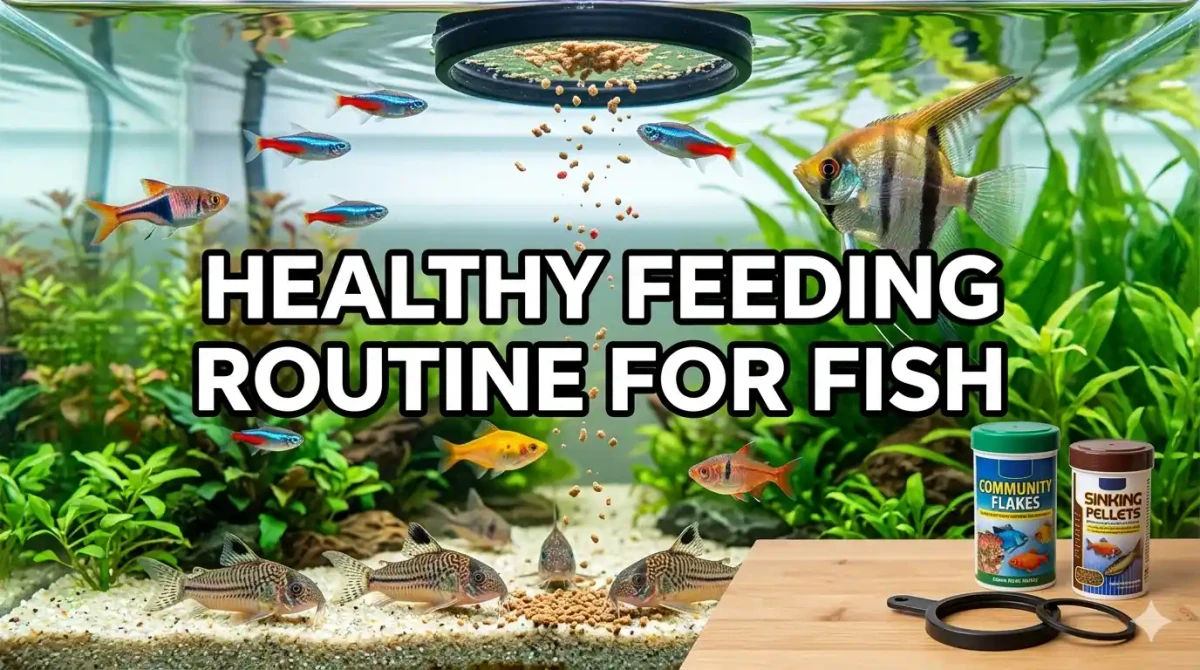
Introduction to Proper Fish Feeding Practices
Establishing a healthy feeding routine for fish is one of the most critical aspects of successful aquarium keeping that directly impacts fish health, water quality, and overall tank stability. Many aquarium problems including poor water conditions, disease outbreaks, and premature fish deaths stem from improper feeding practices rather than inadequate filtration or equipment. Understanding how to feed your fish correctly provides the foundation for a thriving aquatic ecosystem.
Fish have diverse nutritional requirements based on species, size, life stage, and natural feeding behaviors. Tropical community fish, goldfish, cichlids, bettas, and marine species each have distinct dietary needs that must be addressed through thoughtful feeding strategies. A well-designed feeding routine delivers appropriate nutrition while minimizing waste that degrades water quality and stresses aquatic inhabitants.
This comprehensive guide explores everything you need to know about developing a healthy feeding routine for fish, from understanding nutritional fundamentals to implementing practical feeding schedules. Whether you maintain a small betta bowl, a planted community tank, or a large cichlid aquarium, proper feeding practices form the cornerstone of fish health, vibrant coloration, and long-term success in the aquarium hobby.
Understanding Fish Nutritional Requirements
Fish nutrition varies significantly across species, but all aquatic animals require balanced intake of proteins, fats, carbohydrates, vitamins, and minerals to maintain health, support growth, and enable reproduction.
What nutrients do aquarium fish need for optimal health?
Proteins serve as the foundation of fish nutrition, providing essential amino acids necessary for muscle development, tissue repair, immune function, and coloration. Carnivorous species like bettas, oscars, and arowanas require protein levels between thirty-five and fifty percent, while herbivorous fish like plecos and certain cichlids thrive on twenty to thirty percent protein supplemented with plant matter. Omnivorous community fish including tetras, guppies, and angelfish benefit from balanced protein levels of twenty-five to thirty-five percent.
Fats provide concentrated energy and are essential for absorbing fat-soluble vitamins. Omega-3 and omega-6 fatty acids support healthy immune systems, proper growth, vibrant coloration, and reproductive function. Fish require these essential fatty acids in their diet as they cannot synthesize them internally. Quality fat sources include fish oils, krill, spirulina, and certain plant oils.
Carbohydrates provide energy and aid in food binding for processed foods, though fish utilize them less efficiently than mammals. Herbivorous and omnivorous species benefit from complex carbohydrates from vegetables like peas, spinach, and zucchini. Strict carnivores require minimal carbohydrates, as excess can contribute to fatty liver disease and digestive issues.
Vitamins play crucial roles in fish metabolism, immune function, and overall health. Vitamin C is particularly important as many fish cannot synthesize it and must obtain it from their diet. Vitamins A, D, E, and B-complex support vision, bone development, antioxidant protection, and energy metabolism. Quality commercial foods include stabilized vitamins, while fresh and frozen foods retain natural vitamin content.
Types of Fish Food and Their Benefits

Understanding different food types helps you select appropriate nutrition for your fish while providing variety that mimics natural feeding behaviors and prevents dietary boredom.
What are the best food types for aquarium fish?
Flake foods represent the most common and convenient option for community aquariums. Quality flakes float briefly before sinking, accommodating surface, mid-water, and bottom feeders. They contain balanced nutrition with proteins, vitamins, and minerals, though nutrient content degrades over time once opened. Store flakes in cool, dark locations and use within three months of opening for optimal nutrition.
Pellet foods come in floating, sinking, and slow-sinking varieties to match different feeding zones. Pellets maintain nutritional integrity longer than flakes and reduce waste by minimizing disintegration in water. Micro-pellets suit small fish like tetras and rasboras, while larger pellets accommodate cichlids, goldfish, and catfish. Pelleted diets often include specialized formulations for color enhancement, growth, or specific species requirements.
Frozen foods including bloodworms, brine shrimp, daphnia, and mysis shrimp provide high-quality protein and variety that enhances coloration and stimulates natural hunting behaviors. Frozen foods retain more natural nutrients than processed alternatives and are readily accepted by most fish species. Thaw frozen foods in aquarium water before feeding to prevent temperature shock and introduce pathogens.
Live foods such as brine shrimp, blackworms, and daphnia offer the ultimate in nutrition and behavioral enrichment. Live foods trigger natural predatory instincts, provide superior protein bioavailability, and can stimulate breeding behaviors. However, live foods carry potential pathogen risks if sourced from unreliable suppliers. Always quarantine or disinfect live foods from unknown sources before introducing to your aquarium.
Fresh vegetables and fruits provide essential fiber, vitamins, and variety for herbivorous and omnivorous species. Blanched zucchini, cucumber, peas, spinach, and spirulina sheets benefit plecos, cichlids, and goldfish. Remove uneaten fresh foods within two hours to prevent water quality deterioration.
Establishing an Effective Feeding Schedule

Consistent feeding routines support fish health, reduce stress, and simplify aquarium maintenance while preventing common problems associated with irregular feeding patterns.
How often should you feed aquarium fish?
Most adult tropical fish benefit from feeding once or twice daily in amounts they can consume within two to three minutes. This schedule aligns with natural feeding patterns while preventing overfeeding that degrades water quality. Juvenile fish and growing species require more frequent feeding, typically three to four times daily in smaller portions to support rapid development.
Coldwater fish like goldfish have slower metabolisms and may thrive on once-daily feeding, particularly in cooler water temperatures. However, young goldfish and fancy varieties with higher energy demands may benefit from twice-daily feeding. Observe your fish behavior and adjust frequency based on appetite, activity level, and water quality parameters.
Implementing a weekly fasting day can benefit many aquarium fish by allowing digestive systems to rest and reducing waste accumulation. A twenty-four hour fast once weekly helps prevent obesity, improves water quality, and may stimulate natural foraging behaviors. Avoid fasting breeding fish, growing juveniles, or species with high metabolic demands.
Timing feedings consistently each day helps establish routine and reduces stress. Many aquarists prefer morning and evening feedings to align with natural dawn and dusk activity peaks. Avoid feeding immediately before lights out, as uneaten food may decompose overnight without fish activity to consume it.
Portion Control and Avoiding Overfeeding

Overfeeding represents the most common mistake in aquarium keeping, leading to poor water quality, disease susceptibility, and reduced fish longevity. Mastering portion control protects both fish health and tank stability.
How much food should you give aquarium fish?
The two to three minute rule provides a practical guideline for portion sizing. Offer only as much food as your fish can completely consume within this timeframe. Any remaining food after three minutes indicates overfeeding and should be removed immediately to prevent water contamination.
Start with small amounts and observe consumption patterns. It is easier to add more food if fish finish quickly than to remove excess that has already begun decomposing. For flake foods, begin with a pinch approximately the size of your fish eye and adjust based on consumption.
Different species consume food at varying rates. Aggressive feeders like cichlids may consume portions rapidly while shy species like dwarf gouramis require more time. In community tanks, ensure all fish receive adequate nutrition by distributing food throughout the water column or using feeding rings to concentrate food for targeted species.
Monitor fish body condition regularly to assess feeding adequacy. Healthy fish display smooth body contours with slight rounding behind the gills. Sunken bellies indicate underfeeding while distended abdomens may signal overfeeding or health issues requiring veterinary evaluation.
Species Specific Feeding Requirements

Different fish species have evolved with distinct dietary needs and feeding behaviors. Tailoring feeding strategies to species requirements ensures optimal nutrition and reduces competition in community settings.
How do feeding needs vary by fish species?
Betta fish are carnivorous labyrinth fish requiring high-protein diets with minimal plant matter. Feed bettas specialized betta pellets or flakes supplemented with frozen or live foods like bloodworms and brine shrimp two to three times weekly. Avoid overfeeding as bettas have small stomachs approximately the size of their eye and are prone to constipation and bloating.
Goldfish are omnivorous with substantial waste production requiring careful feeding management. Provide sinking pellets formulated for goldfish to prevent swim bladder issues associated with floating foods. Supplement with blanched vegetables like peas and zucchini. Goldfish lack stomachs and continuously process food, so small frequent meals prevent digestive issues better than large infrequent feedings.
Cichlids vary widely in dietary requirements. African cichlids benefit from spirulina-based foods and vegetable matter to mimic their algae-scraping natural diet. South American cichlids like oscars require high-protein carnivore formulations. Avoid feeding mammalian meats like beef heart to cichlids as saturated fats can cause fatty liver disease.
Bottom feeders including corydoras, plecos, and loaches require sinking foods that reach the substrate. Provide algae wafers, sinking pellets, and blanched vegetables for herbivorous species. Carnivorous bottom dwellers benefit from frozen bloodworms and brine shrimp offered after lights out when they become most active.
Feeding Strategies for Community Aquariums

Community tanks housing multiple species require thoughtful feeding approaches that ensure all inhabitants receive appropriate nutrition without excessive competition or waste.
How do you feed diverse fish communities effectively?
Distribute food throughout the water column to accommodate surface, mid-water, and bottom feeders. Begin by offering floating foods for surface dwellers, then introduce slow-sinking pellets for mid-water species, and finally provide sinking foods for bottom dwellers. This sequential approach reduces competition and ensures all fish access nutrition.
Consider using feeding rings or cylinders to concentrate food for specific species or reduce waste. Feeding rings keep floating foods contained for surface feeders while preventing dispersal throughout the tank. This technique proves particularly valuable for small communities with shy species that may be outcompeted by aggressive feeders.
Target feed shy or specialized species using turkey basters or feeding tongs to deliver food directly to their preferred locations. This strategy ensures plecos, dwarf cichlids, or nocturnal species receive adequate nutrition without competition from dominant tank mates.
Rotate food types regularly to provide nutritional variety and prevent dietary boredom. Alternate between flakes, pellets, frozen foods, and fresh vegetables throughout the week. Variety mimics natural feeding patterns and ensures comprehensive nutrient intake across different food sources.
Special Feeding Considerations for Life Stages

Fish nutritional requirements change significantly throughout their lives. Adjusting feeding strategies for juveniles, adults, and seniors supports optimal development and longevity.
How do feeding needs change as fish age?
Juvenile fish require frequent feeding with high-protein foods to support rapid growth and development. Feed fry and juveniles three to four times daily in small portions they can consume within one to two minutes. Use appropriately sized foods like powdered fry food, baby brine shrimp, or crushed flakes to accommodate small mouths.
Adult fish benefit from maintenance-level nutrition focused on sustaining health rather than promoting growth. Most adults thrive on once or twice daily feeding with balanced commercial foods supplemented with variety. Monitor body condition and adjust portions to prevent obesity, particularly in less active species or cooler water temperatures.
Senior fish may require modified feeding approaches to accommodate reduced metabolism and potential health issues. Offer easily digestible foods in smaller, more frequent portions. Consider supplementing with vitamins or specialized senior formulations that support aging physiology. Monitor closely for appetite changes that may indicate health problems requiring veterinary attention.
Water Quality and Feeding Relationship

Feeding practices directly impact water quality through waste production, uneaten food decomposition, and nutrient loading. Understanding this relationship helps maintain stable, healthy aquarium conditions.
How does feeding affect aquarium water quality?
Uneaten food decomposes rapidly, releasing ammonia that stresses fish and fuels algae growth. Even small amounts of leftover food can significantly elevate ammonia and nitrite levels in established tanks. Remove uneaten food within minutes of feeding to prevent water quality deterioration.
Fish waste resulting from digestion contributes to the nitrogen cycle through ammonia excretion. Overfeeding increases waste production beyond biological filtration capacity, leading to elevated nitrate levels that promote algae and stress fish. Appropriate portion control keeps waste production within your filtration systems processing capability.
Phosphates from fish food fuel algae growth when present in excess. Limiting feeding amounts, removing uneaten food promptly, and performing regular water changes control phosphate accumulation. Consider using phosphate-removing media if algae problems persist despite proper feeding practices.
Test water parameters regularly to assess feeding impact on water quality. Elevated ammonia, nitrite, or nitrate levels may indicate overfeeding requiring portion adjustment. Consistent testing combined with observation helps refine feeding practices for optimal tank health.
Common Feeding Mistakes to Avoid

Even experienced aquarists can make feeding errors that compromise fish health and tank stability. Recognizing and avoiding these pitfalls ensures your feeding routine supports rather than undermines aquarium success.
What mistakes should you avoid when feeding fish?
Overfeeding represents the most prevalent and damaging error in aquarium keeping. Excess food decomposes into ammonia, fuels algae growth, and contributes to fish obesity and health problems. Always feed conservatively and remove uneaten portions promptly. Remember that fish can safely go several days without food if necessary.
Feeding inappropriate food types for species requirements causes nutritional deficiencies and health issues. Herbivores fed exclusively protein-rich foods develop digestive problems, while carnivores lacking adequate protein show poor growth and coloration. Research species-specific needs and select foods formulated for your fish dietary classification.
Neglecting food storage and freshness compromises nutritional value and may introduce pathogens. Store dry foods in cool, dark, airtight containers and use within manufacturer recommended timeframes. Freeze frozen foods properly and thaw in aquarium water rather than tap water to prevent contamination.
Feeding at inconsistent times or skipping meals unnecessarily stresses fish accustomed to routine. Establish and maintain a regular feeding schedule that accommodates your lifestyle while providing predictability for your fish. If travel requires schedule adjustments, prepare accordingly with automatic feeders or caretaker instructions.
Feeding During Special Circumstances

Certain situations require modified feeding approaches to support fish health during travel, illness, breeding, or environmental changes.
How do you adjust feeding during special situations?
When traveling, most healthy adult fish can safely fast for three to seven days without adverse effects. For longer absences, use reliable automatic feeders programmed for appropriate portions, or arrange for a knowledgeable caretaker to feed sparingly. Avoid vacation food blocks that dissolve continuously and often overfeed, degrading water quality.
Sick fish may require modified feeding based on their condition. Fish with digestive issues benefit from fasting for twenty-four to forty-eight hours followed by easily digestible foods like blanched peas or high-quality frozen foods. Medication treatments sometimes require reduced feeding to maintain water quality. Consult your veterinarian or experienced aquarist for condition-specific guidance.
Breeding fish often need enhanced nutrition to support egg production and fry development. Increase feeding frequency and protein content for conditioning breeders. After spawning, some species require separation and specialized feeding to support recovery. Research breeding requirements for your specific species before attempting propagation.
During aquarium cycling or after major changes, reduce feeding to minimize ammonia production while biological filtration establishes. New tanks and recently modified systems have limited capacity to process waste, so conservative feeding prevents water quality crashes that stress fish.
Monitoring Fish Health Through Feeding Behavior

Feeding responses provide valuable insights into fish health, allowing early detection of problems before they become severe.
What feeding behaviors indicate fish health status?
Enthusiastic feeding with active pursuit of food typically indicates good health. Fish that eagerly approach the surface or feeding area when food is introduced demonstrate normal appetite and energy levels. Consistent feeding behavior across tank inhabitants suggests stable environmental conditions.
Reduced appetite or reluctance to feed may signal stress, illness, or water quality issues. Monitor fish that consistently eat less than tank mates, as this often represents the earliest sign of developing problems. Investigate potential causes including parameter fluctuations, aggression from tank mates, or disease symptoms.
Changes in feeding location or technique can indicate health concerns. Fish that typically feed at the surface but begin staying near the bottom, or vice versa, may experience discomfort requiring evaluation. Similarly, difficulty capturing food or spitting out previously accepted items warrants attention.
Physical signs observed during feeding including clamped fins, rapid breathing, or visible lesions provide additional health information. Combine feeding behavior observation with regular visual health checks for comprehensive monitoring.
Frequently Asked Questions

Can fish survive without food for several days?
Yes, most healthy adult aquarium fish can safely survive without food for three to seven days, and some species longer. Fish have evolved to endure periods of scarce food in natural environments. Short fasting periods can even benefit fish by allowing digestive rest and reducing waste production. However, juvenile fish, breeding adults, and species with high metabolic demands require more frequent feeding. Always ensure excellent water quality during fasting periods, as stressed fish have reduced resilience.
Should I feed my fish on the same schedule every day?
Yes, maintaining a consistent feeding schedule reduces stress and supports healthy digestive function in aquarium fish. Fish thrive on predictability and often become active in anticipation of regular feeding times. Consistency also helps you monitor appetite changes that may indicate health problems. If your schedule requires variation, try to keep feeding times within a consistent window rather than erratic timing. For community tanks with diverse species, consider multiple small feedings to accommodate different activity patterns.
Is it better to feed fish in the morning or evening?
Both morning and evening feedings can work effectively, and many aquarists successfully use twice-daily schedules. Morning feedings align with natural dawn activity peaks for many species, while evening feedings accommodate nocturnal or crepuscular fish. The most important factor is consistency rather than specific timing. Avoid feeding immediately before lights out, as reduced fish activity may leave food uneaten to decompose overnight. Observe your fish behavior to determine optimal timing for your specific community.
How do I know if I am overfeeding my fish?
Signs of overfeeding include uneaten food remaining after three minutes, cloudy or foul-smelling water, excessive algae growth, fish with distended abdomens, and elevated ammonia or nitrate levels. Fish may also become lethargic or develop health issues like fatty liver disease from chronic overfeeding. If you observe these indicators, reduce portion sizes immediately and remove uneaten food promptly. Test water parameters to assess impact and perform water changes if needed to restore quality.
Can I feed my fish human food safely?
Most human foods are inappropriate for aquarium fish and can cause health problems or water quality issues. However, some plain, unseasoned vegetables like blanched peas, zucchini, or spinach can benefit herbivorous and omnivorous species when offered in small amounts. Never feed bread, processed foods, seasoned items, or anything containing salt, sugar, or preservatives. When in doubt, stick to foods formulated specifically for aquarium fish to ensure nutritional completeness and safety.
What should I do if my fish stops eating?
Loss of appetite warrants investigation as it often signals underlying problems. First check water parameters including temperature, ammonia, nitrite, nitrate, and pH to rule out environmental stressors. Observe fish for physical symptoms like lesions, abnormal swimming, or respiratory distress. Consider recent tank changes, new tank mates, or feeding routine modifications that may cause stress. If appetite loss persists beyond twenty-four to forty-eight hours or accompanies other symptoms, consult an aquatic veterinarian or experienced aquarist for diagnosis and treatment guidance.
Conclusion

Establishing a healthy feeding routine for fish represents one of the most impactful practices for successful aquarium keeping. By understanding species-specific nutritional requirements, implementing appropriate portion control, maintaining consistent schedules, and monitoring fish responses, you create conditions that support vibrant health, beautiful coloration, and long-term vitality in your aquatic companions.
Remember that feeding is just one component of comprehensive aquarium care. Water quality management, appropriate tank size, compatible tank mates, and regular maintenance all contribute to fish wellbeing alongside proper nutrition. Work with experienced aquarists, reputable retailers, and aquatic veterinarians to refine your feeding strategies as you gain experience and your aquarium evolves.
With thoughtful planning, consistent observation, and willingness to adjust based on your fish responses, you can develop a feeding routine that enhances health while supporting a thriving aquatic ecosystem. Your commitment to proper feeding practices demonstrates the care and responsibility that defines exceptional aquarium stewardship, ensuring your underwater companions enjoy many years of vibrant life in your care.

0 Comments