.png)
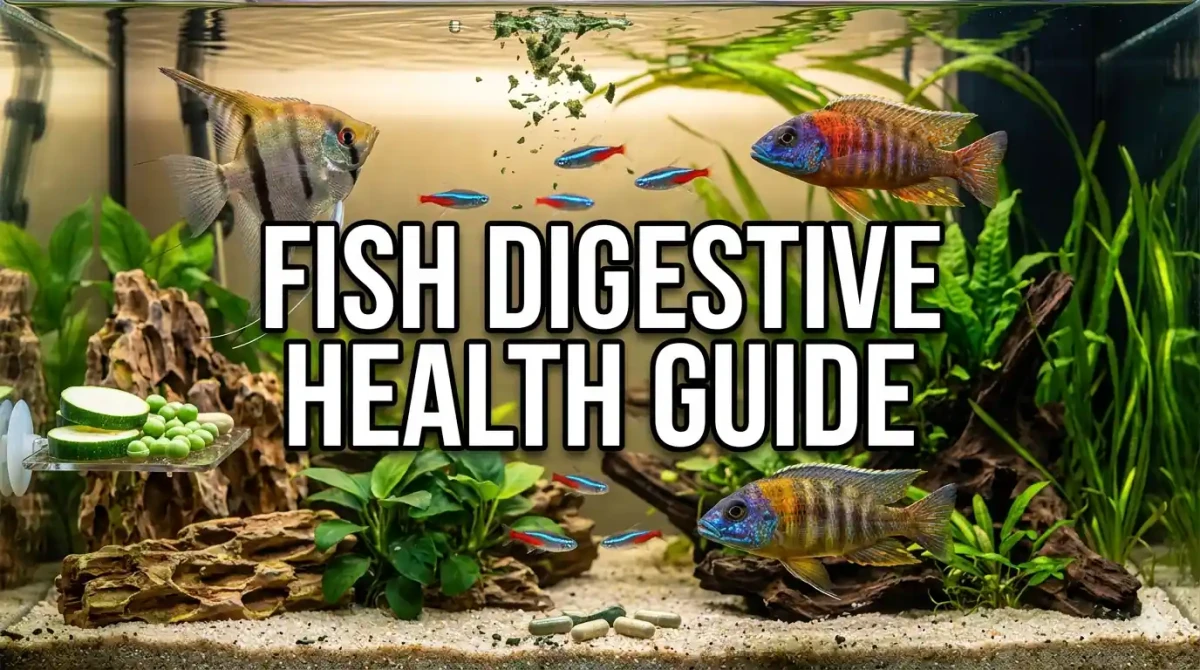
Fish Digestive Health Guide Complete Aquarium Care
Understanding Fish Digestive Health Fundamentals
Fish digestive health guide is essential knowledge for every responsible aquarium keeper who wants to ensure their aquatic companions enjoy optimal wellbeing, vibrant coloration, and longevity. A healthy digestive system forms the foundation of your fish's overall health, influencing everything from immune function and nutrient absorption to growth rates, coloration intensity, and behavioral stability. When digestion functions properly, your fish efficiently extracts nutrients from food, maintains healthy weight, produces normal waste, and experiences minimal gastrointestinal discomfort that can lead to serious health complications.
The fish digestive system varies significantly across species but generally includes the mouth, esophagus, stomach, pyloric caeca, intestine, liver, pancreas, and anus. Unlike mammals, fish are ectothermic, meaning their digestive efficiency depends heavily on water temperature. Understanding how this specialized system works and what supports its optimal function empowers you to make informed decisions about feeding practices, water quality management, and preventive care for your aquatic pets.
This comprehensive guide covers everything you need to know about supporting and maintaining your aquarium fish's digestive health, from selecting appropriate foods and supplements to recognizing warning signs that require intervention. Whether you keep tropical freshwater fish, marine species, or coldwater varieties, these expert tips will help you promote a healthy gut and happier, healthier fish that thrive in your care.
Why Digestive Health Matters for Aquatic Wellness
Digestive health profoundly impacts nearly every aspect of your fish's physical wellbeing and appearance. The gastrointestinal tract plays a crucial role in immune function, as a significant portion of fish immunity resides in the gut associated lymphoid tissue. A balanced gut microbiome, the community of beneficial bacteria living in your fish's intestines, helps protect against pathogens, supports nutrient absorption, and influences overall vitality and disease resistance.
Poor digestive health in aquarium fish manifests in various ways beyond obvious symptoms like bloating or abnormal waste. Chronic digestive issues can lead to nutrient deficiencies despite adequate feeding, resulting in faded coloration, stunted growth, weakened immune function, increased susceptibility to parasites and infections, and reduced lifespan. Fish with compromised digestion may also exhibit behavioral changes including lethargy, loss of appetite, erratic swimming, or isolation from tank mates due to discomfort or systemic illness.
Preventive digestive care is far easier and less costly than treating established gastrointestinal diseases in aquarium settings. By implementing healthy feeding practices, providing appropriate species specific nutrition, maintaining optimal water quality, and monitoring your fish's appearance and behavior, you can identify and address minor issues before they escalate into serious health problems requiring medication, quarantine, or resulting in loss of your beloved aquatic companions.
How Does the Fish Digestive System Work?
The fish digestive process begins with food intake through the mouth, where species specific adaptations determine feeding style. Carnivorous fish have sharp teeth for grasping prey, herbivorous species have grinding plates for processing plant matter, and omnivores possess versatile dentition for varied diets. Fish swallow food relatively whole with minimal chewing, relying on digestive enzymes and gut processing to break down nutrients.
Food travels down the esophagus to the stomach in species that possess one, where gastric acids and enzymes begin chemical breakdown. Many fish, particularly herbivores and some omnivores, lack a true stomach and rely on intestinal digestion alone. From the stomach or esophagus, food enters the intestine where the majority of nutrient absorption occurs. Pyloric caeca, finger like pouches found in many species, increase surface area for enzyme secretion and nutrient absorption.
The liver produces bile for fat digestion, while the pancreas secretes digestive enzymes including proteases, lipases, and amylases. The intestine absorbs nutrients into the bloodstream while beneficial gut bacteria ferment remaining fiber and support immune function. Waste products are eliminated through the anus or cloaca. Digestive transit time varies by species, water temperature, and diet composition, typically ranging from 4 to 48 hours in aquarium fish.
Essential Nutrients for Optimal Fish Digestion

Supporting your fish's digestive health starts with providing the right nutrients in appropriate forms and proportions specific to their species and dietary classification. Certain dietary components are particularly important for maintaining healthy digestion, promoting beneficial gut bacteria, and preventing common gastrointestinal issues in aquarium fish.
High quality protein sources form the foundation of nutrition for carnivorous and omnivorous fish. Proteins from fish meal, krill, shrimp, and insect larvae provide essential amino acids that support intestinal cell repair, immune function, and overall growth. Highly digestible proteins reduce the workload on the digestive system and minimize undigested material that can pollute water or feed harmful bacteria.
Appropriate fat levels provide concentrated energy and support absorption of fat soluble vitamins. Fish require essential fatty acids including omega 3 and omega 6 for cellular health, inflammation regulation, and vibrant coloration. Fiber plays a crucial role particularly for herbivorous species, with plant based fibers supporting healthy gut motility and beneficial bacterial fermentation that produces short chain fatty acids for colon health.
Which Probiotics Benefit Fish Digestive Health?
Probiotics are live beneficial bacteria that support digestive health by maintaining a balanced gut microbiome, crowding out harmful pathogens like Aeromonas and Pseudomonas, and supporting immune function in aquatic species. The most researched probiotic strains for fish include Bacillus species, Lactobacillus species, and Saccharomyces cerevisiae, all of which have demonstrated benefits for fish digestive health in aquaculture and aquarium studies.
Probiotics can help manage various digestive issues including bloating, constipation, stress related gastrointestinal upset from transport or environmental changes, and recovery support after antibiotic treatment. They may also improve feed conversion efficiency, enhance coloration through better nutrient absorption, and reduce the frequency of digestive problems in sensitive species. Look for probiotic supplements specifically formulated for aquarium fish with guaranteed viable counts and strains proven effective in aquatic environments.
Probiotic enriched foods or liquid supplements added to aquarium water can provide beneficial bacteria support. Always introduce probiotics gradually and follow manufacturer guidelines for dosing based on aquarium volume. Probiotics are particularly beneficial after medication treatments, during stressful events like tank transfers, or for fish showing mild digestive discomfort. Consult experienced aquarists or aquatic veterinarians for species specific recommendations.
What Role Do Digestive Enzymes Play for Fish?
Digestive enzymes are proteins that break down food components into absorbable nutrients. Fish naturally produce enzymes including proteases for proteins, lipases for fats, and amylases for carbohydrates, though enzyme production varies significantly by species and diet. Carnivorous fish produce higher levels of proteases, while herbivores generate more cellulases for plant fiber digestion.
Supplemental digestive enzymes can improve nutrient absorption, reduce undigested waste that pollutes aquarium water, decrease bloating and digestive discomfort, and support fish with compromised pancreatic function or recovering from illness. Enzyme supplements containing broad spectrum formulations provide comprehensive digestive support for omnivorous community tank fish.
Enzyme supplements should be incorporated into food or added to aquarium water according to product instructions to be effective. While generally safe for aquarium use, introduce supplements gradually and monitor fish response. Enzyme supplementation is most beneficial for fish with diagnosed digestive insufficiencies, older fish with reduced enzyme production, or during recovery from illness when digestive efficiency may be compromised.
Feeding Practices That Support Fish Digestive Health

How you feed your aquarium fish is as important as what you feed them when it comes to digestive health. Proper feeding practices reduce the risk of bloating, constipation, and water quality issues while improving nutrient absorption and supporting healthy digestive function throughout your fish's life.
Consistent feeding schedules help regulate your fish's digestive system by establishing predictable patterns of hunger, digestion, and waste production. Most aquarium fish thrive on one to two small feedings daily rather than continuous grazing, which can lead to overeating, obesity, and excessive waste that degrades water quality. Feed at consistent times to establish routine and make monitoring appetite easier.
Portion control prevents overfeeding, the most common cause of digestive problems and water quality issues in home aquariums. Provide only what fish can consume within 2 to 3 minutes, removing any uneaten food promptly. Overfeeding leads to undigested food decomposing in the gut or aquarium, producing ammonia and creating conditions for harmful bacterial growth. Monitor fish body condition regularly, adjusting portions to maintain ideal physique without excess fat.
How Should You Transition Fish Foods Safely?
Abrupt diet changes are a leading cause of digestive upset in aquarium fish, including bloating, constipation, and abnormal waste production. Fish have sensitive digestive systems adapted to specific diets, requiring gradual adaptation to new foods. Always transition between foods slowly over 7 to 14 days to allow digestive enzymes and gut bacteria to adjust without disruption.
Begin the transition by mixing 25 percent new food with 75 percent current food for 3 to 4 days. If your fish tolerate this well with normal appetite and waste production, increase to 50 percent new food for another 3 to 4 days, then 75 percent new food before completing the transition to 100 percent new food. Monitor fish closely throughout the process, watching for changes in appetite, swimming behavior, and waste consistency.
If fish experience bloating, constipation, or loss of appetite during transition, slow the process by spending more days at each ratio or temporarily returning to the previous ratio until symptoms resolve. Some sensitive species may require 2 to 3 weeks for comfortable adaptation. Always maintain excellent water quality during food transitions, as digestive stress can increase waste production and ammonia levels.
What Is the Best Way to Prevent Bloating and Constipation?
Bloating and constipation are common digestive issues in aquarium fish, often resulting from overfeeding, inappropriate diet, or inadequate fiber intake. Prevention focuses on proper feeding practices and species appropriate nutrition. Feed small portions that fish consume completely within minutes, avoiding excess food that can cause digestive overload.
Include fiber rich foods appropriate for your fish species. Herbivorous and omnivorous fish benefit from spirulina, blanched vegetables like zucchini or peas, and high fiber pellets. Carnivorous species require easily digestible animal proteins without excessive fat that can cause digestive slowdown. Variety in diet prevents nutritional gaps that contribute to digestive issues.
Maintain optimal water temperature for your fish species, as cold water slows digestion significantly. Ensure adequate water movement and oxygenation, as poor water quality stresses fish and compromises digestive function. For fish prone to constipation, occasional fasting for 24 hours followed by feeding shelled, blanched peas can help clear the digestive tract naturally.
Water Quality Impact on Fish Digestive Health

Water quality is fundamentally connected to fish digestive health in ways many aquarium keepers overlook. Poor water parameters stress fish, suppress immune function, and directly impact digestive efficiency. Understanding this connection helps you maintain conditions that support optimal gastrointestinal function.
Elevated ammonia and nitrite levels damage gill tissue and intestinal lining, reducing nutrient absorption and increasing susceptibility to digestive infections. Even low level chronic exposure to these toxins stresses fish physiologically, diverting energy from digestion to detoxification processes. Regular water testing and maintenance keep these parameters at safe levels.
Nitrate accumulation, while less immediately toxic, contributes to chronic stress and immune suppression that manifests in digestive problems. High nitrate levels also promote algae growth that can alter aquarium ecology and food availability. Regular partial water changes of 10 to 25 percent weekly maintain nitrate at acceptable levels and remove organic compounds that can irritate fish digestive systems.
How Does Temperature Affect Fish Digestion?
Water temperature profoundly influences fish digestive function because fish are ectothermic, meaning their body temperature and metabolic rate match their environment. Digestive enzyme activity increases with temperature up to species specific optima, then declines as temperatures become stressful. Understanding your fish's thermal preferences helps optimize digestive efficiency.
Tropical fish typically digest food most efficiently between 75 and 82 degrees Fahrenheit, while coldwater species like goldfish function best at 65 to 72 degrees. Feeding fish at temperatures below their optimal range slows digestion significantly, increasing risk of bloating and constipation. Conversely, temperatures above optimal increase metabolic rate but may stress fish and reduce feeding response.
Maintain stable temperatures using reliable heaters and thermometers, avoiding fluctuations that stress fish and disrupt digestive rhythms. During temperature adjustments, modify feeding frequency and portion size accordingly. Reduce feeding when temperatures drop below optimal, as digestion slows and overfeeding becomes more likely to cause problems.
What Water Parameters Support Digestive Wellness?
Beyond temperature, several water parameters influence fish digestive health. pH stability is crucial, as sudden shifts stress fish and can alter gut bacterial balance. Most aquarium fish thrive in stable pH between 6.5 and 7.5, though species specific requirements vary. Avoid rapid pH changes during water changes or medication treatments.
Appropriate hardness levels support osmoregulation and enzyme function. Soft water species may experience digestive stress in hard water conditions and vice versa. Research your fish species' natural habitat parameters and aim to replicate them within reasonable ranges for captive care.
Dissolved oxygen levels affect overall metabolism including digestive function. Ensure adequate surface agitation, filtration, and avoid overstocking to maintain oxygen saturation. Low oxygen conditions stress fish and reduce digestive efficiency, potentially leading to appetite loss and digestive complications.
Common Digestive Problems and Solutions

Even well maintained aquariums occasionally experience fish with digestive issues, and knowing how to address common problems appropriately can provide relief while determining if medication or veterinary consultation is needed. Many mild digestive problems respond well to dietary adjustments, water quality improvements, and supportive care.
Constipation in fish manifests as swollen abdomen, stringy white waste, or lack of waste production despite normal feeding. Causes include overfeeding, low fiber diet, cold water, or stress. Mild cases often resolve with fasting for 24 to 48 hours followed by feeding shelled, blanched peas for herbivorous and omnivorous species.
Bloating or dropsy presents as abdominal swelling, raised scales, and lethargy. While true dropsy indicates serious internal infection requiring medication, simple bloating from overfeeding or constipation may resolve with fasting, improved water quality, and Epsom salt baths under guidance. Distinguishing between conditions requires careful observation and sometimes veterinary input.
How Do You Manage Fish Constipation at Home?
For mild constipation without severe symptoms, start by fasting your fish for 24 to 48 hours to allow the digestive tract to clear. Ensure excellent water quality with a partial water change before and after the fasting period to reduce stress and support recovery.
After fasting, offer a small portion of shelled, blanched peas for herbivorous and omnivorous species. Peas provide fiber that helps stimulate bowel movement. For carnivorous species, offer easily digestible foods like frozen brine shrimp or bloodworms in small amounts. Avoid heavy, fatty, or difficult to digest foods during recovery.
Maintain optimal water temperature for your species throughout the recovery period, as warmth supports digestive motility. Monitor waste production and abdominal appearance daily. If constipation persists beyond 3 to 4 days, worsens, or is accompanied by lethargy, loss of appetite, or other concerning signs, consult an aquatic veterinarian or experienced fish health specialist.
What Natural Remedies Support Fish Digestive Comfort?
Several gentle natural approaches can support digestive comfort in fish with mild gastrointestinal upset. Garlic, when added to food in small amounts, can stimulate appetite and has mild antimicrobial properties that may support gut health. Use aquarium safe garlic supplements or fresh garlic juice applied to food.
Epsom salt baths can help relieve constipation and reduce internal swelling when used appropriately. Dissolve one tablespoon of pure Epsom salt per gallon of dechlorinated water at tank temperature, and place the affected fish in the bath for 10 to 15 minutes under close supervision. Never add Epsom salt directly to the main aquarium unless specifically directed for treatment.
Stress reduction supports digestive recovery significantly. Maintain quiet conditions around the aquarium, avoid sudden movements or loud noises, and ensure adequate hiding places. Dim lighting during recovery periods can help stressed fish feel more secure. Never combine multiple treatments simultaneously, as this can overwhelm fish and complicate identifying what helps.
Dietary Choices That Promote Fish Digestive Wellness

What you feed your aquarium fish has the greatest impact on digestive health, making food selection one of the most important decisions you make as an aquarium keeper. Understanding which dietary components support versus challenge fish digestion helps you choose foods that promote gastrointestinal wellness appropriate for your species.
High quality commercial fish foods formulated for your specific fish type provide balanced nutrition supporting digestive health. Pelleted and flake foods from reputable manufacturers offer consistent nutrient profiles, appropriate particle sizes, and digestible ingredients. Look for foods with named protein sources, appropriate fiber levels, and minimal fillers that can cause digestive issues.
Frozen and live foods provide variety, enrichment, and highly digestible nutrition that many fish find irresistible. Frozen brine shrimp, bloodworms, and mysis shrimp offer excellent protein sources when sourced from reputable suppliers. Live foods like blackworms or brine shrimp stimulate natural feeding behaviors but require quarantine to prevent disease introduction.
Should Fish Eat Flakes Pellets or Frozen Foods for Digestive Health?
The choice between flakes, pellets, and frozen foods centers on nutritional completeness, digestibility, and feeding management. Flakes are convenient and float for surface feeders but can dissolve quickly, potentially polluting water if not consumed promptly. High quality flakes provide balanced nutrition for many community fish.
Pellets offer advantages including slower dissolution, appropriate sizing for different fish, and reduced water pollution from uneaten food. Sinking pellets benefit bottom dwellers while floating pellets suit surface feeders. Pellets often contain higher nutrient density and fiber levels supporting digestive health.
Frozen foods provide excellent nutrition and palatability but require thawing before feeding and proper storage to maintain quality. They excel as supplements to staple dry foods, providing variety and enrichment. The best approach combines high quality pellets or flakes as diet foundation with regular frozen food offerings for variety and optimal nutrition.
How Do Fresh Foods Impact Fish Digestive Health?
Fresh foods provide excellent variety and nutrition for appropriate fish species, supporting digestive health through natural enzymes, fiber, and nutrients. Herbivorous and omnivorous fish benefit from blanched vegetables like zucchini, spinach, and peas that provide fiber supporting healthy gut motility.
Prepare fresh foods properly by washing thoroughly, removing pesticides, and blanching to soften for easier consumption. Cut foods to appropriate sizes for your fish species. Offer small amounts that fish consume within minutes, removing uneaten portions promptly to prevent water pollution.
Introduce fresh foods gradually to allow digestive adaptation. Monitor fish response and waste production when adding new food types. Not all fish accept fresh foods, and some species have specialized diets that should not be altered significantly. Research your species' natural diet and replicate it appropriately in captivity.
Species Specific Digestive Considerations

Different fish species have evolved distinct digestive systems and dietary requirements based on their natural habitats and feeding ecologies. Understanding your specific fish species' digestive characteristics helps you provide appropriate care that prevents problems and promotes optimal health.
Carnivorous fish like cichlids, bettas, and arowanas require high protein diets with minimal plant fiber. Their short digestive tracts process animal proteins efficiently but struggle with excessive carbohydrates or fiber. Overfeeding protein or fatty foods can cause digestive overload and water quality issues.
Herbivorous species like plecos, silver dollars, and some cichlids require high fiber diets with significant plant matter. Their longer digestive tracts and specialized gut bacteria ferment fiber for energy. Feeding carnivore diets to herbivores causes malnutrition and digestive problems. Provide algae wafers, spirulina, and blanched vegetables.
Omnivorous community fish like tetras, rasboras, and gouramis benefit from balanced diets including both animal and plant components. Variety prevents nutritional gaps and supports digestive flexibility. Rotate between quality flakes, pellets, and frozen foods to provide comprehensive nutrition.
How Do You Care for Goldfish Digestive Health?
Goldfish present unique digestive considerations due to their lack of a true stomach and continuous feeding behavior in nature. In captivity, this translates to susceptibility to overfeeding, constipation, and swim bladder issues related to digestive problems. Proper goldfish digestive care requires specific strategies.
Feed goldfish small portions multiple times daily rather than one large meal, mimicking their natural grazing behavior while preventing digestive overload. Choose high quality sinking pellets formulated for goldfish that provide appropriate fiber and nutrient balance. Avoid floating foods that cause goldfish to gulp air, contributing to swim bladder problems.
Include fiber rich foods like blanched peas, zucchini, and spirulina to support healthy gut motility. Fast goldfish one day weekly to allow digestive tract clearing. Maintain excellent water quality with robust filtration, as goldfish produce significant waste that can compromise digestive health if water parameters decline.
What Special Care Do Cichlids Require for Digestive Health?
Cichlids, particularly African varieties, have specific digestive needs related to their natural diets and behaviors. Many African cichlids are primarily herbivorous or omnivorous with algae based diets in nature, requiring high fiber foods to prevent bloat, a potentially fatal digestive condition.
Feed African cichlids specialized foods with spirulina as primary ingredient, limiting animal protein that can cause digestive inflammation and bloat. Provide frequent small meals rather than large feedings. Monitor for early bloat signs including loss of appetite, lethargy, and abdominal swelling, seeking treatment immediately if suspected.
South American cichlids like angelfish and discus are more carnivorous, requiring higher protein diets with quality animal sources. Discus have particularly sensitive digestive systems benefiting from frequent small feedings of easily digestible foods. Research your specific cichlid species' natural diet and replicate it appropriately in captivity.
Recognizing Warning Signs Requiring Intervention

While some digestive issues resolve with supportive care, certain symptoms indicate problems requiring prompt intervention to prevent serious illness or loss. Knowing when to act helps you address issues early when treatment is most effective and stress on fish is minimized.
Seek intervention for symptoms including persistent loss of appetite beyond 2 to 3 days, severe bloating with raised scales, stringy white waste indicating internal parasites, blood in waste, or rapid weight loss. These signs may indicate infections, parasites, or organ dysfunction requiring medication or specialized care.
Other warning signs include lethargy, isolation from tank mates, erratic swimming, clamped fins, or visible abdominal distension combined with any digestive symptoms. Monitor fish daily during feeding to detect changes early. Quarantine affected fish when possible to prevent disease spread and allow focused treatment.
When Is Fish Digestive Upset an Emergency?
Certain digestive symptoms constitute emergencies requiring immediate intervention. Dropsy, characterized by severe bloating with pinecone like raised scales, indicates serious internal infection or organ failure requiring prompt treatment. While prognosis is often poor, early intervention offers the best chance.
Suspected internal parasites showing as emaciation despite normal appetite, stringy white waste, or visible worms require antiparasitic medication. Delaying treatment allows parasites to multiply and weaken fish further. Isolate affected fish and begin treatment according to product instructions or veterinary guidance.
Complete loss of appetite combined with lethargy, especially in normally active fish, warrants immediate attention. Fish can deteriorate rapidly when not eating, and underlying causes like bacterial infections or water quality crises require prompt diagnosis and treatment. Test water parameters immediately and perform partial water change while investigating causes.
What Diagnostic Approaches Evaluate Fish Digestive Health?
When digestive problems persist, systematic evaluation helps identify underlying causes. Begin with comprehensive water testing for ammonia, nitrite, nitrate, pH, and temperature, as poor water quality causes or exacerbates many digestive issues. Correct any parameter problems before pursuing other interventions.
Observe feeding behavior, waste characteristics, and physical appearance systematically. Note changes in appetite, swimming patterns, abdominal appearance, and waste consistency. Photograph abnormalities to track progression or share with experts for guidance.
For persistent or severe cases, consult aquatic veterinarians or experienced fish health specialists who can perform fecal examinations for parasites, recommend appropriate medications, or advise on advanced diagnostics. Aquarium fish medicine is specialized, and expert guidance improves outcomes for complex cases.
Preventive Strategies for Long Term Fish Digestive Wellness

Preventing digestive problems is far easier and less stressful than treating them after they develop. Implementing consistent preventive strategies supports your fish's digestive health throughout life and reduces the likelihood of gastrointestinal issues that cause suffering and require intervention.
Maintain excellent, stable water quality through regular testing, partial water changes, and appropriate filtration. Clean water reduces physiological stress and supports optimal digestive function. Avoid overstocking, which increases waste production and compromises water quality.
Feed appropriate, high quality foods in proper portions on consistent schedules. Avoid overfeeding, the most common cause of digestive and water quality problems. Provide variety within species appropriate parameters to prevent nutritional gaps and maintain feeding interest.
How Does Quarantine Support Digestive Health Prevention?
Quarantining new fish before introducing them to established aquariums prevents disease introduction that can cause digestive problems in your collection. Many parasites and pathogens affect digestive health and spread rapidly in community tanks.
Maintain a separate quarantine tank with simple filtration and hiding places. Observe new fish for 2 to 4 weeks, monitoring appetite, waste production, and overall health. Treat any issues in quarantine before introduction to main aquariums.
Quarantine also allows new fish to acclimate to your water parameters and feeding routine without competition or stress from established tank mates. This reduces stress related digestive issues and improves successful integration into your aquarium community.
What Supplements Support Preventive Digestive Care for Fish?
Certain supplements can support digestive health preventively in aquarium fish. Probiotics formulated for aquatic use maintain beneficial gut bacteria balance, supporting immune function and digestive regularity. Add to food or water according to product instructions, particularly after medication treatments or stressful events.
Vitamin supplements can support fish experiencing stress or recovering from illness, though healthy fish receiving quality foods typically do not require additional vitamins. Use aquarium specific formulations and avoid over supplementation, which can pollute water and cause health issues.
Garlic supplements added to food may stimulate appetite and provide mild antimicrobial support. Use products designed for aquarium use to ensure safety and appropriate dosing. Always prioritize excellent water quality and appropriate nutrition over supplements, which support but do not replace fundamental care.
Frequently Asked Questions About Fish Digestive Health

How Do You Know If Your Fish Has Digestive Problems?
Fish with digestive problems typically show changes in appetite, waste production, or physical appearance. Look for loss of appetite, bloating, stringy or abnormal waste, lethargy, or isolation from tank mates. Regular observation during feeding helps you detect changes early when intervention is most effective.
Establish baseline normal appearance and behavior for your fish so you recognize deviations quickly. When in doubt, test water parameters first, as poor water quality causes or worsens many digestive issues. Consult experienced aquarists or aquatic veterinarians for persistent or severe symptoms.
Can Stress Cause Digestive Problems in Fish?
Yes, stress significantly impacts fish digestive health through physiological pathways affecting hormone levels, immune function, and gut motility. Stressors including poor water quality, aggressive tank mates, inadequate hiding places, sudden environmental changes, or handling can trigger digestive upset.
Managing stress related digestive issues involves identifying and minimizing stressors, maintaining stable water parameters, providing adequate space and hiding places, and avoiding sudden changes. Probiotics and gentle supportive care may help fish recover from stress related digestive upset.
What Foods Should You Avoid for Fish Digestive Health?
Avoid feeding fish foods inappropriate for their species, including high fat mammalian meats, bread, or processed human foods that fish cannot digest properly. These cause digestive upset, pollute water, and provide poor nutrition.
Limit foods high in fillers like wheat, soy, or excessive carbohydrates for carnivorous species. Avoid overfeeding any food type, as excess causes digestive overload and water quality problems. Always research species specific dietary requirements and feed accordingly for optimal digestive health.
Conclusion

Maintaining optimal digestive health is fundamental to your aquarium fish's overall wellbeing, vibrant appearance, and longevity. By understanding how fish digestive systems work, providing appropriate species specific nutrition, implementing healthy feeding practices, and maintaining excellent water quality, you empower yourself to support your aquatic companions' gastrointestinal wellness throughout their lives.
Remember that every fish species has unique digestive requirements based on evolutionary adaptations. What works well for one species may not suit another, so research your specific fish, observe individuals closely, adjust care strategies based on their responses, and consult experienced aquarists or aquatic veterinarians for personalized guidance.
Your commitment to your fish's digestive health demonstrates your dedication to providing the best possible aquarium care. With the knowledge and strategies provided in this guide, you can confidently support your fish's digestive wellness, helping them enjoy vibrant coloration, active behavior, and many years of enjoyment in your carefully maintained aquarium.
🐱 আরও পড়ুন: Fish Health

0 Comments