.png)
Small Pet Veterinary Care Basics: Essential Guide
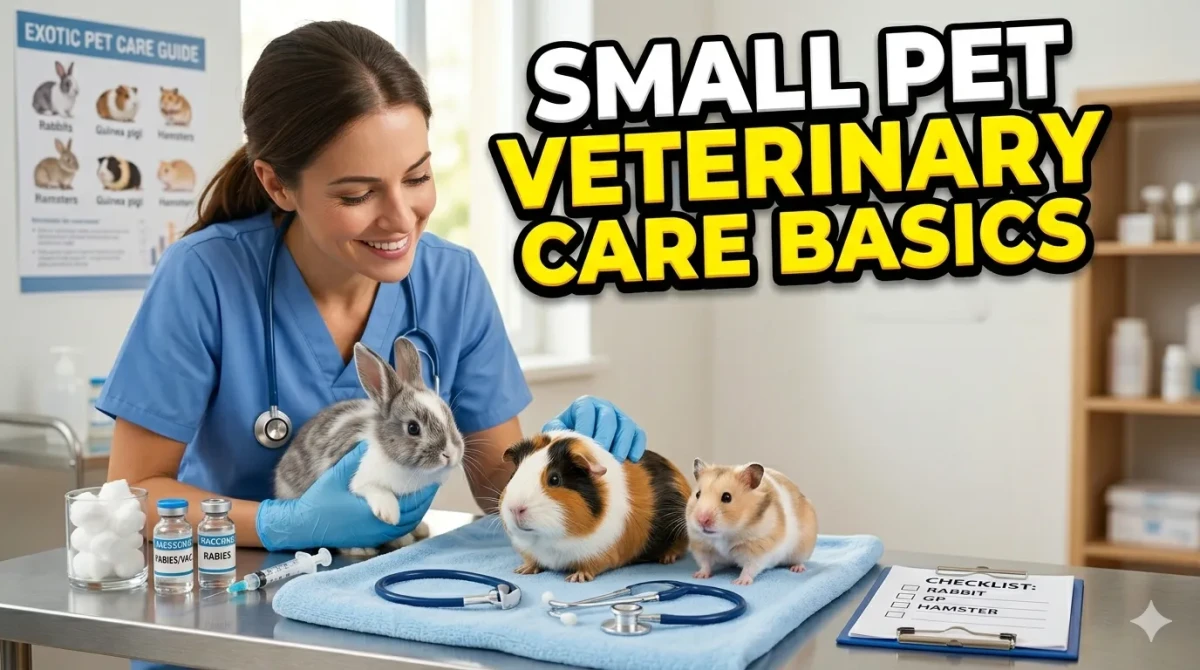
Why Understanding Small Pet Veterinary Care Basics Is Critical for Owners
Small pets like rabbits, guinea pigs, hamsters, ferrets, and rats bring immense joy to their families, but they have unique veterinary needs that differ significantly from dogs and cats. These animals are masters at hiding illness—a survival instinct from the wild—and by the time obvious symptoms appear, conditions may already be advanced. Understanding small pet veterinary care basics isn't optional; it's essential for recognizing early warning signs, accessing appropriate care, and giving your small companion the best chance at a long, healthy life.
Featured Snippet Answer: Small pet veterinary care basics include finding a qualified exotic veterinarian, scheduling annual wellness exams, monitoring daily behavior and droppings, recognizing emergency signs like lethargy or not eating, and preparing properly for vet visits. Small mammals hide illness well, so proactive care and early intervention are critical for positive outcomes.
Unlike dogs and cats, small mammals require specialized veterinary knowledge due to their unique anatomy, physiology, metabolism, and disease profiles. Not all veterinarians are trained in exotic or small mammal medicine, making it crucial to seek care from professionals with specific expertise. This comprehensive guide covers everything you need to know about small pet veterinary care: finding the right veterinarian, what to expect during exams, common health issues by species, emergency preparedness, preventive care strategies, and species-specific considerations.
Whether you care for a rabbit, guinea pig, hamster, ferret, rat, chinchilla, or other small mammal, you'll find practical, evidence-based guidance to help you partner effectively with veterinary professionals and advocate for your pet's health throughout their life.
Finding a Qualified Exotic or Small Pet Veterinarian
Not all veterinarians are equipped to treat small mammals. Exotic animal medicine is a specialized field requiring additional training, equipment, and experience. Finding the right veterinarian is the foundation of quality care for your small pet.
What to Look For in an Exotic Veterinarian:
- Specialized training: Seek veterinarians with additional certification in exotic animal medicine (e.g., ABVP certification in Exotic Companion Mammals)
- Experience with your species: Confirm they regularly treat your pet's type (lagomorphs, rodents, mustelids)
- Appropriate equipment: Small animal-specific tools like micro-surgical instruments, exotic-safe anesthesia equipment, and small-scale diagnostics
- Emergency availability: Ask about after-hours care or referral protocols for urgent situations
- Continuing education: Veterinarians who stay current with exotic medicine advances provide the best care
- 🐾 Best Vitamins for Cat Health: Expert Veterinary Guide
- 🐾 Early Signs Your Bird Is Sick Every Owner Should Know
- 🐾 Early Symptoms of Illness in Dogs Every Owner Should Know
How to Find an Exotic Vet:
- Ask your current veterinarian for referrals to exotic specialists
- Contact local small pet clubs, rescues, or breeders for recommendations
- Search directories from the Association of Exotic Mammal Veterinarians (AEMV) or ABVP
- Check with exotic pet stores or wildlife rehabilitation centers
- Verify credentials and read reviews from other small pet owners
- 🐾 Best Vitamins for Cat Health: Expert Veterinary Guide
- 🐾 Early Signs Your Bird Is Sick Every Owner Should Know
- 🐾 Early Symptoms of Illness in Dogs Every Owner Should Know
Questions to Ask When Choosing a Vet:
- How many small mammals do you treat regularly?
- What percentage of your practice is exotic animal medicine?
- Do you have experience with [your pet's species]?
- What diagnostic equipment do you have available for small pets?
- What are your protocols for small pet emergencies?
- Do you offer wellness plans or preventive care packages for exotic pets?
- 🐾 Best Vitamins for Cat Health: Expert Veterinary Guide
- 🐾 Early Signs Your Bird Is Sick Every Owner Should Know
- 🐾 Early Symptoms of Illness in Dogs Every Owner Should Know
Featured Snippet Answer: Find a qualified exotic veterinarian by seeking ABVP certification in Exotic Companion Mammals, asking about experience with your pet's species, confirming they have small-animal-specific equipment, and checking directories from the Association of Exotic Mammal Veterinarians. Always interview potential vets about their exotic expertise before establishing care.
Can my regular veterinarian treat my rabbit or guinea pig?
While some general practice veterinarians are comfortable treating small mammals, most lack specialized training in exotic medicine. Rabbits, rodents, and ferrets have unique anatomy, metabolism, and disease profiles requiring specific knowledge. For optimal care, seek a veterinarian with documented exotic experience or board certification. When in doubt, ask for a referral to an exotic specialist.
Understanding the Small Pet Wellness Exam: What to Expect

A comprehensive wellness exam is the cornerstone of preventive care for small mammals. Unlike reactive sick visits, wellness exams focus on early detection, baseline data collection, and preventive guidance tailored to species-specific needs.
Components of a Standard Small Pet Wellness Exam:
- History review: Diet, environment, behavior changes, droppings/urine, social interactions, and owner concerns
- Weight measurement: Critical baseline; even small weight changes can signal serious health issues in small mammals
- Physical examination:
- General appearance: posture, alertness, fur/coat condition
- Eyes, ears, nose: checking for discharge, swelling, or asymmetry
- Oral cavity and teeth: alignment, overgrowth, signs of infection (critical for rabbits and rodents)
- Respiratory assessment: breathing effort, sounds, nasal discharge
- Cardiovascular check: heart rate, rhythm, murmurs
- Abdominal palpation: organ size, masses, GI motility assessment
- Urogenital examination: cleanliness, discharge, reproductive health
- Skin and fur evaluation: parasites, lesions, molting patterns, barbering
- Extremities assessment: nail length, foot pads (bumblefoot screening), range of motion
- Neurological screening: coordination, reflexes, head tilt, balance
- 🐾 Best Vitamins for Cat Health: Expert Veterinary Guide
- 🐾 Early Signs Your Bird Is Sick Every Owner Should Know
- 🐾 Early Symptoms of Illness in Dogs Every Owner Should Know
- Diagnostic screening (as indicated):
- Fecal testing for parasites and bacterial overgrowth
- Blood work (CBC, chemistry panel) for baseline health data
- Urinalysis for kidney function and urinary health
- Radiographs (X-rays) for dental, skeletal, or organ assessment
- 🐾 Best Vitamins for Cat Health: Expert Veterinary Guide
- 🐾 Early Signs Your Bird Is Sick Every Owner Should Know
- 🐾 Early Symptoms of Illness in Dogs Every Owner Should Know
- Preventive care discussion: Nutrition counseling, environmental enrichment, grooming needs, and behavior guidance
- 🐾 Best Vitamins for Cat Health: Expert Veterinary Guide
- 🐾 Early Signs Your Bird Is Sick Every Owner Should Know
- 🐾 Early Symptoms of Illness in Dogs Every Owner Should Know
Frequency of Wellness Exams by Species:
- Rabbits and guinea pigs: Annual exams minimum; seniors (5+ years) every 6 months
- Ferrets: Annual exams minimum; seniors (4+ years) every 6 months with blood work
- Rodents (hamsters, gerbils, rats, mice): Annual exams; monitor closely due to shorter lifespans
- Chinchillas and degus: Annual exams; dental checks critical
- New pets: Exam within 1-2 weeks of acquisition, even if appearing healthy
- 🐾 Best Vitamins for Cat Health: Expert Veterinary Guide
- 🐾 Early Signs Your Bird Is Sick Every Owner Should Know
- 🐾 Early Symptoms of Illness in Dogs Every Owner Should Know
Featured Snippet Answer: A small pet wellness exam includes history review, weight measurement, comprehensive physical assessment of teeth/respiratory/digestive systems, and diagnostic screening as needed. Most small mammals need annual exams; seniors benefit from checkups every 6 months for early disease detection.
Recognizing Emergency Signs: When to Seek Immediate Veterinary Care

Small mammals deteriorate rapidly when ill. Knowing emergency warning signs can save your pet's life. When in doubt, contact your exotic veterinarian immediately—don't wait to see if symptoms improve.
Critical Emergency Signs Requiring Immediate Care:
- Not eating or drinking: Rabbits and guinea pigs can develop fatal GI stasis within 12-24 hours of not eating
- Respiratory distress: Open-mouth breathing, labored breaths, nasal discharge, or head tilt
- Severe lethargy: Unable to move, lying unresponsive, or extreme weakness
- Trauma: Bleeding, broken bones, suspected head injury, or attack by another animal
- Toxin exposure: Known or suspected ingestion of toxic substances (human medications, plants, chemicals)
- Urinary blockage: Straining without producing urine, crying during attempts (especially male guinea pigs)
- Seizures or neurological signs: Head tilt, circling, loss of balance, tremors, or collapse
- Severe bleeding: Any uncontrolled bleeding requires immediate attention
- Heat stroke: Particularly in chinchillas and rabbits; signs include drooling, rapid breathing, collapse
- 🐾 Best Vitamins for Cat Health: Expert Veterinary Guide
- 🐾 Early Signs Your Bird Is Sick Every Owner Should Know
- 🐾 Early Symptoms of Illness in Dogs Every Owner Should Know
Urgent (Same-Day) Warning Signs:
- Significant change in droppings: no feces, diarrhea, or unusually small/hard pellets
- Loss of appetite for more than 6-12 hours in rabbits or guinea pigs
- Vomiting or regurgitation (rare in rabbits; always urgent in ferrets)
- Fluffed fur or hunched posture with lethargy
- Changes in vocalization: unusual squeaks, teeth grinding (pain indicator in rabbits)
- Swelling anywhere on the body or face
- Overgrown teeth preventing eating or causing mouth wounds
- 🐾 Best Vitamins for Cat Health: Expert Veterinary Guide
- 🐾 Early Signs Your Bird Is Sick Every Owner Should Know
- 🐾 Early Symptoms of Illness in Dogs Every Owner Should Know
Emergency Preparedness Tips:
- Save your exotic vet's emergency contact information in your phone and post it visibly at home
- Keep a small animal carrier accessible and familiarize your pet with it beforehand
- Learn basic small pet first aid: how to stop bleeding, keep a pet warm during transport
- Have a backup vet identified in case your primary is unavailable
- Keep a list of your pet's medications, diet, and health history ready for emergencies
- 🐾 Best Vitamins for Cat Health: Expert Veterinary Guide
- 🐾 Early Signs Your Bird Is Sick Every Owner Should Know
- 🐾 Early Symptoms of Illness in Dogs Every Owner Should Know
Featured Snippet Answer: Seek immediate exotic veterinary care for small pets not eating, respiratory distress, severe lethargy, trauma, toxin exposure, urinary blockage, seizures, or heat stroke. For urgent signs like appetite loss or dropping changes, contact your vet the same day. Small mammals hide illness—early intervention saves lives.
My guinea pig seems fine but is eating less—should I call the vet?
Yes. Small mammals like guinea pigs and rabbits can deteriorate rapidly when they stop eating. Reduced appetite for more than 6-12 hours warrants veterinary attention, as it can signal dental pain, GI stasis, or other serious conditions. When you notice anything unusual, contact your exotic veterinarian for guidance. It's always better to err on the side of caution with small pet patients.
Preparing Your Small Pet for a Veterinary Visit

Veterinary visits can be stressful for small mammals. Proper preparation minimizes anxiety, improves exam quality, and helps your veterinarian gather accurate information.
Before the Appointment:
- Acclimate to the carrier: Place the travel carrier in your pet's area days before the visit with treats and familiar bedding to create positive associations
- Gather health records: Bring previous exam notes, test results, medication lists, and vaccination records
- Document observations: Write down specific concerns, behavior changes, or questions to ensure nothing is forgotten
- Collect a fresh dropping/urine sample: Place parchment paper under the cage; bring a fresh sample in a sealed container
- Photograph concerns: If your pet has visible issues (swelling, overgrown teeth), take clear photos to show the vet
- Fast if instructed: Some procedures require fasting; follow your vet's specific guidance (note: rabbits should not be fasted)
- 🐾 Best Vitamins for Cat Health: Expert Veterinary Guide
- 🐾 Early Signs Your Bird Is Sick Every Owner Should Know
- 🐾 Early Symptoms of Illness in Dogs Every Owner Should Know
Transportation Tips:
- Use a secure, well-ventilated carrier sized appropriately for your pet
- Line the carrier with familiar bedding or paper towels for comfort and absorbency
- Include a small hiding place or familiar toy if space allows
- Keep the carrier covered partially to reduce visual stress during travel
- Maintain comfortable temperature: avoid extreme heat or cold; chinchillas and rabbits are heat-sensitive
- Minimize travel time; plan routes to reduce stress and noise exposure
- 🐾 Best Vitamins for Cat Health: Expert Veterinary Guide
- 🐾 Early Signs Your Bird Is Sick Every Owner Should Know
- 🐾 Early Symptoms of Illness in Dogs Every Owner Should Know
At the Clinic:
- Keep your pet covered and calm in the waiting area; request a quiet room if available
- Share your written observations and questions with the veterinary team
- Ask for clarification on any procedures, diagnoses, or treatment plans you don't understand
- Request gentle handling techniques appropriate for your species
- 🐾 Best Vitamins for Cat Health: Expert Veterinary Guide
- 🐾 Early Signs Your Bird Is Sick Every Owner Should Know
- 🐾 Early Symptoms of Illness in Dogs Every Owner Should Know
After the Visit:
- Monitor your pet closely for any post-exam stress or reaction to treatments
- Follow medication and care instructions precisely; small pets are sensitive to dosing errors
- Schedule recommended follow-up appointments promptly
- Update your records with new diagnoses, treatments, or preventive care plans
- 🐾 Best Vitamins for Cat Health: Expert Veterinary Guide
- 🐾 Early Signs Your Bird Is Sick Every Owner Should Know
- 🐾 Early Symptoms of Illness in Dogs Every Owner Should Know
Common Diagnostic Procedures in Small Mammal Medicine

Small mammal diagnostics require specialized techniques due to their small size and unique physiology. Understanding common procedures helps you participate knowledgeably in your pet's care.
Blood Work:
- Complete Blood Count (CBC): Evaluates red and white blood cells for infection, anemia, or inflammation
- Chemistry Panel: Assesses organ function (liver, kidney), electrolytes, protein levels, and glucose
- Sample collection: Typically from the jugular vein, lateral saphenous, or ear vein; small volumes (0.1-1.0 mL) are sufficient
- Preparation: Usually no fasting required unless specifically instructed; rabbits should not be fasted
- 🐾 Best Vitamins for Cat Health: Expert Veterinary Guide
- 🐾 Early Signs Your Bird Is Sick Every Owner Should Know
- 🐾 Early Symptoms of Illness in Dogs Every Owner Should Know
Fecal Testing:
- Direct smear: Microscopic examination for parasites like coccidia, pinworms, or giardia
- Floatation: Concentrates parasite eggs for easier detection
- Bacterial culture: Identifies pathogenic bacteria and guides antibiotic selection
- Important: Some parasites are species-normal; interpretation requires exotic medicine expertise
- 🐾 Best Vitamins for Cat Health: Expert Veterinary Guide
- 🐾 Early Signs Your Bird Is Sick Every Owner Should Know
- 🐾 Early Symptoms of Illness in Dogs Every Owner Should Know
Imaging:
- Radiographs (X-rays): Evaluate teeth (critical for rabbits/rodents), bones, organs, urinary stones, or masses
- Ultrasound: Assesses soft tissues, reproductive organs, and abdominal structures without radiation
- Dental radiographs: Essential for evaluating tooth roots in rabbits and rodents with suspected dental disease
- 🐾 Best Vitamins for Cat Health: Expert Veterinary Guide
- 🐾 Early Signs Your Bird Is Sick Every Owner Should Know
- 🐾 Early Symptoms of Illness in Dogs Every Owner Should Know
Infectious Disease Testing:
- PCR testing: Detects viral or bacterial DNA for diseases like E. cuniculi in rabbits or ferret distemper
- Serology: Measures antibody levels for specific infections
- Swabs: Collect samples from nose, mouth, or skin for pathogen screening
- 🐾 Best Vitamins for Cat Health: Expert Veterinary Guide
- 🐾 Early Signs Your Bird Is Sick Every Owner Should Know
- 🐾 Early Symptoms of Illness in Dogs Every Owner Should Know
Featured Snippet Answer: Common small pet diagnostics include blood work (CBC/chemistry), fecal testing for parasites, radiographs for dental and internal assessment, and PCR testing for infectious diseases. These procedures use small sample volumes and specialized techniques adapted for small mammal physiology.
Medication Administration: Techniques for Success at Home

Many small pet treatments require owner-administered medications at home. Learning proper techniques ensures effectiveness and minimizes stress for your pet.
Oral Medications:
- Liquid medications: Use a small syringe (without needle) to administer slowly into the side of the mouth; allow time for swallowing between small amounts
- Pills or capsules: May need to be compounded into liquid form; never force pills without veterinary guidance
- Medicated foods: Some medications can be mixed with favorite foods; confirm with your vet that this won't affect absorption
- Timing: Administer at consistent times daily; set reminders to avoid missed doses
- 🐾 Best Vitamins for Cat Health: Expert Veterinary Guide
- 🐾 Early Signs Your Bird Is Sick Every Owner Should Know
- 🐾 Early Symptoms of Illness in Dogs Every Owner Should Know
Topical Treatments:
- Apply ointments or solutions gently to affected areas as directed
- Prevent grooming of medicated areas using an Elizabethan collar if recommended
- Wash hands before and after application to protect both you and your pet
- 🐾 Best Vitamins for Cat Health: Expert Veterinary Guide
- 🐾 Early Signs Your Bird Is Sick Every Owner Should Know
- 🐾 Early Symptoms of Illness in Dogs Every Owner Should Know
Injectable Medications:
- Some treatments require subcutaneous injections at home (common for fluids in rabbits/guinea pigs)
- Your veterinary team will demonstrate proper technique, including site selection and needle handling
- Never attempt injections without thorough training and veterinary approval
- 🐾 Best Vitamins for Cat Health: Expert Veterinary Guide
- 🐾 Early Signs Your Bird Is Sick Every Owner Should Know
- 🐾 Early Symptoms of Illness in Dogs Every Owner Should Know
Supportive Care Techniques:
- Critical care feeding: Syringe-feeding recovery formulas for pets not eating; learn proper technique to avoid aspiration
- Subcutaneous fluids: Administered under the skin for dehydration; requires veterinary instruction
- Wound care: Gentle cleaning and bandaging as directed; monitor for signs of infection
- 🐾 Best Vitamins for Cat Health: Expert Veterinary Guide
- 🐾 Early Signs Your Bird Is Sick Every Owner Should Know
- 🐾 Early Symptoms of Illness in Dogs Every Owner Should Know
Tips for Successful Medication Administration:
- Remain calm and speak softly; small pets sense human stress
- Use gentle restraint: wrap in a soft towel if needed, exposing only the head
- Reward with praise or a small appropriate treat after successful dosing
- Keep a medication log to track doses and note any side effects
- Contact your vet if your pet consistently refuses medication or shows adverse reactions
- 🐾 Best Vitamins for Cat Health: Expert Veterinary Guide
- 🐾 Early Signs Your Bird Is Sick Every Owner Should Know
- 🐾 Early Symptoms of Illness in Dogs Every Owner Should Know
Preventive Care: Beyond Exams and Vaccines

Preventive small pet care encompasses daily management practices that support long-term health and reduce disease risk.
Nutrition Counseling:
- Work with your exotic vet to develop a species-appropriate diet (e.g., unlimited hay for rabbits/guinea pigs)
- Address common issues: seed-only diets, vitamin C deficiency in guinea pigs, obesity in ferrets
- Discuss supplements only when medically indicated; over-supplementation can cause toxicity
- 🐾 Best Vitamins for Cat Health: Expert Veterinary Guide
- 🐾 Early Signs Your Bird Is Sick Every Owner Should Know
- 🐾 Early Symptoms of Illness in Dogs Every Owner Should Know
Environmental Management:
- Temperature control: Maintain species-appropriate ranges; chinchillas and rabbits are heat-sensitive
- Cage hygiene: Clean food/water dishes daily; change substrate regularly; deep-clean weekly
- Safety proofing: Secure wires, remove toxic plants, supervise out-of-cage time
- Enrichment: Provide species-appropriate toys, hiding places, and mental stimulation
- 🐾 Best Vitamins for Cat Health: Expert Veterinary Guide
- 🐾 Early Signs Your Bird Is Sick Every Owner Should Know
- 🐾 Early Symptoms of Illness in Dogs Every Owner Should Know
Dental Care Connection:
- Rabbits and rodents have continuously growing teeth requiring constant wear from fibrous foods
- Provide unlimited grass hay and safe chew toys to prevent dental overgrowth
- Regular veterinary dental checks catch problems before they cause pain or inability to eat
- 🐾 Best Vitamins for Cat Health: Expert Veterinary Guide
- 🐾 Early Signs Your Bird Is Sick Every Owner Should Know
- 🐾 Early Symptoms of Illness in Dogs Every Owner Should Know
Parasite Prevention:
- Regular fecal testing detects internal parasites before symptoms appear
- Discuss appropriate mite/lice prevention for your pet's lifestyle
- Quarantine new small pets for 2-4 weeks with veterinary screening before introducing to existing pets
- 🐾 Best Vitamins for Cat Health: Expert Veterinary Guide
- 🐾 Early Signs Your Bird Is Sick Every Owner Should Know
- 🐾 Early Symptoms of Illness in Dogs Every Owner Should Know
Vaccinations (Species-Specific):
- Ferrets: Annual distemper and rabies vaccines are essential and legally required in many areas
- Rabbits: In some regions, vaccines for myxomatosis and rabbit hemorrhagic disease are recommended
- Other small mammals: Most rodents don't have routine vaccines; focus on prevention through husbandry
- 🐾 Best Vitamins for Cat Health: Expert Veterinary Guide
- 🐾 Early Signs Your Bird Is Sick Every Owner Should Know
- 🐾 Early Symptoms of Illness in Dogs Every Owner Should Know
Species-Specific Veterinary Considerations

Different small mammal species have unique health profiles requiring tailored veterinary approaches.
Rabbits:
- Prone to GI stasis, dental disease, and uterine cancer (spaying recommended)
- Never fast rabbits; they cannot vomit and require constant gut motility
- Stress-sensitive; minimize handling and provide quiet recovery environments
- Require exotic vets experienced with rabbit anesthesia and pain management
- 🐾 Best Vitamins for Cat Health: Expert Veterinary Guide
- 🐾 Early Signs Your Bird Is Sick Every Owner Should Know
- 🐾 Early Symptoms of Illness in Dogs Every Owner Should Know
Guinea Pigs:
- Cannot synthesize vitamin C; require dietary supplementation to prevent scurvy
- Prone to respiratory infections, dental disease, and urinary stones
- Social animals; consider health impacts of isolation or companion loss
- Female guinea pigs should be bred before 7-8 months to avoid pelvic fusion complications
- 🐾 Best Vitamins for Cat Health: Expert Veterinary Guide
- 🐾 Early Signs Your Bird Is Sick Every Owner Should Know
- 🐾 Early Symptoms of Illness in Dogs Every Owner Should Know
Ferrets:
- Prone to adrenal disease, insulinoma, and lymphoma as they age
- Require annual distemper and rabies vaccinations; use only ferret-safe vaccines
- Curious and escape-prone; ferret-proof environments to prevent injuries
- Senior ferrets benefit from biannual exams with blood work for early disease detection
- 🐾 Best Vitamins for Cat Health: Expert Veterinary Guide
- 🐾 Early Signs Your Bird Is Sick Every Owner Should Know
- 🐾 Early Symptoms of Illness in Dogs Every Owner Should Know
Rodents (Hamsters, Gerbils, Rats, Mice):
- Short lifespans (1.5-3 years) mean health issues can progress rapidly
- Rats are prone to respiratory disease and mammary tumors; monitor closely
- Hamsters and gerbils are prone to wet tail (bacterial diarrhea) and tumors
- Small size makes diagnostics and treatment challenging; seek experienced exotic vets
- 🐾 Best Vitamins for Cat Health: Expert Veterinary Guide
- 🐾 Early Signs Your Bird Is Sick Every Owner Should Know
- 🐾 Early Symptoms of Illness in Dogs Every Owner Should Know
Chinchillas and Degus:
- Extremely heat-sensitive; temperatures above 75°F can cause fatal heat stroke
- Prone to dental disease and GI issues; require high-fiber diets and dust baths
- Long lifespans (10-15+ years) necessitate geriatric care planning
- Stress-sensitive; minimize handling during illness and provide quiet recovery
- 🐾 Best Vitamins for Cat Health: Expert Veterinary Guide
- 🐾 Early Signs Your Bird Is Sick Every Owner Should Know
- 🐾 Early Symptoms of Illness in Dogs Every Owner Should Know
Featured Snippet Answer: Small pet veterinary needs vary by species: rabbits need GI and dental monitoring, guinea pigs require vitamin C, ferrets need vaccinations and cancer screening, rodents need rapid intervention due to short lifespans, and chinchillas require strict temperature control. Always seek species-experienced veterinary care.
Understanding Small Pet Anesthesia and Surgery: Safety Considerations

Small mammals have unique physiological responses to anesthesia requiring specialized protocols. Understanding these considerations helps you make informed decisions about necessary procedures.
Why Small Pet Anesthesia Requires Expertise:
- High metabolic rates and small body size affect drug metabolism and dosing precision
- Species-specific respiratory and cardiovascular differences require tailored monitoring
- Stress responses can complicate induction and recovery
- Temperature regulation is critical; small pets lose body heat rapidly under anesthesia
- 🐾 Best Vitamins for Cat Health: Expert Veterinary Guide
- 🐾 Early Signs Your Bird Is Sick Every Owner Should Know
- 🐾 Early Symptoms of Illness in Dogs Every Owner Should Know
Safety Protocols in Small Mammal Anesthesia:
- Pre-anesthetic blood work to assess organ function and anesthesia risk
- Thermal support: heating pads or warm air devices to prevent hypothermia
- Continuous monitoring: heart rate, respiratory rate, oxygen saturation, temperature
- Experienced staff trained in exotic animal emergency response
- Appropriate recovery environment: quiet, warm, low-stress with close observation
- 🐾 Best Vitamins for Cat Health: Expert Veterinary Guide
- 🐾 Early Signs Your Bird Is Sick Every Owner Should Know
- 🐾 Early Symptoms of Illness in Dogs Every Owner Should Know
Common Small Pet Surgical Procedures:
- Dental procedures: tooth trimming, extraction for overgrown teeth
- Mass removal or biopsy for tumors (common in rats, hamsters, ferrets)
- Spay/neuter procedures to prevent reproductive diseases
- Bladder stone removal (common in guinea pigs and rabbits)
- Abscess drainage and wound repair
- 🐾 Best Vitamins for Cat Health: Expert Veterinary Guide
- 🐾 Early Signs Your Bird Is Sick Every Owner Should Know
- 🐾 Early Symptoms of Illness in Dogs Every Owner Should Know
Questions to Ask Before Small Pet Surgery:
- What is the specific goal of this procedure?
- What are the risks versus benefits for my pet?
- Who will perform the anesthesia and monitor recovery?
- What pain management will be provided before, during, and after?
- What is the expected recovery timeline and home care?
- 🐾 Best Vitamins for Cat Health: Expert Veterinary Guide
- 🐾 Early Signs Your Bird Is Sick Every Owner Should Know
- 🐾 Early Symptoms of Illness in Dogs Every Owner Should Know
Record Keeping and Health Documentation for Small Pets

Maintaining thorough health records supports continuity of care and helps detect patterns over time—especially important for species with shorter lifespans.
Essential Records to Maintain:
- Vaccination and test records: Dates, results, and vaccine types (critical for ferrets)
- Wellness exam notes: Weight trends, dental findings, physical exam observations
- Diagnostic reports: Blood work, imaging, fecal tests with dates and interpretations
- Medication history: Drugs, doses, durations, and responses to treatment
- Diet and environment logs: Changes that correlate with health observations
- Behavioral notes: Document changes that may signal medical issues
- 🐾 Best Vitamins for Cat Health: Expert Veterinary Guide
- 🐾 Early Signs Your Bird Is Sick Every Owner Should Know
- 🐾 Early Symptoms of Illness in Dogs Every Owner Should Know
Digital Tools for Small Pet Health Records:
- Veterinary patient portals for accessing test results and visit summaries
- Spreadsheet or app-based logs for weight tracking and symptom monitoring
- Photo documentation of physical changes over time (dental photos, lumps, etc.)
- Cloud backups to protect records from loss
- 🐾 Best Vitamins for Cat Health: Expert Veterinary Guide
- 🐾 Early Signs Your Bird Is Sick Every Owner Should Know
- 🐾 Early Symptoms of Illness in Dogs Every Owner Should Know
Sharing Records Effectively:
- Provide complete records when changing veterinarians or seeking second opinions
- Bring relevant history to emergency visits to expedite care
- Update records promptly after each veterinary interaction
- Keep a printed summary for emergency situations when digital access isn't available
- 🐾 Best Vitamins for Cat Health: Expert Veterinary Guide
- 🐾 Early Signs Your Bird Is Sick Every Owner Should Know
- 🐾 Early Symptoms of Illness in Dogs Every Owner Should Know
When to Seek a Second Opinion or Specialist Referral

Complex cases or uncertain diagnoses may benefit from additional expertise, especially given the specialized nature of small mammal medicine.
Reasons to Seek a Second Opinion:
- Diagnosis is unclear or symptoms persist despite treatment
- Recommended procedure carries significant risk or cost
- You have questions about treatment options or prognosis
- Your pet has a rare condition requiring specialized knowledge
- Your current vet lacks experience with your specific species
- 🐾 Best Vitamins for Cat Health: Expert Veterinary Guide
- 🐾 Early Signs Your Bird Is Sick Every Owner Should Know
- 🐾 Early Symptoms of Illness in Dogs Every Owner Should Know
Finding Small Mammal Specialists:
- Board-certified exotic animal veterinarians (ABVP Exotic Companion Mammals)
- University veterinary teaching hospitals with exotic animal services
- Referrals from your current exotic veterinarian
- Professional organizations like the Association of Exotic Mammal Veterinarians
- 🐾 Best Vitamins for Cat Health: Expert Veterinary Guide
- 🐾 Early Signs Your Bird Is Sick Every Owner Should Know
- 🐾 Early Symptoms of Illness in Dogs Every Owner Should Know
Preparing for a Specialist Consultation:
- Gather all previous records, test results, and imaging studies
- Prepare a concise summary of concerns, timeline, and questions
- Be open to new diagnostic approaches or treatment recommendations
- Discuss how care will be coordinated between specialists and your primary vet
- 🐾 Best Vitamins for Cat Health: Expert Veterinary Guide
- 🐾 Early Signs Your Bird Is Sick Every Owner Should Know
- 🐾 Early Symptoms of Illness in Dogs Every Owner Should Know
Quick Recap: Key Takeaways for Small Pet Veterinary Care

- Find a qualified exotic veterinarian with species-specific experience and appropriate equipment
- Schedule annual wellness exams (every 6 months for seniors) for early disease detection
- Recognize emergency signs: not eating, respiratory distress, lethargy, trauma, urinary blockage
- Prepare thoroughly for vet visits: acclimate carrier, gather records, document observations
- Understand common diagnostics: blood work, fecal testing, dental radiographs, infectious disease screening
- Learn proper medication administration techniques to ensure treatment success at home
- Implement preventive care: species-appropriate nutrition, dental support, parasite control, enrichment
- Consider species-specific needs: rabbits need GI monitoring, guinea pigs need vitamin C, ferrets need vaccines
- Maintain detailed health records to support continuity and pattern recognition
- Seek second opinions or specialist referrals for complex or uncertain cases
- Remember: small mammals hide illness—proactive care and early intervention save lives
- 🐾 Best Vitamins for Cat Health: Expert Veterinary Guide
- 🐾 Early Signs Your Bird Is Sick Every Owner Should Know
- 🐾 Early Symptoms of Illness in Dogs Every Owner Should Know
Final Thoughts: Partnering With Your Exotic Veterinarian for Lifelong Health

Small pet veterinary care is a partnership between you, your pet, and your veterinary team. Your daily observations provide critical context that no exam can replicate. Your veterinarian's expertise guides diagnosis and treatment. Together, you create the best possible care plan for your small companion.
Stay engaged: Ask questions, take notes during appointments, and don't hesitate to request clarification. Advocate for your pet while remaining open to professional guidance. Keep records organized and share concerns promptly—early communication often prevents crises.
Remember that preventive care is far more effective and affordable than emergency treatment. Regular wellness exams, appropriate nutrition, environmental management, and vigilant observation form the foundation of small mammal health. When illness does occur, your preparation and partnership with an exotic veterinarian give your pet the best chance for recovery.
With knowledge, compassion, and proactive care, you can help your small pet enjoy a long, vibrant life. Every weight check, every wellness exam, every moment of attentive observation is an investment in your pet's wellbeing. Trust the process, lean on your veterinary team, and celebrate the unique joy your small companion brings to your life.
🐱 আরও পড়ুন: Other Pet Health
- 🐾 How to Boost Small Pet Immune System Naturally: Expert Exotic Veterinary Guide
- 🐾 Annual Health Check for Small Pets: Complete Guide
- 🐾 Small Pet Digestive Health Guide Complete Care Information
- 🐾 Common Diseases in Small Pets Every Owner Should Know
- 🐾 Signs of a Healthy Small Pet Every Owner Should Know

0 Comments