.png)
Best Small Pet Habitats in USA: Expert Guide to Safe, Species-Appropriate Housing
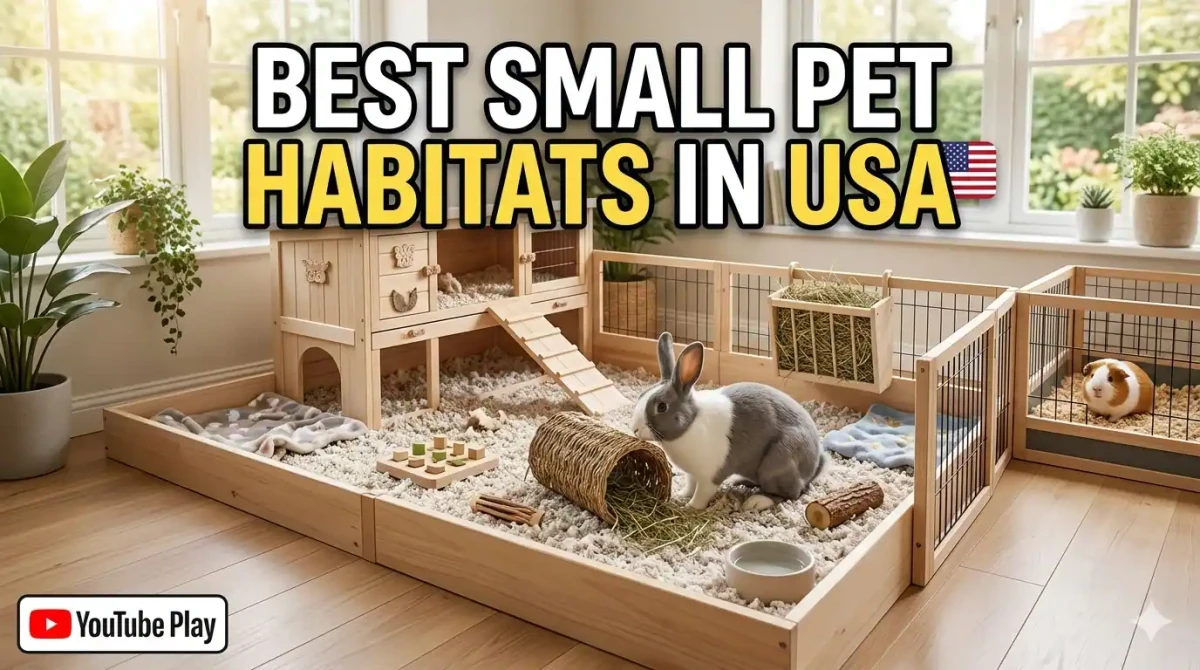
Why Habitat Selection Is Critical for Small Pet Health and Happiness
The habitat you choose for your small pet isn't just a place to sleep—it's the foundation of their physical health, mental wellbeing, and behavioral balance. Small pets like rabbits, guinea pigs, hamsters, ferrets, and rodents have unique spatial, environmental, and enrichment needs that directly impact their longevity and quality of life. In the USA market, you'll find countless habitat options, but many fall short of meeting species-specific requirements for space, ventilation, safety, and enrichment.
Featured Snippet Answer: The best small pet habitats in USA provide species-appropriate space (minimum 10-12 sq ft for rabbits, 7.5+ sq ft for guinea pigs), proper ventilation, safe bar spacing (≤½ inch for rodents), solid flooring (no wire floors), and enrichment opportunities. Top picks include Midwest Homes for Pets cages, C&C cage systems, and Ferret Nation habitats. Always prioritize space, safety, and species needs over aesthetics or price.
Choosing the right habitat prevents common health issues like bumblefoot (from wire floors), respiratory problems (from poor ventilation), obesity (from inadequate space), and behavioral problems (from boredom). This comprehensive guide explores the safest, most effective small pet habitats available in the USA, species-specific requirements, safety considerations, and expert strategies to create a thriving home for your companion.
Understanding Small Pet Habitat Requirements: Species-Specific Guidelines
Before selecting a habitat, it's essential to understand the unique needs of different small pet species.
Key Habitat Factors for All Small Pets:
- Adequate floor space: Horizontal space matters more than height for most small pets
- Proper ventilation: Prevents ammonia buildup and respiratory issues without creating drafts
- Safe flooring: Solid floors prevent bumblefoot; wire floors should be avoided or covered
- Escape prevention: Appropriate bar spacing, secure latches, and chew-resistant materials
- Easy cleaning: Accessible design encourages consistent maintenance
- Enrichment compatibility: Space for hides, tunnels, wheels, and foraging opportunities
- 🐾 Best Bird Toys for Cockatiels: 2026 Guide
- 🐾 Best Guinea Pig Cages: 2026 Guide
- 🐾 Best Interactive Dog Toys for Smart Dogs: Top Picks
Species-Specific Space Requirements (Minimum Guidelines):
Rabbits:
- Minimum space: 12 sq ft floor space + exercise area; larger is always better
- Flooring: Solid floor only; wire floors cause bumblefoot
- Height: Tall enough to stand fully upright on hind legs
- Special needs: Litter training area, hiding spots, chewing outlets
- 🐾 Best Bird Toys for Cockatiels: 2026 Guide
- 🐾 Best Guinea Pig Cages: 2026 Guide
- 🐾 Best Interactive Dog Toys for Smart Dogs: Top Picks
Guinea Pigs:
- Minimum space: 7.5 sq ft for one, 10.5+ sq ft for two (C&C cage standard)
- Flooring: Solid floor with deep bedding for burrowing
- Height: Moderate height; guinea pigs don't climb but need room to roam
- Special needs: Multiple hiding spots, hay access, social housing (never alone)
- 🐾 Best Bird Toys for Cockatiels: 2026 Guide
- 🐾 Best Guinea Pig Cages: 2026 Guide
- 🐾 Best Interactive Dog Toys for Smart Dogs: Top Picks
Hamsters:
- Minimum space: 450+ sq inches floor space (Syrian); 360+ sq inches for dwarfs
- Flooring: Solid floor with 4-6 inches of bedding for burrowing
- Height: Multi-level options appreciated but floor space is priority
- Special needs: Deep bedding for burrowing, solid-surface wheel, chew toys
- 🐾 Best Bird Toys for Cockatiels: 2026 Guide
- 🐾 Best Guinea Pig Cages: 2026 Guide
- 🐾 Best Interactive Dog Toys for Smart Dogs: Top Picks
Ferrets:
- Minimum space: 24"L × 24"W × 18"H per ferret; larger for multiple ferrets
- Flooring: Solid floors or wire covered with fleece; avoid bare wire
- Height: Multi-level cages appreciated; ferrets love to climb
- Special needs: Secure latches (ferrets are escape artists), hammocks, tunnels
- 🐾 Best Bird Toys for Cockatiels: 2026 Guide
- 🐾 Best Guinea Pig Cages: 2026 Guide
- 🐾 Best Interactive Dog Toys for Smart Dogs: Top Picks
Rats and Mice:
- Minimum space: 2 cu ft per rat; 10+ gallons for mice (but more is better)
- Bar spacing: ≤½ inch for rats; ≤¼ inch for mice to prevent escapes
- Flooring: Solid platforms; wire floors covered with fleece or removed
- Special needs: Vertical climbing space, multiple levels, social housing
- 🐾 Best Bird Toys for Cockatiels: 2026 Guide
- 🐾 Best Guinea Pig Cages: 2026 Guide
- 🐾 Best Interactive Dog Toys for Smart Dogs: Top Picks
Chinchillas:
- Minimum space: 24"L × 24"W × 24"H minimum; larger with vertical space
- Flooring: Solid platforms; wire floors must be covered
- Ventilation: Excellent airflow critical; chinchillas are heat-sensitive
- Special needs: Dust bath area, chewing outlets, cool temperature (60-70°F)
- 🐾 Best Bird Toys for Cockatiels: 2026 Guide
- 🐾 Best Guinea Pig Cages: 2026 Guide
- 🐾 Best Interactive Dog Toys for Smart Dogs: Top Picks
Featured Snippet Answer: Small pet habitat requirements vary by species: rabbits need 12+ sq ft with solid floors; guinea pigs need 7.5+ sq ft per pair; hamsters need 450+ sq inches with deep bedding; ferrets need secure multi-level cages; rats need 2 cu ft with ≤½ inch bar spacing. Always prioritize floor space, proper ventilation, solid flooring, and species-specific enrichment.
Top 10 Best Small Pet Habitats in USA

After extensive research, safety analysis, and review of exotic veterinarian recommendations, these are the best small pet habitats available in the USA.
1. Midwest Homes for Pets Critter Nation Double Unit: Best Overall for Multiple Species
Key Features:
- Spacious double-unit design: 36"L × 24"W × 62.5"H (two 36"L × 24"W × 31.25"H levels)
- ½ inch bar spacing safe for rats, ferrets, and most small pets
- Solid wire shelves with fleece liners (no wire floors)
- Full-width door with secure latch for easy access
- Wheeled stand for mobility; easy to clean plastic pan
- Modular design allows single or double configuration
- Powder-coated finish resistant to chewing and rust
- 🐾 Best Bird Toys for Cockatiels: 2026 Guide
- 🐾 Best Guinea Pig Cages: 2026 Guide
- 🐾 Best Interactive Dog Toys for Smart Dogs: Top Picks
Best For: Rats, ferrets, guinea pigs, rabbits (with modification), multi-pet households
Pros: Exceptional space, secure latches, solid shelves, easy cleaning, wheeled mobility, modular design, durable powder-coated finish
Cons: Premium price; assembly required; may be too large for small spaces
Price Range: $180-250
Verdict: The Critter Nation Double Unit sets the gold standard for small pet habitats. Its spacious design, secure construction, and versatility make it ideal for rats, ferrets, and other social small pets.
2. C&C Cage Systems (Custom or Pre-Made): Best for Guinea Pigs and Rabbits
Key Features:
- Modular grid panels and corrugated plastic bases for customizable sizing
- Unlimited configuration options to fit any space
- Solid flooring with deep bedding capability
- Easy to clean, lightweight, and expandable
- Cost-effective compared to commercial cages of similar size
- Available pre-made from USA sellers or DIY with readily available materials
- 🐾 Best Bird Toys for Cockatiels: 2026 Guide
- 🐾 Best Guinea Pig Cages: 2026 Guide
- 🐾 Best Interactive Dog Toys for Smart Dogs: Top Picks
Best For: Guinea pigs, rabbits, rats; owners wanting customizable, large-footprint habitats
Pros: Fully customizable, excellent value for space, solid flooring, easy to clean, expandable, DIY-friendly
Cons: Requires assembly (DIY) or sourcing from specialty sellers; less "polished" appearance than commercial cages
Price Range: $50-150+ depending on size and whether DIY or pre-made
Verdict: C&C cages offer unmatched value and customization for guinea pig and rabbit owners. Their solid flooring and spacious design align perfectly with species welfare guidelines.
3. Ferret Nation Single Unit by Midwest: Best for Ferrets
Key Features:
- Spacious single unit: 36"L × 24"W × 31.25"H
- ½ inch bar spacing prevents escapes
- Solid wire shelves with removable fleece liners
- Full-width door with secure double latch
- Plastic pan for easy cleaning; wheeled stand optional
- Powder-coated finish resistant to chewing
- Can be stacked with second unit for expansion
- 🐾 Best Bird Toys for Cockatiels: 2026 Guide
- 🐾 Best Guinea Pig Cages: 2026 Guide
- 🐾 Best Interactive Dog Toys for Smart Dogs: Top Picks
Best For: Ferrets, rats, chinchillas; owners needing secure, escape-proof housing
Pros: Ferret-specific design, secure latches, solid shelves, easy cleaning, expandable, durable finish
Cons: Premium price; may be larger than needed for single small pet
Price Range: $130-180
Verdict: The Ferret Nation Single Unit delivers ferret-specific security and space. Its secure latches and solid shelves make it ideal for escape-prone species.
4. Kaytee My First Home Deluxe: Best Budget Starter Cage
Key Features:
- Compact design: 24"L × 12"W × 12"H (adequate for single small pet)
- ½ inch bar spacing safe for most rodents
- Solid plastic base with removable tray
- Front and top access doors
- Includes basic accessories (platform, ramp, water bottle)
- Affordable price point
- 🐾 Best Bird Toys for Cockatiels: 2026 Guide
- 🐾 Best Guinea Pig Cages: 2026 Guide
- 🐾 Best Interactive Dog Toys for Smart Dogs: Top Picks
Best For: Budget-conscious owners, single hamsters/gerbils, temporary housing
Pros: Affordable, includes accessories, adequate ventilation, easy assembly, widely available
Cons: Minimum size for most species; plastic base can be chewed; may require upgrade as pet grows
Price Range: $40-65
Verdict: Kaytee My First Home Deluxe offers an accessible entry point for small pet ownership. While adequate for beginners, owners should plan to upgrade for long-term welfare.
5. Prevue Hendryx Small Animal Cage: Best for Rabbits
Key Features:
- Spacious design: 37"L × 21"W × 21"H (suitable for rabbits with exercise time)
- Solid plastic base with deep pan for bedding
- Large front door for easy access
- Removable wire top for supervised free-roam time
- Powder-coated finish resistant to chewing
- Wheeled stand available separately
- 🐾 Best Bird Toys for Cockatiels: 2026 Guide
- 🐾 Best Guinea Pig Cages: 2026 Guide
- 🐾 Best Interactive Dog Toys for Smart Dogs: Top Picks
Best For: Rabbits, guinea pigs; owners needing rabbit-appropriate solid flooring
Pros: Rabbit-appropriate size, solid base, easy access, durable finish, removable top for interaction
Cons: May still be small for rabbits without daily exercise time; stand sold separately
Price Range: $90-140
Verdict: Prevue Hendryx delivers rabbit-appropriate housing with solid flooring and easy access. Its removable top facilitates bonding and supervised exercise.
6. Living World Habitat Green: Best for Ventilation and Access
Key Features:
- Spacious design: 31.5"L × 15.75"W × 15.75"H
- Excellent ventilation through wire sides and mesh top
- Large front-opening door plus top access
- Solid plastic base accommodates deep bedding
- Includes platform and ramp (removable for deeper bedding)
- Powder-coated wire construction
- 🐾 Best Bird Toys for Cockatiels: 2026 Guide
- 🐾 Best Guinea Pig Cages: 2026 Guide
- 🐾 Best Interactive Dog Toys for Smart Dogs: Top Picks
Best For: Guinea pigs, rabbits, rats; owners prioritizing ventilation and easy access
Pros: Excellent ventilation, dual access points, solid base, includes accessories, durable construction
Cons: Platform may limit bedding depth if not removed; plastic base requires monitoring for chewing
Price Range: $80-120
Verdict: Living World Habitat Green balances ventilation, access, and space effectively. Its dual-door design makes maintenance and interaction easy.
7. Ware Manufacturing Chew Proof Small Animal Cage: Best for Chewers
Key Features:
- Heavy-duty wire construction with reinforced corners
- ½ inch bar spacing prevents escapes
- Deep plastic pan for bedding
- Secure latch system resistant to clever paws
- Chew-resistant powder coating
- Available in multiple sizes
- 🐾 Best Bird Toys for Cockatiels: 2026 Guide
- 🐾 Best Guinea Pig Cages: 2026 Guide
- 🐾 Best Interactive Dog Toys for Smart Dogs: Top Picks
Best For: Rabbits, ferrets, rats; pets known for chewing or escaping
Pros: Chew-resistant construction, secure latches, deep pan, durable finish, multiple sizes
Cons: Heavier than standard cages; premium price; may be overbuilt for gentle pets
Price Range: $70-150 depending on size
Verdict: Ware Manufacturing Chew Proof cages deliver exceptional durability for escape artists and chewers. Their reinforced construction justifies the investment for determined small pets.
8. Savic Royal Gerbil Home: Best European Design for Rodents
Key Features:
- Spacious design: 31.5"L × 19.7"W × 19.7"H
- Deep base tray accommodates substantial bedding depth
- Excellent ventilation through wire construction
- Front and top access for flexible maintenance
- Includes platform and ramp (removable)
- Powder-coated finish; European quality standards
- 🐾 Best Bird Toys for Cockatiels: 2026 Guide
- 🐾 Best Guinea Pig Cages: 2026 Guide
- 🐾 Best Interactive Dog Toys for Smart Dogs: Top Picks
Best For: Gerbils, hamsters, rats; owners wanting deep bedding capability
Pros: Deep base for burrowing, excellent ventilation, dual access, quality European manufacturing
Cons: May be harder to find in USA; premium price; plastic base requires monitoring
Price Range: $100-150 (import pricing may vary)
Verdict: Savic Royal Gerbil Home combines thoughtful European design with rodent-specific features. Its deep base makes it ideal for burrowing species like gerbils.
9. Midwest Homes for Pets Small Animal Habitat: Best for Beginners
Key Features:
- Versatile design: 24"L × 12"W × 12"H (suitable for small rodents)
- Solid plastic base with removable tray
- Wire top with secure latch
- Front door for easy access
- Includes basic accessories
- Affordable and widely available
- 🐾 Best Bird Toys for Cockatiels: 2026 Guide
- 🐾 Best Guinea Pig Cages: 2026 Guide
- 🐾 Best Interactive Dog Toys for Smart Dogs: Top Picks
Best For: Hamsters, gerbils, mice; first-time small pet owners
Pros: Affordable, includes accessories, adequate for small species, easy to find, simple assembly
Cons: Minimum size for most species; may require upgrade; plastic base can be chewed
Price Range: $35-55
Verdict: Midwest Small Animal Habitat offers reliable, accessible housing for small rodents. While basic, it meets essential needs for beginners.
10. Custom DIY Enclosures: Best for Tailored Solutions
Key Features:
- Completely customizable to your space and pet's needs
- Can incorporate specific features (deep bedding zones, tunnel systems, observation windows)
- Professional construction or DIY options using safe materials
- Bar spacing and ventilation precisely controlled
- Can be more cost-effective for large custom setups
- 🐾 Best Bird Toys for Cockatiels: 2026 Guide
- 🐾 Best Guinea Pig Cages: 2026 Guide
- 🐾 Best Interactive Dog Toys for Smart Dogs: Top Picks
Best For: Experienced owners, those with specific space requirements, multiple pets, DIY enthusiasts
Pros: Perfect fit for your space, can optimize for pet needs, unique design possibilities, cost-effective for large builds
Cons: Time-consuming to build (DIY), requires planning and skill, may be difficult to move, professional builds can be expensive
Price Range: $75-300+ depending on materials and complexity
Verdict: Custom enclosures offer ultimate customization for small pet owners willing to invest time or money in a tailored solution. Ideal for those with spatial constraints or wanting to maximize natural behaviors.
How to Evaluate Small Pet Habitat Quality and Safety

Use these criteria to assess any habitat before purchasing.
Safety Checklist
- Bar spacing: ≤½ inch for rats/ferrets; ≤¼ inch for mice; verify species-appropriate spacing
- Flooring: Solid floors only for rabbits/guinea pigs; wire floors must be covered or avoided
- Latches: Secure, escape-proof latches (ferrets and rats can open simple clips)
- Materials: Powder-coated wire, untreated wood, or safe plastics; avoid toxic finishes
- Ventilation: Adequate airflow without drafts; avoid fully enclosed plastic habitats
- Chew resistance: Reinforced corners and edges for species that chew
- 🐾 Best Bird Toys for Cockatiels: 2026 Guide
- 🐾 Best Guinea Pig Cages: 2026 Guide
- 🐾 Best Interactive Dog Toys for Smart Dogs: Top Picks
Welfare Considerations
- Minimum space: Verify cage meets or exceeds species-specific minimums (see guidelines above)
- Enrichment compatibility: Space for hides, wheels, tunnels, and foraging items
- Easy cleaning: Removable pans, accessible doors, and smooth surfaces encourage maintenance
- Temperature control: Habitat placement should allow for species-appropriate temperatures
- Noise and stress reduction: Sturdy construction that doesn't rattle or vibrate
- 🐾 Best Bird Toys for Cockatiels: 2026 Guide
- 🐾 Best Guinea Pig Cages: 2026 Guide
- 🐾 Best Interactive Dog Toys for Smart Dogs: Top Picks
Quality Indicators
- Brand reputation: Established brands (Midwest, Ware, Living World) often have better quality control
- Warranty: Look for habitats with manufacturer warranties against defects
- Customer reviews: Read reviews focusing on durability, safety, and ease of cleaning
- USA availability: USA-distributed products often have better customer support and parts availability
- Assembly instructions: Clear instructions and quality hardware indicate thoughtful design
- 🐾 Best Bird Toys for Cockatiels: 2026 Guide
- 🐾 Best Guinea Pig Cages: 2026 Guide
- 🐾 Best Interactive Dog Toys for Smart Dogs: Top Picks
Featured Snippet Answer:
Evaluate small pet habitats by checking: species-appropriate bar spacing (≤½ inch for rats, ≤¼ inch for mice), solid flooring for rabbits/guinea pigs, secure escape-proof latches, adequate ventilation, and minimum space requirements. Prioritize brands with good warranties and customer reviews. Always verify the habitat meets your specific pet's welfare needs, not just marketing claims.
Species-Specific Habitat Recommendations

Tailor your habitat choice to your pet's unique needs.
Rabbits
Key Requirements: 12+ sq ft floor space, solid flooring, height to stand upright, litter area, chewing outlets
Recommended Habitats:
- C&C cages (customizable large footprint with solid flooring)
- Prevue Hendryx rabbit cages (solid base, rabbit-appropriate size)
- Midwest Critter Nation (with solid liners on shelves)
- DIY enclosures using grids and coroplast
- 🐾 Best Bird Toys for Cockatiels: 2026 Guide
- 🐾 Best Guinea Pig Cages: 2026 Guide
- 🐾 Best Interactive Dog Toys for Smart Dogs: Top Picks
Avoid: Small hutches, wire floors, cages without solid flooring options
Guinea Pigs
Key Requirements: 7.5+ sq ft for one, 10.5+ sq ft for two, solid flooring, multiple hides, hay access
Recommended Habitats:
- C&C cages (gold standard for guinea pig space and solid flooring)
- Midwest Critter Nation (with fleece liners on solid shelves)
- Living World Habitat Green (with platform removed for more floor space)
- Large custom enclosures
- 🐾 Best Bird Toys for Cockatiels: 2026 Guide
- 🐾 Best Guinea Pig Cages: 2026 Guide
- 🐾 Best Interactive Dog Toys for Smart Dogs: Top Picks
Avoid: Cages under 7.5 sq ft, wire floors, multi-level cages that limit floor space
Hamsters
Key Requirements: 450+ sq inches floor space (Syrian), 4-6 inches bedding depth, solid-surface wheel, chew toys
Recommended Habitats:
- Large bin cages (DIY with proper ventilation)
- Detolf IKEA cabinets converted to hamster habitats
- Ware Manufacturing large rodent cages
- Custom C&C style enclosures with deep bedding zones
- 🐾 Best Bird Toys for Cockatiels: 2026 Guide
- 🐾 Best Guinea Pig Cages: 2026 Guide
- 🐾 Best Interactive Dog Toys for Smart Dogs: Top Picks
Avoid: Small commercial cages, multi-level cages that sacrifice floor space, cages with inadequate bedding depth
Ferrets
Key Requirements: Secure multi-level space, solid floors or covered wire, secure latches, hammocks/tunnels
Recommended Habitats:
- Midwest Ferret Nation (single or double unit)
- Midwest Critter Nation (with secure latches)
- Custom ferret-proofed rooms or enclosures
- Large wire cages with solid platforms and secure doors
- 🐾 Best Bird Toys for Cockatiels: 2026 Guide
- 🐾 Best Guinea Pig Cages: 2026 Guide
- 🐾 Best Interactive Dog Toys for Smart Dogs: Top Picks
Avoid: Cages with simple latches, wire floors without covers, inadequate ventilation
Rats and Mice
Key Requirements: 2 cu ft per rat, ≤½ inch bar spacing (rats) or ≤¼ inch (mice), solid platforms, vertical climbing space
Recommended Habitats:
- Midwest Critter Nation (ideal bar spacing and space)
- Midwest Ferret Nation (for rats)
- Custom C&C cages with appropriate bar spacing
- Large wire cages with solid platforms
- 🐾 Best Bird Toys for Cockatiels: 2026 Guide
- 🐾 Best Guinea Pig Cages: 2026 Guide
- 🐾 Best Interactive Dog Toys for Smart Dogs: Top Picks
Avoid: Cages with wide bar spacing (escape risk), wire floors, inadequate floor space
Chinchillas
Key Requirements: Excellent ventilation, cool temperature (60-70°F), solid platforms, dust bath area, chewing outlets
Recommended Habitats:
- Large wire cages with excellent airflow (Ferret Nation, Critter Nation)
- Custom enclosures with mesh sides for ventilation
- Multi-level cages with solid platforms
- 🐾 Best Bird Toys for Cockatiels: 2026 Guide
- 🐾 Best Guinea Pig Cages: 2026 Guide
- 🐾 Best Interactive Dog Toys for Smart Dogs: Top Picks
Avoid: Plastic habitats that trap heat, inadequate ventilation, wire floors without covers
Featured Snippet Answer:
Match habitats to species: rabbits/guinea pigs need large floor space with solid flooring (C&C cages ideal); hamsters need deep bedding and floor space (bin cages or Detolf conversions); ferrets need secure multi-level cages (Ferret Nation); rats need 2 cu ft with ≤½ inch bars (Critter Nation); chinchillas need excellent ventilation and cool temperatures. Always prioritize species-specific welfare guidelines over marketing claims.
Habitat Setup and Essential Accessories

Proper setup maximizes habitat functionality and pet wellbeing.
Essential Accessories by Species
Bedding and Substrate:
- Rabbits/Guinea Pigs: Paper-based pellets, aspen shavings, or fleece liners; 2-3 inches depth
- Hamsters/Gerbils: Paper-based or aspen bedding; 4-6 inches for burrowing
- Ferrets/Rats: Fleece liners, paper pellets, or aspen; avoid dusty substrates
- Avoid: Cedar/pine shavings (phenols cause respiratory issues), clumping cat litter
- 🐾 Best Bird Toys for Cockatiels: 2026 Guide
- 🐾 Best Guinea Pig Cages: 2026 Guide
- 🐾 Best Interactive Dog Toys for Smart Dogs: Top Picks
Hiding and Nesting:
- Provide multiple hides: wooden houses, fleece pouches, cardboard boxes
- Place hides at different levels and locations to reduce territorial stress
- Supply safe nesting material: shredded paper, hay, or commercial nesting fibers
- 🐾 Best Bird Toys for Cockatiels: 2026 Guide
- 🐾 Best Guinea Pig Cages: 2026 Guide
- 🐾 Best Interactive Dog Toys for Smart Dogs: Top Picks
Enrichment and Exercise:
- Wheels: Solid-surface wheels (no rungs) sized appropriately (8-12 inches diameter)
- Tunnels: Cardboard tubes, PVC pipes, or commercial tunnel systems
- Chew toys: Untreated hardwood, cardboard, or willow for dental health
- Foraging: Puzzle feeders, hidden treats, or scattered food to encourage natural behaviors
- 🐾 Best Bird Toys for Cockatiels: 2026 Guide
- 🐾 Best Guinea Pig Cages: 2026 Guide
- 🐾 Best Interactive Dog Toys for Smart Dogs: Top Picks
Feeding and Water:
- Heavy ceramic food dishes that won't tip; place away from bedding to prevent contamination
- Water bottles with stainless steel sipper tubes; check daily for function
- Hay racks for rabbits/guinea pigs to keep hay clean and accessible
- 🐾 Best Bird Toys for Cockatiels: 2026 Guide
- 🐾 Best Guinea Pig Cages: 2026 Guide
- 🐾 Best Interactive Dog Toys for Smart Dogs: Top Picks
Habitat Placement Considerations
Temperature Control:
- Maintain species-appropriate temperatures: rabbits/guinea pigs 60-70°F; hamsters 65-75°F; chinchillas 60-70°F
- Avoid direct sunlight, radiators, and heat vents
- Never place in garages, basements, or unclimate-controlled areas
- 🐾 Best Bird Toys for Cockatiels: 2026 Guide
- 🐾 Best Guinea Pig Cages: 2026 Guide
- 🐾 Best Interactive Dog Toys for Smart Dogs: Top Picks
Noise and Activity:
- Quiet location away from loud appliances or TVs
- Avoid high-traffic areas that cause stress
- Consider pet's natural activity patterns (nocturnal vs. diurnal)
- 🐾 Best Bird Toys for Cockatiels: 2026 Guide
- 🐾 Best Guinea Pig Cages: 2026 Guide
- 🐾 Best Interactive Dog Toys for Smart Dogs: Top Picks
Ventilation:
- Good air circulation without drafts
- Avoid humid areas like bathrooms
- Ensure room has adequate ventilation to support cage airflow
- 🐾 Best Bird Toys for Cockatiels: 2026 Guide
- 🐾 Best Guinea Pig Cages: 2026 Guide
- 🐾 Best Interactive Dog Toys for Smart Dogs: Top Picks
Safety:
- Away from other pets (cats, dogs) that may stress small pets
- Stable surface that won't tip or wobble
- Out of reach of unsupervised children
- 🐾 Best Bird Toys for Cockatiels: 2026 Guide
- 🐾 Best Guinea Pig Cages: 2026 Guide
- 🐾 Best Interactive Dog Toys for Smart Dogs: Top Picks
Featured Snippet Answer:
Set up small pet habitats with species-appropriate bedding (paper-based or aspen), multiple hides, solid-surface wheels, and chew toys. Place habitats in quiet, temperature-controlled areas with good ventilation but no drafts. Provide heavy food dishes, reliable water bottles, and enrichment that encourages natural behaviors. Always prioritize safety and species needs over aesthetics.
Habitat Maintenance and Cleaning Protocols
Consistent maintenance keeps habitats healthy and extends their lifespan.
Daily Tasks
- Spot-clean soiled bedding and remove uneaten fresh food
- Refresh food and water; clean dishes/bottles if soiled
- Observe pet behavior and health during habitat time
- Check for escape attempts or damage to habitat
- 🐾 Best Bird Toys for Cockatiels: 2026 Guide
- 🐾 Best Guinea Pig Cages: 2026 Guide
- 🐾 Best Interactive Dog Toys for Smart Dogs: Top Picks
Weekly Tasks
- Partial bedding change: replace 30-50% of soiled bedding
- Clean food bowls, water bottles, and wheels with hot, soapy water
- Wipe down cage bars and platforms with pet-safe cleaner
- Inspect for chew damage, loose hardware, or sharp edges
- Rotate toys and enrichment to maintain novelty
- 🐾 Best Bird Toys for Cockatiels: 2026 Guide
- 🐾 Best Guinea Pig Cages: 2026 Guide
- 🐾 Best Interactive Dog Toys for Smart Dogs: Top Picks
Monthly Tasks
- Full bedding change: replace all substrate and deep clean habitat
- Disassemble and thoroughly clean all accessories
- Inspect habitat structure for rust, wear, or damage
- Replace worn bedding, chews, or nesting materials
- Sanitize with pet-safe disinfectant if needed
- 🐾 Best Bird Toys for Cockatiels: 2026 Guide
- 🐾 Best Guinea Pig Cages: 2026 Guide
- 🐾 Best Interactive Dog Toys for Smart Dogs: Top Picks
Cleaning Products
- Safe: White vinegar, unscented dish soap, veterinary disinfectants, enzyme cleaners
- Avoid: Bleach (unless heavily diluted and thoroughly rinsed), ammonia-based cleaners, scented products, harsh chemicals
- 🐾 Best Bird Toys for Cockatiels: 2026 Guide
- 🐾 Best Guinea Pig Cages: 2026 Guide
- 🐾 Best Interactive Dog Toys for Smart Dogs: Top Picks
Featured Snippet Answer:
Maintain small pet habitats with daily spot-cleaning, weekly partial bedding changes, and monthly deep cleaning. Use pet-safe cleaners (vinegar, unscented soap), avoid harsh chemicals, and inspect for damage regularly. Consistent maintenance prevents odor, disease, and habitat deterioration.
Where to Buy Small Pet Habitats in USA
Finding reliable sources ensures you get quality habitats with good customer support.
Top Retailers in USA
Online Retailers:
- Chewy.com: Extensive selection, fast shipping, autosave options, excellent customer service
- Amazon: Wide variety, customer reviews, Prime shipping, but verify seller authenticity
- Petco.com: Quality brands, same-day delivery options, in-store pickup available
- PetSmart.com: Trusted brands, rewards program, in-store pickup
- Cage Builder (cagesandcoroplast.com): Specializes in C&C cages for guinea pigs/rabbits
- 🐾 Best Bird Toys for Cockatiels: 2026 Guide
- 🐾 Best Guinea Pig Cages: 2026 Guide
- 🐾 Best Interactive Dog Toys for Smart Dogs: Top Picks
Physical Stores:
- Petco: Nationwide locations, knowledgeable staff, ability to see habitats in person
- PetSmart: Wide selection, frequent sales, rewards program
- Local pet boutiques: Often carry unique, high-quality, USA-made habitats
- Tractor Supply Co: Good selection of durable habitats, especially for rabbits
- 🐾 Best Bird Toys for Cockatiels: 2026 Guide
- 🐾 Best Guinea Pig Cages: 2026 Guide
- 🐾 Best Interactive Dog Toys for Smart Dogs: Top Picks
Specialty/DIY Sources:
- Etsy: Custom C&C cages and handmade habitats from USA sellers
- Home improvement stores: Materials for DIY C&C cages (grids, coroplast)
- Exotic pet expos: Opportunities to meet habitat makers and see products firsthand
- 🐾 Best Bird Toys for Cockatiels: 2026 Guide
- 🐾 Best Guinea Pig Cages: 2026 Guide
- 🐾 Best Interactive Dog Toys for Smart Dogs: Top Picks
What to Look For When Shopping
- Species specifications: Verify habitat is designed for your specific pet species
- Size verification: Measure floor space to ensure it meets minimum requirements
- Bar spacing confirmation: Confirm spacing is appropriate for your pet's size
- Flooring type: Ensure solid flooring or covered wire for species that need it
- Return policy: Ensure retailer offers returns if habitat is unsuitable
- Warranty: Look for habitats with manufacturer warranties against defects
- 🐾 Best Bird Toys for Cockatiels: 2026 Guide
- 🐾 Best Guinea Pig Cages: 2026 Guide
- 🐾 Best Interactive Dog Toys for Smart Dogs: Top Picks
Common Mistakes to Avoid When Buying Small Pet Habitats
Even well-intentioned owners make errors that compromise small pet welfare.
Mistake 1: Choosing Based on Aesthetics Over Welfare
- Problem: Selecting cages that look nice but are too small or lack proper features
- Solution: Prioritize species-appropriate space, ventilation, and safety over appearance
- 🐾 Best Bird Toys for Cockatiels: 2026 Guide
- 🐾 Best Guinea Pig Cages: 2026 Guide
- 🐾 Best Interactive Dog Toys for Smart Dogs: Top Picks
Mistake 2: Underestimating Space Requirements
- Problem: Buying cages that meet "minimum" marketing claims but fall short of welfare guidelines
- Solution: Research independent welfare guidelines (e.g., Guinea Pig Cage Calculator) and buy larger than you think you need
- 🐾 Best Bird Toys for Cockatiels: 2026 Guide
- 🐾 Best Guinea Pig Cages: 2026 Guide
- 🐾 Best Interactive Dog Toys for Smart Dogs: Top Picks
Mistake 3: Ignoring Flooring Safety
- Problem: Using wire floors for rabbits/guinea pigs causes bumblefoot
- Solution: Choose habitats with solid flooring or cover wire floors with fleece/solid liners
- 🐾 Best Bird Toys for Cockatiels: 2026 Guide
- 🐾 Best Guinea Pig Cages: 2026 Guide
- 🐾 Best Interactive Dog Toys for Smart Dogs: Top Picks
Mistake 4: Overlooking Ventilation Needs
- Problem: Fully enclosed plastic habitats trap ammonia and cause respiratory issues
- Solution: Choose habitats with wire/mesh tops and sides for adequate airflow
- 🐾 Best Bird Toys for Cockatiels: 2026 Guide
- 🐾 Best Guinea Pig Cages: 2026 Guide
- 🐾 Best Interactive Dog Toys for Smart Dogs: Top Picks
Mistake 5: Not Planning for Growth or Expansion
- Problem: Buying habitats that can't accommodate growing pets or additional pets
- Solution: Choose modular or expandable habitats (Critter Nation, C&C cages) when possible
- 🐾 Best Bird Toys for Cockatiels: 2026 Guide
- 🐾 Best Guinea Pig Cages: 2026 Guide
- 🐾 Best Interactive Dog Toys for Smart Dogs: Top Picks
Mistake 6: Skipping Research on Species Needs
- Problem: Using hamster cages for guinea pigs or rabbit hutches for ferrets
- Solution: Research your specific species' requirements before purchasing any habitat
- 🐾 Best Bird Toys for Cockatiels: 2026 Guide
- 🐾 Best Guinea Pig Cages: 2026 Guide
- 🐾 Best Interactive Dog Toys for Smart Dogs: Top Picks
Featured Snippet Answer:
Avoid small pet habitat mistakes: don't choose aesthetics over welfare, verify space meets species guidelines, ensure solid flooring for rabbits/guinea pigs, prioritize ventilation, plan for growth, and research species-specific needs before buying. These practices prevent health issues and ensure your pet's habitat supports their wellbeing.
Frequently Asked Questions About Small Pet Habitats
What size cage do I need for two guinea pigs?
Two guinea pigs need a minimum of 10.5 sq ft (e.g., 2×5 C&C grid configuration), but 13+ sq ft is recommended for optimal welfare. C&C cages are ideal because they provide solid flooring and customizable sizing. Avoid cages under 7.5 sq ft, which are inadequate even for a single guinea pig.
Can rabbits live in outdoor hutches?
Rabbits can live outdoors in secure, weatherproof hutches, but indoor housing is generally safer and allows better monitoring. If housing outdoors, ensure the hutch is predator-proof, weatherproof, well-ventilated, and provides temperature control (rabbits are sensitive to heat). Many experts recommend indoor housing with supervised outdoor exercise time.
How do I prevent my hamster from escaping?
Prevent escapes by: choosing cages with ≤½ inch bar spacing, securing all latches with clips or carabiners, checking for gaps or chew damage regularly, and providing adequate enrichment to reduce escape motivation. Bin cages with proper ventilation holes are also escape-resistant options.
Are multi-level cages good for small pets?
Multi-level cages can be beneficial for climbing species (rats, ferrets, chinchillas) but may sacrifice floor space needed for ground-dwelling species (rabbits, guinea pigs, hamsters). Prioritize floor space over height for most small pets, and ensure ramps are safe and accessible.
How often should I clean my small pet's habitat?
Spot-clean daily (remove soiled bedding, uneaten food), do partial bedding changes weekly (30-50%), and perform full deep cleaning monthly. Frequency may increase for high-waste species (ferrets) or decrease for low-waste species (some rodents). Always monitor odor and cleanliness to adjust schedule.
Can I use a dog crate for a small pet?
Dog crates can work for some small pets (rabbits, guinea pigs) if modified: add solid flooring (cover wire bottom), ensure adequate ventilation, and provide appropriate size. However, purpose-built small pet habitats often offer better species-specific features. Always verify the crate meets your pet's space and safety needs.
Featured Snippet Answer:
Two guinea pigs need 10.5+ sq ft (C&C cages ideal); rabbits can live outdoors in secure hutches but indoor housing is safer; prevent hamster escapes with ≤½ inch bar spacing and secure latches; multi-level cages suit climbers but prioritize floor space for ground-dwellers; clean habitats daily (spot), weekly (partial), and monthly (deep); dog crates can work if modified with solid flooring and adequate ventilation.
Quick Recap: Key Takeaways for Small Pet Habitats
- Prioritize species-appropriate space: rabbits 12+ sq ft, guinea pigs 7.5+ sq ft per pair, hamsters 450+ sq inches
- Ensure proper ventilation without drafts; avoid fully enclosed plastic habitats
- Use solid flooring for rabbits/guinea pigs; cover wire floors for other species if needed
- Verify bar spacing: ≤½ inch for rats/ferrets, ≤¼ inch for mice, to prevent escapes
- Choose secure, escape-proof latches, especially for ferrets and clever rodents
- Top habitat picks: Midwest Critter Nation (versatile), C&C cages (customizable), Ferret Nation (secure)
- Set up with species-appropriate bedding, hides, wheels, and enrichment
- Maintain with daily spot-cleaning, weekly partial changes, and monthly deep cleaning
- Buy from reputable retailers (Chewy, Petco, specialty C&C sellers) with good return policies
- When in doubt, consult an exotic veterinarian or experienced small pet owner for species-specific guidance
- 🐾 Best Bird Toys for Cockatiels: 2026 Guide
- 🐾 Best Guinea Pig Cages: 2026 Guide
- 🐾 Best Interactive Dog Toys for Smart Dogs: Top Picks
Final Thoughts: Creating a Home That Supports Thriving Small Pets
Selecting the best habitat for your small pet isn't just about finding a cage—it's about creating a home that honors their natural behaviors, supports their physical health, and enriches their daily life. The right habitat prevents health problems, reduces stress, and strengthens the bond between you and your companion.
Remember that every small pet is unique. What works for one rabbit may need adjustment for another. Stay observant: your pet's behavior, health, and engagement provide constant feedback about their environment. Stay flexible: be willing to modify or upgrade habitats based on what you learn. Stay informed: small pet care standards evolve; partner with exotic veterinarians and reputable resources to stay current.
With knowledge, attention, and the right habitat, you can provide your small pet with a safe, stimulating, and comfortable home that supports their wellbeing for years to come. Every clean habitat, every enrichment item, and every moment of attentive care is an investment in your pet's happiness. Choose wisely, maintain consistently, and enjoy the journey of caring for your unique small companion.
When in doubt, consult an exotic veterinarian or experienced small pet owner. They understand species-specific needs, can assess individual requirements, and provide personalized guidance that generic advice cannot. Together, you can create a habitat that supports your small pet's health and happiness for years to come.

0 Comments