.png)
Best Ferret Cages: Expert Guide & Reviews
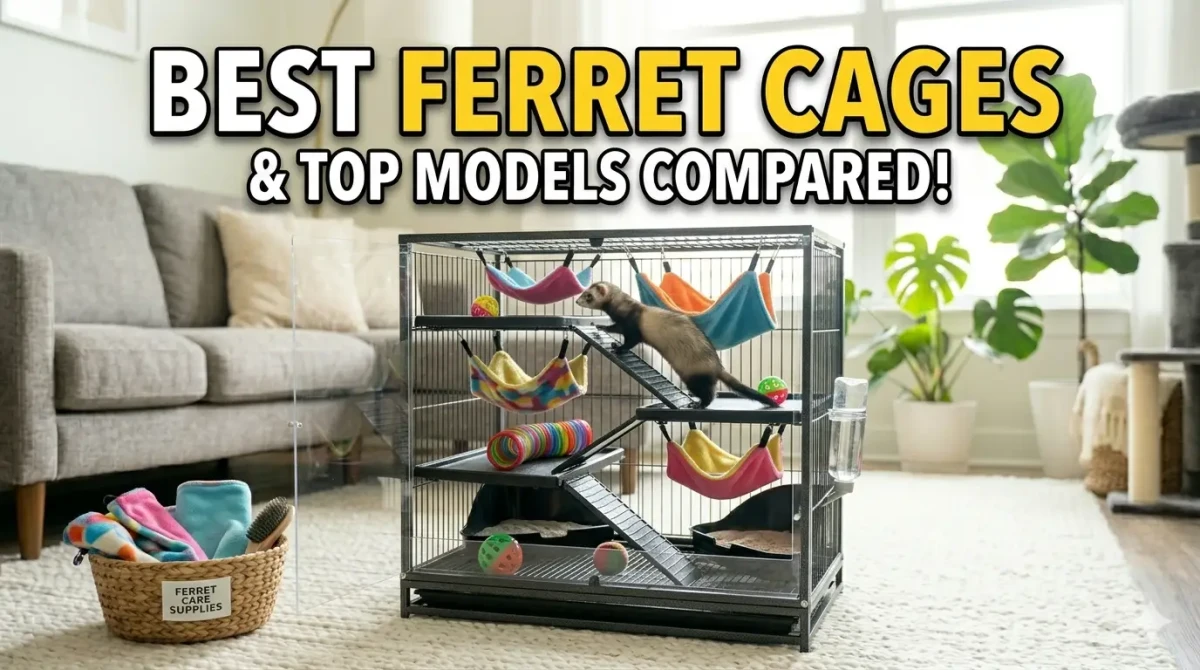
Why Choosing the Right Cage Is Critical for Ferret Health and Happiness
Ferrets are intelligent, active, and curious mustelids with unique housing needs that differ significantly from other small pets. Selecting the best ferret cage isn't just about providing shelter—it's about creating an environment that supports their physical health, mental stimulation, and natural behaviors while preventing escapes, injuries, and stress. A proper cage is the foundation of ferret care and directly impacts your pet's quality of life and longevity.
Featured Snippet Answer: The best ferret cages are multi-level wire cages with minimum dimensions of 24"W × 24"D × 18"H per ferret, featuring ¾-inch or smaller bar spacing, powder-coated wire construction, solid platforms or fleece-lined flooring, and secure locking mechanisms. Popular choices include Ferret Nation, Critter Nation, and custom C&C cages that meet these specifications.
Ferrets are notorious escape artists with flexible bodies that can squeeze through surprisingly small openings. They're also highly active, requiring ample vertical and horizontal space for climbing, exploring, and playing. Additionally, their sensitive respiratory systems demand excellent ventilation, while their playful nature requires secure construction that withstands chewing and manipulation.
This comprehensive guide explores everything you need to know about selecting, setting up, and maintaining the ideal ferret cage. You'll learn about size requirements, safety considerations, material selection, top cage recommendations across price ranges, essential accessories, and expert setup strategies. Whether you're welcoming your first ferret or upgrading your current setup, you'll find evidence-based recommendations to ensure your ferret thrives in their home.
Understanding Ferret Cage Requirements
Before shopping for a cage, it's essential to understand the specific requirements that keep ferrets safe, healthy, and happy.
Minimum Size Requirements:
- Single ferret: Minimum 24"W × 24"D × 18"H (but bigger is always better)
- Pair of ferrets: Minimum 30"W × 30"D × 30"H
- Recommended for optimal welfare: 36"W × 24"D × 36"H or larger for multiple ferrets
- Vertical space: Ferrets love to climb; multi-level designs maximize usable space
- 🐾 Best Cat Toys for Senior Cats: Expert Guide to Gentle Enrichment
- 🐾 Best External Canister Filters: Expert Guide
- 🐾 Best Rubber Dog Toys Complete Buying Guide
Bar Spacing Specifications:
- Maximum spacing: ¾ inch (1.9 cm); ½ inch ideal for young or small ferrets
- Why it matters: Ferrets can squeeze through surprisingly small gaps; improper spacing leads to escapes or injuries
- Wire gauge: 14-gauge or thicker wire prevents bending from chewing or climbing
- 🐾 Best Cat Toys for Senior Cats: Expert Guide to Gentle Enrichment
- 🐾 Best External Canister Filters: Expert Guide
- 🐾 Best Rubber Dog Toys Complete Buying Guide
Material Requirements:
- Powder-coated wire: Prevents rust, safe for chewing, easy to clean
- Avoid plastic: Ferrets will chew and ingest plastic, causing intestinal blockages
- Avoid cedar/pine shavings: Phenols cause respiratory issues; use fleece or aspen instead
- Stainless steel accessories: Water bottles, food dishes, and clips should be chew-resistant
- 🐾 Best Cat Toys for Senior Cats: Expert Guide to Gentle Enrichment
- 🐾 Best External Canister Filters: Expert Guide
- 🐾 Best Rubber Dog Toys Complete Buying Guide
Featured Snippet Answer: Ferret cages require minimum dimensions of 24×24×18 inches per ferret, ¾-inch bar spacing maximum (½-inch ideal), powder-coated wire construction, and solid or fleece-lined platforms. Multi-level designs maximize vertical space for climbing and exploration.
Why do ferrets need multi-level cages?
Ferrets are natural climbers and explorers adapted to burrowing and tunneling. Multi-level cages provide vertical exercise opportunities, mental stimulation through exploration, and space for different activities (sleeping, eating, playing, litter use) on separate levels. This mimics their natural environment and prevents boredom while maximizing usable space in a smaller footprint.
Essential Cage Features for Ferret Health

Beyond basic size requirements, several features are essential for maintaining ferret health and preventing common problems.
1. Security and Escape Prevention
Ferrets are notorious escape artists with flexible bodies, clever minds, and persistent determination.
Security Features:
- Secure latches: Ferret-proof locks or carabiners that ferrets cannot manipulate
- Double-door systems: Prevent escapes during feeding or cleaning
- No gaps larger than ¾ inch: Anywhere in the cage, including doors, ramps, and corners
- Sturdy construction: Wire that won't bend or warp from chewing or climbing
- Regular inspection: Check for chew damage, loose wires, or weak points weekly
- 🐾 Best Cat Toys for Senior Cats: Expert Guide to Gentle Enrichment
- 🐾 Best External Canister Filters: Expert Guide
- 🐾 Best Rubber Dog Toys Complete Buying Guide
2. Proper Ventilation and Air Flow
Ferrets have sensitive respiratory systems and are prone to upper respiratory infections.
Requirements:
- Wire mesh construction on multiple sides for cross-ventilation
- Avoid solid-wall cages or aquariums that trap heat, humidity, and ammonia
- Position cage away from direct sunlight, heaters, drafts, and kitchens (fumes)
- Maintain room temperature between 60-80°F (15-27°C); ferrets overheat easily
- Keep humidity moderate; excessive humidity promotes respiratory issues
- 🐾 Best Cat Toys for Senior Cats: Expert Guide to Gentle Enrichment
- 🐾 Best External Canister Filters: Expert Guide
- 🐾 Best Rubber Dog Toys Complete Buying Guide
3. Safe Flooring and Platforms
Flooring choices directly impact foot health and prevent bumblefoot (pododermatitis).
Platform Options:
- Solid wood platforms: Kiln-dried pine or aspen; provide chewing outlet and secure footing
- Fleece liners: Soft, washable, prevents foot injuries; must be changed regularly
- Wire mesh with fleece: Acceptable if covered with fleece or solid resting areas
- Avoid: Bare wire flooring (causes bumblefoot), plastic (chewed and ingested)
- 🐾 Best Cat Toys for Senior Cats: Expert Guide to Gentle Enrichment
- 🐾 Best External Canister Filters: Expert Guide
- 🐾 Best Rubber Dog Toys Complete Buying Guide
Platform Spacing:
- Space platforms 8-12 inches apart vertically for safe climbing
- Provide ramps with texture for secure footing (avoid slippery plastic)
- Include multiple levels (minimum 3-4 levels in tall cage) for exploration
- Ensure platforms are securely attached to prevent collapse during play
- 🐾 Best Cat Toys for Senior Cats: Expert Guide to Gentle Enrichment
- 🐾 Best External Canister Filters: Expert Guide
- 🐾 Best Rubber Dog Toys Complete Buying Guide
4. Easy Access for Cleaning and Maintenance
Ferrets require frequent cage cleaning due to their active metabolism and litter habits.
Convenience Features:
- Large front-opening doors: Full-width access for easy cleaning and ferret handling
- Removable trays or pans: For waste collection and quick cleaning
- Accessible water bottle and food dish holders: Easy to refill without disturbing ferrets
- Smooth surfaces: That don't trap waste, odors, or fur
- Wheels or casters: For moving heavy cages (optional but helpful)
- 🐾 Best Cat Toys for Senior Cats: Expert Guide to Gentle Enrichment
- 🐾 Best External Canister Filters: Expert Guide
- 🐾 Best Rubber Dog Toys Complete Buying Guide
Top Ferret Cage Recommendations

After extensive research and analysis of durability, safety, size, and value, these are the best ferret cages available.
1. Midwest Ferret Nation Double Unit: Best Overall
Specifications:
- Dimensions: 36"L × 25"W × 62.5"H (double unit)
- Bar spacing: ½ inch (ideal for ferrets)
- Material: Powder-coated wire with plastic base pan
- Platforms: Multiple adjustable wire shelves (should be covered with fleece)
- Weight capacity: Sturdy construction supports multiple ferrets
- 🐾 Best Cat Toys for Senior Cats: Expert Guide to Gentle Enrichment
- 🐾 Best External Canister Filters: Expert Guide
- 🐾 Best Rubber Dog Toys Complete Buying Guide
Key Features:
- Massive vertical space ideal for ferret climbing and exploration
- Full-width front doors with secure latches for easy access
- Adjustable shelves allow customization for your ferrets' needs
- Ramps with textured surface included for safe climbing
- Wheels for mobility (lockable)
- Easy to clean with removable base pan
- 🐾 Best Cat Toys for Senior Cats: Expert Guide to Gentle Enrichment
- 🐾 Best External Canister Filters: Expert Guide
- 🐾 Best Rubber Dog Toys Complete Buying Guide
Best For: Multiple ferrets, owners seeking long-term investment, those wanting maximum space
Pros: Excellent size, durable construction, highly customizable, great ventilation, easy to clean, widely available, ferret-specific design
Cons: Expensive initial cost, heavy (requires two people to assemble), wire shelves need fleece covers, plastic base can be chewed if accessible
Price Range: $200-300
Verdict: The Ferret Nation Double Unit is the gold standard for ferret cages, offering unmatched space, durability, and customization options specifically designed for ferret behavior and safety.
2. Midwest Critter Nation Double Unit: Best for Accessibility
Specifications:
- Dimensions: 36"L × 24"W × 63"H (double unit)
- Bar spacing: ½ inch (ideal for ferrets)
- Material: Powder-coated wire with plastic base
- Platforms: Adjustable wire shelves
- 🐾 Best Cat Toys for Senior Cats: Expert Guide to Gentle Enrichment
- 🐾 Best External Canister Filters: Expert Guide
- 🐾 Best Rubber Dog Toys Complete Buying Guide
Key Features:
- Similar size to Ferret Nation with full front access
- Excellent ventilation with wire mesh on multiple sides
- Adjustable shelving for customized layouts
- Ramps and platforms included
- Easy assembly and disassembly
- Widely available at pet stores and online
- 🐾 Best Cat Toys for Senior Cats: Expert Guide to Gentle Enrichment
- 🐾 Best External Canister Filters: Expert Guide
- 🐾 Best Rubber Dog Toys Complete Buying Guide
Best For: Owners prioritizing easy access and cleaning, multiple ferrets, long-term use
Pros: Excellent size, superior accessibility, durable, easy to clean, good ventilation, widely available, ferret-appropriate bar spacing
Cons: Expensive, heavy, wire shelves need fleece covers, plastic base can be chewed if accessible
Price Range: $200-300
Verdict: Critter Nation offers excellent features nearly identical to Ferret Nation; choice between them often comes down to availability and minor design preferences.
3. Prevue Hendryx Ferret Cage: Best Mid-Range Option
Specifications:
- Dimensions: 31"L × 20"W × 40"H
- Bar spacing: ¾ inch (acceptable for adult ferrets; verify for young/small ferrets)
- Material: Hammertone finish wire
- Platforms: Multiple wire shelves included
- 🐾 Best Cat Toys for Senior Cats: Expert Guide to Gentle Enrichment
- 🐾 Best External Canister Filters: Expert Guide
- 🐾 Best Rubber Dog Toys Complete Buying Guide
Key Features:
- Good vertical space for climbing
- Multiple levels for exploration
- Ramps included
- Front and side doors for access
- Removable base for cleaning
- More affordable than Ferret/Critter Nation
- 🐾 Best Cat Toys for Senior Cats: Expert Guide to Gentle Enrichment
- 🐾 Best External Canister Filters: Expert Guide
- 🐾 Best Rubber Dog Toys Complete Buying Guide
Best For: Budget-conscious owners, single ferret or pair, those willing to modify bar spacing if needed
Pros: Good size for price, multiple levels, decent ventilation, affordable mid-range option
Cons: Bar spacing may be too wide for young ferrets (verify before purchase), less durable than Ferret/Critter Nation, finish may chip over time
Price Range: $120-180
Verdict: A reasonable mid-range option that offers good space for the price, though may require verification of bar spacing for smaller ferrets.
4. Custom C&C Cages: Best for Specific Needs
Specifications: Varies based on design
Key Features:
- Completely customizable to your space and ferrets' needs
- Can incorporate specific features (litter areas, hideouts, feeding stations)
- Professional construction or DIY options using grids and coroplast
- Bar spacing can be precisely controlled (use ½-inch grid cubes)
- 🐾 Best Cat Toys for Senior Cats: Expert Guide to Gentle Enrichment
- 🐾 Best External Canister Filters: Expert Guide
- 🐾 Best Rubber Dog Toys Complete Buying Guide
Best For: Experienced owners, those with specific space requirements, multiple ferrets, DIY enthusiasts
Pros: Perfect fit for your space, can optimize for ferret needs, unique design possibilities, cost-effective for DIY
Cons: Time-consuming to build (DIY), requires planning and skill, may be difficult to move, professional builds can be expensive
Price Range: $150-400 (DIY materials); $300-800+ (professional)
Verdict: Custom C&C cages offer ultimate customization for ferret owners willing to invest time or money in a tailored solution.
5. Marshall Ferret Cage: Best Compact Option
Specifications:
- Dimensions: 30"L × 18"W × 30"H
- Bar spacing: ¾ inch
- Material: Powder-coated wire
- Platforms: Multiple levels included
- 🐾 Best Cat Toys for Senior Cats: Expert Guide to Gentle Enrichment
- 🐾 Best External Canister Filters: Expert Guide
- 🐾 Best Rubber Dog Toys Complete Buying Guide
Key Features:
- Compact footprint suitable for smaller spaces
- Multiple levels for climbing
- Ramps and platforms included
- Ferret-specific design considerations
- More affordable than large double units
- 🐾 Best Cat Toys for Senior Cats: Expert Guide to Gentle Enrichment
- 🐾 Best External Canister Filters: Expert Guide
- 🐾 Best Rubber Dog Toys Complete Buying Guide
Best For: Single ferret, smaller living spaces, budget-conscious owners
Pros: Compact size, ferret-appropriate features, affordable, easy to assemble
Cons: Smaller than ideal for multiple ferrets, bar spacing may need verification for young ferrets, less durable than premium options
Price Range: $100-150
Verdict: A solid compact option for single ferrets or small spaces, though larger cages are recommended for optimal ferret welfare.
6. Cages to Avoid for Ferrets
Small Animal Cages Marketed for Rabbits/Guinea Pigs:
- Often have bar spacing too wide (1 inch+) for ferret safety
- Plastic components easily chewed and ingested
- Inadequate vertical space for ferret climbing needs
- Poor ventilation in solid-wall designs
- 🐾 Best Cat Toys for Senior Cats: Expert Guide to Gentle Enrichment
- 🐾 Best External Canister Filters: Expert Guide
- 🐾 Best Rubber Dog Toys Complete Buying Guide
Warning: Many cages marketed for "small pets" are completely unsuitable for ferrets. Always verify dimensions, bar spacing, and construction quality against ferret-specific requirements before purchasing.
Cage Setup and Essential Accessories

Once you've selected the right cage, proper setup and accessories complete your ferret's habitat.
Essential Accessories
1. Litter Box Setup:
- Place litter boxes in corners ferrets naturally prefer (often back corners)
- Use ferret-safe litter: paper-based, wood pellet, or recycled paper (avoid clumping clay)
- Provide one litter box per level for multi-level cages
- Clean litter boxes daily to encourage use and control odor
- 🐾 Best Cat Toys for Senior Cats: Expert Guide to Gentle Enrichment
- 🐾 Best External Canister Filters: Expert Guide
- 🐾 Best Rubber Dog Toys Complete Buying Guide
2. Water System:
- Stainless steel sipper bottle (16-32 oz) with secure holder
- Check daily for function and refill with fresh water
- Position at comfortable height; consider multiple bottles for multiple ferrets
- Alternative: heavy ceramic bowl (but may be tipped or soiled)
- 🐾 Best Cat Toys for Senior Cats: Expert Guide to Gentle Enrichment
- 🐾 Best External Canister Filters: Expert Guide
- 🐾 Best Rubber Dog Toys Complete Buying Guide
3. Food Dishes:
- Heavy ceramic or stainless steel bowls that won't tip
- Separate dishes for kibble and treats
- Clean daily to prevent bacterial growth
- Consider elevated feeding stations to reduce neck strain
- 🐾 Best Cat Toys for Senior Cats: Expert Guide to Gentle Enrichment
- 🐾 Best External Canister Filters: Expert Guide
- 🐾 Best Rubber Dog Toys Complete Buying Guide
4. Sleeping Areas:
- Fleece hammocks, sleep sacks, or ferret-specific beds
- Provide multiple sleeping options on different levels
- Wash bedding weekly to maintain hygiene
- Avoid loose fabric that could be ingested
- 🐾 Best Cat Toys for Senior Cats: Expert Guide to Gentle Enrichment
- 🐾 Best External Canister Filters: Expert Guide
- 🐾 Best Rubber Dog Toys Complete Buying Guide
5. Ramps and Ledges:
- Textured ramps for secure climbing (avoid slippery plastic)
- Additional ledges to maximize usable space
- Ensure secure attachment to prevent falls
- Space appropriately for safe jumping (8-12 inches)
- 🐾 Best Cat Toys for Senior Cats: Expert Guide to Gentle Enrichment
- 🐾 Best External Canister Filters: Expert Guide
- 🐾 Best Rubber Dog Toys Complete Buying Guide
6. Toys and Enrichment:
- Tunnel toys, chew toys, and puzzle feeders designed for ferrets
- Rotate toys regularly to prevent boredom
- Avoid small parts that could be swallowed
- Supervise play with new toys initially
- 🐾 Best Cat Toys for Senior Cats: Expert Guide to Gentle Enrichment
- 🐾 Best External Canister Filters: Expert Guide
- 🐾 Best Rubber Dog Toys Complete Buying Guide
7. Fleece Liners or Bedding:
- Fleece liners for platforms (washable, reusable)
- Paper-based bedding for base tray if not using liners
- Change liners 2-3 times weekly
- Clean base tray weekly
- 🐾 Best Cat Toys for Senior Cats: Expert Guide to Gentle Enrichment
- 🐾 Best External Canister Filters: Expert Guide
- 🐾 Best Rubber Dog Toys Complete Buying Guide
Cage Placement Considerations
Temperature Control:
- Maintain 60-80°F (15-27°C); ferrets overheat easily above 80°F
- Avoid direct sunlight, radiators, and heat vents
- Never place in garage, basement, or unclimate-controlled areas
- Use air conditioning in summer; provide cool surfaces for resting
- 🐾 Best Cat Toys for Senior Cats: Expert Guide to Gentle Enrichment
- 🐾 Best External Canister Filters: Expert Guide
- 🐾 Best Rubber Dog Toys Complete Buying Guide
Noise and Activity:
- Quiet location away from loud appliances or TVs
- Avoid high-traffic areas that cause stress
- Ferrets are crepuscular (active dawn/dusk); consider household schedule
- 🐾 Best Cat Toys for Senior Cats: Expert Guide to Gentle Enrichment
- 🐾 Best External Canister Filters: Expert Guide
- 🐾 Best Rubber Dog Toys Complete Buying Guide
Ventilation:
- Good air circulation without drafts
- Avoid humid areas like bathrooms
- Ensure room has adequate ventilation
- 🐾 Best Cat Toys for Senior Cats: Expert Guide to Gentle Enrichment
- 🐾 Best External Canister Filters: Expert Guide
- 🐾 Best Rubber Dog Toys Complete Buying Guide
Safety:
- Away from other pets (dogs, cats) that may stress ferrets
- Stable surface that won't tip or wobble
- Out of reach of children unsupervised
- 🐾 Best Cat Toys for Senior Cats: Expert Guide to Gentle Enrichment
- 🐾 Best External Canister Filters: Expert Guide
- 🐾 Best Rubber Dog Toys Complete Buying Guide
Cage Maintenance and Cleaning Schedule

Regular maintenance keeps your ferret healthy and extends cage life.
Daily Tasks
- Remove soiled fleece liners or spot-clean wet areas
- Refresh food and water; clean dishes if soiled
- Clean litter boxes; scoop waste and add fresh litter
- Quick visual inspection for damage or escape risks
- Observe ferret behavior and health during cage time
- 🐾 Best Cat Toys for Senior Cats: Expert Guide to Gentle Enrichment
- 🐾 Best External Canister Filters: Expert Guide
- 🐾 Best Rubber Dog Toys Complete Buying Guide
Weekly Tasks
- Complete cage cleaning: remove all bedding, wash with vinegar-water solution (1:1 ratio)
- Rinse thoroughly and dry completely before adding fresh bedding
- Wash food bowls, water bottles, and litter boxes with hot, soapy water
- Wipe down cage bars and platforms
- Inspect for chew damage, loose hardware, or sharp edges
- Wash fleece liners and hammocks
- 🐾 Best Cat Toys for Senior Cats: Expert Guide to Gentle Enrichment
- 🐾 Best External Canister Filters: Expert Guide
- 🐾 Best Rubber Dog Toys Complete Buying Guide
Monthly Tasks
- Deep clean all cage accessories and toys
- Inspect cage structure for rust, wear, or damage
- Replace worn fleece liners or bedding
- Check and tighten all bolts and connections
- Sanitize with ferret-safe disinfectant if needed
- 🐾 Best Cat Toys for Senior Cats: Expert Guide to Gentle Enrichment
- 🐾 Best External Canister Filters: Expert Guide
- 🐾 Best Rubber Dog Toys Complete Buying Guide
Cleaning Products
- Safe: White vinegar, unscented dish soap, veterinary disinfectants, enzyme cleaners
- Avoid: Bleach (unless heavily diluted and thoroughly rinsed), ammonia-based cleaners, scented products, harsh chemicals
- 🐾 Best Cat Toys for Senior Cats: Expert Guide to Gentle Enrichment
- 🐾 Best External Canister Filters: Expert Guide
- 🐾 Best Rubber Dog Toys Complete Buying Guide
DIY Cage Modifications and Enhancements

Many owners enhance commercial cages with DIY modifications for improved functionality.
Popular Modifications
1. Adding Fleece Liners:
- Cut fleece to fit wire shelves
- Secure with zip ties or binder clips (ferret-safe)
- Use absorbent layer underneath (U-Haul pads work well)
- Have multiple sets for rotation
- 🐾 Best Cat Toys for Senior Cats: Expert Guide to Gentle Enrichment
- 🐾 Best External Canister Filters: Expert Guide
- 🐾 Best Rubber Dog Toys Complete Buying Guide
2. Installing Additional Platforms:
- Use kiln-dried wood shelves
- Secure with L-brackets or shelf supports
- Ensure weight capacity and stability
- Space 8-12 inches apart vertically
- 🐾 Best Cat Toys for Senior Cats: Expert Guide to Gentle Enrichment
- 🐾 Best External Canister Filters: Expert Guide
- 🐾 Best Rubber Dog Toys Complete Buying Guide
3. Creating Litter Areas:
- Designate corners for litter boxes on each level
- Use high-sided litter boxes to contain litter
- Position away from sleeping and eating areas
- 🐾 Best Cat Toys for Senior Cats: Expert Guide to Gentle Enrichment
- 🐾 Best External Canister Filters: Expert Guide
- 🐾 Best Rubber Dog Toys Complete Buying Guide
4. Adding Hideouts:
- Attach fabric hammocks or sleep sacks to cage bars
- Create fleece tunnels hung from platforms
- Use cardboard boxes (replace when chewed)
- 🐾 Best Cat Toys for Senior Cats: Expert Guide to Gentle Enrichment
- 🐾 Best External Canister Filters: Expert Guide
- 🐾 Best Rubber Dog Toys Complete Buying Guide
5. Improving Security:
- Add carabiners or locks to cage doors
- Install ½ inch mesh if bar spacing too wide
- Reinforce weak points with additional zip ties or wire
- 🐾 Best Cat Toys for Senior Cats: Expert Guide to Gentle Enrichment
- 🐾 Best External Canister Filters: Expert Guide
- 🐾 Best Rubber Dog Toys Complete Buying Guide
Common Cage-Related Problems and Solutions

Even with the best cage, issues can arise. Here's how to address common problems.
Problem: Ferret Chewing Cage Bars
Causes: Boredom, dental issues, insufficient chew toys, stress
Solutions:
- Provide abundant chew toys (wood, safe rubber, cardboard)
- Increase out-of-cage time and enrichment
- Check for dental problems with veterinarian
- Apply bitter apple spray to bars (temporary deterrent)
- Ensure adequate cage size and stimulation
- 🐾 Best Cat Toys for Senior Cats: Expert Guide to Gentle Enrichment
- 🐾 Best External Canister Filters: Expert Guide
- 🐾 Best Rubber Dog Toys Complete Buying Guide
Problem: Escape Attempts
Causes: Bar spacing too wide, weak latches, chew damage
Solutions:
- Verify bar spacing is ¾ inch or less (½ inch ideal)
- Add additional locks or carabiners to doors
- Regularly inspect for chew damage
- Reinforce weak points with hardware cloth
- Never leave cage open unattended
- 🐾 Best Cat Toys for Senior Cats: Expert Guide to Gentle Enrichment
- 🐾 Best External Canister Filters: Expert Guide
- 🐾 Best Rubber Dog Toys Complete Buying Guide
Problem: Bumblefoot (Foot Sores)
Causes: Wire flooring, dirty cage, obesity, injury
Solutions:
- Cover all wire surfaces with fleece or solid platforms
- Maintain clean, dry cage conditions
- Provide varied textures for feet
- Consult veterinarian for treatment if sores develop
- Monitor weight and encourage exercise
- 🐾 Best Cat Toys for Senior Cats: Expert Guide to Gentle Enrichment
- 🐾 Best External Canister Filters: Expert Guide
- 🐾 Best Rubber Dog Toys Complete Buying Guide
Problem: Cage Odor
Causes: Infrequent cleaning, poor ventilation, urine accumulation
Solutions:
- Increase cleaning frequency
- Use absorbent fleece liners changed regularly
- Ensure adequate ventilation
- Use vinegar solution for cleaning (neutralizes odor)
- Avoid scented products that irritate respiratory system
- 🐾 Best Cat Toys for Senior Cats: Expert Guide to Gentle Enrichment
- 🐾 Best External Canister Filters: Expert Guide
- 🐾 Best Rubber Dog Toys Complete Buying Guide
Multi-Ferret Cage Considerations

If housing multiple ferrets, additional planning ensures harmony and adequate space.
Space Requirements:
- Add minimum 6-8 cubic feet per additional ferret
- Provide multiple sleeping areas, litter boxes, and feeding stations
- Ensure enough vertical space for all ferrets to climb simultaneously
- 🐾 Best Cat Toys for Senior Cats: Expert Guide to Gentle Enrichment
- 🐾 Best External Canister Filters: Expert Guide
- 🐾 Best Rubber Dog Toys Complete Buying Guide
Preventing Resource Guarding:
- Provide duplicate popular items (hammocks, litter boxes, toys)
- Place resources in different cage zones to allow simultaneous access
- Supervise interactions during out-of-cage time
- Monitor for bullying or dominance behaviors
- 🐾 Best Cat Toys for Senior Cats: Expert Guide to Gentle Enrichment
- 🐾 Best External Canister Filters: Expert Guide
- 🐾 Best Rubber Dog Toys Complete Buying Guide
Best Cages for Multiple Ferrets:
- Large double-unit cages (Ferret Nation, Critter Nation)
- Custom C&C cages designed for multiple occupants
- Consider connecting two cages for expanded territory
- 🐾 Best Cat Toys for Senior Cats: Expert Guide to Gentle Enrichment
- 🐾 Best External Canister Filters: Expert Guide
- 🐾 Best Rubber Dog Toys Complete Buying Guide
Quick Recap: Key Takeaways for Ferret Cages

- Minimum cage size: 24×24×18 inches per ferret; larger is always better
- Bar spacing must be ¾ inch or less (½ inch ideal) to prevent escapes and injuries
- Choose powder-coated wire cages; avoid plastic and unsafe woods
- Multi-level design essential for climbing and exercise
- Cover wire platforms with fleece or use solid wood to prevent bumblefoot
- Maintain temperature between 60-80°F; ferrets cannot tolerate heat above 80°F
- Top cage choices: Ferret Nation (best overall), Critter Nation, custom C&C cages
- Clean cage weekly; spot-clean daily; maintain hygiene for health
- Provide essential accessories: litter boxes, water system, sleeping areas, enrichment
- Inspect cage regularly for damage, wear, and escape risks
- Never use cages designed for other species without verifying ferret-specific specifications
- 🐾 Best Cat Toys for Senior Cats: Expert Guide to Gentle Enrichment
- 🐾 Best External Canister Filters: Expert Guide
- 🐾 Best Rubber Dog Toys Complete Buying Guide
Final Thoughts: Investing in Your Ferret's Home
Choosing the best ferret cage is one of the most important decisions you'll make as a ferret owner. Your ferret will spend a significant portion of their life in this cage, making it essential to get it right from the start. While quality cages like the Ferret Nation or Critter Nation require a significant initial investment, they provide years of reliable service and, more importantly, ensure your ferret's health, safety, and happiness.
Remember that the cage is just the foundation. Proper setup with appropriate accessories, regular maintenance, and attention to your ferret's individual needs complete the picture of excellent care. Observe your ferret's behavior and preferences, and don't hesitate to make adjustments as needed.
Ferrets can live 6-10 years with proper care, and a quality cage is a long-term investment in that longevity. Take your time with the decision, research thoroughly, and prioritize your ferret's needs over aesthetics or convenience. Your ferret will reward you with years of playful personality, curiosity, and companionship in a home that meets all their unique requirements.
When in doubt, consult experienced ferret owners, breeders, or exotic veterinarians for advice specific to your situation. The ferret community is generally very helpful and passionate about proper care, so don't hesitate to ask questions and learn from others' experiences.

0 Comments