.png)
Annual Health Check for Small Pets: Complete Guide
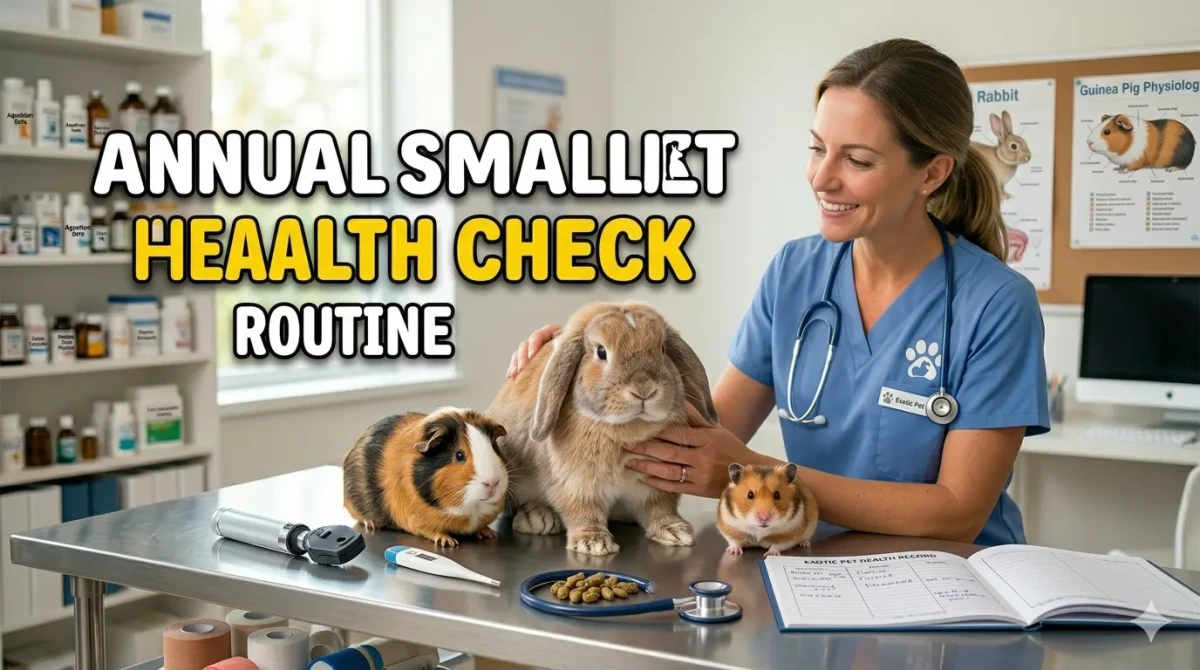
Why Annual Health Checks Are Essential for Small Pet Longevity
Annual health checks are one of the most powerful tools you have to ensure your small pet lives a long, healthy, and happy life. Small mammals like rabbits, guinea pigs, hamsters, ferrets, and chinchillas are masters at hiding illness—a survival instinct from their wild ancestors as prey animals—and by the time obvious symptoms appear, many conditions are already advanced or critical. An annual wellness exam with an exotic or small pet veterinarian isn't just a "vaccine visit"; it's a comprehensive assessment of your pet's physical, dental, nutritional, behavioral, and environmental health that can detect problems when they're most treatable.
Featured Snippet Answer: An annual small pet health check includes a complete physical examination, weight monitoring, dental assessment (critical for rabbits/guinea pigs), fur/skin evaluation, preventive care review, and age-appropriate diagnostic screening (blood work, fecal testing). Juvenile and senior small pets may need checkups every 6 months. At-home monitoring between visits includes observing appetite, droppings, behavior changes, grooming patterns, and activity levels.
Many small pet owners assume that if their pet "seems fine" and is eating well, veterinary visits aren't necessary. However, small mammals can deteriorate rapidly when ill, and conditions like dental disease, GI stasis, respiratory infections, or metabolic disorders may show no external symptoms until they're severe. Annual checkups allow exotic veterinarians to establish baseline health data, update preventive protocols, and partner with you to support your pet's wellbeing throughout their life—which can span 2-15 years depending on species.
This comprehensive guide provides evidence-based, veterinarian-aligned strategies for establishing and maintaining an effective annual health check routine for your small pet. You'll learn what to expect during wellness exams, how to prepare your pet, species-specific considerations, at-home monitoring techniques, preventive care recommendations, and how to partner with your veterinary team for lifelong health. Whether you have a playful rabbit, a social guinea pig, a curious hamster, or a wise senior ferret, you'll find practical guidance to support their wellbeing.
What Happens During a Small Pet Wellness Exam: The Complete Checklist
A thorough annual wellness exam for small pets goes far beyond a quick look. Understanding each component helps you participate actively in your pet's care and understand the value of specialized exotic medicine.
1. History Review and Owner Consultation
- Diet and nutrition: Detailed review of current diet (pellets, hay, fresh foods, treats, supplements), feeding practices, and any changes
- Droppings assessment: Discussion of frequency, consistency, color, and volume of feces—critical indicators of small pet health
- Behavior and cognition: Assessment of activity level, social interaction, sleep habits, and age-related changes
- Environmental factors: Cage size and setup, bedding type, temperature control, social interaction, and potential stressors
- Owner concerns: Dedicated time to address your questions or observations about your pet's health or behavior
- 🐾 Small Pet Veterinary Care Basics: Essential Guide
- 🐾 Preventing Overfeeding in Fish Complete Care Guide
- 🐾 How to Boost a Bird's Immune System Naturally: Expert Avian Veterinary Guide
2. Vital Signs and Basic Measurements
- Weight: Precise measurement using a gram scale; even 10-20 gram changes can signal health issues in small pets
- Body Condition Score (BCS): Assessment of muscle mass, fat coverage, and overall condition; critical for detecting subtle changes
- Temperature: Normal range varies by species: rabbits 101-103°F, guinea pigs 101-104°F, ferrets 100-104°F
- Heart rate: Normal range varies: rabbits 130-325 bpm, guinea pigs 240-310 bpm, ferrets 180-250 bpm
- Respiratory rate: Normal 30-60 breaths per minute at rest; assessed visually without restraint when possible
- Mucous membrane color: Gums should be pink and moist; pale, blue, or yellow indicates problems
- 🐾 Small Pet Veterinary Care Basics: Essential Guide
- 🐾 Preventing Overfeeding in Fish Complete Care Guide
- 🐾 How to Boost a Bird's Immune System Naturally: Expert Avian Veterinary Guide
3. Comprehensive Physical Examination (Head-to-Tail)
- Head and eyes: Eye clarity, discharge, symmetry; ears for infection, mites, or polyps; nose for discharge or blockage
- Oral cavity and teeth: Critical for rabbits/guinea pigs—check for overgrowth, malocclusion, abscesses, or tooth resorption
- Respiratory assessment: Listening for wheezes, clicks, or labored breathing; observing for nasal discharge
- Cardiovascular: Heart sounds for murmurs or arrhythmias; pulse quality
- Abdominal palpation: Assessing organ size, masses, GI motility, or fluid accumulation
- Urogenital examination: Checking for discharge, swelling, or reproductive issues
- Fur and skin: Quality, molt pattern, evidence of barbering, parasites, lesions, or dermatitis
- Feet and nails: Nail length, foot pad condition (bumblefoot screening), joint mobility
- Neurological: Coordination, balance, reflexes, mental status
- 🐾 Small Pet Veterinary Care Basics: Essential Guide
- 🐾 Preventing Overfeeding in Fish Complete Care Guide
- 🐾 How to Boost a Bird's Immune System Naturally: Expert Avian Veterinary Guide
4. Dental Health Assessment (Critical for Rabbits/Guinea Pigs)
- Visual examination: Incisor alignment, molar assessment (may require sedation for full evaluation)
- Oral pain evaluation: Checking for loose teeth, abscesses, or signs of oral discomfort
- Home care recommendations: Hay intake importance, chew toys, or professional dental care referral
- 🐾 Small Pet Veterinary Care Basics: Essential Guide
- 🐾 Preventing Overfeeding in Fish Complete Care Guide
- 🐾 How to Boost a Bird's Immune System Naturally: Expert Avian Veterinary Guide
5. Preventive Care Review and Updates
- Vaccinations: Discussion of available vaccines (rabies for rabbits in endemic areas, distemper/rabies for ferrets)
- Parasite prevention: Review of mite/lice prevention, intestinal parasite screening protocols
- Nail and fur care: Assessment of trimming needs; demonstration of safe home maintenance techniques
- Nutritional counseling: Life-stage appropriate diet, addressing seed-only diets, hay importance for rabbits/guinea pigs
- 🐾 Small Pet Veterinary Care Basics: Essential Guide
- 🐾 Preventing Overfeeding in Fish Complete Care Guide
- 🐾 How to Boost a Bird's Immune System Naturally: Expert Avian Veterinary Guide
6. Age-Appropriate Diagnostic Screening
- Juveniles (under 6 months): Fecal testing for parasites, baseline blood work if indicated, growth assessment
- Adults (6 months-5 years for most species): Annual fecal exam, baseline blood work every 2-3 years
- Seniors (5+ years for rabbits/guinea pigs, 3+ for hamsters/gerbils, 6+ for ferrets): Comprehensive blood panel, urinalysis, imaging as indicated
- 🐾 Small Pet Veterinary Care Basics: Essential Guide
- 🐾 Preventing Overfeeding in Fish Complete Care Guide
- 🐾 How to Boost a Bird's Immune System Naturally: Expert Avian Veterinary Guide
Featured Snippet Answer: A small pet wellness exam includes history review, precise weight measurement, comprehensive head-to-tail physical examination, dental assessment (critical for rabbits/guinea pigs), preventive care review, and age-appropriate diagnostics. Your exotic veterinarian will also discuss nutrition, environment, and address your specific concerns.
How long does a small pet annual checkup take?
A thorough small pet wellness exam typically takes 30-45 minutes, allowing time for careful examination, discussion, and sample collection. Small pets may need extra time to acclimate to the exam room and build trust with the veterinarian. Complex cases, senior pets requiring additional screening, or pets needing behavioral consultation may require longer appointments. Schedule extra time if you have multiple concerns to discuss.
Species-Specific Wellness Protocols: Tailoring Care to Your Pet

Different small mammal species have distinct anatomical, physiological, and behavioral needs. Annual checkups should be customized to address species-specific risks and priorities.
Rabbits:
- Key priorities:
- Dental health assessment (continuously growing teeth require constant wear from hay)
- GI health evaluation (rabbits are hindgut fermenters prone to GI stasis)
- Uterine health in unspayed females (high risk of adenocarcinoma)
- Foot health screening for bumblefoot
- Nutritional counseling emphasizing unlimited grass hay (80-90% of diet)
- 🐾 Small Pet Veterinary Care Basics: Essential Guide
- 🐾 Preventing Overfeeding in Fish Complete Care Guide
- 🐾 How to Boost a Bird's Immune System Naturally: Expert Avian Veterinary Guide
- Diagnostic screening: Annual fecal testing; blood work every 2-3 years for adults, annually for seniors
- Special considerations: Stress minimization critical; rabbits can die from fear-induced shock
- 🐾 Small Pet Veterinary Care Basics: Essential Guide
- 🐾 Preventing Overfeeding in Fish Complete Care Guide
- 🐾 How to Boost a Bird's Immune System Naturally: Expert Avian Veterinary Guide
Guinea Pigs:
- Key priorities:
- Vitamin C status assessment (cannot synthesize vitamin C; deficiency causes scurvy)
- Dental evaluation (continuously growing teeth)
- Respiratory assessment (prone to pneumonia)
- Urinary health screening (prone to bladder stones)
- Nutritional counseling emphasizing vitamin C-rich foods and unlimited hay
- 🐾 Small Pet Veterinary Care Basics: Essential Guide
- 🐾 Preventing Overfeeding in Fish Complete Care Guide
- 🐾 How to Boost a Bird's Immune System Naturally: Expert Avian Veterinary Guide
Ferrets:
- Key priorities:
- Vaccination review (distemper and rabies are essential and legally required in many areas)
- Cardiac evaluation (prone to cardiomyopathy)
- Adrenal disease screening (common in middle-aged to senior ferrets)
- Insulinoma screening (pancreatic tumors common in seniors)
- Dental assessment (prone to periodontal disease)
- 🐾 Small Pet Veterinary Care Basics: Essential Guide
- 🐾 Preventing Overfeeding in Fish Complete Care Guide
- 🐾 How to Boost a Bird's Immune System Naturally: Expert Avian Veterinary Guide
Hamsters and Gerbils:
- Key priorities:
- Weight monitoring (prone to obesity on seed-heavy diets)
- Dental assessment (continuously growing incisors)
- Respiratory evaluation (prone to respiratory infections)
- Tumor screening (common in older hamsters)
- Nutritional counseling emphasizing lab blocks over seed mixes
- 🐾 Small Pet Veterinary Care Basics: Essential Guide
- 🐾 Preventing Overfeeding in Fish Complete Care Guide
- 🐾 How to Boost a Bird's Immune System Naturally: Expert Avian Veterinary Guide
Chinchillas:
- Key priorities:
- Dental evaluation (prone to dental disease)
- GI health assessment (sensitive digestive systems)
- Fur and skin evaluation (prone to fungal infections)
- Temperature sensitivity discussion (cannot tolerate heat above 75°F)
- Nutritional counseling emphasizing high-fiber diet and dust baths
- 🐾 Small Pet Veterinary Care Basics: Essential Guide
- 🐾 Preventing Overfeeding in Fish Complete Care Guide
- 🐾 How to Boost a Bird's Immune System Naturally: Expert Avian Veterinary Guide
Featured Snippet Answer: Tailor wellness care to species: rabbits need dental/GI assessment and unlimited hay; guinea pigs need vitamin C evaluation; ferrets need vaccination and cancer screening; hamsters need weight monitoring; chinchillas need temperature management. Discuss species-specific risks with your exotic veterinarian.
Age-Specific Wellness Protocols: From Juvenile to Senior

Small pets' health needs evolve throughout their lifespans. Annual checkups should be customized to address age-specific risks and priorities.
Juvenile Wellness (Under 6 Months): Building a Healthy Foundation
- Frequency: Every 4-6 weeks until fully weaned and independent; then every 6 months until 1 year
- Key priorities:
- Growth monitoring (weight trends, skeletal development)
- Weaning assessment and nutritional transition guidance
- Socialization and behavioral baseline establishment
- Parasite screening and prevention initiation
- Owner education on species-specific care, handling, and enrichment
- 🐾 Small Pet Veterinary Care Basics: Essential Guide
- 🐾 Preventing Overfeeding in Fish Complete Care Guide
- 🐾 How to Boost a Bird's Immune System Naturally: Expert Avian Veterinary Guide
- Diagnostic screening: Fecal testing at each visit; baseline blood work if health concerns exist
- 🐾 Small Pet Veterinary Care Basics: Essential Guide
- 🐾 Preventing Overfeeding in Fish Complete Care Guide
- 🐾 How to Boost a Bird's Immune System Naturally: Expert Avian Veterinary Guide
Adult Small Pet Wellness (Species-Dependent: 6 Months-5 Years for Most)
- Frequency: Annual wellness exams minimum; every 6 months for pets with chronic conditions or known health risks
- Key priorities:
- Weight and body condition monitoring to prevent obesity or wasting
- Dental health assessment (especially for rabbits, guinea pigs, rodents)
- Behavioral assessment (aggression, fear, stereotypic behaviors)
- Reproductive health discussion (spay/neuter benefits, breeding considerations)
- Environmental enrichment and social needs assessment
- 🐾 Small Pet Veterinary Care Basics: Essential Guide
- 🐾 Preventing Overfeeding in Fish Complete Care Guide
- 🐾 How to Boost a Bird's Immune System Naturally: Expert Avian Veterinary Guide
- Diagnostic screening: Annual fecal exam; baseline blood panel every 2-3 years or as indicated
- 🐾 Small Pet Veterinary Care Basics: Essential Guide
- 🐾 Preventing Overfeeding in Fish Complete Care Guide
- 🐾 How to Boost a Bird's Immune System Naturally: Expert Avian Veterinary Guide
Senior Small Pet Wellness (5+ Years for Rabbits/Guinea Pigs, 3+ for Hamsters/Gerbils, 6+ for Ferrets)
- Frequency: Every 6 months recommended; senior small pets age faster and changes occur rapidly
- Key priorities:
- Comprehensive physical examination with emphasis on age-related changes
- Advanced diagnostic screening (blood panel, urinalysis, imaging as indicated)
- Cognitive and behavioral assessment for signs of age-related changes
- Pain and mobility evaluation (arthritis, foot problems)
- Dental care management (may grow abnormally with age)
- Chronic disease monitoring (kidney disease, heart disease, tumors) and medication management
- Quality of life discussions and advance care planning
- 🐾 Small Pet Veterinary Care Basics: Essential Guide
- 🐾 Preventing Overfeeding in Fish Complete Care Guide
- 🐾 How to Boost a Bird's Immune System Naturally: Expert Avian Veterinary Guide
- Diagnostic screening: Semi-annual blood work, fecal testing; imaging as indicated by findings
- Supportive care: Dietary adjustments for aging metabolism, environmental modifications (easier access), pain management strategies
- 🐾 Small Pet Veterinary Care Basics: Essential Guide
- 🐾 Preventing Overfeeding in Fish Complete Care Guide
- 🐾 How to Boost a Bird's Immune System Naturally: Expert Avian Veterinary Guide
Species Longevity Considerations:
- Rabbits: Senior protocols may start at 5-6 years
- Guinea pigs: Senior protocols at 4-5 years
- Ferrets: Senior protocols at 5-6 years
- Hamsters/gerbils: Senior protocols at 1.5-2 years due to shorter lifespans
- Chinchillas: Senior protocols at 8-10 years (can live 15+ years)
- 🐾 Small Pet Veterinary Care Basics: Essential Guide
- 🐾 Preventing Overfeeding in Fish Complete Care Guide
- 🐾 How to Boost a Bird's Immune System Naturally: Expert Avian Veterinary Guide
Featured Snippet Answer: Tailor wellness frequency to life stage: juveniles need frequent visits for growth monitoring; adult small pets need annual exams; senior pets need checkups every 6 months. Senior screenings include blood work, fecal testing, and mobility assessment. Species longevity varies—discuss senior onset timing with your exotic vet.
At-Home Health Monitoring: What to Watch Between Vet Visits

Your daily observations are invaluable. Small pets hide illness exceptionally well, so learning to monitor subtle changes helps catch problems early and provides critical information for your veterinarian.
Daily/Weekly Monitoring Checklist:
- Droppings: Monitor frequency, consistency, color, and volume; changes can signal digestive, dental, or metabolic issues
- Appetite and water intake: Note changes in food consumption or thirst; sudden changes warrant attention
- Fur/skin condition: Check for excessive grooming, hair loss, bald patches, or skin lesions
- Respiratory signs: Watch for labored breathing, nasal discharge, sneezing, or head tilt
- Energy and activity: Monitor for lethargy, reluctance to move, or unusual restlessness
- Behavior changes: Note new aggression, fearfulness, vocalization changes, or withdrawal
- Dental indicators: Watch for drooling, difficulty eating, or weight loss (rabbits/guinea pigs)
- 🐾 Small Pet Veterinary Care Basics: Essential Guide
- 🐾 Preventing Overfeeding in Fish Complete Care Guide
- 🐾 How to Boost a Bird's Immune System Naturally: Expert Avian Veterinary Guide
Weekly Hands-On Checks (When Pet Is Calm and Trusting):
- Weight monitoring: Weigh weekly on a gram scale; track trends in a log
- Teeth assessment: Check incisors for overgrowth or misalignment (rabbits/guinea pigs/rodents)
- Nail inspection: Check length and condition; note if trimming is needed
- Foot examination: Check for swelling, redness, scaly mites, or bumblefoot lesions
- Body palpation: Gently feel for lumps, bumps, or areas of pain
- 🐾 Small Pet Veterinary Care Basics: Essential Guide
- 🐾 Preventing Overfeeding in Fish Complete Care Guide
- 🐾 How to Boost a Bird's Immune System Naturally: Expert Avian Veterinary Guide
Recording and Tracking:
- Health journal: Keep a simple log of weight, droppings description, appetite notes, behavior observations, and medications
- Photo documentation: Photograph droppings, fur changes, lumps, or skin issues to show your vet
- Video documentation: Short videos of abnormal behaviors (head tilt, tremors, breathing patterns) can help veterinarians diagnose
- Share with your vet: Bring your notes and media to appointments—they provide invaluable context for diagnosis
- 🐾 Small Pet Veterinary Care Basics: Essential Guide
- 🐾 Preventing Overfeeding in Fish Complete Care Guide
- 🐾 How to Boost a Bird's Immune System Naturally: Expert Avian Veterinary Guide
Red Flags Requiring Prompt Veterinary Attention:
- Not eating for >12-24 hours (rabbits/guinea pigs can develop GI stasis rapidly)
- Changes in droppings: no feces, diarrhea, or unusually small/hard pellets
- Respiratory signs: labored breathing, nasal discharge, head tilt
- Vomiting or regurgitation (rare in rabbits; always urgent in ferrets)
- Sudden weakness, inability to move, or collapse
- Visible bleeding or trauma
- Seizures, head tilt, or loss of balance
- Rapid weight loss (5-10% is significant in small pets)
- Straining to urinate or defecate without production
- Drooling or difficulty eating (dental emergency in rabbits/guinea pigs)
- 🐾 Small Pet Veterinary Care Basics: Essential Guide
- 🐾 Preventing Overfeeding in Fish Complete Care Guide
- 🐾 How to Boost a Bird's Immune System Naturally: Expert Avian Veterinary Guide
Featured Snippet Answer: Monitor your small pet daily for changes in droppings, appetite, fur condition, respiratory signs, energy, and behavior. Weigh weekly on a gram scale. Seek veterinary care for not eating >12-24 hours, dropping changes, respiratory signs, weakness, bleeding, seizures, or rapid weight loss.
Preventive Care: Vaccines, Parasites, and Environmental Health

Preventive care is the cornerstone of small pet wellness. While vaccination needs vary by species, other preventive measures are critical for all small pets.
Vaccinations for Small Pets: Species-Specific Needs
- Rabbits: Rabies vaccine recommended in endemic areas or for rabbits with outdoor exposure; myxomatosis/RHD vaccines available in some regions
- Ferrets: Distemper and rabies vaccines are essential and legally required in many areas; annual boosters required
- Other small pets: Most rodents (guinea pigs, hamsters, chinchillas) don't have routine vaccines; focus on prevention through husbandry
- 🐾 Small Pet Veterinary Care Basics: Essential Guide
- 🐾 Preventing Overfeeding in Fish Complete Care Guide
- 🐾 How to Boost a Bird's Immune System Naturally: Expert Avian Veterinary Guide
Parasite Prevention and Screening
- External parasites: Mites, lice, or fleas; prevention through quarantine of new pets, regular cage cleaning, and veterinary-approved treatments if infestation occurs
- Internal parasites: Intestinal worms, coccidia, giardia; annual fecal testing recommended; treatment based on identification
- Important: Never use over-the-counter "small pet" parasite treatments without veterinary guidance; many are toxic to small mammals
- 🐾 Small Pet Veterinary Care Basics: Essential Guide
- 🐾 Preventing Overfeeding in Fish Complete Care Guide
- 🐾 How to Boost a Bird's Immune System Naturally: Expert Avian Veterinary Guide
Environmental Preventive Measures
- Temperature control: Maintain species-appropriate ranges; chinchillas and rabbits cannot tolerate heat above 75°F
- Cage hygiene: Daily cleaning of food/water dishes; weekly deep cleaning with small-pet-safe disinfectants
- Bedding selection: Avoid cedar/pine shavings (phenols cause respiratory issues); use aspen, paper-based, or fleece
- Quarantine protocol: Isolate new small pets for 2-4 weeks with veterinary screening before introducing to existing pets
- 🐾 Small Pet Veterinary Care Basics: Essential Guide
- 🐾 Preventing Overfeeding in Fish Complete Care Guide
- 🐾 How to Boost a Bird's Immune System Naturally: Expert Avian Veterinary Guide
Preventive Care Discussion Points for Your Annual Visit:
- Has your pet's environment changed (new pets, home renovations, new products)?
- Are you traveling with your pet or attending small pet shows?
- Is your current diet and enrichment still appropriate for your pet's age and health?
- Would parasite testing be appropriate for your household situation?
- 🐾 Small Pet Veterinary Care Basics: Essential Guide
- 🐾 Preventing Overfeeding in Fish Complete Care Guide
- 🐾 How to Boost a Bird's Immune System Naturally: Expert Avian Veterinary Guide
Featured Snippet Answer: Most small pets don't require routine vaccines except ferrets (distemper/rabies) and rabbits in endemic areas (rabies). Focus on biosecurity, parasite screening, and environmental management. Annual fecal testing screens for parasites. Prevent environmental toxins and maintain cage hygiene.
Nutritional Assessment: The Foundation of Small Pet Health

Nutrition profoundly impacts dental health, immune function, behavior, and lifespan. Annual nutritional assessment is critical for preventing common deficiencies and imbalances.
Common Nutritional Issues in Small Pets:
- Vitamin C deficiency: Guinea pigs cannot synthesize vitamin C; deficiency causes scurvy, poor wound healing, joint pain
- Calcium/phosphorus imbalance: Affects bone health and urinary stone formation
- Obesity: From high-fat seed diets and lack of exercise; contributes to joint disease and reduced lifespan
- Fiber deficiency: Rabbits/guinea pigs require high-fiber diets; low fiber causes GI stasis and dental disease
- Protein imbalance: Too little impairs growth/repair; too much stresses kidneys
- 🐾 Small Pet Veterinary Care Basics: Essential Guide
- 🐾 Preventing Overfeeding in Fish Complete Care Guide
- 🐾 How to Boost a Bird's Immune System Naturally: Expert Avian Veterinary Guide
Annual Nutritional Assessment Components:
- Diet history: Detailed review of all foods offered (pellets, hay, fresh foods, treats, supplements)
- Body condition evaluation: Assessing muscle mass, fat coverage, and overall condition
- Fur/skin quality assessment: Dull, brittle fur or skin issues may indicate nutritional deficiencies
- Dental condition: Overgrowth or abnormal texture may reflect nutritional or metabolic issues
- Supplement review: Evaluating necessity and safety of vitamins, minerals, or other supplements
- 🐾 Small Pet Veterinary Care Basics: Essential Guide
- 🐾 Preventing Overfeeding in Fish Complete Care Guide
- 🐾 How to Boost a Bird's Immune System Naturally: Expert Avian Veterinary Guide
Species-Specific Nutritional Guidelines:
- Rabbits: Unlimited grass hay (80-90% of diet), 10-15% fresh vegetables, 5-10% high-fiber pellets
- Guinea pigs: Unlimited grass hay, 1 cup fresh vegetables daily (including vitamin C-rich options), 1/8 cup vitamin C-fortified pellets
- Ferrets: High-protein, high-fat carnivore diet; avoid plant-based proteins and carbohydrates
- Hamsters/gerbils: High-quality lab block or pellet as staple, supplemented with fresh vegetables and limited seeds
- Chinchillas: Unlimited grass hay, 1-2 tablespoons high-fiber pellets daily, limited fresh treats
- 🐾 Small Pet Veterinary Care Basics: Essential Guide
- 🐾 Preventing Overfeeding in Fish Complete Care Guide
- 🐾 How to Boost a Bird's Immune System Naturally: Expert Avian Veterinary Guide
Red Flags in Small Pet Diets:
- Seed-heavy diets for rabbits/guinea pigs (high fat, low fiber, promotes selective eating)
- Excessive treats or human foods
- Toxic foods: chocolate, caffeine, alcohol, onion, garlic, avocado (for some species)
- Unbalanced supplementation (over-supplementation can cause toxicity)
- 🐾 Small Pet Veterinary Care Basics: Essential Guide
- 🐾 Preventing Overfeeding in Fish Complete Care Guide
- 🐾 How to Boost a Bird's Immune System Naturally: Expert Avian Veterinary Guide
Featured Snippet Answer: Annual nutritional assessment reviews diet composition, body condition, fur quality, and supplement use. Rabbits/guinea pigs need unlimited hay; guinea pigs need vitamin C; ferrets need high-protein carnivore diets. Avoid seed-heavy diets and toxic foods. Consult your exotic vet for species-specific dietary guidance.
Dental Health: Critical for Rabbits, Guinea Pigs, and Rodents

Dental disease is one of the most common and serious health issues in rabbits, guinea pigs, and rodents. Annual dental assessment is non-negotiable for comprehensive wellness.
Why Dental Health Matters:
- Continuously growing teeth: Rabbit, guinea pig, and rodent teeth grow throughout life and require constant wear
- Pain and quality of life: Dental disease causes significant pain small pets often hide
- Systemic impact: Dental abscesses can spread to eyes, sinuses, or brain
- Prevention is easier than treatment: Professional dental procedures require anesthesia; home care reduces frequency
- 🐾 Small Pet Veterinary Care Basics: Essential Guide
- 🐾 Preventing Overfeeding in Fish Complete Care Guide
- 🐾 How to Boost a Bird's Immune System Naturally: Expert Avian Veterinary Guide
Annual Dental Assessment Components:
- Visual examination: Incisor alignment, length, texture; oral mucosa for lesions or abscesses
- Molar assessment: May require sedation for full evaluation of cheek teeth
- Pain evaluation: Checking for loose teeth, abscesses, or signs of oral discomfort
- Home care recommendations: Hay intake importance, chew toys, or professional dental care referral
- 🐾 Small Pet Veterinary Care Basics: Essential Guide
- 🐾 Preventing Overfeeding in Fish Complete Care Guide
- 🐾 How to Boost a Bird's Immune System Naturally: Expert Avian Veterinary Guide
Home Dental Care Strategies:
- Unlimited grass hay: The single most important factor for dental health in rabbits/guinea pigs; provides abrasive wear for molars
- Chew toys: Safe wood blocks, willow balls, or cardboard for incisor wear
- Regular oral checks: Lift lips monthly to monitor incisor length and alignment
- Avoid: Hard treats that can fracture teeth; focus on fibrous foods that promote natural wear
- 🐾 Small Pet Veterinary Care Basics: Essential Guide
- 🐾 Preventing Overfeeding in Fish Complete Care Guide
- 🐾 How to Boost a Bird's Immune System Naturally: Expert Avian Veterinary Guide
When Professional Dental Care Is Needed:
- Incisor overgrowth preventing eating or causing oral trauma
- Molar spurs or points causing pain or difficulty eating
- Loose teeth, abscesses, or oral masses
- Drooling, weight loss, or difficulty eating despite home care
- Veterinarian recommendation based on examination
- 🐾 Small Pet Veterinary Care Basics: Essential Guide
- 🐾 Preventing Overfeeding in Fish Complete Care Guide
- 🐾 How to Boost a Bird's Immune System Naturally: Expert Avian Veterinary Guide
Professional Dental Process:
- Pre-anesthetic evaluation: Blood work and physical exam to ensure anesthesia safety
- Anesthesia: Required for thorough oral examination and dental procedures; modern protocols are very safe with proper monitoring
- Dental procedures: Trimming overgrown teeth, filing spurs, extracting diseased teeth, draining abscesses
- Pain management: Post-operative pain relief is essential for recovery
- Follow-up care: Dietary adjustments, home care instructions, and recheck appointments
- 🐾 Small Pet Veterinary Care Basics: Essential Guide
- 🐾 Preventing Overfeeding in Fish Complete Care Guide
- 🐾 How to Boost a Bird's Immune System Naturally: Expert Avian Veterinary Guide
Featured Snippet Answer: Annual dental assessment is critical for rabbits, guinea pigs, and rodents. Check incisor alignment and provide unlimited grass hay for natural molar wear. Seek professional dental care for overgrowth, difficulty eating, drooling, or weight loss. Dental disease causes significant pain—don't overlook it.
Behavioral and Cognitive Assessment: Mental Health Matters

Mental wellbeing is as important as physical health for small pets. Annual behavioral assessment helps identify stress, anxiety, cognitive decline, or training needs.
Behavioral Screening Components:
- Temperament evaluation: Assessment of fear, aggression, or reactivity
- Stereotypic behaviors: Screening for bar chewing, pacing, or excessive grooming that may indicate stress or boredom
- Social interaction: Assessment of bonding with humans or other pets; isolation effects
- Environmental enrichment: Evaluation of toys, foraging opportunities, and mental stimulation adequacy
- 🐾 Small Pet Veterinary Care Basics: Essential Guide
- 🐾 Preventing Overfeeding in Fish Complete Care Guide
- 🐾 How to Boost a Bird's Immune System Naturally: Expert Avian Veterinary Guide
Cognitive Assessment for Senior Small Pets:
Age-related cognitive changes can affect small pets, particularly long-lived species like rabbits and chinchillas. Annual screening includes:
- Orientation assessment: Getting lost in familiar cage, confusion about food/water locations
- Interaction changes: Less engagement with owners, increased irritability or clinginess
- Sleep-wake cycle changes: Nighttime restlessness, daytime sleeping
- Activity changes: Decreased exploration, repetitive behaviors, or loss of learned behaviors
- Rule-out medical causes: Pain, vision/hearing changes, or metabolic disease can mimic cognitive signs
- 🐾 Small Pet Veterinary Care Basics: Essential Guide
- 🐾 Preventing Overfeeding in Fish Complete Care Guide
- 🐾 How to Boost a Bird's Immune System Naturally: Expert Avian Veterinary Guide
Intervention Strategies:
- Environmental management: Maintain routines, provide safe spaces, reduce stressors, ensure easy access to resources
- Enrichment enhancement: Foraging toys, training sessions, novel experiences to stimulate cognition
- Behavioral modification: Positive reinforcement training to address fear or stereotypic behaviors
- Medical support: Addressing pain, nutritional support, or medications for anxiety when appropriate
- Owner education: Understanding small pet body language, stress signals, and humane handling methods
- 🐾 Small Pet Veterinary Care Basics: Essential Guide
- 🐾 Preventing Overfeeding in Fish Complete Care Guide
- 🐾 How to Boost a Bird's Immune System Naturally: Expert Avian Veterinary Guide
When to Seek Behavioral Specialist Help:
- Severe stereotypic behaviors not responding to environmental changes
- Aggression causing injury to people or other pets
- Cognitive decline signs interfering with daily function
- Behavioral issues not improving with primary care guidance
- 🐾 Small Pet Veterinary Care Basics: Essential Guide
- 🐾 Preventing Overfeeding in Fish Complete Care Guide
- 🐾 How to Boost a Bird's Immune System Naturally: Expert Avian Veterinary Guide
Featured Snippet Answer: Annual behavioral assessment evaluates temperament, stereotypic behaviors, social interaction, and enrichment needs. Senior small pets need cognitive screening for orientation, interaction, sleep, and activity changes. Interventions include environmental management, enrichment, training, and medical support when needed.
Diagnostic Screening: Blood Work, Fecal Testing, and Imaging

Diagnostic testing provides objective data about internal health that physical examination alone can't detect. Small pets' small size requires specialized techniques and interpretation.
When to Recommend Diagnostic Screening:
- Juveniles: Baseline blood work if health concerns or breed predispositions; fecal testing at each visit
- Healthy adults: Baseline blood panel every 2-3 years to establish reference values; annual fecal testing
- Seniors: Comprehensive blood panel, urinalysis, and imaging annually or semi-annually
- Any age with clinical signs: Targeted testing based on symptoms (e.g., kidney testing for increased thirst, dental radiographs for oral pain)
- 🐾 Small Pet Veterinary Care Basics: Essential Guide
- 🐾 Preventing Overfeeding in Fish Complete Care Guide
- 🐾 How to Boost a Bird's Immune System Naturally: Expert Avian Veterinary Guide
Common Diagnostic Tests and What They Reveal:
Complete Blood Count (CBC):
- Red blood cells: Anemia (blood loss, chronic disease), dehydration, infection response
- White blood cells: Infection, inflammation, immune disorders, stress response
- Platelets: Clotting ability, bleeding disorders
- 🐾 Small Pet Veterinary Care Basics: Essential Guide
- 🐾 Preventing Overfeeding in Fish Complete Care Guide
- 🐾 How to Boost a Bird's Immune System Naturally: Expert Avian Veterinary Guide
Biochemistry Panel:
- Kidney values (BUN, creatinine, SDMA): Kidney function; SDMA detects early kidney disease
- Liver enzymes (ALT, ALP): Liver function, toxin exposure, medication effects
- Glucose: Diabetes screening (ferrets), stress response
- Proteins (total protein, albumin, globulin): Nutrition status, inflammation, immune function
- Calcium/phosphorus: Bone health, metabolic disorders
- 🐾 Small Pet Veterinary Care Basics: Essential Guide
- 🐾 Preventing Overfeeding in Fish Complete Care Guide
- 🐾 How to Boost a Bird's Immune System Naturally: Expert Avian Veterinary Guide
Fecal Testing:
- Direct smear: Microscopic examination for parasites like worms, coccidia, or giardia
- Floatation: Concentrates parasite eggs for easier detection
- Bacterial culture: Identifies pathogenic bacteria and guides antibiotic selection
- 🐾 Small Pet Veterinary Care Basics: Essential Guide
- 🐾 Preventing Overfeeding in Fish Complete Care Guide
- 🐾 How to Boost a Bird's Immune System Naturally: Expert Avian Veterinary Guide
Imaging:
- Radiographs (X-rays): Evaluate bones, organs, dental roots, foreign bodies, or masses
- Ultrasound: Assesses soft tissues, reproductive organs, and abdominal structures without radiation
- 🐾 Small Pet Veterinary Care Basics: Essential Guide
- 🐾 Preventing Overfeeding in Fish Complete Care Guide
- 🐾 How to Boost a Bird's Immune System Naturally: Expert Avian Veterinary Guide
Understanding Results and Next Steps:
- Species-specific reference ranges: Normal values vary dramatically between species; interpretation requires exotic veterinary expertise
- Baseline values: Establishing your pet's normal ranges makes future changes easier to detect
- Trend monitoring: Single values matter less than trends over time
- Action plans: Abnormal results may warrant retesting, additional diagnostics, or treatment
- 🐾 Small Pet Veterinary Care Basics: Essential Guide
- 🐾 Preventing Overfeeding in Fish Complete Care Guide
- 🐾 How to Boost a Bird's Immune System Naturally: Expert Avian Veterinary Guide
Featured Snippet Answer: Diagnostic screening includes blood work (CBC, biochemistry), fecal testing, and imaging. Healthy adults need baseline blood work every 2-3 years; seniors need annual comprehensive panels. Testing detects kidney disease, liver dysfunction, infections, and other conditions before symptoms appear. Interpretation requires exotic veterinary expertise.
Preparing for the Annual Visit: Reducing Stress and Maximizing Value

Preparation reduces stress for your small pet and ensures you get the most value from your annual wellness visit. Small pets are highly sensitive to environmental changes and handling stress.
Before the Appointment:
- Compile health records: Bring vaccination history, previous test results, medication lists, and notes from other providers
- Document observations: Write down questions, behavior changes, dropping descriptions, or concerns to ensure nothing is forgotten
- Collect samples if requested: Fresh dropping sample on parchment paper; bring in sealed container
- Prepare your pet:
- Acclimate to carrier: Leave carrier out days before with familiar bedding and treats to reduce carrier anxiety
- Cover carrier partially during transport to reduce visual stress
- Maintain comfortable temperature: Avoid extreme heat or cold during transport
- Avoid feeding right before if blood work is planned (follow vet instructions)
- 🐾 Small Pet Veterinary Care Basics: Essential Guide
- 🐾 Preventing Overfeeding in Fish Complete Care Guide
- 🐾 How to Boost a Bird's Immune System Naturally: Expert Avian Veterinary Guide
- Update contact information: Ensure clinic has current phone, email, and emergency contact details
- 🐾 Small Pet Veterinary Care Basics: Essential Guide
- 🐾 Preventing Overfeeding in Fish Complete Care Guide
- 🐾 How to Boost a Bird's Immune System Naturally: Expert Avian Veterinary Guide
During the Appointment:
- Share your notes: Provide your observation log and question list to guide the discussion
- Allow acclimation time: Let your pet settle in the exam room before examination begins
- Request gentle handling: Ask the veterinary team to use minimal restraint and speak softly
- Ask for clarification: If you don't understand a recommendation, ask for explanation or written instructions
- Discuss priorities: If budget is a concern, work with your vet to prioritize essential vs. optional services
- Request demonstrations: Ask your vet or technician to show proper nail trimming, medication administration, or enrichment ideas
- Take notes: Record recommendations, medication instructions, and follow-up plans
- 🐾 Small Pet Veterinary Care Basics: Essential Guide
- 🐾 Preventing Overfeeding in Fish Complete Care Guide
- 🐾 How to Boost a Bird's Immune System Naturally: Expert Avian Veterinary Guide
After the Appointment:
- Implement recommendations: Start new preventives, medications, or home care routines promptly
- Schedule follow-ups: Book recommended rechecks, diagnostic tests, or specialist referrals
- Update your records: Add new test results, treatments, and care plans to your health log
- Monitor response: Watch for improvements or side effects from new treatments; report concerns to your vet
- Reduce post-visit stress: Provide a quiet space, familiar cage setup, and favorite treats when returning home
- 🐾 Small Pet Veterinary Care Basics: Essential Guide
- 🐾 Preventing Overfeeding in Fish Complete Care Guide
- 🐾 How to Boost a Bird's Immune System Naturally: Expert Avian Veterinary Guide
Featured Snippet Answer: Prepare for annual visits by compiling health records, documenting observations, acclimating your pet to the carrier, and collecting requested samples. During the visit, allow acclimation time, share your notes, and request gentle handling. Afterward, implement care plans promptly and monitor your pet's response.
Finding and Working with an Exotic/Small Pet Veterinarian

Not all veterinarians are trained in exotic or small mammal medicine. Finding the right professional is foundational to quality care.
What to Look For in an Exotic Veterinarian:
- Specialized training: Seek veterinarians with additional certification in exotic animal medicine (e.g., ABVP certification in Exotic Companion Mammals)
- Experience with your species: Confirm they regularly treat your pet's type (lagomorphs, rodents, mustelids)
- Appropriate equipment: Small animal-specific tools like micro-surgical instruments, exotic-safe anesthesia equipment, and small-scale diagnostics
- Emergency availability: Ask about after-hours care or referral protocols for urgent situations
- Continuing education: Veterinarians who stay current with exotic medicine advances provide the best care
- 🐾 Small Pet Veterinary Care Basics: Essential Guide
- 🐾 Preventing Overfeeding in Fish Complete Care Guide
- 🐾 How to Boost a Bird's Immune System Naturally: Expert Avian Veterinary Guide
How to Find an Exotic Vet:
- Ask your current veterinarian for referrals to exotic specialists
- Contact local small pet clubs, rescues, or breeders for recommendations
- Search directories from the Association of Exotic Mammal Veterinarians (AEMV) or ABVP
- Check with exotic pet stores or wildlife rehabilitation centers
- Verify credentials and read reviews from other small pet owners
- 🐾 Small Pet Veterinary Care Basics: Essential Guide
- 🐾 Preventing Overfeeding in Fish Complete Care Guide
- 🐾 How to Boost a Bird's Immune System Naturally: Expert Avian Veterinary Guide
Questions to Ask When Choosing a Vet:
- How many small mammals do you treat regularly?
- What percentage of your practice is exotic animal medicine?
- Do you have experience with [your pet's species]?
- What diagnostic equipment do you have available for small pets?
- What are your protocols for small pet emergencies?
- Do you offer wellness plans or preventive care packages for exotic pets?
- 🐾 Small Pet Veterinary Care Basics: Essential Guide
- 🐾 Preventing Overfeeding in Fish Complete Care Guide
- 🐾 How to Boost a Bird's Immune System Naturally: Expert Avian Veterinary Guide
Building a Partnership with Your Exotic Vet:
- Communicate openly: Share observations, concerns, and questions honestly
- Follow recommendations: Implement care plans consistently for best outcomes
- Ask for education: Request demonstrations or written instructions for home care
- Provide feedback: Let your vet know what's working or not working with your pet
- Plan ahead: Schedule annual visits in advance; don't wait for illness to seek care
- 🐾 Small Pet Veterinary Care Basics: Essential Guide
- 🐾 Preventing Overfeeding in Fish Complete Care Guide
- 🐾 How to Boost a Bird's Immune System Naturally: Expert Avian Veterinary Guide
Featured Snippet Answer: Find an exotic veterinarian through the Association of Exotic Mammal Veterinarians directory, local small pet clubs, or referrals. Look for specialized training, species experience, appropriate equipment, and emergency availability. Build a partnership through open communication, consistent follow-through, and proactive scheduling.
Cost Considerations and Wellness Planning for Small Pet Care

Understanding costs and planning ahead makes preventive care more accessible and less stressful.
Typical Annual Wellness Exam Costs (U.S. Estimates):
- Wellness exam fee: $50-100 depending on location, clinic type, and species
- Fecal testing: $30-60
- Blood work (basic panel): $80-180 for small pets; $120-300 for comprehensive panels
- Dental assessment: $20-50 if performed during exam; professional cleaning under anesthesia $200-600+
- Imaging: Radiographs $100-250; ultrasound $150-400
- Total estimated range: $150-400 for healthy adult with basic screening; $400-1000+ for seniors with comprehensive diagnostics
- 🐾 Small Pet Veterinary Care Basics: Essential Guide
- 🐾 Preventing Overfeeding in Fish Complete Care Guide
- 🐾 How to Boost a Bird's Immune System Naturally: Expert Avian Veterinary Guide
Strategies for Managing Costs:
- Wellness plans: Some exotic clinics offer bundled annual packages at discounted rates
- Pet insurance: Exotic pet insurance with wellness riders can cover preventive care; compare plans early
- Prioritize essentials: Work with your vet to focus on critical screening first; phase in additional tests
- Preventive investment: Spending on prevention now avoids costly emergency care later (exotic emergency care is often expensive)
- Community resources: Some exotic rescues or clubs offer low-cost wellness events
- 🐾 Small Pet Veterinary Care Basics: Essential Guide
- 🐾 Preventing Overfeeding in Fish Complete Care Guide
- 🐾 How to Boost a Bird's Immune System Naturally: Expert Avian Veterinary Guide
Pet Insurance Considerations for Small Pet Owners:
- Exotic pet coverage: Not all pet insurance covers small mammals; verify species coverage before purchasing
- Wellness riders: Optional preventive care coverage for exams, testing, and routine care
- Enroll early: Pre-existing conditions aren't covered; enroll when your pet is young and healthy
- Review details: Understand coverage limits, waiting periods, reimbursement percentages, and exclusions
- 🐾 Small Pet Veterinary Care Basics: Essential Guide
- 🐾 Preventing Overfeeding in Fish Complete Care Guide
- 🐾 How to Boost a Bird's Immune System Naturally: Expert Avian Veterinary Guide
Creating a Wellness Budget:
- Annual estimate: Calculate expected costs based on your pet's species, age, and health status
- Monthly savings: Set aside a small amount monthly to cover annual expenses
- Emergency fund: Maintain separate savings for unexpected illness or injury (exotic emergencies can be costly)
- Review annually: Adjust budget as your pet ages and needs change
- 🐾 Small Pet Veterinary Care Basics: Essential Guide
- 🐾 Preventing Overfeeding in Fish Complete Care Guide
- 🐾 How to Boost a Bird's Immune System Naturally: Expert Avian Veterinary Guide
Featured Snippet Answer: Annual small pet wellness exams typically cost $150-400 for healthy adults with basic screening, $400-1000+ for seniors with comprehensive diagnostics. Manage costs with wellness plans, exotic pet insurance, prioritizing essentials, and preventive investment. Enroll in insurance early; pre-existing conditions aren't covered.
Creating and Maintaining a Small Pet Health Record System

Organized records support continuity of care, simplify transitions between providers, and help you track your pet's health journey over potentially many years.
Essential Records to Maintain:
- Vaccination and testing history: Dates, test types, results, and interpretations
- Preventive care log: Parasite prevention dates, products used, and compliance
- Diagnostic results: Blood work, fecal tests, imaging reports with dates and interpretations
- Medication history: Current and past medications, doses, durations, and responses
- Weight trends: Weekly weights plotted over time to detect subtle changes
- Behavioral notes: Activity patterns, social interactions, training progress
- Diet records: Foods offered, changes in diet, responses to nutritional adjustments
- 🐾 Small Pet Veterinary Care Basics: Essential Guide
- 🐾 Preventing Overfeeding in Fish Complete Care Guide
- 🐾 How to Boost a Bird's Immune System Naturally: Expert Avian Veterinary Guide
Digital Tools for Record Management:
- Veterinary patient portals: Many exotic clinics offer online access to records, test results, and appointment scheduling
- Small pet health apps: Apps designed for exotic pets allow tracking of weights, medications, and observations
- Cloud storage: Scan and store important documents (test results, vaccination certificates) in secure cloud folders
- Photo/video documentation: Photograph droppings, fur changes, or abnormal behaviors to track progression or share with vets
- 🐾 Small Pet Veterinary Care Basics: Essential Guide
- 🐾 Preventing Overfeeding in Fish Complete Care Guide
- 🐾 How to Boost a Bird's Immune System Naturally: Expert Avian Veterinary Guide
Sharing Records Effectively:
- Changing veterinarians: Request records be transferred directly between clinics to ensure completeness
- Emergency visits: Keep a printed summary of key health information (medications, chronic conditions, test results) accessible
- Boarding/grooming: Provide health notes and care instructions as required by facilities
- Travel: Carry health certificates and vaccination records for interstate or international travel
- 🐾 Small Pet Veterinary Care Basics: Essential Guide
- 🐾 Preventing Overfeeding in Fish Complete Care Guide
- 🐾 How to Boost a Bird's Immune System Naturally: Expert Avian Veterinary Guide
Featured Snippet Answer: Maintain organized health records including weight trends, diagnostic results, medication lists, diet records, and behavioral notes. Use veterinary portals, small pet health apps, or cloud storage for digital management. Keep a printed emergency summary with key health information for quick access.
When to Seek Care Between Annual Visits: Recognizing Urgent Needs

Annual exams are preventive; knowing when to seek care immediately protects your small pet from emergencies. Small pets deteriorate rapidly when ill.
Urgent Signs Requiring Same-Day Exotic Veterinary Attention:
- Not eating: Loss of appetite for >12-24 hours in rabbits/guinea pigs (GI stasis risk); >24 hours in other small pets
- Respiratory distress: Labored breathing, open-mouth breathing, nasal discharge, or head tilt
- Severe lethargy: Unable to move, lying unresponsive, or extreme weakness
- Trauma: Bleeding, broken bones, suspected head injury, or attack by another animal
- Toxin exposure: Known or suspected ingestion of toxic substances (human medications, plants, chemicals)
- Urinary blockage: Straining without producing urine, crying during attempts (especially male guinea pigs)
- Seizures or neurological signs: Head tilt, circling, loss of balance, tremors, or collapse
- Severe bleeding: Any uncontrolled bleeding requires immediate attention
- Heat stroke: Particularly in chinchillas and rabbits; signs include drooling, rapid breathing, collapse
- 🐾 Small Pet Veterinary Care Basics: Essential Guide
- 🐾 Preventing Overfeeding in Fish Complete Care Guide
- 🐾 How to Boost a Bird's Immune System Naturally: Expert Avian Veterinary Guide
Non-Urgent but Important: Schedule Prompt Appointment
- Changes in droppings lasting >24 hours
- New fur loss, skin changes, or lumps
- Behavioral changes (increased aggression, fearfulness, stereotypic behaviors)
- Chronic sneezing, nasal discharge, or mild respiratory signs
- Limping, reluctance to move, or joint stiffness
- Nail overgrowth affecting mobility
- Eye redness, cloudiness, or discharge
- Weight loss or gain noted on home monitoring
- Dental signs: drooling, difficulty eating, or weight loss in rabbits/guinea pigs
- 🐾 Small Pet Veterinary Care Basics: Essential Guide
- 🐾 Preventing Overfeeding in Fish Complete Care Guide
- 🐾 How to Boost a Bird's Immune System Naturally: Expert Avian Veterinary Guide
Preparing for Emergency or Urgent Visits:
- Know your resources: Save contact information for your exotic vet, nearest emergency clinic, and animal poison control (ASPCA: (888) 426-4435)
- Transport safely: Use a secure, well-ventilated carrier; keep covered to reduce stress; maintain comfortable temperature
- Bring records: Have health history, medication list, and recent test results available
- Stay calm: Your pet senses your anxiety; speak calmly and handle gently during transport
- Minimize handling: Avoid unnecessary restraint; let veterinary staff handle examination
- 🐾 Small Pet Veterinary Care Basics: Essential Guide
- 🐾 Preventing Overfeeding in Fish Complete Care Guide
- 🐾 How to Boost a Bird's Immune System Naturally: Expert Avian Veterinary Guide
Featured Snippet Answer: Seek immediate exotic veterinary care for not eating >12-24 hours (rabbits/guinea pigs), respiratory distress, trauma, toxin exposure, seizures, or severe bleeding. Schedule prompt appointments for dropping changes, fur loss, behavioral changes, or mild respiratory signs. Save emergency contacts and keep health records accessible.
Common Mistakes to Avoid in Small Pet Preventive Care

Even well-intentioned small pet owners make errors that compromise health. Avoid these pitfalls:
Mistake 1: Assuming "Seems Fine" Means Healthy
- Problem: Small pets hide illness until critically unwell; waiting for obvious symptoms delays treatment
- Solution: Schedule annual wellness exams regardless of apparent health; monitor subtle changes at home
- 🐾 Small Pet Veterinary Care Basics: Essential Guide
- 🐾 Preventing Overfeeding in Fish Complete Care Guide
- 🐾 How to Boost a Bird's Immune System Naturally: Expert Avian Veterinary Guide
Mistake 2: Using a Non-Exotic Veterinarian
- Problem: General practice vets may lack training in small mammal anatomy, physiology, and medicine
- Solution: Seek veterinarians with exotic specialization or certification; ask about their small pet experience
- 🐾 Small Pet Veterinary Care Basics: Essential Guide
- 🐾 Preventing Overfeeding in Fish Complete Care Guide
- 🐾 How to Boost a Bird's Immune System Naturally: Expert Avian Veterinary Guide
Mistake 3: Overlooking Environmental Factors
- Problem: Focusing only on the pet without addressing cage setup, temperature, or social needs
- Solution: Discuss environment thoroughly with your vet; conduct home audits for hazards
- 🐾 Small Pet Veterinary Care Basics: Essential Guide
- 🐾 Preventing Overfeeding in Fish Complete Care Guide
- 🐾 How to Boost a Bird's Immune System Naturally: Expert Avian Veterinary Guide
Mistake 4: Feeding Inappropriate Diets
- Problem: Seed-only diets for rabbits/guinea pigs cause nutritional deficiencies; improper diets cause obesity or deficiencies
- Solution: Follow species-appropriate dietary guidelines; consult your exotic vet for nutritional counseling
- 🐾 Small Pet Veterinary Care Basics: Essential Guide
- 🐾 Preventing Overfeeding in Fish Complete Care Guide
- 🐾 How to Boost a Bird's Immune System Naturally: Expert Avian Veterinary Guide
Mistake 5: Skipping Quarantine for New Pets
- Problem: Introducing new small pets without quarantine spreads infectious diseases
- Solution: Isolate new pets for 2-4 weeks with veterinary screening before introducing to existing pets
- 🐾 Small Pet Veterinary Care Basics: Essential Guide
- 🐾 Preventing Overfeeding in Fish Complete Care Guide
- 🐾 How to Boost a Bird's Immune System Naturally: Expert Avian Veterinary Guide
Mistake 6: Using Over-the-Counter Medications Without Guidance
- Problem: Many "small pet medications" are ineffective or toxic; incorrect dosing causes harm
- Solution: Always consult your exotic veterinarian before administering any medication
- 🐾 Small Pet Veterinary Care Basics: Essential Guide
- 🐾 Preventing Overfeeding in Fish Complete Care Guide
- 🐾 How to Boost a Bird's Immune System Naturally: Expert Avian Veterinary Guide
Featured Snippet Answer: Avoid small pet care mistakes: don't assume "seems fine" means healthy, use exotic-specialized veterinarians, address environmental factors, feed species-appropriate diets, quarantine new pets, and never use medications without veterinary guidance. These practices prevent disease and ensure quality care.
Quick Recap: Key Takeaways for Annual Small Pet Health Checks

- Annual wellness exams include comprehensive physical assessment, weight monitoring, dental evaluation (critical for rabbits/guinea pigs), preventive care review, and age-appropriate diagnostics
- Juveniles need frequent visits for growth monitoring; adult small pets need annual exams; senior pets benefit from checkups every 6 months
- Monitor your small pet at home for changes in droppings, appetite, fur condition, respiratory signs, and behavior
- Most small pets don't require routine vaccines except ferrets (distemper/rabies) and rabbits in endemic areas (rabies)
- Nutrition is foundational: rabbits/guinea pigs need unlimited hay; guinea pigs need vitamin C; ferrets need high-protein diets
- Dental assessment is critical for rabbits, guinea pigs, and rodents; provide unlimited hay for natural tooth wear
- Behavioral assessment is important: stereotypic behaviors, aggression, or cognitive changes warrant evaluation
- Diagnostic screening detects silent diseases: blood work, fecal testing, and imaging as indicated
- Prepare for appointments by acclimating your pet to the carrier, documenting observations, and compiling records
- Find an exotic-specialized veterinarian through professional directories and verify their experience with your species
- Seek immediate care for not eating >12-24 hours, respiratory distress, trauma, or toxin exposure; schedule prompt visits for persistent changes
- 🐾 Small Pet Veterinary Care Basics: Essential Guide
- 🐾 Preventing Overfeeding in Fish Complete Care Guide
- 🐾 How to Boost a Bird's Immune System Naturally: Expert Avian Veterinary Guide
Final Thoughts: Partnership, Prevention, and Lifelong Companionship

An annual health check routine isn't just a veterinary appointment—it's a commitment to your small pet's lifelong wellbeing. By partnering with an exotic veterinarian, staying observant at home, and prioritizing preventive care, you give your small pet the best possible chance at a long, vibrant life.
Remember that prevention is always easier, safer, and more affordable than treatment. The time and resources invested in annual wellness pay dividends in early disease detection, reduced emergency visits, and the joy of more healthy years with your small companion.
Stay curious and engaged: ask questions, learn about your pet's species-specific needs, and advocate for their care. Every small pet is unique; your knowledge of their normal behavior, droppings, and personality makes you an invaluable member of their healthcare team.
Finally, celebrate the partnership: your annual checkup is more than a medical necessity—it's an opportunity to connect with your small pet, celebrate their health, and plan for many more years of companionship. With consistent care, attentive monitoring, and veterinary partnership, you're not just extending your pet's life—you're enriching every moment of it with health, happiness, and trust.
🐱 আরও পড়ুন: Other Pet Health
- 🐾 Small Pet Veterinary Care Basics: Essential Guide
- 🐾 How to Boost Small Pet Immune System Naturally: Expert Exotic Veterinary Guide
- 🐾 Early Signs Your Small Pet Is Sick Every Owner Should Know
- 🐾 Best Vitamins for Small Pets: Expert Exotic Veterinary Guide
- 🐾 Signs of a Healthy Small Pet Every Owner Should Know

0 Comments