.png)
How to Boost a Bird's Immune System Naturally: Expert Avian Veterinary Guide
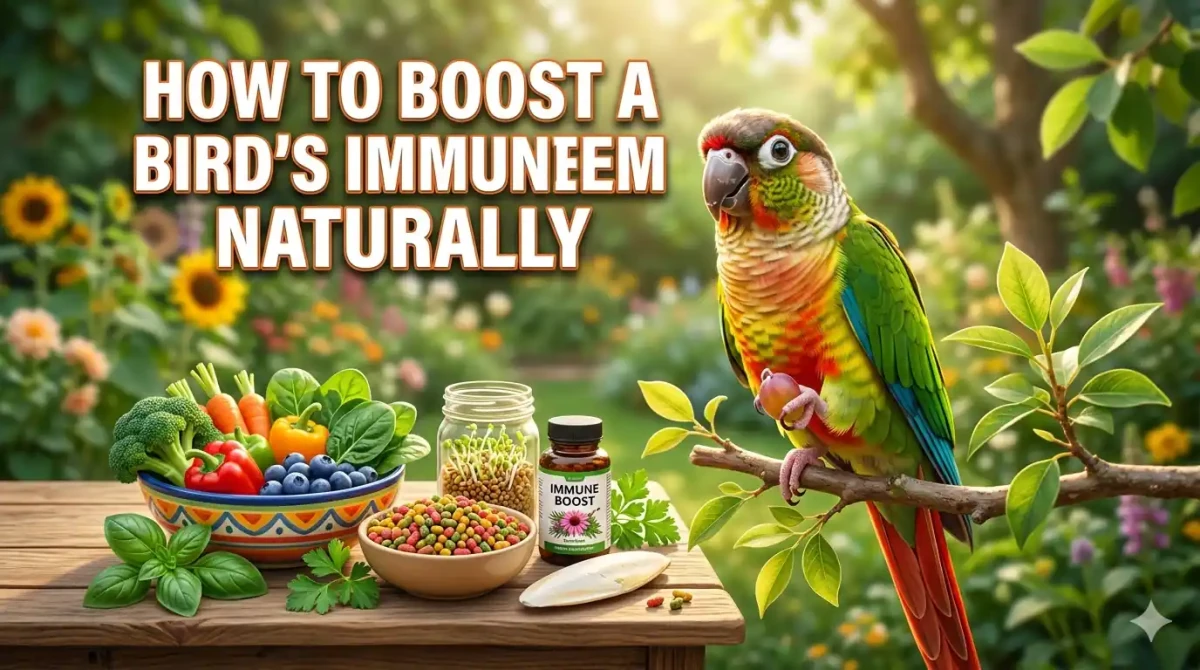
Why Supporting Your Bird's Immune System Is Essential for Lifelong Health
Your bird's immune system is their vital defense—a sophisticated network protecting against infections, healing injuries, and maintaining overall wellbeing. A resilient immune system helps your bird recover faster from illness, resist infections, and enjoy vibrant health throughout their potentially long lifespan (10-80 years depending on species). While you can't "supercharge" immunity overnight, evidence-based natural strategies focused on nutrition, environment, and preventive care can provide meaningful, lasting support.
Featured Snippet Answer: To boost your bird's immune system naturally: feed a species-appropriate diet (pellets as staple for parrots, quality seed mix for finches/canaries) with fresh vegetables and adequate vitamins; ensure excellent air quality, low stress, and proper light cycles; maintain preventive avian veterinary care; support gut health with vet-approved probiotics; and consider natural supplements like omega-3s or medicinal mushrooms under veterinary guidance. Always consult an avian veterinarian before adding supplements, especially for chicks, seniors, or birds with health conditions.
Many bird owners seek natural ways to support immunity, but the goal isn't to overstimulate the immune system—which can trigger inflammation or autoimmune issues—but to support its balanced, optimal function. Understanding how nutrition, environment, and lifestyle influence avian immune health empowers you to make informed choices that truly benefit your feathered companion.
This comprehensive guide provides evidence-based, avian-veterinarian-aligned strategies for naturally supporting your bird's immune system. You'll learn about avian immune fundamentals, nutritional foundations, stress management, supplement considerations, species-specific needs, and when to seek professional guidance. Whether you have a playful cockatiel, a social finch flock, or a wise senior parrot, you'll find practical, safe guidance to support their lifelong health.
Understanding the Avian Immune System: How It Works and What Supports It
Before implementing immune-support strategies, it's helpful to understand the basics of how your bird's immune system functions—and why birds have unique needs.
Key Components of Avian Immunity:
- Innate immunity: First-line defenses like skin, feathers, mucous membranes, and white blood cells that respond immediately to threats
- Adaptive immunity: Specialized responses (antibodies, T-cells) that "remember" specific pathogens for faster future responses
- Gut-associated lymphoid tissue (GALT): ~70% of the immune system resides in the gut; gut health directly impacts immune function
- Respiratory immunity: Birds have highly efficient but sensitive respiratory systems; air quality critically impacts immune health
- Feather and skin barriers: Preening maintains feather integrity, a critical first-line defense
- 🐾 Best Vitamins for Aquarium Fish: Expert Aquatic Nutrition Guide
- 🐾 Early Symptoms of Illness in Dogs Every Owner Should Know
- 🐾 Common Cat Health Problems and Prevention Tips
Why Birds Have Unique Immune Needs:
- High metabolic rate: Birds burn energy rapidly; immune function requires adequate nutrition and calories
- Sensitive respiratory system: Air sac system makes birds extremely vulnerable to airborne toxins, dust, and pathogens
- Hidden illness: Birds mask symptoms until conditions are advanced; proactive immune support is crucial
- Species variation: Parrots, finches, canaries, and softbills have distinct nutritional and environmental needs
- Stress sensitivity: Environmental changes, isolation, or handling stress can rapidly suppress avian immunity
- 🐾 Best Vitamins for Aquarium Fish: Expert Aquatic Nutrition Guide
- 🐾 Early Symptoms of Illness in Dogs Every Owner Should Know
- 🐾 Common Cat Health Problems and Prevention Tips
Factors That Influence Avian Immune Function:
- Nutrition: Species-appropriate diets with adequate protein, vitamins (A, D3, E), and minerals are essential for immune cell production
- Gut health: A balanced microbiome supports immune regulation; dysbiosis can trigger inflammation
- Air quality: Dust, fumes, aerosols, or poor ventilation directly impact respiratory and systemic immunity
- Stress levels: Changes in routine, new pets, loud noises, or isolation elevate corticosterone (avian stress hormone), suppressing immunity
- Light cycles: Proper photoperiod (10-12 hours light/dark) supports hormonal balance and immune function
- Sleep quality: Immune cells regenerate during restorative sleep; birds need 10-12 hours of darkness
- Age: Chicks have developing immune systems; seniors experience immunosenescence (age-related decline)
- Environmental exposures: Teflon fumes, heavy metals, or chronic infections can burden immune resources
- 🐾 Best Vitamins for Aquarium Fish: Expert Aquatic Nutrition Guide
- 🐾 Early Symptoms of Illness in Dogs Every Owner Should Know
- 🐾 Common Cat Health Problems and Prevention Tips
Featured Snippet Answer: A bird's immune system includes innate defenses (feathers, mucous membranes) and adaptive responses, with ~70% located in the gut. Birds have unique needs: high metabolism, sensitive respiratory systems, and species-specific requirements. Key influencers include nutrition, air quality, stress management, light cycles, sleep, age, and environment. Supporting these areas promotes balanced immune function.
Can I "boost" my bird's immune system with natural supplements?
Natural supplements can support immune function when used appropriately, but "boosting" isn't always the goal—balance is. Probiotics, omega-3s, and medicinal mushrooms have research-backed benefits for immune modulation in birds. However, always consult an avian veterinarian before adding supplements, as birds have unique metabolisms and some human supplements are toxic. Food-first, species-appropriate nutrition is safest for most birds.
Nutrition: The Foundation of Avian Immune Support

What you feed your bird directly impacts immune cell production, gut health, and inflammation control. Birds have species-specific nutritional requirements that must be met for optimal immune function.
Essential Nutrients for Avian Immune Function:
- Species-appropriate protein: Parrots need 12-16% protein from quality sources; finches/canaries thrive on seed-based protein; inadequate protein weakens antibody production
- Vitamin A: Critical for mucous membrane health (respiratory, digestive tracts); found in dark leafy greens, orange vegetables, pellets formulated for birds
- Vitamin D3: Supports calcium absorption and immune cell function; synthesized from UVB exposure or provided in pellets
- Vitamin E: Powerful antioxidant protecting immune cells; found in seeds, nuts, leafy greens
- Omega-3 fatty acids: Reduce inflammation, support cell membrane health; found in flax, chia, fish oil (bird-specific formulations)
- Calcium and phosphorus: Essential for bone health and immune cell signaling; provided via cuttlebone, mineral blocks, or balanced diets
- Prebiotic fiber: Feeds beneficial gut bacteria; found in vegetables, fruits, and quality pellets
- 🐾 Best Vitamins for Aquarium Fish: Expert Aquatic Nutrition Guide
- 🐾 Early Symptoms of Illness in Dogs Every Owner Should Know
- 🐾 Common Cat Health Problems and Prevention Tips
Species-Specific Dietary Strategies:
Parrots (Cockatiels, Conures, African Greys, etc.):
- Staple: High-quality pellets (60-80% of diet) formulated for species
- Fresh foods: Daily variety of bird-safe vegetables (kale, carrots, bell peppers) and limited fruits
- Seeds/nuts: Offer as treats/enrichment (10-20% of diet), not staple
- Calcium source: Cuttlebone or mineral block always available
- 🐾 Best Vitamins for Aquarium Fish: Expert Aquatic Nutrition Guide
- 🐾 Early Symptoms of Illness in Dogs Every Owner Should Know
- 🐾 Common Cat Health Problems and Prevention Tips
Finches and Canaries:
- Staple: High-quality species-specific seed mix (canary grass seed for canaries, millet for finches)
- Supplements: Fresh greens (kale, spinach), egg food during molting/breeding, cuttlebone
- Avoid: Over-reliance on fatty seeds; balance with pellets if recommended by avian vet
- 🐾 Best Vitamins for Aquarium Fish: Expert Aquatic Nutrition Guide
- 🐾 Early Symptoms of Illness in Dogs Every Owner Should Know
- 🐾 Common Cat Health Problems and Prevention Tips
Universal Nutrition Principles:
- Fresh water daily: Change water at least twice daily; use stainless steel or ceramic bowls
- Food hygiene: Remove uneaten fresh foods within 2-4 hours to prevent bacterial growth
- Variety matters: Rotate vegetables and fruits to provide diverse nutrients and reduce selective eating
- Avoid toxic foods: Avocado, chocolate, caffeine, alcohol, onion, garlic, fruit pits, salty/sugary snacks
- 🐾 Best Vitamins for Aquarium Fish: Expert Aquatic Nutrition Guide
- 🐾 Early Symptoms of Illness in Dogs Every Owner Should Know
- 🐾 Common Cat Health Problems and Prevention Tips
Immune-Supportive Foods to Include:
- Dark leafy greens: Kale, collards, dandelion greens (vitamin A, antioxidants)
- Orange vegetables: Carrots, sweet potato, pumpkin (beta-carotene for vitamin A conversion)
- Berries: Blueberries, raspberries (anthocyanins, antioxidants)
- Sprouted seeds: Increased nutrient bioavailability; excellent for finches/canaries
- Egg food: Cooked egg with shell (calcium) during molting/breeding for protein boost
- Quality pellets: Formulated to provide balanced nutrition for parrots
- 🐾 Best Vitamins for Aquarium Fish: Expert Aquatic Nutrition Guide
- 🐾 Early Symptoms of Illness in Dogs Every Owner Should Know
- 🐾 Common Cat Health Problems and Prevention Tips
Foods to Limit or Avoid:
- Excessive seeds for parrots: High-fat, low-nutrient; leads to obesity and deficiencies
- Toxic human foods: Avocado, chocolate, caffeine, alcohol, xylitol, onion, garlic
- Salty/sugary snacks: Disrupt nutrient balance and promote inflammation
- Raw diets without guidance: Risk of bacterial contamination; consult avian vet before transitioning
- Seed-only diets for parrots: Lack essential vitamins/minerals; not nutritionally complete
- 🐾 Best Vitamins for Aquarium Fish: Expert Aquatic Nutrition Guide
- 🐾 Early Symptoms of Illness in Dogs Every Owner Should Know
- 🐾 Common Cat Health Problems and Prevention Tips
Hydration and Humidity for Immune Support:
- Why hydration matters: Adequate water supports lymphatic circulation, toxin elimination, and mucous membrane health
- Strategies: Offer fresh water daily; mist birds (if they enjoy it); provide bathing opportunities
- Humidity considerations: Maintain 40-60% humidity for respiratory health; use humidifier in dry climates
- Monitor intake: Sudden changes in drinking can signal health issues; consult avian vet if concerned
- 🐾 Best Vitamins for Aquarium Fish: Expert Aquatic Nutrition Guide
- 🐾 Early Symptoms of Illness in Dogs Every Owner Should Know
- 🐾 Common Cat Health Problems and Prevention Tips
Featured Snippet Answer: Support your bird's immune system through nutrition: feed species-appropriate diets (pellets for parrots, quality seed mix for finches/canaries) with fresh vegetables, adequate vitamins A/D3/E, and omega-3s. Include immune-supportive foods like kale, carrots, and berries. Avoid toxic foods and excessive seeds for parrots. Always provide fresh water and maintain proper humidity for respiratory health.
Natural Supplements for Immune Support: Evidence-Based Options for Birds

While food should be the foundation, certain natural supplements may provide additional immune support when used appropriately under avian veterinary guidance.
Probiotics and Prebiotics:
- How they help: Support gut microbiome balance, which regulates ~70% of immune function; reduce inflammation and support barrier integrity
- Evidence: Studies show specific avian probiotic strains can enhance immune response and reduce digestive issues
- Usage: Choose bird-specific probiotics with guaranteed CFU counts; introduce gradually with food
- Safety: Generally safe; consult avian vet for immunocompromised birds or those with chronic conditions
- 🐾 Best Vitamins for Aquarium Fish: Expert Aquatic Nutrition Guide
- 🐾 Early Symptoms of Illness in Dogs Every Owner Should Know
- 🐾 Common Cat Health Problems and Prevention Tips
Omega-3 Fatty Acids:
- How they help: EPA/DHA reduce inflammatory cytokines, support cell membrane integrity, and modulate immune response
- Evidence: Research supports benefits for inflammatory conditions, feather health, and immune modulation in birds
- Usage: Use bird-specific formulations (flax oil, fish oil); typical dose vet-guided based on species/size
- Safety: High doses may affect clotting; consult vet if bird is on medications
- 🐾 Best Vitamins for Aquarium Fish: Expert Aquatic Nutrition Guide
- 🐾 Early Symptoms of Illness in Dogs Every Owner Should Know
- 🐾 Common Cat Health Problems and Prevention Tips
Medicinal Mushrooms:
- How they help: Beta-glucans in reishi, turkey tail, and maitake modulate immune activity without overstimulation
- Evidence: Emerging research shows immune-modulating effects in avian species
- Usage: Choose extracts from reputable brands formulated for birds; follow vet-recommended dosing
- Safety: Generally well-tolerated; avoid wild-foraged mushrooms (toxicity risk)
- 🐾 Best Vitamins for Aquarium Fish: Expert Aquatic Nutrition Guide
- 🐾 Early Symptoms of Illness in Dogs Every Owner Should Know
- 🐾 Common Cat Health Problems and Prevention Tips
Vitamin/Mineral Supplements:
- How they help: Address specific deficiencies (vitamin A for respiratory health, calcium for bone/immune function)
- Evidence: Correcting documented deficiencies improves immune parameters
- Usage: Supplement only if deficiency is confirmed or vet-recommended; prefer food sources first
- Safety: Fat-soluble vitamins (A, D, E, K) can accumulate to toxic levels; avoid megadoses
- 🐾 Best Vitamins for Aquarium Fish: Expert Aquatic Nutrition Guide
- 🐾 Early Symptoms of Illness in Dogs Every Owner Should Know
- 🐾 Common Cat Health Problems and Prevention Tips
Herbal Supports (Use with Extreme Caution):
- Echinacea, astragalus: Traditional immune supports; limited avian research
- Usage: Only under guidance of avian veterinarian or veterinary herbalist
- Safety: Many herbs are toxic to birds; never use human herbal products without professional guidance
- 🐾 Best Vitamins for Aquarium Fish: Expert Aquatic Nutrition Guide
- 🐾 Early Symptoms of Illness in Dogs Every Owner Should Know
- 🐾 Common Cat Health Problems and Prevention Tips
Supplement Safety Guidelines for Birds:
- Consult an avian veterinarian first: Especially for chicks, seniors, breeding birds, or those with health conditions
- Choose avian-formulated products: Look for products specifically designed for birds; avoid human or dog/cat supplements
- Avoid toxic ingredients: Many human supplements contain xylitol, artificial sweeteners, or unsafe doses for birds
- Start low, go slow: Introduce one supplement at a time to monitor tolerance
- Track responses: Note changes in appetite, feather condition, droppings, or behavior
- 🐾 Best Vitamins for Aquarium Fish: Expert Aquatic Nutrition Guide
- 🐾 Early Symptoms of Illness in Dogs Every Owner Should Know
- 🐾 Common Cat Health Problems and Prevention Tips
Featured Snippet Answer: Evidence-based natural immune supplements for birds include probiotics (gut-immune axis), omega-3s (anti-inflammatory), and medicinal mushrooms (immune modulation). Always consult an avian veterinarian before adding supplements, choose avian-formulated products, and introduce one at a time. Food-first, species-appropriate nutrition is safest for most birds.
Environmental Factors: Creating an Immune-Supportive Aviary

Your bird's environment profoundly influences immune function through air quality, stress levels, and daily habits. Birds are exceptionally sensitive to environmental changes.
Air Quality: Critical for Avian Respiratory Health
- Why it matters: Birds have highly efficient air sac systems that make them extremely vulnerable to airborne toxins
- Avoid:
- Teflon/non-stick cookware fumes (fatal to birds at high temperatures)
- Aerosols, air fresheners, scented candles, or essential oil diffusers
- Cigarette smoke, incense, or strong chemical cleaners
- Heavy dust from substrates, powders, or construction
- 🐾 Best Vitamins for Aquarium Fish: Expert Aquatic Nutrition Guide
- 🐾 Early Symptoms of Illness in Dogs Every Owner Should Know
- 🐾 Common Cat Health Problems and Prevention Tips
- Support:
- Use HEPA air purifiers to reduce airborne particles
- Ensure good ventilation without drafts
- Clean cages with bird-safe, fragrance-free cleaners (vinegar-water solution)
- Choose low-dust bedding and litter
- 🐾 Best Vitamins for Aquarium Fish: Expert Aquatic Nutrition Guide
- 🐾 Early Symptoms of Illness in Dogs Every Owner Should Know
- 🐾 Common Cat Health Problems and Prevention Tips
- 🐾 Best Vitamins for Aquarium Fish: Expert Aquatic Nutrition Guide
- 🐾 Early Symptoms of Illness in Dogs Every Owner Should Know
- 🐾 Common Cat Health Problems and Prevention Tips
Stress Management: Calm Supports Immunity
- How stress affects birds: Environmental changes, isolation, loud noises, or predators (other pets) elevate corticosterone, suppressing white blood cell function
- Reduce stressors:
- Maintain predictable routines for feeding, lighting, and interaction
- Provide safe hiding spaces and vertical territory
- Minimize sudden changes; introduce new items/people gradually
- Keep cage in a social but not chaotic area of the home
- 🐾 Best Vitamins for Aquarium Fish: Expert Aquatic Nutrition Guide
- 🐾 Early Symptoms of Illness in Dogs Every Owner Should Know
- 🐾 Common Cat Health Problems and Prevention Tips
- Enrichment matters:
- Daily foraging opportunities (puzzle feeders, hidden treats)
- Varied perches (natural wood, different diameters) for foot health
- Safe chewing/shredding toys to satisfy natural behaviors
- Interactive play and training sessions for mental stimulation
- 🐾 Best Vitamins for Aquarium Fish: Expert Aquatic Nutrition Guide
- 🐾 Early Symptoms of Illness in Dogs Every Owner Should Know
- 🐾 Common Cat Health Problems and Prevention Tips
- 🐾 Best Vitamins for Aquarium Fish: Expert Aquatic Nutrition Guide
- 🐾 Early Symptoms of Illness in Dogs Every Owner Should Know
- 🐾 Common Cat Health Problems and Prevention Tips
Light Cycles and Sleep: Hormonal and Immune Balance
- Why it matters: Proper photoperiod regulates hormones, molting, reproduction, and immune function
- Recommended: 10-12 hours of uninterrupted darkness for sleep; consistent light/dark cycles
- Support quality sleep:
- Cover cage or use sleep cage in quiet, dark area
- Maintain consistent bedtime routines
- Avoid nighttime disturbances (TV, lights, noise)
- 🐾 Best Vitamins for Aquarium Fish: Expert Aquatic Nutrition Guide
- 🐾 Early Symptoms of Illness in Dogs Every Owner Should Know
- 🐾 Common Cat Health Problems and Prevention Tips
- UVB lighting:
- Essential for vitamin D3 synthesis in birds without outdoor access
- Use avian-specific UVB bulbs; replace per manufacturer schedule (typically every 6-12 months)
- Position per manufacturer guidelines; avoid glass/plastic filtering UVB
- 🐾 Best Vitamins for Aquarium Fish: Expert Aquatic Nutrition Guide
- 🐾 Early Symptoms of Illness in Dogs Every Owner Should Know
- 🐾 Common Cat Health Problems and Prevention Tips
- 🐾 Best Vitamins for Aquarium Fish: Expert Aquatic Nutrition Guide
- 🐾 Early Symptoms of Illness in Dogs Every Owner Should Know
- 🐾 Common Cat Health Problems and Prevention Tips
Cage Hygiene and Setup
- Daily: Remove soiled food/water, spot-clean droppings, refresh water
- Weekly: Deep clean cage with bird-safe cleaner; disinfect perches, toys, bowls
- Bar spacing: Ensure appropriate spacing to prevent injury or escape
- Perch variety: Natural wood perches of varying diameters support foot health and reduce pressure sores
- Toy rotation: Rotate toys weekly to maintain novelty and prevent boredom
- 🐾 Best Vitamins for Aquarium Fish: Expert Aquatic Nutrition Guide
- 🐾 Early Symptoms of Illness in Dogs Every Owner Should Know
- 🐾 Common Cat Health Problems and Prevention Tips
Featured Snippet Answer: Create an immune-supportive environment for birds: ensure excellent air quality (avoid Teflon fumes, aerosols, smoke), manage stress with predictable routines and enrichment, maintain proper light cycles (10-12 hours darkness), and practice consistent cage hygiene. Use HEPA air purifiers, provide UVB lighting if no outdoor access, and rotate toys for mental stimulation.
Preventive Avian Veterinary Care: The Immune System's Safety Net

Professional preventive care works synergistically with home strategies to protect avian immune health.
Wellness Exams: Early Detection
- Annual checkups: Allow avian vets to assess immune-related markers (weight, feather condition, droppings, blood work)
- Senior birds: Biannual exams catch age-related immune decline early
- Blood work: Baseline and periodic testing identifies subtle changes before symptoms appear
- Fecal testing: Annual screening catches intestinal parasites before they burden the immune system
- 🐾 Best Vitamins for Aquarium Fish: Expert Aquatic Nutrition Guide
- 🐾 Early Symptoms of Illness in Dogs Every Owner Should Know
- 🐾 Common Cat Health Problems and Prevention Tips
Vaccinations: Species-Specific Considerations
- Parrots: Most pet parrots don't require routine vaccines; polyomavirus vaccine may be recommended for breeding birds or multi-bird households
- Poultry/backyard birds: Vaccines for Marek's disease, Newcastle disease may be recommended based on location/exposure
- Discuss with your avian vet: Vaccine needs depend on species, lifestyle, and local disease risks
- 🐾 Best Vitamins for Aquarium Fish: Expert Aquatic Nutrition Guide
- 🐾 Early Symptoms of Illness in Dogs Every Owner Should Know
- 🐾 Common Cat Health Problems and Prevention Tips
Parasite Prevention: Reducing Immune Burden
- Why it matters: Parasites (mites, lice, intestinal worms) divert immune resources and cause inflammation
- Prevention: Quarantine new birds for 30-45 days with veterinary screening; maintain clean cage environment
- Regular screening: Annual fecal exams; skin scrapings if mites/lice suspected
- Treatment: Use only avian-safe medications prescribed by your avian vet
- 🐾 Best Vitamins for Aquarium Fish: Expert Aquatic Nutrition Guide
- 🐾 Early Symptoms of Illness in Dogs Every Owner Should Know
- 🐾 Common Cat Health Problems and Prevention Tips
Beak, Nail, and Feather Care
- Beak health: Overgrown or misaligned beaks can impair eating and increase infection risk; trim as needed by professional
- Nail care: Overgrown nails can cause foot injuries; trim regularly or provide abrasive perches
- Feather health: Regular preening maintains feather integrity; address feather-destructive behavior promptly
- 🐾 Best Vitamins for Aquarium Fish: Expert Aquatic Nutrition Guide
- 🐾 Early Symptoms of Illness in Dogs Every Owner Should Know
- 🐾 Common Cat Health Problems and Prevention Tips
Featured Snippet Answer: Support immune health through preventive avian veterinary care: schedule annual wellness exams, discuss species-appropriate vaccination needs, maintain parasite prevention through quarantine and screening, and address beak/nail/feather care. These measures reduce immune burden from preventable issues and enable early detection of problems.
Age-Specific Immune Support Strategies for Birds

Immune needs evolve throughout a bird's life. Tailor your approach to your bird's life stage and species.
Chicks and Juveniles (Under 1 Year): Building Immune Foundations
- Nutrition: Species-appropriate hand-feeding formula or high-quality starter diet; adequate protein for growth and immune development
- Hygiene: Meticulous feeding equipment sanitation to prevent bacterial/fungal infections
- Controlled exposure: Gradual introduction to household sounds, people, and environments to build resilience
- Preventive care: Initial wellness exam; discuss vaccination needs with avian vet
- Avoid stress: Minimize handling stress; provide warmth and security
- 🐾 Best Vitamins for Aquarium Fish: Expert Aquatic Nutrition Guide
- 🐾 Early Symptoms of Illness in Dogs Every Owner Should Know
- 🐾 Common Cat Health Problems and Prevention Tips
Adult Birds (1-15+ Years Depending on Species): Maintaining Peak Immune Function
- Nutrition: Maintain species-appropriate balanced diet; ensure adequate vitamins A, D3, E
- Preventive care: Annual wellness exams, fecal testing, beak/nail maintenance
- Stress management: Maintain routines; provide enrichment to prevent boredom-related stress
- Monitor weight: Regular weighing detects early health changes; maintain ideal body condition
- Hydration and humidity: Ensure fresh water and appropriate humidity for respiratory health
- 🐾 Best Vitamins for Aquarium Fish: Expert Aquatic Nutrition Guide
- 🐾 Early Symptoms of Illness in Dogs Every Owner Should Know
- 🐾 Common Cat Health Problems and Prevention Tips
Senior Birds (15+ Years for Small Parrots, 25+ for Large Parrots, 3+ for Finches): Supporting Aging Immunity
- Nutrition adjustments: May need adjusted protein, enhanced antioxidants, easier-to-chew foods; ensure vitamin adequacy
- Enhanced monitoring: Biannual vet exams; blood work to detect early immune-related changes
- Gentle enrichment: Maintain mental stimulation with low-stress foraging; avoid joint stress
- Comfort prioritization: Easy-access perches, stable temperatures, reduced environmental stressors
- Targeted support: Discuss vet-approved options like omega-3s or probiotics for age-related support
- 🐾 Best Vitamins for Aquarium Fish: Expert Aquatic Nutrition Guide
- 🐾 Early Symptoms of Illness in Dogs Every Owner Should Know
- 🐾 Common Cat Health Problems and Prevention Tips
Species-Specific Considerations:
- Parrots: Prone to behavioral stress; prioritize enrichment and social interaction
- Finches/Canaries: Sensitive to air quality; prioritize low-dust environment and ventilation
- Softbills: Specialized nutritional needs; work with avian vet on diet formulation
- 🐾 Best Vitamins for Aquarium Fish: Expert Aquatic Nutrition Guide
- 🐾 Early Symptoms of Illness in Dogs Every Owner Should Know
- 🐾 Common Cat Health Problems and Prevention Tips
Featured Snippet Answer: Tailor immune support to life stage: chicks need species-appropriate nutrition, hygiene, and gradual socialization; adults benefit from balanced diet, preventive care, and stress management; seniors need adjusted nutrition, enhanced monitoring, and comfort-focused care. Consider species-specific needs: parrots need enrichment, finches need air quality focus. Consult an avian vet for age-appropriate strategies.
Recognizing Signs of Immune Compromise in Birds

Birds are masters at hiding illness. Early recognition of immune-related issues enables prompt intervention.
Warning Signs to Monitor:
- Changes in droppings: Color, consistency, frequency, or volume changes can signal digestive or systemic issues
- Respiratory signs: Sneezing, nasal discharge, tail bobbing with breathing, open-mouth breathing
- Feather changes: Dull, brittle, or plucked feathers; abnormal molting patterns
- Appetite or weight changes: Reduced eating, weight loss, or sudden weight gain
- Lethargy or weakness: Fluffed posture, sitting on cage bottom, reluctance to fly or perch
- Behavioral changes: Increased aggression, fearfulness, vocalization changes, or withdrawal
- Recurrent infections: Frequent respiratory issues, skin problems, or slow-healing wounds
- Poor preening: Neglecting feather care can signal illness or pain
- 🐾 Best Vitamins for Aquarium Fish: Expert Aquatic Nutrition Guide
- 🐾 Early Symptoms of Illness in Dogs Every Owner Should Know
- 🐾 Common Cat Health Problems and Prevention Tips
When to Consult an Avian Veterinarian:
- Any persistent or worsening symptoms from the list above
- Sudden changes in behavior, appetite, droppings, or energy
- Before starting any new supplement or major diet change
- If your bird has a known immune-mediated condition or chronic illness
- After potential toxin exposure (Teflon fumes, aerosols, etc.)
- 🐾 Best Vitamins for Aquarium Fish: Expert Aquatic Nutrition Guide
- 🐾 Early Symptoms of Illness in Dogs Every Owner Should Know
- 🐾 Common Cat Health Problems and Prevention Tips
Diagnostic Tools Your Avian Vet May Use:
- Blood work: CBC, chemistry panel to assess white blood cell counts, organ function, inflammation markers
- Fecal testing: Screens for intestinal parasites, bacterial overgrowth, or yeast
- Choanal/cloacal swabs: PCR testing for viral or bacterial pathogens
- Imaging: Radiographs or ultrasound if internal issues are suspected
- Culture/sensitivity: Identifies specific pathogens and effective treatments
- 🐾 Best Vitamins for Aquarium Fish: Expert Aquatic Nutrition Guide
- 🐾 Early Symptoms of Illness in Dogs Every Owner Should Know
- 🐾 Common Cat Health Problems and Prevention Tips
Featured Snippet Answer: Watch for signs of immune compromise in birds: changes in droppings, respiratory signs, feather changes, appetite/weight changes, lethargy, or behavioral shifts. Birds hide illness well—consult an avian veterinarian promptly for persistent symptoms, before starting supplements, or after potential toxin exposure. Early intervention improves outcomes.
Common Mistakes That Undermine Avian Immune Health

Even well-intentioned owners can inadvertently compromise immune function. Avoid these pitfalls specific to birds:
Mistake 1: Over-Supplementing Without Guidance
- Problem: Megadoses of vitamins (especially A, D) or human supplements can cause toxicity; birds have unique metabolisms
- Solution: Consult an avian veterinarian before adding supplements; prioritize species-appropriate, balanced nutrition
- 🐾 Best Vitamins for Aquarium Fish: Expert Aquatic Nutrition Guide
- 🐾 Early Symptoms of Illness in Dogs Every Owner Should Know
- 🐾 Common Cat Health Problems and Prevention Tips
Mistake 2: Poor Air Quality Management
- Problem: Teflon fumes, aerosols, smoke, or dust directly damage sensitive avian respiratory systems and suppress immunity
- Solution: Eliminate airborne toxins; use HEPA filters; ensure good ventilation without drafts
- 🐾 Best Vitamins for Aquarium Fish: Expert Aquatic Nutrition Guide
- 🐾 Early Symptoms of Illness in Dogs Every Owner Should Know
- 🐾 Common Cat Health Problems and Prevention Tips
Mistake 3: Chronic Stress or Environmental Instability
- Problem: Birds are highly sensitive to changes; unpredictable routines, isolation, or loud environments elevate corticosterone and suppress immunity
- Solution: Maintain consistent routines, provide safe hiding spaces, and introduce changes gradually
- 🐾 Best Vitamins for Aquarium Fish: Expert Aquatic Nutrition Guide
- 🐾 Early Symptoms of Illness in Dogs Every Owner Should Know
- 🐾 Common Cat Health Problems and Prevention Tips
Mistake 4: Inappropriate Diet
- Problem: Seed-only diets for parrots lack essential vitamins; unbalanced diets cause deficiencies that weaken immunity
- Solution: Feed species-appropriate diets: pellets as staple for parrots, quality seed mix for finches/canaries, with fresh vegetables
- 🐾 Best Vitamins for Aquarium Fish: Expert Aquatic Nutrition Guide
- 🐾 Early Symptoms of Illness in Dogs Every Owner Should Know
- 🐾 Common Cat Health Problems and Prevention Tips
Mistake 5: Overlooking Preventive Care
- Problem: Skipping wellness exams or parasite screening allows preventable issues to burden the immune system
- Solution: Follow your avian veterinarian's preventive care recommendations consistently
- 🐾 Best Vitamins for Aquarium Fish: Expert Aquatic Nutrition Guide
- 🐾 Early Symptoms of Illness in Dogs Every Owner Should Know
- 🐾 Common Cat Health Problems and Prevention Tips
Mistake 6: Expecting Quick Fixes
- Problem: Immune support is a long-term commitment; no single supplement or food provides instant results
- Solution: Focus on consistent, holistic care; track progress over weeks to months
- 🐾 Best Vitamins for Aquarium Fish: Expert Aquatic Nutrition Guide
- 🐾 Early Symptoms of Illness in Dogs Every Owner Should Know
- 🐾 Common Cat Health Problems and Prevention Tips
Featured Snippet Answer: Avoid immune-undermining mistakes for birds: don't over-supplement without avian vet guidance, ensure excellent air quality (avoid Teflon, aerosols, smoke), manage stress with consistent routines, feed species-appropriate diets, stay current on preventive care, and expect gradual progress. Consistent, holistic care yields the best immune support.
Integrative Approaches: Combining Conventional and Holistic Care for Birds

Many owners benefit from integrating conventional avian medicine with complementary approaches tailored to avian needs.
Evidence-Informed Complementary Options:
- Acupuncture: May support immune regulation and reduce inflammation; seek certified veterinary acupuncturists experienced with birds
- Herbal medicine: Certain herbs have immune-modulating properties; use only under guidance of avian veterinarian or veterinary herbalist
- Physical therapy: Supports mobility and reduces inflammation in birds with joint issues
- Environmental enrichment: Foraging toys, natural perches, and social interaction reduce stress and support immune function
- Calming supports: Species-appropriate pheromones or calming herbs (under vet guidance) may reduce stress
- 🐾 Best Vitamins for Aquarium Fish: Expert Aquatic Nutrition Guide
- 🐾 Early Symptoms of Illness in Dogs Every Owner Should Know
- 🐾 Common Cat Health Problems and Prevention Tips
Keys to Safe Integration for Birds:
- Open communication: Inform all providers (conventional and complementary) about treatments your bird receives
- Evidence focus: Prioritize approaches with research support or clinical experience in birds
- Individualization: What works for one bird may not suit another; tailor to your bird's species, personality, and needs
- Monitor responses: Track changes in droppings, appetite, feather condition, or behavior; adjust as needed
- Respect avian sensitivity: Birds may be more reactive to interventions; introduce changes gradually
- 🐾 Best Vitamins for Aquarium Fish: Expert Aquatic Nutrition Guide
- 🐾 Early Symptoms of Illness in Dogs Every Owner Should Know
- 🐾 Common Cat Health Problems and Prevention Tips
When to Seek an Integrative Avian Veterinarian:
- Your bird has complex or chronic health issues
- You're interested in combining conventional and complementary approaches
- Standard treatments haven't provided desired results
- You want personalized guidance on natural immune support
- 🐾 Best Vitamins for Aquarium Fish: Expert Aquatic Nutrition Guide
- 🐾 Early Symptoms of Illness in Dogs Every Owner Should Know
- 🐾 Common Cat Health Problems and Prevention Tips
Featured Snippet Answer: Integrative immune support for birds combines conventional avian veterinary care with evidence-informed complementary approaches like acupuncture, veterinary herbalism, or environmental enrichment. Always ensure providers communicate, prioritize evidence-based options, and tailor care to your bird's individual sensitivity and species needs. Consult an integrative avian veterinarian for complex cases.
Quick Recap: Key Takeaways for Naturally Supporting Your Bird's Immune System

- Foundation first: Feed a species-appropriate diet (pellets for parrots, quality seed mix for finches/canaries) with fresh vegetables and adequate vitamins
- Ensure excellent air quality: Avoid Teflon fumes, aerosols, smoke, and dust; use HEPA filters and good ventilation
- Manage stress: Maintain predictable routines, provide safe hiding spaces, and introduce changes gradually
- Support gut health: Include vet-approved probiotics and species-appropriate fiber for immune regulation
- Maintain proper light cycles: 10-12 hours of darkness for sleep; provide UVB lighting if no outdoor access
- Provide enrichment: Foraging opportunities, varied perches, and mental stimulation reduce stress and support wellbeing
- Stay current on preventive care: Annual wellness exams, parasite screening, and beak/nail care reduce immune burden
- Ensure hydration and humidity: Fresh water daily; maintain 40-60% humidity for respiratory health
- Consult an avian veterinarian before adding supplements: Choose avian-formulated products and introduce one at a time
- Monitor for warning signs: Changes in droppings, respiratory signs, feather condition, or behavior warrant veterinary evaluation
- 🐾 Best Vitamins for Aquarium Fish: Expert Aquatic Nutrition Guide
- 🐾 Early Symptoms of Illness in Dogs Every Owner Should Know
- 🐾 Common Cat Health Problems and Prevention Tips
Final Thoughts: Patience, Observation, and Partnership

Supporting your bird's immune system naturally isn't about quick fixes or miracle supplements—it's about consistent, compassionate care that honors their unique physiology and sensitivity. Immune health emerges from the synergy of species-appropriate nutrition, excellent air quality, stress-free environment, preventive care, and veterinary partnership.
Remember that every bird is unique. What supports one bird's immunity may need adjustment for another. Stay observant: your bird's droppings, feather condition, appetite, and behavior provide constant feedback about their wellbeing. Stay flexible: be willing to adapt strategies based on what you learn. Stay partnered: your avian veterinarian is your ally in navigating immune health, especially for complex cases.
With knowledge, patience, and holistic care, you can help your bird build resilient immunity that supports a vibrant, joyful life. Every balanced meal, every peaceful sleep, every stress-reducing interaction is an investment in their long-term health. Celebrate the small wins, trust the process, and enjoy the journey of caring for your feathered companion.
When in doubt, consult an avian veterinarian. They know your bird's history, can assess individual needs, and provide personalized guidance that generic advice cannot. Together, you can create a care plan that supports your bird's immune health for years to come.

0 Comments