.png)
Signs of a Healthy Pet Bird Every Owner Should Know
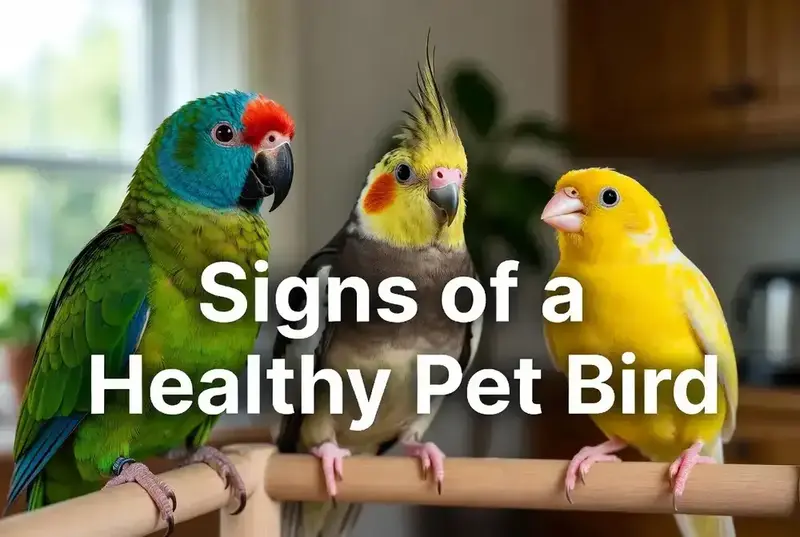
Recognizing the signs of a healthy pet bird is one of the most critical skills every bird owner must develop. Birds are masters at hiding illness—a survival instinct from their wild ancestors—making it essential for owners to understand what normal health looks like. From bright, alert eyes and smooth, well-preened feathers to consistent appetite and normal droppings, healthy birds display clear indicators that attentive owners can learn to identify. This comprehensive guide covers all the essential signs of avian wellness, empowering you to monitor your bird's health confidently at home and detect problems early when treatment is most effective. Whether you care for a parrot, cockatiel, canary, or finch in the USA, understanding these health indicators is fundamental to providing excellent care.
Why Recognizing Healthy Bird Signs Matters
Understanding what a healthy bird looks and behaves like isn't just about peace of mind—it's a critical component of preventive veterinary care and can literally save your bird's life. Birds cannot verbally communicate discomfort, pain, or illness, so they rely entirely on observant owners to notice subtle changes that may signal health problems. Early detection of issues like respiratory infections, nutritional deficiencies, or organ disease dramatically improves treatment outcomes and can extend your bird's life by years.
The Bird's Instinct to Hide Illness
In the wild, showing weakness makes animals vulnerable to predators. Pet birds retain this powerful survival instinct, often masking symptoms until illness becomes severe and life-threatening. A bird may continue eating, singing, and appearing relatively normal even while experiencing significant internal disease. This evolutionary trait means owners must be proactive in monitoring health indicators rather than waiting for obvious signs of sickness.
By learning the baseline signs of health for your individual bird, you create a reference point for detecting deviations. What's normal for one bird may differ from another, so establishing your bird's personal "healthy" profile is essential for effective health monitoring. This includes knowing their normal weight, typical droppings appearance, usual activity level, and characteristic vocalizations.
Benefits of Regular Health Observation
Consistent observation of your bird's health signs provides multiple advantages:
- Early problem detection: Catching issues like weight loss, respiratory problems, or behavioral changes early allows for simpler, less expensive treatment with better outcomes
- Reduced veterinary costs: Preventive care and early intervention cost far less than emergency treatment for advanced disease
- Stronger human-animal bond: Regular health checks during interaction deepen your connection and trust with your bird
- Peace of mind: Knowing your bird is healthy reduces anxiety and helps you enjoy your time together
- Better veterinary visits: When you can describe specific changes in behavior, droppings, or appearance, your avian veterinarian can diagnose more accurately and quickly
- Extended lifespan: Birds receiving prompt care for health issues typically live longer, healthier lives
- 🐾 How to Boost a Bird's Immune System Naturally: Expert Avian Veterinary Guide
- 🐾 Cat Digestive Health Guide for Beginners Complete Care
- 🐾 Best Vitamins for Small Pets: Expert Exotic Veterinary Guide
Physical Signs of a Healthy Pet Bird
Physical indicators provide the most visible evidence of your bird's health status. Regular examination of these features helps you establish what normal looks like for your feathered companion and detect problems early.
Eyes: Bright, Clear, and Alert
A healthy bird's eyes are one of the first indicators of good health. They should be:
- Bright and clear: No cloudiness, film, or discharge. The eye should appear vibrant and alert
- Fully open: Both eyes should be wide open during waking hours. Half-closed or squinting eyes indicate illness or pain
- Equal in size: Both eyes should appear symmetrical
- Free of discharge: No watery, mucous, or pus-like discharge
- Responsive to light: Pupils should constrict and dilate normally in response to light changes
- Clean surrounding area: No swelling, redness, or crusting around the eyes
- 🐾 How to Boost a Bird's Immune System Naturally: Expert Avian Veterinary Guide
- 🐾 Cat Digestive Health Guide for Beginners Complete Care
- 🐾 Best Vitamins for Small Pets: Expert Exotic Veterinary Guide
Check your bird's eyes daily during interaction. Note any changes in appearance, excessive blinking, or sensitivity to light. Species like cockatiels naturally have a white eye ring, while other species have different normal eye characteristics—know what's normal for your specific bird.
Feathers: Smooth, Clean, and Well-Maintained
Feather condition is perhaps the most visible indicator of overall health. Healthy birds display:
- Smooth, sleek appearance: Feathers should lie flat against the body (except when fluffed for warmth or sleep)
- Bright, vibrant color: Colors should be vivid and species-appropriate. Dull or faded feathers may indicate nutritional deficiencies or illness
- Complete feather coverage: No bald patches except in species-specific areas (some birds have naturally bare patches)
- Regular preening: Healthy birds spend significant time grooming their feathers throughout the day
- No stress bars: Feathers should be smooth without horizontal lines indicating growth interruption from stress or illness
- Intact feathers: No excessive breakage, fraying, or damage
- 🐾 How to Boost a Bird's Immune System Naturally: Expert Avian Veterinary Guide
- 🐾 Cat Digestive Health Guide for Beginners Complete Care
- 🐾 Best Vitamins for Small Pets: Expert Exotic Veterinary Guide
During molting (feather replacement), some fluffiness and pin feathers (new growing feathers encased in waxy sheaths) are normal. However, prolonged molting, excessive feather loss, or bare skin indicates problems requiring veterinary attention.
Beak: Smooth, Symmetrical, and Functional
A healthy beak is essential for eating, preening, and climbing. Normal beak characteristics include:
- Smooth surface: No cracks, pits, or rough patches
- Symmetrical alignment: Upper and lower beak should align properly
- Appropriate length: Not overgrown or excessively worn
- Normal color: Species-appropriate coloration without unusual discoloration
- No discharge: Clean with no food accumulation or nasal discharge
- Functional: Bird should eat, preen, and manipulate objects normally
- 🐾 How to Boost a Bird's Immune System Naturally: Expert Avian Veterinary Guide
- 🐾 Cat Digestive Health Guide for Beginners Complete Care
- 🐾 Best Vitamins for Small Pets: Expert Exotic Veterinary Guide
Beaks grow continuously and wear down through normal use. Provide cuttlebone, mineral blocks, and wooden toys for natural beak maintenance. Overgrowth, deformities, or discoloration warrant veterinary evaluation.
Nostrils (Nares): Clean and Clear
Healthy nostrils are critical for proper breathing:
- Clean and dry: No discharge, crusting, or food particles
- Equal size: Both nares should appear symmetrical
- Clear openings: No blockage or swelling
- No bubbles: Absence of fluid or mucus
- Quiet breathing: No wheezing, clicking, or labored sounds
- 🐾 How to Boost a Bird's Immune System Naturally: Expert Avian Veterinary Guide
- 🐾 Cat Digestive Health Guide for Beginners Complete Care
- 🐾 Best Vitamins for Small Pets: Expert Exotic Veterinary Guide
Check nostrils daily, especially during eating and activity. Any discharge, swelling, or breathing difficulty requires immediate veterinary attention as respiratory issues can deteriorate rapidly in birds.
Feet and Legs: Strong and Healthy
Feet and legs should be:
- Smooth scales: No raised, flaky, or crusty scales (which can indicate mites)
- Normal color: Species-appropriate coloration without redness or swelling
- Proper nail length: Nails shouldn't be overgrown or curled
- Strong grip: Bird should perch confidently without slipping
- No swelling: Joints should appear normal without enlargement
- Even weight distribution: Bird should stand evenly on both feet
- 🐾 How to Boost a Bird's Immune System Naturally: Expert Avian Veterinary Guide
- 🐾 Cat Digestive Health Guide for Beginners Complete Care
- 🐾 Best Vitamins for Small Pets: Expert Exotic Veterinary Guide
Provide varied perch diameters and textures to maintain foot health. Smooth, uniform perches can cause pressure sores and arthritis.
Body Condition and Weight
Maintaining ideal body condition is crucial for long-term health. Assess your bird using these guidelines:
- Breast muscle: Feel the breastbone (keel). Muscle should be firm and rounded on either side, not bony or excessively fatty
- Weight stability: Adult birds should maintain consistent weight. Weigh your bird 2-3 times weekly using a gram scale
- Body shape: Should appear proportionate, not emaciated or obese
- Active and agile: Should move, climb, and fly (if capable) without difficulty
- 🐾 How to Boost a Bird's Immune System Naturally: Expert Avian Veterinary Guide
- 🐾 Cat Digestive Health Guide for Beginners Complete Care
- 🐾 Best Vitamins for Small Pets: Expert Exotic Veterinary Guide
Sudden weight loss of even 10% is a serious warning sign requiring immediate veterinary attention. Keep a weight log to track trends over time.
Behavioral Signs of a Healthy Pet Bird

Behavior often reveals health status before physical signs become obvious. Understanding normal feline behavior helps you recognize concerning changes.
Appetite and Eating Habits
Healthy birds display consistent, enthusiastic eating patterns:
- Regular appetite: Eats measured portions at consistent times without reluctance
- Efficient eating: Consumes food without difficulty, dropping, or regurgitation (except normal courtship feeding)
- Appropriate water intake: Drinks regularly; sudden increases may signal kidney disease or diabetes
- Normal food preferences: May have favorites but eats variety of offered foods
- Healthy crop function: Food moves through digestive system normally without regurgitation or sour crop
- 🐾 How to Boost a Bird's Immune System Naturally: Expert Avian Veterinary Guide
- 🐾 Cat Digestive Health Guide for Beginners Complete Care
- 🐾 Best Vitamins for Small Pets: Expert Exotic Veterinary Guide
Monitor your bird's food and water consumption daily. Note any changes in preference, speed, or amount. Sudden appetite changes often signal illness before other symptoms appear. A bird that stops eating for more than 12-24 hours needs immediate veterinary care.
Activity Level and Energy
Healthy birds balance rest and activity appropriately for their species and age:
- Species-appropriate energy: Active during daylight hours with normal rest periods
- Regular play engagement: Responds to toys and interaction with interest
- Normal sleep patterns: Sleeps 10-12 hours nightly; excessive sleeping during day indicates problems
- Confident movement: Moves, climbs, and flies (if capable) without hesitation, limping, or stiffness
- Alert during waking hours: Responsive to environmental stimuli
- 🐾 How to Boost a Bird's Immune System Naturally: Expert Avian Veterinary Guide
- 🐾 Cat Digestive Health Guide for Beginners Complete Care
- 🐾 Best Vitamins for Small Pets: Expert Exotic Veterinary Guide
Track your bird's activity patterns. Note any reluctance to move, climb, or fly that wasn't present before. Changes in mobility often indicate pain, arthritis, or systemic illness.
Vocalization and Communication
Most healthy birds vocalize regularly:
- Normal vocal patterns: Species-typical sounds at appropriate volume and frequency
- Responsive vocalization: Reacts to household sounds, other birds, or human interaction
- Clear sounds: No wheezing, clicking, or gurgling in vocalizations
- Consistent patterns: Sudden silence or excessive screaming can indicate problems
- 🐾 How to Boost a Bird's Immune System Naturally: Expert Avian Veterinary Guide
- 🐾 Cat Digestive Health Guide for Beginners Complete Care
- 🐾 Best Vitamins for Small Pets: Expert Exotic Veterinary Guide
Know your bird's normal vocal patterns. A normally vocal bird that becomes quiet, or a quiet bird that becomes excessively vocal, may be communicating health concerns.
Social Interaction and Temperament
Healthy birds maintain consistent social behaviors:
- Normal affection levels: Seeks or accepts attention consistent with personality
- Appropriate curiosity: Shows interest in environment and activities
- Confident posture: Relaxed body language; hunched posture or feather fluffing (when not sleeping) may indicate illness
- Normal preening: Spends time grooming feathers throughout the day
- Balanced behavior: Not excessively aggressive or fearful
- 🐾 How to Boost a Bird's Immune System Naturally: Expert Avian Veterinary Guide
- 🐾 Cat Digestive Health Guide for Beginners Complete Care
- 🐾 Best Vitamins for Small Pets: Expert Exotic Veterinary Guide
Know your bird's personality baseline. A normally social bird becoming withdrawn, or a reserved bird becoming unusually clingy or aggressive, may signal health issues.
Sleeping Patterns
Healthy sleep is essential for wellbeing:
- 10-12 hours nightly: In dark, quiet environment
- Normal sleeping position: May stand on one foot, head tucked under wing
- Easy to wake: Responds normally to morning activity
- Alert after waking: Quickly becomes active and engaged
- 🐾 How to Boost a Bird's Immune System Naturally: Expert Avian Veterinary Guide
- 🐾 Cat Digestive Health Guide for Beginners Complete Care
- 🐾 Best Vitamins for Small Pets: Expert Exotic Veterinary Guide
Excessive sleeping during daylight hours, difficulty waking, or sleeping in unusual positions (like on cage floor) indicates serious health problems.
Droppings: A Window to Health

Bird droppings provide crucial health information. Daily monitoring of droppings is one of the most important health checks you can perform.
Normal Droppings Composition
Healthy bird droppings consist of three distinct components:
Feces (solid portion): Should be formed, coiled, and vary in color from green to brown depending on diet. Green is most common with pelleted diets. Color changes with different foods (red from beets, orange from carrots) are normal.
Urates (white portion): Should be white or cream-colored. This is the bird's equivalent of urine, containing waste products from protein metabolism.
Urine (liquid portion): Clear liquid surrounding the feces and urates. Amount varies with water intake and diet moisture content.
Normal Dropping Characteristics
- Frequency: Most birds produce droppings every 15-30 minutes when awake
- Consistency: Feces should be formed, not liquid or overly hard
- Volume: Relatively consistent day-to-day
- Odor: Minimal odor; strong foul smell indicates problems
- First morning dropping: Usually larger and may have more urine—this is normal after overnight retention
- 🐾 How to Boost a Bird's Immune System Naturally: Expert Avian Veterinary Guide
- 🐾 Cat Digestive Health Guide for Beginners Complete Care
- 🐾 Best Vitamins for Small Pets: Expert Exotic Veterinary Guide
Abnormal Droppings Warning Signs
Contact your avian veterinarian if you notice:
- Color changes: Black (digested blood), bright red (fresh blood), yellow (liver problems), or undigested food
- Increased urine: Excessively wet droppings may indicate kidney disease, diabetes, or increased water intake
- Decreased or absent droppings: May indicate gastrointestinal blockage or not eating
- Bubbles or foam: Can indicate infection
- Undigested food: Suggests digestive problems
- Foul odor: Normal droppings have minimal smell
- Consistency changes: Diarrhea or very hard, dry droppings
- 🐾 How to Boost a Bird's Immune System Naturally: Expert Avian Veterinary Guide
- 🐾 Cat Digestive Health Guide for Beginners Complete Care
- 🐾 Best Vitamins for Small Pets: Expert Exotic Veterinary Guide
Keep a daily log of dropping appearance to track changes and provide information to your veterinarian.
Vital Signs Every Bird Owner Should Monitor

Learning to check basic vital signs empowers you to assess your bird's health objectively and provide valuable information to your avian veterinarian.
Respiratory Rate
Healthy birds breathe 30-60 times per minute at rest (varies by species and size). To check:
- Watch your bird's chest or flank movement while resting
- Count breaths for 15 seconds and multiply by four
- Note effort: breathing should be quiet and effortless with no tail bobbing
- 🐾 How to Boost a Bird's Immune System Naturally: Expert Avian Veterinary Guide
- 🐾 Cat Digestive Health Guide for Beginners Complete Care
- 🐾 Best Vitamins for Small Pets: Expert Exotic Veterinary Guide
Rates above normal, labored breathing, tail bobbing with each breath, or open-mouth breathing require immediate veterinary attention.
Body Temperature
Normal bird body temperature ranges from 104-110°F (40-43°C), higher than mammals. However, taking a bird's temperature at home is difficult and stressful. Instead, monitor for signs of fever or hypothermia:
- Fever signs: Lethargy, fluffed feathers, loss of appetite
- Hypothermia signs: Shivering, cold feet, seeking heat sources
- 🐾 How to Boost a Bird's Immune System Naturally: Expert Avian Veterinary Guide
- 🐾 Cat Digestive Health Guide for Beginners Complete Care
- 🐾 Best Vitamins for Small Pets: Expert Exotic Veterinary Guide
If you suspect temperature abnormalities, provide appropriate environmental temperature and contact your veterinarian.
Heart Rate
Normal heart rate varies significantly by species and size:
- Small birds (budgies, canaries): 300-500 beats per minute
- Medium birds (cockatiels, conures): 200-350 beats per minute
- Large parrots: 150-250 beats per minute
- 🐾 How to Boost a Bird's Immune System Naturally: Expert Avian Veterinary Guide
- 🐾 Cat Digestive Health Guide for Beginners Complete Care
- 🐾 Best Vitamins for Small Pets: Expert Exotic Veterinary Guide
Checking heart rate at home is challenging. If you notice rapid breathing, weakness, or collapse, seek emergency veterinary care immediately.
Age-Specific Health Indicators

Health signs vary across life stages. Understanding age-appropriate norms helps you monitor your bird effectively.
Young Bird Health Signs (Baby to Juvenile)
Healthy young birds display:
- Rapid but steady growth with consistent weight gain
- High energy levels with frequent activity and exploration
- Curious behavior and willingness to try new foods
- Regular eating and elimination patterns
- Clean eyes, nostrils, and vent
- Social interaction and play behavior
- Smooth feather development appropriate to age
- 🐾 How to Boost a Bird's Immune System Naturally: Expert Avian Veterinary Guide
- 🐾 Cat Digestive Health Guide for Beginners Complete Care
- 🐾 Best Vitamins for Small Pets: Expert Exotic Veterinary Guide
Young birds require frequent veterinary care for wellness checks and may need hand-feeding if very young. Monitor closely for signs of infection, malnutrition, or developmental issues.
Adult Bird Health Signs (1-10 years depending on species)
Healthy adult birds maintain:
- Stable weight and body condition
- Consistent energy levels appropriate for personality
- Regular grooming habits with healthy feathers
- Normal appetite and droppings
- Strong beak, feet, and nails with proper care
- Clear eyes, nostrils, and clean vent
- Confident movement without stiffness
- 🐾 How to Boost a Bird's Immune System Naturally: Expert Avian Veterinary Guide
- 🐾 Cat Digestive Health Guide for Beginners Complete Care
- 🐾 Best Vitamins for Small Pets: Expert Exotic Veterinary Guide
Annual veterinary exams help maintain health and detect early signs of age-related conditions. Dental (beak) care and nail maintenance become increasingly important during these years.
Senior Bird Health Signs (10+ years for most species)
Healthy senior birds show:
- Gradual, not sudden, changes in activity level
- Maintained appetite with possible slight decrease
- Stable weight or controlled, gradual changes
- Continued interest in interaction, though possibly less intense
- Normal droppings with possible slight frequency changes
- Comfortable movement, though possibly slower
- Some graying or feather changes (normal aging)
- 🐾 How to Boost a Bird's Immune System Naturally: Expert Avian Veterinary Guide
- 🐾 Cat Digestive Health Guide for Beginners Complete Care
- 🐾 Best Vitamins for Small Pets: Expert Exotic Veterinary Guide
Senior birds benefit from biannual veterinary exams and blood work to monitor organ function, arthritis, and other age-related concerns. Early detection of conditions like kidney disease, liver disease, or tumors improves quality of life.
Red Flags: When to Call the Veterinarian

While knowing healthy signs is crucial, recognizing warning signs is equally important. Contact your avian veterinarian immediately if you observe:
- Respiratory distress: Open-mouth breathing, tail bobbing, wheezing, or labored breathing
- Sudden behavior changes: Lethargy, depression, or aggression
- Fluffed feathers: Sitting fluffed up for extended periods (not during sleep)
- Loss of appetite: Not eating for more than 12-24 hours
- Vomiting or regurgitation: Repeated attempts to vomit or actual vomiting (different from normal courtship feeding)
- Abnormal droppings: Blood, black color, undigested food, or complete absence
- Weight loss: Any sudden or unexplained weight loss
- Discharge: From eyes, nostrils, or vent
- Seizures or loss of balance: Falling, head tilting, or inability to perch
- Trauma: Any injury, bite wounds, or broken bones
- Toxin exposure: Ingestion of toxic foods, plants, or fumes
- Egg binding: In females, straining without producing eggs
- Excessive sleeping: During normal waking hours
- 🐾 How to Boost a Bird's Immune System Naturally: Expert Avian Veterinary Guide
- 🐾 Cat Digestive Health Guide for Beginners Complete Care
- 🐾 Best Vitamins for Small Pets: Expert Exotic Veterinary Guide
When in doubt, contact your avian veterinarian. Birds can deteriorate rapidly, and it's always better to seek guidance early than wait for symptoms to worsen.
People Also Ask: Quick Answers

What are the first signs of a sick bird?
Early signs of illness in birds include decreased appetite, lethargy, fluffed feathers, sitting at bottom of cage, changes in droppings, decreased vocalization, and increased sleeping. Birds often show subtle behavioral changes before obvious physical symptoms appear. Monitor your bird's baseline behavior to detect deviations early.
How can I check my bird's health at home?
Perform daily health checks: observe eyes, nostrils, and feathers; monitor appetite and water consumption; check droppings for normal appearance; weigh your bird 2-3 times weekly; note activity level and behavior; and examine beak, feet, and vent. Keep a journal to track changes over time.
What is a normal weight for pet birds?
Normal weight varies significantly by species: Budgies 30-40 grams, Cockatiels 80-120 grams, Conures 100-200 grams, African Greys 400-600 grams, Macaws 800-1500 grams. Focus on weight stability rather than exact numbers. Sudden changes of 10% or more warrant veterinary attention.
How often should I take my bird to the vet?
Adult birds need annual wellness exams with an avian veterinarian. Senior birds (10+ years) benefit from biannual exams with blood work. Young birds need multiple visits during their first year. Birds with chronic conditions need monitoring as recommended by their veterinarian.
Can birds hide pain, and how do I know if my bird hurts?
Yes, birds excel at hiding pain due to evolutionary instincts. Signs of pain include reduced activity, reluctance to move or fly, changes in posture (hunched), decreased appetite, increased sleeping, vocalizing when touched, or unusual feather positions. If you suspect pain, consult your avian veterinarian immediately.
Common Mistakes Owners Make Monitoring Bird Health

Even attentive bird owners can overlook important health indicators. Avoid these frequent errors:
- Assuming no symptoms means no problems: Birds hide illness effectively. Regular veterinary exams detect issues before symptoms appear.
- Ignoring subtle behavior changes: Small shifts in routine often signal health issues before physical signs develop. Document and investigate changes.
- Overlooking droppings: Daily droppings monitoring is one of the best health indicators. Check every day.
- Waiting for obvious symptoms: By the time birds show clear illness signs, conditions may be advanced. Proactive monitoring catches problems earlier.
- Not tracking baseline data: Without knowing your bird's normal weight, appetite, and behavior, detecting changes is difficult. Keep simple records.
- Self-diagnosing from internet searches: While research is valuable, only avian veterinarians can accurately diagnose and treat bird health issues.
- Using general veterinarians: Birds require specialized avian veterinary care. Find a certified avian veterinarian in your area.
- 🐾 How to Boost a Bird's Immune System Naturally: Expert Avian Veterinary Guide
- 🐾 Cat Digestive Health Guide for Beginners Complete Care
- 🐾 Best Vitamins for Small Pets: Expert Exotic Veterinary Guide
Building a Wellness Monitoring Routine

Creating a simple, consistent health monitoring habit makes detecting changes easier and less stressful.
Daily Quick Checks
- Observe appetite and water consumption during feeding
- Note energy level and behavior during interaction
- Quick visual check of eyes, nostrils, and feathers
- Check droppings appearance and frequency
- Listen for normal vocalizations and breathing
- 🐾 How to Boost a Bird's Immune System Naturally: Expert Avian Veterinary Guide
- 🐾 Cat Digestive Health Guide for Beginners Complete Care
- 🐾 Best Vitamins for Small Pets: Expert Exotic Veterinary Guide
Weekly Detailed Checks
- Weigh bird and record in log
- Full examination of beak, feet, nails, and vent
- Check feather condition and look for stress bars
- Examine wings and tail feathers
- Assess body condition and breast muscle
- 🐾 How to Boost a Bird's Immune System Naturally: Expert Avian Veterinary Guide
- 🐾 Cat Digestive Health Guide for Beginners Complete Care
- 🐾 Best Vitamins for Small Pets: Expert Exotic Veterinary Guide
Monthly Records
- Review weight trends
- Note any behavioral or health changes
- Review droppings patterns
- Plan veterinary appointments or preventive care
- 🐾 How to Boost a Bird's Immune System Naturally: Expert Avian Veterinary Guide
- 🐾 Cat Digestive Health Guide for Beginners Complete Care
- 🐾 Best Vitamins for Small Pets: Expert Exotic Veterinary Guide
Annual Veterinary Partnership
Schedule regular wellness exams even when your bird appears healthy. Bring your home monitoring notes to help your veterinarian assess trends. Discuss preventive care including nutrition, environmental enrichment, and age-appropriate screening tests.
Frequently Asked Questions

How do I know if my bird is happy and healthy?
A happy, healthy bird displays bright eyes, smooth feathers, good appetite, normal droppings, appropriate energy levels, regular vocalization, confident movement, and engages in normal behaviors like preening and playing. Trust your knowledge of your individual bird's baseline behavior.
What should I do if my bird's health signs change suddenly?
Contact your avian veterinarian promptly if you notice sudden changes in appetite, behavior, droppings, mobility, or appearance. Document specific changes, when they started, and any potential triggers. Don't wait to see if symptoms resolve on their own, as birds can deteriorate quickly.
Can stress affect my bird's health signs?
Yes, stress significantly impacts avian health. Stress can cause decreased appetite, changes in droppings, feather plucking, digestive upset, and weakened immune function. Minimize stress through consistent routines, adequate sleep, proper nutrition, and environmental enrichment.
How can I make health checks less stressful for my bird?
Integrate health checks into positive interactions: examine during handling, offer treats during checks, keep sessions brief, and stop if your bird becomes stressed. Handle your bird gently and respect their boundaries. Gradual desensitization helps birds tolerate necessary examinations.
What health records should I keep for my bird?
Maintain records of: vaccination history, weight trends, veterinary visit notes, medication history, droppings changes, behavioral observations, and any health concerns. Digital apps or simple notebooks work well. Share records with new veterinarians or during emergencies.
Conclusion: Empowering Bird Owners Through Knowledge

Recognizing the signs of a healthy pet bird transforms you from a passive caretaker into an active partner in your feathered companion's wellbeing. By learning what normal looks like for your individual bird—physically and behaviorally—you gain the power to detect problems early when intervention is most effective and least invasive.
Remember that health monitoring isn't about perfection or constant worry. It's about establishing simple, sustainable habits that fit into your daily routine: a quick eye check during morning interaction, noting appetite at feeding time, observing droppings during cage cleaning. These small moments of attention accumulate into powerful preventive care.
Partner with an avian veterinarian for professional guidance, but trust your instincts as the person who knows your bird best. You notice the subtle changes that even veterinary professionals might miss during brief exams. Your observations, combined with veterinary expertise, create the strongest foundation for your bird's lifelong health.
Every bird deserves an owner who understands their health signals and advocates for their wellbeing. By mastering the signs of a healthy bird, you're not just preventing illness—you're deepening your bond, reducing stress for both of you, and ensuring your feathered friend enjoys the highest quality of life possible. Start today with one simple observation, and build your confidence as a knowledgeable, attentive bird guardian.
🐱 আরও পড়ুন: Bird Health

0 Comments