.png)
Healthy Diet Plan for Birds and Complete Nutrition Guide
Introduction to Avian Nutrition and Diet Planning
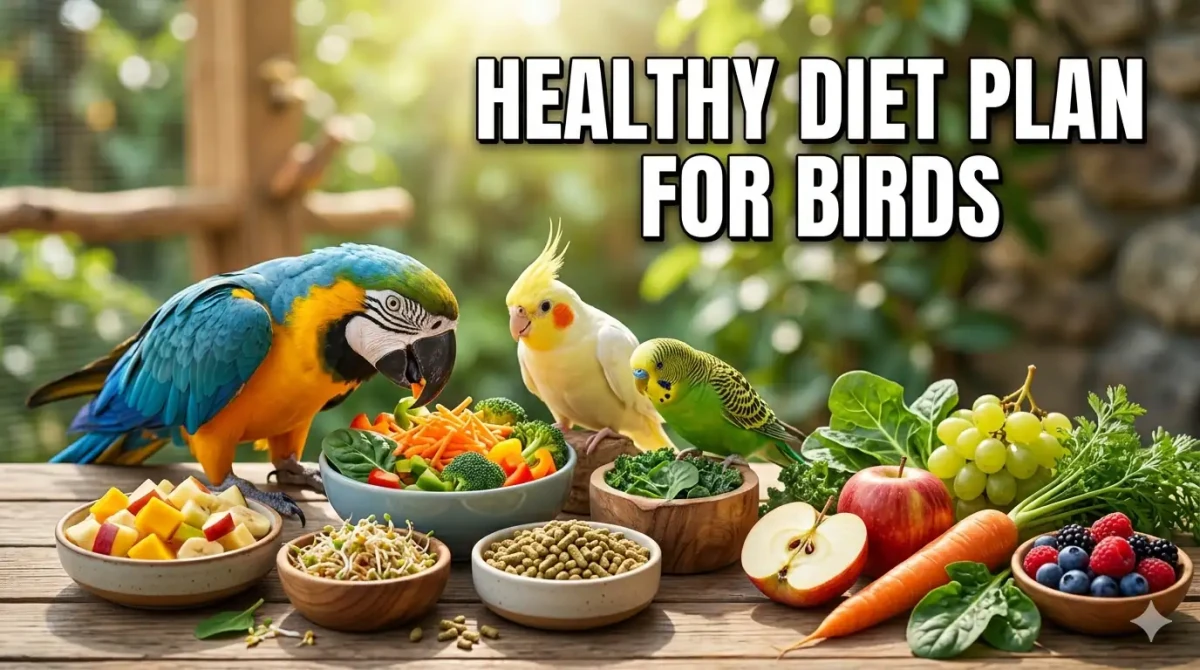
Creating a healthy diet plan for birds is essential for supporting their longevity, vibrant plumage, and overall wellbeing. Pet birds including parrots, cockatiels, budgies, conures, and finches have unique nutritional requirements that vary significantly by species, size, and activity level. Understanding these distinct dietary needs helps owners provide meals that support optimal health, prevent disease, and enhance quality of life throughout every life stage.
Birds require balanced nutrition including quality proteins, carbohydrates, fats, vitamins, and minerals to maintain energy levels, support feather production, and ensure proper organ function. Unlike mammals, birds have rapid metabolisms and high energy demands that require consistent access to appropriate nutrition. A well-designed diet plan addresses these biological realities while accommodating individual species requirements, preferences, and health conditions.
This comprehensive guide explores everything you need to know about developing a healthy diet plan for birds, from understanding fundamental nutritional requirements to selecting appropriate commercial foods and incorporating fresh produce. Whether you care for a small budgie, a medium cockatiel, or a large macaw, proper nutrition forms the foundation of their ability to live a long, healthy, and colorful life as your companion.
Understanding Avian Nutritional Requirements
Different bird species have evolved with varying dietary needs based on their natural habitats and feeding behaviors. Understanding these fundamental requirements is crucial for developing appropriate diet plans that support optimal health.
What nutrients do pet birds need most for optimal health?
Proteins serve as the building blocks for feather production, muscle maintenance, and immune function. Birds require amino acids from quality protein sources to support continuous feather growth and molting cycles. Seed-eating birds typically obtain protein from seeds and legumes, while fruit-eating species supplement with insects and other protein sources in the wild. Captive birds need balanced protein levels ranging from twelve to twenty percent depending on species and life stage.
Carbohydrates provide essential energy for birds high metabolic rates and active lifestyles. Complex carbohydrates from grains, vegetables, and some fruits offer sustained energy release. Simple sugars from fruits should be offered in moderation to prevent obesity and metabolic disorders. The proportion of carbohydrates varies by species, with some birds like lorikeets requiring higher sugar content from nectar and fruits.
Fats are necessary for energy, vitamin absorption, and maintaining healthy skin and feathers. Essential fatty acids including omega-3 and omega-6 support feather quality, skin health, and reproductive function. However, excessive fat intake particularly from high-fat seeds like sunflower and safflower can lead to obesity and fatty liver disease. Balanced fat levels should comprise approximately three to five percent of the diet for most pet birds.
Vitamins and minerals are critical for bone health, immune function, and metabolic processes. Vitamin A supports respiratory health and feather condition, while vitamin D3 aids calcium absorption essential for strong bones and eggshell formation. Calcium, phosphorus, and trace minerals must be balanced appropriately to prevent metabolic bone disease and other deficiencies common in pet birds.
Seed Based versus Pellet Based Diets

The debate between seed-based and pellet-based diets represents one of the most significant decisions in bird nutrition. Understanding the advantages and limitations of each approach helps owners make informed choices for their feathered companions.
What are the pros and cons of seeds versus pellets for birds?
Seed-based diets have traditionally been the standard for pet birds, offering variety, palatability, and natural foraging behaviors. Birds enjoy the process of hulling seeds, which provides mental stimulation and mimics natural feeding patterns. Different seeds offer varying nutrient profiles, with some providing higher protein while others offer more fats or carbohydrates.
However, seed-only diets present significant nutritional challenges. Birds often selectively eat favorite high-fat seeds while avoiding nutritionally important but less palatable options, leading to imbalanced intake. Seeds lack adequate levels of many vitamins and minerals including calcium, vitamin A, and vitamin D3. Long-term seed-only diets frequently result in malnutrition, obesity, and related health problems.
Pelleted diets are formulated to provide complete and balanced nutrition in every bite, eliminating selective feeding concerns. Quality bird pellets contain appropriate ratios of proteins, carbohydrates, fats, vitamins, and minerals tailored to specific species needs. Pellets ensure consistent nutrient intake and have significantly improved health outcomes in pet birds when introduced properly.
The drawback of pellets is that some birds resist transitioning from familiar seeds, requiring patience and strategic introduction. Pellets also offer less variety and foraging enrichment compared to mixed seeds. Many avian veterinarians recommend a balanced approach with pellets comprising sixty to eighty percent of the diet, supplemented with fresh vegetables, limited fruits, and small amounts of seeds as treats.
Essential Fresh Foods for Pet Birds

Fresh vegetables and fruits provide essential nutrients, variety, and enrichment that complement commercial diets. Incorporating appropriate fresh foods enhances overall nutrition and supports optimal health.
What fresh foods should birds eat daily?
Dark leafy greens form the foundation of fresh vegetable offerings for most pet birds. Kale, collard greens, mustard greens, dandelion greens, and spinach provide exceptional nutritional value including vitamins A, C, and K, calcium, and antioxidants. These greens should comprise the majority of fresh vegetable offerings, rotated regularly to provide variety and comprehensive nutrition.
Orange and yellow vegetables like carrots, sweet potatoes, butternut squash, and bell peppers offer beta-carotene that converts to vitamin A, essential for respiratory health and feather condition. These vegetables can be offered raw or lightly steamed to soften texture for easier consumption. Bell peppers are particularly valuable as birds enjoy the seeds and flesh, and they provide exceptional vitamin C content.
Broccoli, cauliflower, zucchini, and green beans add variety and additional nutrients to fresh offerings. These vegetables provide fiber, vitamins, and minerals while introducing different textures that enrich the feeding experience. Lightly steaming can make these more palatable for birds accustomed to softer foods.
Fruits should be offered in moderation due to natural sugar content, comprising no more than ten to fifteen percent of fresh food offerings. Berries including blueberries, strawberries, and raspberries provide antioxidants and are generally well-accepted. Apples, pears, melons, and papaya offer variety and hydration. Always remove seeds and pits from fruits as many contain cyanide compounds toxic to birds.
Species Specific Dietary Requirements

Different bird species have evolved with distinct dietary needs based on their natural habitats and feeding behaviors. Tailoring diet plans to species requirements ensures optimal nutrition and health.
How do nutritional needs vary by bird species?
Budgies and cockatiels, small parakeets popular as pets, thrive on diets consisting of sixty to seventy percent high-quality pellets formulated for small birds, thirty to forty percent fresh vegetables, and limited seeds as treats. These species benefit from calcium sources particularly important for egg-laying females. Cuttlebones and mineral blocks provide both calcium supplementation and beak maintenance.
Medium parrots including conures, African greys, and Amazon parrots require similar dietary proportions but with larger portion sizes and greater variety. African greys have particular calcium needs and may benefit from additional calcium-rich foods like broccoli and fortified pellets. Amazon parrots are prone to obesity and require careful monitoring of high-fat foods including seeds, nuts, and avocados.
Large parrots such as macaws, cockatoos, and eclectus parrots have species-specific requirements. Macaws benefit from higher fat content including nuts, reflecting their natural diet. Cockatoos are prone to fatty liver disease and require lower-fat diets with emphasis on pellets and vegetables. Eclectus parrots have unique digestive systems requiring high-fiber diets rich in fresh vegetables and fruits while avoiding synthetic vitamins and artificial colors.
Finches and canaries have different nutritional needs, requiring specialized seed mixes formulated for softbills or canaries supplemented with fresh greens, egg food for protein, and cuttlebone. These smaller birds have rapid metabolisms requiring constant access to appropriate nutrition.
Protein Requirements and Sources

Adequate protein intake supports feather production, muscle maintenance, immune function, and reproductive health in pet birds. Understanding protein needs and quality sources helps optimize dietary planning.
How much protein do pet birds need daily?
Maintenance adult birds typically require twelve to fifteen percent protein in their diet, while growing juveniles, molting adults, and breeding birds need fifteen to twenty percent or higher. Protein requirements vary by species, with larger parrots generally needing proportionally more protein than smaller species.
Quality protein sources for pet birds include legumes like cooked beans, lentils, and chickpeas, which provide complete amino acid profiles. Cooked eggs offer highly bioavailable protein and are particularly valuable during molting and breeding periods. Small amounts of cooked chicken or fish can supplement plant proteins, though most pet birds thrive on plant-based protein sources.
Sprouted seeds provide enhanced nutritional value compared to dry seeds, with increased vitamin content, improved protein bioavailability, and beneficial enzymes. The sprouting process reduces fat content while increasing vitamins A, C, and E along with B-complex vitamins. Sprouting also breaks down enzyme inhibitors present in dry seeds, improving digestibility.
Vitamins and Minerals for Avian Health

Proper vitamin and mineral balance prevents common deficiency diseases and supports optimal physiological function in pet birds. Understanding these micronutrients helps owners recognize and prevent nutritional problems.
What vitamins and minerals are most important for birds?
Vitamin A is perhaps the most common deficiency in pet birds, particularly those on seed-only diets. This vitamin supports respiratory health, skin and feather condition, immune function, and vision. Deficiency manifests as respiratory infections, poor feather quality, and increased susceptibility to disease. Dark orange and green vegetables provide beta-carotene that converts to vitamin A.
Vitamin D3 enables calcium absorption and utilization, critical for bone health, eggshell formation, and neuromuscular function. Birds synthesize vitamin D3 when exposed to natural sunlight or full-spectrum UVB lighting. Without adequate D3, birds cannot utilize dietary calcium effectively, leading to metabolic bone disease, egg binding, and seizures.
Calcium is essential for bone development, muscle contraction, blood clotting, and eggshell formation. Female birds, particularly during breeding seasons, have elevated calcium requirements. Sources include cuttlebone, mineral blocks, calcium-fortified pellets, and calcium-rich vegetables like kale and broccoli. The calcium to phosphorus ratio should be maintained at approximately two to one for optimal absorption.
Foods to Avoid for Bird Safety

Certain foods pose serious health risks to pet birds and must be strictly avoided. Understanding toxic foods prevents accidental poisoning and serious health complications.
What foods are dangerous or toxic to pet birds?
Avocado contains persin, a fungicidal toxin that can cause respiratory distress, heart damage, and sudden death in birds. All parts of the avocado including flesh, skin, and pit are toxic and should never be offered to pet birds under any circumstances.
Chocolate and caffeine contain methylxanthines that cause vomiting, diarrhea, hyperactivity, tremors, seizures, and potentially fatal cardiac arrhythmias in birds. Even small amounts of chocolate or caffeinated beverages can be dangerous due to birds small body size and rapid metabolism.
Onions and garlic contain compounds that can cause hemolytic anemia, damaging red blood cells and leading to weakness, breathing difficulty, and organ failure. These should be completely avoided in bird diets.
Fruit seeds and pits from apples, cherries, peaches, apricots, and plums contain cyanide compounds that are toxic to birds. Always remove all seeds and pits before offering fruits to pet birds. Salt, sugar, and artificial sweeteners should be minimized or eliminated as they can cause kidney damage, obesity, and metabolic disorders.
Alcohol is extremely toxic to birds and can cause respiratory failure, liver damage, and death even in minute quantities. Never allow birds access to alcoholic beverages or foods containing alcohol.
Feeding Schedules and Portion Control

Establishing appropriate feeding routines supports healthy weight management, prevents food waste, and ensures consistent nutrient intake for pet birds.
How often and how much should you feed pet birds?
Most pet birds benefit from scheduled feeding rather than free-choice feeding, which can lead to selective eating and obesity. Offer fresh food twice daily, morning and evening, removing uneaten fresh items after two to four hours to prevent spoilage and bacterial growth.
Pellets should be available throughout the day in measured amounts appropriate for your bird size and species. Small birds like budgies typically need two to three tablespoons of pellets daily, while medium parrots require quarter to half cup, and large parrots may need half to one cup daily. Adjust portions based on individual metabolism, activity level, and body condition.
Fresh vegetables should be offered daily in quantities your bird will consume within a few hours. A general guideline is one to two tablespoons per pound of body weight daily, adjusted based on individual appetite and species requirements. Fruits should be limited to one to two teaspoons per pound of body weight several times weekly due to sugar content.
Monitor body condition regularly by feeling the breast muscle and keel bone. You should be able to feel the keel bone with slight muscle covering but not see it prominently. Adjust portions to maintain ideal body condition, consulting an avian veterinarian if uncertain about appropriate weight.
Transitioning Birds to Healthier Diets

Many pet birds require transition from unhealthy seed-only diets to balanced nutrition. This process requires patience, consistency, and strategic planning to ensure success.
How do you transition birds to healthier diets successfully?
Begin by introducing pellets alongside existing seed diet, placing them in a separate dish initially. Birds are naturally cautious about new foods, so patience is essential. Try offering pellets at different times of day, crushing them into smaller pieces, or mixing a small amount with seeds to encourage exploration.
Gradually decrease seed availability while increasing pellet offerings over several weeks to months. One effective method is the two-bowl technique, offering pellets in one bowl and limited seeds in another, gradually reducing seed quantity while maintaining pellet availability. Never completely remove seeds abruptly as this can cause starvation in resistant birds.
Enhance pellet palatability by adding a small amount of fresh fruit juice or mixing with favorite fresh vegetables. Some birds accept pellets more readily when owners eat near the cage and demonstrate enjoyment, as birds are social creatures that often mimic flock behavior.
Monitor weight closely during transition, weighing weekly to ensure your bird maintains healthy body condition. If significant weight loss occurs, slow the transition pace and consult an avian veterinarian. The conversion process may take several weeks to several months depending on individual bird temperament and previous diet.
Common Nutrition Mistakes to Avoid

Even well-intentioned bird owners can make dietary errors that compromise avian health. Avoiding these pitfalls ensures your nutrition plan truly supports your bird wellbeing.
What mistakes should you avoid when feeding pet birds?
Feeding seed-only diets represents the most common and serious nutritional mistake in pet bird care. While seeds are natural and palatable, they lack essential nutrients and promote selective feeding leading to malnutrition, obesity, and related health problems. Seeds should comprise no more than ten to twenty percent of total diet for most species.
Overfeeding high-fat treats including sunflower seeds, safflower seeds, nuts, and peanut butter contributes to obesity and fatty liver disease. These items should be reserved as occasional training treats comprising less than five percent of total diet. Offer healthier alternatives like small pieces of fresh vegetables for training and enrichment.
Providing inadequate fresh food variety limits nutritional intake and enrichment opportunities. Rotate different vegetables and fruits regularly to provide comprehensive nutrition and prevent boredom. Birds offered the same foods repeatedly may develop nutritional gaps and lose interest in fresh offerings.
Neglecting to remove uneaten fresh food allows bacterial and fungal growth that can cause serious illness. Always discard uneaten fresh vegetables and fruits after two to four hours, particularly in warm environments. Clean food dishes daily to prevent contamination.
Supplements and Their Appropriate Use

While balanced diets typically provide adequate nutrition, certain situations may warrant strategic supplementation. Understanding when and how to use supplements prevents both deficiencies and toxicities.
When do birds need nutritional supplements?
Calcium supplementation is essential for breeding females, growing juveniles, and birds not receiving adequate calcium from diet or cuttlebone. Liquid calcium supplements can be added to drinking water or food during egg-laying periods, though over-supplementation can cause kidney damage. Provide cuttlebone or mineral blocks for self-regulated calcium intake.
Vitamin supplements may benefit birds on less-than-ideal diets, during illness, or under veterinary guidance. However, fat-soluble vitamins A, D, E, and K can accumulate to toxic levels if over-supplemented. Water-soluble vitamins are generally safer as excess is excreted. Never supplement without veterinary recommendation if your bird consumes a balanced pelleted diet.
Probiotics support digestive health particularly during antibiotic treatment, stress, or dietary transitions. Avian-specific probiotic supplements can help maintain healthy gut flora and improve nutrient absorption. These are generally safe for periodic use but should not replace proper nutrition.
Hydration and Water Quality

Fresh, clean water is essential for digestion, temperature regulation, and overall health in pet birds. Proper hydration management prevents dehydration and waterborne illnesses.
How do you ensure proper hydration for pet birds?
Provide fresh, clean water daily in clean dishes, changing at least once daily or more frequently if contaminated with food or droppings. Birds drink less water when consuming moisture-rich fresh foods, but water should always be available regardless of fresh food intake.
Water dish placement matters for hygiene and accessibility. Position water dishes away from perches directly above to prevent fecal contamination. Use dishes that are easy to clean and appropriate size for your bird, allowing full immersion for bathing if desired while preventing drowning risk for small species.
Monitor water consumption as changes can indicate health problems. Increased water intake may signal diabetes, kidney disease, or infection, while decreased consumption can indicate illness or dehydration. Normal water intake varies by species, diet, and environmental temperature.
Frequently Asked Questions

Can birds eat the same foods as humans?
Some human foods are safe and healthy for birds while others are toxic. Safe options include many vegetables like carrots, broccoli, and leafy greens, fruits like apples and berries, and cooked grains and legumes. However, many human foods contain salt, sugar, preservatives, or toxic compounds harmful to birds. Never feed birds processed human foods, seasoned dishes, or items containing chocolate, caffeine, alcohol, onions, garlic, or avocado. When in doubt, research specific foods thoroughly before offering to pet birds.
How much should I feed my pet bird daily?
Daily food amounts vary by species, size, age, and activity level. As general guidelines, small birds like budgies need two to three tablespoons of pellets plus one to two tablespoons fresh vegetables daily. Medium parrots require quarter to half cup pellets plus two to four tablespoons fresh foods. Large parrots may need half to one cup pellets plus quarter cup fresh vegetables. Adjust portions based on individual metabolism, activity, and body condition, monitoring weight regularly to maintain ideal condition.
Is organic food better for pet birds?
Organic foods can reduce exposure to pesticides and chemical residues, potentially benefiting bird health. However, organic status does not automatically make foods nutritionally superior. The most important factors are offering nutritionally appropriate foods in balanced proportions rather than focusing solely on organic certification. If budget allows, organic vegetables and fruits can be beneficial, but conventionally grown produce thoroughly washed is also acceptable. Prioritize variety and nutritional balance over organic status alone.
Can I feed my bird only fresh foods without pellets or seeds?
While fresh foods are essential components of healthy bird diets, feeding exclusively fresh foods without commercial pellets or seeds risks nutritional imbalances. Fresh foods alone may not provide consistent levels of certain nutrients like calcium, vitamin D3, and specific amino acids. A balanced approach combining sixty to eighty percent pellets, twenty to thirty percent fresh vegetables, and limited fruits and treats provides optimal nutrition with the security of formulated completeness from pellets.
How do I know if my bird is getting proper nutrition?
Signs of good nutrition include healthy weight with well-developed breast muscles, bright alert eyes, smooth glossy feathers, normal energy levels, regular droppings, and strong beak and nails. Regular veterinary wellness exams with blood work can assess nutritional status and detect subclinical deficiencies. Poor feather quality, lethargy, obesity or emaciation, behavioral changes, or frequent illness may indicate nutritional problems requiring dietary adjustment and veterinary evaluation.
Should I supplement my bird diet with vitamins?
Birds consuming balanced pelleted diets comprising majority of intake typically do not need vitamin supplementation and may risk toxicity from over-supplementation. Birds on varied diets including pellets, fresh vegetables, and limited seeds generally receive adequate vitamins from food sources. Supplementation may benefit birds on less-than-ideal diets, during illness, breeding, or molting under veterinary guidance. Always consult an avian veterinarian before adding supplements to avoid harmful interactions or toxicities.
Conclusion

Creating a healthy diet plan for birds requires understanding species-specific nutritional needs, selecting appropriate commercial foods, incorporating fresh produce, and avoiding common pitfalls. By prioritizing balanced pellets, abundant fresh vegetables, limited fruits, and minimal seeds and treats, you provide the foundation your avian companion needs to thrive with vibrant plumage, strong health, and longevity.
Remember that nutrition is just one component of comprehensive avian care. Regular veterinary wellness exams, appropriate cage size and enrichment, social interaction, and mental stimulation all contribute to optimal health and happiness. Work with an avian veterinarian to develop personalized nutrition strategies that support your birds unique species requirements, life stage, and health conditions.
With thoughtful planning, patience during dietary transitions, and consistent monitoring of your birds response, you can develop a nutrition program that enhances health while supporting lifelong vitality. Your commitment to providing optimal nutrition demonstrates the love and responsibility that defines exceptional bird ownership, ensuring your feathered friend enjoys many years of colorful companionship, vocal interaction, and joyful presence in your life.

0 Comments