.png)
Common Bird Diseases and Prevention for Pet Birds
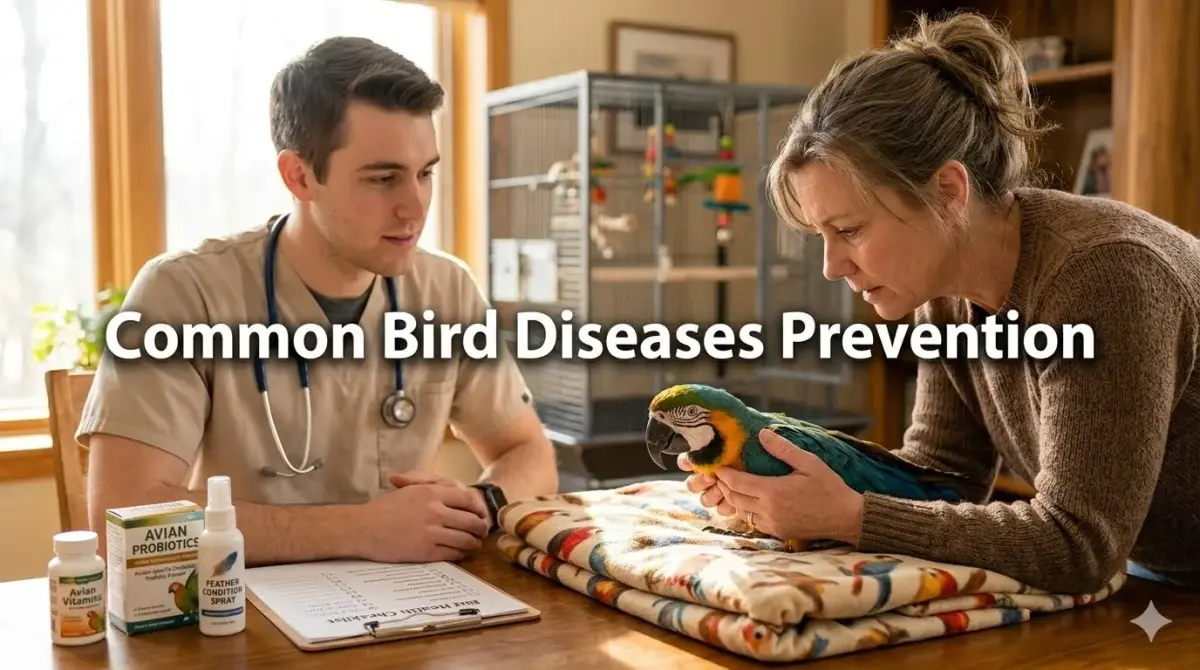
Understanding common bird diseases and prevention is essential for every bird owner who wants to keep their feathered companion healthy and thriving. Pet birds like parrots, cockatiels, budgies, and canaries are susceptible to various illnesses that can progress rapidly if not detected early. Because birds are masters at hiding signs of illness—a survival instinct from their wild ancestors—owners must be vigilant in recognizing early warning signs and implementing preventive care strategies. This comprehensive guide covers the most common diseases affecting pet birds in the USA, their symptoms, treatment approaches, and most importantly, practical prevention strategies to keep your bird healthy. From respiratory infections to nutritional deficiencies, you'll learn expert-backed techniques to create a disease-resistant environment for your avian friend.
Why Disease Prevention Matters for Pet Birds
Birds have unique physiology that makes preventive care especially critical. Their high metabolic rates, sensitive respiratory systems, and instinct to mask illness mean diseases can progress rapidly before obvious symptoms appear.
Unique Vulnerabilities of Pet Birds
Pet birds face specific health challenges:
- Rapid disease progression: Birds can deteriorate quickly; a seemingly healthy bird in the morning may be critically ill by evening
- Hidden illness: Evolutionary instinct to hide weakness means symptoms often appear only when disease is advanced
- Sensitive respiratory system: Air sac structure makes birds highly susceptible to airborne toxins and infections
- Specialized nutritional needs: Deficiencies in vitamins, minerals, or protein can cause serious health issues
- Stress sensitivity: Environmental changes, poor handling, or inadequate care can suppress immune function
- 🐾 Preventing Overfeeding in Fish Complete Care Guide
- 🐾 How to Prevent Obesity in Dogs Complete Health Guide
- 🐾 Early Warning Signs Your Cat Is Sick: Complete Guide
Benefits of Proactive Prevention
Implementing preventive care provides:
- Early detection of health issues when treatment is most effective
- Reduced veterinary costs through prevention rather than emergency care
- Longer, healthier lifespan for your bird
- Reduced stress and improved quality of life
- Stronger bond between you and your feathered companion
- 🐾 Preventing Overfeeding in Fish Complete Care Guide
- 🐾 How to Prevent Obesity in Dogs Complete Health Guide
- 🐾 Early Warning Signs Your Cat Is Sick: Complete Guide
Most Common Bird Diseases in Pet Birds
Understanding the diseases that commonly affect pet birds helps you recognize early warning signs and implement targeted prevention.
Psittacosis (Parrot Fever)
What it is: A bacterial infection caused by Chlamydia psittaci that affects birds and can be transmitted to humans (zoonotic).
Early symptoms:
- Lethargy and fluffed feathers
- Loss of appetite and weight loss
- Green or yellow droppings
- Respiratory signs: nasal discharge, sneezing, labored breathing
- Conjunctivitis (eye inflammation)
- 🐾 Preventing Overfeeding in Fish Complete Care Guide
- 🐾 How to Prevent Obesity in Dogs Complete Health Guide
- 🐾 Early Warning Signs Your Cat Is Sick: Complete Guide
Prevention strategies:
- Quarantine new birds for 30-45 days before introducing to existing birds
- Purchase birds from reputable breeders who test for psittacosis
- Maintain excellent cage hygiene and ventilation
- Minimize stress through consistent routines and environmental enrichment
- Wash hands after handling birds or cleaning cages
- 🐾 Preventing Overfeeding in Fish Complete Care Guide
- 🐾 How to Prevent Obesity in Dogs Complete Health Guide
- 🐾 Early Warning Signs Your Cat Is Sick: Complete Guide
Treatment: Requires veterinary-prescribed antibiotics (typically doxycycline) for several weeks. Early treatment improves outcomes significantly.
Aspergillosis (Fungal Respiratory Infection)
What it is: A fungal infection caused by Aspergillus spores that primarily affects the respiratory system.
Early symptoms:
- Changes in voice or loss of singing ability
- Increased respiratory effort or open-mouth breathing
- Lethargy and decreased activity
- Weight loss despite normal appetite
- Nasal discharge or sneezing
- 🐾 Preventing Overfeeding in Fish Complete Care Guide
- 🐾 How to Prevent Obesity in Dogs Complete Health Guide
- 🐾 Early Warning Signs Your Cat Is Sick: Complete Guide
Prevention strategies:
- Maintain low humidity (40-60%) and excellent ventilation
- Avoid moldy food, bedding, or cage materials
- Clean food and water dishes daily to prevent fungal growth
- Remove wet or soiled bedding immediately
- Avoid using corn cob bedding or other materials prone to mold
- Ensure proper cage cleaning with bird-safe disinfectants
- 🐾 Preventing Overfeeding in Fish Complete Care Guide
- 🐾 How to Prevent Obesity in Dogs Complete Health Guide
- 🐾 Early Warning Signs Your Cat Is Sick: Complete Guide
Treatment: Antifungal medications prescribed by an avian veterinarian; treatment can be lengthy and requires strict adherence.
Polyomavirus (Budgerigar Fledgling Disease)
What it is: A viral disease that primarily affects young birds, especially budgies, cockatiels, and lovebirds.
Early symptoms:
- Sudden death in apparently healthy young birds
- Loss of appetite and lethargy
- Abdominal distension or swelling
- Diarrhea or unusual droppings
- Feather abnormalities in surviving birds
- 🐾 Preventing Overfeeding in Fish Complete Care Guide
- 🐾 How to Prevent Obesity in Dogs Complete Health Guide
- 🐾 Early Warning Signs Your Cat Is Sick: Complete Guide
Prevention strategies:
- Vaccination is available for some species; consult your avian vet
- Quarantine new birds for 45-60 days
- Avoid exposing young birds to adult birds of unknown health status
- Maintain strict hygiene in breeding or multi-bird environments
- Minimize stress during weaning and development
- 🐾 Preventing Overfeeding in Fish Complete Care Guide
- 🐾 How to Prevent Obesity in Dogs Complete Health Guide
- 🐾 Early Warning Signs Your Cat Is Sick: Complete Guide
Treatment: Supportive care only; no specific antiviral treatment. Prevention through vaccination and hygiene is critical.
Pacheco's Disease
What it is: A highly contagious and often fatal herpesvirus infection affecting parrots and related species.
Early symptoms:
- Sudden death with no prior symptoms
- Lethargy and fluffed appearance
- Loss of appetite and weight loss
- Green or yellow droppings
- Neurological signs in some cases
- 🐾 Preventing Overfeeding in Fish Complete Care Guide
- 🐾 How to Prevent Obesity in Dogs Complete Health Guide
- 🐾 Early Warning Signs Your Cat Is Sick: Complete Guide
Prevention strategies:
- Vaccination is available and recommended for multi-bird households or aviaries
- Strict quarantine of new birds for 60 days
- Avoid mixing birds from different sources
- Minimize stress, which can trigger viral shedding in carrier birds
- Practice excellent biosecurity in multi-bird environments
- 🐾 Preventing Overfeeding in Fish Complete Care Guide
- 🐾 How to Prevent Obesity in Dogs Complete Health Guide
- 🐾 Early Warning Signs Your Cat Is Sick: Complete Guide
Treatment: Antiviral medications may help if administered early; supportive care is essential. Prevention through vaccination is most effective.
Avian Bornavirus (PDD - Proventricular Dilatation Disease)
What it is: A viral disease affecting the nervous system and digestive tract, also known as Macaw Wasting Disease.
Early symptoms:
- Weight loss despite normal or increased appetite
- Undigested food in droppings
- Regurgitation or vomiting
- Neurological signs: head tilting, weakness, seizures
- Changes in behavior or personality
- 🐾 Preventing Overfeeding in Fish Complete Care Guide
- 🐾 How to Prevent Obesity in Dogs Complete Health Guide
- 🐾 Early Warning Signs Your Cat Is Sick: Complete Guide
Prevention strategies:
- Test new birds for bornavirus before introduction to existing birds
- Quarantine new birds for extended periods (90 days)
- Avoid stress, which may trigger disease in carrier birds
- Maintain excellent nutrition to support immune function
- Practice strict hygiene when handling multiple birds
- 🐾 Preventing Overfeeding in Fish Complete Care Guide
- 🐾 How to Prevent Obesity in Dogs Complete Health Guide
- 🐾 Early Warning Signs Your Cat Is Sick: Complete Guide
Treatment: No cure exists; treatment focuses on supportive care and managing symptoms. Prevention through testing and quarantine is essential.
Psittacine Beak and Feather Disease (PBFD)
What it is: A viral disease affecting feather and beak development, primarily in cockatoos, African greys, and other psittacines.
Early symptoms:
- Abnormal feather growth or loss
- Deformed or discolored feathers
- Beak abnormalities: overgrowth, deformities, or necrosis
- Loss of powder down (in species that produce it)
- Immunosuppression leading to secondary infections
- 🐾 Preventing Overfeeding in Fish Complete Care Guide
- 🐾 How to Prevent Obesity in Dogs Complete Health Guide
- 🐾 Early Warning Signs Your Cat Is Sick: Complete Guide
Prevention strategies:
- Test birds for PBFD before purchase or breeding
- Quarantine new birds for 90 days with testing
- Avoid exposing young birds to infected adults
- Maintain excellent nutrition to support immune function
- Practice strict hygiene in multi-bird environments
- 🐾 Preventing Overfeeding in Fish Complete Care Guide
- 🐾 How to Prevent Obesity in Dogs Complete Health Guide
- 🐾 Early Warning Signs Your Cat Is Sick: Complete Guide
Treatment: No cure exists; supportive care and immune support may help some birds. Prevention through testing is critical.
Respiratory Infections (Bacterial, Viral, Fungal)
What it is: Infections affecting the respiratory tract, which can be caused by various pathogens.
Early symptoms:
- Sneezing, nasal discharge, or congestion
- Changes in voice or loss of vocalization
- Increased respiratory effort or tail bobbing
- Lethargy and decreased activity
- Loss of appetite
- 🐾 Preventing Overfeeding in Fish Complete Care Guide
- 🐾 How to Prevent Obesity in Dogs Complete Health Guide
- 🐾 Early Warning Signs Your Cat Is Sick: Complete Guide
Prevention strategies:
- Maintain excellent ventilation without drafts
- Avoid exposure to smoke, aerosols, or strong fumes
- Maintain appropriate humidity levels (40-60%)
- Clean cages and accessories regularly with bird-safe products
- Minimize stress through consistent routines
- Provide balanced nutrition to support immune function
- 🐾 Preventing Overfeeding in Fish Complete Care Guide
- 🐾 How to Prevent Obesity in Dogs Complete Health Guide
- 🐾 Early Warning Signs Your Cat Is Sick: Complete Guide
Treatment: Depends on causative agent; may include antibiotics, antifungals, or supportive care. Early veterinary intervention improves outcomes.
Nutritional Deficiencies
What it is: Health problems resulting from inadequate or imbalanced nutrition, common in seed-only diets.
Early symptoms:
- Dull, brittle, or abnormal feathers
- Poor feather regrowth after molting
- Weakness or lethargy
- Beak or nail abnormalities
- Reproductive problems in breeding birds
- 🐾 Preventing Overfeeding in Fish Complete Care Guide
- 🐾 How to Prevent Obesity in Dogs Complete Health Guide
- 🐾 Early Warning Signs Your Cat Is Sick: Complete Guide
Prevention strategies:
- Feed a balanced diet: 60-80% pellets, 15-25% fresh vegetables, 5-10% seeds/treats
- Provide species-appropriate nutrition (e.g., vitamin A for color in red-factor birds)
- Offer fresh vegetables daily for vitamins and minerals
- Provide cuttlebone or mineral blocks for calcium
- Consult an avian veterinarian for diet planning
- 🐾 Preventing Overfeeding in Fish Complete Care Guide
- 🐾 How to Prevent Obesity in Dogs Complete Health Guide
- 🐾 Early Warning Signs Your Cat Is Sick: Complete Guide
Treatment: Dietary correction and supplementation under veterinary guidance; recovery may take weeks to months.
Early Warning Signs of Illness in Birds

Recognizing subtle early signs allows for prompt intervention before disease progresses.
Behavioral Changes
Key indicators:
- Increased sleeping: Sleeping more than usual or during normal active periods
- Decreased activity: Less interest in toys, climbing, or interaction
- Hiding or withdrawal: Seeking isolation more than usual
- Changes in vocalization: Reduced singing, unusual calls, or hoarse voice
- Fluffed appearance: Sitting fluffed for extended periods (not during sleep)
- 🐾 Preventing Overfeeding in Fish Complete Care Guide
- 🐾 How to Prevent Obesity in Dogs Complete Health Guide
- 🐾 Early Warning Signs Your Cat Is Sick: Complete Guide
Action: Document behavioral changes and contact your avian veterinarian if they persist more than 24 hours.
Physical Changes
Key indicators:
- Changes in droppings: Color, consistency, frequency, or volume changes
- Weight loss: Even small weight losses (5-10%) are significant in birds
- Changes in appetite: Eating less, dropping food, or changes in food preference
- Respiratory signs: Sneezing, nasal discharge, tail bobbing, or open-mouth breathing
- Coat changes: Dull feathers, excessive molting, or abnormal feather growth
- 🐾 Preventing Overfeeding in Fish Complete Care Guide
- 🐾 How to Prevent Obesity in Dogs Complete Health Guide
- 🐾 Early Warning Signs Your Cat Is Sick: Complete Guide
Action: Weigh your bird weekly; contact your veterinarian for any persistent physical changes.
Elimination Changes
Key indicators:
- Changes in urates: Color changes from white to yellow or green
- Diarrhea or unusually wet droppings
- Straining to defecate or urinate
- Blood in droppings
- Reduced droppings: May indicate not eating or gastrointestinal blockage
- 🐾 Preventing Overfeeding in Fish Complete Care Guide
- 🐾 How to Prevent Obesity in Dogs Complete Health Guide
- 🐾 Early Warning Signs Your Cat Is Sick: Complete Guide
Action: Monitor droppings daily; contact your veterinarian for persistent changes or any blood.
Essential Prevention Strategies for Bird Health

Proactive prevention is the most effective way to protect your bird from disease.
Proper Nutrition: The Foundation of Health
Key components:
- High-quality pellets: Should comprise 60-80% of diet for most pet birds
- Fresh vegetables: Daily offering of dark leafy greens, carrots, bell peppers for vitamins
- Limited seeds: Seeds should be treats, not the main diet (high in fat, low in nutrients)
- Calcium source: Cuttlebone or mineral block always available
- Clean water: Fresh water changed daily; clean water dishes daily
- 🐾 Preventing Overfeeding in Fish Complete Care Guide
- 🐾 How to Prevent Obesity in Dogs Complete Health Guide
- 🐾 Early Warning Signs Your Cat Is Sick: Complete Guide
Species-specific considerations:
- Red-factor birds (canaries, cockatiels) need carotenoids for color
- Large parrots need varied diet with nuts, legumes, and vegetables
- Small birds need appropriately sized food particles
- 🐾 Preventing Overfeeding in Fish Complete Care Guide
- 🐾 How to Prevent Obesity in Dogs Complete Health Guide
- 🐾 Early Warning Signs Your Cat Is Sick: Complete Guide
Optimal Housing and Environment
Cage requirements:
- Adequate size for species: minimum 24"x24"x30" for small birds, larger for parrots
- Proper bar spacing to prevent injury or escape
- Non-toxic materials: avoid zinc, lead, or galvanized metals
- Multiple perches of varying diameters for foot health
- 🐾 Preventing Overfeeding in Fish Complete Care Guide
- 🐾 How to Prevent Obesity in Dogs Complete Health Guide
- 🐾 Early Warning Signs Your Cat Is Sick: Complete Guide
Environmental factors:
- Temperature: 65-80°F (18-27°C) for most pet birds
- Humidity: 40-60% to support respiratory health
- Ventilation: Good air flow without drafts
- Lighting: 10-12 hours of light daily; consider full-spectrum lighting
- Noise and stress: Minimize loud noises and sudden changes
- 🐾 Preventing Overfeeding in Fish Complete Care Guide
- 🐾 How to Prevent Obesity in Dogs Complete Health Guide
- 🐾 Early Warning Signs Your Cat Is Sick: Complete Guide
Hygiene and Sanitation
Daily tasks:
- Remove uneaten fresh food to prevent spoilage
- Change water and clean water dishes
- Spot clean soiled cage areas
- Observe your bird for any changes in behavior or appearance
- 🐾 Preventing Overfeeding in Fish Complete Care Guide
- 🐾 How to Prevent Obesity in Dogs Complete Health Guide
- 🐾 Early Warning Signs Your Cat Is Sick: Complete Guide
Weekly tasks:
- Complete cage cleaning with bird-safe disinfectant
- Wash all toys, perches, and accessories
- Replace cage liner or bedding
- Deep clean food dishes
- 🐾 Preventing Overfeeding in Fish Complete Care Guide
- 🐾 How to Prevent Obesity in Dogs Complete Health Guide
- 🐾 Early Warning Signs Your Cat Is Sick: Complete Guide
Safe cleaning products:
- White vinegar diluted 1:1 with water
- Bird-safe commercial cage cleaners
- Hot, soapy water for dishes and toys
- AVOID: Bleach (unless properly diluted and rinsed), ammonia, aerosols, or scented cleaners
- 🐾 Preventing Overfeeding in Fish Complete Care Guide
- 🐾 How to Prevent Obesity in Dogs Complete Health Guide
- 🐾 Early Warning Signs Your Cat Is Sick: Complete Guide
Stress Reduction and Enrichment
Minimize stressors:
- Maintain consistent daily routines
- Provide adequate sleep (10-12 hours of darkness)
- Avoid sudden environmental changes
- Introduce new items or changes gradually
- Provide safe hiding spots for security
- 🐾 Preventing Overfeeding in Fish Complete Care Guide
- 🐾 How to Prevent Obesity in Dogs Complete Health Guide
- 🐾 Early Warning Signs Your Cat Is Sick: Complete Guide
Provide enrichment:
- Rotate toys regularly to maintain interest
- Provide foraging opportunities (puzzle feeders, hidden treats)
- Offer safe chewing materials (untreated wood, cardboard)
- Allow supervised out-of-cage time for exercise
- Provide social interaction appropriate to species
- 🐾 Preventing Overfeeding in Fish Complete Care Guide
- 🐾 How to Prevent Obesity in Dogs Complete Health Guide
- 🐾 Early Warning Signs Your Cat Is Sick: Complete Guide
Quarantine and Biosecurity
Quarantine protocol for new birds:
- Isolate new birds in separate room for 30-90 days
- Use separate equipment (cages, dishes, toys) for quarantined birds
- Handle quarantined birds last to prevent disease spread
- Wash hands and change clothes after handling quarantined birds
- Consider veterinary testing during quarantine period
- 🐾 Preventing Overfeeding in Fish Complete Care Guide
- 🐾 How to Prevent Obesity in Dogs Complete Health Guide
- 🐾 Early Warning Signs Your Cat Is Sick: Complete Guide
Multi-bird household considerations:
- Monitor all birds daily for signs of illness
- Isolate sick birds immediately
- Practice strict hygiene when handling multiple birds
- Consider vaccination programs for preventable diseases
- 🐾 Preventing Overfeeding in Fish Complete Care Guide
- 🐾 How to Prevent Obesity in Dogs Complete Health Guide
- 🐾 Early Warning Signs Your Cat Is Sick: Complete Guide
People Also Ask: Quick Answers

What is the most common disease in pet birds?
Respiratory infections are among the most common diseases in pet birds, often caused by bacteria, viruses, or fungi. Poor ventilation, stress, and inadequate nutrition are common contributing factors. Prevention focuses on excellent ventilation, stress reduction, and balanced nutrition.
How can I prevent my bird from getting sick?
Prevent bird illness through: balanced nutrition (pellets plus fresh vegetables), excellent cage hygiene, proper ventilation without drafts, stress reduction through consistent routines, quarantine of new birds, and regular veterinary wellness exams. Early detection of subtle changes is also critical.
What are the first signs my bird is sick?
Early signs include: increased sleeping, fluffed appearance, decreased appetite, changes in droppings, lethargy, or changes in vocalization. Because birds hide illness, any sustained change in behavior or appearance warrants veterinary evaluation.
Can bird diseases spread to humans?
Some bird diseases are zoonotic (can spread to humans), including psittacosis and certain fungal infections. Practice good hygiene: wash hands after handling birds or cleaning cages, avoid kissing birds, and keep cages clean. Consult your physician if you develop respiratory symptoms after bird exposure.
How often should my bird see a veterinarian?
Healthy adult birds should have annual wellness exams with an avian veterinarian. Senior birds (7+ years) or birds with chronic conditions may need exams every 6 months. New birds should be examined within 2 weeks of acquisition. Seek immediate care for any signs of illness.
When to Seek Veterinary Care

Knowing when to seek professional help can save your bird's life.
Emergency Signs Requiring Immediate Care
Contact your avian veterinarian immediately if you observe:
- Difficulty breathing: Open-mouth breathing, tail bobbing, or labored respiration
- Bleeding: Any visible bleeding or blood in droppings
- Trauma: Falls, bites, or other injuries
- Toxin exposure: Suspected ingestion of toxic substances
- Seizures or loss of consciousness
- Inability to perch or stand
- Not eating for 24 hours: Birds can develop fatty liver disease quickly
- 🐾 Preventing Overfeeding in Fish Complete Care Guide
- 🐾 How to Prevent Obesity in Dogs Complete Health Guide
- 🐾 Early Warning Signs Your Cat Is Sick: Complete Guide
Urgent Signs Requiring Prompt Evaluation
Schedule a veterinary appointment within 24-48 hours for:
- Persistent changes in droppings
- Weight loss or decreased appetite
- Respiratory signs (sneezing, nasal discharge)
- Changes in feather condition or excessive molting
- Behavioral changes lasting more than 24 hours
- Vomiting or regurgitation
- 🐾 Preventing Overfeeding in Fish Complete Care Guide
- 🐾 How to Prevent Obesity in Dogs Complete Health Guide
- 🐾 Early Warning Signs Your Cat Is Sick: Complete Guide
Finding an Avian Veterinarian
Look for:
- Board certification in avian practice or extensive bird experience
- Proper equipment for bird examination and treatment
- Willingness to discuss preventive care and education
- Positive reviews from other bird owners
- 🐾 Preventing Overfeeding in Fish Complete Care Guide
- 🐾 How to Prevent Obesity in Dogs Complete Health Guide
- 🐾 Early Warning Signs Your Cat Is Sick: Complete Guide
Resources:
- Association of Avian Veterinarians (AAV) veterinarian finder
- Local bird clubs and rescues for recommendations
- Ask your regular veterinarian for avian specialist referrals
- 🐾 Preventing Overfeeding in Fish Complete Care Guide
- 🐾 How to Prevent Obesity in Dogs Complete Health Guide
- 🐾 Early Warning Signs Your Cat Is Sick: Complete Guide
Common Prevention Mistakes to Avoid

Even well-meaning bird owners can make errors that compromise bird health.
- Feeding seed-only diets: Seeds are high in fat and low in essential nutrients. Pellets should be the dietary foundation.
- Ignoring subtle changes: Waiting for obvious symptoms delays treatment. Document and investigate any behavioral or physical changes.
- Using toxic cleaning products: Bleach, ammonia, and aerosols can harm birds. Use only bird-safe cleaners.
- Skipping quarantine: Introducing new birds without quarantine risks disease transmission to existing birds.
- Overlooking environmental factors: Poor ventilation, drafts, or temperature extremes stress birds and suppress immunity.
- Self-treating without diagnosis: Giving medications without veterinary guidance can worsen conditions or cause toxicity.
- Neglecting regular veterinary care: Annual exams detect problems before symptoms appear.
- Assuming indoor birds don't need prevention: Indoor birds still face disease risks from diet, stress, and environmental factors.
- 🐾 Preventing Overfeeding in Fish Complete Care Guide
- 🐾 How to Prevent Obesity in Dogs Complete Health Guide
- 🐾 Early Warning Signs Your Cat Is Sick: Complete Guide
Species-Specific Disease Considerations

Different bird species have unique disease susceptibilities and prevention needs.
Parrots (African Greys, Amazons, Macaws)
Common concerns: Psittacosis, PBFD, nutritional deficiencies (especially vitamin A), behavioral issues from inadequate enrichment.
Prevention focus: Balanced diet with fresh vegetables, ample enrichment, regular veterinary care, and stress reduction.
Cockatiels and Small Parrots
Common concerns: Respiratory infections, egg-binding in females, nutritional deficiencies from seed-only diets.
Prevention focus: Pellet-based diet, calcium supplementation for females, excellent ventilation, and regular health monitoring.
Budgies and Canaries
Common concerns: Polyomavirus in young birds, respiratory infections, scaly face mites, nutritional deficiencies.
Prevention focus: Quarantine new birds, balanced diet with fresh vegetables, regular cage cleaning, and monitoring for early signs of illness.
Finches and Softbills
Common concerns: Air sac mites, nutritional deficiencies, stress-related illnesses.
Prevention focus: Species-appropriate diet, minimal handling stress, clean environment, and avoiding overcrowding.
Creating a Preventive Care Schedule

Organizing preventive tasks helps ensure nothing is overlooked.
Daily Prevention Tasks
- Observe bird behavior, appetite, and droppings
- Provide fresh food and clean water
- Remove uneaten fresh food
- Spot clean soiled cage areas
- Ensure proper temperature and ventilation
- 🐾 Preventing Overfeeding in Fish Complete Care Guide
- 🐾 How to Prevent Obesity in Dogs Complete Health Guide
- 🐾 Early Warning Signs Your Cat Is Sick: Complete Guide
Weekly Prevention Tasks
- Complete cage cleaning with bird-safe disinfectant
- Wash all toys, perches, and accessories
- Weigh bird to detect subtle weight changes
- Perform brief physical examination (eyes, beak, feathers, feet)
- Rotate toys and enrichment items
- 🐾 Preventing Overfeeding in Fish Complete Care Guide
- 🐾 How to Prevent Obesity in Dogs Complete Health Guide
- 🐾 Early Warning Signs Your Cat Is Sick: Complete Guide
Monthly Prevention Tasks
- Deep clean cage and surrounding area
- Inspect cage for wear, damage, or toxic materials
- Review diet and adjust as needed
- Check and trim nails if needed (or schedule professional trimming)
- Review preventive care plan with avian veterinarian
- 🐾 Preventing Overfeeding in Fish Complete Care Guide
- 🐾 How to Prevent Obesity in Dogs Complete Health Guide
- 🐾 Early Warning Signs Your Cat Is Sick: Complete Guide
Annual Prevention Tasks
- Schedule comprehensive wellness exam with avian veterinarian
- Update vaccinations if recommended for your species
- Review diet and nutrition plan
- Assess housing and enrichment needs
- Discuss preventive testing (e.g., blood work for senior birds)
- 🐾 Preventing Overfeeding in Fish Complete Care Guide
- 🐾 How to Prevent Obesity in Dogs Complete Health Guide
- 🐾 Early Warning Signs Your Cat Is Sick: Complete Guide
Frequently Asked Questions

Can I prevent all bird diseases?
While not all diseases can be prevented, most common bird illnesses can be significantly reduced through proper nutrition, hygiene, stress reduction, and veterinary care. Prevention focuses on minimizing risk factors and enabling early detection when issues do arise.
How do I know if my bird is stressed?
Signs of stress include: feather plucking, excessive vocalization, aggression, changes in appetite, or repetitive behaviors. Reduce stress through consistent routines, adequate sleep, environmental enrichment, and minimizing sudden changes.
What vaccinations do pet birds need?
Vaccination recommendations vary by species and location. Polyomavirus vaccination is recommended for young birds in multi-bird households. Pacheco's disease vaccination may be recommended for aviary birds. Consult your avian veterinarian for species-specific recommendations.
Can I use over-the-counter medications for my bird?
Never medicate your bird without veterinary guidance. Many human and even some pet medications are toxic to birds. Birds have unique metabolisms, and improper dosing can cause serious harm. Always consult an avian veterinarian before administering any medication.
How long does it take for a bird to recover from illness?
Recovery time varies widely based on the disease, severity, and how early treatment began. Mild respiratory infections may resolve in 1-2 weeks with treatment; chronic conditions may require months of management. Early detection and treatment significantly improve recovery outcomes.
Conclusion: Prevention Is the Best Medicine

Understanding common bird diseases and implementing proactive prevention strategies is one of the most important responsibilities of bird ownership. While birds can develop illnesses despite our best efforts, a comprehensive prevention plan dramatically reduces disease risk and enables early intervention when problems do arise.
Remember that prevention is multifaceted: proper nutrition forms the foundation, but optimal housing, hygiene, stress reduction, and veterinary care all play crucial roles. By creating a holistic preventive care plan tailored to your bird's species and individual needs, you're providing the best possible foundation for a long, healthy life.
Start today by evaluating your current care routine against the guidelines in this article. Identify areas for improvement and implement changes gradually. Your bird will reward your commitment to preventive care with vibrant health, playful behavior, and years of joyful companionship.
Remember, a healthy bird is a happy bird. Through knowledge, vigilance, and love, you can provide the preventive care that keeps your feathered friend thriving for years to come.

0 Comments