.png)
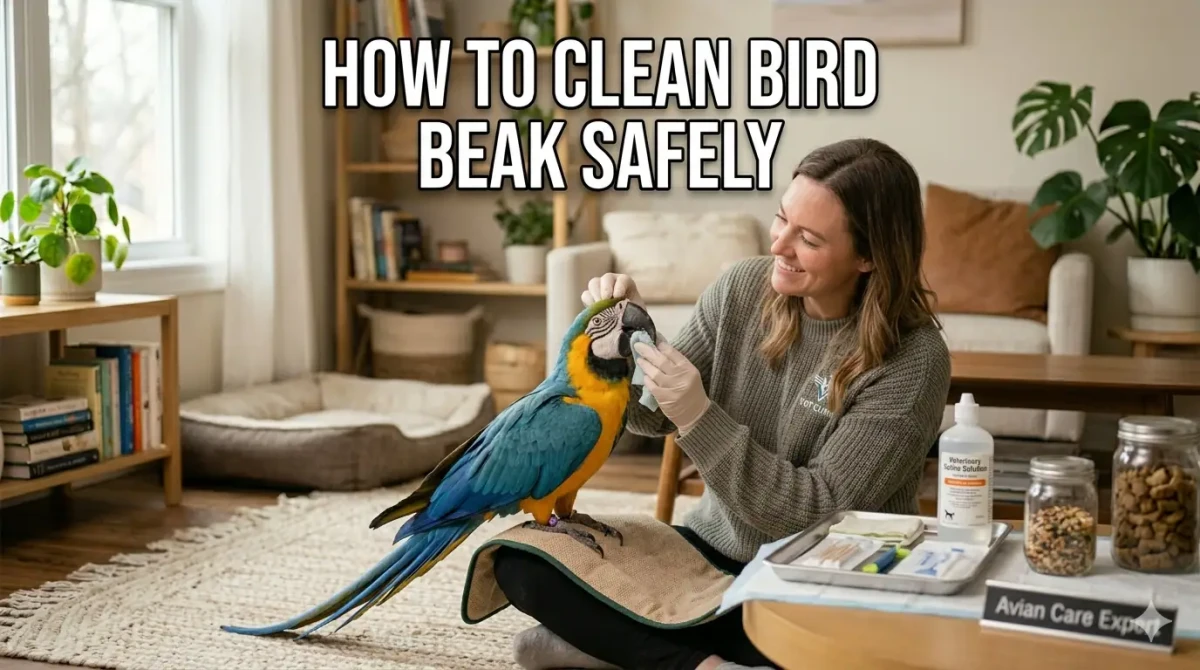
Understanding When and Why Bird Beak Cleaning Is Necessary
Most healthy birds maintain their own beaks through natural behaviors like preening, chewing, and rubbing on perches. However, certain situations—illness, injury, advanced age, or specific medical conditions—may require gentle beak cleaning under veterinary guidance. Learning to clean a bird's beak safely isn't about routine maintenance; it's about providing compassionate care when your feathered companion needs assistance while avoiding harm from well-intentioned but improper techniques.
Featured Snippet Answer: Most healthy birds do NOT need their beaks cleaned by owners. Only clean a bird's beak if advised by an avian veterinarian for specific reasons like food debris after illness, mild discharge, or post-procedure care. Use only sterile saline solution and soft cotton swabs or gauze; never use human products, force the beak open, or attempt to trim. When in doubt, consult an avian veterinarian—improper cleaning can cause serious injury or stress.
Attempting to clean a healthy bird's beak can cause significant stress, damage the delicate keratin layer, or introduce infection. Understanding the difference between normal beak appearance and genuine problems empowers you to provide appropriate care while knowing when professional help is essential.
This comprehensive guide provides evidence-based, avian-veterinarian-aligned strategies for safe beak care. You'll learn about normal beak anatomy, when cleaning is actually necessary, safe materials and techniques, species-specific considerations, warning signs requiring veterinary attention, and how to support beak health through nutrition and environment. Whether you care for a parrot, finch, canary, or other avian companion, you'll find practical guidance to protect their beak health safely.
Understanding Avian Beak Anatomy: Why Caution Is Essential
Before considering any beak care, it's crucial to understand how bird beaks function and why improper handling can cause harm.
Key Beak Characteristics:
- Keratin composition: Beaks are made of keratin (like human fingernails) that grows continuously; the outer layer is delicate and easily damaged
- Blood supply: The inner beak (quick) contains blood vessels and nerves; cutting or scraping too deeply causes pain and bleeding
- Sensory function: Beaks contain nerve endings for touch, temperature, and taste; rough handling causes distress
- Self-maintenance: Healthy birds naturally wear and shape their beaks through chewing, preening, and rubbing on appropriate surfaces
- Species variation: Parrots have powerful, curved beaks; finches have small, conical beaks; raptors have hooked beaks—each requires different care considerations
- 🐾 How to Prevent Matting in Long Haired Dogs Complete Grooming Guide
- 🐾 Best Perches for Grooming Complete Buyer's Guide
- 🐾 Cat Nail Trimming Guide for Beginners: 2026
Why Most Birds Don't Need Beak Cleaning:
- Natural wear: Chewing toys, perches, and food naturally maintains beak length and shape
- Preening behavior: Birds use their beaks and feet to clean and maintain their own beaks
- Protective oils: Natural oils from the uropygial (preen) gland help maintain beak health
- Stress sensitivity: Restraint and handling for unnecessary cleaning causes significant stress that suppresses immunity
- 🐾 How to Prevent Matting in Long Haired Dogs Complete Grooming Guide
- 🐾 Best Perches for Grooming Complete Buyer's Guide
- 🐾 Cat Nail Trimming Guide for Beginners: 2026
When Beak Cleaning MAY Be Appropriate (Under Veterinary Guidance):
- Food debris stuck after illness when bird is too weak to self-clean
- Mild, vet-diagnosed discharge requiring gentle removal
- Post-procedure care following veterinary beak treatment
- Senior or disabled birds unable to maintain their own beaks
- Temporary assistance during recovery from injury or illness
- 🐾 How to Prevent Matting in Long Haired Dogs Complete Grooming Guide
- 🐾 Best Perches for Grooming Complete Buyer's Guide
- 🐾 Cat Nail Trimming Guide for Beginners: 2026
Featured Snippet Answer: Bird beaks are delicate keratin structures with blood supply and nerve endings. Most healthy birds maintain their own beaks naturally. Only clean a beak under veterinary guidance for specific medical reasons. Improper cleaning can cause pain, bleeding, infection, or severe stress. When uncertain, always consult an avian veterinarian first.
How do I know if my bird's beak actually needs cleaning?
Normal beak appearance varies by species but should be smooth, symmetrical, and free of cracks or abnormal growths. Concerning signs include: food debris that doesn't dislodge with normal eating, crusty discharge, foul odor, asymmetry, cracks, or overgrowth that interferes with eating. However, many apparent "problems" are normal variations. Always consult an avian veterinarian before attempting any beak cleaning—they can determine if intervention is truly needed and demonstrate safe techniques.
Essential Safety Principles: What NOT to Do When Cleaning Bird Beaks

Preventing harm is more important than any cleaning technique. These critical safety rules protect your bird.
Absolute Prohibitions:
- Never use human products: Human toothpaste, mouthwash, hydrogen peroxide, alcohol, or essential oils are toxic to birds
- Never force the beak open: This can cause injury, stress, and distrust; birds have powerful jaw muscles that can be strained
- Never use sharp tools: Scissors, nail clippers, or metal instruments can cause serious injury
- Never attempt beak trimming: Trimming requires veterinary expertise; improper trimming causes pain, bleeding, and permanent damage
- Never clean a struggling bird: If your bird resists, stop immediately; stress can be fatal in small birds
- Never use cotton balls: Fibers can stick to beak or be ingested; use cotton-tipped applicators or gauze instead
- 🐾 How to Prevent Matting in Long Haired Dogs Complete Grooming Guide
- 🐾 Best Perches for Grooming Complete Buyer's Guide
- 🐾 Cat Nail Trimming Guide for Beginners: 2026
Critical Preparation Steps:
- Consult your avian veterinarian first: Get specific guidance for your bird's species, condition, and needs
- Gather all supplies beforehand: Minimize handling time to reduce stress
- Work in a calm, familiar environment: Reduce external stressors during the procedure
- Have a helper if possible: One person can gently restrain while another cleans (only if bird is calm)
- Know your exit strategy: If your bird shows distress, stop immediately and comfort them
- 🐾 How to Prevent Matting in Long Haired Dogs Complete Grooming Guide
- 🐾 Best Perches for Grooming Complete Buyer's Guide
- 🐾 Cat Nail Trimming Guide for Beginners: 2026
Featured Snippet Answer: Never use human products, force the beak open, use sharp tools, attempt trimming, or clean a struggling bird. Always consult an avian veterinarian first, gather supplies beforehand, work in a calm environment, and stop immediately if your bird shows distress. Safety and stress reduction are paramount in any beak care.
Safe Materials and Supplies for Beak Care

Using appropriate materials prevents injury and infection. Only use these veterinarian-approved supplies.
Approved Cleaning Solutions:
- Sterile saline solution (0.9% sodium chloride): The only solution generally safe for beak cleaning; available at pharmacies
- Warm water: Only if saline is unavailable; must be lukewarm (not hot or cold) and used sparingly
- Veterinary-prescribed solutions: Only use medicated solutions specifically prescribed by your avian vet for diagnosed conditions
- 🐾 How to Prevent Matting in Long Haired Dogs Complete Grooming Guide
- 🐾 Best Perches for Grooming Complete Buyer's Guide
- 🐾 Cat Nail Trimming Guide for Beginners: 2026
Approved Application Tools:
- Cotton-tipped applicators (Q-tips): Use gently; never insert into nostrils or force into beak crevices
- Soft gauze pads: Ideal for wiping external beak surfaces; use sterile, unused pads
- Soft-bristled bird-safe toothbrush: Only if specifically recommended by your vet for particular conditions
- 🐾 How to Prevent Matting in Long Haired Dogs Complete Grooming Guide
- 🐾 Best Perches for Grooming Complete Buyer's Guide
- 🐾 Cat Nail Trimming Guide for Beginners: 2026
Supportive Supplies:
- Towel for gentle restraint: Soft, clean towel for minimal, calm restraint if absolutely necessary
- Treats for positive reinforcement: High-value treats to reward calm behavior before and after
- Timer: Limit cleaning sessions to 1-2 minutes maximum to minimize stress
- Record log: Document any cleaning, observations, or concerns to share with your veterinarian
- 🐾 How to Prevent Matting in Long Haired Dogs Complete Grooming Guide
- 🐾 Best Perches for Grooming Complete Buyer's Guide
- 🐾 Cat Nail Trimming Guide for Beginners: 2026
Materials to Avoid:
- Hydrogen peroxide, alcohol, vinegar, or essential oils (toxic or irritating)
- Human toothpaste, mouthwash, or dental products (contain unsafe ingredients)
- Cotton balls (fibers can detach and be ingested)
- Paper towels (can leave fibers or scratch delicate keratin)
- Any sharp, metal, or rigid tools
- 🐾 How to Prevent Matting in Long Haired Dogs Complete Grooming Guide
- 🐾 Best Perches for Grooming Complete Buyer's Guide
- 🐾 Cat Nail Trimming Guide for Beginners: 2026
Featured Snippet Answer: Safe beak cleaning materials: sterile saline solution (0.9% sodium chloride), soft gauze pads, or cotton-tipped applicators used gently. Never use human products, alcohol, hydrogen peroxide, or sharp tools. Only use veterinary-prescribed solutions for diagnosed conditions. When in doubt, use only sterile saline and consult your avian veterinarian.
Step-by-Step: Safe Beak Cleaning Protocol (When Medically Indicated)

Only proceed with cleaning if explicitly advised by your avian veterinarian. Follow this protocol precisely.
Phase 1: Preparation (5 Minutes)
- Consult your vet: Confirm cleaning is necessary and get species-specific guidance
- Gather supplies: Sterile saline, soft gauze/cotton applicators, treats, towel, timer
- Prepare environment: Quiet room, warm temperature, minimal distractions
- Wash hands thoroughly: Use fragrance-free soap; dry completely
- Prepare saline: Use pre-sterilized solution or prepare fresh with distilled water and non-iodized salt (only if vet-approved)
Phase 2: Gentle Approach (2-3 Minutes)
- Offer treats first: Create positive association before any handling
- Allow investigation: Let bird see and sniff supplies without forcing interaction
- Assess calmness: Only proceed if bird is relaxed; if stressed, stop and try later
- Minimal restraint: If needed, gently wrap in soft towel leaving head accessible; never squeeze
Phase 3: Cleaning Technique (1-2 Minutes Maximum)
- Dampen applicator: Lightly moisten gauze or cotton tip with sterile saline (not dripping)
- External cleaning only: Gently wipe visible external beak surfaces in one direction
- Focus on debris: Target only visible food particles or discharge; avoid normal beak texture
- Never insert tools: Do not insert anything into nostrils, beak crevices, or under beak edges
- Use light pressure: Let moisture soften debris; never scrub or scrape
- Work quickly: Complete cleaning within 1-2 minutes to minimize stress
Phase 4: Post-Cleaning Care
- Immediate reward: Offer high-value treat and calm praise
- Release gently: Return bird to familiar, safe location
- Observe closely: Monitor for 30 minutes for signs of distress, bleeding, or breathing changes
- Document: Record what was cleaned, bird's response, and any concerns for your vet
- Follow veterinary instructions: Adhere to any prescribed aftercare or follow-up
When to Stop Immediately:
- Bird shows signs of distress: rapid breathing, flapping, vocalizing, or struggling
- Any bleeding occurs, even minor
- Bird becomes lethargic or unresponsive
- You feel uncertain about any step
- 🐾 How to Prevent Matting in Long Haired Dogs Complete Grooming Guide
- 🐾 Best Perches for Grooming Complete Buyer's Guide
- 🐾 Cat Nail Trimming Guide for Beginners: 2026
Featured Snippet Answer: Safe beak cleaning protocol: consult vet first, use only sterile saline and soft gauze, clean external surfaces only with light pressure for 1-2 minutes maximum, reward immediately after, and monitor closely post-cleaning. Stop immediately if bird shows distress, bleeding occurs, or you feel uncertain. Never insert tools into nostrils or beak crevices.
Species-Specific Beak Care Considerations

Different bird species have unique beak structures and care needs. Tailor your approach accordingly.
Parrots (Cockatiels, Conures, African Greys, Macaws):
- Beak characteristics: Powerful, curved beaks with strong jaw muscles; sensitive nerve endings
- Cleaning considerations: Higher risk of injury from restraint; focus on external debris only
- Special notes: Parrots often resist handling; prioritize positive reinforcement and minimal restraint
- Veterinary guidance: Essential due to beak strength and sensitivity
- 🐾 How to Prevent Matting in Long Haired Dogs Complete Grooming Guide
- 🐾 Best Perches for Grooming Complete Buyer's Guide
- 🐾 Cat Nail Trimming Guide for Beginners: 2026
Finches and Canaries:
- Beak characteristics: Small, delicate conical beaks; extremely fragile keratin layer
- Cleaning considerations: Extreme caution required; often better to let vet handle any cleaning
- Special notes: Small size makes restraint high-risk; stress can be fatal
- Veterinary guidance: Strongly recommended before any home intervention
- 🐾 How to Prevent Matting in Long Haired Dogs Complete Grooming Guide
- 🐾 Best Perches for Grooming Complete Buyer's Guide
- 🐾 Cat Nail Trimming Guide for Beginners: 2026
Softbills (Mynas, Starlings, Toucans):
- Beak characteristics: Varied shapes; some have sensitive soft tissue at beak base
- Cleaning considerations: Avoid moisture near nostrils; focus on external food debris only
- Special notes: Many softbills are particularly stress-sensitive
- Veterinary guidance: Critical due to specialized beak anatomy
- 🐾 How to Prevent Matting in Long Haired Dogs Complete Grooming Guide
- 🐾 Best Perches for Grooming Complete Buyer's Guide
- 🐾 Cat Nail Trimming Guide for Beginners: 2026
Senior or Medically Compromised Birds:
- Beak considerations: May have reduced self-maintenance ability; require gentle, minimal intervention
- Cleaning approach: Shorter sessions, extra gentleness, prioritize comfort over thoroughness
- Monitoring: Watch closely for fatigue or distress; stop at first sign of discomfort
- Veterinary partnership: Regular check-ins to adjust care as condition changes
- 🐾 How to Prevent Matting in Long Haired Dogs Complete Grooming Guide
- 🐾 Best Perches for Grooming Complete Buyer's Guide
- 🐾 Cat Nail Trimming Guide for Beginners: 2026
Featured Snippet Answer: Tailor beak care to species: parrots need minimal restraint due to powerful beaks; finches require extreme caution due to fragility; softbills need moisture avoidance near nostrils; seniors need gentler, shorter sessions. Always consult an avian veterinarian for species-specific guidance before attempting any beak cleaning.
Supporting Beak Health Naturally: Prevention Over Intervention

The best beak care prevents the need for cleaning. Support natural beak maintenance through environment and nutrition.
Environmental Enrichment for Natural Beak Maintenance:
- Appropriate perches: Natural wood branches of varying diameters help wear beaks naturally
- Chew toys: Untreated wood, cardboard, and bird-safe materials encourage natural beak use
- Foraging opportunities: Puzzle feeders and hidden treats stimulate natural chewing behaviors
- Safe rubbing surfaces: Cuttlebone, mineral blocks, or rough perches help maintain beak shape
- Avoid abrasive surfaces: Sandpaper perches can damage beaks and feet; use natural materials instead
- 🐾 How to Prevent Matting in Long Haired Dogs Complete Grooming Guide
- 🐾 Best Perches for Grooming Complete Buyer's Guide
- 🐾 Cat Nail Trimming Guide for Beginners: 2026
Nutritional Support for Beak Health:
- Balanced diet: Species-appropriate pellets, fresh vegetables, and limited seeds provide essential nutrients
- Calcium and vitamin D3: Critical for beak strength; provide cuttlebone and appropriate UVB lighting
- Protein adequacy: Keratin production requires adequate animal or plant-based protein
- Hydration: Fresh water daily supports overall tissue health including beak keratin
- Avoid deficiencies: Vitamin A deficiency can cause beak abnormalities; ensure diet includes orange vegetables
- 🐾 How to Prevent Matting in Long Haired Dogs Complete Grooming Guide
- 🐾 Best Perches for Grooming Complete Buyer's Guide
- 🐾 Cat Nail Trimming Guide for Beginners: 2026
Monitoring Beak Health Daily:
- Visual checks: Observe beak symmetry, color, and texture during feeding or interaction
- Eating behavior: Note any difficulty picking up food, dropping food, or changes in appetite
- Preening observation: Watch if bird can effectively preen its own beak and feathers
- Document changes: Keep a log of beak appearance to share with your veterinarian
- 🐾 How to Prevent Matting in Long Haired Dogs Complete Grooming Guide
- 🐾 Best Perches for Grooming Complete Buyer's Guide
- 🐾 Cat Nail Trimming Guide for Beginners: 2026
Featured Snippet Answer: Support beak health naturally: provide appropriate perches and chew toys for natural wear, ensure balanced nutrition with adequate calcium and vitamin A, maintain hydration, and monitor beak appearance daily. Prevention through environment and diet reduces need for cleaning. Consult your avian veterinarian for personalized nutritional guidance.
Recognizing When Beak Issues Require Veterinary Care

Many beak concerns require professional diagnosis and treatment. Know when to seek help.
Warning Signs Requiring Immediate Veterinary Attention:
- Bleeding: Any bleeding from the beak requires immediate veterinary care
- Difficulty eating or drinking: Dropping food, reluctance to eat, or weight loss
- Beak asymmetry or misalignment: May indicate trauma, infection, or underlying disease
- Cracks, chips, or abnormal growths: Could signal infection, trauma, or neoplasia
- Discharge or foul odor: May indicate bacterial or fungal infection requiring treatment
- Swelling or discoloration: Redness, swelling, or unusual color changes warrant evaluation
- Behavioral changes: Lethargy, fluffed posture, or reduced activity alongside beak changes
- 🐾 How to Prevent Matting in Long Haired Dogs Complete Grooming Guide
- 🐾 Best Perches for Grooming Complete Buyer's Guide
- 🐾 Cat Nail Trimming Guide for Beginners: 2026
Common Beak Conditions Requiring Professional Care:
- Overgrowth: Caused by liver disease, malnutrition, or lack of wear; requires veterinary trimming
- Scaly face/mite infestation: Requires specific antiparasitic treatment
- Bacterial or fungal infections: Need culture and targeted medication
- Trauma or fractures: Require stabilization and pain management
- Cercomas or tumors: Need diagnostic testing and specialized treatment
- Vitamin deficiencies: Require dietary correction and supplementation under veterinary guidance
- 🐾 How to Prevent Matting in Long Haired Dogs Complete Grooming Guide
- 🐾 Best Perches for Grooming Complete Buyer's Guide
- 🐾 Cat Nail Trimming Guide for Beginners: 2026
What to Expect at an Avian Veterinary Visit:
- Comprehensive examination: Assessment of beak, oral cavity, and overall health
- Diagnostic testing: May include cultures, blood work, or imaging to identify underlying causes
- Professional cleaning or trimming: Performed with appropriate restraint, lighting, and tools
- Treatment plan: May include medications, dietary changes, or environmental adjustments
- Follow-up care: Monitoring progress and adjusting treatment as needed
- 🐾 How to Prevent Matting in Long Haired Dogs Complete Grooming Guide
- 🐾 Best Perches for Grooming Complete Buyer's Guide
- 🐾 Cat Nail Trimming Guide for Beginners: 2026
Featured Snippet Answer: Seek immediate veterinary care for beak bleeding, difficulty eating, asymmetry, cracks, discharge, swelling, or behavioral changes. Common conditions requiring professional care include overgrowth, infections, trauma, and deficiencies. Avian veterinarians provide safe cleaning, trimming, and treatment with appropriate diagnostics and follow-up.
Common Mistakes That Harm Bird Beaks

Even well-intentioned owners can cause harm. Avoid these critical errors.
Mistake 1: Cleaning a Healthy Beak
- Problem: Unnecessary cleaning causes stress, damages keratin, and disrupts natural maintenance
- Solution: Only clean when specifically advised by an avian veterinarian for a diagnosed issue
- 🐾 How to Prevent Matting in Long Haired Dogs Complete Grooming Guide
- 🐾 Best Perches for Grooming Complete Buyer's Guide
- 🐾 Cat Nail Trimming Guide for Beginners: 2026
Mistake 2: Using Human Products
- Problem: Human toothpaste, mouthwash, or cleaners contain ingredients toxic to birds
- Solution: Use only sterile saline or veterinary-prescribed solutions; never substitute human products
- 🐾 How to Prevent Matting in Long Haired Dogs Complete Grooming Guide
- 🐾 Best Perches for Grooming Complete Buyer's Guide
- 🐾 Cat Nail Trimming Guide for Beginners: 2026
Mistake 3: Forcing Restraint or Cleaning
- Problem: Struggling birds can injure themselves; stress suppresses immunity and can be fatal
- Solution: Stop immediately if bird resists; consult your vet for alternatives or professional assistance
- 🐾 How to Prevent Matting in Long Haired Dogs Complete Grooming Guide
- 🐾 Best Perches for Grooming Complete Buyer's Guide
- 🐾 Cat Nail Trimming Guide for Beginners: 2026
Mistake 4: Attempting Beak Trimming at Home
- Problem: Improper trimming causes pain, bleeding, infection, and permanent damage to beak structure
- Solution: Never trim a beak at home; leave trimming to avian veterinarians with proper tools and expertise
- 🐾 How to Prevent Matting in Long Haired Dogs Complete Grooming Guide
- 🐾 Best Perches for Grooming Complete Buyer's Guide
- 🐾 Cat Nail Trimming Guide for Beginners: 2026
Mistake 5: Ignoring Underlying Causes
- Problem: Cleaning debris without addressing why it accumulated (illness, diet, environment) fails to solve the problem
- Solution: Work with your veterinarian to diagnose and treat underlying causes of beak issues
- 🐾 How to Prevent Matting in Long Haired Dogs Complete Grooming Guide
- 🐾 Best Perches for Grooming Complete Buyer's Guide
- 🐾 Cat Nail Trimming Guide for Beginners: 2026
Mistake 6: Over-Cleaning
- Problem: Frequent cleaning strips natural oils, damages keratin, and increases infection risk
- Solution: Clean only when medically necessary and as infrequently as possible; focus on prevention
- 🐾 How to Prevent Matting in Long Haired Dogs Complete Grooming Guide
- 🐾 Best Perches for Grooming Complete Buyer's Guide
- 🐾 Cat Nail Trimming Guide for Beginners: 2026
Featured Snippet Answer: Avoid beak care mistakes: don't clean healthy beaks, never use human products, never force restraint or attempt trimming, address underlying causes of debris, and avoid over-cleaning. These practices prevent injury, stress, and infection. When uncertain, consult an avian veterinarian before any intervention.
Post-Cleaning Care and Monitoring

If beak cleaning was medically necessary, proper aftercare supports recovery and prevents complications.
Immediate Post-Cleaning Steps:
- Comfort your bird: Return to familiar, quiet environment; offer gentle reassurance
- Provide treats: High-value rewards create positive associations with handling
- Monitor closely: Watch for 30-60 minutes for signs of distress, bleeding, or breathing changes
- Ensure access to food/water: Make sure your bird can eat and drink comfortably post-cleaning
- 🐾 How to Prevent Matting in Long Haired Dogs Complete Grooming Guide
- 🐾 Best Perches for Grooming Complete Buyer's Guide
- 🐾 Cat Nail Trimming Guide for Beginners: 2026
Ongoing Monitoring:
- Daily observation: Check beak appearance, eating behavior, and overall demeanor
- Document changes: Keep a log of beak condition, appetite, and behavior to share with your vet
- Follow veterinary instructions: Administer any prescribed medications or follow specific care protocols
- Schedule follow-up: Attend recommended recheck appointments to monitor progress
- 🐾 How to Prevent Matting in Long Haired Dogs Complete Grooming Guide
- 🐾 Best Perches for Grooming Complete Buyer's Guide
- 🐾 Cat Nail Trimming Guide for Beginners: 2026
When to Contact Your Veterinarian After Cleaning:
- Any bleeding, swelling, or discharge develops post-cleaning
- Bird shows reduced appetite, lethargy, or behavioral changes
- Cleaning site appears irritated, red, or infected
- Bird has difficulty eating, drinking, or preening after the procedure
- You have any concerns about your bird's recovery or comfort
- 🐾 How to Prevent Matting in Long Haired Dogs Complete Grooming Guide
- 🐾 Best Perches for Grooming Complete Buyer's Guide
- 🐾 Cat Nail Trimming Guide for Beginners: 2026
Featured Snippet Answer: After beak cleaning: comfort your bird in a quiet space, offer treats, monitor closely for 30-60 minutes for distress or bleeding, and ensure easy access to food/water. Contact your veterinarian if bleeding, swelling, reduced appetite, or behavioral changes occur. Attend all recommended follow-up appointments.
Building Trust: Positive Reinforcement for Beak Care

If your bird requires occasional beak care, building trust makes future handling less stressful.
Desensitization Protocol for Beak Handling:
- Week 1: Place cleaning supplies near cage; reward calm investigation with treats
- Week 2: Gently touch beak area with finger (no cleaning) for 1 second; reward immediately
- Week 3: Introduce damp gauze near beak without touching; reward calm behavior
- Week 4+: Gradually progress to brief, gentle external wiping only if medically necessary
Positive Reinforcement Techniques:
- High-value rewards: Reserve special treats exclusively for beak-care-related interactions
- Keep sessions short: 30-60 seconds maximum for desensitization; end while bird is calm
- Respect boundaries: If bird shows discomfort, pause and try again later; never force
- Consistency: Practice handling exercises regularly, even when cleaning isn't needed
- 🐾 How to Prevent Matting in Long Haired Dogs Complete Grooming Guide
- 🐾 Best Perches for Grooming Complete Buyer's Guide
- 🐾 Cat Nail Trimming Guide for Beginners: 2026
Creating Positive Associations:
- Pair beak handling with favorite activities: gentle petting, soft talking, or preferred perches
- Use calm, reassuring voice tones during all interactions
- Avoid associating beak handling only with unpleasant procedures
- Celebrate small progress: reward any tolerance of gentle handling
- 🐾 How to Prevent Matting in Long Haired Dogs Complete Grooming Guide
- 🐾 Best Perches for Grooming Complete Buyer's Guide
- 🐾 Cat Nail Trimming Guide for Beginners: 2026
Featured Snippet Answer: Build trust for beak care through gradual desensitization: reward calm investigation of supplies, brief gentle touches, and short positive sessions. Use high-value treats, keep sessions under 60 seconds, and respect your bird's boundaries. Consistent positive reinforcement makes necessary care less stressful for both of you.
Quick Recap: Key Takeaways for Safe Bird Beak Care

- Most healthy birds do NOT need their beaks cleaned by owners; natural behaviors maintain beak health
- Only clean a beak when explicitly advised by an avian veterinarian for specific medical reasons
- Use only sterile saline solution and soft gauze or cotton-tipped applicators; never human products
- Limit cleaning to external surfaces only; never insert tools into nostrils or beak crevices
- Keep sessions under 2 minutes; stop immediately if bird shows any distress
- Never attempt beak trimming at home; leave trimming to avian veterinarians
- Support natural beak health through appropriate perches, chew toys, and balanced nutrition
- Monitor beak appearance daily; consult your vet for asymmetry, cracks, discharge, or eating difficulties
- Build trust through positive reinforcement and gradual desensitization for necessary handling
- When in doubt, consult an avian veterinarian—your bird's safety and wellbeing are paramount
- 🐾 How to Prevent Matting in Long Haired Dogs Complete Grooming Guide
- 🐾 Best Perches for Grooming Complete Buyer's Guide
- 🐾 Cat Nail Trimming Guide for Beginners: 2026
Final Thoughts: Compassion, Caution, and Partnership

Caring for your bird's beak is an act of love that requires knowledge, patience, and humility. The most compassionate choice is often to trust your bird's natural abilities and seek professional guidance when concerns arise.
Remember that every bird is unique. What appears concerning to you may be normal for your species, and vice versa. Stay observant: your bird's behavior, appetite, and appearance provide constant feedback about their wellbeing. Stay humble: recognize the limits of home care and the expertise of avian veterinarians. Stay compassionate: prioritize your bird's comfort and trust above all else.
With knowledge, caution, and partnership with your avian veterinarian, you can help your bird maintain a healthy, functional beak that supports eating, preening, and exploring their world. Every moment of gentle care, every nutritious meal, and every veterinary partnership is an investment in your bird's quality of life. Celebrate your bird's natural abilities, trust the process, and enjoy the unique joy of caring for your feathered companion.
When in doubt, always consult an avian veterinarian. They possess the specialized knowledge, tools, and experience to provide safe, effective beak care that protects your bird's health and wellbeing. Together, you can ensure your bird thrives with a strong, healthy beak for years to come.

0 Comments