.png)
Best Bird Toys for Small Birds: Expert Guide & Reviews
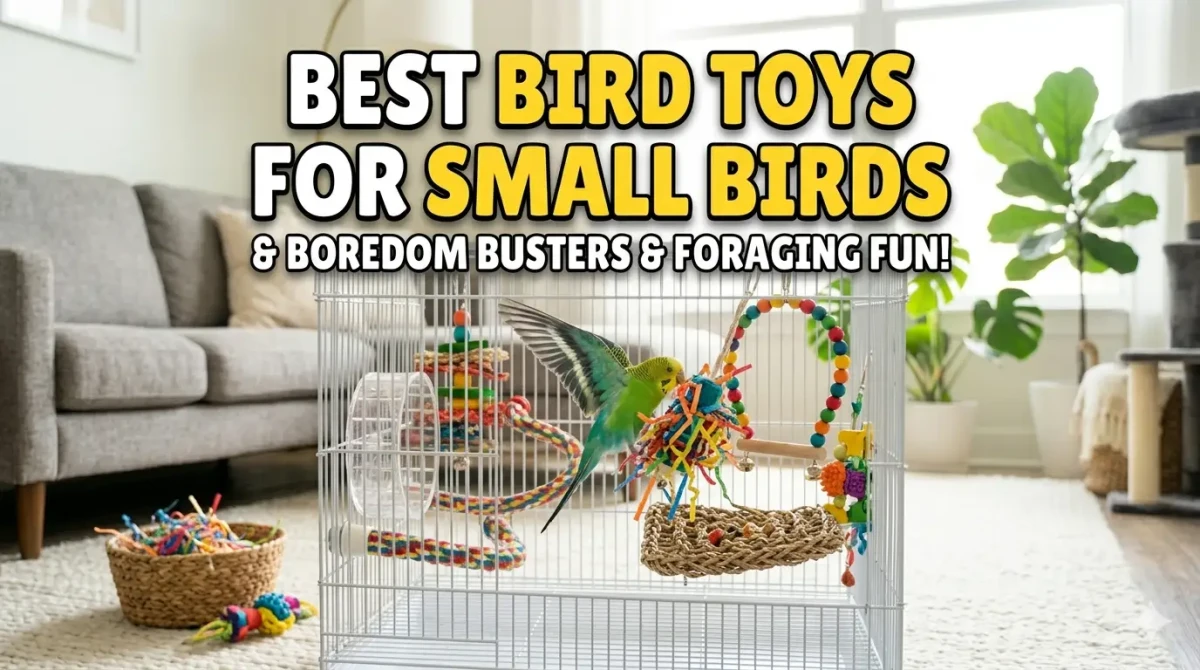
Why Choosing the Right Toys for Small Birds Is Essential for Health
Small birds like finches, canaries, budgies (parakeets), lovebirds, and cockatiels have big personalities and complex behavioral needs despite their petite size. Without appropriate mental and physical stimulation, these intelligent birds can develop behavioral problems like feather plucking, excessive screaming, or aggression. Selecting the best bird toys for small birds isn't just about entertainment—it's about supporting beak health, preventing boredom, encouraging natural foraging behaviors, and strengthening the bond between you and your feathered companion.
Featured Snippet Answer: The best bird toys for small birds include shredding toys made from safe woods (balsa, sola, manzanita), foraging puzzles that hide treats, climbing toys with varied textures, and interactive foot toys. Choose non-toxic materials, avoid small parts or toxic metals, ensure toys are appropriately sized for small beaks, and rotate toys weekly to maintain interest and support mental health.
Small birds are native to diverse environments—from Australian grasslands (budgies) to African savannas (lovebirds) to European woodlands (finches)—where they spend hours foraging, chewing, and socializing in flocks. In captivity, they rely on their human caregivers to provide outlets for these natural instincts. Toys that encourage chewing, problem-solving, climbing, and shredding help prevent the frustration that leads to destructive behaviors.
This comprehensive guide explores the top toy categories for small birds, safety considerations, material selection, species-specific recommendations, DIY options, and expert strategies for maximizing enrichment through play. Whether you care for a single finch, a bonded pair of lovebirds, or a flock of budgies, you'll find evidence-based recommendations to support your birds' physical health, mental wellbeing, and behavioral balance.
Understanding Small Bird Behavior and Toy Needs
Before selecting toys, it's important to understand what drives your small bird and how play supports their unique needs.
Key Small Bird Traits:
- Active foragers: Small birds spend hours searching for food in the wild; captive birds need puzzles to mimic this behavior
- Powerful beaks relative to size: Despite small size, budgies and lovebirds have strong chewing instincts requiring constant outlet
- High intelligence: Small parrots (budgies, lovebirds, cockatiels) learn quickly and can become bored with repetitive toys
- Social nature: Most small birds are flock animals; toys can supplement but not replace social interaction
- Active climbers and flyers: They enjoy exploring vertically and horizontally, needing varied perches and climbing structures
- 🐾 Best Indestructible Dog Toys Complete Buying Guide
- 🐾 Best Multi-Level Cages for Rabbits Complete Guide
- 🐾 Best Activated Carbon for Fish Tanks Complete Guide
Why Toys Matter for Small Birds:
Appropriate toys provide critical benefits:
- Beak health: Chewing wears down continuously growing beaks naturally
- Mental stimulation: Prevents boredom, reduces stress, and supports cognitive function
- Feather health: Engaged birds are less likely to develop feather-destructive behaviors
- Exercise: Climbing, shredding, and manipulating toys builds muscle and coordination
- Emotional wellbeing: Toys provide comfort, especially for single birds when owners are away
- 🐾 Best Indestructible Dog Toys Complete Buying Guide
- 🐾 Best Multi-Level Cages for Rabbits Complete Guide
- 🐾 Best Activated Carbon for Fish Tanks Complete Guide
Featured Snippet Answer: Toys support small bird health by maintaining beak condition, providing mental stimulation, preventing feather plucking, encouraging exercise, and reducing stress. Small birds need a variety of shredding, foraging, climbing, and interactive toys rotated regularly to stay engaged and behaviorally balanced.
How many toys should a small bird have in their cage?
A small bird's cage should have 4-6 toys available at once, representing different categories (shredding, foraging, climbing, foot toys). Rotate toys weekly to maintain novelty without overcrowding the cage. Too many toys can overwhelm; too few lead to boredom. Observe your bird's preferences and adjust based on engagement. For flock-keeping species like finches, provide multiple identical toys to prevent competition.
Essential Toy Categories for Small Bird Enrichment

A well-rounded toy collection includes various types to support different aspects of small bird health and behavior.
1. Shredding and Chewing Toys: Beak Health Essentials
Small birds have an innate need to chew. Shredding toys satisfy this instinct while maintaining beak health and preventing destructive chewing of cage bars or furniture.
Benefits:
- Naturally wears down beaks, preventing overgrowth
- Provides satisfying tactile and auditory feedback
- Reduces stress and redirects chewing away from unsafe items
- Encourages natural foraging and nest-building behaviors
- 🐾 Best Indestructible Dog Toys Complete Buying Guide
- 🐾 Best Multi-Level Cages for Rabbits Complete Guide
- 🐾 Best Activated Carbon for Fish Tanks Complete Guide
Best Materials for Small Bird Shredding Toys:
- Balsa wood: Soft, easy to shred, safe, and affordable; ideal for finches and canaries
- Sola wood: Lightweight, crumbly texture small birds love
- Palm leaf or raffia: Natural fiber that shreds satisfyingly
- Paper-based toys: Untreated paper rolls, cardboard, or paper ropes
- Cork: Durable yet shreddable; adds texture variety
- 🐾 Best Indestructible Dog Toys Complete Buying Guide
- 🐾 Best Multi-Level Cages for Rabbits Complete Guide
- 🐾 Best Activated Carbon for Fish Tanks Complete Guide
Top Picks for Small Birds:
- Java Wood Mini Shredder Blocks: Natural, pesticide-free wood chunks sized for small beaks
- Bonka Bird Toys Small Bird Shredding Bundle: Variety pack with balsa, sola, and palm materials sized for finches/budgies
- Super Bird Creations Palm Leaf Stars (Small): Natural, biodegradable, and highly shreddable
- DIY option: Untreated cardboard tubes, paper egg cartons, or popsicle sticks cut to small-bird size
- 🐾 Best Indestructible Dog Toys Complete Buying Guide
- 🐾 Best Multi-Level Cages for Rabbits Complete Guide
- 🐾 Best Activated Carbon for Fish Tanks Complete Guide
Safety Note: Always avoid toys treated with chemicals, dyes, or glues. Choose natural, untreated materials whenever possible. Ensure all components are sized appropriately—nothing small enough to be swallowed whole.
2. Foraging and Puzzle Toys: Mental Stimulation
Foraging toys challenge your small bird to work for treats, mimicking natural food-seeking behaviors and providing crucial mental exercise.
Benefits:
- Slows down eating and encourages natural foraging instincts
- Provides problem-solving challenges that prevent boredom
- Reduces anxiety and stereotypic behaviors
- Strengthens the bond when you hide treats together
- 🐾 Best Indestructible Dog Toys Complete Buying Guide
- 🐾 Best Multi-Level Cages for Rabbits Complete Guide
- 🐾 Best Activated Carbon for Fish Tanks Complete Guide
Types of Foraging Toys for Small Birds:
- Simple hide-and-seek: Toys with small compartments or pockets to hide tiny treats
- Mini puzzle boxes: Require sliding, lifting, or pulling to access food; sized for small beaks
- Foot-operated dispensers: Small birds manipulate with feet to release treats
- Shred-to-reveal: Treats hidden inside shreddable materials sized for small birds
- 🐾 Best Indestructible Dog Toys Complete Buying Guide
- 🐾 Best Multi-Level Cages for Rabbits Complete Guide
- 🐾 Best Activated Carbon for Fish Tanks Complete Guide
Top Picks:
- Caitec Small Bird Foraging Wheel: Rotating compartments with treat slots; adjustable difficulty for budgies/lovebirds
- Bonka Bird Toys Mini Foraging Cup: Simple cup with lid sized for small birds; bird lifts to find treats
- Super Bird Creations Mini Foraging Stars: Shreddable stars with hidden treat pockets sized for finches
- DIY option: Hide pellets in crumpled paper inside a small cardboard box or toilet paper roll
- 🐾 Best Indestructible Dog Toys Complete Buying Guide
- 🐾 Best Multi-Level Cages for Rabbits Complete Guide
- 🐾 Best Activated Carbon for Fish Tanks Complete Guide
Featured Snippet Answer: Foraging toys provide mental stimulation by requiring small birds to solve simple puzzles to access treats. Start with easy designs like mini treat cups, use high-value rewards initially, and gradually increase complexity. These toys reduce boredom and mimic natural food-seeking behaviors essential for small bird mental health.
3. Climbing and Manipulative Toys: Physical Exercise
Small birds are active climbers who benefit from toys that encourage movement, coordination, and foot dexterity.
Benefits:
- Builds leg and foot strength through climbing and gripping
- Improves coordination and balance
- Provides variety in cage movement patterns
- Encourages exploration and confidence
- 🐾 Best Indestructible Dog Toys Complete Buying Guide
- 🐾 Best Multi-Level Cages for Rabbits Complete Guide
- 🐾 Best Activated Carbon for Fish Tanks Complete Guide
Best Climbing Toy Features for Small Birds:
- Varied textures: wood, rope, acrylic, natural fibers
- Multiple attachment points for flexible cage placement
- Appropriate sizing: links and rungs sized for small feet and beaks
- Secure hardware: stainless steel or nickel-plated chains/clips sized for small birds
- 🐾 Best Indestructible Dog Toys Complete Buying Guide
- 🐾 Best Multi-Level Cages for Rabbits Complete Guide
- 🐾 Best Activated Carbon for Fish Tanks Complete Guide
Top Picks:
- Java Wood Mini Ladder with Bells: Natural wood rungs with small, safe bells for auditory interest
- Bonka Bird Toys Small Rope Ladder: Cotton rope with wooden rungs sized for finches/budgies; flexible for varied positioning
- Super Bird Creations Mini Acrylic Swings: Lightweight, colorful, easy to clean; sized for small birds
- Mini foot toys with beads: Small, lightweight beads on safe wire for foot manipulation by small birds
- 🐾 Best Indestructible Dog Toys Complete Buying Guide
- 🐾 Best Multi-Level Cages for Rabbits Complete Guide
- 🐾 Best Activated Carbon for Fish Tanks Complete Guide
Safety Consideration: Avoid rope toys with loose fibers that can entangle small toes. Trim frayed ends regularly and supervise initial use.
4. Interactive and Foot Toys: Solo Play Engagement
Foot toys are designed to be manipulated with a bird's feet while perched, providing independent entertainment when you're not available for interactive play.
Benefits:
- Encourages independent play and problem-solving
- Develops foot dexterity and coordination
- Provides comfort and engagement for single birds
- Can be used during training for target or recall practice
- 🐾 Best Indestructible Dog Toys Complete Buying Guide
- 🐾 Best Multi-Level Cages for Rabbits Complete Guide
- 🐾 Best Activated Carbon for Fish Tanks Complete Guide
Top Picks for Small Birds:
- Bonka Bird Toys Small Foot Toy Variety Pack: Assorted tiny beads, bells, and wooden pieces on safe wire sized for small beaks
- Super Bird Creations Mini Foot Swings: Lightweight acrylic or wood pieces that swing when manipulated by small birds
- Java Wood Mini Foot Toys: Natural wood chunks with stainless steel hardware sized for small birds
- DIY option: String large, safe beads onto stainless steel wire with secure loops sized for small bird feet
- 🐾 Best Indestructible Dog Toys Complete Buying Guide
- 🐾 Best Multi-Level Cages for Rabbits Complete Guide
- 🐾 Best Activated Carbon for Fish Tanks Complete Guide
Introduction Tip: Place foot toys near your small bird's favorite perch. Demonstrate manipulation by gently moving the toy with your finger to spark curiosity.
5. Sound and Sensory Toys: Auditory Enrichment
Small birds enjoy auditory stimulation. Toys with safe bells, crinkle materials, or textured surfaces provide multi-sensory engagement.
Benefits:
- Stimulates hearing and curiosity
- Encourages investigation and play
- Adds variety to the cage environment
- Can help mask stressful household noises
- 🐾 Best Indestructible Dog Toys Complete Buying Guide
- 🐾 Best Multi-Level Cages for Rabbits Complete Guide
- 🐾 Best Activated Carbon for Fish Tanks Complete Guide
Safe Sound Toy Guidelines for Small Birds:
- Choose tiny, securely attached bells (no loose clappers that could trap small toes)
- Avoid jingle bells with internal beads that could be swallowed
- Prefer natural crinkle materials over plastic
- Monitor for overstimulation; some birds prefer quiet
- 🐾 Best Indestructible Dog Toys Complete Buying Guide
- 🐾 Best Multi-Level Cages for Rabbits Complete Guide
- 🐾 Best Activated Carbon for Fish Tanks Complete Guide
Top Picks:
- Java Wood Mini Bell Blocks: Natural wood with tiny, secure bells sized for small birds
- Super Bird Creations Mini Crinkle Stars: Palm leaf with natural crinkle texture sized for finches/canaries
- Bonka Bird Toys Mini Rattle Blocks: Hollow wood with internal beads for gentle sound; sized for small beaks
- 🐾 Best Indestructible Dog Toys Complete Buying Guide
- 🐾 Best Multi-Level Cages for Rabbits Complete Guide
- 🐾 Best Activated Carbon for Fish Tanks Complete Guide
Material Safety: Choosing Non-Toxic Toys for Small Birds

Small birds explore with their beaks and feet, making material safety paramount. Understanding which materials are safe—and which to avoid—protects your bird from toxicity and injury.
Safe Materials for Small Bird Toys:
- Woods: Balsa, sola, bamboo, manzanita, java wood, pine (kiln-dried), apple, willow
- Natural fibers: Cotton rope (untreated), palm leaf, raffia, seagrass, paper
- Metals: Stainless steel, nickel-plated hardware (avoid zinc, lead, or galvanized metals)
- Acrylic/plastic: Bird-safe, non-toxic acrylic designed for avian use
- Natural elements: Cork, coconut shell, untreated leather (in moderation)
- 🐾 Best Indestructible Dog Toys Complete Buying Guide
- 🐾 Best Multi-Level Cages for Rabbits Complete Guide
- 🐾 Best Activated Carbon for Fish Tanks Complete Guide
Materials to Avoid:
- Toxic woods: Cherry, peach, plum, apricot, oak, cedar, redwood (contain harmful phenols or cyanide compounds)
- Heavy metals: Zinc, lead, galvanized steel (can cause heavy metal poisoning)
- Small detachable parts: Tiny bells, googly eyes, or beads that can be swallowed by small birds
- Loose fibers or strings: Can entangle small toes or be ingested, causing crop impaction
- Chemically treated items: Painted, stained, or glued toys unless labeled bird-safe
- 🐾 Best Indestructible Dog Toys Complete Buying Guide
- 🐾 Best Multi-Level Cages for Rabbits Complete Guide
- 🐾 Best Activated Carbon for Fish Tanks Complete Guide
Size Considerations for Small Birds:
- Ensure all components are too large to be swallowed whole by your specific species
- Avoid toys with parts smaller than your bird's head
- Check that bells, beads, or attachments are securely fastened and cannot be detached
- 🐾 Best Indestructible Dog Toys Complete Buying Guide
- 🐾 Best Multi-Level Cages for Rabbits Complete Guide
- 🐾 Best Activated Carbon for Fish Tanks Complete Guide
Featured Snippet Answer: Safe small bird toy materials include balsa, sola, manzanita wood, cotton rope, palm leaf, and stainless steel hardware. Avoid toxic woods like cherry or cedar, zinc/lead metals, small detachable parts, and chemically treated items. Always choose toys labeled bird-safe and sized appropriately for your specific small bird species.
Are bells safe for small bird toys?
Small, securely attached bells are generally safe for small birds and provide auditory enrichment. Choose bells with no loose clappers that could trap toes, and avoid jingle bells with internal beads. Monitor your bird's interaction; if they become fixated or anxious, remove the bell. Many small birds enjoy gentle sound, but preferences vary individually.
Species-Specific Toy Recommendations: Tailoring to Your Small Bird

Different small bird species have unique behavioral tendencies, social needs, and toy preferences. Prevention strategies must be adapted accordingly.
Finches and Canaries:
- Key priorities:
- Lightweight toys that won't overwhelm small, delicate birds
- Foraging opportunities that mimic natural seed-seeking behavior
- Swings and ladders for gentle climbing exercise
- Avoid heavy or complex toys that may intimidate
- 🐾 Best Indestructible Dog Toys Complete Buying Guide
- 🐾 Best Multi-Level Cages for Rabbits Complete Guide
- 🐾 Best Activated Carbon for Fish Tanks Complete Guide
- Best toys: Mini shredding toys, small foraging puzzles, lightweight swings, natural fiber toys
- Special considerations: Often kept in flocks; provide multiple identical toys to prevent competition
- 🐾 Best Indestructible Dog Toys Complete Buying Guide
- 🐾 Best Multi-Level Cages for Rabbits Complete Guide
- 🐾 Best Activated Carbon for Fish Tanks Complete Guide
Budgies (Parakeets):
- Key priorities:
- Durable toys that withstand strong chewing for their size
- Interactive toys that engage their high intelligence
- Foot toys for independent manipulation
- Variety of textures to satisfy curious beaks
- 🐾 Best Indestructible Dog Toys Complete Buying Guide
- 🐾 Best Multi-Level Cages for Rabbits Complete Guide
- 🐾 Best Activated Carbon for Fish Tanks Complete Guide
- Best toys: Mini puzzle feeders, shredding blocks, foot toys with beads, interactive wands
- Special considerations: Highly social; benefit from toys that can be shared or used during interactive play
- 🐾 Best Indestructible Dog Toys Complete Buying Guide
- 🐾 Best Multi-Level Cages for Rabbits Complete Guide
- 🐾 Best Activated Carbon for Fish Tanks Complete Guide
Lovebirds:
- Key priorities:
- Durable shredding toys for powerful chewing instincts
- Foraging puzzles that challenge their problem-solving skills
- Climbing toys for active exploration
- Foot toys for independent engagement
- 🐾 Best Indestructible Dog Toys Complete Buying Guide
- 🐾 Best Multi-Level Cages for Rabbits Complete Guide
- 🐾 Best Activated Carbon for Fish Tanks Complete Guide
- Best toys: Java wood shredders, mini foraging wheels, climbing ladders, foot toys with varied textures
- Special considerations: Can be territorial; provide multiple toys in different cage zones to prevent guarding
- 🐾 Best Indestructible Dog Toys Complete Buying Guide
- 🐾 Best Multi-Level Cages for Rabbits Complete Guide
- 🐾 Best Activated Carbon for Fish Tanks Complete Guide
Cockatiels:
- Key priorities:
- Toys that satisfy both chewing and foraging instincts
- Interactive toys for bonding with owners
- Foot toys for independent play
- Sound toys for auditory enrichment (if tolerated)
- 🐾 Best Indestructible Dog Toys Complete Buying Guide
- 🐾 Best Multi-Level Cages for Rabbits Complete Guide
- 🐾 Best Activated Carbon for Fish Tanks Complete Guide
- Best toys: Mini puzzle feeders, shredding toys with varied textures, interactive wands, foot toys
- Special considerations: Sensitive to stress; introduce new toys gradually and monitor for anxiety
- 🐾 Best Indestructible Dog Toys Complete Buying Guide
- 🐾 Best Multi-Level Cages for Rabbits Complete Guide
- 🐾 Best Activated Carbon for Fish Tanks Complete Guide
Featured Snippet Answer: Tailor toys to species: finches/canaries need lightweight, simple toys; budgies benefit from interactive puzzles and foot toys; lovebirds need durable shredding toys; cockatiels enjoy varied textures and interactive options. Research your bird's natural history and behavioral tendencies to address species-specific preferences.
Toy Rotation Strategy: Maintaining Long-Term Interest

Small birds can quickly lose interest in toys that are always available. A rotation strategy keeps play fresh and exciting without constant purchasing.
The Rotation System:
- Keep in cage: 4-6 toys representing different categories (shredding, foraging, climbing, foot toys)
- Store away: Remaining toys in a labeled, dry container
- Rotate: Swap 2-3 toys every 5-7 days
- Observe: Note which toys generate most engagement
- Retire: Remove toys that consistently don't interest your bird
- 🐾 Best Indestructible Dog Toys Complete Buying Guide
- 🐾 Best Multi-Level Cages for Rabbits Complete Guide
- 🐾 Best Activated Carbon for Fish Tanks Complete Guide
Benefits of Rotation:
- Maintains novelty and prevents boredom
- Extends toy lifespan by reducing constant wear
- Allows assessment of preferences without cage clutter
- Makes old toys feel new again when reintroduced
- Supports behavioral enrichment through variety
- 🐾 Best Indestructible Dog Toys Complete Buying Guide
- 🐾 Best Multi-Level Cages for Rabbits Complete Guide
- 🐾 Best Activated Carbon for Fish Tanks Complete Guide
Seasonal and Developmental Adjustments:
- Introduce more shredding toys during molting (birds often chew more)
- Add foraging challenges when your bird seems restless or vocal
- Adjust difficulty as your bird masters puzzle mechanics
- Consider energy levels: active toys for morning/evening, calming toys for rest times
- 🐾 Best Indestructible Dog Toys Complete Buying Guide
- 🐾 Best Multi-Level Cages for Rabbits Complete Guide
- 🐾 Best Activated Carbon for Fish Tanks Complete Guide
Budget-Friendly and DIY Small Bird Toy Ideas

Enrichment doesn't require expensive purchases. Many effective small bird toys can be made at home with safe, accessible materials.
Easy DIY Projects:
1. Mini Cardboard Shredding Box:
- Use a small cardboard box (matchbox or small tissue box size)
- Cut several small holes on different sides
- Fill with crumpled untreated paper and hide tiny treats inside
- Bird shreds paper to find treats
- Cost: Free
- 🐾 Best Indestructible Dog Toys Complete Buying Guide
- 🐾 Best Multi-Level Cages for Rabbits Complete Guide
- 🐾 Best Activated Carbon for Fish Tanks Complete Guide
2. Paper Roll Foraging Tube:
- Take an empty toilet paper roll or cut paper towel roll to small-bird size
- Cut small slits along the length
- Insert tiny treats or pellets into slits
- Hang in cage with safe string or clip
- Cost: Free
- 🐾 Best Indestructible Dog Toys Complete Buying Guide
- 🐾 Best Multi-Level Cages for Rabbits Complete Guide
- 🐾 Best Activated Carbon for Fish Tanks Complete Guide
3. Natural Wood Chunk Toy:
- Collect untreated branches from safe woods (apple, willow, manzanita)
- Cut into tiny ½-1 inch chunks
- Drill small holes and thread onto stainless steel wire
- Add safe tiny beads or palm leaf between wood pieces
- Cost: $0-5 for hardware
- 🐾 Best Indestructible Dog Toys Complete Buying Guide
- 🐾 Best Multi-Level Cages for Rabbits Complete Guide
- 🐾 Best Activated Carbon for Fish Tanks Complete Guide
4. Palm Leaf Shredder:
- Purchase untreated palm leaf or raffia from craft stores
- Braid or bundle into small clusters sized for small birds
- Attach to cage with stainless steel clip
- Birds shred satisfyingly
- Cost: $3-8 for materials
- 🐾 Best Indestructible Dog Toys Complete Buying Guide
- 🐾 Best Multi-Level Cages for Rabbits Complete Guide
- 🐾 Best Activated Carbon for Fish Tanks Complete Guide
5. Egg Carton Puzzle:
- Use a clean, untreated paper egg carton
- Place tiny treats in some cups
- Cover cups with crumpled paper or small wood pieces
- Bird removes covers to find food
- Cost: Free
- 🐾 Best Indestructible Dog Toys Complete Buying Guide
- 🐾 Best Multi-Level Cages for Rabbits Complete Guide
- 🐾 Best Activated Carbon for Fish Tanks Complete Guide
Safety Tips for DIY Toys:
- Always verify wood sources are pesticide-free and non-toxic
- Avoid glues, paints, or chemical treatments
- Use stainless steel or nickel-plated hardware only
- Supervise initial play to assess safety and engagement
- Discard toys once they show significant wear
- 🐾 Best Indestructible Dog Toys Complete Buying Guide
- 🐾 Best Multi-Level Cages for Rabbits Complete Guide
- 🐾 Best Activated Carbon for Fish Tanks Complete Guide
Introducing New Toys: Building Positive Associations

Even the best toy won't help if your small bird ignores it. Proper introduction increases acceptance and engagement.
Step-by-Step Introduction:
- Place near, not on: Position new toy near your bird's favorite perch without forcing interaction
- Add incentives: Hide high-value treats on or near the toy to create positive association
- Demonstrate gently: For interactive toys, manipulate the toy with your finger to show function
- Keep sessions short: 5-10 minutes initially to prevent overwhelm
- End positively: Praise or offer a treat when your bird shows interest
- Repeat consistently: Daily brief exposure builds familiarity and confidence
Troubleshooting Toy Rejection:
- Try adding a favorite treat directly to the toy
- Move the toy to a different cage location
- Introduce at different times of day (small birds have energy peaks)
- Put the toy away for a week, then reintroduce
- Some birds prefer certain textures—experiment with variety
- 🐾 Best Indestructible Dog Toys Complete Buying Guide
- 🐾 Best Multi-Level Cages for Rabbits Complete Guide
- 🐾 Best Activated Carbon for Fish Tanks Complete Guide
Making Toys More Appealing:
- Rub toys with used bedding to add familiar scent
- Warm plush toys slightly (microwave for 10 seconds, test temperature)
- Add movement: dangling, rolling, or vibrating toys attract attention
- Use high-value treats as rewards for toy interaction
- 🐾 Best Indestructible Dog Toys Complete Buying Guide
- 🐾 Best Multi-Level Cages for Rabbits Complete Guide
- 🐾 Best Activated Carbon for Fish Tanks Complete Guide
Featured Snippet Answer: Introduce new small bird toys by placing them near favorite perches, adding treats for positive association, and demonstrating gently. Keep sessions short, end positively, and repeat daily. If rejected, try different locations, times, or textures before concluding the toy isn't a match.
Multi-Bird Household Toy Management

If you have multiple small birds, toy selection and placement require additional consideration to prevent conflict and ensure fair access.
Preventing Resource Guarding:
- Provide duplicate popular toys to reduce competition
- Place toys in different cage zones to allow simultaneous access
- Supervise interactive play sessions to ensure fair engagement
- Offer high-value foraging toys individually if conflicts arise
- 🐾 Best Indestructible Dog Toys Complete Buying Guide
- 🐾 Best Multi-Level Cages for Rabbits Complete Guide
- 🐾 Best Activated Carbon for Fish Tanks Complete Guide
Best Toys for Multiple Small Birds:
- Large shredding bundles: Multiple birds can shred simultaneously
- Multi-station foraging toys: Several treat compartments for shared access
- Climbing structures: Ladders or ropes that accommodate multiple birds
- Individual foot toys: One per bird to prevent squabbles
- 🐾 Best Indestructible Dog Toys Complete Buying Guide
- 🐾 Best Multi-Level Cages for Rabbits Complete Guide
- 🐾 Best Activated Carbon for Fish Tanks Complete Guide
Individual vs. Group Play:
- Schedule individual playtime with each bird daily (10-15 minutes)
- Also provide group enrichment for social bonding
- Observe preferences: some birds prefer solo play, others enjoy interactive games
- Adjust toy availability based on individual personalities and dynamics
- 🐾 Best Indestructible Dog Toys Complete Buying Guide
- 🐾 Best Multi-Level Cages for Rabbits Complete Guide
- 🐾 Best Activated Carbon for Fish Tanks Complete Guide
Recognizing and Preventing Toy-Related Hazards

Even safe toys can become hazardous if damaged or misused. Vigilance protects your small bird from injury.
Daily Safety Checks:
- Inspect toys for loose parts, frayed ropes, or cracked wood
- Remove any toy showing signs of wear immediately
- Check hardware for rust, sharp edges, or weak connections
- Ensure bells or beads remain securely attached
- 🐾 Best Indestructible Dog Toys Complete Buying Guide
- 🐾 Best Multi-Level Cages for Rabbits Complete Guide
- 🐾 Best Activated Carbon for Fish Tanks Complete Guide
Signs a Toy Should Be Retired:
- Loose or detachable small parts
- Frayed rope with exposed fibers
- Cracked wood with sharp splinters
- Rusted or corroded metal components
- Excessive wear that changes the toy's function or safety
- 🐾 Best Indestructible Dog Toys Complete Buying Guide
- 🐾 Best Multi-Level Cages for Rabbits Complete Guide
- 🐾 Best Activated Carbon for Fish Tanks Complete Guide
Emergency Response:
- If your bird ingests a small part, contact an avian veterinarian immediately
- If toes become entangled, gently free the bird and assess for injury
- Keep emergency vet contact information accessible at all times
- 🐾 Best Indestructible Dog Toys Complete Buying Guide
- 🐾 Best Multi-Level Cages for Rabbits Complete Guide
- 🐾 Best Activated Carbon for Fish Tanks Complete Guide
Featured Snippet Answer: Prevent toy hazards by inspecting small bird toys daily for loose parts, frayed fibers, or damage. Retire any toy showing wear immediately. If your bird ingests a part or becomes entangled, contact an avian veterinarian promptly. Regular safety checks are essential for injury prevention.
Quick Recap: Key Takeaways for Small Bird Toy Selection

- Provide 4-6 toys representing shredding, foraging, climbing, and foot toy categories
- Choose safe materials: balsa, sola, manzanita wood, cotton rope, stainless steel hardware
- Avoid toxic woods, zinc/lead metals, small detachable parts, and chemical treatments
- Rotate toys weekly to maintain interest and extend toy lifespan
- Introduce new toys gradually with treats to build positive associations
- Supervise initial play to assess safety and engagement style
- Inspect toys daily for wear; retire damaged items immediately
- Match toy difficulty to your bird's species, skill level, and personality
- For multi-bird homes, provide duplicates and monitor for resource guarding
- Budget-friendly DIY toys using safe materials are highly effective
- Consult an avian veterinarian if your bird shows no interest in play or exhibits behavioral changes
- 🐾 Best Indestructible Dog Toys Complete Buying Guide
- 🐾 Best Multi-Level Cages for Rabbits Complete Guide
- 🐾 Best Activated Carbon for Fish Tanks Complete Guide
Final Thoughts: Enrichment as a Lifelong Commitment

Choosing the best bird toys for small birds is more than a shopping task—it's an ongoing commitment to your bird's physical health, mental wellbeing, and behavioral balance. Small birds are intelligent, active, and social creatures who thrive when their natural instincts are honored through thoughtful enrichment.
Remember that enrichment is dynamic. The toys that captivate your small bird today may bore them next month. Stay observant, stay flexible, and stay engaged. Rotate offerings, introduce new challenges, and celebrate your bird's problem-solving victories, no matter how small.
Most importantly, enjoy the connection. Watching your small bird shred a palm leaf, solve a foraging puzzle, or manipulate a foot toy with delicate precision is one of the great joys of avian companionship. Some of the most rewarding moments come from simple toys and genuine interaction.
With the right toys, consistent rotation, and lots of attention, you're not just entertaining a small bird—you're nurturing a healthy, happy, behaviorally balanced companion who will bring vibrant personality and affection to your home for years to come.
🐱 আরও পড়ুন: Bird Accessories and Toys

0 Comments