.png)
Best Multi-Level Cages for Rabbits Complete Guide
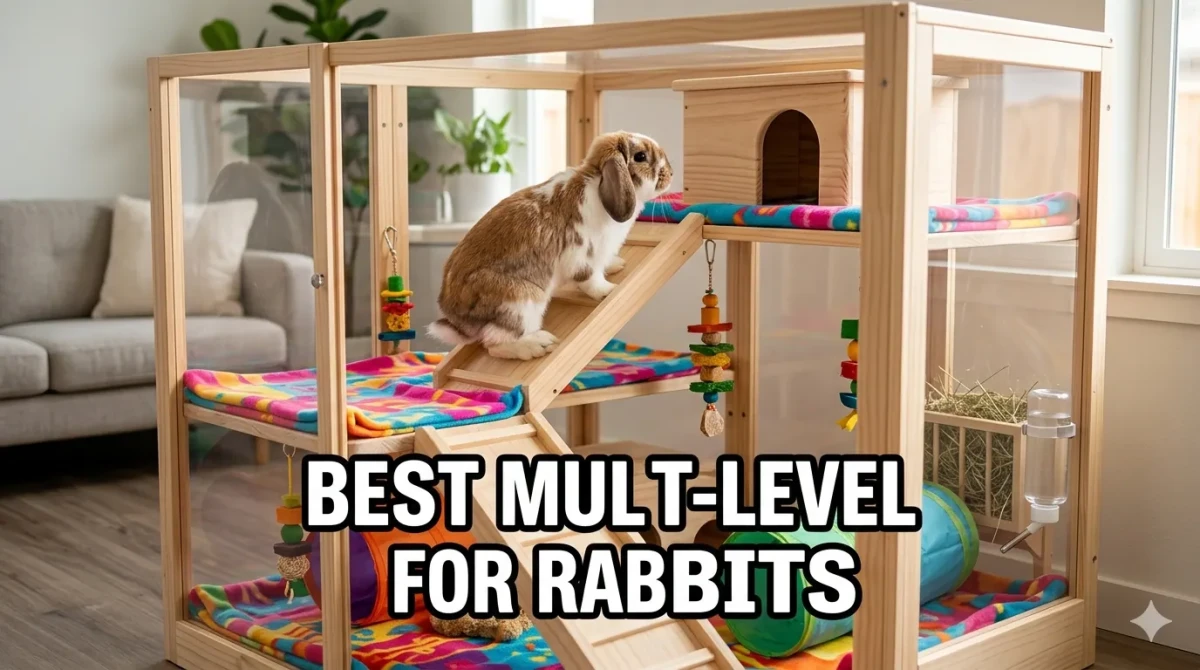
Understanding Multi-Level Cages for Rabbits and Their Benefits
Best multi-level cages for rabbits represent essential housing solutions that maximize living space while providing enrichment and exercise opportunities for pet rabbits. Multi-level cages, also known as multi-tier or multi-story cages, offer vertical space that allows rabbits to climb, explore, and utilize their natural behaviors while occupying a smaller footprint than single-level enclosures of equivalent floor space. Understanding the benefits, safety considerations, and selection criteria for multi-level rabbit cages helps rabbit owners provide optimal housing that supports physical health, mental stimulation, and overall wellbeing.
The connection between appropriate housing and rabbit welfare is well documented through veterinary research and experienced rabbit caretaker practices. Rabbits are naturally curious, active animals who benefit from environmental complexity, vertical exploration opportunities, and adequate space for movement. Multi-level cages that are properly designed with appropriate ramp angles, secure platforms, and sufficient floor space on each level provide enrichment that prevents boredom, reduces stress-related behaviors, and promotes physical fitness through natural climbing and exploration activities.
This comprehensive guide covers everything you need to know about selecting and setting up the best multi-level cages for rabbits, from understanding space requirements and safety features to evaluating construction quality and implementing rabbit-proofing measures. Whether you have a small dwarf rabbit, a medium-sized breed, or a large Flemish Giant, these expert recommendations will help you choose multi-level housing that provides safe, comfortable, and enriching living conditions for your rabbit.
Why Multi-Level Cages Benefit Pet Rabbits
Multi-level cages offer numerous advantages for pet rabbits when designed and implemented correctly. Understanding these benefits helps rabbit owners appreciate the value of vertical housing solutions while recognizing important safety considerations.
Space maximization is the primary benefit of multi-level cages. Rabbits require substantial space for exercise, exploration, and natural behaviors, but many homes have limited floor space. Multi-level cages provide the equivalent of a much larger single-level enclosure while occupying less floor area. This vertical expansion allows rabbits to move between levels, climb ramps, and explore different areas, providing both physical exercise and mental stimulation.
Environmental enrichment through vertical space satisfies rabbits' natural curiosity and exploratory instincts. Wild rabbits navigate complex burrow systems with multiple levels and chambers. Multi-level cages mimic this complexity, providing opportunities for climbing, hiding, and territorial exploration that prevent boredom and stereotypic behaviors common in under-stimulated rabbits.
Exercise opportunities increase significantly in multi-level cages compared to single-level enclosures. Ramps, platforms, and level transitions require physical effort that builds muscle strength, improves coordination, and supports cardiovascular health. This is particularly important for indoor rabbits who may have limited opportunities for free-roaming exercise.
What Safety Considerations Are Critical for Multi-Level Rabbit Cages?
Safety is paramount when selecting and setting up multi-level cages for rabbits. Understanding potential hazards enables proactive prevention of injuries while maximizing the benefits of vertical housing.
Ramp angle and traction are critical safety factors. Ramps that are too steep can cause rabbits to slip, fall, or develop joint stress. Ideal ramp angles should not exceed 30-40 degrees, and ramps must have adequate traction through texture, carpet covering, or grip strips to prevent slipping. Rabbits have powerful hind legs but can struggle with steep or slippery surfaces.
Platform security prevents falls and injuries. All platforms and levels must be securely attached with no wobbling, gaps, or instability. Platforms should have solid flooring rather than wire mesh to prevent sore hocks, a painful condition caused by pressure on wire surfaces. Guard rails or raised edges on platforms prevent accidental falls, particularly for young or elderly rabbits.
Height limitations protect rabbits from fall injuries. While rabbits can jump, falls from excessive heights can cause broken bones, spinal injuries, or internal trauma. Upper levels should generally not exceed 2-3 feet above the floor, and ramps should provide gradual transitions between levels rather than requiring jumps.
Material safety ensures rabbits aren't exposed to toxic substances. All cage materials, including ramps, platforms, and flooring, must be made from rabbit-safe, non-toxic materials. Avoid treated woods, toxic plastics, or materials that rabbits might chew and ingest.
Essential Features of Quality Multi-Level Rabbit Cages

Selecting a high-quality multi-level rabbit cage requires evaluating specific characteristics that impact safety, durability, and rabbit comfort. Understanding these features helps rabbit owners choose cages that provide long-term value and optimal living conditions.
Adequate space on each level is fundamental to rabbit welfare. Each level should provide sufficient floor space for rabbits to stretch out fully, turn around comfortably, and move freely. The Humane Society recommends minimum cage sizes, but more space is always better. Multi-level cages should provide at least 12 square feet of total floor space across all levels for small to medium rabbits, with larger breeds requiring proportionally more space.
Sturdy construction ensures longevity and safety. Quality multi-level cages feature solid frames made from durable materials like powder-coated metal, solid wood, or high-quality plastic. Connections between levels, ramps, and platforms must be secure and reinforced to withstand rabbit activity without wobbling or collapsing. Avoid cages with flimsy construction, weak joints, or materials that rabbits can easily chew through.
Easy access for cleaning and rabbit handling is essential for practical rabbit care. Multi-level cages should feature multiple access points including large doors on each level, removable trays for easy cleaning, and ramps that can be adjusted or removed for maintenance. Cages that are difficult to clean quickly become unsanitary, creating health risks for rabbits.
Ventilation and airflow prevent respiratory issues and maintain comfortable temperatures. Multi-level cages must have adequate ventilation on all levels without creating drafts. Wire mesh panels, ventilation holes, or open designs ensure fresh air circulation while preventing ammonia buildup from urine.
What Space Requirements Do Rabbits Need in Multi-Level Cages?
Understanding rabbit space requirements ensures multi-level cages provide adequate living conditions. Space needs vary by breed size, number of rabbits, and whether rabbits have additional exercise time outside the cage.
Small rabbit breeds (under 6 pounds) like Netherland Dwarfs and Holland Lops require minimum 12 square feet of total cage space across all levels, with each level providing at least 4-6 square feet. However, more space is strongly recommended for optimal welfare.
Medium rabbit breeds (6-10 pounds) like Mini Lops and Dutch rabbits need minimum 16 square feet total, with each level providing 6-8 square feet. These active breeds benefit from larger spaces and multiple levels for exercise and exploration.
Large rabbit breeds (over 10 pounds) like Flemish Giants and Checkered Giants require minimum 20-24 square feet total, with spacious levels of 8-12 square feet each. Large breeds need substantial space to move comfortably and may require custom or oversized multi-level cages.
Multiple rabbits require proportionally more space. Add at least 4-6 square feet per additional rabbit to prevent territorial conflicts and ensure each rabbit has adequate personal space. Multi-level cages are excellent for multiple rabbits as they provide territorial separation while maintaining social contact.
How Do Ramp Design and Placement Affect Rabbit Safety?
Ramp design is one of the most critical safety factors in multi-level rabbit cages. Poorly designed ramps can cause injuries, discourage use, or create stress for rabbits.
Ramp angle should not exceed 30-40 degrees for most rabbits. Steeper ramps increase fall risk and joint stress, particularly for young, elderly, or overweight rabbits. Gradual angles allow rabbits to climb comfortably without excessive effort or slip risk.
Traction is essential for safe ramp use. Ramps must have textured surfaces, carpet covering, grip strips, or woven materials that prevent slipping. Smooth plastic or metal ramps are dangerous and should be avoided or modified with added traction.
Ramp width should accommodate the rabbit's body size comfortably. Narrow ramps force rabbits to balance precariously, increasing fall risk. Ramps should be at least 8-10 inches wide for small rabbits and 12+ inches for larger breeds.
Secure attachment prevents ramps from shifting or collapsing during use. Ramps must be firmly attached to platforms with no wobbling or movement. Loose ramps can slip unexpectedly, causing falls and injuries.
Landing areas at ramp tops and bottoms provide safe transition zones. Platforms should extend beyond ramp connections to give rabbits stable footing when entering or exiting ramps.
Types of Multi-Level Rabbit Cages

Multi-level rabbit cages come in diverse designs suited for different spaces, rabbit sizes, and owner preferences. Understanding these types helps rabbit owners select cages that match their specific needs and living situations.
Tiered hutch cages feature multiple stacked levels connected by ramps, often with an outdoor or indoor design. These cages typically have 2-3 levels with the bottom level providing the most space. Tiered hutches work well for rabbits who need substantial floor space and benefit from vertical exploration. They're popular for both indoor and outdoor use.
Modular cage systems allow customization through connectable units that can be arranged in various configurations. These systems let owners expand vertically or horizontally as needed, adapting to changing rabbit needs or available space. Modular cages work well for owners who want flexibility or plan to add more rabbits.
Tower or vertical cages maximize height with 3-4 levels in a compact footprint. These cages are ideal for small living spaces where floor space is limited but vertical space is available. Tower cages work best for smaller rabbit breeds who can navigate multiple levels comfortably.
Condo-style cages feature apartment-like layouts with multiple rooms and levels connected by ramps and tunnels. These cages provide complex environments that maximize enrichment through varied spaces, hiding spots, and exploration opportunities. Condo cages excel for intelligent, active rabbits who benefit from environmental complexity.
Which Multi-Level Cage Type Works Best for Indoor Rabbits?
Indoor rabbits have specific housing needs based on home environments, aesthetics, and integration with household life. Understanding which cage types work best indoors helps owners select appropriate housing.
Modular cage systems and condo-style cages work exceptionally well for indoor rabbits. These designs can be customized to fit specific room dimensions, match home decor, and provide enrichment through complexity. Modular systems can be reconfigured as living situations change.
Tiered hutch cages with attractive finishes work well indoors when aesthetics matter. Look for cages with finished wood, powder-coated metal, or designs that complement home decor. Indoor tiered cages should have easy-clean features and odor control.
Tower cages maximize space in small apartments or rooms with limited floor space. Vertical designs allow substantial rabbit housing in compact footprints, making them ideal for urban living situations.
Consider noise levels when selecting indoor cages. Cages with solid flooring and ramps reduce noise from rabbit movement compared to wire-bottom cages. Quiet cages are important for apartments or bedrooms.
What Multi-Level Cages Suit Outdoor Rabbits Best?
Outdoor rabbits require cages designed for weather protection, predator security, and temperature regulation. Understanding outdoor-specific requirements ensures rabbit safety and comfort.
Tiered hutch cages with weatherproof construction work best for outdoor rabbits. Look for cages with waterproof roofs, raised bottoms to prevent flooding, and sturdy construction that withstands wind and weather. Outdoor cages must have predator-proof features including secure latches, reinforced wire, and elevated designs.
Insulation and ventilation balance is critical for outdoor cages. Cages must protect rabbits from extreme temperatures while maintaining adequate airflow. Look for cages with removable insulation panels for winter and maximum ventilation for summer.
Easy access for daily care is essential for outdoor cages. Multiple access doors, removable trays, and ramp designs that allow easy cleaning are important for outdoor rabbit care, particularly in adverse weather.
Security features prevent predator attacks and rabbit escapes. Outdoor multi-level cages require predator-proof wire (1/2 inch or smaller mesh), secure locking mechanisms, and elevated designs that prevent digging predators from accessing rabbits.
Evaluating Quality and Safety in Multi-Level Rabbit Cages

Selecting a high-quality multi-level rabbit cage requires careful evaluation of construction, materials, and design features. Understanding quality indicators helps rabbit owners choose cages that provide long-term safety and value.
Material quality determines cage longevity and rabbit safety. High-quality cages use powder-coated metal that resists rust and chewing, solid wood that's untreated or rabbit-safe finished, and high-density plastics that won't crack or degrade. Avoid cages made from thin wire, particle board, or materials that rabbits can easily destroy or that may contain toxic substances.
Construction quality affects stability and durability. Quality cages feature reinforced joints, secure fasteners, and stable frames that don't wobble or shift. Connections between levels must be reinforced to support rabbit weight and activity. Test cage stability before purchasing or setting up.
Finish quality impacts both aesthetics and safety. Powder-coated finishes should be smooth without chips or rough edges that could injure rabbits. Wood finishes must be non-toxic and rabbit-safe. Avoid cages with peeling paint, sharp edges, or exposed fasteners that could injure rabbits.
Design features should prioritize rabbit welfare over aesthetics. While attractive cages are nice, functionality and safety must come first. Evaluate whether design features serve rabbit needs or are purely decorative.
What Safety Certifications Should Rabbit Cages Meet?
Safety standards and certifications provide assurance that cages meet minimum quality and safety requirements. Understanding certifications helps rabbit owners select cages that prioritize animal welfare.
While specific rabbit cage certifications vary by region, look for cages from reputable manufacturers who follow animal welfare guidelines. Cages designed according to House Rabbit Society recommendations or veterinary guidelines indicate consideration of rabbit welfare.
Material safety certifications ensure cage materials are non-toxic and rabbit-safe. Look for cages with finishes certified as non-toxic, wood that's untreated or finished with rabbit-safe products, and plastics that are BPA-free and food-safe.
Construction quality indicators include reinforced joints, secure fasteners, and stability testing. While not always certified, quality manufacturers test their cages for stability and durability.
Customer reviews and veterinary recommendations provide real-world validation of cage safety and quality. Cages recommended by rabbit veterinarians or experienced rabbit owners often indicate thorough safety consideration.
How Do You Assess Cage Durability and Longevity?
Evaluating durability ensures cages provide long-term value and don't require frequent replacement. Understanding durability factors helps rabbit owners make economical choices.
Material thickness and quality directly impact longevity. Thicker gauge wire, solid wood construction, and high-quality plastics resist chewing, wear, and degradation better than thin, flimsy materials.
Construction methods affect durability. Welded joints, reinforced corners, and quality fasteners last longer than glued joints, weak connections, or plastic clips that break easily.
Weather resistance is critical for outdoor cages. Cages must withstand sun exposure, rain, snow, and temperature fluctuations without degrading. Powder-coated metal, treated wood, and UV-resistant plastics provide weather resistance.
Warranty and manufacturer support reflect confidence in product quality. Cages with warranties and responsive customer service indicate manufacturers stand behind their products.
Setting Up Multi-Level Cages for Rabbit Safety and Comfort

Proper cage setup maximizes safety, comfort, and enrichment for rabbits. Understanding setup best practices helps rabbit owners create optimal living environments.
Location selection impacts rabbit health and happiness. Place cages in quiet areas away from loud noises, direct sunlight, drafts, and extreme temperatures. Indoor cages should be in areas where rabbits can interact with family while having quiet retreat spaces.
Level arrangement should consider rabbit preferences and safety. Place food, water, and litter boxes on the most accessible level, typically the bottom or middle level. Upper levels work well for sleeping areas, hiding spots, and play areas. Ensure ramps provide safe access to all levels.
Bedding and flooring choices affect comfort and health. Use rabbit-safe bedding like paper-based products, aspen shavings, or fleece on solid floors. Never use wire flooring, which causes sore hocks. Each level should have comfortable, absorbent flooring.
Enrichment items should be distributed across levels to encourage exploration. Place toys, hiding spots, and chew items on different levels to motivate rabbits to use all available space. Rotate enrichment items regularly to maintain interest.
How Do You Rabbit-Proof Multi-Level Cages?
Rabbit-proofing prevents escapes, injuries, and cage damage. Understanding rabbit-proofing techniques ensures cages remain safe and functional.
Secure all connections and fasteners. Rabbits are clever escape artists who can loosen bolts, unclip latches, and squeeze through small gaps. Check all connections regularly and use rabbit-proof latches or clips that rabbits can't manipulate.
Cover or protect chewable surfaces. Rabbits will chew wood, plastic, and wire. Protect vulnerable areas with metal edging, bitter sprays, or chew guards. Provide appropriate chew toys to redirect chewing behavior away from cage structures.
Eliminate gaps and openings. Rabbits can squeeze through surprisingly small spaces. Seal gaps between levels, around ramps, and at cage connections. Use mesh or panels to close openings while maintaining ventilation.
Secure ramps and platforms. Test all ramps and platforms regularly to ensure they remain securely attached. Rabbits can dislodge poorly secured components through climbing and playing.
What Enrichment Features Should Multi-Level Cages Include?
Enrichment features maximize the benefits of multi-level living by providing mental stimulation, physical exercise, and behavioral outlets.
Hiding spots on multiple levels provide security and territorial options. Rabbits feel safer when they have places to hide and retreat. Include hide boxes, tunnels, or covered areas on different levels.
Chew toys and activities should be distributed across levels to encourage exploration. Provide appropriate chew toys, cardboard tubes, and safe wood pieces on different levels to motivate rabbits to use all available space.
Feeding stations on different levels can encourage movement and exploration. Place hay racks, food bowls, or treat puzzles on upper levels to motivate climbing and exploration.
Observation platforms allow rabbits to survey their environment from elevated positions. Rabbits naturally seek high vantage points for safety. Upper levels with good visibility satisfy this instinct.
Maintenance and Cleaning of Multi-Level Rabbit Cages

Regular maintenance and cleaning are essential for rabbit health and cage longevity. Understanding proper maintenance practices helps rabbit owners provide healthy living conditions.
Daily cleaning should include spot cleaning of soiled areas, refreshing water, and removing uneaten fresh food. Multi-level cages require checking all levels for waste accumulation, particularly in corners and under platforms.
Weekly deep cleaning involves removing all bedding, washing all levels with rabbit-safe cleaners, and replacing bedding. Multi-level cages require more time to clean thoroughly but provide better hygiene when maintained properly.
Monthly inspections should check for wear, damage, loose connections, or chewed areas that need repair. Inspect ramps, platforms, and connections for stability. Replace worn or damaged components immediately.
Seasonal maintenance for outdoor cages includes weatherproofing checks, insulation adjustments, and predator security verification. Outdoor multi-level cages require additional seasonal maintenance to ensure year-round safety and comfort.
How Often Should You Clean Multi-Level Rabbit Cages?
Cleaning frequency depends on cage size, number of rabbits, and rabbit habits. Understanding appropriate cleaning schedules maintains hygiene without excessive effort.
Spot cleaning should occur daily, removing soiled bedding, uneaten food, and waste from all levels. Multi-level cages accumulate waste on multiple surfaces, requiring thorough daily attention.
Complete bedding changes should occur weekly for most setups. Multi-level cages with adequate space and good ventilation can sometimes extend to 10-14 days between complete changes, but weekly is ideal for optimal hygiene.
Deep cleaning with disinfectant should occur monthly or when rabbits are ill. Use rabbit-safe cleaners and rinse thoroughly. Multi-level cages require more time to clean thoroughly but provide better rabbit health when maintained properly.
Litter box cleaning should occur daily, with complete litter changes 2-3 times weekly. Multi-level cages often benefit from litter boxes on multiple levels, requiring more frequent attention.
Frequently Asked Questions About Multi-Level Rabbit Cages

Are Multi-Level Cages Safe for All Rabbit Breeds?
Multi-level cages can be safe for most rabbit breeds when properly designed with appropriate ramp angles, secure platforms, and adequate space. However, considerations vary by breed size and ability.
Small and medium breeds generally adapt well to multi-level cages, enjoying the enrichment and exercise opportunities. Dwarf breeds, Holland Lops, and Mini Lops typically navigate multiple levels comfortably.
Large breeds like Flemish Giants can use multi-level cages but require wider ramps, larger platforms, and lower heights to accommodate their size and weight. Ensure ramps are wide enough and platforms are spacious enough for large breeds.
Elderly, disabled, or overweight rabbits may struggle with multiple levels. These rabbits may benefit from single-level cages or multi-level cages with very gradual ramps and easy access. Always consider individual rabbit abilities when selecting housing.
How Many Levels Should a Rabbit Cage Have?
The ideal number of levels depends on available space, rabbit size, and rabbit preferences. Most rabbits do well with 2-3 levels, though some setups can have more.
Two-level cages provide good vertical space while remaining manageable for cleaning and rabbit access. This is ideal for small to medium rabbits in moderate spaces.
Three-level cages maximize vertical space and enrichment opportunities. These work well for active rabbits who enjoy climbing and exploring, particularly in spaces with limited floor area.
Four or more levels should be approached cautiously. While they maximize space, very tall cages can be difficult to clean, may stress some rabbits, and increase fall risks. Ensure upper levels are easily accessible and safe.
Consider your rabbit's preferences and abilities. Some rabbits love multiple levels, while others prefer spacious single-level cages. Observe your rabbit's behavior and adjust accordingly.
Can Rabbits Live Exclusively in Multi-Level Cages?
While multi-level cages provide excellent housing, rabbits should not live exclusively in cages, regardless of size or levels. Rabbits require daily exercise and social interaction outside their cages.
Rabbits need 3-4 hours daily of supervised free-roaming time outside their cages for exercise, exploration, and social interaction. Multi-level cages provide excellent housing but cannot replace free-roaming time.
Multi-level cages should be viewed as home bases where rabbits eat, sleep, and use litter boxes, not as complete living solutions. Even the largest multi-level cages cannot provide adequate exercise and enrichment alone.
Rabbit-proofed rooms or exercise pens should complement multi-level cages, providing additional space for running, playing, and exploring. The combination of spacious multi-level housing and regular free-roaming time provides optimal rabbit welfare.
Conclusion

Selecting the best multi-level cage for rabbits requires understanding space requirements, safety features, construction quality, and your individual rabbit's needs. Multi-level cages provide excellent opportunities for exercise, enrichment, and space maximization when designed and implemented correctly. However, safety must always be the priority, with careful attention to ramp angles, platform security, and fall prevention.
Remember that multi-level cages are just one component of comprehensive rabbit care. Even the best cage cannot replace daily exercise, social interaction, proper nutrition, and veterinary care. Multi-level cages should complement, not replace, free-roaming time and human interaction.
Your commitment to providing appropriate housing demonstrates dedication to your rabbit's health and happiness. With the knowledge and strategies provided in this guide, you can confidently select and set up multi-level housing that provides safe, comfortable, and enriching living conditions for your rabbit, supporting their physical health and mental wellbeing for years to come.

0 Comments