.png)
Chinchilla Care and Grooming: Complete Guide
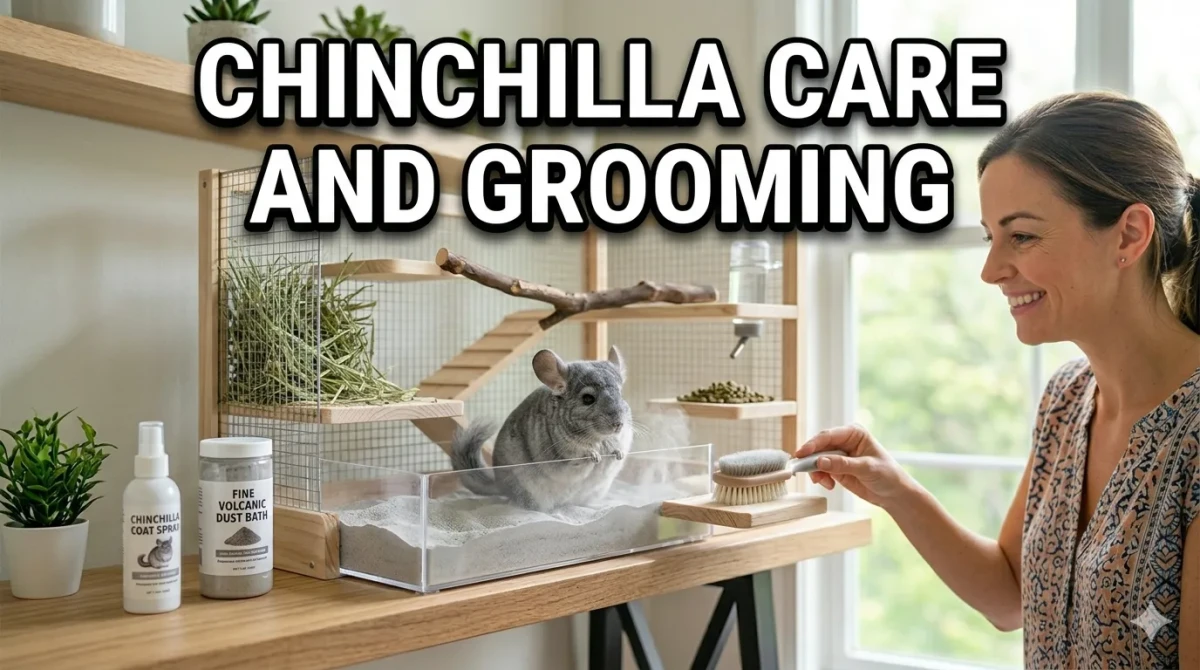
Why Proper Chinchilla Care and Grooming Is Essential for Health and Longevity
Chinchillas are remarkable rodents native to the Andes Mountains of South America, prized for their incredibly soft, dense fur and gentle personalities. With proper care, these fascinating pets can live 15-20 years, making them a long-term commitment that requires dedication to their unique needs. Understanding chinchilla care and grooming isn't just about keeping your pet clean—it's about preventing life-threatening health issues, maintaining their luxurious coat, and ensuring they thrive in captivity.
Featured Snippet Answer: Chinchilla care and grooming requires daily fresh hay and water, high-quality chinchilla pellets, dust baths 2-4 times weekly, cool temperatures (60-70°F), spacious multi-level cages, and regular health monitoring. Never use water baths, as chinchillas' dense fur can trap moisture and cause fatal fungal infections.
Chinchillas have extremely specific environmental and care requirements that differ significantly from other small pets like hamsters, guinea pigs, or rabbits. Their dense fur (the second-densest of any land mammal), sensitive digestive systems, susceptibility to heat stroke, and need for specialized dust bathing make them unsuitable for casual pet owners. However, for dedicated caregivers willing to learn and meet their needs, chinchillas reward with years of gentle companionship and fascinating behaviors.
This comprehensive guide covers everything you need to know about chinchilla care and grooming: from habitat setup and nutrition to dust bathing protocols, health monitoring, grooming techniques, and troubleshooting common problems. Whether you're considering adopting a chinchilla or already caring for one, you'll find evidence-based, practical strategies to help your chinchilla live a long, healthy, and happy life.
Understanding Chinchilla Biology and Natural Behavior
Before diving into care specifics, understanding your chinchilla's natural history and biology helps you meet their needs more effectively.
Native Habitat: Chinchillas evolved in the cool, dry, high-altitude environment of the Andes Mountains (10,000-15,000 feet elevation). This explains their:
- Temperature sensitivity: They cannot tolerate heat or humidity above 75°F (24°C) or 50% humidity
- Dense fur: Up to 60 hairs grow from each follicle (humans have 1-2), providing insulation but making them prone to overheating
- Dust bathing instinct: Volcanic ash in their native habitat kept their fur clean and oil-free
- Crepuscular activity: Most active at dawn and dusk, though they adapt to nocturnal schedules in captivity
- 🐾 Cat Ear Cleaning Tips Complete Care Guide
- 🐾 Best Water Conditioners for Fish: 2026 Guide
- 🐾 Best Perches for Grooming Complete Buyer's Guide
Physical Characteristics:
- Size: 9-15 inches long (including tail), weighing 400-800 grams
- Lifespan: 15-20 years with proper care (one of the longest-lived rodents)
- Teeth: Continuously growing incisors and molars requiring constant wear
- Digestive system: Hindgut fermenters requiring high-fiber diet
- 🐾 Cat Ear Cleaning Tips Complete Care Guide
- 🐾 Best Water Conditioners for Fish: 2026 Guide
- 🐾 Best Perches for Grooming Complete Buyer's Guide
Behavioral Traits:
- Social animals: Live in colonies in the wild; benefit from chinchilla companionship
- Jumping ability: Can leap up to 6 feet vertically; need multi-level cages
- Chewing instinct: Must chew constantly to wear down teeth
- Fur slip: Defense mechanism where they release fur patches when stressed or grabbed
- 🐾 Cat Ear Cleaning Tips Complete Care Guide
- 🐾 Best Water Conditioners for Fish: 2026 Guide
- 🐾 Best Perches for Grooming Complete Buyer's Guide
Can chinchillas live alone or do they need companions?
Chinchillas are social animals that benefit from chinchilla companionship, especially if you work long hours. However, a single chinchilla can thrive with dedicated daily interaction from their human caregiver. If housing multiple chinchillas, introduce them carefully and be prepared to separate if aggression occurs. Never house male and female chinchillas together unless breeding is intended (and you're prepared for offspring).
Housing Requirements: Creating the Ideal Chinchilla Habitat

Proper housing is fundamental to chinchilla health and wellbeing. Their cage is their entire world, so investing in appropriate setup pays dividends in health and happiness.
Cage Size and Structure:
- Minimum dimensions: 24"W × 24"D × 36"H for one chinchilla; larger is always better
- Multi-level design: Essential for exercise and mental stimulation; chinchillas need vertical space for jumping
- Bar spacing: ½ inch maximum to prevent escapes and injuries
- Material: Powder-coated wire mesh with solid metal or wood platforms (avoid plastic, which chinchillas will chew and ingest)
- 🐾 Cat Ear Cleaning Tips Complete Care Guide
- 🐾 Best Water Conditioners for Fish: 2026 Guide
- 🐾 Best Perches for Grooming Complete Buyer's Guide
Flooring and Bedding:
- Wire mesh floors: Acceptable if covered with fleece or solid platforms for foot comfort
- Solid floors: Must be covered with appropriate bedding
- Safe bedding options: Aspen shavings, fleece liners, or paper-based bedding
- Avoid: Cedar or pine shavings (phenols cause respiratory issues), corn cob, or cat litter
- 🐾 Cat Ear Cleaning Tips Complete Care Guide
- 🐾 Best Water Conditioners for Fish: 2026 Guide
- 🐾 Best Perches for Grooming Complete Buyer's Guide
Essential Cage Accessories:
- Water bottle: Glass or high-quality plastic sipper bottle, checked daily for function
- Food dishes: Heavy ceramic bowls that won't tip; or use hay feeders
- Hide houses: Wooden or fleece hideouts for security and stress reduction
- Ledges and ramps: Various levels made from safe wood (pine, kiln-dried)
- Dust bath house: Enclosed area or separate container for dust bathing
- 🐾 Cat Ear Cleaning Tips Complete Care Guide
- 🐾 Best Water Conditioners for Fish: 2026 Guide
- 🐾 Best Perches for Grooming Complete Buyer's Guide
Location Considerations:
- Temperature control: Must remain 60-70°F (15-21°C) year-round
- Avoid direct sunlight: Causes overheating; place in shaded, well-ventilated area
- Quiet environment: Away from loud appliances, TVs, or high-traffic areas
- No drafts: Avoid placing near windows, doors, or air conditioning vents
- 🐾 Cat Ear Cleaning Tips Complete Care Guide
- 🐾 Best Water Conditioners for Fish: 2026 Guide
- 🐾 Best Perches for Grooming Complete Buyer's Guide
Featured Snippet Answer: Chinchillas need spacious multi-level cages (minimum 24×24×36 inches) with ½-inch bar spacing, kept in cool temperatures (60-70°F). Provide aspen or fleece bedding, wooden platforms, hide houses, and a separate dust bath area. Never use plastic flooring or cedar/pine shavings.
Nutrition and Diet: Feeding Your Chinchilla for Optimal Health

Chinchillas have sensitive digestive systems adapted to high-fiber, low-fat mountain vegetation. Proper nutrition prevents life-threatening GI issues and dental disease.
Hay: The Foundation of Chinchilla Diet (80% of intake)
- Unlimited access: Fresh grass hay should be available 24/7
- Best types: Timothy hay, orchard grass, meadow hay, or oat hay
- Avoid: Alfalfa hay for adults (too high in calcium and protein; acceptable for juveniles under 6 months)
- Quality matters: Hay should be green, fragrant, and dust-free; avoid brown, moldy, or musty hay
- Storage: Keep in breathable container in cool, dry place
- 🐾 Cat Ear Cleaning Tips Complete Care Guide
- 🐾 Best Water Conditioners for Fish: 2026 Guide
- 🐾 Best Perches for Grooming Complete Buyer's Guide
Pellets: Nutritional Supplement (20% of intake)
- High-quality chinchilla-specific pellets: Look for 16-20% protein, 18-20% fiber, 2-5% fat
- Daily amount: 1-2 tablespoons per chinchilla
- Avoid: Pellets with seeds, nuts, dried fruits, or colorful bits (these cause selective eating and nutritional imbalances)
- Recommended brands: Oxbow Chinchilla Deluxe, Mazuri Chinchilla, Kaytee Chinchilla Diet
- 🐾 Cat Ear Cleaning Tips Complete Care Guide
- 🐾 Best Water Conditioners for Fish: 2026 Guide
- 🐾 Best Perches for Grooming Complete Buyer's Guide
Treats: Use Sparingly
- Safe options: Small pieces of rose hips, dried rose petals, shredded wheat, plain cheerios, dried herbs (parsley, cilantro)
- Frequency: 1-2 times weekly maximum; treats should comprise 10%
- Any sign of pain (teeth grinding, hunched posture)
- 🐾 Cat Ear Cleaning Tips Complete Care Guide
- 🐾 Best Water Conditioners for Fish: 2026 Guide
- 🐾 Best Perches for Grooming Complete Buyer's Guide
Featured Snippet Answer: Monitor chinchilla health daily by checking appetite, fecal output, activity level, and coat condition. Seek immediate veterinary care for no eating/drinking, no fecal output, breathing difficulties, or signs of heat stroke. Weigh weekly and watch for dental issues, fur fungus, and bumblefoot.
Handling and Socialization: Building Trust

Chinchillas can be shy and skittish, but with patience, they learn to trust and enjoy human interaction.
Taming a New Chinchilla:
- Week 1-2: Allow chinchilla to settle in; minimize handling; talk softly near cage
- Week 3-4: Offer treats from hand; let chinchilla approach voluntarily
- Week 5-6: Begin gentle petting while chinchilla eats treats
- Week 7+: Practice lifting and holding for short periods
- 🐾 Cat Ear Cleaning Tips Complete Care Guide
- 🐾 Best Water Conditioners for Fish: 2026 Guide
- 🐾 Best Perches for Grooming Complete Buyer's Guide
Proper Handling Technique:
- Approach calmly: Move slowly; avoid sudden movements
- Support fully: Place one hand under chest, other supporting hindquarters
- Hold close: Keep chinchilla close to your body for security
- Never grab by fur: Causes fur slip and pain
- Don't squeeze: Hold firmly but gently
- Respect limits: If chinchilla struggles, return to cage calmly
- 🐾 Cat Ear Cleaning Tips Complete Care Guide
- 🐾 Best Water Conditioners for Fish: 2026 Guide
- 🐾 Best Perches for Grooming Complete Buyer's Guide
Bonding Activities:
- Hand-feeding treats
- Gentle petting on head and chin (most chinchillas enjoy this)
- Supervised playtime outside cage
- Talking softly to your chinchilla daily
- Respecting their schedule (evening interaction when most active)
- 🐾 Cat Ear Cleaning Tips Complete Care Guide
- 🐾 Best Water Conditioners for Fish: 2026 Guide
- 🐾 Best Perches for Grooming Complete Buyer's Guide
Signs of Stress:
- Barking or coughing sounds
- Teeth chattering
- Urine spraying
- Attempting to flee
- Fur slip
- 🐾 Cat Ear Cleaning Tips Complete Care Guide
- 🐾 Best Water Conditioners for Fish: 2026 Guide
- 🐾 Best Perches for Grooming Complete Buyer's Guide
If you observe stress signals, give your chinchilla space and try again later.
Cage Cleaning and Maintenance

Regular cage cleaning prevents disease and keeps your chinchilla healthy and comfortable.
Daily Tasks:
- Remove soiled bedding and wet spots
- Refresh hay supply
- Check and refill water bottle
- Remove uneaten fresh food
- Scoop fecal pellets (optional; chinchilla poop is dry and odorless)
- 🐾 Cat Ear Cleaning Tips Complete Care Guide
- 🐾 Best Water Conditioners for Fish: 2026 Guide
- 🐾 Best Perches for Grooming Complete Buyer's Guide
Weekly Tasks:
- Complete cage cleaning: remove all bedding, wash with vinegar-water solution (1:1 ratio)
- Rinse thoroughly and dry completely before adding fresh bedding
- Wash food bowls and water bottle with hot, soapy water
- Clean dust bath container and replace dust
- Wipe down cage bars and platforms
- 🐾 Cat Ear Cleaning Tips Complete Care Guide
- 🐾 Best Water Conditioners for Fish: 2026 Guide
- 🐾 Best Perches for Grooming Complete Buyer's Guide
Monthly Tasks:
- Deep clean all cage accessories
- Inspect cage for wear, rust, or damage
- Replace worn bedding, toys, or platforms
- 🐾 Cat Ear Cleaning Tips Complete Care Guide
- 🐾 Best Water Conditioners for Fish: 2026 Guide
- 🐾 Best Perches for Grooming Complete Buyer's Guide
Cleaning Products:
- Safe: White vinegar, unscented dish soap, veterinary disinfectants
- Avoid: Bleach (unless heavily diluted and thoroughly rinsed), ammonia-based cleaners, scented products
- 🐾 Cat Ear Cleaning Tips Complete Care Guide
- 🐾 Best Water Conditioners for Fish: 2026 Guide
- 🐾 Best Perches for Grooming Complete Buyer's Guide
Life Stage Considerations

Chinchilla care needs vary by age. Adjust your approach accordingly.
Kits (0-6 months):
- Feed alfalfa hay (higher calcium and protein for growth)
- Provide unlimited pellets formulated for growing chinchillas
- Handle gently and frequently for socialization
- Monitor weight gain weekly
- Keep with mother until 8 weeks minimum
- 🐾 Cat Ear Cleaning Tips Complete Care Guide
- 🐾 Best Water Conditioners for Fish: 2026 Guide
- 🐾 Best Perches for Grooming Complete Buyer's Guide
Adults (6 months - 8 years):
- Switch to grass hay (timothy, orchard grass)
- Maintain consistent diet and routine
- Monitor weight monthly
- Annual veterinary wellness exams
- 🐾 Cat Ear Cleaning Tips Complete Care Guide
- 🐾 Best Water Conditioners for Fish: 2026 Guide
- 🐾 Best Perches for Grooming Complete Buyer's Guide
Seniors (8+ years):
- May need softer foods if dental issues develop
- Monitor weight closely; seniors can lose weight rapidly
- Provide easier cage access (ramps vs. jumping)
- More frequent veterinary checkups (every 6 months)
- Watch for arthritis signs: reluctance to jump, stiffness
- 🐾 Cat Ear Cleaning Tips Complete Care Guide
- 🐾 Best Water Conditioners for Fish: 2026 Guide
- 🐾 Best Perches for Grooming Complete Buyer's Guide
Quick Recap: Key Takeaways for Chinchilla Care

- Maintain cool temperatures (60-70°F) and low humidity (

0 Comments