.png)
How to Prevent Odor in Cages: Expert Guide for Small Pet Owners
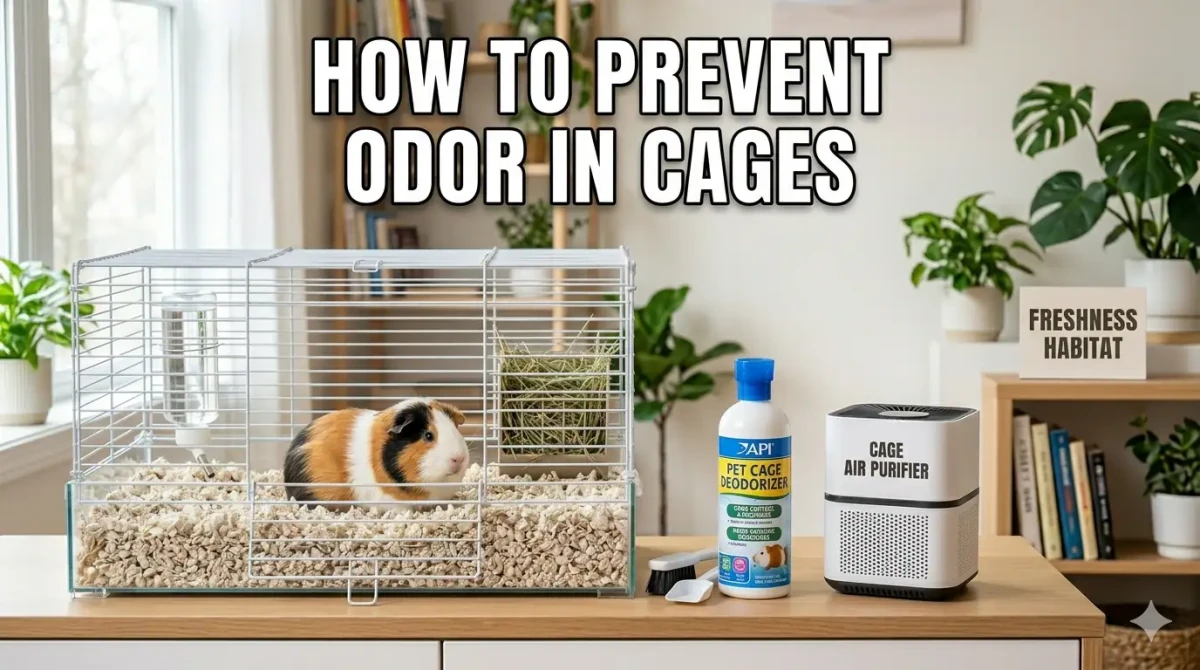
Why Cage Odor Occurs and Why Prevention Matters
Cage odor isn't just an inconvenience—it's often a sign of underlying hygiene, health, or management issues that can impact your pet's wellbeing. Ammonia from urine, bacterial growth from waste, mold from damp bedding, or dietary factors can all contribute to unpleasant smells. More importantly, persistent odor can indicate poor air quality that stresses your pet's respiratory system, increases disease risk, and reduces their quality of life.
Featured Snippet Answer: Prevent cage odor by: using highly absorbent, low-dust bedding (paper pellets, aspen shavings, or fleece liners); spot-cleaning waste daily and performing full cage cleanings weekly; ensuring excellent ventilation without drafts; feeding species-appropriate diets that minimize waste odor; and using enzymatic cleaners for accidents. Address odor at the source—don't mask with scented products that can irritate pets' sensitive respiratory systems.
Understanding the root causes of cage odor empowers you to implement targeted, effective prevention strategies. This comprehensive guide provides evidence-based, exotic-veterinarian-aligned approaches to keep your small pet's habitat fresh, healthy, and comfortable—without compromising their sensitive respiratory systems or natural behaviors.
Understanding Cage Odor: Sources and Science
Before addressing odor, it's essential to understand what causes it and why some approaches can do more harm than good.
Primary Sources of Cage Odor:
- Urine breakdown: Bacteria convert urea in urine to ammonia—a sharp, irritating gas that harms respiratory health
- Feces decomposition: Undigested food, bacteria, and moisture create unpleasant odors as waste breaks down
- Bacterial and fungal growth: Damp bedding, food residue, and waste create ideal conditions for odor-producing microbes
- Dietary factors: Certain foods (high-protein, sulfur-rich vegetables) can increase waste odor
- Poor ventilation: Stagnant air traps odors and ammonia; inadequate airflow prevents odor dispersion
- Inadequate cleaning: Infrequent spot-cleaning or deep cleaning allows odor sources to accumulate
- 🐾 How to Prevent Fish Disease: Expert Aquarium Health Guide
- 🐾 Hamster Cage Cleaning Schedule: Complete 2026 Guide
- 🐾 Prevent Feather Plucking: Expert Bird Care Guide
Why Scented Products Often Make Odor Worse:
- Masking vs. eliminating: Fragrances cover odors temporarily but don't address the source; ammonia and bacteria remain
- Respiratory irritation: Small pets have extremely sensitive respiratory systems; artificial fragrances can cause inflammation, sneezing, or chronic respiratory disease
- Stress induction: Strong scents can stress prey animals like rabbits, guinea pigs, and rodents, further compromising immunity
- False security: Masked odors may delay necessary cleaning, allowing harmful ammonia levels to build
- 🐾 How to Prevent Fish Disease: Expert Aquarium Health Guide
- 🐾 Hamster Cage Cleaning Schedule: Complete 2026 Guide
- 🐾 Prevent Feather Plucking: Expert Bird Care Guide
Featured Snippet Answer: Cage odor primarily comes from urine breakdown (ammonia), feces decomposition, bacterial growth, dietary factors, and poor ventilation. Scented products mask odors but don't eliminate sources and can irritate pets' sensitive respiratory systems. Address odor at the source through proper cleaning, bedding, ventilation, and diet—not fragrances.
Is some cage odor normal?
A mild, natural "pet smell" is normal and healthy—it indicates your pet is present and active. However, sharp ammonia odors, sour/rotten smells, or persistent mustiness signal problems requiring attention. If odor is noticeable from across the room, causes eye/nose irritation, or is accompanied by changes in your pet's behavior or health, investigate and address the source promptly.
Essential Strategies for Odor Prevention

Effective odor prevention targets the root causes through consistent, species-appropriate management.
1. Choose Odor-Control Bedding and Substrates
The right bedding absorbs moisture, neutralizes ammonia, and minimizes bacterial growth.
Top Bedding Options for Odor Control:
- Paper-based pellets: Highly absorbent (3-4x weight), low dust, excellent ammonia control; ideal for rabbits, guinea pigs, ferrets
- Aspen shavings (kiln-dried): Good absorbency, natural odor control, safe if ingested; suitable for most small pets
- Fleece liners with absorbent underlayer: Reusable, low dust, easy to spot-clean; requires frequent washing but excellent for odor control when maintained
- Hemp bedding: Naturally antimicrobial, highly absorbent, eco-friendly; good for sensitive respiratory systems
- Recycled paper crumbles: Soft, absorbent, low dust; good for pets with respiratory sensitivities
- 🐾 How to Prevent Fish Disease: Expert Aquarium Health Guide
- 🐾 Hamster Cage Cleaning Schedule: Complete 2026 Guide
- 🐾 Prevent Feather Plucking: Expert Bird Care Guide
Bedding to Avoid for Odor Control:
- Cedar or pine shavings (non-kiln-dried): Contain phenols that cause respiratory irritation and liver damage; avoid completely
- Clumping clay litter: Dusty, can cause respiratory issues; clumps may trap moisture and odor
- Corn cob or wheat-based bedding: Can mold when damp; may attract pests
- Scented bedding: Artificial fragrances irritate respiratory systems; avoid for all small pets
- 🐾 How to Prevent Fish Disease: Expert Aquarium Health Guide
- 🐾 Hamster Cage Cleaning Schedule: Complete 2026 Guide
- 🐾 Prevent Feather Plucking: Expert Bird Care Guide
Bedding Depth and Layering Tips:
- Rabbits/guinea pigs: 2-3 inches of absorbent bedding; add extra in litter areas
- Hamsters/gerbils: 4-6 inches for burrowing; use absorbent base layer with softer top layer
- Ferrets: 1-2 inches of highly absorbent bedding; change frequently due to high waste production
- Layering strategy: Place most absorbent bedding in high-urine areas (corners, under water bottles); use softer bedding in sleeping areas
- 🐾 How to Prevent Fish Disease: Expert Aquarium Health Guide
- 🐾 Hamster Cage Cleaning Schedule: Complete 2026 Guide
- 🐾 Prevent Feather Plucking: Expert Bird Care Guide
2. Implement a Strategic Cleaning Protocol
Consistent cleaning prevents odor buildup before it starts.
Daily Tasks (5-10 Minutes):
- Spot-clean waste: Remove soiled bedding, uneaten fresh food, and visible droppings
- Refresh water and food: Clean bowls/bottles if soiled; replace with fresh supplies
- Check for damp areas: Replace wet bedding immediately to prevent ammonia buildup and mold
- Observe your pet: Note changes in waste, appetite, or behavior that may signal health issues affecting odor
- 🐾 How to Prevent Fish Disease: Expert Aquarium Health Guide
- 🐾 Hamster Cage Cleaning Schedule: Complete 2026 Guide
- 🐾 Prevent Feather Plucking: Expert Bird Care Guide
Weekly Tasks (30-60 Minutes):
- Full bedding change: Replace all substrate; clean cage surfaces with pet-safe cleaner
- Deep clean accessories: Wash food bowls, water bottles, toys, and hides with hot, soapy water
- Disinfect strategically: Use enzymatic cleaners or vinegar-water (1:1) for urine areas; rinse thoroughly
- Inspect cage structure: Check for cracks, crevices, or worn areas that trap waste and odor
- 🐾 How to Prevent Fish Disease: Expert Aquarium Health Guide
- 🐾 Hamster Cage Cleaning Schedule: Complete 2026 Guide
- 🐾 Prevent Feather Plucking: Expert Bird Care Guide
Monthly Tasks:
- Deep disinfection: Remove all items; clean cage with pet-safe disinfectant; rinse and dry completely
- Replace worn items: Discard bedding, toys, or accessories that retain odor or harbor bacteria
- Ventilation check: Ensure cage placement and room airflow support odor dispersion
- 🐾 How to Prevent Fish Disease: Expert Aquarium Health Guide
- 🐾 Hamster Cage Cleaning Schedule: Complete 2026 Guide
- 🐾 Prevent Feather Plucking: Expert Bird Care Guide
Cleaning Product Guidelines:
- Enzymatic cleaners: Break down urine/feces proteins at molecular level; ideal for odor elimination (e.g., Nature's Miracle, Rocco & Roxie)
- Vinegar-water solution: 1:1 white vinegar and water neutralizes ammonia; rinse thoroughly after use
- Pet-safe disinfectants: Choose fragrance-free, non-toxic options labeled safe for small animals
- Avoid: Bleach (unless heavily diluted and thoroughly rinsed), ammonia-based cleaners, scented sprays, or harsh chemicals
- 🐾 How to Prevent Fish Disease: Expert Aquarium Health Guide
- 🐾 Hamster Cage Cleaning Schedule: Complete 2026 Guide
- 🐾 Prevent Feather Plucking: Expert Bird Care Guide
3. Optimize Ventilation and Airflow
Proper airflow disperses odors and reduces ammonia concentration without creating stressful drafts.
Ventilation Best Practices:
- Cage placement: Position in well-ventilated area away from direct drafts, heaters, or air conditioners
- Air circulation: Use ceiling fans or room air purifiers (HEPA filter) to move air without blowing directly on cage
- Cage design: Choose cages with mesh/wire tops for airflow; avoid fully enclosed plastic habitats that trap ammonia
- Room ventilation: Open windows periodically (weather permitting) or use exhaust fans to refresh indoor air
- 🐾 How to Prevent Fish Disease: Expert Aquarium Health Guide
- 🐾 Hamster Cage Cleaning Schedule: Complete 2026 Guide
- 🐾 Prevent Feather Plucking: Expert Bird Care Guide
Humidity Management:
- Ideal range: 40-60% humidity supports respiratory health and reduces mold/bacterial growth
- Dehumidify if needed: In damp climates, use a dehumidifier to prevent musty odors and mold
- Avoid over-humidifying: >60% humidity promotes bacterial growth and odor
- 🐾 How to Prevent Fish Disease: Expert Aquarium Health Guide
- 🐾 Hamster Cage Cleaning Schedule: Complete 2026 Guide
- 🐾 Prevent Feather Plucking: Expert Bird Care Guide
4. Manage Diet to Minimize Waste Odor
What your pet eats directly impacts waste composition and odor.
Dietary Strategies for Odor Reduction:
- Species-appropriate nutrition: High-fiber diets for rabbits/guinea pigs reduce smelly, soft droppings; high-protein for ferrets supports efficient digestion
- Limit odor-producing foods: Reduce sulfur-rich vegetables (broccoli, cabbage) for rabbits/guinea pigs; avoid excessive protein for rodents
- Fresh food management: Remove uneaten fresh vegetables/fruits within 2-4 hours to prevent spoilage and bacterial growth
- Hydration support: Adequate water intake produces more dilute urine with less concentrated odor
- 🐾 How to Prevent Fish Disease: Expert Aquarium Health Guide
- 🐾 Hamster Cage Cleaning Schedule: Complete 2026 Guide
- 🐾 Prevent Feather Plucking: Expert Bird Care Guide
Species-Specific Dietary Tips:
- Rabbits/Guinea Pigs: Unlimited grass hay (80-90% of diet) produces firm, low-odor droppings; limit high-sugar fruits
- Hamsters/Gerbils: Balanced lab blocks prevent selective eating and inconsistent waste; limit high-fat seeds
- Ferrets: High-quality, high-protein diets produce less smelly waste; avoid plant-based proteins
- Birds: Pellet-based diets produce more consistent, less odorous droppings than seed-only diets
- 🐾 How to Prevent Fish Disease: Expert Aquarium Health Guide
- 🐾 Hamster Cage Cleaning Schedule: Complete 2026 Guide
- 🐾 Prevent Feather Plucking: Expert Bird Care Guide
Featured Snippet Answer:
Prevent cage odor by using absorbent, low-dust bedding (paper pellets, aspen, or fleece); spot-cleaning waste daily and deep cleaning weekly; ensuring good ventilation without drafts; feeding species-appropriate diets that minimize waste odor; and using enzymatic cleaners for accidents. Avoid scented products that irritate pets' respiratory systems.
Species-Specific Odor Prevention Strategies

Different small pets have unique needs. Tailor your approach to your pet's biology and behavior.
Rabbits and Guinea Pigs
Odor Challenges: High urine volume, cecotropes (nutrient-rich droppings), and hay dust can contribute to odor if not managed.
Prevention Strategies:
- Litter training: Train to use a corner litter box with paper pellets; spot-clean daily, change litter every 2-3 days
- Hay management: Place hay rack over litter box to encourage use; remove soiled hay promptly
- Cecotrope monitoring: Ensure your pet consumes cecotropes (normal behavior); uneaten cecotropes indicate health issues and cause odor
- Cage size: Provide adequate space (minimum 10-12 sq ft for rabbits) to prevent waste concentration
- 🐾 How to Prevent Fish Disease: Expert Aquarium Health Guide
- 🐾 Hamster Cage Cleaning Schedule: Complete 2026 Guide
- 🐾 Prevent Feather Plucking: Expert Bird Care Guide
Hamsters and Gerbils
Odor Challenges: Burrowing behavior can trap waste; high metabolism produces frequent droppings; some species mark territory with scent glands.
Prevention Strategies:
- Deep bedding with absorbent base: Use 4-6 inches of bedding; place absorbent paper pellets in corners where they typically eliminate
- Spot-clean strategically: Remove soiled bedding from corners daily; avoid disturbing entire burrow system to reduce stress
- Scent gland awareness: Syrian hamsters have hip scent glands; clean gently if buildup occurs (consult vet if inflamed)
- Avoid over-cleaning: Hamsters/gerbils use scent for territory; clean only soiled areas to avoid stress-induced marking
- 🐾 How to Prevent Fish Disease: Expert Aquarium Health Guide
- 🐾 Hamster Cage Cleaning Schedule: Complete 2026 Guide
- 🐾 Prevent Feather Plucking: Expert Bird Care Guide
Ferrets
Odor Challenges: High-protein metabolism produces strong-smelling waste; natural musky scent; frequent elimination.
Prevention Strategies:
- Litter box training: Place multiple litter boxes with paper pellets in corners; clean 2-3 times daily
- High-quality diet: Premium ferret food produces less odorous waste; avoid plant-based proteins
- Frequent bedding changes: Change fleece or paper bedding every 2-3 days due to high waste output
- Regular bathing (minimal): Bathe ferrets only every 1-2 months max; over-bathing strips natural oils and increases oil production (and odor)
- 🐾 How to Prevent Fish Disease: Expert Aquarium Health Guide
- 🐾 Hamster Cage Cleaning Schedule: Complete 2026 Guide
- 🐾 Prevent Feather Plucking: Expert Bird Care Guide
Birds
Odor Challenges: Droppings accumulate quickly; seed hulls create dust; some species have natural scents.
Prevention Strategies:
- Grate-bottom cages: Allow droppings to fall below perch level; clean tray daily
- Cage liners: Use newspaper or paper liners for easy daily replacement
- Seed hull management: Place cage on easy-to-clean surface; vacuum hulls daily to reduce dust and odor
- Ventilation priority: Birds are extremely sensitive to ammonia; ensure excellent airflow without drafts
- 🐾 How to Prevent Fish Disease: Expert Aquarium Health Guide
- 🐾 Hamster Cage Cleaning Schedule: Complete 2026 Guide
- 🐾 Prevent Feather Plucking: Expert Bird Care Guide
Featured Snippet Answer:
Tailor odor prevention to your pet: rabbits/guinea pigs benefit from litter training and hay management; hamsters/gerbils need strategic spot-cleaning of burrows; ferrets require frequent litter box cleaning and high-quality diet; birds need grate-bottom cages and daily liner changes. Research your pet's specific needs for effective odor control.
Advanced Odor-Control Techniques

For persistent odor or multi-pet households, these advanced strategies provide extra support.
Enzymatic Cleaners: The Gold Standard for Odor Elimination
How They Work: Enzymes break down urine/feces proteins at the molecular level, eliminating odor sources rather than masking them.
Proper Usage:
- Apply generously to soiled areas; let sit 10-15 minutes per product instructions
- Blot or rinse thoroughly; repeat if odor persists
- Use on cage surfaces, accessories, and surrounding floors as needed
- Store properly to maintain enzyme activity
- 🐾 How to Prevent Fish Disease: Expert Aquarium Health Guide
- 🐾 Hamster Cage Cleaning Schedule: Complete 2026 Guide
- 🐾 Prevent Feather Plucking: Expert Bird Care Guide
Top Picks:
- Rocco & Roxie Stain & Odor Eliminator: Professional strength, safe for pets, effective on urine/feces
- Nature's Miracle Advanced: Enzymatic formula, pet-safe, widely available
- Simple Solution Extreme Stain & Odor Remover: Fast-acting, effective on organic stains
- 🐾 How to Prevent Fish Disease: Expert Aquarium Health Guide
- 🐾 Hamster Cage Cleaning Schedule: Complete 2026 Guide
- 🐾 Prevent Feather Plucking: Expert Bird Care Guide
Natural Odor Neutralizers (Pet-Safe)
Baking Soda:
- Place small, covered container with holes in cage corner (out of pet's reach) to absorb odors
- Never apply directly to bedding where pets can ingest
- Replace monthly for continued effectiveness
- 🐾 How to Prevent Fish Disease: Expert Aquarium Health Guide
- 🐾 Hamster Cage Cleaning Schedule: Complete 2026 Guide
- 🐾 Prevent Feather Plucking: Expert Bird Care Guide
Activated Charcoal:
- Use pet-safe activated charcoal filters in air purifiers or cage vicinity
- Absorbs odors and airborne particles without releasing fragrances
- Replace filters per manufacturer schedule
- 🐾 How to Prevent Fish Disease: Expert Aquarium Health Guide
- 🐾 Hamster Cage Cleaning Schedule: Complete 2026 Guide
- 🐾 Prevent Feather Plucking: Expert Bird Care Guide
White Vinegar:
- Use diluted (1:1 with water) for cleaning cage surfaces; neutralizes ammonia
- Rinse thoroughly after use to avoid residue
- Never use undiluted or in enclosed spaces with pets present
- 🐾 How to Prevent Fish Disease: Expert Aquarium Health Guide
- 🐾 Hamster Cage Cleaning Schedule: Complete 2026 Guide
- 🐾 Prevent Feather Plucking: Expert Bird Care Guide
Air Quality Management
HEPA Air Purifiers:
- Place near (not blowing directly on) cage to capture airborne dander, dust, and odor particles
- Choose units sized for room volume; run continuously for best results
- Replace filters per manufacturer schedule
- 🐾 How to Prevent Fish Disease: Expert Aquarium Health Guide
- 🐾 Hamster Cage Cleaning Schedule: Complete 2026 Guide
- 🐾 Prevent Feather Plucking: Expert Bird Care Guide
Natural Air Refreshers:
- Open windows periodically for fresh air exchange (ensure pet safety)
- Use houseplants that improve air quality (spider plants, Boston ferns—keep out of pet reach)
- Avoid essential oil diffusers; many oils are toxic to small pets
- 🐾 How to Prevent Fish Disease: Expert Aquarium Health Guide
- 🐾 Hamster Cage Cleaning Schedule: Complete 2026 Guide
- 🐾 Prevent Feather Plucking: Expert Bird Care Guide
Featured Snippet Answer:
Advanced odor control: use enzymatic cleaners to break down odor sources at molecular level; place pet-safe baking soda or activated charcoal near cage (out of reach); run HEPA air purifiers to capture airborne particles; refresh air with open windows. Never use essential oils or scented products that can harm pets' respiratory systems.
Common Mistakes That Worsen Cage Odor

Even well-intentioned owners make errors that increase odor or harm pets. Avoid these pitfalls:
Mistake 1: Using Scented Products to Mask Odor
- Problem: Artificial fragrances irritate sensitive respiratory systems; mask odors without eliminating sources
- Solution: Address odor at the source through cleaning, bedding, and ventilation; use only fragrance-free, pet-safe products
- 🐾 How to Prevent Fish Disease: Expert Aquarium Health Guide
- 🐾 Hamster Cage Cleaning Schedule: Complete 2026 Guide
- 🐾 Prevent Feather Plucking: Expert Bird Care Guide
Mistake 2: Infrequent Spot-Cleaning
- Problem: Allowing urine/feces to accumulate increases ammonia and bacterial growth
- Solution: Spot-clean waste daily; replace soiled bedding immediately to prevent odor buildup
- 🐾 How to Prevent Fish Disease: Expert Aquarium Health Guide
- 🐾 Hamster Cage Cleaning Schedule: Complete 2026 Guide
- 🐾 Prevent Feather Plucking: Expert Bird Care Guide
Mistake 3: Over-Cleaning or Using Harsh Chemicals
- Problem: Stripping all scent can stress territorial pets; harsh chemicals leave residues that irritate respiratory systems
- Solution: Clean only soiled areas for scent-marking species; use pet-safe, fragrance-free cleaners; rinse thoroughly
- 🐾 How to Prevent Fish Disease: Expert Aquarium Health Guide
- 🐾 Hamster Cage Cleaning Schedule: Complete 2026 Guide
- 🐾 Prevent Feather Plucking: Expert Bird Care Guide
Mistake 4: Choosing Inappropriate Bedding
- Problem: Low-absorbency or dusty bedding traps moisture and odor; cedar/pine shavings cause respiratory issues
- Solution: Choose highly absorbent, low-dust bedding (paper pellets, aspen, fleece); avoid cedar, pine, or scented options
- 🐾 How to Prevent Fish Disease: Expert Aquarium Health Guide
- 🐾 Hamster Cage Cleaning Schedule: Complete 2026 Guide
- 🐾 Prevent Feather Plucking: Expert Bird Care Guide
Mistake 5: Poor Ventilation or Drafts
- Problem: Stagnant air traps odors; strong drafts stress pets and compromise immunity
- Solution: Ensure gentle air circulation without direct drafts on cage; use air purifiers or room fans for circulation
- 🐾 How to Prevent Fish Disease: Expert Aquarium Health Guide
- 🐾 Hamster Cage Cleaning Schedule: Complete 2026 Guide
- 🐾 Prevent Feather Plucking: Expert Bird Care Guide
Mistake 6: Ignoring Diet's Impact on Odor
- Problem: Inappropriate diets produce smelly waste; uneaten fresh food spoils and creates odor
- Solution: Feed species-appropriate, high-quality diets; remove uneaten fresh food within 2-4 hours
- 🐾 How to Prevent Fish Disease: Expert Aquarium Health Guide
- 🐾 Hamster Cage Cleaning Schedule: Complete 2026 Guide
- 🐾 Prevent Feather Plucking: Expert Bird Care Guide
Featured Snippet Answer:
Avoid odor-prevention mistakes: don't use scented products to mask odor, spot-clean waste daily, avoid harsh chemicals, choose absorbent low-dust bedding, ensure gentle ventilation without drafts, and feed appropriate diets. These practices eliminate odor sources while protecting pets' respiratory health.
Monitoring and Troubleshooting Persistent Odor

If odor persists despite good practices, investigate further.
Odor Diagnostic Checklist
Step 1: Identify the Odor Type
- Sharp, eye-irritating: Likely ammonia from urine; increase cleaning frequency, improve ventilation
- Sour/rotten: Likely bacterial growth from damp bedding or spoiled food; replace bedding, remove uneaten food promptly
- Musty/moldy: Likely mold from excess moisture; improve ventilation, reduce humidity, replace damp bedding
- Fishy/metallic: May indicate infection or health issue; consult veterinarian
- 🐾 How to Prevent Fish Disease: Expert Aquarium Health Guide
- 🐾 Hamster Cage Cleaning Schedule: Complete 2026 Guide
- 🐾 Prevent Feather Plucking: Expert Bird Care Guide
Step 2: Assess Cleaning Protocol
- Are you spot-cleaning daily and deep cleaning weekly?
- Are you using enzymatic cleaners for urine areas?
- Is bedding changed frequently enough for your pet's waste output?
- 🐾 How to Prevent Fish Disease: Expert Aquarium Health Guide
- 🐾 Hamster Cage Cleaning Schedule: Complete 2026 Guide
- 🐾 Prevent Feather Plucking: Expert Bird Care Guide
Step 3: Evaluate Bedding and Substrate
- Is bedding highly absorbent and low-dust?
- Is bedding depth appropriate for your pet's species?
- Are you avoiding cedar, pine, or scented options?
- 🐾 How to Prevent Fish Disease: Expert Aquarium Health Guide
- 🐾 Hamster Cage Cleaning Schedule: Complete 2026 Guide
- 🐾 Prevent Feather Plucking: Expert Bird Care Guide
Step 4: Review Diet and Waste
- Is diet species-appropriate and high-quality?
- Are you removing uneaten fresh food within 2-4 hours?
- Has your pet's waste changed in consistency or odor (may signal health issues)?
- 🐾 How to Prevent Fish Disease: Expert Aquarium Health Guide
- 🐾 Hamster Cage Cleaning Schedule: Complete 2026 Guide
- 🐾 Prevent Feather Plucking: Expert Bird Care Guide
Step 5: Check Ventilation and Environment
- Is cage placed in well-ventilated area without drafts?
- Is room humidity 40-60%?
- Are air purifiers or fans used appropriately?
- 🐾 How to Prevent Fish Disease: Expert Aquarium Health Guide
- 🐾 Hamster Cage Cleaning Schedule: Complete 2026 Guide
- 🐾 Prevent Feather Plucking: Expert Bird Care Guide
When to Consult a Veterinarian
Odor can signal health issues. Seek veterinary care if:
- Odor is accompanied by changes in your pet's behavior, appetite, or droppings
- Odor persists despite excellent hygiene and management
- Your pet shows signs of respiratory distress (sneezing, wheezing, nasal discharge)
- You suspect infection, dental issues, or metabolic disease affecting waste odor
- 🐾 How to Prevent Fish Disease: Expert Aquarium Health Guide
- 🐾 Hamster Cage Cleaning Schedule: Complete 2026 Guide
- 🐾 Prevent Feather Plucking: Expert Bird Care Guide
Featured Snippet Answer:
Troubleshoot persistent cage odor by identifying odor type (ammonia, bacterial, moldy), reviewing cleaning protocols, evaluating bedding choices, assessing diet impact, and checking ventilation. Consult a veterinarian if odor persists despite good management or is accompanied by health changes in your pet.
Quick Recap: Key Takeaways for Preventing Cage Odor

- Use highly absorbent, low-dust bedding (paper pellets, aspen, or fleece liners) to control moisture and ammonia
- Spot-clean waste daily and perform full cage cleanings weekly with enzymatic or pet-safe cleaners
- Ensure excellent ventilation without drafts; maintain 40-60% humidity to prevent mold and bacterial growth
- Feed species-appropriate, high-quality diets that minimize smelly waste; remove uneaten fresh food promptly
- Avoid scented products, harsh chemicals, or cedar/pine bedding that irritate pets' sensitive respiratory systems
- Tailor strategies to your pet's species: litter training for rabbits, strategic spot-cleaning for hamsters, frequent changes for ferrets
- Use enzymatic cleaners to eliminate odor sources at molecular level; never just mask odors
- Monitor for persistent or unusual odors that may signal health issues; consult a veterinarian when needed
- Remember: a mild natural pet smell is normal; sharp ammonia, sour, or musty odors require action
- Prevention through consistent care is more effective and healthier than reacting to odor after it develops
- 🐾 How to Prevent Fish Disease: Expert Aquarium Health Guide
- 🐾 Hamster Cage Cleaning Schedule: Complete 2026 Guide
- 🐾 Prevent Feather Plucking: Expert Bird Care Guide
Final Thoughts: Freshness Through Compassionate Care

Preventing cage odor isn't about achieving a sterile, scent-free environment—it's about creating a healthy, comfortable habitat where your pet can thrive. A mild, natural "pet smell" is a sign of a happy, active companion; sharp, irritating, or persistent odors signal opportunities to improve care.
Remember that every pet is unique. What works for a rabbit may need adjustment for a hamster or ferret. Stay observant: your pet's behavior, waste, and overall demeanor provide constant feedback about their comfort and health. Stay flexible: be willing to adjust bedding, cleaning frequency, or diet based on what you learn. Stay compassionate: odor management should enhance your pet's wellbeing, not add stress.
With knowledge, consistency, and attention to your pet's specific needs, you can maintain a fresh, healthy habitat that supports their respiratory health, reduces stress, and strengthens your bond. Every clean cage, every fresh bedding change, and every odor-free day is a testament to your dedication as a responsible pet owner.
When in doubt, consult an exotic veterinarian. They understand small pet physiology, can assess individual needs, and provide personalized guidance for odor management that prioritizes your pet's health and happiness. Together, you can create a care plan that keeps your pet's home fresh, safe, and comfortable for years to come.

0 Comments