.png)
Small Pet Health Monitoring and Complete Care Guide
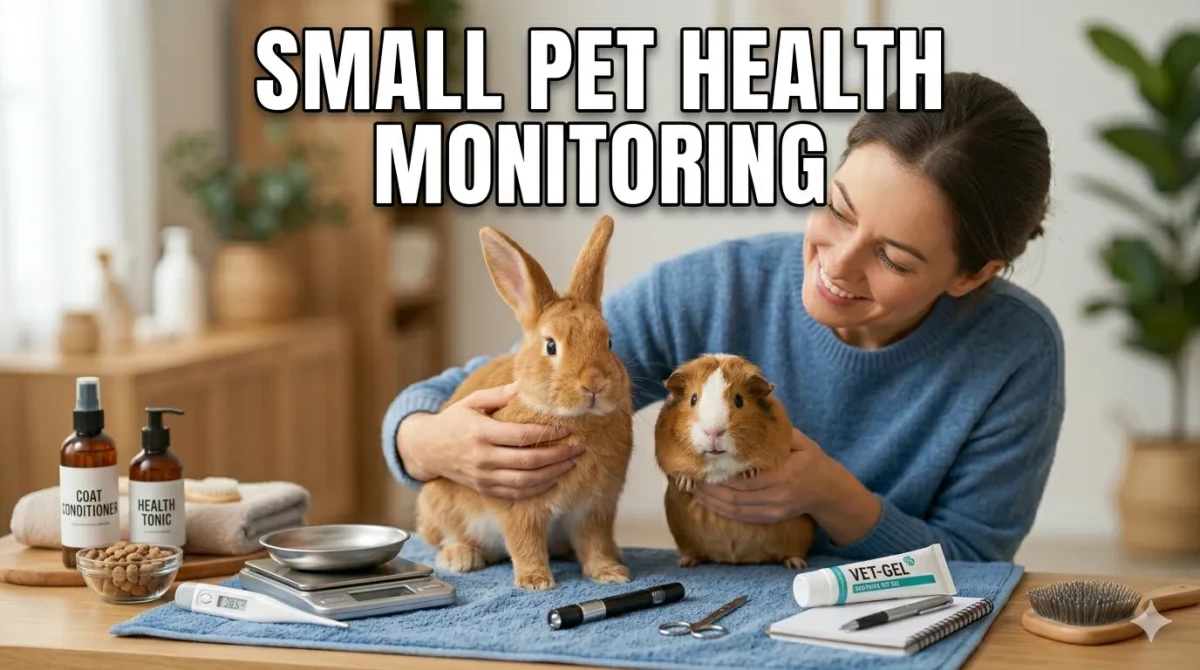
Introduction to Small Pet Health Monitoring
Small pet health monitoring is a critical skill for responsible owners of rabbits, guinea pigs, hamsters, gerbils, rats, mice, ferrets, and other small companion animals. These vulnerable pets often hide signs of illness until conditions become serious, making proactive observation and systematic health tracking essential for early intervention and successful treatment.
Understanding how to monitor your small pet health empowers you to detect subtle changes in behavior, appetite, appearance, and bodily functions that may indicate developing health issues. Because small animals have rapid metabolisms and can deteriorate quickly when ill, recognizing warning signs early can mean the difference between simple treatment and life-threatening emergencies.
This comprehensive guide covers everything you need to know about small pet health monitoring, including daily observation techniques, vital sign assessment, record keeping strategies, species-specific warning signs, and when to seek veterinary care. By establishing consistent monitoring routines, you provide your small companion with the best chance for a long, healthy, and happy life under your care.
Why Health Monitoring Matters for Small Pets
Small pets face unique health challenges that make regular monitoring particularly important. Their small size, rapid metabolism, and instinct to conceal weakness create specific risks that owners must understand and address through systematic observation.
What makes small pet health monitoring so important?
Small animals can deteriorate rapidly when ill due to their high metabolic rates and limited energy reserves. A rabbit or guinea pig that stops eating for just twelve to twenty-four hours can develop life-threatening gastrointestinal stasis. Early detection through daily monitoring allows intervention before conditions become critical, significantly improving treatment outcomes and survival rates.
Small pets are prey animals by nature, meaning they have evolved to hide signs of weakness that might attract predators in the wild. This instinct causes them to mask pain, illness, and discomfort until conditions are advanced. Owners who practice systematic health monitoring learn to recognize subtle behavioral and physical changes that indicate problems before they become obvious.
Many small pet health issues are preventable or treatable when caught early. Dental problems in rabbits and rodents, respiratory infections in small mammals, and parasitic infestations all respond better to early intervention. Regular monitoring helps you establish your pet normal baseline, making deviations easier to identify and address promptly.
Essential Daily Health Observation Techniques

Effective health monitoring begins with consistent daily observation that becomes an automatic part of your pet care routine. These techniques help you detect changes early while building familiarity with your pet normal condition.
What should you check during daily health monitoring?
Appetite and water consumption are primary indicators of small pet health. Monitor how much food and water your pet consumes each day, noting any sudden decreases or changes in preference. Rabbits and guinea pigs should eat hay continuously throughout the day; reduced hay consumption often signals the earliest stage of illness.
Behavioral changes provide crucial health information. Note your pet activity level, social interactions, grooming habits, and response to handling. Lethargy, hiding, aggression, or unusual quietness can indicate pain or illness. Conversely, restlessness or repetitive behaviors may signal discomfort or stress requiring attention.
Physical appearance checks include examining eyes for clarity and discharge, nose for wetness and cleanliness, ears for debris or odor, and fur for condition and parasites. Healthy small pets have bright eyes, clean noses, and well-groomed coats. Dull eyes, nasal discharge, or unkempt fur often indicate health problems requiring evaluation.
Droppings provide valuable health information. Monitor size, shape, consistency, and frequency of feces and urine. Normal rabbit droppings are round, firm, and uniform; soft, misshapen, or absent droppings signal digestive issues. Guinea pig urine should be clear to pale yellow; cloudy or bloody urine requires veterinary attention.
Species Specific Health Monitoring Guidelines

Different small pet species have unique health concerns and normal parameters. Understanding species-specific indicators helps you monitor more effectively and recognize problems relevant to your particular companion.
How do you monitor rabbit health effectively?
Rabbits require special attention to dental health, gastrointestinal function, and respiratory status. Check teeth alignment by observing eating behavior and looking for drooling or difficulty chewing. Overgrown teeth cause pain and prevent normal eating, leading to rapid deterioration.
Monitor gastrointestinal health by tracking fecal output and consistency. Rabbits produce two types of droppings: firm round pellets and softer cecotropes they consume directly. Absence of either type, or production of small, hard, or misshapen pellets, indicates digestive problems requiring prompt attention.
Respiratory monitoring is crucial as rabbits are prone to pasteurellosis and other respiratory infections. Watch for sneezing, nasal discharge, labored breathing, or head tilting. These signs warrant immediate veterinary evaluation as rabbit respiratory conditions can progress rapidly.
What health signs matter most for guinea pigs?
Guinea pigs cannot synthesize vitamin C, making monitoring for scurvy symptoms essential. Watch for lethargy, rough coat, swollen joints, bleeding gums, or reluctance to move. These signs indicate vitamin C deficiency requiring immediate dietary correction and veterinary care.
Dental health monitoring is critical as guinea pig teeth grow continuously. Observe eating behavior for signs of difficulty, drooling, or weight loss. Overgrown teeth cause pain and prevent normal feeding, leading to gastrointestinal stasis and rapid decline.
Respiratory health requires vigilant monitoring as guinea pigs are highly susceptible to pneumonia. Listen for wheezing, clicking, or labored breathing. Note any nasal or eye discharge, sneezing, or reduced activity. Respiratory infections in guinea pigs require prompt antibiotic treatment to prevent fatal complications.
How do you monitor hamster and rodent health?
Hamsters, gerbils, rats, and mice require monitoring for respiratory health, skin condition, and behavioral changes. These small rodents are prone to respiratory infections that present as sneezing, wheezing, or discharge from eyes and nose. Early treatment improves outcomes significantly.
Check skin and fur condition regularly for signs of mites, fungal infections, or injuries. Look for hair loss, scabs, redness, or excessive scratching. Small rodents groom themselves meticulously; reduced grooming or visible skin problems indicate health issues requiring attention.
Monitor weight weekly using a small digital scale. Sudden weight loss in small rodents often precedes visible illness signs and provides early warning of developing problems. Keep records to track trends and identify concerning changes before they become severe.
Vital Signs and Physical Assessment

Learning to assess basic vital signs provides objective health data that supplements behavioral observation. These skills help you communicate effectively with veterinarians and track your pet condition over time.
What vital signs should you monitor in small pets?
Body temperature is a crucial vital sign, though measuring it requires care and appropriate equipment. Normal rabbit temperature ranges from 101 to 103 degrees Fahrenheit, guinea pigs from 101 to 104 degrees, and hamsters from 99 to 101 degrees. Use a digital rectal thermometer with lubrication, and consult your veterinarian for proper technique before attempting measurement.
Heart rate and respiratory rate provide additional health information. Normal rabbit heart rate ranges from 130 to 325 beats per minute, guinea pigs from 230 to 310, and hamsters from 250 to 500. Respiratory rates vary similarly. While measuring these precisely at home is challenging, noting whether breathing appears labored, rapid, or irregular provides valuable information.
Body condition scoring helps assess whether your pet maintains appropriate weight and muscle mass. Feel along the spine and ribs; you should be able to feel bones with slight fat covering but not see them prominently. Excessive thinness or obesity both indicate health problems requiring dietary adjustment and veterinary evaluation.
Record Keeping and Health Tracking

Systematic record keeping transforms casual observation into powerful health monitoring that supports early intervention and effective veterinary care.
How do you keep effective small pet health records?
Create a simple daily log tracking appetite, water consumption, droppings, behavior, and any notable observations. Use a notebook, spreadsheet, or pet health app to maintain consistent records. Note dates and times of observations to identify patterns and trends over time.
Weekly weight measurements provide objective data about your pet condition. Use a digital scale accurate to grams for small pets, weighing at the same time of day under similar conditions for consistency. Record weights and note any significant changes that may indicate health issues.
Photograph your pet regularly to document appearance changes that may be subtle day to day. Photos help you recognize gradual changes in coat condition, eye clarity, or body condition that daily observation might miss. They also provide valuable documentation for veterinary consultations.
Track veterinary visits, vaccinations, treatments, and medication schedules in your health records. Include veterinarian contact information, diagnosis details, and treatment outcomes. Comprehensive records support continuity of care and help you make informed decisions about your pet health management.
Recognizing Emergency Warning Signs

Knowing when health concerns require immediate veterinary attention can save your small pet life. Some signs indicate emergencies that cannot wait for regular office hours.
What signs require immediate veterinary care?
Complete cessation of eating or drinking for more than twelve hours in rabbits or guinea pigs constitutes an emergency. These species can develop fatal gastrointestinal stasis rapidly when they stop eating. Seek veterinary care immediately if your pet refuses food, especially if accompanied by lethargy or reduced droppings.
Difficulty breathing, including open-mouth breathing, gasping, or audible respiratory sounds, requires urgent evaluation. Respiratory distress can indicate life-threatening conditions like pneumonia, heart failure, or airway obstruction that need immediate treatment.
Seizures, collapse, inability to stand, or sudden paralysis are neurological emergencies requiring immediate veterinary attention. These signs may indicate stroke, toxin exposure, severe infection, or other critical conditions needing urgent intervention.
Bloody discharge from any body opening, severe trauma, or obvious pain behaviors like screaming, teeth grinding, or aggressive guarding warrant emergency care. Small pets tolerate pain poorly, and visible pain indicators often signal serious underlying problems.
Preventive Health Strategies Through Monitoring

Effective health monitoring supports preventive care that reduces disease risk and promotes longevity. Proactive strategies help you maintain your small pet health before problems develop.
How does monitoring support preventive small pet care?
Regular weight monitoring helps prevent obesity and identifies unintended weight loss early. Adjust diet and exercise based on weight trends to maintain optimal body condition. Preventive weight management reduces risk of diabetes, joint problems, and cardiovascular issues in small pets.
Dental health monitoring prevents painful overgrowth and associated complications. Provide appropriate chew toys, hay, and dental treats that promote natural tooth wear. Regular observation of eating behavior helps detect dental problems before they cause pain or prevent normal feeding.
Environmental monitoring supports overall health by ensuring appropriate temperature, humidity, ventilation, and cleanliness. Small pets are sensitive to environmental stressors that compromise immune function. Monitor cage conditions daily and adjust as needed to maintain optimal living conditions.
Behavioral enrichment monitoring ensures your pet receives adequate mental stimulation and exercise. Boredom and stress compromise immune function and contribute to behavioral problems. Observe your pet engagement with toys, exploration, and social interactions to assess enrichment adequacy.
Common Monitoring Mistakes to Avoid

Even well-intentioned small pet owners can make errors that compromise health monitoring effectiveness. Avoiding these pitfalls ensures your observation efforts provide maximum benefit.
What mistakes should you avoid in small pet health monitoring?
Assuming your pet is healthy because it appears normal is a common error. Small pets hide illness effectively, and visible signs often indicate advanced disease. Practice systematic daily observation regardless of apparent health to detect subtle changes early.
Delaying veterinary consultation when you notice concerning signs risks allowing treatable conditions to become severe or fatal. When in doubt, consult your veterinarian. Early intervention typically requires simpler, less expensive treatment with better outcomes than delayed care.
Inconsistent monitoring reduces effectiveness by making it difficult to establish normal baselines or recognize trends. Establish daily and weekly routines for health observation and record keeping. Consistency transforms casual attention into powerful preventive health management.
Overlooking species-specific needs leads to missed warning signs. Rabbit health indicators differ from guinea pig or hamster parameters. Learn the normal ranges and common problems for your specific pet species to monitor more effectively.
Working With Your Veterinarian

Effective health monitoring supports productive veterinary partnerships that optimize your small pet care. Knowing how to communicate observations helps veterinarians diagnose and treat problems efficiently.
How do you share health monitoring information with your vet?
Bring your health records to veterinary appointments, including daily logs, weight charts, and photographs documenting changes. Organized information helps veterinarians understand your pet history and identify patterns that inform diagnosis and treatment decisions.
Describe observations objectively using specific details rather than general impressions. Instead of saying my rabbit seems sick, report that your rabbit ate fifty percent less hay yesterday, produced only three small droppings, and has been hiding more than usual. Specific information supports accurate assessment.
Ask your veterinarian to demonstrate proper techniques for measuring vital signs, examining teeth, or assessing body condition. Learning professional assessment methods improves your home monitoring accuracy and confidence.
Establish a relationship with a veterinarian experienced in exotic or small animal medicine before emergencies arise. Regular wellness visits build familiarity between your vet and your pet, making emergency care more effective when needed.
Frequently Asked Questions

How often should I perform health checks on my small pet?
Perform brief daily observations of appetite, behavior, and droppings as part of routine care. Conduct more thorough physical examinations weekly, checking eyes, ears, nose, teeth, fur, skin, and body condition. Weigh your small pet weekly to track trends. Schedule comprehensive veterinary wellness exams at least annually, or every six months for senior pets or those with chronic conditions. Consistent monitoring at multiple time scales provides comprehensive health oversight.
What is the best way to weigh a small pet at home?
Use a digital kitchen scale or pet scale accurate to grams for small animals. Place a small container or towel on the scale, tare it to zero, then gently place your pet inside. For nervous pets, weigh them in their carrier and subtract the carrier weight. Weigh at the same time of day under similar conditions for consistency. Record weights immediately to track trends and identify concerning changes early.
Can I monitor my small pet health without stressing them?
Yes, effective monitoring can be integrated into gentle handling and bonding time. Perform observations during calm moments when your pet is relaxed, using treats and soft voices to create positive associations. Handle your pet gently and briefly during health checks, stopping if they show signs of stress. Gradual desensitization to handling builds trust and makes health monitoring less stressful over time.
What health monitoring tools are worth buying?
Essential tools include a digital scale accurate to grams for weight tracking, a small digital thermometer for temperature measurement if your veterinarian recommends it, and a notebook or app for record keeping. Optional but helpful items include a magnifying glass for examining skin and fur, a flashlight for checking eyes and ears, and a camera for documenting appearance changes. Invest in quality tools you will use consistently rather than accumulating unused equipment.
How do I know if my small pet is in pain?
Small pets show pain through subtle signs including reduced activity, hiding, decreased appetite, teeth grinding, hunched posture, or unusual aggression. Rabbits may press their belly to the ground or grind teeth loudly. Guinea pigs may squeak when moved or refuse favorite foods. Hamsters may become irritable or stop grooming. Any significant behavioral change warrants veterinary evaluation for potential pain or illness.
Should I monitor my small pet health differently as they age?
Yes, senior small pets require more frequent and thorough monitoring. Increase weight checks to twice weekly, observe more closely for arthritis signs like difficulty climbing or reluctance to move, and monitor dental health carefully as older pets may develop tooth problems. Schedule veterinary wellness exams every six months instead of annually. Adjust your monitoring focus to address age-related health risks while maintaining all baseline observations.
Conclusion

Small pet health monitoring is an essential skill that empowers you to provide exceptional care for your rabbit, guinea pig, hamster, or other small companion. By establishing consistent observation routines, learning species-specific warning signs, keeping detailed records, and partnering with an experienced veterinarian, you create a powerful preventive health system that supports your pet longevity and quality of life.
The time invested in daily health monitoring pays dividends through early problem detection, more effective veterinary care, and the peace of mind that comes from knowing you are providing optimal care. Small pets depend entirely on their owners for health advocacy, and your commitment to systematic monitoring demonstrates the love and responsibility that defines exceptional pet ownership.
Remember that health monitoring is an ongoing learning process. Stay informed about small animal health, observe your pet with curiosity and care, and never hesitate to consult your veterinarian when questions arise. With dedication and knowledge, you can help your small companion enjoy a long, healthy, and happy life filled with the joy and companionship that makes small pet ownership so rewarding.

0 Comments