.png)
Cleaning Small Pet Toys and Safe Maintenance Guide
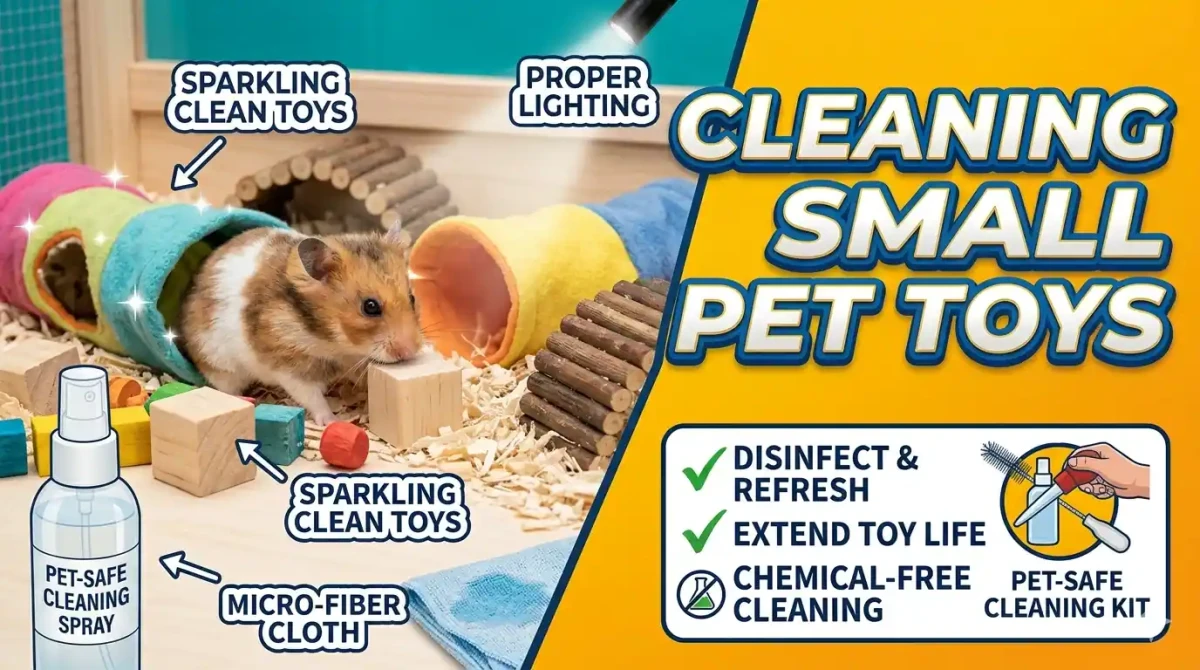
Quick Summary and Direct Answer
Cleaning small pet toys requires species safe disinfecting methods, regular maintenance schedules, and proper drying techniques that eliminate pathogens while preserving toy integrity. Experts commonly recommend washing fabric items weekly, disinfecting hard surfaces every two weeks, and replacing porous wooden toys monthly for optimal pet health.
Most small pets like hamsters, guinea pigs, and rabbits benefit from toy cleaning routines that use vinegar based solutions or pet safe enzymatic cleaners. You should select cleaning methods based on toy material and your pet species. Wooden chews require gentle hand washing to avoid chemical absorption. Plastic wheels handle dishwasher safe cycles on low heat. Always rinse thoroughly and dry completely before returning toys to prevent mold growth or respiratory irritation.
Investing in a mix of budget and premium cleaning supplies ensures effective sanitation without overspending. Start with white vinegar and baking soda before considering commercial pet disinfectants. Consult an exotic veterinarian if your pet shows signs of respiratory distress, skin irritation, or behavioral changes following toy cleaning or replacement.
Key Data and Quick Reference Tables
The table below outlines cleaning methods, recommended frequency, and average cost ranges. This data helps you plan a sustainable maintenance routine without guesswork.
| Cleaning Method | Best For Material | Time Required | Average Cost USD |
|---|---|---|---|
| Vinegar Solution Wash | Wooden chews and natural fibers | 10 to 15 minutes plus drying | 3 to 8 USD for supplies |
| Pet Safe Enzymatic Cleaner | Fabric tunnels and plush toys | 5 to 10 minutes plus air dry | 10 to 25 USD per bottle |
| Dishwasher Low Heat Cycle | Hard plastic wheels and tubes | 30 to 45 minutes cycle time | 0 USD if dishwasher available |
| Boiling Water Sanitizing | Stainless steel and ceramic items | 5 to 8 minutes plus cooling | 0 USD with standard kitchen tools |
| UV Light Disinfection | Electronics and sensitive accessories | 3 to 5 minutes per item | 25 to 75 USD for device |
| Small Pet Species | Recommended Cleaning Frequency | Material Sensitivity | Special Considerations |
|---|---|---|---|
| Hamsters and gerbils | Weekly for fabric, bi weekly for hard items | High sensitivity to strong scents | Avoid essential oils and perfumed cleaners |
| Guinea pigs and rabbits | Twice weekly for high use items | Moderate sensitivity to moisture | Ensure complete drying to prevent foot issues |
| Ferrets and chinchillas | Weekly with thorough drying protocols | High respiratory sensitivity | Use fragrance free products and ventilate well |
Understanding Small Pet Toy Hygiene and Health Risks

Small pet toys accumulate bacteria, urine residues, and food particles that can compromise animal health if not properly maintained. Widely accepted exotic veterinary standards emphasize that regular toy sanitation directly reduces respiratory infections, skin conditions, and gastrointestinal issues in companion rodents and lagomorphs.
Porous materials like untreated wood and fabric commonly harbor mold spores and bacterial colonies when exposed to moisture. You should inspect toys weekly for discoloration, unusual odors, or texture changes that indicate microbial growth. Early detection prevents exposure to harmful pathogens that may require veterinary treatment.
Consistent cleaning routines support immune function and behavioral wellness. A structured schedule with appropriate products keeps enrichment items safe. You do not need expensive commercial disinfectants to start. Simple white vinegar solutions combined with proper drying create an effective sanitation environment that satisfies hygiene needs while respecting small pet sensitivities.
Safe Cleaning Products and Material Compatibility Guidelines

Product safety remains the highest priority when selecting cleaning supplies for small pet toys. Widely accepted exotic pet care standards recommend avoiding products containing bleach, ammonia, phenols, essential oils, or unverified chemical additives. White vinegar, baking soda, pet safe enzymatic cleaners, and diluted hydrogen peroxide are commonly recommended for small animal toy sanitation.
Material compatibility significantly impacts cleaning effectiveness and toy longevity. Wooden items require gentle hand washing to avoid water absorption that causes warping or mold. Plastic components tolerate mild soap and water or dishwasher cycles on low heat. Fabric accessories benefit from machine washing on gentle cycles with fragrance free detergent.
Look for products tested by independent pet safety organizations. Many reputable brands publish material certifications on their official websites. When in doubt, consult an exotic veterinarian about specific brand recommendations for your pet health profile, especially for animals with prior respiratory conditions or skin sensitivities.
Step by Step Cleaning Protocol for Small Pet Toys

Effective toy cleaning follows a progressive sequence that prioritizes pet safety while eliminating contaminants. You should master each step before advancing to maintain toy integrity and reduce stress throughout the process.
Step one involves preparation and toy assessment. Remove toys from enclosure and inspect for damage, excessive wear, or embedded debris. Discard items with sharp edges, loose components, or irreversible soiling. Gather cleaning supplies within reach to minimize handling time.
Step two focuses on dry debris removal. Use a soft brush or dry cloth to remove loose bedding, food particles, and fur before wet cleaning. This preliminary step improves cleaning solution effectiveness and reduces rinse water contamination.
Step three applies appropriate cleaning method based on material. For wooden toys, mix one part white vinegar with three parts water and gently wipe surfaces. For fabric items, machine wash on cold with pet safe detergent. For hard plastics, soak in warm soapy water then rinse thoroughly. Always avoid submerging electronic components.
Step four completes with thorough drying and reassembly. Air dry all items in well ventilated areas away from direct sunlight. Wooden toys may require twenty four to forty eight hours for complete moisture evaporation. Verify items are fully dry before returning to enclosure to prevent mold growth. This systematic approach commonly reduces pathogen exposure and supports long term pet health.
Material Specific Cleaning Guidance for Common Toy Types

Different toy materials require adapted cleaning techniques that account for small pet sensitivities. Wooden chews and natural fiber items benefit from vinegar based solutions that disinfect without leaving toxic residues. You should limit soaking time to five minutes maximum to prevent water absorption that compromises structural integrity.
Plastic wheels, tubes, and puzzle feeders tolerate mild dish soap and warm water cleaning. Use soft bristle brushes to reach crevices where debris accumulates. You should rinse thoroughly to remove all soap residues that may irritate sensitive respiratory systems. Air dry completely before reassembly to prevent moisture trapping.
Fabric tunnels, hammocks, and plush toys require gentle machine washing on cold cycles with fragrance free detergent. Avoid fabric softeners that leave chemical coatings. You should inspect seams after washing to ensure stitching integrity. Air dry or use low heat tumble settings to preserve fabric softness and prevent shrinkage.
Preventing Mold and Bacterial Growth in Small Pet Accessories

Moisture management directly impacts microbial growth risk in small pet toys. Widely accepted exotic husbandry standards emphasize that incomplete drying commonly leads to mold proliferation that triggers respiratory issues in sensitive species.
Preventive strategies include thorough air drying in ventilated spaces, avoiding toy storage in humid environments, and rotating multiple toy sets to allow complete drying between uses. You should inspect wooden items weekly for soft spots or discoloration that indicate internal mold growth.
Know when replacement is necessary. Discontinue use and discard toys showing persistent odors, visible mold, or structural degradation. Early replacement commonly prevents exposure to harmful spores and supports long term enclosure hygiene.
Species Specific Considerations for Toy Cleaning Safety

Different small pet species carry distinct sensitivities that influence cleaning product selection. Hamsters and gerbils possess highly sensitive respiratory systems that react strongly to perfumed cleaners and essential oils. You should use only fragrance free, vinegar based solutions for items in these enclosures.
Guinea pigs and rabbits benefit from thorough rinsing protocols that eliminate soap residues which may cause foot irritation or digestive upset if ingested during grooming. Preventive focus should include double rinsing fabric items and verifying complete dryness before return.
Ferrets and chinchillas require extra ventilation during cleaning activities due to heightened respiratory sensitivity. Schedule cleaning in well aired spaces and allow extended drying time before reintroducing toys. You should monitor these species closely for sneezing or wheezing following toy maintenance.
Managing Cleaning Frequency and Toy Rotation Schedules

Strategic toy rotation maintains novelty while supporting hygiene management. Widely accepted small pet care standards emphasize that keeping multiple toy sets allows thorough cleaning without depriving pets of enrichment.
Recommended rotation protocols include maintaining two to three identical toy sets. While one set is in use, clean and dry the alternate set. Rotate sets every three to four days to balance engagement with sanitation needs. This approach commonly reduces cleaning urgency while maintaining consistent enrichment quality.
Document cleaning schedules in a simple maintenance journal. Note wash dates, drying times, and toy condition observations. Over time, this data reveals optimal replacement timelines that improve cost efficiency and pet safety.
Budget versus Premium Cleaning Supply Comparison

Entry level cleaning supplies priced under ten USD provide effective starting options for basic toy maintenance. These items commonly include white vinegar, baking soda, and basic scrub brushes. They suit low complexity toy collections or owners with prior small pet experience.
Mid range products between twelve and thirty five USD offer enhanced convenience and specialized formulations. These selections balance cost and quality for average household small pets. Many include pet safe enzymatic cleaners and dedicated drying racks that simplify maintenance routines.
Premium cleaning resources exceeding forty USD utilize veterinary grade disinfectants and advanced drying systems. Enclosures with sensitive species or complex toy collections commonly benefit from this support tier. While initial costs remain higher, premium options often improve sanitation efficiency and reduce replacement expenses long term.
Common Mistakes Small Pet Owners Make During Toy Cleaning

Many owners return toys before complete drying occurs. Damp items commonly develop mold within twenty four hours that triggers respiratory issues. You should verify all surfaces feel completely dry to the touch before reintroducing toys to enclosures.
Another frequent error involves using human household cleaners on small pet accessories. Products safe for human environments may contain phenols, ammonia, or fragrances that cause severe reactions in small animals. You should never apply multi surface sprays, glass cleaners, or bathroom disinfectants without explicit veterinary approval.
Purchasing based solely on marketing claims leads to inconsistent cleaning outcomes. Products labeled pet safe do not guarantee suitability for exotic species sensitivities. Read verified customer feedback and consult exotic veterinary directories before finalizing purchases. Prioritize species specific recommendations and ingredient transparency over general availability.
Expert Tips from Exotic Veterinary and Husbandry Standards

Based on common exotic veterinary practices, you should conduct weekly detailed inspections during toy cleaning sessions. Check for wear patterns, odor changes, and structural integrity that indicate replacement needs. Early detection of degradation allows timely intervention that may help prevent injury or illness.
Combine preventive cleaning with comprehensive wellness routines for optimal results. A healthy small pet tolerates minor environmental fluctuations more effectively. Aim for consistent enclosure maintenance, appropriate nutrition, and regular veterinary exams alongside timely toy sanitation. This sequence aligns with natural small animal physiology and preventive health principles.
Document cleaning observations in a simple wellness journal. Note product effectiveness, drying times, and pet behavioral responses. Over time, this data reveals patterns that improve care efficiency. Share findings with your exotic veterinarian during routine visits for personalized optimization insights.
Frequently Asked Questions

How often should I clean my small pets toys
Most small pet toys benefit from weekly cleaning for fabric items and bi weekly cleaning for hard surfaces. High use items like wheels and tunnels may require twice weekly attention. You should adjust frequency based on soiling level, pet species sensitivity, and observed toy condition.
Can I use bleach to disinfect small pet toys
Bleach is generally not recommended for small pet toy cleaning due to residue risks and respiratory sensitivity concerns. You should use white vinegar solutions, pet safe enzymatic cleaners, or diluted hydrogen peroxide as safer alternatives. Always rinse thoroughly and dry completely regardless of cleaning product selected.
What if my pet shows respiratory signs after toy cleaning
Respiratory symptoms following cleaning may indicate product sensitivity or incomplete drying. You should immediately remove recently cleaned items, improve enclosure ventilation, and monitor your pet closely. Contact an exotic veterinarian if sneezing, wheezing, or lethargy persists beyond several hours.
How do I know when to replace small pet toys instead of cleaning
Replace toys showing irreversible damage, persistent odors after cleaning, visible mold, or structural weakness. Wooden items with deep grooves that trap debris commonly require replacement every four to eight weeks. You should prioritize pet safety over cost savings when toy condition compromises hygiene.

0 Comments