.png)
Best Bedding for Small Pets: Expert Safety & Comfort Guide
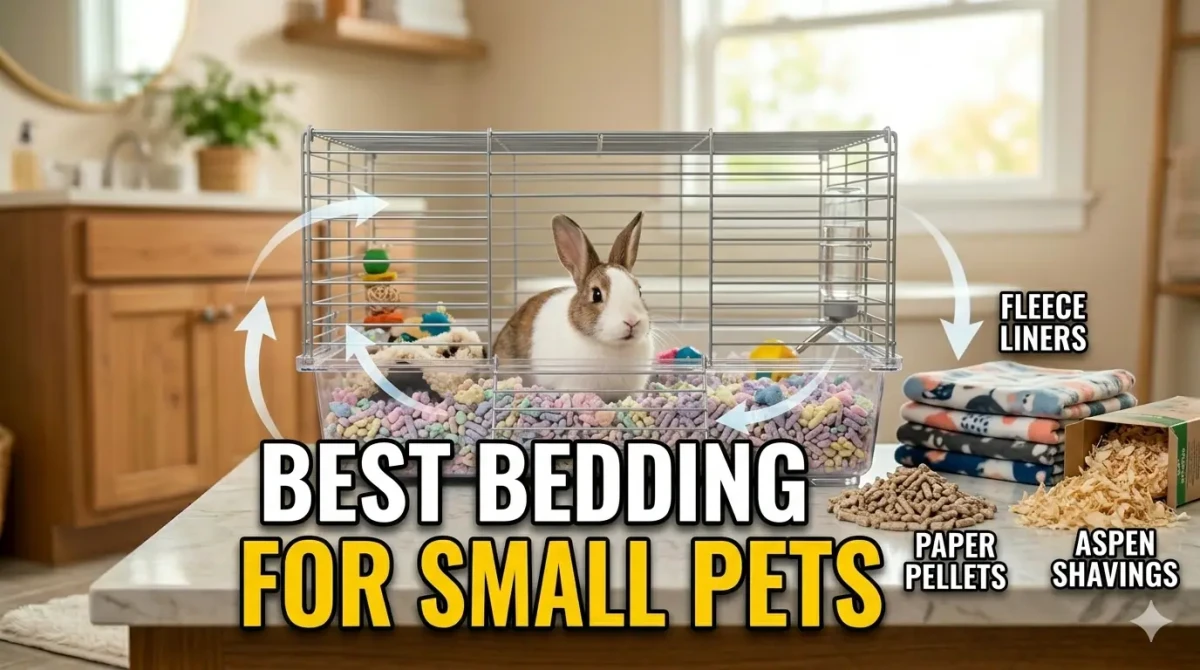
Why Choosing the Right Bedding Is Critical for Small Pet Health
Bedding isn't just about comfort—it's a foundational element of small pet health. Rabbits, guinea pigs, hamsters, ferrets, chinchillas, and other small mammals spend most of their lives in direct contact with their substrate. The wrong bedding can trigger respiratory issues, skin problems, urinary complications, or even life-threatening conditions. Choosing the best bedding for small pets requires understanding species-specific needs, safety criteria, and practical maintenance factors.
Featured Snippet Answer: The best bedding for small pets depends on species: paper-based pellets or aspen shavings for rabbits/guinea pigs (high absorbency, low dust); paper or aspen for hamsters/gerbils (burrowing-safe, low dust); fleece liners for guinea pigs/rabbits (reusable, soft, but requires frequent washing). Avoid cedar/pine shavings (phenols cause respiratory damage), corn cob (mold risk), and dusty substrates. Prioritize low-dust, absorbent, chemical-free options matched to your pet's species and health needs.
Small pets have sensitive respiratory systems, delicate skin, and species-specific behaviors that influence bedding requirements. A hamster needs deep, burrowable substrate; a guinea pig needs soft, absorbent material to protect sensitive feet; a chinchilla needs dust-free bedding to protect their already-sensitive lungs. Understanding these nuances empowers you to make informed choices that support your pet's wellbeing for their entire lifespan.
This comprehensive guide provides evidence-based, veterinarian-aligned strategies for selecting the best bedding for small pets. You'll learn about bedding types and safety criteria, species-specific recommendations, absorbency and odor control evaluation, cost considerations, and common pitfalls to avoid. Whether you care for a playful rabbit, a social guinea pig, a curious hamster, or a wise senior ferret, you'll find practical guidance to optimize their comfort and health.
Understanding Small Pet Physiology: Why Bedding Matters
Before selecting bedding, it's essential to understand how small pets interact with their environment and why substrate choice directly impacts health.
Key Small Pet Characteristics:
- Sensitive respiratory systems: Small mammals are prone to respiratory infections; dust, phenols, or ammonia from bedding can trigger or worsen conditions
- Delicate feet and skin: Wire flooring, rough substrates, or damp bedding can cause bumblefoot (pododermatitis), sores, or dermatitis
- Species-specific behaviors: Hamsters burrow; guinea pigs nest; rabbits dig; bedding must support natural behaviors without compromising safety
- High metabolism and waste production: Small pets produce waste frequently; bedding must manage moisture and odor effectively
- Grooming habits: Pets ingest small amounts of bedding during grooming; materials must be non-toxic if ingested
- 🐾 Hamster Cage Cleaning Schedule: Complete 2026 Guide
- 🐾 Grooming Hacks for Shedding Dogs: Expert Tips to Reduce Fur & Manage Shedding
- 🐾 Best Shampoo for Sensitive Cat Skin: Expert Guide
Health Risks of Inappropriate Bedding:
- Respiratory issues: Dust, mold spores, or phenolic compounds (from cedar/pine) can cause chronic respiratory disease
- Skin and foot problems: Rough, abrasive, or damp substrates lead to bumblefoot, sores, or fungal infections
- Urinary complications: Ammonia buildup from poor absorbency irritates urinary tracts and can cause infections
- Digestive blockages: Ingestible bedding like corn cob or clay can cause impaction if consumed
- Stress and behavioral issues: Uncomfortable or unsafe bedding increases anxiety and stereotypic behaviors
- 🐾 Hamster Cage Cleaning Schedule: Complete 2026 Guide
- 🐾 Grooming Hacks for Shedding Dogs: Expert Tips to Reduce Fur & Manage Shedding
- 🐾 Best Shampoo for Sensitive Cat Skin: Expert Guide
Featured Snippet Answer: Small pets have sensitive respiratory systems, delicate feet, and species-specific behaviors. Inappropriate bedding can cause respiratory disease, bumblefoot, urinary infections, or digestive blockages. Choose low-dust, absorbent, non-toxic bedding matched to your pet's species and natural behaviors to support lifelong health.
Is cedar or pine bedding safe for small pets?
No, cedar and untreated pine shavings are not safe for most small pets. They contain phenols (aromatic hydrocarbons) that can cause respiratory irritation, liver damage, and hormonal disruption. Kiln-dried pine has reduced phenols and may be acceptable for some species under veterinary guidance, but paper-based or aspen options are generally safer. Always avoid cedar completely.
Bedding Types Explained: Pros, Cons, and Best Uses

Not all bedding is created equal. Understanding the characteristics of each type helps you select the safest, most effective option for your pet.
1. Paper-Based Bedding (Pellets, Crumbles, Shreds)
What It Is: Made from recycled paper or virgin paper pulp, processed into pellets, crumbles, or shredded forms.
Pros:
- Highly absorbent: absorbs 3-4x its weight in moisture
- Low dust: minimally processed options reduce respiratory irritants
- Chemical-free: typically no added fragrances, dyes, or phenols
- Safe if ingested: paper is non-toxic in small amounts
- Odor control: absorbs ammonia effectively when changed regularly
- Eco-friendly: often made from recycled materials and biodegradable
- 🐾 Hamster Cage Cleaning Schedule: Complete 2026 Guide
- 🐾 Grooming Hacks for Shedding Dogs: Expert Tips to Reduce Fur & Manage Shedding
- 🐾 Best Shampoo for Sensitive Cat Skin: Expert Guide
Cons:
- Can be less comfortable for burrowing species if too hard/pelleted
- May require more frequent changes than some alternatives
- Shredded forms can stick to long fur if damp
- 🐾 Hamster Cage Cleaning Schedule: Complete 2026 Guide
- 🐾 Grooming Hacks for Shedding Dogs: Expert Tips to Reduce Fur & Manage Shedding
- 🐾 Best Shampoo for Sensitive Cat Skin: Expert Guide
Best For: Rabbits, guinea pigs, ferrets, rats, mice; good all-purpose option for most small pets
Top Picks:
- Oxbow Pure Comfort Paper Bedding: Soft, highly absorbent, low dust, vet-recommended
- Kaytee Clean & Cozy: Expandable, soft, good odor control, widely available
- Small Pet Select Paper Bedding: Unbleached, dust-extracted, eco-conscious sourcing
- 🐾 Hamster Cage Cleaning Schedule: Complete 2026 Guide
- 🐾 Grooming Hacks for Shedding Dogs: Expert Tips to Reduce Fur & Manage Shedding
- 🐾 Best Shampoo for Sensitive Cat Skin: Expert Guide
2. Aspen Wood Shavings
What It Is: Shaved wood from aspen trees, a hardwood that doesn't contain harmful phenols.
Pros:
- Natural and biodegradable
- Good absorbency and odor control
- Provides texture variety for enrichment
- Safe for burrowing species when shredded appropriately
- Generally low dust when quality-controlled
- 🐾 Hamster Cage Cleaning Schedule: Complete 2026 Guide
- 🐾 Grooming Hacks for Shedding Dogs: Expert Tips to Reduce Fur & Manage Shedding
- 🐾 Best Shampoo for Sensitive Cat Skin: Expert Guide
Cons:
- Can be dusty if not properly processed; choose dust-extracted brands
- Less absorbent than paper pellets; may require more frequent changes
- Not ideal for pets with severe respiratory sensitivities
- 🐾 Hamster Cage Cleaning Schedule: Complete 2026 Guide
- 🐾 Grooming Hacks for Shedding Dogs: Expert Tips to Reduce Fur & Manage Shedding
- 🐾 Best Shampoo for Sensitive Cat Skin: Expert Guide
Best For: Hamsters, gerbils, rats, mice; acceptable for rabbits/guinea pigs if low-dust and changed frequently
Top Picks:
- Kaytee Aspen Bedding: Dust-extracted, good value, widely available
- 8in1 Premium Aspen: Low dust, good absorbency, reliable quality
- 🐾 Hamster Cage Cleaning Schedule: Complete 2026 Guide
- 🐾 Grooming Hacks for Shedding Dogs: Expert Tips to Reduce Fur & Manage Shedding
- 🐾 Best Shampoo for Sensitive Cat Skin: Expert Guide
3. Fleece Liners (Reusable Fabric)
What It Is: Washable fabric liners (typically fleece over absorbent layer) used instead of disposable bedding.
Pros:
- Soft and comfortable for sensitive feet
- Reusable: cost-effective long-term and eco-friendly
- Low dust: ideal for pets with respiratory sensitivities
- Customizable: can layer with absorbent pads for moisture control
- Easy to spot-clean: remove soiled sections without full change
- 🐾 Hamster Cage Cleaning Schedule: Complete 2026 Guide
- 🐾 Grooming Hacks for Shedding Dogs: Expert Tips to Reduce Fur & Manage Shedding
- 🐾 Best Shampoo for Sensitive Cat Skin: Expert Guide
Cons:
- Requires frequent washing (every 2-3 days) to prevent ammonia buildup
- Initial setup cost higher than disposable options
- Not suitable for burrowing species unless layered with loose substrate
- Must use absorbent underlayer (U-Haul pads, towels) to wick moisture
- 🐾 Hamster Cage Cleaning Schedule: Complete 2026 Guide
- 🐾 Grooming Hacks for Shedding Dogs: Expert Tips to Reduce Fur & Manage Shedding
- 🐾 Best Shampoo for Sensitive Cat Skin: Expert Guide
Best For: Guinea pigs, rabbits, ferrets; excellent for pets with respiratory issues or sensitive feet
Top Picks:
- GuineaDad Fleece Liners: Designed for guinea pigs, absorbent layers included, easy to clean
- DIY fleece + U-Haul pads: Cost-effective, customizable, widely recommended by small pet communities
- 🐾 Hamster Cage Cleaning Schedule: Complete 2026 Guide
- 🐾 Grooming Hacks for Shedding Dogs: Expert Tips to Reduce Fur & Manage Shedding
- 🐾 Best Shampoo for Sensitive Cat Skin: Expert Guide
4. Hay-Based Bedding
What It Is: Timothy, orchard grass, or other grass hays used as bedding (distinct from feeding hay).
Pros:
- Natural and edible: safe if ingested during grooming
- Encourages natural foraging behavior
- Good for dental wear when used as bedding/enrichment combo
- Biodegradable and eco-friendly
- 🐾 Hamster Cage Cleaning Schedule: Complete 2026 Guide
- 🐾 Grooming Hacks for Shedding Dogs: Expert Tips to Reduce Fur & Manage Shedding
- 🐾 Best Shampoo for Sensitive Cat Skin: Expert Guide
Cons:
- Low absorbency: not suitable as primary bedding for urine management
- Can mold if damp; requires very frequent changes
- Expensive if used as primary bedding
- May attract pests if not stored properly
- 🐾 Hamster Cage Cleaning Schedule: Complete 2026 Guide
- 🐾 Grooming Hacks for Shedding Dogs: Expert Tips to Reduce Fur & Manage Shedding
- 🐾 Best Shampoo for Sensitive Cat Skin: Expert Guide
Best For: Supplemental bedding/enrichment for rabbits and guinea pigs; not recommended as primary bedding
Usage Tip: Layer hay over absorbent paper bedding to combine comfort, enrichment, and absorbency.
5. Hemp or Cotton Bedding
What It Is: Plant-based fibers processed into soft, absorbent bedding.
Pros:
- Highly absorbent and odor-controlling
- Naturally antimicrobial properties
- Low dust and chemical-free options available
- Biodegradable and sustainable
- 🐾 Hamster Cage Cleaning Schedule: Complete 2026 Guide
- 🐾 Grooming Hacks for Shedding Dogs: Expert Tips to Reduce Fur & Manage Shedding
- 🐾 Best Shampoo for Sensitive Cat Skin: Expert Guide
Cons:
- Less widely available and often premium-priced
- May not be as burrow-friendly for some species
- 🐾 Hamster Cage Cleaning Schedule: Complete 2026 Guide
- 🐾 Grooming Hacks for Shedding Dogs: Expert Tips to Reduce Fur & Manage Shedding
- 🐾 Best Shampoo for Sensitive Cat Skin: Expert Guide
Best For: Eco-conscious owners; good alternative for pets with sensitivities to paper or wood
Top Picks:
- Small Pet Select Hemp Bedding: Highly absorbent, low dust, sustainable
- 🐾 Hamster Cage Cleaning Schedule: Complete 2026 Guide
- 🐾 Grooming Hacks for Shedding Dogs: Expert Tips to Reduce Fur & Manage Shedding
- 🐾 Best Shampoo for Sensitive Cat Skin: Expert Guide
Bedding Types to Avoid
- Cedar shavings: Contains phenols that cause respiratory irritation, liver damage, and hormonal disruption—never use
- Untreated pine shavings: Contains phenols; kiln-dried pine has reduced levels but paper/aspen are safer
- Corn cob bedding: Can mold when damp; risk of digestive blockage if ingested
- Clay or clumping cat litter: Dusty; clumping varieties can cause fatal blockages if ingested
- Scented or dyed bedding: Artificial fragrances and dyes can irritate respiratory systems and skin
- Walnut shell bedding: Sharp particles can injure feet or eyes; dust can cause respiratory issues
- 🐾 Hamster Cage Cleaning Schedule: Complete 2026 Guide
- 🐾 Grooming Hacks for Shedding Dogs: Expert Tips to Reduce Fur & Manage Shedding
- 🐾 Best Shampoo for Sensitive Cat Skin: Expert Guide
Featured Snippet Answer: Choose paper-based bedding (pellets or shreds) for most small pets: highly absorbent, low dust, chemical-free. Aspen shavings are acceptable if dust-extracted. Fleece liners work well for guinea pigs/rabbits with frequent washing. Avoid cedar, pine, corn cob, clay litter, and scented/dyed bedding due to respiratory, digestive, or toxicity risks.
Species-Specific Bedding Recommendations

Different small pets have unique needs. Match bedding to your pet's species for optimal health and comfort.
Rabbits
Bedding Priorities: High absorbency (rabbits produce large, moist droppings), soft texture for sensitive feet, low dust for respiratory health, space for digging/enrichment
Best Options:
- Paper-based pellets or crumbles as primary bedding
- Fleece liners with absorbent underlayer for softness and reusability
- Layer timothy hay over bedding for enrichment and dental wear
- 🐾 Hamster Cage Cleaning Schedule: Complete 2026 Guide
- 🐾 Grooming Hacks for Shedding Dogs: Expert Tips to Reduce Fur & Manage Shedding
- 🐾 Best Shampoo for Sensitive Cat Skin: Expert Guide
Avoid: Cedar/pine shavings, wire flooring, corn cob, clay litter
Change Frequency: Spot-clean daily; full change every 3-4 days for paper bedding; fleece washed every 2-3 days
Guinea Pigs
Bedding Priorities: Extremely soft for sensitive feet (prone to bumblefoot), high absorbency (frequent urination), low dust (respiratory sensitivities common), ample space for movement
Best Options:
- Fleece liners with absorbent underlayer: soft, reusable, low dust
- Paper-based bedding (pellets or soft shreds): highly absorbent, safe if ingested
- Aspen shavings (dust-extracted only): acceptable if changed frequently
- 🐾 Hamster Cage Cleaning Schedule: Complete 2026 Guide
- 🐾 Grooming Hacks for Shedding Dogs: Expert Tips to Reduce Fur & Manage Shedding
- 🐾 Best Shampoo for Sensitive Cat Skin: Expert Guide
Avoid: Cedar/pine, wire flooring, corn cob, any rough or abrasive substrate
Change Frequency: Spot-clean soiled areas daily; full change every 2-3 days for paper; fleece washed every 2-3 days
Hamsters and Gerbils
Bedding Priorities: Deep, burrowable substrate (6+ inches), low dust, good absorbency, safe if ingested during grooming
Best Options:
- Paper-based bedding (shredded or crumbled): burrow-friendly, absorbent, safe
- Aspen shavings (dust-extracted): good for burrowing, natural texture
- Layer with hay or tissue paper for nesting enrichment
- 🐾 Hamster Cage Cleaning Schedule: Complete 2026 Guide
- 🐾 Grooming Hacks for Shedding Dogs: Expert Tips to Reduce Fur & Manage Shedding
- 🐾 Best Shampoo for Sensitive Cat Skin: Expert Guide
Avoid: Cedar/pine, corn cob, clay litter, scented bedding
Change Frequency: Spot-clean wet areas every 2-3 days; full change every 1-2 weeks (hamsters prefer some scent retention)
Ferrets
Bedding Priorities: High absorbency (ferrets have fast metabolisms), odor control, soft texture, low dust
Best Options:
- Paper-based pellets: highly absorbent, excellent odor control, low dust
- Fleece liners with absorbent layer: soft, reusable, easy to spot-clean
- 🐾 Hamster Cage Cleaning Schedule: Complete 2026 Guide
- 🐾 Grooming Hacks for Shedding Dogs: Expert Tips to Reduce Fur & Manage Shedding
- 🐾 Best Shampoo for Sensitive Cat Skin: Expert Guide
Avoid: Cedar/pine, corn cob, clay litter, any bedding that clumps when wet
Change Frequency: Spot-clean daily; full change every 2-3 days due to high waste production
Chinchillas
Bedding Priorities: Extremely low dust (chinchillas have highly sensitive respiratory systems), absorbent, soft for delicate feet
Best Options:
- Paper-based bedding (pellets or soft shreds): lowest dust option, highly absorbent
- Fleece liners with absorbent underlayer: zero dust, soft, but requires diligent washing
- 🐾 Hamster Cage Cleaning Schedule: Complete 2026 Guide
- 🐾 Grooming Hacks for Shedding Dogs: Expert Tips to Reduce Fur & Manage Shedding
- 🐾 Best Shampoo for Sensitive Cat Skin: Expert Guide
Avoid: Any wood shavings (even aspen can be too dusty), corn cob, clay, scented products
Change Frequency: Spot-clean daily; full change every 3-4 days; maintain excellent ventilation
Rats and Mice
Bedding Priorities: Burrowable for enrichment, absorbent, low dust, soft for sensitive respiratory systems
Best Options:
- Paper-based bedding (shredded): burrow-friendly, absorbent, low dust
- Aspen shavings (dust-extracted): good for burrowing, natural
- Fleece liners for upper levels of multi-level cages
- 🐾 Hamster Cage Cleaning Schedule: Complete 2026 Guide
- 🐾 Grooming Hacks for Shedding Dogs: Expert Tips to Reduce Fur & Manage Shedding
- 🐾 Best Shampoo for Sensitive Cat Skin: Expert Guide
Avoid: Cedar/pine, corn cob, clay litter
Change Frequency: Spot-clean every 2-3 days; full change weekly
Featured Snippet Answer: Match bedding to species: rabbits/guinea pigs need soft, absorbent paper or fleece; hamsters/gerbils need deep, burrowable paper or aspen; ferrets need high-absorbency paper pellets; chinchillas need ultra-low-dust paper or fleece. Always avoid cedar, pine, corn cob, and clay. Change frequency varies: spot-clean daily, full change every 2-4 days depending on species and bedding type.
Evaluating Bedding Quality: Safety and Performance Criteria

Use these evidence-based criteria to assess bedding quality before purchasing.
Safety Indicators
- Dust level: Shake a sample; minimal dust should be visible. Look for "dust-extracted" or "low dust" labeling
- Chemical-free: Avoid added fragrances, dyes, or preservatives; choose unscented, natural options
- Phenol-free: Verify wood-based bedding is aspen or kiln-dried pine; never use cedar
- Ingestion safety: Choose non-toxic materials safe if ingested in small amounts during grooming
- Third-party testing: Reputable brands conduct testing for contaminants, dust, and safety
- 🐾 Hamster Cage Cleaning Schedule: Complete 2026 Guide
- 🐾 Grooming Hacks for Shedding Dogs: Expert Tips to Reduce Fur & Manage Shedding
- 🐾 Best Shampoo for Sensitive Cat Skin: Expert Guide
Performance Metrics
- Absorbency: Look for bedding that absorbs 3-4x its weight; paper pellets typically excel here
- Odor control: Effective bedding neutralizes ammonia; read reviews for real-world odor performance
- Moisture wicking: Bedding should pull moisture away from surface to keep pets dry
- Comfort: Soft texture for sensitive feet; avoid rough, sharp, or abrasive materials
- Enrichment value: Burrowable, nestable, or diggable substrates support natural behaviors
- 🐾 Hamster Cage Cleaning Schedule: Complete 2026 Guide
- 🐾 Grooming Hacks for Shedding Dogs: Expert Tips to Reduce Fur & Manage Shedding
- 🐾 Best Shampoo for Sensitive Cat Skin: Expert Guide
Practical Considerations
- Ease of cleaning: Clump-forming or easy-to-scoop bedding simplifies spot-cleaning
- Disposal: Biodegradable options are eco-friendly; check local composting guidelines
- Storage: Bedding should stay fresh in resealable packaging; avoid bulk bins with unknown turnover
- Cost per use: Calculate cost based on absorbency and change frequency, not just bag price
- 🐾 Hamster Cage Cleaning Schedule: Complete 2026 Guide
- 🐾 Grooming Hacks for Shedding Dogs: Expert Tips to Reduce Fur & Manage Shedding
- 🐾 Best Shampoo for Sensitive Cat Skin: Expert Guide
Brand Reputation and Transparency
- Veterinary recommendations: Brands recommended by exotic veterinarians often meet higher safety standards
- Ingredient transparency: Reputable companies disclose materials and manufacturing processes
- Recall history: Research brand safety records; avoid brands with frequent recalls
- User reviews: Read feedback from other small pet owners about dust, absorbency, and pet acceptance
- 🐾 Hamster Cage Cleaning Schedule: Complete 2026 Guide
- 🐾 Grooming Hacks for Shedding Dogs: Expert Tips to Reduce Fur & Manage Shedding
- 🐾 Best Shampoo for Sensitive Cat Skin: Expert Guide
Featured Snippet Answer: Evaluate small pet bedding by checking: low dust (shake test), chemical-free labeling, phenol-free materials, high absorbency (3-4x weight), soft texture, and brand transparency. Prioritize veterinary-recommended brands with positive user reviews about dust control and odor management.
Bedding Maintenance: Cleaning, Changing, and Hygiene

Proper maintenance maximizes bedding performance and protects your pet's health.
Daily Tasks
- Remove soiled bedding and waste: spot-clean wet areas and droppings to control odor and ammonia
- Refresh food and water areas: prevent bedding contamination of food/water
- Check for dampness: ensure bedding stays dry to prevent skin issues and mold
- Observe your pet: monitor for signs of discomfort, respiratory issues, or foot problems
- 🐾 Hamster Cage Cleaning Schedule: Complete 2026 Guide
- 🐾 Grooming Hacks for Shedding Dogs: Expert Tips to Reduce Fur & Manage Shedding
- 🐾 Best Shampoo for Sensitive Cat Skin: Expert Guide
Weekly Tasks
- Full bedding change: replace all bedding according to species-specific schedule
- Clean cage thoroughly: wash with vinegar-water solution (1:1) or pet-safe disinfectant
- Wash fleece liners: if using fleece, launder in fragrance-free detergent, dry completely before reuse
- Inspect cage structure: check for sharp edges, loose parts, or wear that could injure your pet
- 🐾 Hamster Cage Cleaning Schedule: Complete 2026 Guide
- 🐾 Grooming Hacks for Shedding Dogs: Expert Tips to Reduce Fur & Manage Shedding
- 🐾 Best Shampoo for Sensitive Cat Skin: Expert Guide
Monthly Tasks
- Deep clean cage and accessories: disinfect food bowls, water bottles, toys, and hides
- Assess bedding performance: is odor controlled? Is your pet comfortable? Adjust type or frequency if needed
- Review supply inventory: ensure you have adequate bedding stock to maintain consistent care
- 🐾 Hamster Cage Cleaning Schedule: Complete 2026 Guide
- 🐾 Grooming Hacks for Shedding Dogs: Expert Tips to Reduce Fur & Manage Shedding
- 🐾 Best Shampoo for Sensitive Cat Skin: Expert Guide
Spot-Cleaning vs. Full Changes
- Spot-cleaning: Remove only soiled areas; extends time between full changes; essential for odor control
- Full changes: Replace all bedding and deep clean cage; necessary for hygiene and health
- Balance: Over-cleaning can stress pets by removing familiar scents; under-cleaning risks health issues. Find the right balance for your pet and setup.
- 🐾 Hamster Cage Cleaning Schedule: Complete 2026 Guide
- 🐾 Grooming Hacks for Shedding Dogs: Expert Tips to Reduce Fur & Manage Shedding
- 🐾 Best Shampoo for Sensitive Cat Skin: Expert Guide
Bedding Storage Tips
- Store in cool, dry place: prevents mold and maintains absorbency
- Keep in original packaging or airtight container: protects from pests and moisture
- Use within 6-12 months: bedding can lose absorbency or develop odors if stored too long
- Keep away from strong odors: bedding can absorb scents that may irritate pets
- 🐾 Hamster Cage Cleaning Schedule: Complete 2026 Guide
- 🐾 Grooming Hacks for Shedding Dogs: Expert Tips to Reduce Fur & Manage Shedding
- 🐾 Best Shampoo for Sensitive Cat Skin: Expert Guide
Featured Snippet Answer: Maintain small pet bedding by spot-cleaning soiled areas daily, performing full changes every 2-4 days depending on species, and deep cleaning cages weekly. Store bedding in cool, dry places in sealed containers. Balance cleaning frequency to control odor without over-stressing pets by removing all familiar scents.
Cost and Value Analysis: Getting the Best Bedding for Your Budget

Bedding costs vary widely. Smart shopping maximizes value without compromising safety.
Cost Comparison by Type (Approximate)
- Paper pellets: $15-25 for 20-30 lb bag; lasts 2-4 weeks for average rabbit/guinea pig setup
- Paper shreds: $12-20 for 20-30 L bag; similar longevity to pellets
- Aspen shavings: $10-18 for 20-30 L bag; may require more frequent changes than paper
- Fleece liners: $25-50 initial investment; reusable for 1-2 years with proper care
- Hemp/cotton: $20-35 for 15-25 L bag; premium pricing for eco-benefits
- 🐾 Hamster Cage Cleaning Schedule: Complete 2026 Guide
- 🐾 Grooming Hacks for Shedding Dogs: Expert Tips to Reduce Fur & Manage Shedding
- 🐾 Best Shampoo for Sensitive Cat Skin: Expert Guide
Calculating True Cost
- Factor in change frequency: A cheaper bedding that requires twice-weekly changes may cost more long-term than a pricier, longer-lasting option
- Consider absorbency: More absorbent bedding uses less product per change
- Include cleaning supplies: Fleece requires detergent and water; factor in utility costs
- Account for pet health: Inappropriate bedding can lead to veterinary bills far exceeding bedding savings
- 🐾 Hamster Cage Cleaning Schedule: Complete 2026 Guide
- 🐾 Grooming Hacks for Shedding Dogs: Expert Tips to Reduce Fur & Manage Shedding
- 🐾 Best Shampoo for Sensitive Cat Skin: Expert Guide
Budget-Saving Strategies
- Buy in bulk: Larger bags often have lower cost per pound; ensure you can use before expiration
- Subscribe and save: Many retailers offer discounts for recurring deliveries
- DIY fleece liners: Sew your own liners with fleece and absorbent padding for significant savings
- Combine bedding types: Use paper pellets in litter area, fleece in sleeping area to balance cost and comfort
- Prioritize safety: Never sacrifice safety for savings; respiratory or foot issues cost far more than quality bedding
- 🐾 Hamster Cage Cleaning Schedule: Complete 2026 Guide
- 🐾 Grooming Hacks for Shedding Dogs: Expert Tips to Reduce Fur & Manage Shedding
- 🐾 Best Shampoo for Sensitive Cat Skin: Expert Guide
Environmental Impact Considerations
- Biodegradability: Paper, aspen, hemp, and cotton break down naturally; avoid plastic-based or non-biodegradable options
- Recycled content: Paper bedding made from post-consumer waste reduces landfill burden
- Packaging: Choose brands with minimal or recyclable packaging
- Local sourcing: Reduces transportation emissions; support local small pet suppliers when possible
- 🐾 Hamster Cage Cleaning Schedule: Complete 2026 Guide
- 🐾 Grooming Hacks for Shedding Dogs: Expert Tips to Reduce Fur & Manage Shedding
- 🐾 Best Shampoo for Sensitive Cat Skin: Expert Guide
Featured Snippet Answer: Calculate bedding cost by factoring absorbency, change frequency, and pet health impacts—not just bag price. Paper pellets cost $15-25/20lb bag; fleece liners cost $25-50 upfront but last 1-2 years. Save by buying bulk, subscribing, or DIY fleece. Prioritize safety over savings; inappropriate bedding can lead to costly veterinary care.
Common Bedding Mistakes to Avoid

Even well-intentioned owners make errors that compromise small pet health. Avoid these pitfalls:
Mistake 1: Using Cedar or Pine Shavings
- Problem: Phenols cause respiratory irritation, liver damage, and hormonal disruption
- Solution: Choose paper-based, aspen, or fleece options; verify wood bedding is phenol-free
- 🐾 Hamster Cage Cleaning Schedule: Complete 2026 Guide
- 🐾 Grooming Hacks for Shedding Dogs: Expert Tips to Reduce Fur & Manage Shedding
- 🐾 Best Shampoo for Sensitive Cat Skin: Expert Guide
Mistake 2: Ignoring Dust Levels
- Problem: Dust triggers respiratory infections, especially in chinchillas, guinea pigs, and rats
- Solution: Choose "dust-extracted" or "low dust" labeled products; shake test before purchasing
- 🐾 Hamster Cage Cleaning Schedule: Complete 2026 Guide
- 🐾 Grooming Hacks for Shedding Dogs: Expert Tips to Reduce Fur & Manage Shedding
- 🐾 Best Shampoo for Sensitive Cat Skin: Expert Guide
Mistake 3: Overlooking Absorbency Needs
- Problem: Low-absorbency bedding leads to damp conditions, ammonia buildup, and foot problems
- Solution: Prioritize highly absorbent options (paper pellets, fleece with absorbent layer) for urine-producing species
- 🐾 Hamster Cage Cleaning Schedule: Complete 2026 Guide
- 🐾 Grooming Hacks for Shedding Dogs: Expert Tips to Reduce Fur & Manage Shedding
- 🐾 Best Shampoo for Sensitive Cat Skin: Expert Guide
Mistake 4: Not Matching Bedding to Species Behaviors
- Problem: Hamsters need burrowable substrate; fleece alone doesn't support this natural behavior
- Solution: Provide species-appropriate depth and texture: deep paper/aspen for burrowers, soft fleece for foot-sensitive species
- 🐾 Hamster Cage Cleaning Schedule: Complete 2026 Guide
- 🐾 Grooming Hacks for Shedding Dogs: Expert Tips to Reduce Fur & Manage Shedding
- 🐾 Best Shampoo for Sensitive Cat Skin: Expert Guide
Mistake 5: Infrequent Cleaning
- Problem: Ammonia buildup irritates respiratory and urinary systems; damp bedding causes skin issues
- Solution: Spot-clean daily; full changes every 2-4 days depending on species and bedding type
- 🐾 Hamster Cage Cleaning Schedule: Complete 2026 Guide
- 🐾 Grooming Hacks for Shedding Dogs: Expert Tips to Reduce Fur & Manage Shedding
- 🐾 Best Shampoo for Sensitive Cat Skin: Expert Guide
Mistake 6: Using Scented or Dyed Bedding
- Problem: Artificial fragrances and dyes can irritate sensitive respiratory systems and skin
- Solution: Choose unscented, undyed, natural-color bedding options
- 🐾 Hamster Cage Cleaning Schedule: Complete 2026 Guide
- 🐾 Grooming Hacks for Shedding Dogs: Expert Tips to Reduce Fur & Manage Shedding
- 🐾 Best Shampoo for Sensitive Cat Skin: Expert Guide
Featured Snippet Answer: Avoid bedding mistakes: never use cedar/pine, choose low-dust options, prioritize absorbency, match bedding to species behaviors, clean frequently, and avoid scented/dyed products. These practices prevent respiratory issues, foot problems, and stress while supporting natural behaviors.
Special Considerations: Health Conditions and Life Stages

Certain situations require adjusted bedding choices.
Pets with Respiratory Issues
- Priority: Ultra-low dust, zero fragrances, maximum air quality
- Best options: Paper-based pellets (lowest dust), fleece liners (zero dust)
- Avoid: Any wood shavings, scented products, or dusty substrates
- Additional measures: Improve cage ventilation, use air purifier, monitor humidity
- 🐾 Hamster Cage Cleaning Schedule: Complete 2026 Guide
- 🐾 Grooming Hacks for Shedding Dogs: Expert Tips to Reduce Fur & Manage Shedding
- 🐾 Best Shampoo for Sensitive Cat Skin: Expert Guide
Pets with Foot Sensitivities or Bumblefoot
- Priority: Extremely soft, non-abrasive surface
- Best options: Fleece liners with soft underlayer, soft paper shreds
- Avoid: Wire flooring, rough wood shavings, hard pellets
- Additional measures: Keep bedding dry, provide soft resting areas, monitor feet daily
- 🐾 Hamster Cage Cleaning Schedule: Complete 2026 Guide
- 🐾 Grooming Hacks for Shedding Dogs: Expert Tips to Reduce Fur & Manage Shedding
- 🐾 Best Shampoo for Sensitive Cat Skin: Expert Guide
Senior or Mobility-Impaired Pets
- Priority: Easy access, soft support, minimal effort to navigate
- Best options: Low-pile fleece, soft paper bedding, avoid deep burrowing substrates if mobility is limited
- Avoid: Deep, loose bedding that's hard to navigate; rough textures
- Additional measures: Provide ramps, low-sided entry points, and easily accessible resources
- 🐾 Hamster Cage Cleaning Schedule: Complete 2026 Guide
- 🐾 Grooming Hacks for Shedding Dogs: Expert Tips to Reduce Fur & Manage Shedding
- 🐾 Best Shampoo for Sensitive Cat Skin: Expert Guide
Juvenile Pets
- Priority: Safety if ingested, soft texture, support for growth
- Best options: Paper-based bedding (safe if ingested), soft fleece
- Avoid: Large-particle bedding that could be choking hazard; rough textures
- Additional measures: Monitor closely during introduction to new bedding; ensure adequate warmth
- 🐾 Hamster Cage Cleaning Schedule: Complete 2026 Guide
- 🐾 Grooming Hacks for Shedding Dogs: Expert Tips to Reduce Fur & Manage Shedding
- 🐾 Best Shampoo for Sensitive Cat Skin: Expert Guide
Featured Snippet Answer: Adjust bedding for health needs: respiratory issues need ultra-low-dust paper or fleece; foot sensitivities need soft fleece or soft paper; seniors need easy-access soft bedding; juveniles need safe-if-ingested paper options. Always consult your exotic veterinarian for pet-specific health considerations.
DIY and Alternative Bedding Options

For owners seeking customization or budget options, these alternatives can work when implemented safely.
DIY Fleece Liners
Materials Needed:
- Fleece fabric (anti-pill, non-fraying)
- Absorbent layer: U-Haul furniture pads, towels, or Zorb fabric
- Sewing supplies or fabric glue for no-sew options
- 🐾 Hamster Cage Cleaning Schedule: Complete 2026 Guide
- 🐾 Grooming Hacks for Shedding Dogs: Expert Tips to Reduce Fur & Manage Shedding
- 🐾 Best Shampoo for Sensitive Cat Skin: Expert Guide
Construction Tips:
- Cut fleece to cage dimensions; layer over absorbent material
- Secure edges with binding or fabric glue to prevent fraying
- Use non-toxic, pet-safe adhesives if not sewing
- Pre-wash fleece to remove manufacturing residues
- 🐾 Hamster Cage Cleaning Schedule: Complete 2026 Guide
- 🐾 Grooming Hacks for Shedding Dogs: Expert Tips to Reduce Fur & Manage Shedding
- 🐾 Best Shampoo for Sensitive Cat Skin: Expert Guide
Maintenance:
- Spot-clean soiled areas daily
- Machine wash liners every 2-3 days in fragrance-free detergent
- Air dry or tumble dry low; avoid fabric softeners
- Rotate multiple sets to ensure always having clean liners available
- 🐾 Hamster Cage Cleaning Schedule: Complete 2026 Guide
- 🐾 Grooming Hacks for Shedding Dogs: Expert Tips to Reduce Fur & Manage Shedding
- 🐾 Best Shampoo for Sensitive Cat Skin: Expert Guide
Repurposed Materials (Use with Caution)
Acceptable with Verification:
- Untreated paper: Shredded office paper (no ink/toner concerns) can work temporarily; ensure no glossy/coated paper
- Cotton towels: Cut into liners; ensure no loose threads that could entangle feet
- 🐾 Hamster Cage Cleaning Schedule: Complete 2026 Guide
- 🐾 Grooming Hacks for Shedding Dogs: Expert Tips to Reduce Fur & Manage Shedding
- 🐾 Best Shampoo for Sensitive Cat Skin: Expert Guide
Avoid:
- Newspaper: ink can contain heavy metals; not absorbent enough
- Glossy magazines: coatings and inks may be toxic
- Carpet scraps: fibers can entangle feet; difficult to clean thoroughly
- 🐾 Hamster Cage Cleaning Schedule: Complete 2026 Guide
- 🐾 Grooming Hacks for Shedding Dogs: Expert Tips to Reduce Fur & Manage Shedding
- 🐾 Best Shampoo for Sensitive Cat Skin: Expert Guide
Important Note: DIY options require careful material selection and maintenance. When in doubt, choose commercially produced, vet-recommended bedding for guaranteed safety.
Quick Recap: Key Takeaways for Small Pet Bedding

- Choose species-appropriate bedding: paper-based for most; fleece for sensitive feet; aspen for burrowers if dust-extracted
- Prioritize low dust, chemical-free, and phenol-free materials to protect respiratory health
- Ensure high absorbency to manage moisture, control ammonia, and prevent foot problems
- Match bedding texture and depth to natural behaviors: burrowable for hamsters, soft for guinea pigs
- Avoid cedar, pine, corn cob, clay litter, and scented/dyed bedding due to health risks
- Maintain hygiene: spot-clean daily, full changes every 2-4 days, deep clean weekly
- Calculate true cost by factoring absorbency, change frequency, and pet health—not just bag price
- Store bedding properly: cool, dry, sealed to maintain freshness and effectiveness
- Consult your exotic veterinarian for pets with health conditions or special needs
- Observe your pet: comfort, respiratory health, and foot condition provide feedback on bedding suitability
- 🐾 Hamster Cage Cleaning Schedule: Complete 2026 Guide
- 🐾 Grooming Hacks for Shedding Dogs: Expert Tips to Reduce Fur & Manage Shedding
- 🐾 Best Shampoo for Sensitive Cat Skin: Expert Guide
Final Thoughts: Comfort, Safety, and Partnership

Choosing the best bedding for your small pet is more than a shopping decision—it's a commitment to their health, comfort, and natural behaviors. Small pets may be tiny, but their needs are precise and significant. By selecting low-dust, absorbent, species-appropriate bedding and maintaining it properly, you lay the foundation for a vibrant, healthy life.
Remember that bedding is dynamic. Your pet's needs may change with age, health status, or season. Stay observant: respiratory effort, foot condition, and behavior provide constant feedback about bedding suitability. Stay flexible: be willing to adjust type, depth, or cleaning frequency based on what you learn. Stay partnered: your exotic veterinarian is your ally in navigating bedding choices for health conditions.
With knowledge, attention, and species-appropriate bedding, you can help your small pet thrive—displaying natural behaviors, maintaining healthy feet and lungs, and enjoying their remarkable lifespan by your side. After all, the best bedding is the one that keeps your small companion comfortable, healthy, and flourishing for years to come.

0 Comments