.png)
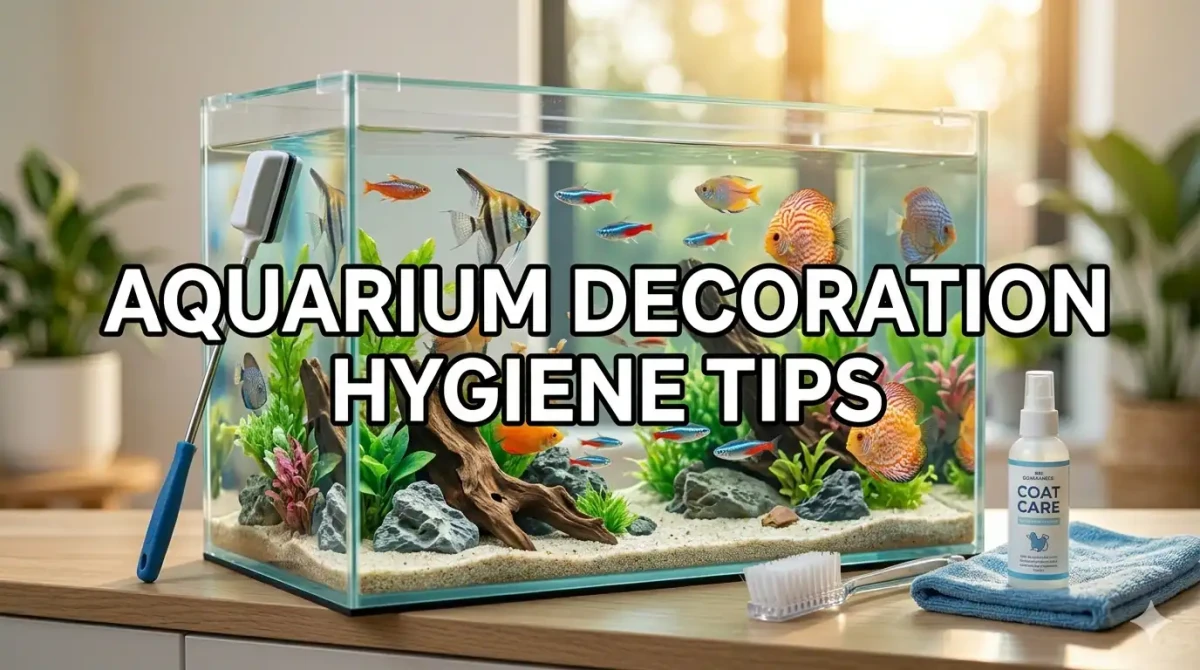
Understanding Aquarium Decoration Hygiene Essentials
Aquarium decoration hygiene tips are fundamental knowledge for every responsible fish keeper who wants to maintain a healthy, beautiful, and thriving aquatic environment. Decorations in your aquarium serve multiple purposes beyond aesthetics, providing hiding places, territory markers, and enrichment for your fish. However, these same decorations can become breeding grounds for harmful bacteria, algae, and parasites if not properly maintained, potentially compromising the health of your entire aquarium ecosystem.
Proper decoration hygiene involves regular cleaning, appropriate maintenance schedules, and understanding the balance between cleanliness and preserving beneficial bacteria colonies. Unlike cleaning other household items, aquarium decorations require special consideration because they exist within a delicate biological balance. The goal is not sterility but rather the removal of excessive waste, algae, and harmful organisms while preserving the beneficial bacteria that support your aquarium's nitrogen cycle.
This comprehensive guide covers everything you need to know about maintaining clean, safe aquarium decorations, from understanding different decoration types and their specific cleaning requirements to mastering safe cleaning techniques that protect your fish. Whether you have a small betta tank, a large cichlid aquarium, or a planted community tank, proper decoration hygiene ensures your aquatic pets enjoy a clean, healthy environment that promotes longevity and vibrant health.
Why Regular Decoration Cleaning Is Critical for Fish Health
Regular cleaning of aquarium decorations is not merely about maintaining an attractive appearance but is essential for the health and wellbeing of your aquatic inhabitants. Decorations accumulate fish waste, uneaten food particles, decaying plant matter, and biological films that can degrade water quality and create unhealthy conditions. Without proper maintenance, these accumulations can lead to elevated ammonia and nitrite levels, increased nitrate concentrations, and the proliferation of harmful pathogens.
Algae growth on decorations, while natural to some degree, can become excessive and problematic if left unchecked. Thick algae mats consume oxygen during nighttime hours, potentially creating oxygen depletion that stresses or kills fish. Algae can also harbor parasites and bacteria that may infect your fish, particularly species with compromised immune systems or those already dealing with health issues.
Biofilm and bacterial buildup on decorations can include both beneficial and harmful organisms. While some bacterial colonization is normal and even desirable, excessive buildup can indicate underlying water quality issues and may harbor pathogenic bacteria that cause diseases like fin rot, columnaris, or fungal infections. Regular decoration cleaning helps maintain the proper balance between beneficial bacteria and harmful organisms.
How Do Dirty Decorations Affect Water Quality?
Dirty decorations significantly impact aquarium water quality through multiple mechanisms that can create a cascade of problems throughout your aquatic ecosystem. As organic matter accumulates on decoration surfaces, it begins to decompose, releasing ammonia into the water column. This ammonia conversion process continues through nitrite to nitrate, but excessive organic load can overwhelm your biological filtration capacity, leading to toxic ammonia and nitrite spikes.
Accumulated debris on decorations also reduces water flow and circulation throughout the aquarium, creating dead zones where waste concentrates and beneficial bacteria cannot thrive. Poor circulation leads to uneven distribution of oxygen, temperature, and nutrients, creating stressful conditions for fish and potentially allowing anaerobic bacteria to develop in stagnant areas. These anaerobic bacteria can produce hydrogen sulfide, a toxic gas that is lethal to fish even in small concentrations.
Dirty decorations contribute to elevated nitrate levels that promote excessive algae growth, creating a vicious cycle where more algae means more cleaning challenges and further water quality degradation. High nitrate levels stress fish, suppress immune function, and can lead to health problems including reduced growth rates, decreased coloration, and increased susceptibility to disease.
Types of Aquarium Decorations and Their Cleaning Needs

Different types of aquarium decorations require different cleaning approaches based on their material composition, porosity, and interaction with the aquarium environment. Understanding these differences helps you select appropriate cleaning methods that effectively remove debris and algae without damaging the decorations or harming your fish.
Natural decorations like driftwood, rocks, and live plants have unique cleaning requirements that differ significantly from artificial ornaments. Natural materials often harbor beneficial bacteria and may require gentler cleaning methods to preserve their biological function while removing excessive buildup. Artificial decorations made from resin, plastic, or ceramic can typically withstand more aggressive cleaning but may have crevices and details that trap debris and require careful attention.
Live plants present special considerations as they are living organisms that require maintenance rather than cleaning. While you cannot clean live plants in the traditional sense, you can remove algae from leaves, trim dead or decaying portions, and ensure they remain healthy contributors to your aquarium ecosystem rather than sources of pollution.
What Are Best Practices for Cleaning Natural Decorations?
Natural decorations like driftwood and rocks require careful cleaning that removes excessive algae and debris while preserving beneficial bacteria and the natural characteristics that make them valuable aquarium additions. Never use soap, bleach, or harsh chemicals on natural decorations, as these materials are porous and can absorb chemicals that later leach into the aquarium water, potentially harming or killing your fish.
For driftwood, remove from the aquarium and scrub with a dedicated aquarium brush or clean toothbrush under warm running water. Focus on removing excessive algae and debris while accepting that some biofilm and algae growth is normal and even beneficial. Avoid scrubbing so aggressively that you remove all surface material, as this eliminates beneficial bacteria and can cause the wood to release tannins more rapidly when returned to the aquarium.
Rocks and stones can be cleaned similarly with brushes and water, though non porous rocks like slate or granite can tolerate more vigorous scrubbing than porous rocks like lava rock. For heavily algae covered natural decorations, you can soak them in a bucket of aquarium water removed during water changes for several hours before scrubbing, which helps loosen algae and makes cleaning easier without introducing chemicals.
Always rinse natural decorations thoroughly with dechlorinated water or water from your aquarium before returning them to the tank. Never use tap water directly on beneficial bacteria colonized decorations, as chlorine and chloramines will kill the bacteria colonies that support your biological filtration.
How Should You Clean Artificial Aquarium Ornaments?
Artificial aquarium ornaments made from resin, plastic, or ceramic can be cleaned more thoroughly than natural decorations but still require fish safe methods that avoid harsh chemicals. Remove ornaments from the aquarium and rinse under warm running water to remove loose debris. Use a soft brush, toothbrush, or algae pad to scrub away algae and biofilm from all surfaces, paying special attention to crevices, hollow areas, and detailed features where debris accumulates.
For heavily soiled artificial ornaments, you can soak them in a solution of one part white vinegar to three parts water for 15 to 30 minutes to help loosen stubborn algae and mineral deposits. After soaking, scrub thoroughly and rinse extremely well with dechlorinated water to remove all vinegar residue before returning to the aquarium. Never use soap, detergent, or household cleaners, as these leave residues that are toxic to fish even in trace amounts.
For ornaments with severe algae or mineral buildup that does not respond to vinegar soaking, you can use a diluted bleach solution of one part bleach to nine parts water for no more than 10 to 15 minutes. This should be a last resort method, and ornaments must be rinsed thoroughly, soaked in dechlorinated water with extra dechlorinator for at least 24 hours, and rinsed again before returning to the aquarium to ensure all bleach is neutralized and removed.
Inspect artificial ornaments regularly for damage, peeling paint, or deterioration that could harm fish. Damaged ornaments should be removed and replaced, as sharp edges can injure fish and deteriorating materials may leach harmful substances into the water.
Safe Cleaning Methods That Protect Fish Health

Using fish safe cleaning methods is absolutely critical when maintaining aquarium decorations, as fish are extremely sensitive to chemicals, residues, and environmental changes that may seem minor to humans. The methods you choose should effectively remove algae, biofilm, and debris while preserving beneficial bacteria and avoiding any introduction of toxic substances into the aquarium environment.
The cornerstone of safe decoration cleaning is using only aquarium safe tools and substances. This means dedicated brushes that have never contacted soap or chemicals, clean buckets used only for aquarium maintenance, and water that has been properly treated to remove chlorine and chloramines. Cross contamination from household cleaning products is one of the most common causes of fish death following decoration cleaning.
Timing and technique also matter significantly for fish safety. Never clean all decorations simultaneously, as this removes too much beneficial bacteria at once and can crash your nitrogen cycle. Instead, clean decorations in stages during regular water changes, addressing a portion of your decorations each maintenance session. This approach maintains adequate beneficial bacteria populations while gradually improving decoration hygiene.
Which Cleaning Tools Are Safe for Aquarium Use?
Having dedicated aquarium safe cleaning tools is essential for maintaining decoration hygiene without risking fish health. You should have a set of brushes in various sizes and stiffness levels, including soft bristle brushes for delicate decorations and fish, medium brushes for general ornament cleaning, and stiffer brushes for tough algae on rocks and driftwood. These brushes should never be used for any purpose other than aquarium maintenance and should never contact soap, detergent, or household cleaners.
Algae pads or magnetic cleaners designed for aquarium use are excellent for cleaning decoration surfaces and aquarium glass. Choose pads that are specifically labeled as aquarium safe and avoid any that have been treated with cleaning chemicals. Replace algae pads regularly, as worn pads become less effective and can scratch decorations or aquarium glass.
Clean buckets used exclusively for aquarium maintenance are necessary for soaking decorations and holding aquarium water during cleaning. Never use buckets that have contained cleaning chemicals, even if thoroughly rinsed, as plastic is porous and can retain chemical residues that leach into aquarium water. Clearly label aquarium only buckets and store them separately from household cleaning supplies.
Tweezers, tongs, or long handled tools help you reach decorations in deep aquariums or handle decorations during cleaning without introducing contaminants from your hands. These tools should also be dedicated to aquarium use only and rinsed with dechlorinated water before and after use.
Can You Use Vinegar or Bleach Safely on Decorations?
Vinegar and bleach can be used safely on aquarium decorations when proper protocols are followed, though they should be used judiciously and only when necessary. White distilled vinegar is the safer option and should be your first choice for tackling stubborn algae, mineral deposits, or hard water stains on decorations. Vinegar is natural, breaks down quickly, and is less risky than bleach when used correctly.
To use vinegar safely, create a solution of one part white vinegar to three parts water and soak decorations for 15 to 30 minutes. After soaking, scrub decorations thoroughly to remove loosened algae and deposits, then rinse extensively with dechlorinated water. Soak decorations in fresh dechlorinated water for several hours, changing the water once or twice, before returning them to the aquarium. This ensures all vinegar is removed and pH is neutralized.
Bleach should only be used as a last resort for decorations with severe algae, disease contamination, or when preparing used decorations from unknown sources. Use a diluted solution of one part regular bleach (no additives, scents, or thickeners) to nine parts water and soak decorations for no more than 10 to 15 minutes. Never use bleach on live plants, driftwood, or porous natural rocks, as these materials absorb bleach and can release it slowly back into the aquarium.
After bleach treatment, decorations require extensive decontamination. Rinse thoroughly under running water, then soak in dechlorinated water with a double dose of water conditioner containing dechlorinator for at least 24 hours. Change the soaking water several times during this period. Before returning decorations to the aquarium, rinse once more and smell them carefully. If you detect any bleach odor, continue soaking and rinsing until completely odor free.
Algae Removal Strategies for Aquarium Decorations

Algae growth on aquarium decorations is a natural occurrence that becomes problematic when excessive. Different types of algae require different removal strategies, and understanding what type of algae you are dealing with helps you choose the most effective cleaning approach while addressing underlying causes that promote excessive growth.
Green algae is the most common type and appears as a green film or fuzzy growth on decorations. This algae is relatively easy to remove with scrubbing and indicates moderate light and nutrient levels. Brown algae or diatoms appear as brownish coatings, particularly in newer aquariums, and typically resolve as the tank matures and beneficial bacteria populations establish. Blue green algae, actually cyanobacteria, appears as slimy blue green mats and requires aggressive removal and correction of underlying water quality issues.
String algae or hair algae forms long green strands that wrap around decorations and can be difficult to remove completely. This algae indicates excessive nutrients, particularly nitrates and phosphates, and often requires both manual removal and correction of water parameters to control long term.
How Do You Remove Stubborn Algae Buildup?
Stubborn algae buildup requires a combination of mechanical removal, chemical treatment when appropriate, and addressing the underlying conditions that allow algae to thrive. Start by removing decorations from the aquarium and soaking them in a bucket of aquarium water or dechlorinated water for 30 to 60 minutes to soften the algae. This soaking makes scrubbing more effective and reduces the effort required to remove established growth.
After soaking, use an algae pad, stiff brush, or even a clean toothbrush for detailed areas to scrub away the softened algae. For extremely stubborn algae on non porous decorations, you can use a razor blade or algae scraper carefully to gently lift algae from flat surfaces. Be cautious with this method on plastic or resin decorations, as you can scratch or damage the surface.
For algae that remains after mechanical cleaning, a vinegar soak as described previously can help break down remaining algae and mineral deposits. After vinegar treatment, scrub again and rinse thoroughly. In cases of severe algae infestation on artificial decorations, replacement may be more practical than extensive cleaning efforts.
After removing algae from decorations, address the underlying causes to prevent rapid regrowth. This includes reducing light duration to 8 to 10 hours daily, performing regular water changes to control nutrients, avoiding overfeeding, adding algae eating fish or invertebrates appropriate for your aquarium, and ensuring proper filtration and water circulation.
What Are Natural Algae Control Methods?
Natural algae control methods help manage algae growth on decorations without harsh chemicals or excessive manual cleaning. Adding algae eating organisms is one of the most effective natural controls. Species like nerite snails, otocinclus catfish, Siamese algae eaters, and certain plecos consume algae from decorations and glass, helping keep surfaces clean between manual cleanings.
Live plants compete with algae for nutrients and light, naturally reducing algae growth throughout the aquarium including on decorations. Fast growing plants like hornwort, anacharis, and water wisteria are particularly effective at nutrient uptake and can significantly reduce algae problems when maintained properly. Ensure live plants receive appropriate lighting and nutrients to thrive, as struggling plants release nutrients that feed algae.
Regular maintenance routines including weekly water changes of 10 to 25 percent, gravel vacuuming to remove debris, filter maintenance, and avoiding overfeeding all contribute to natural algae control by limiting the nutrients available for algae growth. Testing water parameters regularly helps you identify and correct imbalances before they result in algae outbreaks.
Reducing light exposure is another natural control method. Ensure your aquarium receives no more than 8 to 10 hours of light daily, and avoid placing the aquarium in direct sunlight, which provides uncontrolled light that promotes excessive algae growth. Using a timer for aquarium lights ensures consistent photoperiods that prevent algae from taking advantage of extended lighting.
Maintaining Beneficial Bacteria While Cleaning

One of the most critical aspects of aquarium decoration hygiene is maintaining the beneficial bacteria colonies that form the foundation of your aquarium's biological filtration. These bacteria convert toxic ammonia from fish waste into nitrite and then into less toxic nitrate, creating a safe environment for your fish. Decorations, along with filter media and substrate, provide surface area for these bacteria to colonize, making them integral to your aquarium's nitrogen cycle.
Overzealous cleaning that removes too much beneficial bacteria at once can crash your nitrogen cycle, leading to dangerous ammonia and nitrite spikes that can kill fish. This is why it is essential to clean decorations gradually and strategically rather than attempting to make everything spotless in a single session. The goal is balanced hygiene that controls algae and debris while preserving adequate bacterial populations.
Understanding where beneficial bacteria live helps you clean more intelligently. Bacteria colonize all surfaces in your aquarium, but they are most concentrated in your filter media, substrate, and on decorations with high surface area. When cleaning decorations, accept that some biofilm and light algae growth is normal and actually beneficial, as these indicate healthy bacterial colonization.
How Much Bacteria Loss Is Safe During Cleaning?
As a general guideline, you should never clean more than one third of your aquarium decorations during a single maintenance session. This ensures that at least two thirds of your beneficial bacteria colonies remain intact to continue processing ammonia and nitrite while the cleaned portions recolonize. For heavily stocked aquariums or those with sensitive fish, an even more conservative approach of cleaning only one quarter of decorations at a time is advisable.
Space decoration cleaning sessions appropriately, allowing at least one to two weeks between cleaning different sets of decorations. This gives bacteria time to recolonize cleaned surfaces and maintains stable biological filtration throughout the process. If you notice any signs of ammonia or nitrite after cleaning decorations, including fish gasping at the surface, lethargy, or loss of appetite, test water immediately and perform additional water changes if needed.
Never clean decorations and perform filter maintenance during the same session, as this removes beneficial bacteria from multiple locations simultaneously and significantly increases the risk of cycle crash. Alternate between cleaning decorations one week and maintaining filter media another week, or separate these tasks by at least several days.
When setting up a new aquarium or adding new decorations, seed new items with beneficial bacteria by placing them near established decorations or filter media, or by using commercial bacterial supplements to accelerate colonization. This helps new decorations contribute to biological filtration more quickly rather than temporarily reducing your overall bacterial capacity.
Should You Clean Decorations During Tank Cycling?
During the initial cycling of a new aquarium, you should avoid cleaning decorations entirely, as you are actively trying to establish beneficial bacteria colonies on all available surfaces. Cleaning decorations during this critical period removes the bacteria you are trying to cultivate and extends the cycling time, potentially delaying when you can safely add fish.
Once your aquarium is fully cycled and you have added fish, wait at least four to six weeks before performing your first decoration cleaning. This allows bacterial colonies to become well established and resilient enough to withstand partial cleaning without crashing the cycle. During this initial establishment period, focus on regular water changes and filter maintenance while accepting that decorations may develop algae and biofilm.
If decorations become excessively dirty during the cycling or early establishment period, spot clean only the most problematic areas rather than removing and thoroughly cleaning entire decorations. Use a gentle brush or algae pad to remove excessive debris while leaving as much surface area and bacterial colonization intact as possible.
For established aquariums that have been running for six months or longer, bacterial colonies are more robust and can tolerate more aggressive cleaning, though you should still follow the one third rule and avoid cleaning all decorations simultaneously.
Frequency and Scheduling for Decoration Maintenance

Establishing an appropriate cleaning schedule for aquarium decorations is essential for maintaining hygiene without over cleaning or stressing your fish. The ideal frequency depends on multiple factors including aquarium size, bioload, lighting, presence of algae eaters, and the types of decorations you have.
As a general guideline, most aquariums benefit from partial decoration cleaning every two to four weeks, coordinated with regular water changes. This frequency prevents excessive algae and debris buildup while maintaining beneficial bacteria populations. However, some aquariums with heavy bioloads, high lighting, or nutrient rich water may require more frequent cleaning, while lightly stocked planted tanks may need less frequent attention.
Observing your decorations regularly helps you determine if your cleaning schedule is appropriate. If decorations develop thick algae mats or visible debris accumulation between cleanings, increase cleaning frequency or address underlying causes like excessive light or nutrients. If decorations remain relatively clean with only light biofilm, you may be able to extend the interval between cleanings.
What Is the Ideal Cleaning Schedule for Different Tank Sizes?
Small aquariums under 20 gallons typically require more frequent decoration cleaning relative to their size because waste and nutrients concentrate more quickly in smaller water volumes. Plan to clean a portion of decorations every two weeks in small tanks, coordinating with weekly water changes of 25 to 50 percent. The limited water volume means algae and debris accumulate faster, and beneficial bacteria populations are smaller and more vulnerable to disruption.
Medium aquariums between 20 and 55 gallons can typically follow a schedule of cleaning decorations every three to four weeks, coordinated with weekly water changes of 15 to 25 percent. These tanks have more stable water parameters and larger beneficial bacteria populations, allowing slightly longer intervals between decoration cleaning while maintaining good hygiene.
Large aquariums over 55 gallons generally have the most stable environments and can often go four to six weeks between partial decoration cleaning, with weekly water changes of 10 to 20 percent. The large water volume dilutes waste and nutrients more effectively, and extensive surface area supports robust beneficial bacteria colonies that tolerate cleaning well.
Regardless of tank size, always adjust your schedule based on observation rather than rigid adherence to a calendar. Factors like overfeeding, overstocking, equipment failures, or seasonal changes can alter how quickly decorations become dirty and require cleaning.
How Do You Know When Decorations Need Cleaning?
Several visual and behavioral indicators signal that your aquarium decorations need cleaning. Thick, visible algae growth that obscures decoration details or covers more than 30 to 40 percent of surfaces indicates cleaning is needed. While some algae is normal and even beneficial, excessive growth can harbor parasites, reduce water quality, and indicate underlying nutrient or lighting issues.
Visible debris accumulation, including fish waste, uneaten food particles, or decaying plant matter trapped on or around decorations, requires prompt cleaning. This debris decomposes and releases ammonia, degrading water quality and potentially causing health problems for your fish.
Changes in fish behavior can also indicate decorations need cleaning. If fish avoid certain areas of the tank, show signs of respiratory distress, or develop health issues like fin rot or fungal infections, dirty decorations may be contributing to poor water quality or harboring pathogens. Test water parameters when you notice behavioral changes to determine if decoration cleaning and water changes are needed.
Foul odors from the aquarium, though uncommon in well maintained tanks, indicate excessive organic buildup on decorations, substrate, or in the filter that requires immediate attention. A healthy aquarium should have a fresh, clean smell or no noticeable odor.
Special Considerations for Different Aquarium Types

Different aquarium setups have unique decoration hygiene requirements based on the species housed, plants included, and overall ecosystem design. Understanding these special considerations helps you maintain appropriate hygiene without disrupting the specific balance your aquarium requires.
Planted aquariums have different priorities than fish only tanks, as live plants provide some natural cleaning through nutrient uptake and oxygen production. However, plants also require that decorations remain clean enough to allow light penetration and water circulation. Algae on decorations in planted tanks often indicates an imbalance between light, nutrients, and CO2 that should be addressed alongside manual cleaning.
Cichlid aquariums, particularly African cichlid tanks with rock heavy aquascapes, present unique challenges due to the high bioload of these active fish and the extensive rock work that provides territory and hiding places. These tanks typically require more frequent decoration cleaning and robust filtration to maintain water quality.
Betta tanks and other small species aquariums have limited water volume and often minimal filtration, requiring careful decoration cleaning that does not disrupt the delicate biological balance. Small tanks benefit from minimal decoration to reduce cleaning requirements and maximize swimming space.
How Does Cleaning Differ for Planted Tanks?
Planted aquariums require gentler decoration cleaning approaches that preserve not only beneficial bacteria but also the delicate balance of nutrients that support plant growth. Avoid aggressive cleaning that removes all biofilm, as this biofilm contains beneficial microorganisms that support plant health and help process nutrients in forms plants can use.
When cleaning decorations in planted tanks, be careful not to disturb the substrate excessively, as this releases nutrients and debris that can cloud water and promote algae blooms. Use gentle water flow when rinsing decorations and avoid vigorous scrubbing that creates excessive particulate matter.
Algae on decorations in planted tanks often indicates an imbalance that cleaning alone will not fix. Examine your light duration and intensity, nutrient dosing, CO2 levels, and water change frequency to identify and correct underlying issues. Adding more fast growing plants can help compete with algae for nutrients and reduce algae growth on decorations naturally.
When removing decorations from planted tanks for cleaning, work efficiently to minimize disturbance to plants and avoid damaging roots or stems. Consider cleaning decorations in stages over several weeks rather than removing multiple items simultaneously, which can stress plants and disrupt the established ecosystem.
What Are Cichlid Tank Decoration Cleaning Challenges?
Cichlid aquariums, particularly those housing African cichlids from Lake Malawi or Lake Tanganyika, present unique decoration cleaning challenges due to the extensive rock work these setups require and the high bioload of these active, messy fish. Rock piles provide essential territory and hiding places but create numerous crevices where debris accumulates and algae grows.
The high bioload of cichlids means decorations become dirty more quickly than in tanks with less active fish, requiring more frequent cleaning. However, cichlids are also sensitive to water parameter changes, so cleaning must be done gradually to avoid disrupting the nitrogen cycle or causing ammonia spikes.
Rock decorations in cichlid tanks often develop significant algae growth that serves as a natural food source for many cichlid species. While excessive algae should be controlled, some algae growth is beneficial and provides grazing opportunities. Focus cleaning on removing thick, unsightly algae while leaving lighter growth that cichlids can consume.
When cleaning cichlid tank decorations, be prepared for the physical challenge of moving heavy rocks. Always remove rocks carefully to avoid breaking aquarium glass or injuring yourself. Clean rocks outside the aquarium using brushes and water, and avoid using any chemicals that could harm the sensitive water parameters cichlids require.
Frequently Asked Questions About Aquarium Decoration Hygiene

Can You Clean Aquarium Decorations With Soap?
Never use soap, detergent, or any household cleaning products on aquarium decorations, as these substances leave residues that are extremely toxic to fish even in trace amounts. Soap residues can damage fish gills, destroy beneficial bacteria, and create persistent water quality problems that are difficult to resolve. Even decorations that appear thoroughly rinsed can retain soap in microscopic pores and crevices.
If decorations have been accidentally cleaned with soap, they should be soaked in fresh water with generous amounts of dechlorinator for at least 48 hours, with multiple water changes during this period. However, the safest approach is to discard soap contaminated decorations and replace them with new ones, as it is nearly impossible to guarantee all soap residue has been removed.
Always use dedicated aquarium cleaning tools that have never contacted soap or chemicals, and clearly label these tools to prevent accidental misuse. Store aquarium cleaning supplies separately from household cleaning products to avoid confusion and contamination.
How Do You Clean Decorations Without Removing Fish?
Cleaning decorations without removing fish is not only possible but preferable, as removing fish causes stress and requires quarantine setup. Simply remove decorations one at a time or in small groups during regular water changes, clean them in a bucket of aquarium water removed during the water change, and return them to the tank before adding fresh dechlorinated water.
Use a fish net or your hands to gently guide fish away from decorations you are removing to avoid injuring them. Work efficiently but calmly to minimize stress, and avoid chasing fish around the tank. Most fish will hide or move away naturally when you reach into the tank.
For decorations that cannot be easily removed, you can clean them in place using algae pads, brushes, or gravel vacuum tubes to remove debris and algae. This in tank cleaning is less thorough than removing decorations but is useful for spot cleaning between more thorough maintenance sessions.
Never remove all decorations simultaneously for cleaning, as this causes extreme stress to fish that lose their hiding places and territory markers. Always leave adequate decorations in place to maintain fish security and reduce stress.
Should New Decorations Be Cleaned Before Adding to Aquarium?
Yes, all new decorations should be thoroughly cleaned before adding them to your aquarium, even if they appear clean from the store. New decorations can have dust, manufacturing residues, sharp edges, and potentially harmful substances that should be removed before introducing them to your fish.
Rinse new decorations under warm running water and scrub with a clean brush to remove dust and debris. Inspect carefully for sharp edges, rough spots, or damage that could injure fish, and sand or file these areas smooth. For artificial decorations, check for peeling paint or deteriorating materials that should not be placed in the aquarium.
Natural decorations like rocks and driftwood require additional preparation beyond simple cleaning. Rocks should be tested to ensure they will not alter water chemistry undesirably by adding a few drops of vinegar, and driftwood typically requires soaking for days or weeks to reduce tannin release and ensure it sinks properly.
Never add used decorations from another aquarium without thorough cleaning and disinfection, as these can introduce diseases, parasites, or pests into your aquarium. When in doubt about the history of decorations, err on the side of caution and either disinfect thoroughly or do not use them.
Conclusion

Proper aquarium decoration hygiene is a fundamental aspect of responsible fish keeping that directly impacts the health, happiness, and longevity of your aquatic pets. By understanding the balance between cleanliness and beneficial bacteria preservation, using fish safe cleaning methods, and maintaining a consistent schedule appropriate for your specific aquarium, you create an environment where fish can thrive.
Remember that decoration cleaning is not about achieving sterile perfection but rather maintaining a healthy balance that controls excessive algae and debris while preserving the biological filtration that keeps your aquarium safe. Patience, observation, and consistency are more important than aggressive cleaning or rigid schedules.
With the knowledge and techniques provided in this guide, you can confidently maintain clean, healthy aquarium decorations that enhance the beauty of your aquatic environment while supporting the wellbeing of your fish. Your commitment to proper decoration hygiene demonstrates your dedication to providing the best possible care for your underwater companions.

0 Comments