.png)
Introduction to Aquarium Gravel Cleaning
Learning how to clean gravel in aquariums is one of the most fundamental skills every fish keeper must master for maintaining a healthy aquatic environment. The gravel substrate in your aquarium serves as both a decorative foundation and a biological filtration component, but it also traps uneaten food, fish waste, and organic debris that can degrade water quality and harm your fish if not properly maintained.
Regular gravel cleaning is essential for preventing the buildup of harmful substances like ammonia, nitrites, and nitrates that result from decomposing organic matter. Unlike other aquarium maintenance tasks, cleaning gravel requires specific techniques and tools to be effective without disrupting the beneficial bacteria that keep your aquarium ecosystem balanced or stressing your fish.
This comprehensive guide will walk you through everything you need to know about cleaning aquarium gravel, from understanding why it is necessary to mastering professional techniques used by experienced aquarists. Whether you maintain a small betta tank, a large cichlid aquarium, or a planted freshwater setup, proper gravel maintenance forms the cornerstone of successful fish keeping and ensures your aquatic pets thrive in clean, healthy water conditions.
Why Cleaning Aquarium Gravel is Essential
Understanding the critical importance of regular gravel cleaning motivates consistent maintenance and helps you recognize the direct connection between substrate hygiene and fish health. Many aquarium problems stem from neglected gravel that accumulates toxic waste products over time.
What happens if you do not clean aquarium gravel regularly?
When gravel is not cleaned regularly, uneaten food, fish waste, decaying plant matter, and other organic debris accumulate in the substrate. This material decomposes and releases ammonia, a highly toxic compound that can cause gill damage, stress, and death in fish even at low concentrations. Beneficial bacteria convert ammonia to nitrites and then to nitrates, but excessive organic load can overwhelm this biological filtration system.
Accumulated detritus in gravel creates anaerobic pockets where harmful bacteria thrive and produce hydrogen sulfide gas, recognizable by its rotten egg smell. This gas is extremely toxic to fish and can cause sudden deaths when disturbed during cleaning. Regular gravel vacuuming prevents these dangerous anaerobic zones from forming by removing debris before it can decompose extensively.
Poor gravel maintenance leads to elevated nitrate levels that promote excessive algae growth, cloud water, and create chronic stress for fish. Stressed fish have weakened immune systems, making them susceptible to diseases like ich, fin rot, and bacterial infections. Additionally, dirty gravel can harbor parasite eggs and pathogenic bacteria that cause recurring health problems in your aquarium.
Understanding Aquarium Substrate Types

Different substrate materials require different cleaning approaches. Understanding your specific gravel type helps you clean effectively without damaging the substrate or disrupting your aquarium ecosystem.
How do different substrates affect cleaning methods?
Standard aquarium gravel, typically ranging from two to five millimeters in size, is the most common substrate and the easiest to clean with a gravel vacuum. The size allows debris to settle between stones where it can be siphoned out while beneficial bacteria remain attached to the gravel surfaces. This substrate type works well with standard siphon cleaners and requires routine vacuuming during water changes.
Sand substrates present unique cleaning challenges because fine particles can be easily siphoned out if you are not careful. Sand compacts more than gravel, potentially creating anaerobic pockets deeper in the substrate. Cleaning sand requires gentle surface stirring and careful siphon positioning to remove debris without removing excessive sand. Specialized sand cleaning tools with wider tubes help prevent sand loss during maintenance.
Planted aquarium substrates containing nutrient-rich soils should not be vacuumed deeply as this removes essential fertilizers plants need. Light surface cleaning to remove visible debris is sufficient, and deep cleaning should be avoided to preserve the substrate integrity and nutrient content. These specialized substrates require a different approach than inert gravel.
Large river rocks or decorative stones used as substrate trap debris underneath and between them, making cleaning more challenging. These require lifting rocks occasionally to clean underneath and prevent dangerous gas buildup. The irregular shapes create areas where waste accumulates that standard vacuuming cannot reach.
Essential Tools for Cleaning Aquarium Gravel

Having the right equipment makes gravel cleaning efficient, effective, and less stressful for both you and your fish. Quality tools designed specifically for aquarium maintenance prevent common problems and save time.
What tools do you need to clean aquarium gravel?
A gravel vacuum or aquarium siphon is the primary tool for substrate cleaning. These devices combine a wide tube for stirring gravel with a narrower hose that siphons dirty water out of the tank. Quality gravel vacuums feature flow control valves, extendable tubes for different tank depths, and attachments for various substrate types. Manual siphons require you to start the flow by suction, while battery-powered or electric models start automatically for convenience.
A clean bucket dedicated solely to aquarium use is essential for collecting dirty water during gravel cleaning. Never use buckets that have contained cleaning chemicals, soaps, or other substances that could harm fish even in trace amounts. A five-gallon bucket works well for most aquariums, with larger tanks requiring bigger containers or multiple trips.
Water conditioner is necessary when performing water changes alongside gravel cleaning. This removes chlorine, chloramines, and heavy metals from tap water before it enters your aquarium. Keep conditioner readily accessible so you can treat new water immediately before adding it back to the tank.
An algae scraper or magnetic cleaner helps clean aquarium glass before or after gravel vacuuming, allowing you to complete multiple maintenance tasks efficiently. While not directly related to gravel cleaning, combining tasks reduces overall maintenance time and stress on fish.
Optional but helpful tools include substrate rakes for stirring deep gravel beds, turkey basters for spot cleaning around delicate plants or decorations, and water testing kits to monitor parameters before and after cleaning to ensure the process does not disrupt water chemistry.
Step by Step Gravel Cleaning Process

Following a systematic approach to gravel cleaning ensures thorough maintenance while minimizing stress to your fish and preserving beneficial bacteria. This proven method works for most standard aquarium setups.
How do you clean aquarium gravel properly?
Begin by gathering all necessary equipment before starting the cleaning process. Set up your gravel vacuum, prepare a clean bucket, have water conditioner ready, and ensure you have access to fresh water at the appropriate temperature. Preparation prevents mid-cleaning interruptions that can stress fish or leave your aquarium in an incomplete state.
Unplug heaters, filters, and other electrical equipment as a safety precaution before removing water. While modern aquarium equipment is generally safe, water level changes can expose heaters causing them to crack or create fire hazards. Filters can be left running until water levels drop too low, then turned off to prevent pump damage.
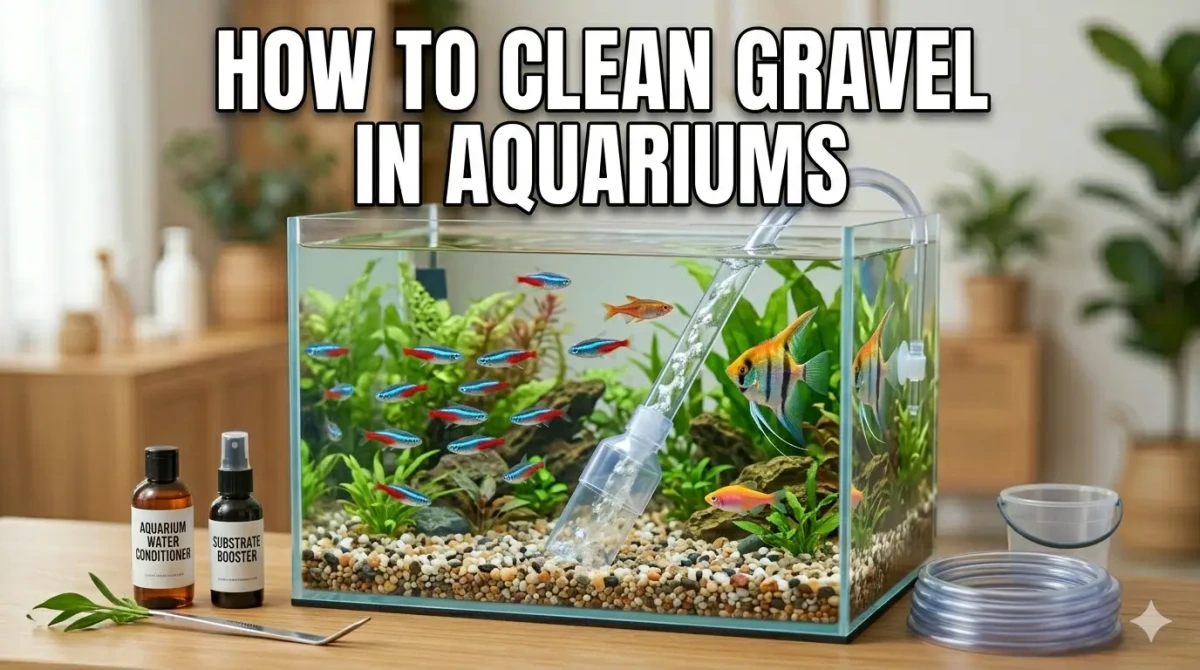
Insert the gravel vacuum tube into the aquarium, pushing it vertically into the gravel about two to three inches deep. For sand substrates, hover the tube just above the surface or insert only half an inch. Agitate the gravel by moving the tube up and down or in a circular motion to release trapped debris. The goal is to lift waste particles into the water column where the siphon can remove them while heavier gravel falls back to the bottom.
Work systematically across the aquarium floor, cleaning one section at a time. Overlap your cleaning areas slightly to ensure complete coverage. Focus on high-traffic areas where fish congregate, spots under feeding areas where food accumulates, and regions around decorations where debris collects. In planted tanks, vacuum gently around plant roots to avoid disturbing them.
Monitor the water level carefully as you clean, stopping before it drops more than twenty-five to thirty percent of the total volume. Removing too much water at once can stress fish and destabilize water parameters. For heavily soiled tanks requiring extensive cleaning, spread the work across multiple weekly sessions rather than attempting a complete deep clean in one day.
Once you have removed the desired amount of water, refill the aquarium with conditioned water matching the tank temperature as closely as possible. Temperature shocks can stress or kill fish, so use a thermometer to verify new water is within two to three degrees Fahrenheit of the aquarium temperature. Pour new water slowly onto a plate or saucer placed on the substrate to prevent disturbing the gravel you just cleaned.
Plug equipment back in once water levels are restored, checking that heaters are fully submerged and filters are primed and running properly. Observe your fish for signs of stress during and after the cleaning process, and test water parameters if you notice any unusual behavior.
Cleaning Gravel Without Removing Fish

One of the most common concerns among aquarium owners is whether they need to remove fish during gravel cleaning. In most situations, fish can and should remain in the tank during routine maintenance.
Can you clean gravel with fish in the tank?
Yes, you can and should clean gravel with fish remaining in the aquarium during routine maintenance. Fish are generally not stressed by the gravel vacuuming process itself, though some curious fish may investigate the siphon tube. Removing fish unnecessarily creates additional stress from capture, temporary housing, and reintroduction to the tank.
When cleaning with fish present, work slowly and deliberately to avoid startling them. Some fish may hide initially but will typically resume normal activity as they become accustomed to the cleaning routine. Avoid chasing fish with the vacuum tube or attempting to clean areas where fish are hiding, as this causes unnecessary stress.
Certain situations may require temporary fish removal, such as when performing major substrate overhauls, treating sick fish that need isolation, or cleaning tanks with extremely aggressive fish that may attack the vacuum equipment. However, these are exceptions rather than the rule for standard maintenance.
Small fish and fry require extra caution during gravel cleaning. Use a gravel vacuum with appropriate tube size to prevent accidentally siphoning tiny fish, or cover the tube end with fine mesh or nylon stocking to create a barrier while still allowing water and debris to pass through.
Deep Cleaning Aquarium Gravel

Sometimes routine vacuuming is not enough, and gravel requires more intensive cleaning to remove stubborn buildup or address specific problems. Deep cleaning should be approached carefully to avoid crashing your aquarium biological cycle.
When and how should you deep clean aquarium gravel?
Deep cleaning becomes necessary when you notice persistent water quality issues despite regular maintenance, visible debris accumulation that routine vacuuming cannot remove, foul odors from the substrate, or when setting up a tank that has been running with inadequate cleaning for an extended period. However, deep cleaning should be done gradually to preserve beneficial bacteria colonies.
Never deep clean all the gravel at once in an established aquarium, as this removes too many beneficial bacteria and can cause ammonia spikes. Instead, divide the tank into sections and deep clean only one-third to one-half of the substrate during each water change, rotating sections over several weeks. This approach maintains sufficient bacterial populations while gradually improving substrate cleanliness.
For extremely dirty gravel that requires removal from the tank, take out only a portion at a time and rinse it in dechlorinated water or old aquarium water, never tap water which kills beneficial bacteria. Use a bucket large enough to swish gravel vigorously, allowing dirty water to overflow while retaining the gravel. Continue rinsing until water runs clear, then return gravel to the aquarium.
If you must remove all gravel for a complete tank teardown, preserve biological filtration by keeping filter media running in a separate container with aquarium water, or transfer gravel to a temporary container with tank water and an air stone to keep bacteria alive during the cleaning process.
Cleaning Frequency and Maintenance Schedule

Establishing an appropriate cleaning schedule prevents both neglect and over-cleaning, maintaining optimal conditions for your fish while preserving the biological balance of your aquarium.
How often should you clean aquarium gravel?
Most aquariums benefit from gravel vacuuming during weekly water changes, cleaning approximately twenty-five percent of the substrate each week. This frequency prevents excessive debris buildup while maintaining stable water parameters and beneficial bacteria populations. Weekly cleaning becomes part of a regular maintenance routine that keeps your aquarium healthy.
Heavily stocked tanks, aquariums with large messy fish like cichlids or goldfish, and tanks where fish are fed generously may require gravel cleaning twice weekly or more frequent partial cleaning. These situations produce more waste that accumulates faster in the substrate, demanding increased maintenance to prevent water quality deterioration.
Lightly stocked planted tanks with minimal feeding may extend gravel cleaning to every two weeks, focusing only on visible debris while avoiding deep vacuuming that disturbs plant roots and removes substrate nutrients. Observe your specific tank conditions and adjust frequency accordingly.
Signs that you need to increase cleaning frequency include visible debris on gravel surfaces, elevated nitrate levels between water changes, algae blooms, cloudy water, or fish showing signs of stress. Conversely, if water parameters remain excellent and gravel appears clean, you may maintain or slightly reduce your current schedule.
Special Considerations for Planted Aquariums

Planted tanks require modified gravel cleaning techniques to protect plant roots and preserve substrate nutrients while still maintaining adequate hygiene.
How do you clean gravel in planted aquariums?
In planted aquariums, avoid deep vacuuming that disturbs plant root systems and removes essential nutrients from the substrate. Instead, hover the gravel vacuum an inch or two above the substrate surface to remove visible debris without penetrating deeply into the gravel bed. This surface cleaning removes detritus while preserving the substrate structure plants depend on.
Use your fingers or a dedicated substrate tool to gently stir areas around plant bases where debris accumulates, then immediately siphon the stirred material. This targeted approach cleans problem areas without disrupting the entire substrate bed. Be particularly careful around delicate or newly planted specimens.
Consider using substrate rakes designed for planted tanks that allow gentle cleaning without excessive disturbance. These tools have wider, flatter designs that clean surface debris while minimizing penetration into root zones. Some aquarists use turkey basters to spot clean around plants, directing debris toward the vacuum.
Accept that planted tanks will have some organic material in the substrate, as this actually benefits plants by providing nutrients. The goal is preventing excessive buildup that causes anaerobic conditions, not achieving sterile cleanliness that deprives plants of nutrition.
Common Mistakes to Avoid

Even well-intentioned aquarists can make errors when cleaning gravel that compromise fish health or aquarium stability. Avoiding these common pitfalls ensures effective maintenance without unintended consequences.
What mistakes should you avoid when cleaning aquarium gravel?
Cleaning all the gravel at once in an established aquarium is perhaps the most serious mistake, as it removes too many beneficial bacteria and can crash your nitrogen cycle, causing dangerous ammonia and nitrite spikes. Always clean gravel in sections, preserving bacterial colonies in uncleaned areas to maintain biological filtration.
Using soap, bleach, or chemical cleaners on gravel that will return to your aquarium introduces toxic residues that can kill fish even after thorough rinsing. If you must use bleach for disease treatment or algae removal, rinse gravel extensively and dechlorinate thoroughly, but generally avoid chemicals and stick to mechanical cleaning with water only.
Removing too much water during gravel cleaning stresses fish and destabilizes water parameters. Never remove more than fifty percent of tank volume at once, and for routine maintenance, limit water removal to twenty-five to thirty percent. Large water changes should only be performed in emergency situations.
Using tap water without conditioner exposes fish to chlorine and chloramines that damage gills and kill beneficial bacteria. Always treat new water with appropriate conditioner before adding it to your aquarium, even if your municipal water claims to be safe.
Adding new water at the wrong temperature causes thermal shock that stresses or kills fish. Always match new water temperature to aquarium temperature within a few degrees. Use a reliable thermometer to verify temperatures before adding water.
Neglecting to clean gravel regularly allows problems to accumulate until they become severe, requiring drastic measures that stress fish and disrupt the aquarium. Consistent weekly maintenance prevents major issues and makes cleaning quick and easy.
Troubleshooting Common Gravel Problems

Specific gravel-related issues require targeted solutions beyond routine cleaning. Understanding these problems and their remedies helps you maintain optimal substrate conditions.
How do you deal with common gravel problems?
Black gravel with a rotten egg smell indicates anaerobic pockets producing hydrogen sulfide gas. This occurs when debris accumulates deep in compacted substrate without adequate oxygen circulation. Address this by gently stirring affected areas during water changes to release trapped gases, then vacuum thoroughly. Increase cleaning frequency and avoid overfeeding to prevent recurrence. In severe cases, partial substrate replacement may be necessary.
Algae growing on gravel surfaces results from excessive light, nutrients, or inadequate cleaning. Reduce lighting duration, test for elevated nitrates and phosphates, and increase gravel cleaning frequency. Algae-eating fish or invertebrates like nerite snails can help control algae growth on substrate surfaces.
Cloudy water after gravel cleaning typically indicates you stirred up too much fine particulate matter. This usually clears within hours as particles settle or are filtered out. If cloudiness persists, check that your filter is functioning properly and consider using a water clarifier. Prevent future cloudiness by cleaning gravel more gently and ensuring adequate filtration.
Gravel that constantly traps debris may be too fine or irregularly shaped, creating excessive surface area for waste accumulation. Consider replacing problematic gravel with smoother, appropriately sized substrate that allows debris to settle where it can be easily vacuumed without getting trapped.
Frequently Asked Questions

Should I rinse new gravel before adding it to my aquarium?
Yes, always rinse new gravel thoroughly before adding it to your aquarium. New gravel contains dust, manufacturing residues, and fine particles that will cloud your water and potentially harm fish if not removed. Place gravel in a clean bucket and rinse with dechlorinated water or tap water, stirring vigorously and draining cloudy water repeatedly until it runs clear. This process may take ten to fifteen minutes for new gravel. Never add unwashed gravel directly to your aquarium, as it can create persistent cloudiness that takes days or weeks to clear.
Can I use a regular vacuum cleaner to clean aquarium gravel?
No, never use a household vacuum cleaner to clean aquarium gravel. Regular vacuums are not designed for wet use and can create electrical hazards, damage the vacuum, and introduce contaminants to your aquarium. Additionally, household vacuums cannot provide the gentle cleaning action needed to preserve beneficial bacteria while removing debris. Always use a proper aquarium gravel vacuum or siphon designed specifically for aquarium maintenance. These tools are inexpensive, safe, and effective for their intended purpose.
How do I clean gravel in a tank with small fish or fry?
Cleaning gravel with small fish or fry requires extra caution to prevent accidentally siphoning them. Cover the end of your gravel vacuum tube with fine mesh, nylon stocking, or a piece of pantyhose secured with a rubber band. This creates a barrier that allows water and debris to pass through while preventing tiny fish from being sucked into the tube. Work slowly and carefully, watching for small fish near the vacuum at all times. Alternatively, use a smaller diameter gravel vacuum designed for nano tanks that provides more control and less suction power.
Is it normal for water to be cloudy after cleaning gravel?
Some temporary cloudiness after gravel cleaning is normal, especially if you disturbed fine substrate particles or if your gravel contains dust. This should clear within several hours to a day as particles settle or are filtered out. Persistent cloudiness lasting more than two days may indicate bacterial blooms, inadequate filtration, or that you stirred up too much debris. If cloudiness recurs after each cleaning, consider cleaning more gently, upgrading filtration, or using finer substrate that produces less particulate matter.
Can I clean gravel without doing a water change?
While it is technically possible to clean gravel without removing water by stirring debris into the water column and relying on filtration to remove it, this practice is not recommended. The debris and waste products need to be physically removed from the aquarium system, not just suspended in water temporarily. Gravel cleaning and water changes work together to maintain water quality, and attempting to separate these tasks reduces cleaning effectiveness. Always perform water changes alongside gravel vacuuming for optimal results.
What do I do if my gravel starts to smell bad?
Foul odors from gravel indicate anaerobic decomposition producing hydrogen sulfide or other noxious gases. Immediately increase gravel cleaning frequency, gently stirring affected areas to release trapped gases and remove accumulated debris. Check that you are not overfeeding, as excess food contributes to substrate pollution. Ensure adequate water circulation throughout the tank to prevent dead zones where debris accumulates. If odor persists despite improved cleaning, consider partial substrate replacement and evaluate whether your tank is overstocked or under-filtered.
Conclusion

Mastering how to clean gravel in aquariums is an essential skill that directly impacts the health and longevity of your fish. Regular substrate maintenance prevents toxic buildup, maintains water quality, and creates a clean, attractive environment for your aquatic pets. While the task may seem daunting at first, following proper techniques and establishing a consistent routine makes gravel cleaning quick, efficient, and stress-free for both you and your fish.
Remember that every aquarium is unique, and you may need to adjust cleaning frequency and techniques based on your specific setup, stocking levels, and fish species. Observe your tank carefully, test water parameters regularly, and respond to signs that cleaning frequency needs adjustment. With practice, gravel vacuuming becomes second nature and an integral part of successful fish keeping.
The effort you invest in proper gravel maintenance pays dividends in vibrant fish health, beautiful water clarity, and a thriving aquarium ecosystem. By following the guidelines in this comprehensive guide, you provide your fish with the clean, stable environment they need to flourish, ensuring your aquarium remains a source of enjoyment and wonder for years to come.

0 Comments