.png)
Hamster Cage Cleaning Schedule: Complete 2026 Guide
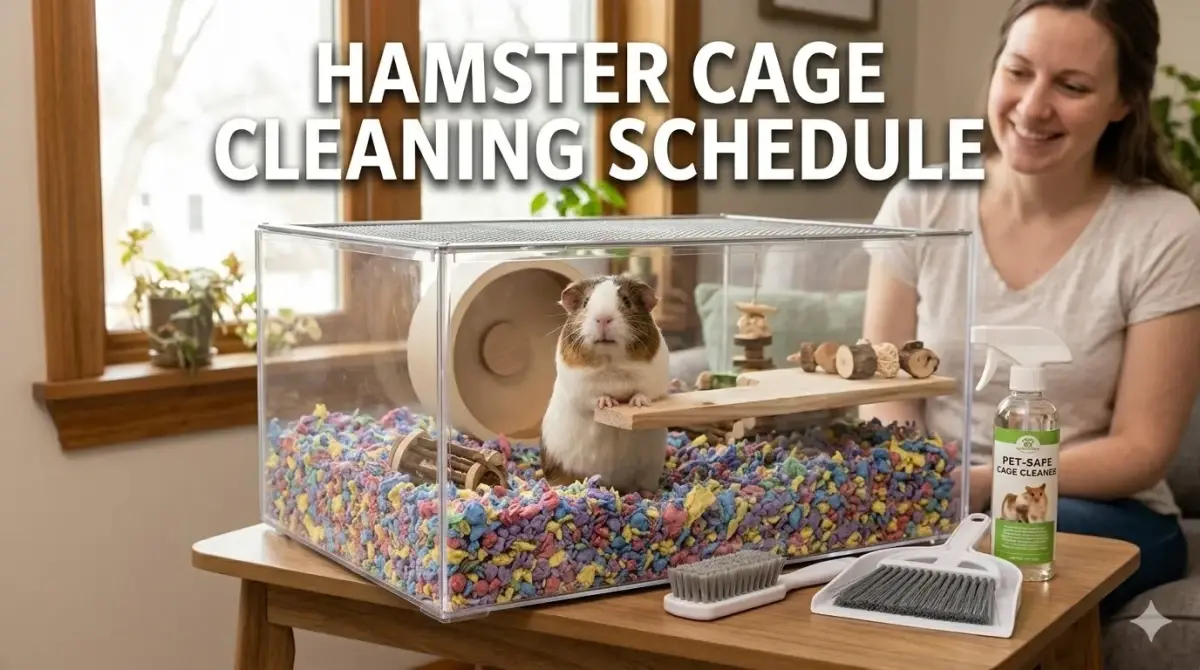
Establishing a proper hamster cage cleaning schedule is essential for maintaining your hamster's health, preventing odor, and ensuring a happy, comfortable living environment. Hamsters are naturally clean animals, but their cages can quickly become soiled with waste, uneaten food, and bedding that needs regular attention. A well-planned cleaning routine prevents ammonia buildup, respiratory issues, and stress while keeping your hamster healthy and your home smelling fresh. This comprehensive guide provides a detailed cleaning schedule, from daily spot cleaning to weekly maintenance and monthly deep cleaning, along with expert tips on what to clean, how often, and the best techniques to keep your hamster's habitat pristine without causing unnecessary stress.
Why a Regular Cleaning Schedule Matters
Consistent cage cleaning is crucial for your hamster's wellbeing. Unlike larger pets, hamsters live in a confined space where waste and bacteria can accumulate quickly.
Health Risks of Infrequent Cleaning
Neglecting regular cage cleaning can lead to:
- Respiratory infections: Ammonia from urine buildup irritates sensitive respiratory systems, leading to chronic breathing problems
- Wet tail: Dirty cages increase stress and bacterial exposure, raising the risk of this serious and potentially fatal condition
- Skin infections: Soiled bedding causes skin irritation, sores, and bacterial or fungal infections
- Parasite infestations: Mites and other parasites thrive in dirty environments
- Stress and behavioral issues: Hamsters are naturally clean; dirty cages cause anxiety and can lead to cage biting or aggression
- Eye and nose infections: Ammonia fumes irritate delicate mucous membranes
- 🐾 How to Prevent Fish Disease: Expert Aquarium Health Guide
- 🐾 Daily Care Routine for Pet Birds: Complete 2026 Guide
- 🐾 Best Bedding for Small Pets: Expert Safety & Comfort Guide
Benefits of a Consistent Cleaning Schedule
Regular cleaning provides:
- Fresher air and reduced ammonia levels
- Lower stress and happier hamster
- Reduced odor in your home
- Earlier detection of health problems
- Longer lifespan and better quality of life
- Easier maintenance (prevents overwhelming buildup)
- 🐾 How to Prevent Fish Disease: Expert Aquarium Health Guide
- 🐾 Daily Care Routine for Pet Birds: Complete 2026 Guide
- 🐾 Best Bedding for Small Pets: Expert Safety & Comfort Guide
Complete Hamster Cage Cleaning Schedule
A comprehensive cleaning routine includes tasks at different frequencies to maintain optimal hygiene without overwhelming you or stressing your hamster.
Daily Cleaning Tasks (5-10 minutes)
Quick daily maintenance prevents odor and keeps the cage fresh:
- Remove soiled bedding: Spot clean wet or heavily soiled areas, especially in the bathroom corner
- Remove uneaten fresh food: Take out fruits, vegetables, or wet foods to prevent spoilage and bacterial growth
- Refresh water: Empty, rinse, and refill water bottle with fresh water daily
- Check food supply: Top up dry food if needed
- Quick visual check: Look for signs of illness, injury, or unusual behavior
- Remove obvious waste: Pick up any large droppings or debris from the surface
- 🐾 How to Prevent Fish Disease: Expert Aquarium Health Guide
- 🐾 Daily Care Routine for Pet Birds: Complete 2026 Guide
- 🐾 Best Bedding for Small Pets: Expert Safety & Comfort Guide
Every 2-3 Days Tasks
Intermediate cleaning to maintain freshness:
- Clean food bowl: Wash and dry food dish to prevent bacterial buildup
- Spot clean more thoroughly: Remove more soiled bedding from high-traffic areas
- Check and clean water bottle nozzle: Ensure it's not clogged and functioning properly
- Remove any moldy or spoiled food: Check food storage areas in the cage
- 🐾 How to Prevent Fish Disease: Expert Aquarium Health Guide
- 🐾 Daily Care Routine for Pet Birds: Complete 2026 Guide
- 🐾 Best Bedding for Small Pets: Expert Safety & Comfort Guide
Weekly Cleaning Tasks (30-45 minutes)
This is your main cleaning session:
- Complete bedding change: Replace all bedding with fresh material
- Thorough cage scrub: Clean all surfaces with hamster-safe cleaner or vinegar solution
- Wash all accessories: Clean toys, hideouts, tunnels, and exercise wheel
- Clean food and water dishes: Wash thoroughly with hot, soapy water
- Inspect cage structure: Check for wear, damage, or loose parts
- Reorganize if desired: Slight changes keep hamster mentally stimulated
- 🐾 How to Prevent Fish Disease: Expert Aquarium Health Guide
- 🐾 Daily Care Routine for Pet Birds: Complete 2026 Guide
- 🐾 Best Bedding for Small Pets: Expert Safety & Comfort Guide
Monthly Deep Cleaning (1-2 hours)
Thorough cleaning beyond weekly maintenance:
- Disinfect entire cage: Use diluted vinegar or hamster-safe disinfectant
- Deep clean all accessories: Soak and scrub toys, hideouts, and equipment
- Clean cage exterior: Wipe down outside of cage, bars, and stand
- Inspect and replace worn items: Discard damaged toys or accessories
- Clean surrounding area: Vacuum and clean floor around cage
- Check ventilation: Ensure proper airflow
- 🐾 How to Prevent Fish Disease: Expert Aquarium Health Guide
- 🐾 Daily Care Routine for Pet Birds: Complete 2026 Guide
- 🐾 Best Bedding for Small Pets: Expert Safety & Comfort Guide
Quarterly Tasks (Every 3 Months)
- Replace heavily used accessories: Worn toys, heavily chewed hideouts
- Deep clean cage stand or furniture: If applicable
- Assess cage size: Ensure cage still meets your hamster's needs as they age
- 🐾 How to Prevent Fish Disease: Expert Aquarium Health Guide
- 🐾 Daily Care Routine for Pet Birds: Complete 2026 Guide
- 🐾 Best Bedding for Small Pets: Expert Safety & Comfort Guide
Step-by-Step Weekly Cage Cleaning Guide

Follow this systematic approach for efficient, stress-free weekly cleaning.
Before You Begin: Gather Supplies
- Fresh bedding (paper-based or aspen shavings)
- Hamster-safe cage cleaner or white vinegar
- Spray bottle
- Paper towels or clean cloths
- Scrub brush or old toothbrush
- Bucket or basin
- Hot, soapy water
- Temporary holding container (small carrier or secure box with ventilation)
- Fresh food and water
- 🐾 How to Prevent Fish Disease: Expert Aquarium Health Guide
- 🐾 Daily Care Routine for Pet Birds: Complete 2026 Guide
- 🐾 Best Bedding for Small Pets: Expert Safety & Comfort Guide
Step 1: Prepare Temporary Housing (5 minutes)
- Set up a small, secure temporary container with a little bedding
- Add a small hideout or tissue for comfort
- Gently place your hamster in the temporary housing
- Never leave your hamster unattended in temporary housing
- 🐾 How to Prevent Fish Disease: Expert Aquarium Health Guide
- 🐾 Daily Care Routine for Pet Birds: Complete 2026 Guide
- 🐾 Best Bedding for Small Pets: Expert Safety & Comfort Guide
Step 2: Remove All Items from Cage (5 minutes)
- Take out all toys, hideouts, wheel, and accessories
- Remove all old bedding and dispose in trash bag
- Shake out loose debris outside or into trash
- Set accessories aside for cleaning
- 🐾 How to Prevent Fish Disease: Expert Aquarium Health Guide
- 🐾 Daily Care Routine for Pet Birds: Complete 2026 Guide
- 🐾 Best Bedding for Small Pets: Expert Safety & Comfort Guide
Step 3: Clean the Cage (15-20 minutes)
- Spray cage interior with vinegar solution (1:1 vinegar to water) or hamster-safe cleaner
- Let sit for 5-10 minutes to disinfect
- Scrub all surfaces thoroughly, paying attention to corners and crevices
- Use toothbrush for hard-to-reach areas
- Rinse thoroughly with clean water (if using cleaner)
- Wipe dry with paper towels or clean cloth
- Allow to air dry completely (100% dry before adding bedding)
- 🐾 How to Prevent Fish Disease: Expert Aquarium Health Guide
- 🐾 Daily Care Routine for Pet Birds: Complete 2026 Guide
- 🐾 Best Bedding for Small Pets: Expert Safety & Comfort Guide
Step 4: Clean Accessories (10-15 minutes)
- Wash all toys, hideouts, wheel, and dishes with hot, soapy water
- Scrub thoroughly to remove waste and buildup
- Rinse extremely well to remove all soap residue
- Dry completely before returning to cage
- Discard heavily worn or damaged items
- 🐾 How to Prevent Fish Disease: Expert Aquarium Health Guide
- 🐾 Daily Care Routine for Pet Birds: Complete 2026 Guide
- 🐾 Best Bedding for Small Pets: Expert Safety & Comfort Guide
Step 5: Reassemble the Cage (10 minutes)
- Add fresh bedding (2-3 inches deep minimum)
- Place clean accessories back in cage
- Add fresh food to food dish
- Fill water bottle with fresh water
- Create a small nest area with some of the old, clean bedding (helps reduce stress)
- 🐾 How to Prevent Fish Disease: Expert Aquarium Health Guide
- 🐾 Daily Care Routine for Pet Birds: Complete 2026 Guide
- 🐾 Best Bedding for Small Pets: Expert Safety & Comfort Guide
Step 6: Return Your Hamster (2 minutes)
- Gently place your hamster back in the clean cage
- Observe for a few minutes to ensure they're settling in well
- Offer a small treat as a positive association
- 🐾 How to Prevent Fish Disease: Expert Aquarium Health Guide
- 🐾 Daily Care Routine for Pet Birds: Complete 2026 Guide
- 🐾 Best Bedding for Small Pets: Expert Safety & Comfort Guide
Daily Spot Cleaning Techniques
Quick daily maintenance keeps the cage fresh between weekly cleanings.
Identifying Areas That Need Cleaning
- Bathroom corner: Hamsters typically choose one corner as their bathroom; this needs daily attention
- Food storage areas: Check for spoiled or moldy food
- Nest area: Usually kept clean by hamster, but check for wet bedding
- High-traffic areas: Areas around wheel and main pathways
- 🐾 How to Prevent Fish Disease: Expert Aquarium Health Guide
- 🐾 Daily Care Routine for Pet Birds: Complete 2026 Guide
- 🐾 Best Bedding for Small Pets: Expert Safety & Comfort Guide
Effective Spot Cleaning Method
- Use a small scoop or your hands (washed) to remove soiled bedding
- Focus on wet or heavily soiled areas only
- Remove uneaten fresh food immediately
- Replace with small amount of fresh bedding
- Don't over-clean the nest area—hamsters prefer to keep their nest relatively undisturbed
- Take no more than 5-10 minutes
What NOT to Remove During Spot Cleaning
- Don't remove all the bedding—this causes stress
- Don't disturb the nest area unless it's wet or soiled
- Don't remove food hoards (hamsters naturally store food; it's normal behavior)
- Don't completely rearrange the cage during spot cleaning
- 🐾 How to Prevent Fish Disease: Expert Aquarium Health Guide
- 🐾 Daily Care Routine for Pet Birds: Complete 2026 Guide
- 🐾 Best Bedding for Small Pets: Expert Safety & Comfort Guide
Deep Cleaning: When and How
Deep cleaning goes beyond weekly maintenance to ensure thorough sanitation.
Signs You Need a Deep Clean
- Persistent odor despite weekly cleaning
- Visible staining on cage surfaces
- After your hamster has been ill
- Before introducing a new hamster
- Every 3-4 months as preventive maintenance
- If you notice mites or parasites
- 🐾 How to Prevent Fish Disease: Expert Aquarium Health Guide
- 🐾 Daily Care Routine for Pet Birds: Complete 2026 Guide
- 🐾 Best Bedding for Small Pets: Expert Safety & Comfort Guide
Deep Cleaning Process
Follow the weekly cleaning steps, then add:
- Disinfection: After cleaning, apply diluted bleach solution (1 part bleach to 10 parts water) OR use a pet-safe disinfectant
- Extended soaking: Let disinfectant sit for 10-15 minutes
- Thorough rinsing: Rinse multiple times to remove ALL disinfectant residue
- Complete drying: Allow cage to air dry completely, preferably in sunlight (natural disinfectant)
- Accessory deep clean: Soak toys and hideouts in vinegar solution for 15-20 minutes, then scrub and rinse
- Replace bedding completely: Use all new bedding
- 🐾 How to Prevent Fish Disease: Expert Aquarium Health Guide
- 🐾 Daily Care Routine for Pet Birds: Complete 2026 Guide
- 🐾 Best Bedding for Small Pets: Expert Safety & Comfort Guide
Post-Deep Cleaning Care
- Monitor your hamster for stress
- Keep some familiar items (clean toys, some old bedding) to reduce stress
- Observe for any signs of respiratory irritation
- Ensure cage is 100% dry and odor-free before returning hamster
- 🐾 How to Prevent Fish Disease: Expert Aquarium Health Guide
- 🐾 Daily Care Routine for Pet Birds: Complete 2026 Guide
- 🐾 Best Bedding for Small Pets: Expert Safety & Comfort Guide
Cleaning Different Cage Types
Different cage styles require slightly different cleaning approaches.
Wire Cages
- Remove and wash the base tray separately
- Clean between wire bars with toothbrush
- Check for rust or damage regularly
- Ensure wire spacing is appropriate (no more than 1/2 inch for dwarf hamsters, 1 inch for Syrians)
- 🐾 How to Prevent Fish Disease: Expert Aquarium Health Guide
- 🐾 Daily Care Routine for Pet Birds: Complete 2026 Guide
- 🐾 Best Bedding for Small Pets: Expert Safety & Comfort Guide
Glass Tanks/Aquariums
- Use glass cleaner safe for pets or vinegar solution
- Be extra careful with rinsing—soap residue is harder to see on glass
- Ensure proper ventilation (mesh lid required)
- Heavier to clean but provides better visibility
- 🐾 How to Prevent Fish Disease: Expert Aquarium Health Guide
- 🐾 Daily Care Routine for Pet Birds: Complete 2026 Guide
- 🐾 Best Bedding for Small Pets: Expert Safety & Comfort Guide
Plastic Modular Cages (like Habitrail)
- Disassemble completely for cleaning
- Clean tubes thoroughly with bottle brush
- Check for cracks where bacteria can hide
- Ensure all pieces are completely dry before reassembly
- Can be time-consuming but provides good enrichment
- 🐾 How to Prevent Fish Disease: Expert Aquarium Health Guide
- 🐾 Daily Care Routine for Pet Birds: Complete 2026 Guide
- 🐾 Best Bedding for Small Pets: Expert Safety & Comfort Guide
Diy Bin Cages
- Easy to clean due to simple design
- Ensure proper ventilation holes are clean
- Check for chew damage regularly
- Wipe down plastic bin thoroughly
- 🐾 How to Prevent Fish Disease: Expert Aquarium Health Guide
- 🐾 Daily Care Routine for Pet Birds: Complete 2026 Guide
- 🐾 Best Bedding for Small Pets: Expert Safety & Comfort Guide
Choosing Safe Cleaning Products
Using the right cleaning products is critical for your hamster's health.
Safe Cleaning Products
Best options:
- White vinegar: Mix 1:1 with water; natural disinfectant, safe, and effective
- Mild, unscented dish soap: For washing accessories
- Hot water: Often sufficient for routine cleaning
- Pet-safe cage cleaners: Commercial products specifically designed for small animals
- Hydrogen peroxide (3%): Can be used for disinfection (rinse thoroughly)
- 🐾 How to Prevent Fish Disease: Expert Aquarium Health Guide
- 🐾 Daily Care Routine for Pet Birds: Complete 2026 Guide
- 🐾 Best Bedding for Small Pets: Expert Safety & Comfort Guide
Products to AVOID
Never use these around hamsters:
- Bleach (unless properly diluted and rinsed): Fumes are toxic; only use for deep cleaning with extreme caution
- Ammonia-based cleaners: Extremely toxic to hamsters
- Fragranced cleaners: Artificial scents irritate sensitive respiratory systems
- Phenol-based products: Found in some disinfectants; toxic to small animals
- Essential oils: Many are toxic to hamsters
- Aerosol sprays: Particles remain airborne and are inhaled
- 🐾 How to Prevent Fish Disease: Expert Aquarium Health Guide
- 🐾 Daily Care Routine for Pet Birds: Complete 2026 Guide
- 🐾 Best Bedding for Small Pets: Expert Safety & Comfort Guide
Bedding Selection and Maintenance
The right bedding makes cleaning easier and keeps your hamster healthier.
Best Bedding Types
- Paper-based bedding: Highly absorbent, dust-free, safe if ingested (Carefresh, Kaytee CleanCozy)
- Aspen shavings: Safe wood bedding, good for burrowing, affordable
- Hemp bedding: Highly absorbent, eco-friendly, low dust
- Fleece liners: Reusable, economical long-term, but require frequent washing
- 🐾 How to Prevent Fish Disease: Expert Aquarium Health Guide
- 🐾 Daily Care Routine for Pet Birds: Complete 2026 Guide
- 🐾 Best Bedding for Small Pets: Expert Safety & Comfort Guide
Bedding to AVOID
- Cedar shavings: Toxic oils cause respiratory and liver problems
- Pine shavings (unless kiln-dried): Contains phenols that are harmful
- Cotton or fluffy bedding: Can cause intestinal blockage if ingested; fibers can wrap around limbs
- Corn cob bedding: Can mold quickly; dangerous if ingested
- 🐾 How to Prevent Fish Disease: Expert Aquarium Health Guide
- 🐾 Daily Care Routine for Pet Birds: Complete 2026 Guide
- 🐾 Best Bedding for Small Pets: Expert Safety & Comfort Guide
Bedding Depth and Maintenance
- Minimum depth: 2-3 inches for adequate burrowing
- Ideal depth: 4-6 inches for Syrian hamsters who love to burrow
- Spot clean daily: Remove soiled areas
- Complete change: Weekly for most setups
- Add fresh bedding: Top up as needed between changes
- 🐾 How to Prevent Fish Disease: Expert Aquarium Health Guide
- 🐾 Daily Care Routine for Pet Birds: Complete 2026 Guide
- 🐾 Best Bedding for Small Pets: Expert Safety & Comfort Guide
Common Cleaning Mistakes to Avoid
Even well-meaning owners can make errors that harm their hamster or make cleaning harder.
- Cleaning too frequently: Over-cleaning causes stress. Stick to the schedule; hamsters need some familiar scents.
- Not drying completely: Damp bedding promotes bacterial and fungal growth. Ensure 100% dryness.
- Using scented products: Fragrances irritate hamsters' sensitive respiratory systems.
- Removing all bedding during spot cleaning: This causes extreme stress. Only remove soiled areas.
- Not cleaning the water bottle regularly: Biofilm builds up quickly. Clean bottle and nozzle daily.
- Using harsh chemicals: Bleach, ammonia, and strong cleaners are toxic.
- Cleaning during the day: Hamsters are nocturnal; cleaning during their sleep time causes stress.
- Not providing enough bedding: Less than 2 inches prevents natural burrowing behavior.
- Throwing away food hoards: This is normal behavior; only remove spoiled food.
- Rushing the process: Take your time to ensure thorough cleaning and drying.
- 🐾 How to Prevent Fish Disease: Expert Aquarium Health Guide
- 🐾 Daily Care Routine for Pet Birds: Complete 2026 Guide
- 🐾 Best Bedding for Small Pets: Expert Safety & Comfort Guide
People Also Ask: Quick Answers
How often should I completely clean my hamster's cage?
Do a complete bedding change and cage cleaning once weekly. Spot clean daily to remove soiled areas and uneaten food. Deep clean with disinfectant monthly or every 3 months depending on odor and cage size.
Can I clean my hamster's cage while they're in it?
For daily spot cleaning, yes, you can clean around your hamster. For weekly or deep cleaning, always remove your hamster to a secure temporary container. Never use cleaning products while your hamster is in the cage.
How do I reduce odor between cleanings?
Spot clean the bathroom corner daily, remove uneaten fresh food immediately, ensure proper ventilation, use absorbent bedding, and don't overcrowd the cage. If odor persists, you may need to clean more frequently or check for health issues.
Should I clean my hamster's cage every day?
You don't need to do a full clean daily, but you should spot clean daily by removing soiled bedding and uneaten food. A complete cage cleaning should be done weekly. Over-cleaning causes stress.
What's the fastest way to clean a hamster cage?
Have all supplies ready before starting. Remove hamster to temporary housing, dispose of old bedding, spray cage with vinegar solution while scrubbing accessories, rinse and dry cage, add fresh bedding and clean accessories. The whole process takes 30-45 minutes.
Making Cleaning Easier and Less Stressful
Smart strategies can simplify cage maintenance for both you and your hamster.
Preparation Tips
- Keep supplies organized: Store cleaning supplies near the cage for easy access
- Set a regular schedule: Clean on the same day/time each week
- Use a cleaning checklist: Ensure you don't miss any steps
- Have a dedicated cleaning area: Clean accessories in a utility sink or bathtub
- 🐾 How to Prevent Fish Disease: Expert Aquarium Health Guide
- 🐾 Daily Care Routine for Pet Birds: Complete 2026 Guide
- 🐾 Best Bedding for Small Pets: Expert Safety & Comfort Guide
Reducing Hamster Stress
- Clean during their sleep time: Hamsters are nocturnal; clean during the day when they're sleeping
- Keep some familiar scents: Leave a small amount of clean old bedding in the nest area
- Don't rearrange everything: Keep some items in the same locations
- Be gentle and calm: Speak softly and move slowly
- Offer treats: Give a treat after cleaning to create positive association
- Keep sessions short: Don't prolong the cleaning process
- 🐾 How to Prevent Fish Disease: Expert Aquarium Health Guide
- 🐾 Daily Care Routine for Pet Birds: Complete 2026 Guide
- 🐾 Best Bedding for Small Pets: Expert Safety & Comfort Guide
Time-Saving Tips
- Use a litter box in the bathroom corner (hamsters can be trained)
- Choose easy-to-clean cage designs
- Use washable fleece liners instead of disposable bedding
- Clean accessories while cage is drying
- Have a second set of accessories to rotate
- 🐾 How to Prevent Fish Disease: Expert Aquarium Health Guide
- 🐾 Daily Care Routine for Pet Birds: Complete 2026 Guide
- 🐾 Best Bedding for Small Pets: Expert Safety & Comfort Guide
Special Cleaning Situations
Certain situations require modified cleaning approaches.
After Illness
- Deep clean and disinfect the entire cage
- Replace all bedding and accessories
- Wash or discard fabric items
- Use pet-safe disinfectant
- Clean more frequently until hamster recovers
- 🐾 How to Prevent Fish Disease: Expert Aquarium Health Guide
- 🐾 Daily Care Routine for Pet Birds: Complete 2026 Guide
- 🐾 Best Bedding for Small Pets: Expert Safety & Comfort Guide
Multiple Hamsters
- Clean more frequently (every 4-5 days instead of weekly)
- Use larger cage to reduce waste concentration
- Spot clean more thoroughly
- Monitor for territorial marking
- 🐾 How to Prevent Fish Disease: Expert Aquarium Health Guide
- 🐾 Daily Care Routine for Pet Birds: Complete 2026 Guide
- 🐾 Best Bedding for Small Pets: Expert Safety & Comfort Guide
Senior Hamsters
- May need more frequent cleaning if incontinent
- Be extra gentle during cleaning
- Keep cleaning sessions shorter
- Monitor for signs of stress more carefully
- 🐾 How to Prevent Fish Disease: Expert Aquarium Health Guide
- 🐾 Daily Care Routine for Pet Birds: Complete 2026 Guide
- 🐾 Best Bedding for Small Pets: Expert Safety & Comfort Guide
Frequently Asked Questions
Why does my hamster's cage smell even after cleaning?
Persistent odor may indicate: inadequate cleaning frequency, insufficient ventilation, health issues (wet tail, infection), cage too small, or not removing soiled bedding daily. Address the root cause rather than just cleaning more.
Can I use a vacuum to clean my hamster cage?
You can use a vacuum to remove loose bedding and debris before washing, but never vacuum your hamster! Use a handheld vacuum or brush and dustpan for dry debris removal.
How do I clean a hamster water bottle properly?
Empty daily, rinse with hot water, and use a bottle brush to scrub the inside. Soak in vinegar solution weekly to remove biofilm. Rinse thoroughly and ensure the ball bearing moves freely.
Should I clean my hamster's cage at night or during the day?
Clean during the day when your hamster is sleeping. Hamsters are nocturnal and are most active at night. Cleaning during their sleep time causes less stress and disruption.
How long does it take to clean a hamster cage?
Daily spot cleaning: 5-10 minutes. Weekly cleaning: 30-45 minutes. Monthly deep cleaning: 1-2 hours. Having a routine and organized supplies makes the process faster.
Conclusion: Clean Cage, Happy Hamster
Establishing a consistent hamster cage cleaning schedule is one of the most important aspects of responsible hamster ownership. Regular cleaning prevents disease, reduces stress, and creates a healthy environment where your hamster can thrive. By following the daily, weekly, and monthly cleaning schedule outlined in this guide, you'll maintain a fresh, odor-free cage while keeping your hamster happy and healthy.
Remember that consistency is key—stick to your cleaning schedule, use safe products, and always prioritize your hamster's comfort. With proper cage maintenance, your hamster will enjoy a clean, comfortable home and you'll enjoy a happy, healthy companion for years to come.
Start today by establishing your cleaning routine. Your hamster will thank you with active behavior, good health, and the joy of companionship that makes all the effort worthwhile.

0 Comments