.png)
Small Pet Digestive Health Guide Complete Care Information
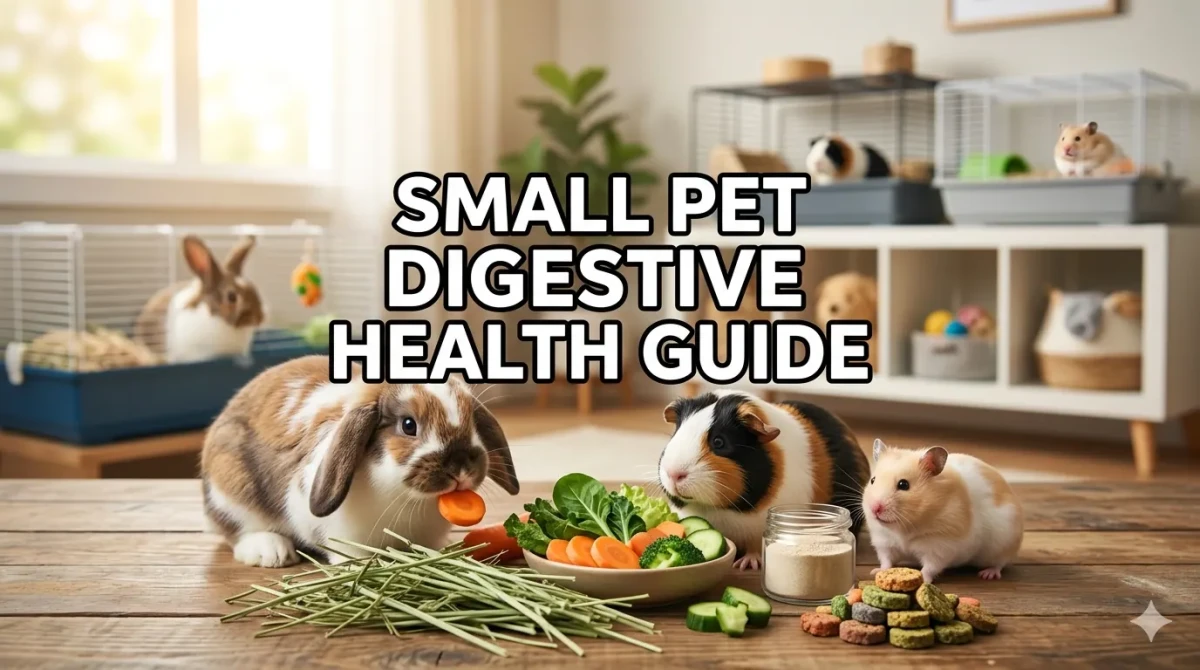
Understanding Small Pet Digestive Health Fundamentals
Small pet digestive health guide is essential knowledge for every responsible owner of rabbits, guinea pigs, hamsters, gerbils, rats, ferrets, or other small companion animals. A healthy digestive system forms the foundation of your small pet's overall health, influencing everything from immune function and nutrient absorption to coat quality, energy levels, and behavioral stability. When digestion functions properly, your small pet efficiently extracts nutrients from food, maintains healthy weight, produces normal waste, and experiences minimal gastrointestinal discomfort that can lead to serious health complications.
The digestive systems of small pets vary significantly across species but share common vulnerabilities. Rabbits and guinea pigs are hindgut fermenters with complex cecal systems requiring constant fiber intake. Hamsters and gerbils have simpler digestive tracts adapted for varied omnivorous diets. Ferrets are obligate carnivores with short digestive systems optimized for animal protein. Understanding how these specialized systems work and what supports their optimal function empowers you to make informed decisions about feeding practices, diet selection, and preventive care for your small companion.
This comprehensive guide covers everything you need to know about supporting and maintaining your small pet's digestive health, from selecting appropriate foods and supplements to recognizing warning signs that require veterinary attention. Whether you have a rabbit with a sensitive digestive system, a guinea pig experiencing occasional bloating, or simply want to establish preventive care strategies from the beginning, these expert tips will help you promote a healthy gut and happier, healthier small pet that thrives in your care.
Why Digestive Health Matters for Small Pet Wellness
Digestive health profoundly impacts nearly every aspect of your small pet's physical and mental wellbeing. The gastrointestinal tract houses a significant portion of the immune system across all small pet species, making gut health critical for disease resistance and overall immunity. A balanced gut microbiome, the community of beneficial bacteria living in your pet's intestines, helps protect against pathogens, supports nutrient absorption, and influences mood and behavior through the gut brain axis.
Poor digestive health in small pets manifests in various ways beyond obvious symptoms like diarrhea or bloating. Chronic digestive issues can lead to nutrient deficiencies despite adequate feeding, resulting in dull coat, poor skin condition, weakened immune function, weight loss, decreased energy levels, and failure to thrive. Small pets with compromised digestion may also exhibit behavioral changes including lethargy, teeth grinding indicating pain, decreased grooming, or aggression due to discomfort or systemic illness.
Preventive digestive care is far easier and less costly than treating established gastrointestinal diseases in small animals. By implementing healthy feeding practices, providing appropriate species specific nutrition, and monitoring your pet's digestive patterns and waste production, you can identify and address minor issues before they escalate into serious health problems requiring extensive veterinary treatment and causing unnecessary suffering for your beloved companion.
How Does the Small Pet Digestive System Work?
The digestive process in small pets begins with food intake through the mouth, where species specific adaptations determine feeding style. Rabbits and guinea pigs have continuously growing teeth requiring constant chewing of fibrous materials. Hamsters have cheek pouches for food storage. Ferrets have sharp carnivorous dentition for tearing meat. Each adaptation reflects evolutionary dietary needs that remain relevant in captivity.
Food travels down the esophagus to the stomach where gastric acids and enzymes begin chemical breakdown. In hindgut fermenters like rabbits and guinea pigs, the cecum plays a crucial role in fermenting fiber and producing cecotropes, nutrient rich soft feces that pets reingest to maximize nutrient absorption. This process, called cecotrophy, is essential for their health and should never be interrupted.
From the stomach, partially digested food enters the small intestine, the primary site of nutrient absorption. Here, enzymes from the pancreas and bile from the liver further break down fats, proteins, and carbohydrates. The large intestine absorbs water and electrolytes while beneficial bacteria ferment remaining fiber. Waste products are eliminated through the anus. Digestive transit time varies significantly by species, from 3 to 5 hours in ferrets to 12 to 24 hours in rabbits, reflecting their different metabolic rates and dietary adaptations.
Essential Nutrients for Optimal Small Pet Digestion

Supporting your small pet's digestive health starts with providing the right nutrients in appropriate forms and proportions specific to their species. Certain dietary components are particularly important for maintaining healthy digestion, promoting beneficial gut bacteria, and preventing common gastrointestinal issues in small companion animals.
High quality fiber sources form the non negotiable foundation of nutrition for hindgut fermenters like rabbits and guinea pigs. Timothy hay, orchard grass, and other high fiber hays provide the long fiber strands essential for proper gut motility and preventing gastrointestinal stasis, a potentially fatal condition. For omnivorous species like hamsters and rats, moderate fiber from vegetables and quality pellets supports healthy digestion without overwhelming their simpler digestive systems.
Appropriate protein levels vary significantly by species. Ferrets require high animal protein levels of 30 to 40 percent for their carnivorous digestion. Rabbits and guinea pigs need moderate protein of 12 to 16 percent primarily from plant sources. Omnivores like rats benefit from balanced protein of 14 to 18 percent from mixed sources. Highly digestible proteins reduce the workload on the digestive system and minimize undigested material that can feed harmful bacteria.
Which Probiotics Benefit Small Pet Digestive Health?
Probiotics are live beneficial bacteria that support digestive health by maintaining a balanced gut microbiome, crowding out harmful pathogens, and supporting immune function across small pet species. The most researched probiotic strains for small pets include Lactobacillus species, Bifidobacterium species, and Enterococcus faecium, all of which have demonstrated benefits for digestive health in veterinary studies.
Probiotics can help manage various digestive issues including diarrhea from antibiotics, stress related gastrointestinal upset from travel or environmental changes, and recovery support after illness. They may also improve nutrient absorption, support immune function, and reduce the frequency of digestive problems in sensitive animals. Look for probiotic supplements specifically formulated for small animals with guaranteed colony forming units and strains proven effective in veterinary research.
Probiotic enriched foods or supplements added to food or water can provide beneficial bacteria support. Always introduce probiotics gradually and follow manufacturer guidelines for dosing based on your pet's size and species. Probiotics are particularly beneficial after antibiotic treatment, during stressful events like relocation, or for pets showing mild digestive discomfort. Consult your exotic pet veterinarian for species specific recommendations and appropriate product selection.
What Role Do Digestive Enzymes Play for Small Pets?
Digestive enzymes are proteins that break down food components into absorbable nutrients. Small pets naturally produce enzymes including proteases for proteins, lipases for fats, and amylases for carbohydrates, though enzyme production varies significantly by species and diet. Senior pets or those recovering from illness may have reduced enzyme production benefiting from supplementation.
Supplemental digestive enzymes can improve nutrient absorption, reduce undigested waste, decrease gas and digestive discomfort, and support pets with compromised pancreatic function. Enzyme supplements containing broad spectrum formulations provide comprehensive digestive support particularly for omnivorous species with varied diets.
Enzyme supplements should be incorporated into food according to product instructions to be effective. While generally safe for small animal use, introduce supplements gradually and monitor your pet's response. Enzyme supplementation is most beneficial for senior pets, those with diagnosed digestive insufficiencies, or during recovery from illness when digestive efficiency may be compromised. Always consult your exotic pet veterinarian before starting any supplement regimen.
Feeding Practices That Support Small Pet Digestive Health

How you feed your small pet is as important as what you feed them when it comes to digestive health. Proper feeding practices reduce the risk of gastrointestinal stasis, bloating, and other digestive complications while improving nutrient absorption and supporting healthy digestive function throughout your pet's life.
Consistent feeding schedules help regulate your small pet's digestive system by establishing predictable patterns of hunger, digestion, and waste production. Most small pets thrive on scheduled meals rather than free feeding, which can lead to selective eating, obesity, and irregular digestive patterns. Offer fresh food at consistent times daily, typically morning and evening, removing uneaten fresh food after appropriate timeframes to prevent spoilage.
Portion control prevents overfeeding, a common cause of digestive problems in small pets. Provide appropriate portion sizes based on your pet's species, size, age, and activity level. Monitor your pet's body condition regularly, adjusting portions to maintain ideal weight without excess fat. Fresh water must be available at all times in clean bottles or bowls changed daily, as hydration is critical for digestive function and preventing gastrointestinal stasis.
How Should You Transition Small Pet Foods Safely?
Abrupt diet changes are a leading cause of digestive upset in small pets, including diarrhea, bloating, and gastrointestinal stasis. Small pets have sensitive digestive systems that require gradual adaptation to new foods. Always transition between foods slowly over 7 to 14 days to allow digestive enzymes and gut bacteria to adjust without disruption.
Begin the transition by mixing 25 percent new food with 75 percent current food for 3 to 4 days. If your pet tolerates this well with normal appetite and waste production, increase to 50 percent new food for another 3 to 4 days, then 75 percent new food before completing the transition to 100 percent new food. Monitor your pet closely throughout the process, watching for changes in appetite, activity level, and waste consistency.
If your pet experiences diarrhea, bloating, or loss of appetite during transition, slow the process by spending more days at each ratio or temporarily returning to the previous ratio until symptoms resolve. Some sensitive pets may require 2 to 3 weeks for comfortable adaptation. Always maintain excellent cage hygiene and fresh water availability during food transitions, as digestive stress can increase vulnerability to other health issues.
What Is the Best Way to Prevent Gastrointestinal Stasis?
Gastrointestinal stasis, a potentially fatal condition where gut motility slows or stops, is a critical concern particularly for rabbits and guinea pigs. Prevention focuses on maintaining constant access to high quality hay, which provides the fiber essential for healthy gut movement. Timothy hay should comprise 75 to 80 percent of these species' diets and be available unlimited.
Encourage regular eating patterns by providing fresh vegetables daily and maintaining consistent feeding schedules. Stress is a major trigger for GI stasis, so minimize environmental changes, provide adequate hiding places, and handle pets gently. Ensure your pet remains hydrated, as dehydration thickens gut contents and slows motility.
Monitor your pet's waste production daily. Normal fecal pellets should be round, firm, and produced regularly. Decreased waste production, smaller pellets, or soft cecotropes sticking to fur are early warning signs requiring immediate attention. At the first sign of decreased appetite or waste production, contact your exotic pet veterinarian promptly, as GI stasis can become life threatening within hours.
Species Specific Digestive Considerations

Different small pet species have evolved distinct digestive systems and dietary requirements based on their natural habitats and feeding ecologies. Understanding your specific pet's digestive characteristics helps you provide appropriate care that prevents problems and promotes optimal health.
Rabbits and guinea pigs are hindgut fermenters requiring constant high fiber intake from quality hay. Their cecal fermentation process produces cecotropes that must be reingested for complete nutrition. Disruption of this process through poor diet, stress, or illness can lead to serious digestive complications. These species are particularly sensitive to sudden diet changes and require careful management.
Hamsters, gerbils, and rats are omnivores with more flexible digestive systems adapted to varied diets. They benefit from balanced commercial diets supplemented with fresh vegetables and occasional protein sources. These species are less prone to GI stasis but can develop digestive issues from inappropriate foods, overfeeding, or stress.
Ferrets are obligate carnivores with short digestive tracts optimized for animal protein digestion. They require high protein, high fat diets with minimal fiber or carbohydrates. Feeding inappropriate plant based foods can cause digestive upset and malnutrition in ferrets. Their rapid digestive transit time requires frequent small meals throughout the day.
How Do You Care for Rabbit and Guinea Pig Digestive Health?
Rabbits and guinea pigs require specialized digestive care centered on unlimited high quality hay. Timothy hay for adults or alfalfa hay for young, growing, pregnant, or nursing pets provides the essential fiber for healthy gut motility and dental wear. Hay should always be fresh, fragrant, and available in unlimited quantities.
Supplement hay with species appropriate pellets formulated for rabbits or guinea pigs, providing measured amounts based on weight and life stage. Guinea pigs require vitamin C supplementation through fortified pellets or fresh vegetables like bell peppers, as they cannot synthesize this essential nutrient. Offer fresh vegetables daily, focusing on leafy greens and vitamin C rich options.
Monitor cecotrope production carefully. Normal cecotropes are soft, clustered, and typically consumed directly from the anus. Stuck cecotropes or abnormal production indicates digestive imbalance requiring dietary adjustment or veterinary attention. Maintain clean living conditions to prevent soiling that can interfere with normal cecotrophy behavior.
What Special Care Do Ferrets Require for Digestive Health?
Ferrets have unique digestive needs as obligate carnivores with rapid gastrointestinal transit times of 3 to 4 hours. They require diets containing 30 to 40 percent high quality animal protein and 15 to 20 percent fat from animal sources. Plant based proteins and carbohydrates are poorly digested and can cause digestive upset.
Feed ferrets multiple small meals throughout the day or provide free access to high quality ferret food, as their rapid digestion requires frequent nutrient intake. Avoid foods containing grains, fruits, vegetables, or dairy, as ferrets lack the enzymes to properly digest these components. Fresh water must always be available in bottles that do not leak.
Monitor ferret waste closely. Normal ferret feces are firm, dark, and tubular. Diarrhea, black tarry stools, or undigested food in waste indicates digestive problems requiring veterinary attention. Ferrets are prone to gastrointestinal foreign bodies from chewing inappropriate items, so ferret proof your home and supervise play time carefully.
Common Digestive Problems and Solutions

Even well cared for small pets occasionally experience digestive upset, and knowing how to address common issues appropriately can provide relief while determining if veterinary care is needed. Many mild digestive problems respond well to dietary adjustments, environmental modifications, and supportive care.
Diarrhea in small pets can result from dietary changes, stress, parasites, bacterial infections, or underlying health conditions. Mild, short term changes in waste consistency may resolve with conservative management including ensuring hydration and offering familiar foods. However, persistent diarrhea, especially with other symptoms, requires veterinary evaluation to identify and treat underlying causes.
Bloating and gas can indicate serious conditions like gastrointestinal stasis in rabbits and guinea pigs or bloat in ferrets. These conditions require prompt veterinary intervention. Mild gas may respond to dietary adjustments, increased fiber, or simethicone under veterinary guidance, but never delay professional care for suspected serious digestive emergencies.
How Do You Manage Mild Small Pet Digestive Upset at Home?
For mild digestive upset without concerning symptoms, start by ensuring your small pet has access to fresh, clean water to prevent dehydration. Offer familiar, easily digestible foods and remove any new or rich foods that may have triggered the upset. Maintain a warm, stress free environment to support recovery.
For rabbits and guinea pigs with mild digestive slowdown, encourage eating by offering favorite hay varieties, fresh herbs, or small amounts of banana to stimulate appetite. Syringe feed critical care formula under veterinary guidance if your pet stops eating voluntarily. For omnivorous species, offer bland foods like plain cooked rice or plain pellets in small amounts.
Monitor waste production, appetite, and behavior closely. Normal waste should resume within 24 hours for mild cases. Contact your exotic pet veterinarian if symptoms persist beyond 24 hours, worsen, include blood, or are accompanied by lethargy, teeth grinding, decreased activity, or other concerning signs. Small pets deteriorate rapidly when ill, so early veterinary intervention is critical.
What Natural Remedies Support Small Pet Digestive Comfort?
Several gentle natural approaches can support digestive comfort in small pets with mild gastrointestinal upset. Plain canned pumpkin in small amounts provides soluble fiber that helps regulate digestion for omnivorous species like rats and hamsters. Use only plain pumpkin without added sugars, spices, or preservatives.
Herbal teas like chamomile or fennel, cooled to room temperature, may help soothe mild digestive discomfort in some species when offered in small amounts. Always research species safety before offering any herbal remedy, as many plants toxic to humans are also toxic to small pets.
Stress reduction is crucial for digestive recovery. Provide a quiet, calm environment with minimal disturbances during recovery. Maintain consistent routines for feeding and interaction. Avoid introducing new foods, toys, or environmental changes during digestive upset. If your pet shows signs of stress, provide familiar comfort items and minimize handling to only necessary care.
Dietary Choices That Promote Small Pet Digestive Wellness

What you feed your small pet has the greatest impact on digestive health, making food selection one of the most important decisions you make as a small pet owner. Understanding which dietary components support versus challenge small pet digestion helps you choose foods that promote gastrointestinal wellness appropriate for your species.
High quality commercial small pet foods formulated for your specific species provide balanced nutrition supporting digestive health. Pelleted diets for rabbits, guinea pigs, and ferrets offer consistent nutrition and prevent selective feeding common with seed or muesli style foods. Look for foods with quality ingredients, appropriate nutrient levels for your pet's species and life stage, and no artificial additives that can irritate sensitive digestive systems.
Fresh foods should complement commercial diets appropriately for each species. Rabbits and guinea pigs benefit from daily fresh leafy greens and vegetables. Hamsters and rats enjoy small amounts of fresh vegetables and occasional fruit treats. Ferrets should not receive plant based fresh foods as they cannot digest them properly. Always research species appropriate fresh food options.
Should Small Pets Eat Pellets or Mixed Foods for Digestive Health?
The choice between pellets and mixed foods centers on nutritional completeness and digestive health. Mixed foods containing seeds, grains, dried fruits, and pellets encourage selective feeding where pets pick out favorite items and leave nutritious components. This leads to nutritional imbalances, obesity, and digestive problems particularly in rabbits and guinea pigs.
Pelleted diets provide complete, balanced nutrition in every bite, preventing selective feeding and ensuring consistent nutrient intake. High quality pellets support digestive health through appropriate fiber levels, balanced nutrients, and digestible ingredients. Most exotic pet veterinarians recommend uniform pellets as the diet foundation for rabbits, guinea pigs, and ferrets.
For omnivorous species like rats and hamsters, high quality lab blocks or uniform pellets provide balanced nutrition while allowing fresh food variety as supplements. Avoid muesli style mixes that encourage selective feeding. The best approach combines quality pellets as the diet foundation with species appropriate fresh foods for variety and enrichment.
How Do Fresh Foods Impact Small Pet Digestive Health?
Fresh foods provide excellent variety and nutrition for appropriate small pet species, supporting digestive health through natural enzymes, fiber, and nutrients. Rabbits and guinea pigs benefit from daily fresh leafy greens like romaine, cilantro, and parsley that provide fiber and vitamins supporting healthy digestion.
Prepare fresh foods properly by washing thoroughly to remove pesticides and contaminants. Cut foods to appropriate sizes for your pet species to prevent choking. Offer fresh foods at room temperature, never cold from refrigeration. Remove uneaten fresh food after 2 to 4 hours to prevent bacterial growth and spoilage.
Introduce fresh foods gradually to allow digestive adaptation. Monitor waste production and behavior when adding new food types. Not all small pets accept fresh foods immediately, and some species have specialized diets that should not be altered significantly. Research your species' natural diet and replicate it appropriately in captivity while introducing variety gradually.
Recognizing Warning Signs Requiring Veterinary Care

While some digestive issues resolve with supportive care, certain symptoms indicate problems requiring professional exotic pet veterinary evaluation and treatment. Knowing when to seek help prevents minor issues from becoming serious emergencies and ensures your small pet receives appropriate care promptly. Small pets hide illness instinctively, so by the time symptoms are obvious, the condition may be advanced.
Seek immediate veterinary attention for symptoms including complete loss of appetite for more than 12 hours in rabbits or guinea pigs, severe bloating, blood in waste, or signs of pain like teeth grinding. These symptoms can indicate serious conditions like gastrointestinal stasis, intestinal blockage, or infection requiring urgent intervention. Small pets deteriorate rapidly when ill, so prompt veterinary care is essential.
Other warning signs include changes in waste lasting more than 24 hours, unexplained weight loss, decreased energy, hunched posture, and any digestive symptoms in young, old, or immunocompromised pets. Regular monitoring of waste, weight, appetite, and behavior helps you detect problems early when treatment is most effective.
When Is Small Pet Digestive Upset an Emergency?
Certain digestive symptoms constitute emergencies requiring immediate exotic pet veterinary care. Gastrointestinal stasis in rabbits and guinea pigs, characterized by complete loss of appetite, decreased or absent waste production, and lethargy, requires emergency treatment. This condition can become life threatening within hours and needs prompt veterinary intervention including pain management, fluids, and assisted feeding.
Suspected intestinal blockage from ingestion of inappropriate items including carpet fibers, plastic, or bedding requires immediate veterinary attention. Signs include loss of appetite, decreased waste production, abdominal pain, and lethargy. Blockages often require surgical intervention and delaying treatment reduces survival chances significantly.
Severe dehydration signs including dry mucous membranes, sunken eyes, loss of skin elasticity, weakness, or collapse require emergency care. Dehydration can develop rapidly with persistent diarrhea or not eating and becomes life threatening if not addressed promptly with fluid therapy and supportive care. Keep your small pet warm and seek emergency veterinary care immediately.
What Diagnostic Approaches Evaluate Small Pet Digestive Health?
When digestive problems persist, systematic evaluation helps identify underlying causes. Begin with comprehensive assessment of diet, environment, and recent changes, as many digestive issues stem from management factors. Examine waste characteristics, appetite patterns, and physical condition systematically.
Exotic pet veterinarians may perform fecal examinations for parasites like coccidia, giardia, or worms that cause diarrhea and require specific treatments. Blood tests evaluate organ function, check for infections, and assess overall health status. Imaging studies including x rays and ultrasound visualize the digestive tract to identify obstructions, masses, or structural abnormalities.
These diagnostic approaches help target treatment effectively rather than managing symptoms alone, improving outcomes for small pets with digestive issues and providing peace of mind for concerned owners. Work with an experienced exotic pet veterinarian who understands small animal digestive health and can provide appropriate diagnostic and treatment options.
Preventive Strategies for Long Term Small Pet Digestive Wellness

Preventing digestive problems is far easier and less stressful than treating them after they develop. Implementing consistent preventive strategies supports your small pet's digestive health throughout life and reduces the likelihood of gastrointestinal issues that cause suffering and require veterinary intervention.
Maintain consistent, high quality diet appropriate for your small pet's species, age, activity level, and health status. Avoid sudden diet changes, inappropriate treats, and access to unsafe items that commonly trigger digestive upset. Provide fresh, clean water at all times, changed at least daily, to support digestion and overall health.
Manage stress through environmental enrichment, predictable routines, and adequate space, as stress significantly impacts small pet digestive function through the gut brain axis. Small pets with anxiety related digestive issues may benefit from behavior modification, environmental management, or veterinarian recommended supplements. Regular veterinary wellness exams including fecal testing help detect and address potential issues before they become serious problems.
How Does Environmental Management Support Digestive Health?
Environmental management reduces stress that can manifest as digestive upset in small pets. Provide appropriate cage size, safe toys, hiding places, and opportunities for natural behaviors like foraging and chewing. Reduced stress supports healthy digestive function and immune response.
Maintain consistent routines for feeding, cleaning, and interaction, as small pets thrive on predictability. Sudden changes in household dynamics, schedules, or environment can trigger stress related digestive issues. When changes are necessary, introduce them gradually and provide extra reassurance during transition periods.
Ensure your small pet has access to clean food and water dishes washed daily. Dirty dishes harbor bacteria that can cause digestive infections. Maintain appropriate temperature and humidity levels, avoiding drafts and extreme temperatures that stress the digestive system. Provide adequate rest periods in quiet, dark areas to support overall health including digestive function.
What Supplements Support Preventive Digestive Care for Small Pets?
Certain supplements can support digestive health preventively in small pets, particularly those with sensitive systems or predispositions to gastrointestinal issues. Probiotics maintain beneficial gut bacteria balance, supporting immune function and digestive regularity. Choose small animal specific products with researched strains and guaranteed potency for best results.
Digestive enzymes may benefit senior pets or those with reduced pancreatic function, improving nutrient absorption and reducing digestive workload. Omega 3 fatty acids from appropriate sources reduce inflammation throughout the body including the digestive tract, supporting gut health and overall wellness. Always consult your exotic pet veterinarian before starting supplements to ensure appropriateness for your pet's species, health status, and to determine proper dosing.
Vitamin and mineral supplements should only be used under veterinary guidance, as over supplementation can be harmful. Small pets receiving balanced commercial diets with appropriate fresh foods typically do not need additional vitamin supplementation except for guinea pigs requiring vitamin C. Quality matters, so choose supplements from reputable manufacturers with transparent testing and formulation specifically for small animals.
Frequently Asked Questions About Small Pet Digestive Health

How Do You Know If Your Small Pet Has Digestive Problems?
Small pets with digestive problems typically show changes in appetite, waste production, or physical appearance. Look for loss of appetite, bloating, abnormal waste consistency or color, lethargy, teeth grinding indicating pain, or isolation behavior. Regular observation during feeding and cage cleaning helps you detect changes early when intervention is most effective.
Establish baseline normal appearance and behavior for your small pet so you recognize deviations quickly. When in doubt, consult your exotic pet veterinarian, as small pets deteriorate rapidly when ill and early intervention improves outcomes significantly. Do not wait to see if symptoms improve on their own for more than 24 hours.
Can Stress Cause Digestive Problems in Small Pets?
Yes, stress significantly impacts small pet digestive health through physiological pathways affecting hormone levels, immune function, and gut motility. Stressors including poor housing conditions, aggressive cage mates, inadequate hiding places, sudden environmental changes, or excessive handling can trigger digestive upset particularly in sensitive species like rabbits.
Managing stress related digestive issues involves identifying and minimizing stressors, maintaining stable environments, providing adequate space and hiding places, and avoiding sudden changes. Probiotics and gentle supportive care may help small pets recover from stress related digestive upset. Prevention through proper husbandry is more effective than treatment after problems develop.
What Foods Should You Avoid for Small Pet Digestive Health?
Avoid feeding small pets foods inappropriate for their species, including high fat mammalian meats for herbivores, dairy products for lactose intolerant species, or processed human foods that small pets cannot digest properly. These cause digestive upset, provide poor nutrition, and can introduce toxins.
Limit foods high in sugar, fat, or simple carbohydrates that can disrupt digestive balance. Avoid sudden diet changes, moldy or spoiled food, or access to inappropriate items like houseplants, which may be toxic. Always research species specific dietary requirements and feed accordingly for optimal digestive health. When introducing new foods, do so gradually and monitor for adverse reactions.
Conclusion

Maintaining optimal digestive health is fundamental to your small pet's overall wellbeing, quality of life, and longevity. By understanding how small pet digestive systems work, providing appropriate species specific nutrition, implementing healthy feeding practices, and recognizing warning signs early, you empower yourself to support your companion's gastrointestinal wellness throughout their life.
Remember that every small pet species has unique digestive requirements based on evolutionary adaptations. What works well for one species may not suit another, so research your specific pet, observe individuals closely, adjust care strategies based on their responses, and partner with an experienced exotic pet veterinarian for personalized guidance.
Your commitment to your small pet's digestive health demonstrates your dedication to providing the best possible care. With the knowledge and strategies provided in this guide, you can confidently support your small pet's digestive wellness, helping them enjoy vibrant health, comfortable digestion, and many happy years of companionship by your side.
🐱 আরও পড়ুন: Other Pet Health

0 Comments